2027 Best Engineering Graduate School Loans

Student Finance & Loan Expert
Facing the high costs of engineering graduate programs can create significant financial barriers for prospective students, especially those switching from unrelated undergraduate fields.
Many struggle to identify loan options that offer favorable terms and manageable repayment plans. Without clear information, borrowers risk financing their education with costly debt or missing out on valuable aid opportunities.
This article highlights key loan options tailored for engineering graduate students, providing clarity on rates, eligibility, and repayment benefits. The goal is to equip readers with practical knowledge to secure suitable financing and avoid common pitfalls in funding advanced engineering education.
- What types of student loans are best for engineering graduate school? Best loan types
- How do federal graduate loans compare to private loans for engineering students? Federal vs private
- How much can engineering grad students borrow and what interest rates apply? Limits & rates
- What are the eligibility requirements and FAFSA steps for graduate engineering loans? Eligibility & FAFSA
- Which repayment plans work best for high-earning engineering graduates? Best repayment
- How do income-driven repayment plans affect engineering graduates' monthly payments? IDR impact
- What loan forgiveness and cancellation options exist for engineering graduates? Forgiveness options
- When should engineering grads refinance or consolidate their student loans? Refinance vs consolidate
- How can engineering students minimize borrowing costs while in graduate school? Reduce costs
- How do credit, cosigners, and lender choice affect private engineering grad loans? Credit & cosigners
What types of student loans are best for engineering graduate school?
Federal Direct Unsubsidized Loans and Grad PLUS Loans remain the top choices for financing engineering graduate school.
These federal loans offer fixed interest rates and flexible repayment options, essential for managing the median debt of $36,000 that engineering master's graduates typically carry. Graduates start with a strong median salary of $99,000, making it vital to select loan terms that keep monthly payments manageable.
Direct Unsubsidized Loans have lower interest rates and no credit check, increasing accessibility for most borrowers, but their borrowing limits may not cover full tuition and expenses.
Grad PLUS Loans fill this gap but come with higher interest rates and require credit approval. Students should weigh these factors carefully, especially when considering affordable private loans for engineering graduate programs, which often have variable rates and fewer borrower protections.
Income-driven repayment plans linked to federal loans provide valuable flexibility for graduates juggling debt and changing income levels. When federal loans don't suffice, private loans can supplement financing but require thorough comparison of terms, rates, and cosigner obligations.
For those exploring additional support options, relevant dental school financial aid offers insights into managing educational expenses.
How do federal graduate loans compare to private loans for engineering students?
Federal graduate loans for engineering students typically offer lower, fixed interest rates and more flexible repayment options than private loan alternatives.
Federal Grad PLUS loans include income-driven repayment plans that adapt monthly payments based on income, helping manage loans during periods of variable post-graduation salaries or unemployment. These borrower protections make federal loans a preferred first choice.
Private loan options for engineering graduate programs often carry higher and sometimes variable interest rates, which increases financial risk. They usually require credit checks and may need a co-signer, presenting challenges for some borrowers.
However, private loans can cover the full cost of attendance, including expenses that federal loans generally do not, such as extra living costs or materials.
According to the College Board's "Trends in Student Aid 2024," 47% of U.S. graduate students used a mix of federal and private loans, with private loans accounting for about 29% of total borrowing. This indicates that while federal loans provide the core funding, private loans are commonly used to supplement when federal limits fall short.
Engineering students should carefully compare interest rates, fees, and borrower benefits when turning to private loans. Maintaining strong credit and assessing repayment flexibility are critical to avoid financial strain.
For students facing credit challenges, exploring bad credit college loans can be a helpful step.
How much can engineering grad students borrow and what interest rates apply?
Engineering graduate students can generally borrow up to the total cost of attendance minus any other financial aid. Federal Direct Unsubsidized Loans allow an annual borrowing limit of $20,500 for graduate students.
Additionally, Direct Graduate PLUS Loans have no fixed annual limit and can cover the full cost of attendance, including tuition, fees, and living expenses, minus other aid. This borrowing flexibility is crucial when considering engineering graduate student loan borrowing limits.
The interest rates on engineering grad school loans differ by type. For the 2026-27 academic year, Direct Unsubsidized Loans have a fixed rate near 7.05%, while Graduate PLUS Loans are about 8.05%. Private loans often start at variable rates around 6%, but actual rates depend on creditworthiness and lender policies.
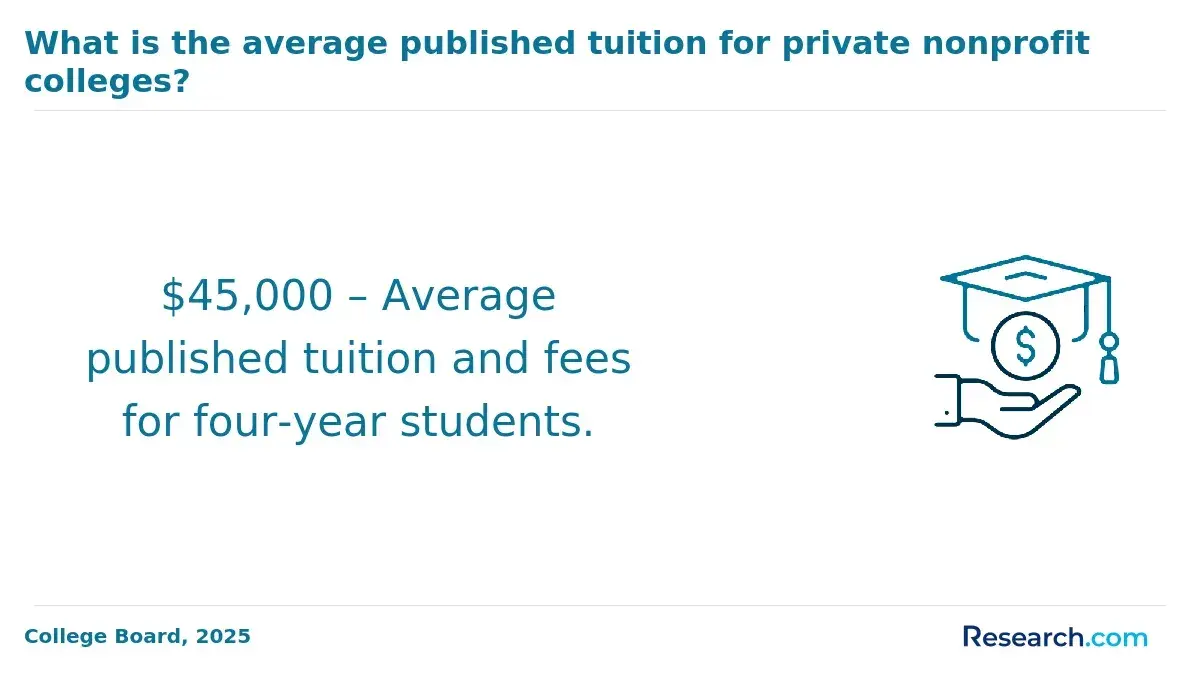
The National Center for Education Statistics reports average tuition and fees for engineering master's programs at public research universities are $14,870 for in-state and $31,420 for out-of-state students.
Living expenses can add several thousand dollars annually, often requiring additional borrowing. While federal loans have borrowing limits, private loans can help bridge funding gaps but usually need a cosigner and carry higher interest.
When planning loan amounts, students should consider total educational costs and realistic repayment prospects. Exploring options like student loan refinancing bonus offers can also be valuable for managing debt effectively.
What are the eligibility requirements and FAFSA steps for graduate engineering loans?
To qualify for graduate engineering loans in the US, applicants must be U.S. citizens or eligible noncitizens enrolled at least half-time in an accredited graduate engineering program. Financial need is not required for Direct Unsubsidized Loans, though borrowers must maintain satisfactory academic progress throughout their studies.
Students should follow a step-by-step FAFSA application process for engineering graduate students by completing the Free Application for Federal Student Aid (FAFSA) annually. The FAFSA gathers essential financial and personal information to verify eligibility.
It is crucial to submit the FAFSA as early as October 1, preferably before the school's priority deadline, to facilitate timely loan processing. Once the FAFSA is submitted, the school's financial aid office provides an award letter detailing available loan options and amounts.
New 2026 federal rules cap graduate borrowing at $20,500 per year with a $100,000 lifetime limit for Direct Unsubsidized Loans, replacing the previous unlimited Grad PLUS loan borrowing limits.
Students needing funds beyond these caps may consider private loans or employer tuition assistance, but should compare repayment terms and interest rates carefully. For detailed information on alternative financing, see nursing school loans, which share some similar principles.
Following these eligibility criteria for graduate engineering loans in the US and understanding the FAFSA steps ensures access to appropriate funding without exceeding federal borrowing limits.
Which repayment plans work best for high-earning engineering graduates?
High-earning engineering graduates benefit most from repayment plans that balance manageable monthly payments with minimizing total interest costs.
The Standard 10-year repayment plan provides steady, fixed payments that allow for quicker loan payoff and lower interest overall. Graduated plans offer lower initial payments that increase every two years, ideal for those whose income is expected to grow steadily after graduation.
Income-Driven Repayment (IDR) plans like Pay As You Earn (PAYE) or Revised Pay As You Earn (REPAYE) calculate payments based on income, often resulting in lower early payments. However, for high earners, payments can rise significantly as income grows, making these plans less beneficial unless income fluctuates or loan forgiveness is anticipated.
Recent fixed federal loan interest rates have increased sharply, with Direct Unsubsidized Graduate Loans at 7.05% for the 2025-26 award year, the highest rate since 2013. This rise emphasizes the importance of shorter repayment terms to reduce total interest paid.
How do income-driven repayment plans affect engineering graduates' monthly payments?
Income-driven repayment (IDR) plans adjust monthly student loan payments based on an engineering graduate's income and family size. Graduates with higher earnings, like those holding a master's in engineering with median salaries around $131,000 compared to $103,000 for bachelor's holders, may still face substantial payments.
However, IDR caps these payments at 10% to 15% of discretionary income, helping align payments with financial capacity and easing the burden during early career stages or income dips.
IDR plans offer several key benefits for engineering graduates:
- Reducing monthly payments when income fluctuates, preventing defaults and financial hardship.
- Extending repayment terms up to 20 or 25 years, which lowers immediate payment amounts but can increase total interest costs.
- Providing loan forgiveness after the repayment period if balances remain, especially aiding long-term low earners or public service workers.
A graduate earning $131,000 with federal loans might pay between $1,000 and $1,300 monthly under IDR. In contrast, during a lower-earning year, payments could drop below $500. Those with larger debt or advanced degrees should consider IDR to avoid payments over 15% of discretionary income and must recertify income annually to keep payments accurate.
Applying for IDR involves submitting income documentation, which can be cumbersome but ensures manageable payments as earnings change. Effectively managing student loans after engineering graduate school requires understanding how IDR plans relate to both debt size and income progression.
What loan forgiveness and cancellation options exist for engineering graduates?
Federal loan forgiveness options provide significant relief for engineering graduates, especially those in public service or qualifying professions.
The Public Service Loan Forgiveness (PSLF) program cancels remaining federal Direct Loan balances after 120 qualifying monthly payments while working full-time for government or nonprofit organizations. This is particularly relevant for engineers involved in public infrastructure, environmental, or government projects.
Income-Driven Repayment (IDR) plans like Pay As You Earn (PAYE) and Revised Pay As You Earn (REPAYE) offer forgiveness after 20 to 25 years of repayments. These plans benefit engineers with moderate federal debt working in the private sector, although loan forgiveness could have tax consequences.
Teacher Loan Forgiveness is available for engineers teaching qualifying STEM subjects in low-income schools, offering up to $17,500 forgiven after five consecutive years. Federal loans can also be discharged due to total and permanent disability or death, helping borrowers facing unexpected hardships.
Private student loans, common for graduate engineering education, usually lack formal forgiveness programs. However, cosigning loans remains a vital strategy.
According to MeasureOne's Private Student Loan Report 2024, 90% of approved undergraduate and 65% of graduate private loans were cosigned, with cosigned loans averaging 2.25 percentage points lower interest rates. Exploring cosigning and federal benefits can improve loan terms and financial outcomes for borrowers.
When should engineering grads refinance or consolidate their student loans?
Engineering graduates should consider refinancing or consolidating student loans when they can secure a lower interest rate, reducing total repayment costs. For example, refinancing federal loans at 6% interest to a private loan with a 4% rate can save significant money over time.
Consolidation benefits borrowers with multiple federal loans by simplifying payments into one Direct Consolidation Loan and potentially extending repayment periods, which lowers monthly bills. This option suits those with irregular income or tight budgets.
Refinancing is best for borrowers with stable credit and no need for federal protections like income-driven repayment or Public Service Loan Forgiveness (PSLF), as refinancing federal loans privately eliminates these benefits.
Borrowers planning to use forgiveness programs should delay refinancing or consolidation until they confirm these benefits are unavailable. Over $153 billion in federal student loan forgiveness has been approved for 4.3 million borrowers, mainly through income-driven repayment adjustments and PSLF, according to the U.S. Department of Education.
Borrowers with poor credit should avoid refinancing as it might increase monthly costs or remove federal loan protections. Regularly monitoring interest rates and reassessing loan strategies based on income and career plans can optimize loan management.
How can engineering students minimize borrowing costs while in graduate school?
Engineering graduate students can reduce borrowing costs by combining multiple funding sources and minimizing reliance on high-interest loans. Securing teaching or research assistantships often grants tuition waivers and stipends, significantly lowering expenses. Actively pursuing these awards can cut loan needs by thousands of dollars annually.
Before taking loans, students should fully explore grants and scholarships offered by universities and professional engineering organizations, as these do not require repayment.
Federal Direct Unsubsidized Loans typically have lower interest rates and more flexible repayment options than private loans. Prioritizing these federal loans up to the maximum allowable amount can save money compared to private borrowing.
International students, who make up a significant portion of engineering graduate enrollment, face unique challenges since most cannot access U.S. federal aid and rely heavily on personal or family funding. They should seek institutional scholarships targeted at non-citizens and consider education loans from their home countries that may offer better terms.
Additional strategies include careful budgeting to lower living costs, avoiding unnecessary program extensions, and exploring employer tuition reimbursement programs, which can directly reduce loan dependence.
How do credit, cosigners, and lender choice affect private engineering grad loans?
Credit scores, cosigners, and lender selection significantly affect private engineering graduate school loans. Borrowers with strong credit typically secure lower interest rates and better repayment options, which reduces overall costs.
Those with weaker credit may face higher rates or outright loan denial, but a creditworthy cosigner can enhance approval chances and improve terms. For instance, a cosigner with excellent credit can lower interest rates by 1 to 3 percentage points.
Lender choice is equally important. Some lenders specialize in loans for engineering graduates, offering competitive rates, deferment options, and flexible repayment plans. Others might have stricter credit requirements and higher fees. Comparing APR, origination fees, and terms, like fixed versus variable rates, is crucial to find the best fit and manage monthly payments effectively.
The Sallie Mae "How America Pays for Graduate School" report reveals many borrowers lack awareness of their loan details: 42% don't know their interest rate, and 37% underestimate monthly payments by at least 20%. Borrowers should always request clear disclosures, including total estimated repayment amounts, before committing.
Other Things You Should Know About the Best Engineering Graduate School Loans
Yes, student loans for engineering graduate school can be used to cover living expenses such as rent, food, and transportation. Both federal and private loans typically allow borrowers to budget for these costs in addition to tuition and fees. It is important for students to plan their budgets carefully to prevent borrowing more than necessary.
Missing student loan payments while in graduate school can lead to negative consequences such as late fees and a damaged credit score. However, federal loans often offer deferment or forbearance options that allow temporary suspension of payments during enrollment or financial hardship. Private loans may have less flexible options, so checking specific lender policies is essential.
Discharging student loans, including those for engineering graduate programs, is challenging as Federal loans require proving "undue hardship." However, some private lenders may offer more flexible terms, potentially allowing bankruptcy discharge under specific conditions. Always consult with a legal expert for the most accurate guidance.
Student loans may be applied to costs directly related to graduate education, including some exam fees for professional licensing or certification if the lender allows it. Federal graduate loans have limited coverage for exam fees, while private lenders vary widely in their policies. Students should consult their loan servicer to confirm eligible expenses before using loan funds.