2027 Best Medical Assistant Student Loans

Student Finance & Loan Expert
Many aspiring medical assistants face financial barriers when pursuing certification or degree programs. Limited savings and rising tuition costs create uncertainty about funding options. Without clear guidance, students risk accumulating high-interest debt or missing out on affordable loan opportunities. Navigating the complex landscape of student loans can prove challenging, particularly for career changers without prior knowledge of available aid. Understanding the best student loan options helps mitigate financial strain and supports informed borrowing decisions. This article examines top student loans tailored for medical assistant students, aiming to equip readers with practical tools to secure manageable funding for their education.
- What types of student loans are available for medical assistant programs and certificates? What types of student
- How do federal and private medical assistant student loans compare on cost and protections? How do federal and
- What are the current federal interest rates and borrowing limits for medical assistant students? What are the current
- How do you qualify and apply for medical assistant student loans using the FAFSA? How do you qualify
- Which private lenders offer the best loans specifically for medical assistant students? Which private lenders offer
- How do repayment options work for medical assistant student loans after graduation? How do repayment options
- Can medical assistant student loans qualify for forgiveness, cancellation, or discharge programs? Can medical assistant student
- How can medical assistant graduates refinance or consolidate their student loans effectively? How can medical assistant
- What strategies help medical assistant students borrow less and reduce overall loan costs? What strategies help medical
- How do deferment, forbearance, and default affect medical assistant borrowers and their credit? How do deferment, forbearance,
What types of student loans are available for medical assistant programs and certificates?
Medical assistant student loan options include federal, private, and institutional loans, each suited to different financial situations. Federal student loans offer key benefits such as Direct Subsidized Loans, which do not accumulate interest while enrolled half-time or more, and Direct Unsubsidized Loans, which begin accruing interest immediately. Eligibility for subsidized loans depends on financial need, while unsubsidized loans are available to most students. Both types have fixed interest rates and flexible repayment plans.
Private student loans, usually provided by banks and credit unions, involve credit checks and often require a co-signer. Interest rates tend to be higher than federal loans, and repayment options are less flexible with fewer borrower protections. These loans should be considered only after federal and institutional loans have been explored. Many medical assistant programs offer institutional loans or payment plans with lower borrowing limits to help bridge funding gaps.
Costs vary significantly: the average annual tuition at public two-year colleges is $3,960, compared to $15,410 at private for-profit schools, so students attending private institutions may need larger loans and face greater debt.
Students must carefully evaluate the terms, interest rates, and repayment options of loans to manage medical assistant program costs effectively. It is also important to understand whether loans can cover other expenses; for more details on this topic, see can you use student loans for living expenses.
How do federal and private medical assistant student loans compare on cost and protections?
Federal medical assistant student loans typically offer lower interest rates and stronger borrower protections than private loans. According to the Federal Reserve's 2024 Report on the Economic Well-Being of U.S. Households, private undergraduate loans taken in 2024 averaged an interest rate of 9.8%, whereas new federal Direct loans averaged 5.5%. This large difference affects the total repayment and monthly payments, making federal loans generally more affordable for those concerned about federal medical assistant student loans cost and protections.
Federal loans come with benefits like income-driven repayment plans, deferment options, and forgiveness programs that private loans rarely provide. For borrowers facing financial hardships or unemployment, federal loans offer temporary relief options, while private lenders usually require immediate payment without such flexibility.
Private loans may be considered when federal loan limits are reached or quicker credit decisions are needed. However, private lenders often require good credit or a co-signer, and their interest rates can be fixed or variable with fewer borrower protections. Comparing private versus federal student loans for medical assistant programs highlights that federal loans have lower rates and more repayment flexibility, whereas private loans tend to have higher rates and stricter terms.
- Federal loans: Lower rates, deferment, income-based repayment, and forgiveness options.
- Private loans: Often higher rates, less flexible repayment, and require credit approval.
Students should prioritize federal loans to manage costs and maximize protections. Private loans are best considered only after federal options are exhausted. For those needing options tailored to credit challenges, researching best student loans for bad credit can provide additional guidance.
What are the current federal interest rates and borrowing limits for medical assistant students?
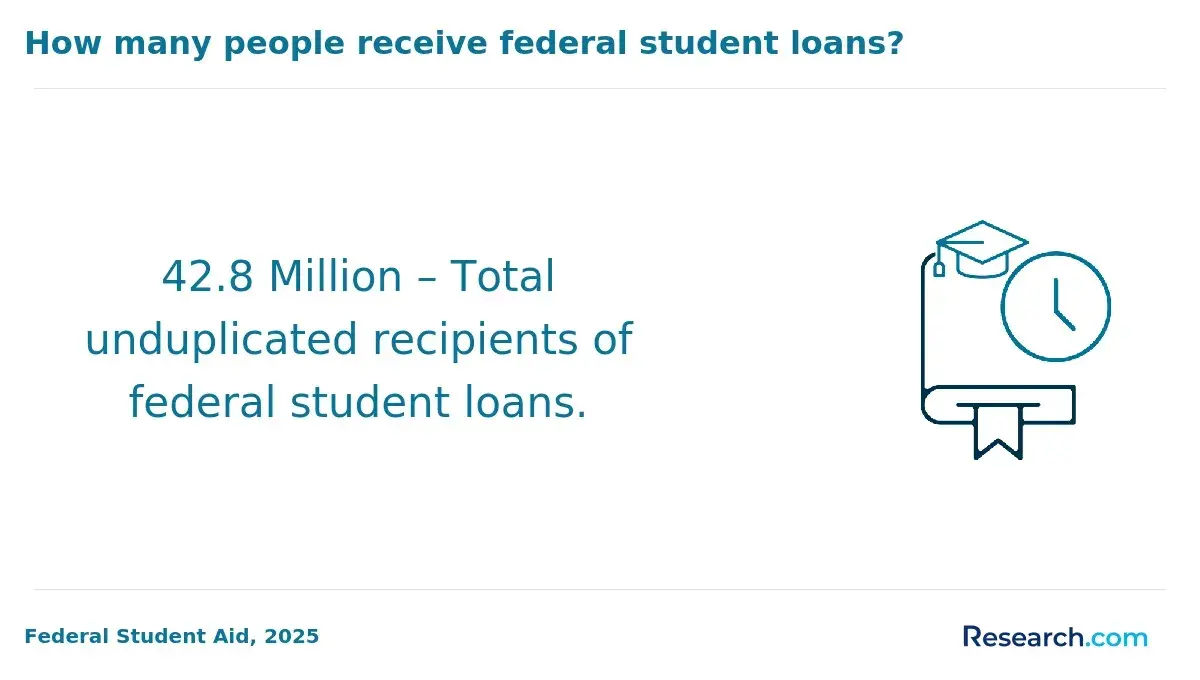
Interest rates for federal student loans in medical assistant programs are fixed to provide repayment stability. Direct Subsidized and Unsubsidized Loans have a 6.54% interest rate for undergraduate students, while graduate or professional students pay 7.54%. These fixed rates remain consistent throughout the loan term, helping students manage their finances more predictably.
Borrowing limits vary based on dependency status and academic level. Dependent undergraduates can borrow between $5,500 and $7,500 annually, with an aggregate cap of $31,000. Independent undergraduates or dependent students whose parents cannot obtain PLUS Loans have higher limits, allowing up to $12,500 per year and $57,500 in total. Graduate medical assistant students may borrow up to $20,500 each year under Direct Unsubsidized Loans without an aggregate limit. These federal borrowing limits for medical assistant student loans in the United States help ensure responsible borrowing aligned with educational costs.
Private student loans filling gaps after federal aid display a wide range of fixed APRs, from 3.99% to 15.99%, depending heavily on creditworthiness and loan term. Unlike federal loans, private loans lack income-driven repayment plans and loan forgiveness options, which are critical for many borrowers. Students should carefully compare offers, including MBA private student loans, to find the best fit for their needs.
How do you qualify and apply for medical assistant student loans using the FAFSA?
To apply for medical assistant student loans with FAFSA, begin by completing the FAFSA form online at fafsa.gov. This application assesses your eligibility for federal grants, loans, and work-study funds based on your financial details. Eligibility requires U.S. citizenship or eligible non-citizen status and acceptance into an accredited medical assisting program.
For a step-by-step FAFSA application for medical assistant student loans, key steps include:
- Gathering financial documents like your Social Security number, tax returns, and bank statements.
- Creating an FSA ID to electronically sign your form.
- Listing the schools where you plan to enroll so they can receive your FAFSA data.
- Providing detailed income and asset information for yourself and your parents if dependent.
- Submitting the FAFSA before your state and school deadlines.
Once submitted, the Expected Family Contribution (EFC) is calculated, which influences your eligibility for need-based aid, including Direct Subsidized and Unsubsidized Loans. The Federal Pell Grant can provide up to $7,395 for eligible students, helping reduce the amount you may need to borrow. Additionally, many medical assistant students benefit from state or institutional aid after FAFSA results are shared.
Students enrolled at least half-time are eligible for federal aid. Updating your FAFSA yearly is essential to continue receiving support. For alternative funding options, researching college loans from banks may also be helpful.
Which private lenders offer the best loans specifically for medical assistant students?
Private lenders such as Ascent, Sallie Mae, and Discover Student Loans offer tailored financing solutions for medical assistant students enrolled in vocational and certificate programs. These options address challenges unique to shorter-term education funding.
Ascent provides loans without a co-signer for eligible applicants, particularly those with strong credit or enrolled in specific career-focused programs, ideal for students seeking financial independence. Sallie Mae features flexible repayment options, including deferred and interest-only payments during school, which can help manage cash flow while studying.
Discover Student Loans stands out with competitive fixed and variable interest rates, no fees for origination or prepayment, and user-friendly digital tools for loan management. Their customer service supports borrowers throughout repayment.
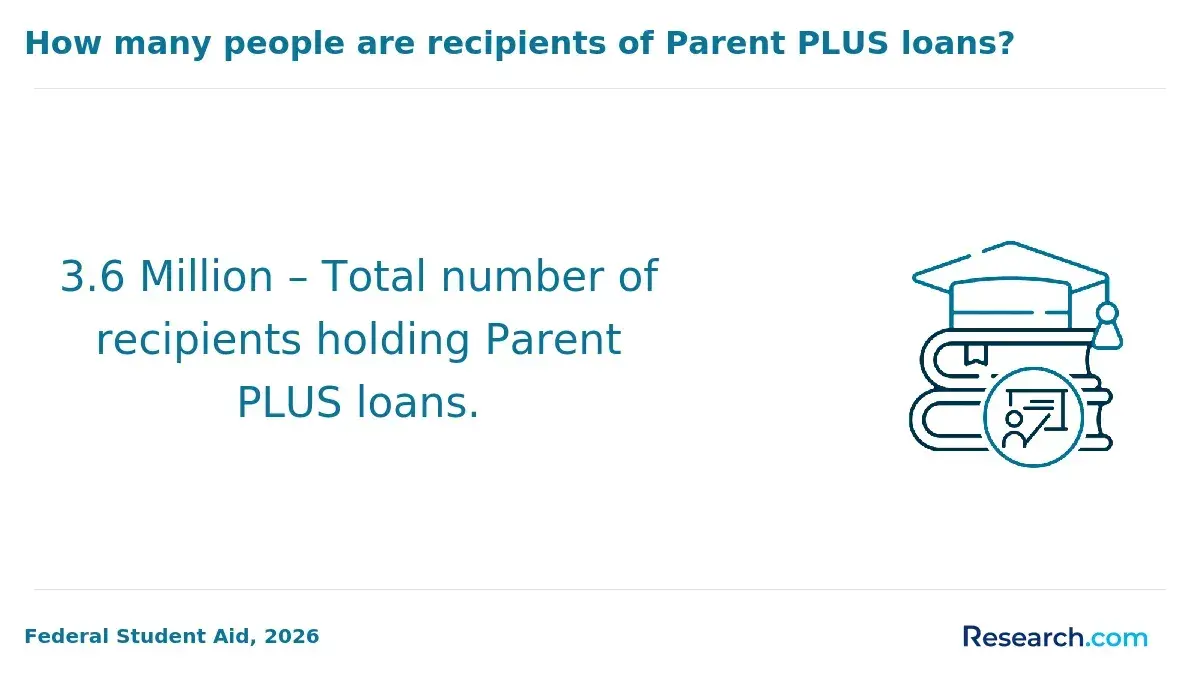
Despite these benefits, a 2025 Sallie Mae report reveals that 92% of private student-loan borrowers required a creditworthy co-signer. This is a significant consideration for medical assistant students who often lack credit history or stable income. Those without strong credit should consider federal aid first, as it offers better terms and borrower protections, or prepare to find a co-signer.
Students should carefully compare lenders on interest rates, repayment flexibility, co-signer policies, and eligibility to find the best fit. Early application and maintaining strong credit profiles increase chances of securing favorable terms.
How do repayment options work for medical assistant student loans after graduation?
Medical assistant student loans typically require repayment to begin right after graduation, with most borrowers assigned a standard 10-year repayment term. Federal loans offer several flexible income-driven repayment (IDR) options such as Income-Based Repayment (IBR), Pay As You Earn (PAYE), and Revised Pay As You Earn (REPAYE). These plans tailor monthly payments to income and family size, which can be helpful for graduates earning between $30,000 and $40,000 annually in entry-level roles.
Other alternatives include extended repayment plans that allow up to 25 years to repay, reducing monthly payments but increasing total interest. Graduated repayment plans start with lower payments that increase every two years, matching income growth. Private loans, however, generally do not offer these income-driven options and may require immediate fixed payments, which can be challenging for budgeting. Refinancing private loans is an option for those with good credit to secure better terms.
To minimize debt, students should maximize grants and scholarships before borrowing. On average, undergraduates receive $10,210 annually in aid, covering about 60% of tuition and fees at public two-year colleges, greatly lowering loan amounts.
Borrowers facing repayment difficulties should promptly contact their loan servicer to discuss deferment, forbearance, or other hardship options tailored to their financial situations.
Can medical assistant student loans qualify for forgiveness, cancellation, or discharge programs?
Medical assistant student loans may qualify for forgiveness, cancellation, or discharge programs, depending on loan type and employment. Federal student loans, including Direct Subsidized and Unsubsidized Loans, are typically eligible for forgiveness if certain conditions are met.
Key forgiveness programs include:
- Public Service Loan Forgiveness (PSLF): For borrowers working full-time in qualifying public service jobs, such as nonprofit or government healthcare roles. After 120 qualifying payments, remaining loan balances may be forgiven.
- Teacher Loan Forgiveness: Generally not applicable to medical assistants unless they hold qualifying teaching positions.
- Income-Driven Repayment (IDR) Forgiveness: Loans under IDR plans like REPAYE or PAYE may be forgiven after 20 to 25 years of payments.
Discharge options are rare but may apply for total disability, school closure, or false certification. Withdrawal due to institutional issues might qualify for discharge, though these cases are uncommon.
Median student loan debt for certificate or associate degree medical assistant programs was about $10,500 one year after completion, based on U.S. Department of Education data. This moderate debt level makes forgiveness programs valuable, especially for those working in public or nonprofit health sectors.
Verify loans are federal and employment qualifies, since private loans lack federal forgiveness but might offer lender hardship options.
How can medical assistant graduates refinance or consolidate their student loans effectively?
Medical assistant graduates looking to manage their student loans have two primary options: consolidation and refinancing. Consolidation merges multiple federal loans into a single Direct Consolidation Loan with one monthly payment. While this simplifies payments, it may increase total interest paid and result in losing access to benefits like income-driven repayment plans or Public Service Loan Forgiveness. Consolidation suits those prioritizing ease over interest reduction.
Refinancing replaces current loans with a new private loan, often at a lower interest rate. Graduates with stable incomes-like the median $42,630 salary reported for medical assistants-can qualify for favorable rates. Refinancing can reduce monthly payments and interest but sacrifices federal protections. It's crucial to compare lenders, considering fixed versus variable rates, loan terms, and benefits.
Key steps before deciding include:
- Reviewing loan balances, interest rates, and repayment terms.
- Checking credit scores to enhance refinancing chances.
- Estimating savings by comparing existing loans with new offers.
- Confirming eligibility for loan forgiveness before refinancing federal loans.
- Researching private lenders' reputation and customer service.
With a projected 14% job growth in this field from 2024 to 2034, evaluating your future earnings is essential. Consulting a financial advisor familiar with student loans can offer tailored advice to navigate refinancing or consolidation wisely.
What strategies help medical assistant students borrow less and reduce overall loan costs?
Medical assistant students can reduce loan amounts by applying for scholarships and grants targeted to healthcare fields, many of which do not require repayment. Local clinics, healthcare organizations, and community colleges often provide these awards, effectively lowering the loan principal from the start.
Choosing tuition payment plans or enrolling in lower-cost community college programs before transferring to more expensive institutions helps minimize initial borrowing. Accredited online programs also offer quality education at reduced costs.
Federal work-study provides part-time jobs related to healthcare, allowing students to earn funds that go directly toward tuition and living expenses. This reduces their reliance on loans.
Loan forgiveness programs like the National Health Service Corps Students to Service offer up to $120,000 in loan repayment for graduates working full-time in underserved areas for three years. This creates an opportunity to manage debt responsibly with an expectation of significant reduction after graduation.
Strict budgeting during training is crucial. Savings can be made by using secondhand textbooks, relying on public transportation, and finding affordable housing. Avoid borrowing for incidental expenses such as transportation and textbooks to keep overall debt low.
- Apply for scholarships and grants early
- Consider affordable schooling options like community colleges and online programs
- Work part-time through federal work-study programs
- Utilize loan forgiveness initiatives where eligible
- Budget carefully to limit non-essential borrowing
How do deferment, forbearance, and default affect medical assistant borrowers and their credit?
Deferment and forbearance provide temporary relief from loan payments for medical assistant borrowers but affect credit differently. Deferment pauses payments without accruing interest on subsidized loans and can protect credit standing if requested before becoming delinquent. Forbearance allows payment delays or reductions; however, interest accrues on all loan types during this period, increasing overall debt. While both options prevent loans from entering default status on credit reports while active, they do not remove existing delinquencies.
Federal student loan default happens after 270 days of missed payments, severely damaging credit scores and leading to collections or wage garnishment. Borrowers in default may encounter difficulties securing housing, employment, and new credit. Rehabilitation programs require nine months of consistent payments to clear default from credit reports.
Common hardships prompting deferment or forbearance requests include job loss, medical emergencies, and caregiving responsibilities. Borrowers should contact servicers promptly to apply and avoid default. Interest capitalization after these periods may substantially increase total repayment, especially on unsubsidized loans.
Alternatives like income-driven repayment plans can reduce financial strain without harming credit. With many students receiving aid through grants and scholarships, loans remain essential for some medical assistant students. Managing deferment and forbearance options carefully helps prevent long-term credit damage.
- Deferment pauses payments and interest on subsidized loans
- Forbearance allows payment delays with accruing interest
- Default occurs after 270 days of missed payments
- Rehabilitation takes nine months of on-time payments
- Income-driven plans offer credit-friendly alternatives
Other Things You Should Know About
Yes, some student loans can cover expenses related to medical assistant certification exams if these costs are part of your educational expenses. Federal loans typically allow disbursements to be used for exam fees when paid through your school or financial aid office. Private lenders' policies vary, so it's important to check their terms about using loan funds for certification fees.
Student loans, including federal and private options, are generally available for accredited medical assistant programs at community colleges. These institutions often qualify students for federal aid through FAFSA and may participate in loan programs. Eligibility depends on enrollment status and program accreditation.
In 2027, medical assistant students can apply for federal student loans, such as Direct Subsidized and Unsubsidized Loans, which offer fixed interest rates and flexible repayment plans. Private lenders also offer student loans with varying terms; however, students should compare rates and lender policies carefully.
Private student loans may be used to cover living expenses while attending a medical assistant program if the loan amount exceeds tuition and fees. Lenders commonly allow loans for additional educational costs, but it's essential to borrow only what you need due to variable interest rates and repayment terms.