2027 Best Student Loans for First-Generation College Students

Student Finance & Loan Expert
Many first-generation college students face unique financial challenges when pursuing advanced degrees. Limited family experience with higher education borrowing often leads to uncertainty about loan options, repayment terms, and eligibility. This uncertainty can delay enrollment or increase reliance on high-interest loans that burden graduates for years.
Understanding the best student loans tailored to first-generation borrowers is essential for managing debt responsibly. This article explores loan types, eligibility criteria, and strategies to secure favorable terms. It aims to empower readers with clear information to make informed financial decisions and minimize long-term repayment stress.
- What types of student loans are best suited for first-generation college students? Best loans
- How should first-generation students prioritize federal vs private student loans? Federal vs private
- How can first-generation students estimate how much they should safely borrow? Borrowing amount
- What FAFSA steps and deadlines matter most for first-generation borrowers? FAFSA steps
- What are the key eligibility rules and requirements for federal student loans? Loan eligibility
- How do interest rates, fees, and borrowing limits differ by loan type and level? Rates and limits
- Which repayment plans work best for first-generation graduates with variable income? Repayment plans
- What loan forgiveness and cancellation options can first-generation borrowers qualify for? Forgiveness options
- When should first-generation borrowers consider refinancing or consolidating their loans? Refinance vs consolidate
- How can first-generation families compare undergraduate, graduate, and parent loan options? Comparing loan types
What types of student loans are best suited for first-generation college students?
The best federal student loans for first-generation college students are Direct Subsidized Loans and Direct PLUS Loans. These loans offer lower interest rates and flexible repayment options, which are crucial for students who often face financial uncertainty and limited credit history.
Direct Subsidized Loans are especially beneficial for undergraduates with demonstrated financial need, as the government covers interest while the student remains enrolled, reducing borrowing costs. Direct PLUS Loans extend to parents and graduate students, allowing higher borrowing limits but requiring a credit check, though adverse credit may be waived in some instances.
Federal loans also come with income-driven repayment plans, such as the Revised Pay As You Earn (REPAYE) plan, which caps monthly payments at a percentage of discretionary income and offers loan forgiveness after 20 or 25 years. This feature aligns well with the financial circumstances commonly faced by first-generation students.
Private student loans generally have higher interest rates and less borrower protection, making them a last-resort option. Statistics show that first-generation students often graduate with substantial debt; a Pew Research Center study referenced by BestColleges reveals 65% owe $25,000 or more, versus 57% of continuing-generation graduates. Understanding financial aid options for first-generation college students is vital to managing this debt burden.
To optimize financing:
- Maximize federal loan limits before exploring private loans
- Apply early for FAFSA to access federal aid
- Use loan counseling services to understand obligations
For tailored support, students should also explore resources like dental school financial aid to understand specialized financing options available.
How should first-generation students prioritize federal vs private student loans?
First-generation students often face challenges when deciding between federal student loans vs private loans for first-generation students. Federal loans provide better borrower protections, including lower fixed interest rates and flexible repayment options such as income-driven plans, deferment, and forbearance. These features are essential for graduates with uncertain income prospects. Private loans typically require creditworthy cosigners and lack these benefits, making them a less suitable choice initially.
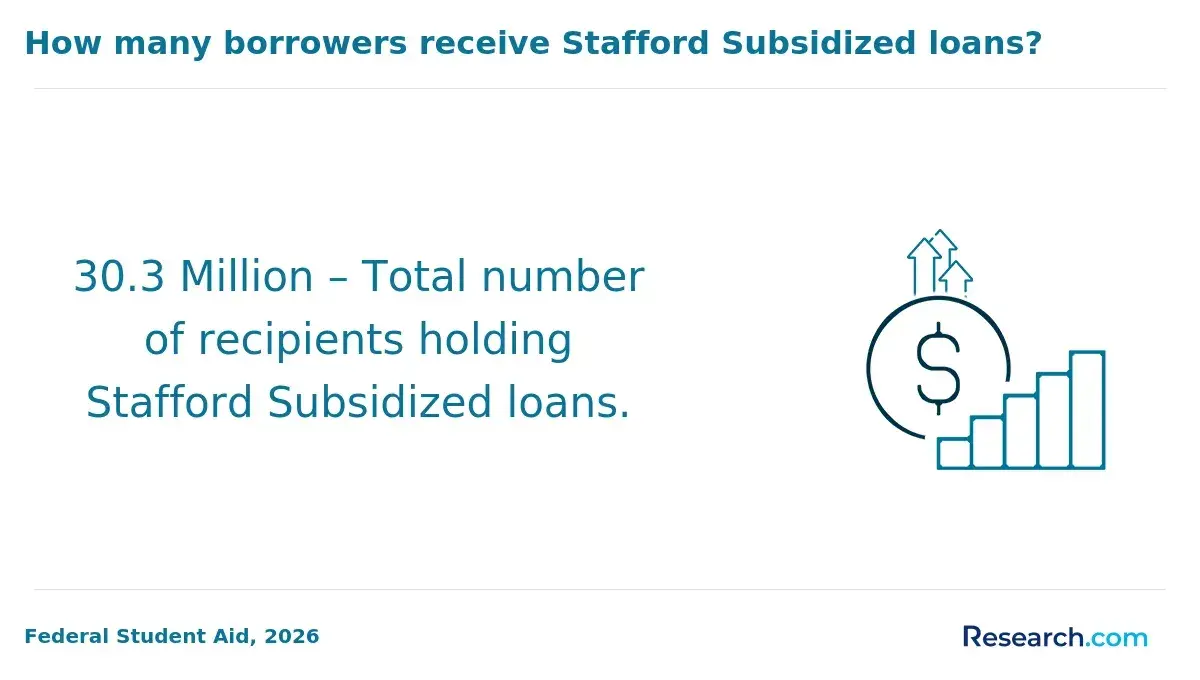
About 66% of first-generation college students graduate with educational debt, more than the 56% of continuing-generation students, highlighting the importance of managing loan repayment effectively. Federal loans do not require credit checks and have capped interest rates, reducing barriers for those with limited financial history.
When determining how to prioritize federal and private student loans for first-generation college students, it is recommended to use federal Direct Subsidized and Unsubsidized Loans first. Subsidized loans prevent interest from accruing while enrolled, which helps decrease overall debt. If further funding is necessary, private loans may fill the gaps, but students should carefully assess interest rates and repayment terms. Additionally, students should explore federal grants and work-study options to minimize loan reliance.
- Maximize federal loan borrowing limits to access borrower protections.
- Confirm eligibility for federal grants and work-study programs.
- Use private loans only after exhausting federal loan options.
- Shop around for private lenders offering low interest rates and flexible repayment.
Many first-generation students also face challenges completing the FAFSA process. Resources like FAFSA without parents provide guidance on obtaining financial aid without parental information, which can open additional federal funding opportunities and reduce dependence on costly private loans.
How can first-generation students estimate how much they should safely borrow?
First-generation college students should estimate loan amounts by subtracting all non-loan aid from their total educational costs, including tuition, fees, housing, books, and daily living expenses. Prioritizing grants, scholarships, and work-study earnings helps minimize reliance on debt. Calculating safe student loan amounts for first-generation students involves deducting these funds from overall costs to determine what remains to borrow.
Nearly 70% of first-generation students received Pell Grants in 2011-2012, compared to 44% of continuing-generation students. This emphasizes the importance of applying for all available "free money" options such as institutional grants or state aid, which don't need to be repaid. Many first-generation students overlook these, increasing unnecessary loan dependence.
Limit borrowing strictly to essential expenses, avoiding loans for extras. Use online tools to estimate monthly loan payments after graduation, ensuring they stay within 10-15% of anticipated income. Federal loans like Direct Subsidized and Unsubsidized Loans should be considered first for their fixed rates and income-driven repayment plans, while private loans should be a last resort due to higher costs and stricter terms. Maintain accurate records of all aid and loans to track repayment obligations.
For specific graduate financing, explore options like MBA student loans. Managing borrowing carefully supports better financial outcomes for first-generation students navigating complex funding choices.
What FAFSA steps and deadlines matter most for first-generation borrowers?
Completing the FAFSA accurately and promptly is vital for first-generation borrowers. The FAFSA application window opens October 1 each year, and submitting early maximizes eligibility for need-based aid like Pell Grants and Federal Direct Loans. Many states and colleges have their own deadlines, often before the federal deadline of June 30, so awareness of all deadlines is essential. Monitoring FAFSA application deadlines for first-generation college students helps avoid missing crucial aid opportunities.
Key FAFSA submission steps for first-generation borrowers include:
- Gathering financial documents early, such as tax returns and W-2 forms, to ensure accurate reporting.
- Creating an FSA ID to sign the FAFSA electronically, a mandatory step that can take time if issues arise.
- Answering dependency status questions carefully, since being classified as independent may increase loan and grant eligibility.
- Listing multiple colleges to compare aid packages effectively once offers arrive.
Federal Direct Loans are the main borrowing option for first-generation students, with 6.348 million borrowers awarded $82.776 billion, averaging $13,039 per student. These loans offer fixed interest rates and income-driven repayment options unavailable in most private loans, which often require a co-signer and have higher interest rates. Missing FAFSA deadlines can force students to rely on private loans, which may have less favorable terms and fewer protections.
For those considering how to pay off student debt later, exploring options to refinance federal student loans can provide financial relief. First-generation students balancing multiple deadlines should prioritize early FAFSA submission and verify each school's financial aid deadlines to secure the best federal aid before considering costly private alternatives.
What are the key eligibility rules and requirements for federal student loans?
Applicants for federal student loans must be U.S. citizens or eligible non-citizens with a valid Social Security number. Males aged 18-25 must be registered with Selective Service. Enrollment must be at least half-time in an accredited program, and students should maintain satisfactory academic progress as defined by their school.
Applicants need a high school diploma or equivalent and must file the Free Application for Federal Student Aid (FAFSA) annually. The FAFSA assesses financial need based on the Expected Family Contribution (EFC). Students in default on federal loans or owing refunds on federal grants are generally ineligible for new federal loans.
Interest rates for federal loans vary by type but are usually lower than private loan rates. Subsidized loans do not accrue interest while the student is enrolled half-time, whereas unsubsidized loans start accruing interest immediately. Aggregate loan limits depend on the student's year and dependency status.
State-based grants and loan programs often support first-generation and low-income students, supplementing federal aid. For instance, Georgia distributed $1.385 billion in federal grants and $3.243 billion in federal loans, with an average grant of $5,098, demonstrating substantial aid opportunities in high-need states (Education Data Initiative, 2025).
How do interest rates, fees, and borrowing limits differ by loan type and level?
Interest rates, fees, and borrowing limits vary widely based on loan type and education level. Federal Direct Subsidized Loans for undergraduates feature fixed interest rates, currently around 5.5% for 2026, without fees. Borrowing limits range from $3,500 to $5,500 annually, depending on the student's year. These loans do not accrue interest during school or deferment periods, easing repayment pressure.
Federal Direct Unsubsidized Loans carry slightly higher rates of about 7%. Annual borrowing limits range from $5,500 to $7,500 for undergraduates, while graduate students qualify only for unsubsidized loans with maximum limits up to $20,500, reflecting the higher costs of advanced education. Interest accrues at all times on these loans.
Private student loans usually offer variable or fixed rates between 4% and over 12%, influenced by creditworthiness. They often include origination fees and fewer borrower protections, which can pose risks, especially for first-generation students. Unlike federal loans, private lenders set borrowing limits based on school costs and credit profiles rather than fixed caps.
Income-Driven Repayment plans linked to federal loans provide important relief options for borrowers who face repayment challenges. Research shows that about 30% of first-generation bachelor's degree recipients from the 2011-12 cohort experienced deferments, forbearances, or delinquencies (The Institute for College Access & Success, reported in PNPI, 2021), highlighting the importance of flexible repayment through federal options over private loans.
Which repayment plans work best for first-generation graduates with variable income?
Income-driven repayment (IDR) plans are ideal for first-generation graduates with fluctuating incomes. These programs adjust monthly payments based on discretionary income, easing financial burdens during lower-earning periods. Options like Income-Based Repayment (IBR), Pay As You Earn (PAYE), and Revised Pay As You Earn (REPAYE) cater to borrowers with inconsistent income streams.
IDR plans limit payments to 10%-15% of discretionary income, often resulting in lower monthly obligations than fixed plans. For example, a graduate earning $30,000 annually might pay about $150 monthly instead of a fixed $350. This flexibility helps prevent missed payments and reduces default risk.
Key considerations include:
- Potential loan forgiveness after 20 to 25 years under IDR programs
- Interest capitalization that may increase total repayment if income stays low
- Graduated repayment plans as an alternative, with payments that increase over time but less income flexibility
The median household wealth for first-generation college graduates is $152,000, compared to $244,500 for second-generation graduates, highlighting the need for repayment strategies that minimize financial strain and support long-term financial stability (Pew Research Center, reported by PNPI, 2021).
What loan forgiveness and cancellation options can first-generation borrowers qualify for?
First-generation borrowers can access several federal loan forgiveness and cancellation programs to reduce their student debt. The Public Service Loan Forgiveness (PSLF) program offers forgiveness after 120 qualifying payments while working full-time for government or nonprofit employers. This program benefits graduates in fields like public health, education, and social work.
Income-Driven Repayment (IDR) plans, such as REPAYE and PAYE, forgive loans after 20 or 25 years of qualifying payments. These plans adjust monthly payments based on income and family size, providing flexibility for borrowers with variable earnings. IDR forgiveness supports those outside public service who still need manageable payments.
Perkins Loan cancellation applies to specific professions, including teaching in low-income schools or military service. Borrowers with Perkins Loans should check eligibility for cancellation based on their career paths.
Borrowers with Total and Permanent Disability may qualify for total loan cancellation regardless of repayment history. Additionally, borrower defense to repayment can discharge loans if a school misled the student, which is important for those who attended private for-profit institutions.
School choices affect loan eligibility: in 2020-21, 67% of first-time full-time undergraduates at private for-profit 4-year institutions received loan aid, compared to 37% at public 4-year and 53% at private nonprofit 4-year institutions. Awareness of forgiveness options combined with informed school selection can help minimize debt and improve financial outcomes.
When should first-generation borrowers consider refinancing or consolidating their loans?
First-generation borrowers may benefit from refinancing or consolidating their student loans when they can access lower interest rates or simplify payments. Refinancing is advantageous if your credit score has improved since you initially took out the loans, as it can reduce monthly payments and total interest paid over time. Federal consolidation programs help streamline multiple loans into one, but they can also extend the repayment term, potentially raising the overall cost.
Consider refinancing or consolidation if:
- Your current interest rates are notably higher than market rates, especially for private refinancing.
- You have multiple loans with different servicers, making payment tracking challenging.
- You want to change your repayment plan to options like income-driven repayment or become eligible for loan forgiveness, available through federal consolidation.
- Your financial situation is stable with a steady income, making fixed monthly payments manageable.
However, refinancing may not suit those relying on federal protections such as deferment or forgiveness, as private loans often lack these benefits. Data from the National Center for Education Statistics shows a decline in first-generation students borrowing federal aid-from 50% to 38% between 2010-11 and 2020-21-and a drop in average annual loan amounts from $8,400 to $7,700. This trend underlines the importance of careful loan management and seeking refinancing only when clear financial gains are evident.
How can first-generation families compare undergraduate, graduate, and parent loan options?
First-generation families should carefully evaluate undergraduate, graduate, and Parent PLUS loan options by comparing interest rates, repayment terms, and borrower protections. Federal undergraduate loans, such as Direct Subsidized and Unsubsidized Loans, generally offer lower rates and deferment benefits, making them ideal for new college students. Graduate loans, including Direct Unsubsidized and PLUS Loans, have higher rates and fewer repayment flexibilities, increasing overall costs. Parent PLUS Loans carry the highest interest rates and require immediate repayment, so they are less favorable unless absolutely necessary.
Repayment plans vary by loan type. Income-driven repayment (IDR) plans reduce monthly payments based on income but do not apply to Parent PLUS Loans, potentially increasing financial strain for families relying on this option. Private loans, often used to fill funding gaps, tend to lack borrower protections and flexible repayment, which poses risks for first-generation students with limited credit history.
Institutional risk factors should also inform decisions. Nearly half of first-generation borrowers attend schools in the bottom quartile nationwide for federal student loan default rates, indicating greater risks. Families should prioritize institutions with lower default rates and strong financial aid counseling.
Practical steps include obtaining detailed loan estimates, calculating total repayment costs, and consulting financial aid advisors to ensure loan choices align with long-term financial goals.
Other Things You Should Know About
Yes, many federal student loans do not require a co-signer and are available directly to first-generation college students based on financial need and eligibility. However, some private loans often require a creditworthy co-signer, especially for borrowers with limited or no credit history.
In 2027, first-generation college students have access to specialized counseling and resources, often offered by university financial aid offices and organizations like First Generation Foundation. These resources provide guidance on budgeting, loan repayment options, and financial literacy to help manage student loans effectively.
Deferment and forbearance temporarily pause or reduce loan payments for borrowers experiencing financial challenges. First-generation students should contact their loan servicer to discuss these options, which can help avoid default but may result in interest accruing on certain types of loans during the pause period.