2027 Best Online Bachelor's in Creative Writing for Career Changers

Co-Founder and Chief Data Scientist
Changing careers into writing is appealing, but the degree decision matters because the field rewards skill, portfolio quality, and adaptability. The U.S. Bureau of Labor Statistics reported a $73,690 median annual wage for writers and authors in May 2023 and projected 5% job growth from 2023 to 2033. This guide is for adults comparing online creative writing bachelor's programs, especially those balancing work, family, and a career pivot. You'll learn how programs work, what they cost, how to judge quality, and which career paths may fit your goals.
Key Things You Should Know
- An online bachelor's in creative writing usually requires about 120 credits, but adult learners with transfer credits may reduce both time and total cost substantially.
- Career outcomes vary widely: BLS data published in 2024 shows writers and authors had a $73,690 median annual wage in May 2023, while related roles such as editing, technical writing, marketing, and communications may follow different pay patterns.
- The best program for a career changer is regionally accredited, transfer-friendly, portfolio-oriented, and aligned with a practical writing market such as publishing, content strategy, grant writing, technical communication, or digital media.
What is an online bachelor's in creative writing and who is it best suited for?
An online bachelor's in creative writing is an undergraduate degree focused on writing craft, literary study, revision, genre, research, and audience-aware communication. Programs may be offered as a Bachelor of Arts in Creative Writing, English with a creative writing concentration, professional writing, or writing and rhetoric. Most combine workshops in fiction, poetry, nonfiction, screenwriting, or digital storytelling with general education courses and electives.
For career changers, the value is not only the credential. A strong program helps you build a portfolio, receive structured feedback, understand publishing and media markets, and translate prior professional experience into a writing niche. A former healthcare worker, for example, may move toward health communications or patient education writing, while a former teacher may pursue curriculum writing, editing, or youth publishing.
This degree is usually best suited for adults who want a broad writing foundation rather than narrow job training. It may be a good fit if you want to strengthen your writing discipline, complete a bachelor's degree for career mobility, or move into communication-heavy roles. It may be less efficient if your immediate goal is a highly technical credential, a licensed profession, or a short-term skill upgrade that could be met through a certificate.
Career changers who are still exploring majors should also compare creative writing with broader liberal arts pathways. For example, some adults who want flexibility across communication, business, humanities, and social science coursework may find online interdisciplinary studies bachelor programs low cost more aligned with their transfer credits and career goals.
The table below summarizes where an online creative writing degree tends to fit best and where another path may make more sense.
| Student profile | Likely fit | Why it matters |
| Adult learner with prior credits | Strong fit if the school accepts transfer credits generously | Transfer policies can shorten the degree and reduce tuition. |
| Aspiring novelist, poet, memoirist, or screenwriter | Good fit, but portfolio and publishing persistence are essential | The degree supports craft development, but publication is not guaranteed. |
| Career changer targeting content, editing, communications, or marketing | Strong fit if the curriculum includes professional writing and digital media | Employers often want practical samples, audience strategy, and tool fluency. |
| Student seeking a licensed occupation | Usually not the best primary path | Creative writing does not lead directly to licensure in fields such as teaching, law, counseling, or architecture. |
| Student needing the fastest job-specific training | Mixed fit | A certificate, bootcamp, or employer-recognized credential may be faster for some roles. |
How does an online creative writing bachelor's compare to campus-based programs for career changers?
Online and campus-based creative writing degrees can cover similar academic content, but the student experience differs. Career changers often choose online programs because they need schedule flexibility, lower relocation costs, and the ability to continue earning income while studying. Campus programs may offer more in-person readings, writing communities, and immediate faculty access, but those benefits are only valuable if you can realistically attend.
Online learning is especially practical for writing because much of the work already happens through drafts, annotations, discussion boards, peer critique, and revision. However, not all online programs are equally interactive. A high-quality online creative writing program should include small workshop sections, detailed instructor feedback, synchronous or asynchronous peer review, and opportunities to produce polished work.
The table below compares the formats through the lens of an adult career changer rather than a traditional first-time college student.
| Factor | Online bachelor's | Campus-based bachelor's | Best choice when |
| Schedule | Often asynchronous or hybrid | Usually fixed class times | Online is better if you work full time or have caregiving responsibilities. |
| Networking | Depends on virtual workshops, alumni access, and faculty engagement | Often easier through readings, clubs, and local events | Campus may be better if local literary community access is a priority. |
| Cost structure | May reduce commuting, housing, and relocation expenses | May require campus fees, transportation, or relocation | Online can be more practical if total cost is the main constraint. |
| Feedback quality | Strong when workshops are small and faculty are active | Strong when class sizes are manageable and faculty are accessible | Choose based on workshop design, not delivery mode alone. |
| Career services | Varies widely by school | May offer in-person events and employer visits | Choose the program with writing-specific career support and portfolio guidance. |
A common mistake is assuming online automatically means easier or lower quality. In writing programs, rigor depends on revision expectations, feedback depth, reading load, faculty qualifications, and portfolio standards. Another mistake is choosing a campus program for prestige while ignoring whether attendance requirements will delay completion.
Creative writing also differs from regulated fields where format may affect licensure or studio requirements. If you are comparing very different degree paths, it helps to understand how online learning works in fields with stricter professional rules, such as when students ask can you become an architect online. Creative writing typically has fewer licensure constraints, so program quality and portfolio development matter more than state approval for practice.
What admission requirements do online bachelor's programs in creative writing typically have for adult learners?
Most online bachelor's programs in creative writing use general undergraduate admission requirements rather than highly selective conservatory-style auditions. Adult learners typically need proof of high school completion or a GED, official transcripts from all prior colleges, and an application form. Some schools may request a personal statement, writing sample, resume, or placement assessment, especially if the program has a workshop sequence.
Transfer credit review is often the most important admissions step for career changers. A school may accept credits from community colleges, prior universities, military training, standardized exams, or workplace learning assessments. Because creative writing degrees include general education requirements, adults with prior credits may be able to apply many completed courses even if they were earned in a different major.
Before applying, prepare the documents and questions that help the admissions team evaluate your record accurately. This step can prevent delays and help you compare real completion timelines.
- Request official transcripts from every college you have attended, even if you withdrew or earned low grades.
- Ask whether transfer credits are evaluated before enrollment or only after you commit to the school.
- Confirm the maximum number of transfer credits allowed toward the bachelor's degree.
- Ask whether prior learning, military training, professional certifications, or exam credits can apply to general education requirements.
- If a writing sample is required, submit polished work that shows revision, clarity, and control rather than a first draft.
Admission standards vary by institution. Open-admission or transfer-friendly universities may focus on transcripts and placement, while more selective programs may evaluate writing potential. If your academic record is uneven, look for schools that consider adult learner context, recent coursework, work history, and a clear statement of purpose.
Adult learners should also ask about re-enrollment policies, academic forgiveness, and part-time pacing. These details can matter more than the headline admission requirements because they affect whether you can realistically finish after several years away from college.
How can I verify that an online creative writing program is properly accredited and reputable?
Accreditation is one of the most important checks before enrolling. For a bachelor's degree in creative writing, the key standard is institutional accreditation from an accreditor recognized by the U.S. Department of Education or the Council for Higher Education Accreditation. This matters because accreditation can affect federal financial aid eligibility, transfer credit acceptance, graduate school admission, and employer confidence.
Creative writing does not usually require specialized programmatic accreditation in the way nursing, education, or engineering may. That means you should focus on the institution's accreditation, the English or writing department's reputation, faculty credentials, student support, portfolio outcomes, and transparency about costs and policies.
Use the following steps to verify legitimacy before you speak with an enrollment representative or submit a deposit.
- Search the school in the U.S. Department of Education's Database of Accredited Postsecondary Institutions and Programs.
- Confirm that the accrediting agency listed is currently recognized, not expired or only pending.
- Check whether the online program is offered by the same accredited institution that awards the diploma.
- Review the catalog for degree requirements, credit hours, transfer policies, academic calendar, and withdrawal rules.
- Look for writing-specific evidence of quality, such as faculty publications, workshop size, literary journals, internship options, alumni work, and portfolio requirements.
- Be cautious if a school pressures you to enroll immediately, refuses to provide total cost estimates, or makes unrealistic promises about publishing contracts or job placement.
Reputation should be judged by fit, transparency, and outcomes rather than name recognition alone. A well-designed regional public university program may be a better investment than a more expensive private option if it offers stronger transfer credit, better advising, and writing courses aligned with your career goals.
Red flags include unclear accreditation language, vague faculty listings, no current academic catalog, aggressive sales tactics, and "life experience degree" claims that do not involve documented credit evaluation. If you cannot verify accreditation independently, do not enroll.
What courses and concentrations are usually included in an online bachelor's in creative writing?
Online creative writing bachelor's programs usually combine writing workshops, literature courses, general education, electives, and a capstone or portfolio. The exact balance depends on whether the degree is housed in English, liberal arts, professional writing, or communication. Career changers should look beyond course titles and ask whether assignments produce usable samples for the roles they want.
Most programs include core courses that build writing discipline and analytical skill. These courses matter because creative writing careers depend on revision, audience awareness, and the ability to respond to feedback.
- Introduction to creative writing, usually covering multiple genres and foundational craft concepts
- Fiction writing, including scene, character, point of view, dialogue, and structure
- Poetry writing, including imagery, form, rhythm, voice, and compression
- Creative nonfiction or memoir, including research, ethics, narrative voice, and personal essay forms
- Screenwriting, playwriting, or writing for digital media, depending on the program
- Literary analysis courses that help students read closely and understand genre traditions
- Editing, publishing, or professional writing courses that connect creative skill to workplace communication
- Capstone, thesis, or portfolio courses that require revised, polished work
Concentrations can help career changers connect the degree to a specific market. The table below shows common options and the practical direction each one may support.
| Concentration or emphasis | Typical focus | Career relevance |
| Fiction | Short stories, novels, narrative structure, dialogue, genre fiction | Useful for publishing, entertainment writing, editing, and narrative content roles. |
| Poetry | Poetic form, voice, imagery, literary journals, performance | Best for literary development, teaching-adjacent goals, and arts communities. |
| Creative nonfiction | Memoir, essays, research-based narrative, long-form writing | Useful for journalism-adjacent work, personal essays, content writing, and narrative brand work. |
| Screenwriting or dramatic writing | Script format, scenes, visual storytelling, dialogue, adaptation | Relevant to film, television, games, video, and multimedia storytelling. |
| Professional or technical writing | Workplace documents, editing, documentation, usability, digital communication | Often more directly tied to salaried writing roles than literary-only tracks. |
| Publishing or editing | Manuscript review, copyediting, literary magazines, production workflows | Useful for editorial assistant, publishing, content operations, and freelance editing paths. |
Because AI tools are changing writing workflows, career changers should also look for courses that address digital publishing, content strategy, research verification, ethics, and editing AI-assisted text. The goal is not to avoid technology; it is to become the person who can use tools responsibly while adding judgment, originality, and audience insight.
How long does an online creative writing bachelor's take, and what does it cost?
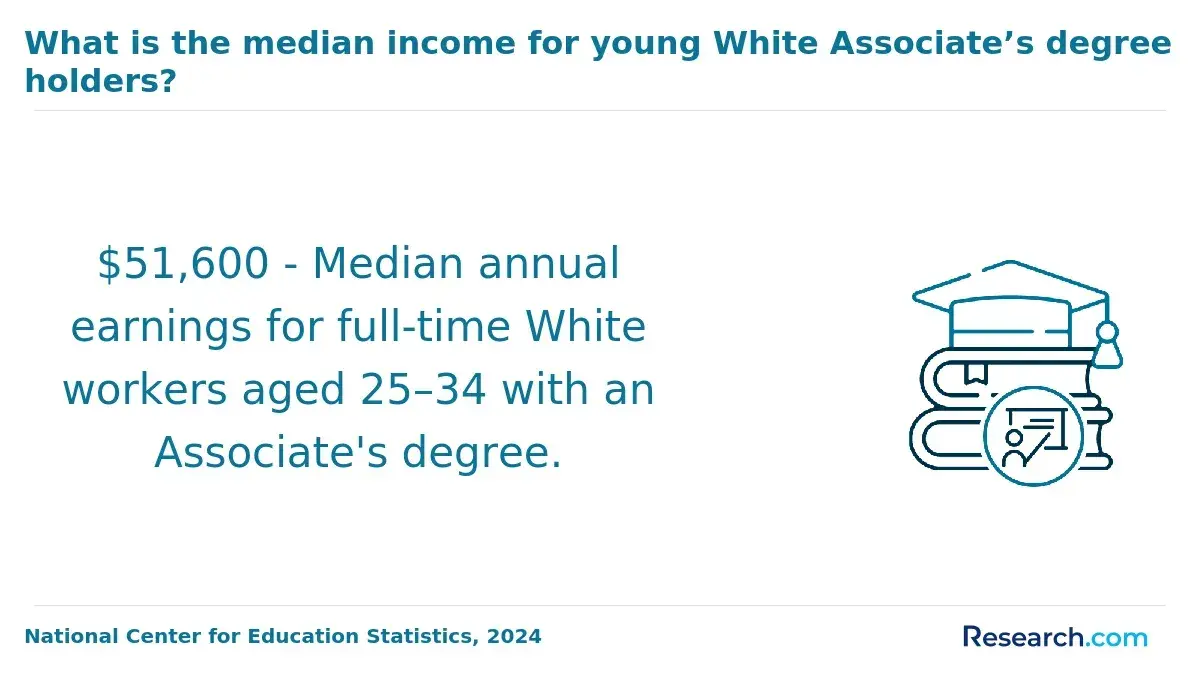
A bachelor's degree commonly requires about 120 credits. A first-time student studying full time may take about four years, while part-time adult learners may take longer. Career changers with an associate degree or substantial transfer credit may finish faster, sometimes in about two years if most general education requirements are already complete and required creative writing courses are available on a predictable rotation.
Cost depends on tuition per credit, transfer credits, fees, books, technology requirements, residency rules, and whether the school charges online students in-state or out-of-state rates. The National Center for Education Statistics reported in 2024 that average undergraduate tuition and required fees for public four-year institutions were far lower for in-state students than for private nonprofit four-year institutions in the most recent national data. For an online student, that means residency rules and public university options can materially change the return on investment.
The table below outlines common cost drivers so you can compare programs using total cost rather than advertised tuition alone.
| Cost factor | What to check | Why it affects career changers |
| Tuition per credit | Whether online students pay in-state, out-of-state, or flat online tuition | Per-credit differences multiply across remaining credits. |
| Transfer credits | How many credits apply to the degree, not just how many are accepted by the university | Accepted credits that do not meet degree requirements may not shorten completion. |
| Fees | Technology, online course, graduation, portfolio, and student service fees | Fees can raise the real cost beyond tuition. |
| Course availability | How often required workshops and capstones are offered | Limited rotations can extend enrollment and increase indirect costs. |
| Books and software | Required texts, writing software, publishing tools, or media production tools | These costs are usually smaller than tuition but still matter for budgeting. |
| Financial aid | Federal aid eligibility, grants, employer tuition support, scholarships, and loan limits | Adult learners should minimize borrowing when salary outcomes are variable. |
Federal undergraduate loan limits can also shape affordability. For the 2024-25 aid year, independent undergraduate students could borrow up to $57,500 in aggregate federal direct loans, with no more than $23,000 in subsidized loans. That ceiling should not be treated as a target; it is a risk boundary. Borrowing less is especially important in creative fields where income can depend on location, portfolio strength, industry, and freelance stability.
To estimate your real timeline and cost, ask each school for a degree audit before enrolling. Then compare the remaining credits, tuition rate, required fees, and course schedule. A program with slightly higher tuition may be cheaper overall if it accepts more transfer credit and lets you finish sooner.
What career paths can a bachelor's in creative writing open for mid-career professionals?
A bachelor's in creative writing can support several writing-centered and communication-heavy career paths, but it is rarely a single-track degree. Mid-career professionals often benefit by combining the degree with prior industry knowledge. A former software employee may move toward technical content or product storytelling, while someone from nonprofit work may pursue grant writing, development communications, or advocacy content.
The degree is most useful when you build a portfolio for a specific audience or industry. The table below connects common roles with practical responsibilities so career changers can see how creative writing skills translate into work.
| Career path | Typical responsibilities | How the degree can help |
| Content writer or content strategist | Write articles, landing pages, newsletters, scripts, and campaign content | Builds voice, structure, revision habits, and audience awareness. |
| Copywriter | Create persuasive marketing copy for ads, emails, websites, and product launches | Strengthens concise storytelling, tone control, and message development. |
| Editor or editorial assistant | Review manuscripts, articles, reports, or digital content for clarity and consistency | Develops close reading, revision, and feedback skills. |
| Technical writer | Prepare manuals, help content, knowledge base articles, and process documentation | Requires additional technical familiarity, but writing discipline is valuable. |
| Grant writer | Draft proposals, narratives, needs statements, and reports for funding organizations | Uses research, persuasion, clarity, and storytelling around impact. |
| Communications specialist | Write press releases, internal updates, speeches, web content, and public-facing materials | Applies narrative and editing skills to organizational communication. |
| Author or freelance writer | Pitch, draft, revise, publish, and market original work | Supports craft and portfolio development, though income is less predictable. |
To make the transition more practical, career changers should pair creative writing coursework with marketable tools and domain knowledge. Useful add-ons may include SEO fundamentals, content management systems, editing standards, grant research, analytics, accessibility, UX writing, or basic multimedia production.
AI is also reshaping writing jobs by automating first drafts, summaries, and routine content variations. That does not remove the need for skilled writers, but it raises the bar for judgment, originality, verification, interviewing, editing, and strategy. Writers who want to move into AI-adjacent communication, prompt evaluation, or content operations may eventually compare this degree with technical graduate options such as an online masters in AI, especially if they already have a strong undergraduate foundation.
What salary ranges and earning potential are common for graduates with a creative writing degree?
Creative writing salary outcomes vary because graduates enter different industries, job types, and employment models. A full-time technical writer, in-house communications specialist, freelance essayist, and debut novelist can all use creative writing skills, but their income structures are very different. Salary should therefore be evaluated by target role rather than by degree title alone.
The U.S. Bureau of Labor Statistics data published in 2024 reported a $73,690 median annual wage for writers and authors in May 2023. This figure is useful as a national benchmark, but it does not predict what a specific graduate will earn. Location, portfolio quality, industry, experience, and whether the role is salaried or freelance can all change earning potential.
The table below summarizes common writing-related career categories and how to interpret salary potential as a career changer.
| Role category | Typical earning pattern | Important salary considerations |
| Writers and authors | Median wage benchmark is solid nationally, but income varies widely | Book advances, royalties, freelance assignments, and salaried roles have different risk levels. |
| Technical writers | Often stronger wage potential than general creative roles | Usually requires technical subject knowledge, software familiarity, or industry experience. |
| Editors | Pay depends on industry, employer, and specialization | Publishing, corporate, academic, and freelance editing markets differ substantially. |
| Public relations or communications specialists | Often salaried with clearer advancement ladders | Writing is important, but media relations, stakeholder communication, and strategy also matter. |
| Marketing content roles | Ranges from entry-level content production to senior strategy | SEO, analytics, campaign planning, and business writing can improve competitiveness. |
| Freelance writing | Highly variable and project-based | Rates depend on niche, client quality, negotiation, speed, and repeat business. |
Career changers should compare expected earnings against tuition, time out of the workforce, and borrowing. If your main priority is income maximization, it is worth comparing writing with broader lists of highest paying degrees. Creative writing can be worthwhile, but it is usually strongest when paired with a practical niche and a portfolio that employers can evaluate directly.
A realistic salary strategy is to choose a target market before graduation. Build samples for that market, pursue internships or freelance projects, and learn the tools employers mention repeatedly in job postings. For many adults, the best return comes from combining existing professional knowledge with stronger writing credentials rather than starting from zero in a completely unrelated niche.
What is the job outlook for creative writing careers and related fields in the United States?
The job outlook for creative writing graduates is mixed but not discouraging. The U.S. Bureau of Labor Statistics projected 5% employment growth for writers and authors from 2023 to 2033 in data published in 2024, which suggests steady demand rather than rapid expansion. For career changers, the takeaway is that opportunities exist, but competition is likely for desirable literary, media, and remote writing roles.
Demand is strongest where writing supports business, technology, healthcare, education, government, nonprofit work, entertainment, or digital publishing. Employers often want writers who can research accurately, adapt tone, collaborate with subject matter experts, revise quickly, and understand distribution channels. Purely creative talent helps, but workplace writing usually also requires deadlines, stakeholder feedback, and measurable communication goals.
Several current trends should shape how you evaluate programs and prepare for work. These trends affect both traditional creative roles and adjacent professional writing careers.
- AI-assisted drafting is becoming common: Writers increasingly need to edit, fact-check, improve, and ethically manage AI-generated material rather than simply produce first drafts.
- Portfolio-based hiring remains important: Employers can assess writing samples quickly, so polished work often matters as much as the degree name.
- Remote work increases competition: Online writing jobs may attract applicants nationally, which makes specialization and industry knowledge more valuable.
- Content quality standards are rising: Search engines, readers, and employers are placing more emphasis on original insight, expertise, accuracy, and useful information.
- Hybrid roles are growing: Many writing jobs now combine writing with editing, content strategy, social media, analytics, UX, or project management.
The best outlook is often for graduates who can bridge creative skill and practical communication. A career changer with experience in finance, education, healthcare, technology, legal services, or public administration may have an advantage if they use the degree to become a stronger specialist writer in that field.
One mistake is aiming only for the broad title "writer." A better approach is to identify role families, such as technical documentation, proposal writing, brand storytelling, content design, or editorial operations. Specific role targeting makes it easier to choose electives, build samples, and explain your career change to employers.
How should career changers choose the best online creative writing program for their goals?
The best online bachelor's in creative writing is not simply the cheapest, fastest, or most famous. It is the program that helps you complete the degree affordably, build a credible portfolio, and move toward a realistic writing-related career. For adult learners, the strongest choice usually balances accreditation, transfer credit, curriculum fit, faculty feedback, and career support.
Use a structured comparison process before applying. This helps you avoid choosing based only on marketing language or a ranking list.
- Define your target outcome first, such as publishing, editing, technical writing, grant writing, content strategy, teaching preparation, or graduate school.
- Confirm institutional accreditation through recognized accreditation databases.
- Request a transfer credit evaluation and ask how many credits will apply directly to the degree.
- Compare remaining total cost, including tuition, fees, books, software, and the number of terms required.
- Review the curriculum for workshops, revision-heavy courses, professional writing options, digital media, and a capstone portfolio.
- Ask how online workshops operate, including class size, peer critique expectations, instructor feedback, and synchronous requirements.
- Look for career services that understand writing careers, including internship support, portfolio review, alumni networking, and freelance guidance.
- Check whether the program offers electives that connect to your prior career field or a marketable niche.
- Ask about course rotation so required classes do not delay graduation.
- Compare financial aid offers carefully and avoid borrowing more than your target career path can reasonably support.
The table below gives you a practical way to compare programs side by side. Use it as a decision checklist when speaking with admissions advisors.
| Selection factor | Strong sign | Red flag |
| Accreditation | Current institutional accreditation is easy to verify | Accreditation language is vague, pending, expired, or difficult to confirm |
| Transfer policy | School provides a clear degree audit before enrollment | Credits are discussed generally but not mapped to requirements |
| Workshop quality | Courses require revision, critique, and instructor feedback | Program emphasizes convenience but says little about feedback |
| Portfolio support | Capstone or portfolio course produces polished samples | No clear final project or sample-building process |
| Career alignment | Electives connect to editing, publishing, digital media, or professional writing | Curriculum is literary-only even if your goal is workplace writing |
| Cost transparency | Total estimated cost is provided in writing | School highlights monthly payments but not full program cost |
| Adult learner support | Advising, part-time pacing, tutoring, and online library access are clear | Support services appear designed only for traditional campus students |
Finally, be honest about opportunity cost. If you already have a bachelor's degree, a second bachelor's may not be the most efficient route; a certificate, writing portfolio, graduate program, or targeted professional coursework may be enough. If you do not yet have a bachelor's, an online creative writing degree can be a meaningful credential, especially when it helps you finish what you started and reposition your existing experience.
The smartest choice is the program that turns your prior background into a writing advantage. A career changer who combines mature work experience, a focused portfolio, and disciplined revision habits can often present a stronger employment story than a new graduate with writing coursework but no professional context.
Other Things You Should Know About Creative Writing
Yes. Many writers come from English, communications, journalism, marketing, technical fields, or unrelated majors. A creative writing degree is most useful when you want structured craft training, faculty feedback, a completed bachelor's credential, and a portfolio-building environment.
No, you do not need to be published before applying to an online bachelor's program in creative writing for 2027. These programs are designed to develop your writing skills, starting with the basics. Most institutions value potential and interest over publishing history.
Early in the degree, learning several genres can strengthen your range and help you discover your best voice. Later, focusing on one or two areas can make your portfolio more coherent for employers, publishers, graduate programs, or freelance clients.
References
- Is Your Online Degree Legitimate? How to Verify Private University Approval https://matchtocollege.com/blog/verify-private-university-online-degree-approval
- Ten career choices for students who love to write https://www.cune.edu/news/ten-career-choices-students-who-love-write
- Occupation Profile https://nccareers.org/occupation-profile/273043/1284
- Careers for Writers/ People Who Love to Write or Edit https://valnelson.com/career-transitions/careers-for-writers/
- What Is College Accreditation? How to Check If a School Is Legit https://abound.college/finishcollege/advice/accreditation-why-is-it-so-important/