2027 How School Certification Works for Private Student Loans

Student Finance & Loan Expert
Many prospective graduate students face confusion when private lenders require school certification for their student loans. Without understanding this process, applicants risk delays or denial of funds needed for tuition and expenses.
School certification confirms enrollment status and loan eligibility, yet policies and timing vary widely among institutions and lenders. Navigating these complexities is crucial for securing timely financing. This article explains how school certification works for private student loans and guides borrowers through each step to ensure smooth loan approval and disbursement.
- How does school certification work for private student loans from application to disbursement? School certification process
- What information do schools verify during private loan certification, and why does it matter? Loan review process
- How do certified private student loan amounts compare to your school's cost of attendance? Loan vs. COA
- How is school certification different for private loans versus federal student loans? Private vs. federal
- What are typical timelines and status updates for school-certified private student loans? Timelines & status
- Why might a school reduce or deny the amount requested on a private student loan? Reductions or denials
- How do school-certified private loans work for part-time, online, or nontraditional students? Nontraditional students
- How does certification affect interest accrual, fees, and when repayment begins? Costs and repayment
- What should you do if your private loan isn't certified in time for your tuition deadline? Delayed certification
- How does school certification impact graduate, professional, and parent private student loans? Grad and parent loans
How does school certification work for private student loans from application to disbursement?
School certification for private student loans involves your educational institution verifying your enrollment status, tuition costs, and any other financial aid before the loan is approved and disbursed.
This step usually begins after you submit your loan application when the lender requests certification from your school's financial aid office. This process ensures the loan amount requested matches your remaining financial need.
The private student loan certification process step by step typically includes the financial aid office confirming your enrollment status (full-time, part-time, or less), reviewing tuition fees, and accounting for other aid received.
Once certified, the lender finalizes the loan and usually disburses funds directly to the school to cover education costs. Any leftover money may be given to you for additional education expenses.
Certification time frames vary widely by institution and delays may occur due to missing paperwork or communication issues. It's important to promptly provide all requested documents and maintain contact with your financial aid office. Some schools require additional steps, like online verification or counseling, before certification.
Among private loans to undergraduates in 2011, 90% required school certification, a significant rise from 18% in the early 2000s, reflecting tighter lender controls to prevent overborrowing. If you need funding quickly, exploring options for student loans after semester starts can be valuable.
Understanding how private student loan school certification works will help you navigate the process smoothly and avoid funding delays.
What information do schools verify during private loan certification, and why does it matter?
Schools verifying private student loans confirm key information to ensure the loan matches the student's needs and enrollment. This includes checking the enrollment status-such as course load or credit hours-to guarantee the student maintains at least half-time enrollment, a common criterion for loan disbursement.
Additionally, schools verify the student's degree program and expected graduation date, which helps confirm that funds are used within an appropriate educational timeframe. This private loan certification process for schools safeguards both the student and lender by preventing overborrowing and fraud.
Schools also examine the cost of attendance, which covers tuition, fees, and other education-related expenses, to establish maximum allowable loan amounts. They factor in other financial aid the student receives, like federal aid or scholarships, to prevent fund overlap.
Identity and status verification is an essential part of this process, protecting loan integrity and supporting legitimate educational goals. These steps reduce the risk that loans are issued to ineligible students or for incorrect amounts.
By 2011, 90% of undergraduate private student loans were school-certified, in contrast with only 10% direct-to-consumer loans lacking such checks, highlighting the growing reliance on certification in responsible lending. Those interested in independent student loans should understand these verification procedures for better eligibility awareness.
How do certified private student loan amounts compare to your school's cost of attendance? - Loan vs. COA
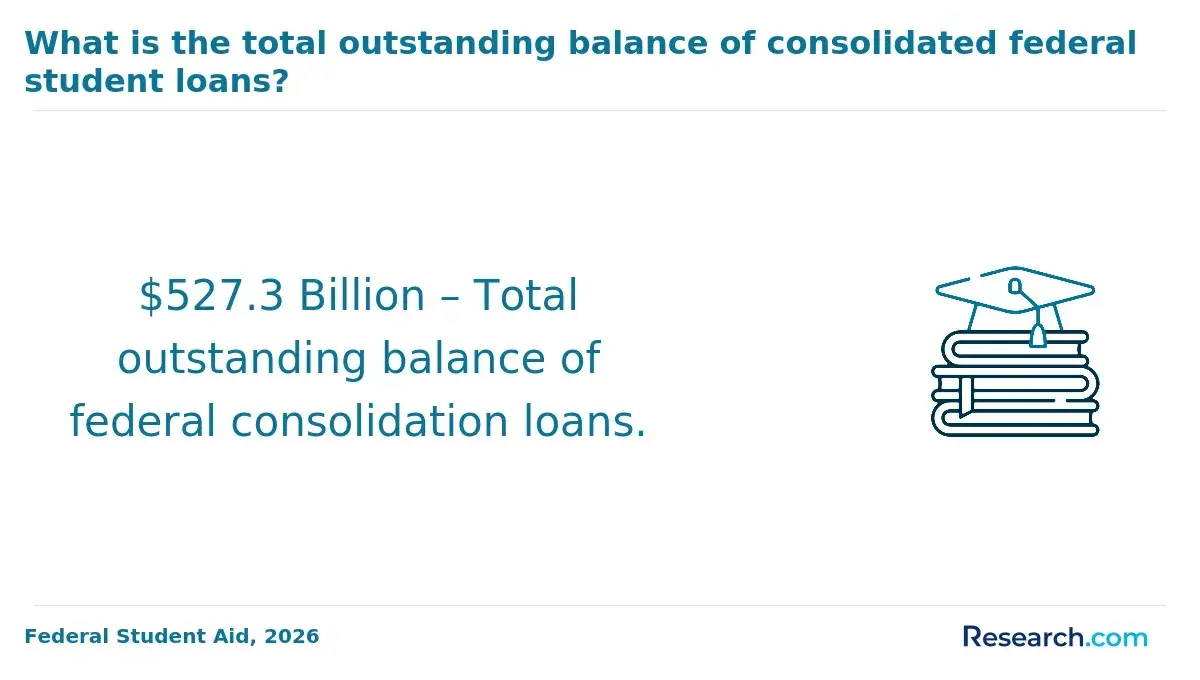
Certified private student loan amounts generally align closely with a school's cost of attendance (COA) but rarely exceed it. This certification limits the loan to actual educational expenses like tuition, fees, room, board, and other approved costs.
For instance, a certified private student loan amount compared to school cost of attendance typically does not surpass the annual COA of $30,000 at many institutions. Schools verify and approve loan amounts during certification to ensure they match documented expenses, protecting students from borrowing excessive funds.
Before certifying private loans, schools subtract any federal aid or scholarships from the COA to avoid over-borrowing. Certification policies can vary: some schools cover only tuition and fees, while others include room, board, books, or transportation. Students should confirm their individual school's certification process to gauge their maximum eligible loan amount and avoid surprises.
Data from The Institute for College Access & Success shows that many borrowers bypass federal aid or Direct Loans, relying heavily on private sources.
This highlights the importance of how private student loan certification affects cost of attendance coverage-certifications reflect school-specific expenses, not arbitrary loan amounts. Borrowers should carefully consider federal aid first due to generally better terms.
Students interested in supplementing federal aid can explore additional options like scholarships and grants for adults going back to school to reduce reliance on private loans and debt load.
How is school certification different for private loans versus federal student loans?
Federal student loans require school certification to verify enrollment, cost of attendance, and other eligibility factors before funds are disbursed. This process limits the loan amount strictly to necessary costs, preventing borrowers from obtaining excessive funds beyond tuition, fees, and approved expenses.
This difference in how school certification requirements vary between private and federal student loans is important for understanding loan oversight.
Private loans often have less rigorous or no mandatory school certification. Many lenders depend on borrower self-certification rather than direct verification from the institution, creating opportunities for students to borrow beyond actual education costs.
During the mid-2000s lending boom, over 30% of private loans lacked school certification, contributing to significantly higher debt relative to tuition and fees, according to the Consumer Financial Protection Bureau.
Differences in loan certification processes for private versus federal student loans include:
- Some private lenders require school-signed certification forms confirming enrollment and cost before releasing funds.
- Others allow expedited approvals based on student applications, bypassing institutional review.
- Certification requirements vary depending on lender policies, school participation, and state regulations.
Borrowers should confirm whether certification applies to their private loans and understand the documentation needed. Lack of certification increases the risk of overborrowing and unmanageable debt.
Consulting financial aid offices before applying can help align loan amounts with actual costs and reduce unexpected financial burdens after graduation. For those considering refinancing options, reviewing the best way to refinance student loans can provide additional financial flexibility.
What are typical timelines and status updates for school-certified private student loans?
School-certified private student loans usually take between 7 and 21 days to move from application to approval. This period depends largely on how quickly borrowers provide required documents and how fast the school completes enrollment verification and eligibility checks.
After submission, lenders send loan details to the school for certification, which confirms enrollment, loan amounts, and cost of attendance.
Status updates typically follow this sequence:
- Application submitted and under lender review.
- Sent to school for certification (within 2-5 business days).
- School reviews and certifies or requests corrections (usually 3-10 business days).
- Lender disburses funds once certification completes.
Delays often happen if schools request additional documents or enrollment verification is still pending. Borrowers should regularly check loan portals and contact the school's financial aid office for updates. Some lenders also provide real-time tracking tools to enhance transparency during certification.
The Consumer Financial Protection Bureau highlights a key difference between certified and non-certified private loans: students using non-certified loans tend to borrow amounts exceeding tuition and fees more often. This gap narrowed only after lenders tightened underwriting standards, illustrating why certification aligns loan amounts with actual school costs.
Clear communication with both lender and school can reduce hold-ups and help ensure smooth fund disbursement, which is especially important for students planning to refinance or consolidate loans after certification.
Why might a school reduce or deny the amount requested on a private student loan?
Schools may reduce or deny private student loan amounts to protect borrowers from overborrowing and comply with federal regulations. Certification requires verifying that the loan requested fits within the student's cost of attendance after accounting for other financial aid. If the private loan exceeds these needs, the school will adjust or deny it to prevent excess debt.
Reasons for reduction or denial include:
- The requested loan exceeds tuition, fees, and allowable living expenses set by the cost of attendance.
- Other financial aid such as scholarships or grants reduces eligibility.
- Incomplete or inaccurate borrower documentation delays or stops certification.
- The student fails to meet eligibility standards, including enrollment status or satisfactory academic progress.
For example, a student with a $20,000 cost of attendance receiving $15,000 in grants would only be certified for a private loan up to $5,000. Even if the loan amount fits, failure to meet enrollment requirements can lead to denial.
School certification is linked to better loan performance. LendingTree and the Education Data Initiative report that private student loans-usually certified by schools-have a 90-day-plus delinquency rate near 1.7%, compared to about 10% for federal loans. This lower delinquency rate reflects stricter underwriting that helps reduce default risk.
How do school-certified private loans work for part-time, online, or nontraditional students?
School-certified private loans for part-time, online, or nontraditional students require verification of enrollment status and cost of attendance from the educational institution before approval. This certification ensures loans accurately reflect tuition, fees, and sometimes related expenses like books or technology.
Because nontraditional students often balance work and family obligations or have irregular schedules, their certification process may be more stringent than for full-time, on-campus students.
Certification takes into account actual credit hours, program length, and course delivery format. For example, a student enrolled in six online credits per semester may receive a lower certified loan amount compared to full-time students due to fewer tuition hours. Lenders depend on these certifications to prevent overborrowing and to align loans with documented education costs.
Schools have the authority to deny or reduce certified loan amounts based on enrollment and need. According to the Consumer Financial Protection Bureau, the share of private loans requiring school certification rose from 18% to over 31% between the early 2000s and 2011, reflecting increased institutional oversight aimed at protecting students from excessive debt.
Nontraditional students should:
- Contact their school's financial aid office early to understand certification policies.
- Maintain detailed enrollment records to support certification.
- Expect possible reductions in loan amounts due to part-time status.
- Consider combining private loans with alternative funding to meet their financial needs.
How does certification affect interest accrual, fees, and when repayment begins?
School certification affects when interest begins, the fees involved, and repayment timing for private student loans. It confirms enrollment status and eligible loan amounts.
Unlike many federal student loans that sometimes offer subsidized interest, private loans usually start accumulating interest from the disbursement date-often compounding daily during enrollment, which increases overall repayment costs.
Fees depend on the lender but commonly include origination fees at disbursement and late fees after missed payments. Though certification doesn't stop fees, it limits loans to approved amounts, preventing excess borrowing that could lead to higher fees and interest.
Repayment often starts after a grace period that varies by lender, sometimes immediately after graduation or six to nine months later. Some lenders require interest payments while still in school to lower total costs. Borrowers should confirm these terms to avoid unexpected financial strain.
Most private student loans-96.7% of undergraduate and 74.2% of graduate loans according to LendingTree-require a cosigner. This demonstrates lenders' reliance on creditworthy cosigners to secure favorable rates and fee structures. Without certification and a cosigner, competitive private loans are difficult to obtain.
Key points to consider:
- Interest often starts accruing from disbursement and may compound daily.
- Fees can include origination and late payments, varying by lender.
- Repayment timing depends on lender grace periods and may start soon after graduation.
- A cosigner is typically required for approval and better loan terms.
Prospective borrowers should carefully review certification procedures, interest accrual, fee policies, and repayment schedules to effectively plan finances and avoid unanticipated costs.
What should you do if your private loan isn't certified in time for your tuition deadline?
If your private student loan hasn't been certified by your school before tuition is due, take immediate steps to prevent late fees or enrollment issues. Start by contacting your school's financial aid office to check your loan's certification status and request expedited processing.
Some schools face delays from high volume or administrative bottlenecks, so staying persistent and communicating early is essential.
Notify your private lender about the delay as well. Many lenders allow temporary holds on disbursement or will coordinate with the school to certify the loan. Ask if they offer a grace period or alternate disbursement options to cover tuition on time.
Consider these options if certification is still delayed:
- Use personal savings or a credit card temporarily, then reimburse yourself when the loan disburses.
- Request a tuition payment plan from the school to spread out payments without penalties.
- Explore short-term bridge loans from your lender or a school-affiliated credit union.
Late certification can cause financial stress, especially since private loans often supplement other aid sources rather than replace them. For example, The Institute for College Access & Success reports that many private loan borrowers also receive Pell Grants or need-based grants. Coordinating all forms of aid is crucial in managing timing challenges effectively.
How does school certification impact graduate, professional, and parent private student loans?
School certification plays a vital role in determining the loan amount available for graduate, professional, and parent private student loans by verifying enrollment status and cost of attendance with the institution. This verification ensures lenders fund only eligible educational expenses.
For graduate and professional students, certification confirms enrollment in qualifying programs and verifies tuition costs, directly affecting loan limits. Parent loans require similar verification but also depend heavily on the borrower's credit and ability to repay.
This process protects students from borrowing excessive amounts and impacts loan disbursement timing. Schools must certify enrollment before releasing funds; for example, if a graduate student drops below half-time status, certification initiates repayment requirements.
Despite a common misconception that private loans lack strict oversight, nearly all private student loans require rigorous school certification alongside underwriting. These loans, although only 8-9% of total student debt (approximately $120-$140 billion of a $1.5 trillion portfolio), maintain strict approval protocols.
To avoid funding delays or repayment complications, graduate and parent borrowers should communicate regularly with their financial aid offices regarding certification timelines and required documents. Staying informed helps prevent unexpected financial challenges and ensures efficient loan management.
Other Things You Should Know About
Yes, school certification is essential to confirm that the loan funds will be used for eligible educational expenses. Without certification, lenders generally will not approve or disburse private student loans. Certification verifies enrollment status and ensures the loan amount meets the school's requirements for attendance and tuition coverage.
Not all educational institutions have the same process for certifying private student loans, and some may have restrictions or additional documentation requirements. While most accredited colleges and universities participate, students should check with their specific school's financial aid office to understand the certification procedures and any institutional policies.
If your enrollment status changes, such as dropping below half-time or withdrawing, the school may update or revoke certification, which can affect loan disbursement or repayment terms. Lenders typically require notification of significant enrollment changes, and this can trigger adjustments to your loan account or repayment schedule.
In 2027, school certification for private student loans involves the educational institution verifying enrollment details, such as student status and tuition costs. This ensures the loan amount aligns with actual educational expenses. Certification is crucial for disbursing funds directly to the school, confirming that borrowers use loans for legitimate educational purposes.