2027 Can You Get Student Loans for a Previous Semester?

Student Finance & Loan Expert
Imagine a student who recently completed a semester without financial aid but now faces unexpected expenses. They wonder if they can still apply for student loans to cover costs from that past semester. This situation can create confusion about eligibility criteria and loan disbursement timelines. Understanding whether federal or private student loans can be retroactively applied is crucial for managing educational finances effectively. This article explores the possibilities of obtaining loans for previous semesters, clarifies common restrictions, and offers practical guidance to help borrowers navigate their options and make informed financial decisions.
- Can you get new student loans to cover a past-due or previous semester balance? Loans for past term
- Are federal Direct Loans available retroactively after a semester has already ended? Retro federal loans
- Can private student loans be used to pay off unpaid tuition from a prior term? Private student loans
- How far back can schools certify federal or private loans for earlier enrollment periods? Look-back limits
- What eligibility rules and documentation apply when borrowing for a previous semester? Eligibility rules
- How do retroactive loans affect your annual and lifetime borrowing limits and aid package? Impact on limits
- Can parents use PLUS Loans to cover past-due balances for their student's prior term? PLUS loans
- What repayment, interest, and capitalization issues arise with loans issued after a term ends? Retro repayment
- Can refinancing or consolidation help manage loans you took out for previous semesters? Refinancing options
- What alternatives exist if you can't get loans for a previous semester balance? Other options
Can you get new student loans to cover a past-due or previous semester balance?
New student loans generally cannot be used to pay off balances from previous semesters once those periods have ended. Federal rules restrict loan disbursements to the current enrollment period, so getting new loans for past semester debt is not allowed through standard federal loan programs like Direct Subsidized or Unsubsidized Loans. Students with overdue balances usually need to address these through payment plans or out-of-pocket payments.
Some private lenders or institutional aid offices may offer special retroactive loan options, but these are uncommon and depend on the school's policies and lender conditions. For instance, a private loan might cover a past semester balance if permitted, though this is not typical or guaranteed.
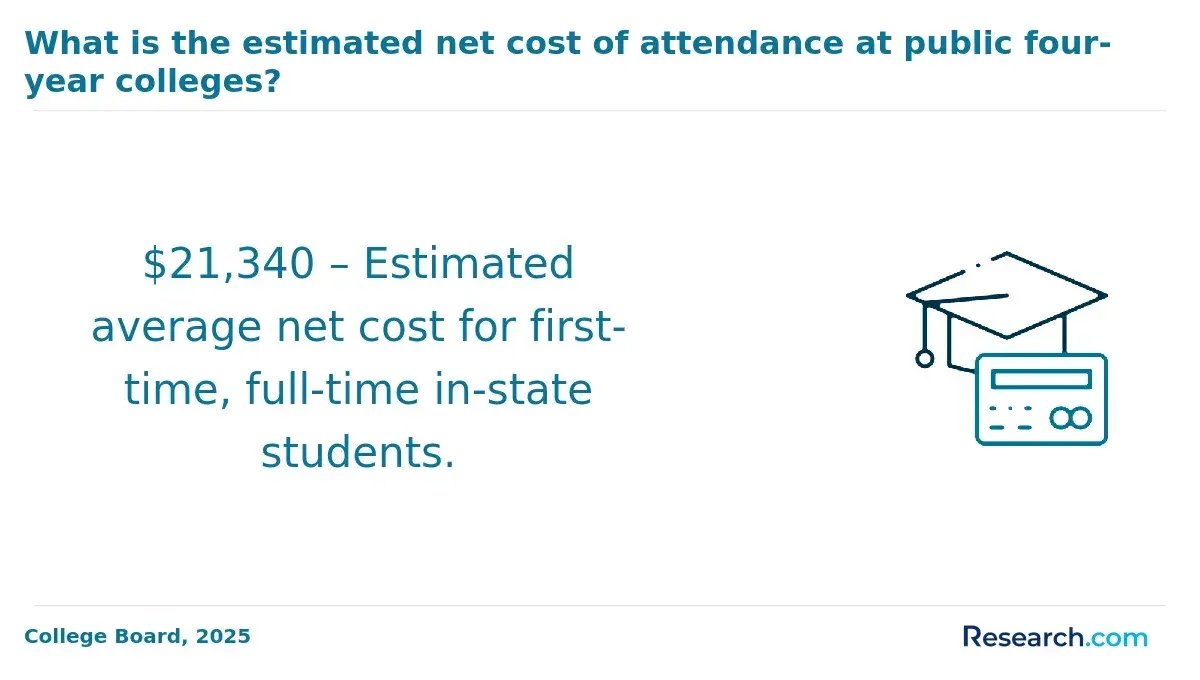
The share of first-time, full-time undergraduates receiving loan aid has fallen from 50% in 2010-11 to 38% in 2020-21, according to the National Center for Education Statistics. This drop in borrowing coincides with rising college costs, making retroactive borrowing even less likely. Additionally, understanding whether can student loans pay for rent is often part of broader financial planning for students managing expenses.
Students dealing with past-due balances should work closely with their school's financial aid office. Possible actions include:
- Setting up payment plans to resolve overdue charges
- Exploring emergency grants or institutional aid
- Confirming eligibility for loan disbursements in the upcoming semester
Failing to pay previous semester debts can result in holds on registration and transcript releases, so it is critical to address these balances promptly to continue education uninterrupted.
Are federal Direct Loans available retroactively after a semester has already ended?
Federal Direct Loans cannot be disbursed for past semesters once an academic term has ended. Eligibility for federal student loans after semester ends depends on meeting strict enrollment and application deadlines set by each school's financial aid office. These deadlines typically occur before or at the start of the semester, meaning if you miss them, you lose access to federal funds for that term.
In recent academic years, the majority of student borrowing-over half of the $102.6 billion in loans-consists of federal Direct Subsidized, Unsubsidized, or Grad PLUS loans, all governed by timing rules that make retroactive borrowing impossible.
If funds are needed for a past semester, options are limited. Private loans or personal financing may be alternatives, but private lenders generally also restrict retroactive borrowing tied to prior educational expenses. Planning ahead is essential; students should confirm their aid packages and loan applications before classes begin to avoid financial gaps. Schools often provide disbursement schedules and deadline reminders to help with this.
For those who might face credit challenges, exploring student loans with bad credit and no cosigner could be a solution. Always review these carefully and consult your financial aid office for guidance specific to your enrollment status.
Can private student loans be used to pay off unpaid tuition from a prior term?
Private student loans for past semester tuition can be an option depending on lender policies. Unlike federal loans, which typically do not allow borrowing for previous terms, some private lenders offer the flexibility to cover unpaid balances from earlier semesters if the borrower shows current enrollment and the school agrees to certify the loan. However, others only fund current or upcoming terms.
When using private student loans to cover previous term fees, students should:
- Directly contact lenders to confirm if past semester balances are eligible for financing.
- Check with the school's financial aid office to ensure private loans for prior terms will be processed.
- Prepare documents such as older billing statements or proof of prior enrollment to support their request.
Private student loans accounted for 14% of $102.6 billion borrowed, reflecting a market with diverse lender requirements. Students who cannot secure private loans for previous term tuition might consider alternatives like personal loans or school payment plans to manage outstanding balances without affecting enrollment or credit health.
For prospective borrowers exploring refinancing or special offers, a student loan refinance sign up bonus can provide additional financial benefits.
How far back can schools certify federal or private loans for earlier enrollment periods?
Federal student loans can generally be certified for previous semesters or enrollment periods if the loan application is submitted within the academic year of the original enrollment. Schools typically permit certification for terms that have ended within that academic year, such as backdating a loan to cover costs from the prior fall semester when applying during the spring term. However, certification limits often restrict how far back federal student loans can be certified, rarely allowing coverage beyond the current academic year.
Eligibility for private student loans for previous semesters varies widely. Private lenders usually have stricter policies and may not fund loans retroactively, often requiring loan requests to be made before or during the enrollment period. Some private lenders might allow retroactive certification only if the student maintains continuous enrollment and proves outstanding tuition balances.
- Many public universities limit federal loan certification to no more than 180 days before loan disbursement, narrowing the window for covering past costs.
- Some schools restrict backdated certifications strictly to the current semester, refusing loans for earlier unpaid terms.
- Private lenders' policies on retroactive loans can differ significantly, emphasizing the need for early verification.
Borrowers using new student loans to pay old balances should be cautious. Rising delinquency rates, which stood at 9.57% for loans 90+ days delinquent as of the last quarter, highlight risks associated with accumulating fresh debt for past tuition without assured repayment capacity.
For those exploring retroactive loans, it's advisable to contact the school's financial aid office promptly to understand certification limits and verify lender policies. Considering alternatives such as payment plans or out-of-pocket payments can help avoid excessive debt.
To explore further options, including student loans from banks may provide different solutions depending on the lender.
What eligibility rules and documentation apply when borrowing for a previous semester?
Federal student loans typically cannot be borrowed retroactively for past semesters beyond set time limits. The U.S. Department of Education restricts borrowing to either the current academic period or the immediate upcoming term. To qualify for loans covering previous semesters, students must have been enrolled during those terms, and their school must certify enrollment and cost of attendance for that period.
Required documentation usually includes official enrollment verification and proof of unmet financial need. Schools often request transcripts or registration records to confirm attendance and course load from the prior term. Loan applications must meet the school's deadline within their designated loan period.
Students seeking loans for the last semester must demonstrate eligibility with academic records. Schools generally do not approve loans for terms older than one academic year, complying with federal rules limiting aid disbursement to prior periods.
Key points include:
- Loans only cover terms when the student was enrolled and certified by the school
- Documentation must verify enrollment and financial need
- Applications must meet school deadlines
- Approval for older terms is rare and requires special justification
Consult your financial aid office promptly to review eligibility and needed paperwork. Exceptions may occur for administrative errors or special cases but are uncommon. Data from the Urban Institute shows a decline in undergraduate federal loan borrowing despite increased Pell Grant awards, indicating growing reliance on direct grant aid for retroactive education costs.
How do retroactive loans affect your annual and lifetime borrowing limits and aid package?
Retroactive student loans cover costs from previous semesters but count toward your annual and lifetime borrowing limits just like current-term loans. This means any retroactive loan increases your total borrowed amount for the academic year, reducing the remaining eligibility under federal or institutional loan caps.
For example, if your federal loan limit for the year is $5,500 and you already borrowed $3,000, a $2,500 retroactive loan will fully use that limit. This restricts your ability to borrow later in the year, such as for summer or future terms. Retroactive loans also count toward your lifetime aggregate loan limits, which are $31,000 for dependent undergraduates and $57,500 for independent undergraduates under federal Direct Loans.
Financial aid packages often adjust to include retroactive loans, potentially reducing eligibility for grants or work-study by increasing your total aid received. Prompt communication with the financial aid office is vital to understand these impacts.
Eligibility criteria like enrollment status and satisfactory academic progress (SAP) remain necessary for retroactive loans. Although only 39% of enrolled students borrow student loans, those who do graduate with an average debt of $37,570, showing how borrowing-including retroactive loans-can create significant debt concentration.
Can parents use PLUS Loans to cover past-due balances for their student's prior term?
Federal PLUS Loans can be used by parents to cover unpaid balances from their student's previous semester, but this depends on the school's policies. These loans help parents of dependent undergraduates pay for educational costs beyond what the student's financial aid covers. If the institution permits, parents can apply for a PLUS Loan to settle past due amounts for earlier terms.
Parents should verify with the school's financial aid office whether funds can be disbursed for retroactive semesters. The school must certify the remaining balance before the Department of Education approves the loan. For example, if the prior term balance is $3,000, parents can borrow that amount plus current expenses within loan limits.
Using PLUS Loans for past balances increases overall debt. Federal student loan debt has reached about $1.84 trillion, involving millions of borrowers, with consolidation loans making up a large portion (LendingTree, "U.S. Student Loan Debt Statistics," 2025). Adding loans for previous semesters may lead to longer repayment terms and higher monthly bills.
Parents should consider alternatives like payment plans or institutional aid before increasing debt with a PLUS Loan. Careful weighing of long-term financial obligations is crucial to avoid unnecessary loan burdens.
What repayment, interest, and capitalization issues arise with loans issued after a term ends?
Loans disbursed after a semester ends often present unique interest and repayment challenges. Federal student loans usually begin accruing interest from the disbursement date, which means that if a loan is issued late, interest starts accumulating immediately-even before the borrower enters repayment. Unpaid interest may then be capitalized, or added to the principal balance, increasing the total amount owed and raising monthly payments compared to on-time loans.
The standard six-month grace period typically starts at the end of the loan period, but for retroactive loans, it might begin at disbursement instead. This can shorten the time before repayment begins and complicate scheduling.
Students should consider alternatives to avoid these complications: Institutional payment plans to manage costs without extra interest or capitalizationFederal Pell Grants, which provide up to $7,395 per year, reducing loan dependencyAccording to the Urban Institute's "Federal Student Aid Portfolio Chartbook," these grants significantly expand need-based aid, helping many borrowers avoid retroactive loans.
Careful planning and awareness of these factors can help borrowers navigate retroactive loans and their financial impacts effectively.
Can refinancing or consolidation help manage loans you took out for previous semesters?
Consolidation and refinancing help manage existing student loans but do not provide new funds for past semesters. Federal loan consolidation merges multiple loans into one with a fixed interest rate, potentially lowering your monthly payments and making repayment simpler. This is especially useful when handling loans from different periods, including previous semesters.
Refinancing through private lenders can lower interest rates for borrowers with strong credit, reducing the overall cost. However, refinancing federal loans means losing federal protections like income-driven repayment plans and loan forgiveness options. Private refinancing cannot provide retroactive funds but can make managing accumulated debt easier.
Many borrowers realize they need help with loans taken late or for earlier terms. Since new funds cannot be added retroactively, consolidation and refinancing serve to optimize repayment rather than to fund past semesters.
The National Center for Education Statistics notes a decline in borrowing at private for-profit 4-year institutions, from 82% of full-time undergraduates in 2010-11 to 74% in 2020-21, indicating a trend toward alternative financial strategies.
Students should evaluate whether consolidation simplifies their payments or if refinancing can reduce rates without sacrificing federal benefits. Careful consideration helps maintain responsible debt management while understanding limits on retroactive funding.
What alternatives exist if you can't get loans for a previous semester balance?
If student loans don't cover a past semester's balance, start by contacting your school's financial aid office to explore payment plans. These plans often allow spreading the debt across multiple months, lowering upfront costs and preventing late fees. Some colleges also have emergency grants or scholarships for unexpected financial shortfalls from prior terms.
Private sources like personal loans from banks or credit unions are alternatives, though they typically carry higher interest rates and tougher qualification requirements than federal loans. Family help or peer-to-peer lending networks can also provide support when formal loans aren't an option.
Students facing ongoing financial challenges might consider part-time enrollment combined with work-study or additional employment hours to manage tuition without acquiring new debt. In some cases, retroactive Pell Grants or state aid might be available depending on eligibility and institutional policies.
Proactive budgeting and term-by-term planning are essential to avoid accumulating unpaid balances that lead to retroactive borrowing. The average student loan debt at graduation has been rising, increasing the burden of high-interest loans on borrowers.
Additionally, ask about program deferments or temporary forbearance options to gain short-term relief and maintain enrollment while arranging other payment methods.
Other Things You Should Know About
In 2027, applying for student loans for a previous semester after your enrollment period has ended typically requires special circumstances. While federal loans might be challenging to access, some private lenders may offer retrospective financing if the unpaid tuition is still within their eligibility period.
Borrowing student loans late in the academic year may result in delays in fund disbursement and could affect your ability to cover immediate expenses. However, there are typically no direct financial penalties simply for borrowing late, though interest may begin accruing sooner based on the loan terms. It's important to plan ahead to avoid such timing issues.
Yes, taking out loans after completing coursework still counts against your annual and aggregate loan limits. Loans disbursed after the term ends are treated as part of your financial aid package for that academic year. This means they reduce the remaining eligibility you have for loans in the future.
In some cases, you may be able to request an increase in your loan amount after the initial disbursement, provided you meet eligibility criteria and the school approves it. However, adjustments are subject to the lender's policies and must comply with federal or private loan regulations. The process can be more complicated if the additional funds are requested retroactively.