2027 Online PharmD Programs for Students Who Want Clinical Pharmacist Careers

Co-Founder and Chief Data Scientist
Choosing an online PharmD program is a licensure decision, not just a convenience decision. The U.S. Bureau of Labor Statistics reported a May 2024 median annual wage of $137,480 for pharmacists, but reaching clinical roles usually requires an accredited PharmD, state licensure, and substantial supervised practice.
This guide is for students comparing online and hybrid PharmD options who want patient-centered clinical careers. You will learn how accreditation, rotations, costs, admissions, and career outcomes affect whether an online PharmD is the right investment.
Key Things You Should Know
- An online PharmD can qualify graduates for pharmacist licensure only if the program is accredited by the Accreditation Council for Pharmacy Education and meets the state board requirements where the student plans to practice.
- ACPE Standards 2025 require PharmD students to complete at least 300 hours of Introductory Pharmacy Practice Experiences and 1,440 hours of Advanced Pharmacy Practice Experiences, so even "online" programs include in-person clinical training.
- The BLS reported a May 2024 median annual pharmacist wage of $137,480, but clinical roles can depend heavily on residency training, practice setting, geography, board certification, and experience.
What is an online PharmD program for clinical pharmacist careers?
An online PharmD program is a Doctor of Pharmacy pathway that delivers some didactic coursework online while preparing students for pharmacist licensure and patient-care practice. In most cases, "online" means hybrid: lectures, discussions, simulations, and assessments may happen through a learning platform, but labs, skills assessments, exams, orientations, and clinical rotations may require in-person attendance.
For students who want clinical pharmacist careers, the PharmD is the entry-level professional degree. Clinical pharmacists do more than dispense medications. They evaluate therapy plans, identify drug interactions, recommend dose adjustments, counsel patients, monitor outcomes, and collaborate with physicians, nurses, and other healthcare professionals.
The format can be especially useful for students who live far from a pharmacy school, have family responsibilities, or need more flexibility. However, it is not a shortcut. Students still need the same scientific foundation, patient-care competencies, licensure exams, and supervised practice experiences as campus students.
The table below clarifies which online PharmD formats are common and who they tend to fit. This matters because some "online" programs still require frequent travel, while others are designed around limited campus visits and local rotation placements.
| Program format | Best fit | Important limitation |
| Hybrid PharmD | Students who want online coursework with scheduled campus labs or intensives | Travel may be required several times per year or term |
| Mostly online PharmD with local rotations | Students who need location flexibility but can complete clinical training in approved sites | Rotation availability may vary by region and state authorization |
| Campus PharmD with online components | Students who prefer in-person learning but value digital lectures or assignments | Usually requires relocation or regular commuting |
| Accelerated PharmD | Students with strong prerequisites who want a shorter path to graduation | Condensed schedules can be intense and may leave less room for employment |
Students comparing timelines may also want to review an accelerated PharmD program if their priority is finishing sooner and they can handle a compressed academic calendar.
Are online PharmD programs accredited for licensure?
Online PharmD programs can be accredited for licensure, but the delivery format alone does not determine eligibility. The key question is whether the Doctor of Pharmacy program is accredited by the Accreditation Council for Pharmacy Education, commonly called ACPE. State boards of pharmacy generally use ACPE accreditation as the standard education requirement for first-time pharmacist licensure in the United States.
Accreditation matters because it evaluates whether the program has the faculty, curriculum, experiential education, assessment practices, and student support needed to prepare future pharmacists. A program that is merely "online" or "university approved" is not enough if it lacks the professional accreditation required for licensure.
Students should verify three separate compliance issues before applying. These checks reduce the risk of completing coursework that does not lead to the licensing pathway the student expects.
- Confirm the program's ACPE status directly through ACPE's official program directory or the school's pharmacy accreditation page.
- Contact the state board of pharmacy where you plan to practice and ask whether the program meets education requirements for pharmacist licensure.
- Ask the school whether it is authorized to enroll students from your state and whether it can arrange required clinical placements in your region.
Licensure also requires more than graduation. Most graduates must pass the North American Pharmacist Licensure Examination, known as the NAPLEX, and a state law exam such as the Multistate Pharmacy Jurisprudence Examination or a state-specific equivalent. Some states may also require background checks, intern hours, fingerprints, or additional documentation.
A common mistake is assuming that "online" means nationally portable. Pharmacy is state regulated, and rules can change. If you expect to move before graduation or after licensure, ask both the school and the relevant state boards how reciprocity, score transfer, and internship hour documentation work.
How do online and campus PharmD programs compare?
Online and campus PharmD programs are designed to lead to the same professional degree, but the student experience can be very different. The best choice depends on your learning style, schedule, support needs, and access to approved clinical sites.
The comparison below focuses on practical differences that affect completion, licensure preparation, and fit. Use it to decide whether flexibility is worth the trade-offs in travel, self-management, and local rotation planning.
| Factor | Online or hybrid PharmD | Campus PharmD |
| Course delivery | Online lectures, virtual discussions, digital assessments, and possible campus intensives | In-person lectures, labs, seminars, and student organization access |
| Clinical training | Still completed in person at approved practice sites | Completed in person, often through the school's established regional network |
| Flexibility | Stronger fit for students balancing location, caregiving, or work constraints | Stronger fit for students who want frequent face-to-face structure |
| Networking | Requires intentional participation in virtual events, preceptor relationships, and professional associations | Often easier to access faculty, peers, research, and campus-based organizations |
| Learning demands | Requires strong time management, technology comfort, and independent study habits | Requires consistent attendance and adaptation to a fixed campus schedule |
Online programs make the most sense for disciplined students who can stay organized without daily campus structure. They may be less ideal for students who learn best through frequent in-person faculty interaction, need immediate lab support, or live in an area where the school has limited rotation partners.
Technology is also changing pharmacy education. Schools increasingly use virtual patient cases, electronic health record simulations, remote proctoring, telehealth scenarios, and AI-supported drug information tools. These tools can strengthen decision-making practice, but they do not replace in-person patient care, sterile compounding skills, or supervised clinical judgment.
What courses are included in a PharmD curriculum?
A PharmD curriculum combines biomedical science, pharmacotherapy, patient assessment, healthcare systems, professional ethics, and experiential learning. The goal is to prepare students to make medication decisions in real clinical contexts, not simply memorize drug names.
Course names vary by school, but most accredited PharmD programs include the following core areas. Understanding these categories helps applicants judge whether they are ready for the academic workload.
- Biomedical foundations, including anatomy, physiology, biochemistry, microbiology, immunology, and pathophysiology.
- Pharmaceutical sciences, including pharmacology, medicinal chemistry, pharmacokinetics, pharmaceutics, and pharmacogenomics.
- Patient-care pharmacotherapy, including cardiology, infectious disease, oncology, psychiatry, endocrinology, pediatrics, geriatrics, and ambulatory care.
- Clinical skills, including patient interviewing, medication reconciliation, physical assessment, drug information, documentation, and interprofessional communication.
- Pharmacy practice management, including healthcare systems, medication safety, informatics, reimbursement, leadership, ethics, and law.
- Experiential education, including introductory and advanced practice experiences in real pharmacy and healthcare settings.
Students interested in leadership roles may benefit from electives in informatics, population health, managed care, or operations. Some PharmD students also compare broader healthcare business content through healthcare administration courses, especially if they want future roles in pharmacy management, health-system leadership, or medication-use policy.
The most clinically useful programs connect courses to patient cases early. For example, a cardiovascular module should not only cover drug mechanisms; it should also teach how to choose therapy based on renal function, comorbidities, cost, adherence risk, and current guidelines.
What are the admission requirements for PharmD programs?
Admission requirements vary by school, but PharmD applicants usually need a strong prerequisite science background and evidence that they understand the profession. Some programs admit students after two or three years of undergraduate prerequisites, while others prefer or require a bachelor's degree.
The requirements below are common across many PharmD programs. Applicants should check each school's prerequisite grid because course titles and credit minimums can differ.
- Prerequisite coursework in general chemistry, organic chemistry, biology, microbiology, anatomy and physiology, calculus or statistics, English composition, and social sciences.
- Minimum GPA requirements, often with separate review of science GPA and prerequisite GPA.
- Official transcripts from all colleges attended, including repeated courses and transfer credits.
- Letters of recommendation from faculty, pharmacists, supervisors, or healthcare professionals.
- Personal statement or essays explaining motivation for pharmacy, patient-care interests, and readiness for professional study.
- Interview, which may include behavioral questions, ethical scenarios, teamwork exercises, or writing samples.
- Healthcare, pharmacy technician, research, volunteer, or shadowing experience, especially for competitive clinical pathways.
The PCAT has become less common than it once was, and many schools no longer require it. Still, applicants with uneven academic records should ask whether an optional test score, recent upper-level science coursework, or post-baccalaureate work could strengthen their file.
PharmD admissions committees often look for maturity and service orientation because pharmacists work directly with patients and other clinicians. A high GPA helps, but it does not replace communication skills, ethical judgment, reliability, and an informed understanding of the profession.
Students exploring other patient-care pathways should compare prerequisites carefully. For example, online ABSN programs may fit career changers who want a faster entry into nursing practice rather than the longer pharmacy licensure route.
How long does a PharmD program take and cost?
A traditional PharmD usually takes four professional years after prerequisite coursework. Some students spend two to four years completing prerequisites before entering the professional phase, while accelerated or year-round formats may shorten the calendar but increase weekly workload.
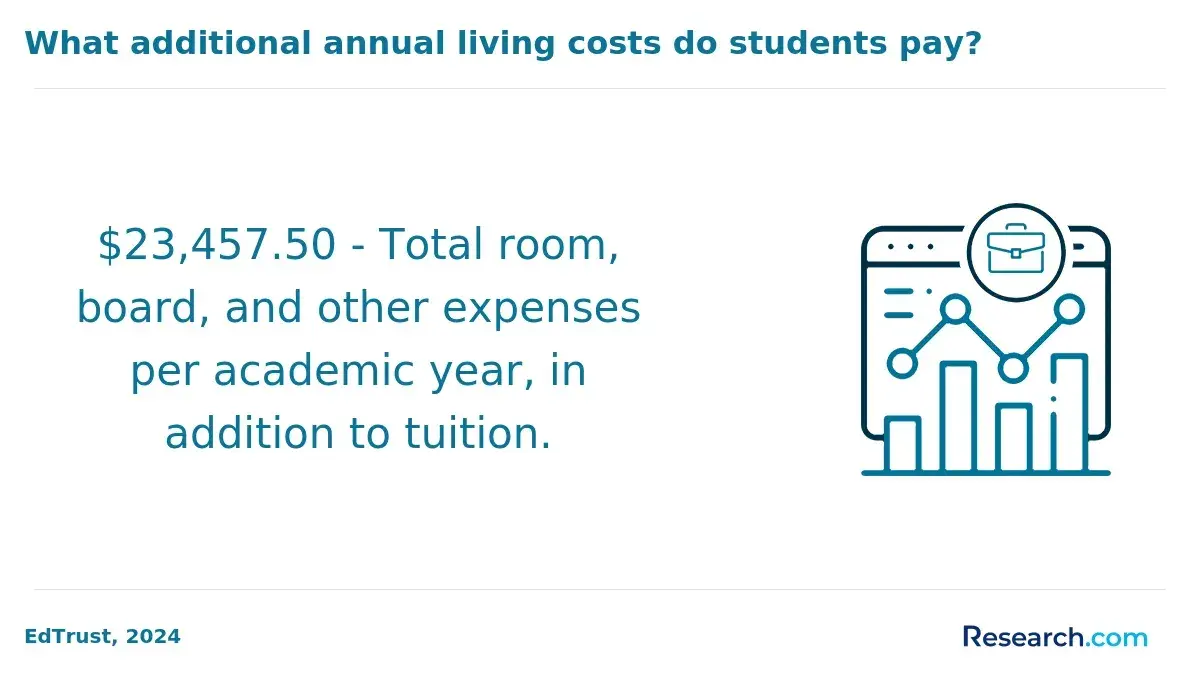
Cost varies widely by institution, residency status, fees, distance-learning charges, travel, housing during rotations, health insurance, books, technology, and licensure expenses. The most useful comparison is total cost of attendance, not advertised tuition alone.
The table below summarizes the major cost categories students should review before enrolling. It is designed to help you ask better financial questions, not to estimate a universal price.
| Cost category | What to verify | Why it matters |
| Tuition and mandatory fees | Per-credit or per-term charges, professional program fees, and distance-learning fees | These are usually the largest predictable costs |
| Campus travel | Required orientations, labs, intensives, assessments, and lodging | Online students may still need to budget for in-person sessions |
| Clinical rotation costs | Transportation, temporary housing, immunizations, background checks, and onboarding fees | Advanced rotations may require travel or short-term relocation |
| Licensure preparation | NAPLEX review materials, state law exam fees, application fees, and fingerprinting | These costs occur near graduation when students may already have limited cash flow |
| Lost income | Reduced work hours during labs, exams, and full-time rotations | Clinical training can make full-time employment unrealistic |
Federal student loan planning is important. Graduate and professional students may be eligible for Direct Unsubsidized Loans up to $20,500 per academic year, with Grad PLUS Loans potentially covering remaining approved cost of attendance after other aid. That structure can make enrollment possible, but it can also increase total repayment costs if students borrow for tuition and living expenses.
To evaluate return on investment, compare expected debt at graduation with realistic career goals. A student aiming for a residency-trained clinical specialist role may view residency pay and delayed full salary differently from a student planning to enter community practice immediately after licensure.
What clinical training do PharmD students complete?
Clinical training is a required part of every accredited PharmD program. Online delivery does not remove this requirement because students must demonstrate real-world competence with patients, preceptors, medications, documentation, and interprofessional teams.
Under ACPE Standards 2025, PharmD students complete at least 300 hours of Introductory Pharmacy Practice Experiences and 1,440 hours of Advanced Pharmacy Practice Experiences. For readers, the key takeaway is that experiential education is not a minor add-on; it is a major part of the professional degree.
PharmD experiential training typically includes several practice environments. These experiences help students test career interests before committing to a specialty or residency path.
- Community pharmacy, where students learn dispensing workflow, patient counseling, immunization services, medication adherence support, and safety checks.
- Hospital or health-system pharmacy, where students observe medication distribution, sterile products, formulary processes, and inpatient medication safety systems.
- Ambulatory care, where students may help manage chronic conditions such as diabetes, hypertension, anticoagulation, asthma, or heart failure.
- Internal medicine or acute care, where students participate in patient rounds, monitor therapy, review labs, and make evidence-based recommendations.
- Elective rotations, which may include oncology, infectious disease, pediatrics, psychiatry, managed care, informatics, academia, industry, or specialty pharmacy.
Students should ask online programs how rotation placement works. Some schools assign placements, while others require students to help identify sites that the school then approves. If you live in a rural area or a highly competitive metro market, placement logistics can affect your schedule, travel budget, and graduation timeline.
A major red flag is vague language about "helping students find rotations" without clear responsibility, preceptor standards, site approval processes, or contingency plans. Before enrolling, ask what happens if a local site cancels or if your preferred specialty rotation is unavailable.
What pharmacist careers can PharmD graduates pursue?
PharmD graduates can pursue a wide range of pharmacist careers, but clinical roles often require more targeted preparation than simply earning the degree. Residency, fellowships, board certification, specialized rotations, and strong preceptor references can influence competitiveness.
The table below outlines common career directions for PharmD graduates. It helps distinguish patient-care roles from operational, industry, and administrative paths.
| Career path | Typical responsibilities | Preparation that may help |
| Clinical pharmacist | Review medication therapy, participate in care teams, monitor outcomes, and recommend treatment changes | PGY1 residency, strong acute care rotations, and possible PGY2 specialization |
| Ambulatory care pharmacist | Manage chronic diseases, counsel patients, adjust therapy under protocols, and support adherence | Ambulatory care rotations, residency, and collaborative practice experience |
| Community pharmacist | Dispense prescriptions, counsel patients, provide immunizations, screen for interactions, and manage pharmacy workflow | Community rotations, immunization training, leadership experience, and customer-care skills |
| Hospital pharmacist | Verify inpatient orders, support medication safety, prepare or oversee sterile products, and consult with clinicians | Hospital rotations, residency preference, and comfort with electronic health records |
| Managed care pharmacist | Review formularies, evaluate utilization, support prior authorization policies, and analyze medication spending | Managed care electives, data analysis skills, and understanding of payer systems |
| Pharmaceutical industry fellow | Work in medical affairs, regulatory affairs, pharmacovigilance, clinical research, or market access | Industry fellowship, research experience, and strong scientific communication skills |
Clinical pharmacy is increasingly shaped by team-based care, telehealth, pharmacogenomics, medication therapy management, specialty drugs, and data-driven medication safety. AI tools may help pharmacists summarize records, identify interactions, or support drug information searches, but pharmacists remain responsible for professional judgment and patient safety.
Students drawn to medication management but more interested in diagnosing and treating mental health conditions may also compare pharmacy with online Psych NP programs, which lead to a different license, scope of practice, and patient-care role.
Who should choose this path? A PharmD is a strong fit for students who enjoy chemistry and biology, communicate well with patients, can handle rigorous clinical decision-making, and want a healthcare role centered on medications. It may not be the best fit for students who want the shortest route into direct patient care, dislike high-stakes exams, or are not prepared for significant tuition and licensure requirements.
What salary can clinical pharmacists expect?
Clinical pharmacist salaries vary by setting, region, experience, shift structure, residency training, and specialty. The BLS reported a May 2024 median annual wage of $137,480 for pharmacists, which provides a useful national benchmark but does not predict an individual graduate's pay.
Salary expectations should be evaluated alongside job setting. Hospital and clinical roles may offer strong professional growth but can be competitive, especially in desirable regions or specialties. Community roles may be more widely available in some markets, while managed care, informatics, and industry roles may require specialized skills beyond the PharmD curriculum.
The table below shows how different pharmacy roles may differ in compensation drivers. Use it to think about career strategy rather than assuming one salary figure applies to every pharmacist.
| Role type | Salary factors to consider | Career trade-off |
| Clinical or hospital pharmacist | Residency training, specialty experience, shift differentials, hospital size, and regional demand | More direct clinical collaboration, but often more competitive entry |
| Community pharmacist | Employer type, management duties, volume, location, and immunization or clinical service responsibilities | More public-facing patient interaction, but workflow can be high pressure |
| Ambulatory care pharmacist | Collaborative practice agreements, chronic care expertise, residency, and health-system structure | Strong continuity of care, but positions may be limited by organization and state scope rules |
| Managed care pharmacist | Formulary knowledge, analytics, payer experience, and policy responsibilities | Less bedside care, but stronger connection to population health and medication-use strategy |
| Industry pharmacist | Fellowship, therapeutic area expertise, communication skills, and regulatory or medical affairs experience | Broader business and research exposure, but may require geographic flexibility |
Residency can affect short-term finances. A postgraduate residency may improve access to clinical specialist roles, but it usually means earning a resident stipend for one or two years instead of moving directly into a full pharmacist salary. Students should include that opportunity cost when comparing career paths.
Do not use national median pay as a promise. Instead, compare local job postings, residency match expectations, employer requirements, and loan repayment projections. The best financial outcome usually comes from aligning program cost, licensure location, specialty preparation, and realistic job-market demand.
How do you choose a reputable online PharmD program?
Choosing a reputable online PharmD program requires more than finding the most flexible schedule. Because the PharmD leads to a regulated profession, the wrong choice can affect licensure, debt, clinical placement, and career competitiveness.
Use the steps below before submitting an application or deposit. They are designed to help you verify quality, fit, and risk in a practical order.
- Verify ACPE accreditation and confirm whether the program has full, candidate, or precandidate status.
- Check state authorization and ask whether students from your state are eligible to enroll and complete rotations.
- Ask for NAPLEX pass-rate trends and compare them with the school's academic support, remediation policies, and student progression rules.
- Review experiential education logistics, including who secures placements, how preceptors are approved, and whether travel is likely.
- Calculate total cost of attendance, including fees, travel, rotation housing, licensure exams, and reduced work hours.
- Ask how online students access faculty, tutoring, advising, disability services, library resources, career coaching, and residency preparation.
- Evaluate residency and career support, including mock interviews, CV review, professional organization involvement, and alumni outcomes.
- Speak with current students or recent graduates about workload, communication quality, technical reliability, and rotation support.
Several red flags should prompt closer review. Be cautious if a program avoids direct answers about accreditation, promises licensure in every state, cannot explain rotation placement, advertises unusually fast completion without clear prerequisites, or focuses on monthly payment rather than total cost.
A reputable program should be transparent about both strengths and limitations. The best online PharmD for you is the one that meets licensure requirements, fits your learning style, supports your clinical goals, and keeps debt within a realistic repayment plan.
Other Things You Should Know About PharmD
Most PharmD programs require about 1,500 to 2,000 hours of experiential training, including Introductory Pharmacy Practice Experiences and Advanced Pharmacy Practice Experiences. These hours must be completed under approved preceptors in community, hospital, or clinical settings before graduation and pharmacist licensure eligibility.
A residency is not required for pharmacist licensure, but it is often preferred or expected for many hospital, ambulatory care, and specialist clinical roles. Students targeting competitive clinical positions should ask schools about residency advising, match support, and rotation strength.
International graduates should contact the state board of pharmacy and the Foreign Pharmacy Graduate Examination Committee pathway before enrolling. Requirements can include credential evaluation, exams, English proficiency, internship hours, and state-specific documentation.
References
- The Exciting Career Paths a PharmD Degree Can Lead To https://www.westernu.edu/blogs/the-exciting-career-paths-a-pharmd-degree-can-lead-to/
- Online PharmD Programs (2026): Accredited Distance & Hybrid Pathways https://www.pharmacyschoolfinder.org/online-pharmd-programs/
- Distance Doctor of Pharmacy Program https://pharmdonline.findlay.edu/programs/online-pharm-d
- 2025 Best Online Pharmacy Schools https://www.onlineu.com/degrees/pharmacy
- Hybrid PharmD Program | WCU https://westcoastuniversity.edu/programs/pharmd
- Admission Requirements https://www.ualberta.ca/en/pharmacy/programs/pharmd-doctor-of-pharmacy/admission-requirements.html
- Alternative career paths for pharmacists https://www.sermo.com/resources/pharmacist-alternative-careers/
- What Jobs Can You Get With a Health Science Degree? https://www.belmont.edu/stories/articles/2024/career-paths-for-pharmd-degree.html
- Online Doctor of Pharmacy Programs (PharmD) https://teach.com/online-ed/healthcare-degrees/online-pharm-d-programs/
- PharmCAS https://www.pharmcas.org/school-directory/pharmd-directory