2027 Online PharmD Programs for Students Who Want Long-Term Career Mobility

Co-Founder and Chief Data Scientist
Choosing an online PharmD is a licensure decision, not just an online degree decision. Pharmacists remain well-paid, with the U. S. Bureau of Labor Statistics reporting a $137,480 median annual wage for pharmacists in May 2024, but the path requires accredited training, supervised clinical practice, and state board approval. This guide is for working adults, career changers, pre-pharmacy students, and healthcare professionals comparing flexible PharmD options. You will learn how online programs work, what they cost, which careers they support, and how to avoid enrollment mistakes.
Key Things You Should Know
- An online PharmD can prepare students for pharmacist licensure only if it is ACPE-accredited and includes required experiential education, including at least 300 IPPE hours and 1,440 APPE hours under current ACPE standards.
- The national pharmacist labor market is stable rather than explosive: BLS projections show about 5% employment growth for pharmacists from 2024 to 2034, so program fit, licensure portability, and specialization matter for long-term mobility.
- Online delivery mainly changes where didactic coursework happens; it does not remove labs, exams, state-specific licensure rules, clinical rotations, background checks, immunization requirements, or the need to pass pharmacist licensing exams.
What is an online PharmD program and how does it prepare you for pharmacist licensure?
An online PharmD, or Doctor of Pharmacy, is the professional doctorate required for most people who want to become licensed pharmacists in the United States. In an online or hybrid PharmD program, lectures, discussions, simulations, case work, and some assessments may happen through a learning platform, while skills labs, exams, and clinical rotations may require campus visits or in-person placement at approved sites.
The goal is the same as a campus-based PharmD: prepare students to understand medication therapy, evaluate patient risk, communicate with prescribers, counsel patients, manage pharmacy operations, and meet the educational requirements for pharmacist licensure. The online format can be especially helpful for students who cannot relocate, but it still requires professional-level time management and availability for supervised practice.
Most online PharmD programs are designed around several connected outcomes. These outcomes matter because state boards and employers look for graduates who can apply pharmacy knowledge in real patient-care settings, not just complete online assignments.
- Licensure readiness: Students build the knowledge base needed for exams such as the NAPLEX and state law exams, though each state board sets its own licensing process.
- Patient-care competence: Coursework emphasizes pharmacotherapy, safety, drug interactions, medication adherence, and clinical decision-making.
- Practice-site preparation: Experiential rotations expose students to community, hospital, ambulatory care, and specialized pharmacy settings.
- Career mobility: Graduates may move into retail, hospital, managed care, informatics, industry, regulatory, academic, or leadership roles depending on experience and additional training.
The best candidates understand that "online" does not mean self-paced or less rigorous. A PharmD is a professional licensure program, so students should expect fixed deadlines, proctored assessments, group projects, live sessions, and clinical obligations that may occur during standard business hours.
How do online PharmD programs meet ACPE accreditation and state licensing requirements?
For a PharmD program, accreditation is the first non-negotiable checkpoint. The Accreditation Council for Pharmacy Education, commonly called ACPE, is the recognized accreditor for professional pharmacy degree programs in the U.S. A program's delivery format can be online, hybrid, or campus-based, but the program must still demonstrate that students meet professional standards for knowledge, skills, ethics, and experiential training.
Licensure is controlled by state boards of pharmacy, not by the school alone. That distinction is important: graduating from an accredited PharmD program may satisfy the education requirement, but students still need to complete state-specific steps before practicing independently.
The table below summarizes how accreditation and licensure responsibilities are usually divided. Use it to understand which requirements are controlled by the school and which ones you must verify with a state board.
| Requirement area | Who usually controls it | Why it matters for online students |
| PharmD program accreditation | ACPE | Only ACPE-accredited professional programs are generally accepted for pharmacist licensure eligibility in U.S. jurisdictions. |
| Didactic pharmacy curriculum | School under ACPE standards | Online coursework must still cover clinical, scientific, ethical, communication, and practice-management competencies. |
| IPPE and APPE placements | School and approved preceptors | Students may need to travel or coordinate availability for approved clinical sites, even if classes are online. |
| Licensure exams | State board and national testing bodies | Most candidates must pass the NAPLEX and a pharmacy law exam or state-specific equivalent. |
| Intern hours and registration | State board of pharmacy | Some states require intern registration, documentation, or state-specific hour tracking before licensure. |
| Background checks and immunizations | School, clinical sites, and state boards | Rotation sites may impose requirements that affect placement eligibility and timing. |
A common mistake is assuming that a school's online availability automatically means it is approved for every state. Before enrolling, ask the program to confirm whether it accepts students from your state, whether its rotations can be completed near you, and whether graduates have historically met your intended state's licensing requirements. You should also verify this independently with the state board where you plan to practice.
What are the key differences between online and campus-based PharmD pathways?
The main difference between online and campus-based PharmD pathways is delivery, not the professional endpoint. Both formats can lead to licensure eligibility when ACPE-accredited, but they create different trade-offs in scheduling, networking, lab access, commuting, and clinical placement logistics.
The comparison below can help you decide whether flexibility is worth the added responsibility of managing remote coursework and local experiential requirements.
| Factor | Online or hybrid PharmD | Campus-based PharmD | Best fit |
| Course delivery | Online lectures, live sessions, virtual discussions, and occasional in-person requirements | Mostly in-person classes, labs, seminars, and faculty interaction | Online works well for students who need geographic flexibility; campus works well for students who prefer daily structure. |
| Skills labs | May require campus intensives, regional labs, or scheduled in-person sessions | Usually built into the weekly campus schedule | Campus may be easier if frequent hands-on access is important. |
| Clinical rotations | Still required in person and may be arranged near the student when approved sites are available | Often supported by established local or regional site networks | Online students should ask detailed questions about placement support before enrolling. |
| Peer and faculty networking | More intentional; depends on live sessions, group work, residencies, and virtual office hours | More spontaneous through labs, student organizations, and campus events | Campus may benefit students seeking high-touch mentoring; online can work for proactive communicators. |
| Schedule flexibility | Usually higher, but professional deadlines remain strict | Usually lower because classes and labs follow campus schedules | Online is better for students balancing work or family, if they can protect study time. |
| Relocation and commuting | Often reduced, though travel may still be required | Usually requires living near campus or commuting regularly | Online may reduce disruption for students who cannot move. |
Online PharmD programs can be a strong choice for self-directed learners, students in underserved regions, and career changers who need flexibility. They may be a poor fit for students who need constant in-person accountability, cannot travel for required sessions, or live in an area where the program cannot secure approved rotations.
What prerequisites and admission requirements do online PharmD programs typically expect?
Admissions requirements vary by school, but online PharmD applicants usually need a strong foundation in science, math, communication, and patient-facing professionalism. Some programs require a bachelor's degree, while others admit students after completion of specific pre-pharmacy prerequisites.
Most schools evaluate more than grades because pharmacy practice involves patient safety, ethics, teamwork, and judgment. Expect the admissions process to review both academic readiness and professional fit.
- Common prerequisites: General chemistry, organic chemistry, biology, microbiology, anatomy and physiology, calculus or statistics, English composition, communication, economics, and social science coursework.
- Academic records: Official transcripts, prerequisite GPA review, science GPA review, and sometimes minimum grade requirements for key courses.
- Application materials: Personal statement, resume, recommendation letters, interview, and documentation of pharmacy or healthcare exposure.
- Professional checks: Background check, drug screening, immunization documentation, CPR certification, and technical standards attestation may be required before rotations.
- Testing policies: Some programs are test-optional or no longer require the PCAT, while others may still consider standardized testing depending on admissions policy.
Applicants with healthcare experience should ask how prior coursework is evaluated, but they should not assume that a nursing, medical assistant, or technician background automatically replaces pharmacy prerequisites. If your long-term goal is nursing advancement rather than pharmacist licensure, comparing an easiest RN to BSN online program may be more aligned with your intended scope of practice.
A practical way to prepare is to map each program's prerequisites in a spreadsheet before applying. Note expiration policies for science courses, whether labs must be in person, whether community college credits are accepted, and whether the school requires prerequisites to be finished before application or before matriculation.
How long does it take to complete an online PharmD, and what study formats exist?
Online PharmD timelines depend on the student's prior credits, the program model, and whether the curriculum is traditional, accelerated, or designed for working professionals. Many professional PharmD programs take about four academic years after prerequisites, but some pathways compress the academic calendar or admit students into structured year-round formats.
The table below summarizes common study formats. It can help you match program pacing to your finances, work obligations, and tolerance for academic intensity.
| Format | Typical structure | Potential advantage | Potential trade-off |
| Traditional full-time PharmD | Professional coursework and rotations across roughly four academic years after prerequisites | More familiar pacing and broad access to student services | Longer time before full pharmacist earnings may begin |
| Accelerated PharmD | Condensed calendar, often using summer terms or fewer breaks | Can shorten time to graduation for academically prepared students | Less schedule margin for work, family responsibilities, or course recovery |
| Hybrid online PharmD | Online didactic courses plus required in-person labs, intensives, and rotations | Balances flexibility with hands-on training | Travel and clinical scheduling can still be significant |
| Part-time or extended pathway | Reduced course load where available | May help working adults manage workload | Can increase total time in school and delay licensure eligibility |
If speed is a priority, review accelerated pharmacy programs carefully rather than choosing the shortest calendar by default. A compressed pathway may be worthwhile if you have strong prerequisite preparation, reliable finances, and few competing obligations; it can be risky if you need to work many hours or have not taken rigorous science courses recently.
When comparing timelines, ask schools how failed or repeated courses affect progression, whether rotations are guaranteed within the published schedule, and whether students can slow down without losing financial aid eligibility or cohort placement.
What core courses, clinical rotations, and experiential learning are included in online PharmD curricula?
Online PharmD curricula are built around medication expertise and applied patient care. Students typically move from biomedical and pharmaceutical sciences into pharmacotherapy, practice management, interprofessional care, and advanced rotations.
Most programs combine three learning modes. Understanding the difference helps applicants judge whether the online format still provides enough clinical and hands-on preparation.
- Didactic coursework: Courses may include pharmacology, medicinal chemistry, pharmaceutics, pharmacokinetics, pharmacogenomics, infectious disease, cardiology, oncology, endocrinology, psychiatry, toxicology, health systems, ethics, and pharmacy law.
- Skills-based learning: Students practice patient counseling, compounding principles, sterile products concepts, immunization technique, medication therapy management, documentation, and communication with prescribers.
- Experiential education: Introductory Pharmacy Practice Experiences and Advanced Pharmacy Practice Experiences place students in supervised real-world settings such as community pharmacies, hospitals, ambulatory clinics, and elective specialty sites.
Current ACPE standards require substantial experiential learning, including at least 300 hours of IPPE and 1,440 hours of APPE. For online students, this means the quality of clinical-site coordination is just as important as the quality of the virtual classroom.
Technology is also changing how pharmacy students train. Programs increasingly use virtual patient cases, electronic health record simulations, remote collaboration tools, pharmacogenomic interpretation exercises, and AI-supported drug information workflows. These tools can strengthen decision-making, but they do not replace clinical judgment, patient counseling, or supervised practice.
What does an online PharmD cost, and how can students finance their degree?
The cost of an online PharmD varies widely by institution, residency status, tuition model, fees, travel requirements, and rotation logistics. Instead of comparing tuition alone, students should estimate the full cost of attendance and the opportunity cost of time spent in school.
Program pages may list tuition per credit, per term, or per academic year. To compare schools fairly, convert each program into a total estimated cost using the same categories.
- Tuition and mandatory university fees
- Course materials, software, exam platforms, and pharmacy databases
- Campus intensive travel, lodging, meals, and transportation
- Clinical rotation commuting, parking, housing, background checks, immunizations, and onboarding fees
- Licensure exam, state board, intern registration, and application costs
- Lost or reduced income if the program limits work hours during labs or rotations
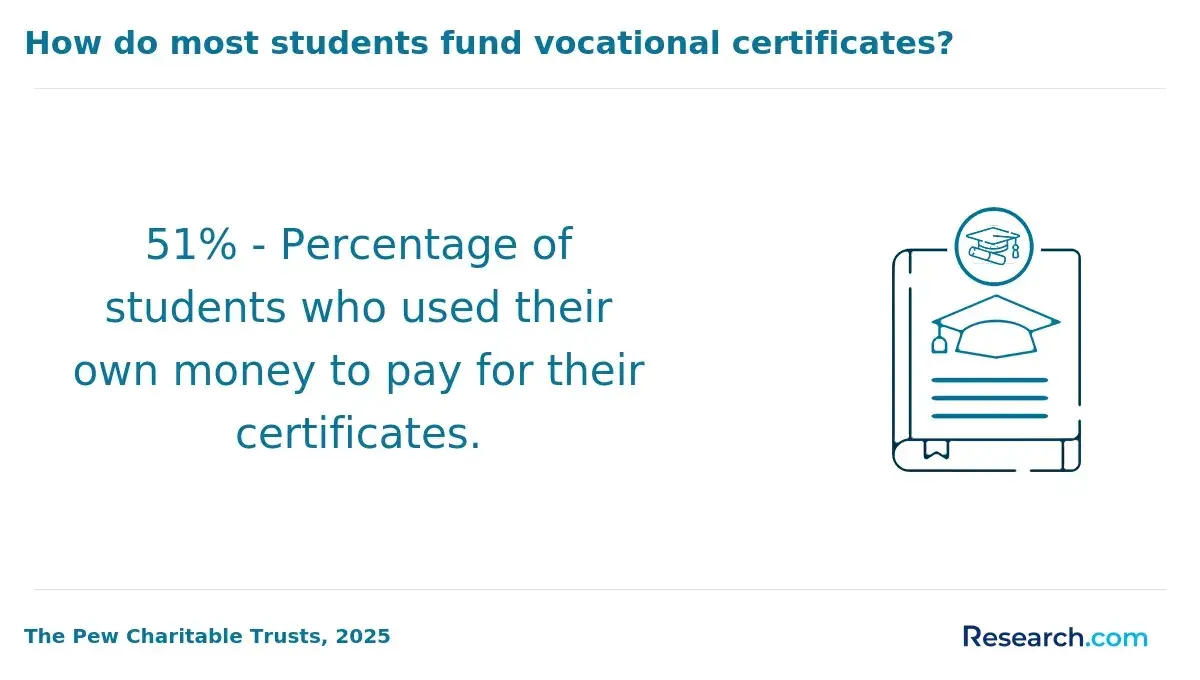
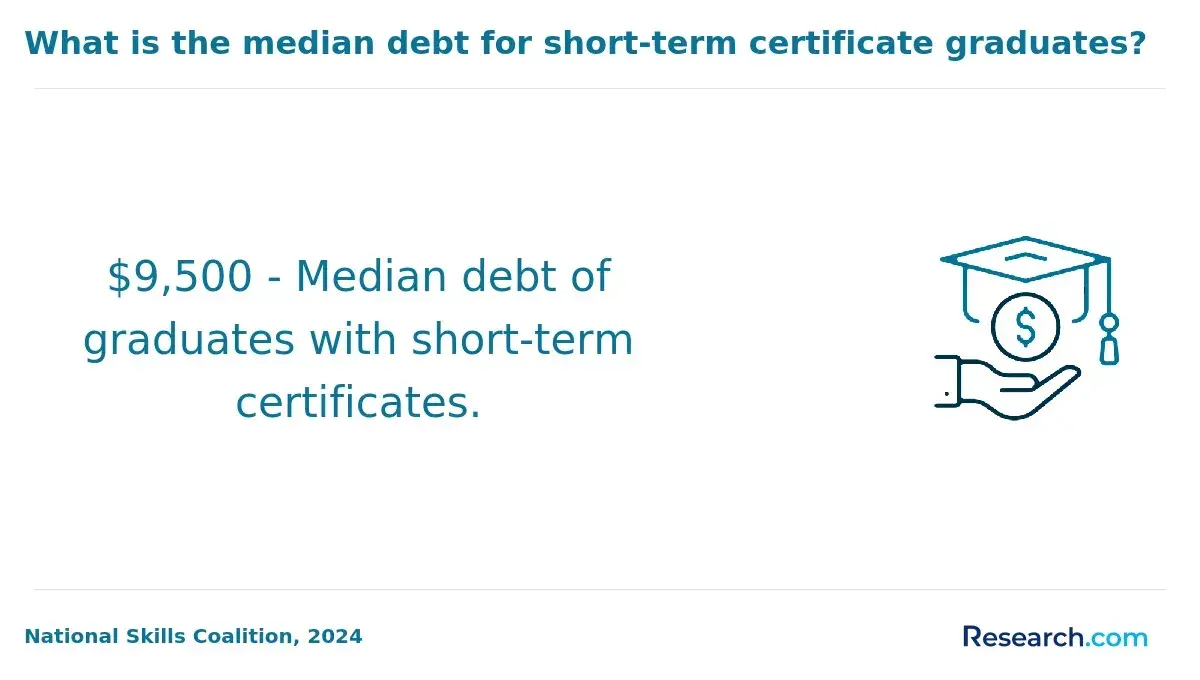
For federal borrowing, graduate and professional students are generally limited to $20,500 per academic year in Direct Unsubsidized Loans, with Grad PLUS Loans potentially covering remaining eligible cost of attendance after other aid. That structure matters because PharmD students who borrow heavily may face different repayment pressure depending on whether they enter retail, residency, hospital, public service, or industry roles.
Students should also ask about scholarships, employer tuition benefits, military benefits, state grants, assistantships, and payment plans. If you are drawn to healthcare but more interested in operations, finance, or policy than medication therapy, a health administration degree online may offer a lower-cost route into healthcare leadership without pharmacist licensure requirements.
A strong financing plan includes a repayment scenario before enrollment. Estimate monthly payments under standard and income-driven repayment options, compare those payments with realistic entry-level earnings in your desired practice setting, and include residency years if you plan to pursue postgraduate training.
What pharmacist and advanced career roles can graduates pursue with an online PharmD?
A PharmD is most directly tied to pharmacist licensure, but its long-term value often depends on how graduates specialize after licensure. Career mobility can come from residency training, board certification, informatics skills, leadership experience, managed care knowledge, research exposure, or industry experience.
The table below outlines common pharmacist and advanced roles. Use it to think beyond the first job and evaluate whether a program's rotations, electives, and alumni network support your preferred direction.
| Career direction | Typical responsibilities | Mobility factors |
| Community pharmacist | Dispense medications, counsel patients, administer vaccines, identify interactions, manage adherence, and supervise pharmacy operations | Useful for broad patient access, management experience, and regional mobility |
| Hospital or health-system pharmacist | Review medication orders, support inpatient care teams, monitor therapy, prepare clinical recommendations, and oversee safe medication use | Residency is often preferred for competitive clinical roles |
| Ambulatory care pharmacist | Manage chronic disease medication therapy, support clinics, adjust therapy under protocols where allowed, and educate patients | Strong fit for students interested in long-term patient relationships and team-based care |
| Managed care pharmacist | Work on formularies, utilization management, prior authorization, outcomes, and population-level medication strategy | Useful for students interested in payer systems and healthcare analytics |
| Industry or medical affairs pharmacist | Support drug information, pharmacovigilance, regulatory strategy, medical science liaison work, or clinical development | Networking, fellowships, research skills, and communication experience are important |
| Pharmacy informatics pharmacist | Optimize medication-use technology, clinical decision support, EHR workflows, automation, and safety alerts | Growing relevance as health systems adopt AI, automation, and data-driven pharmacy operations |
| Academic or research pharmacist | Teach, precept, conduct scholarship, design curricula, or support clinical research | Often requires residency, fellowship, graduate training, or sustained scholarly work |
Students should choose rotations strategically. A student targeting hospital practice should prioritize inpatient, critical care, infectious disease, and ambulatory care exposure; a student targeting industry should seek drug information, regulatory, research, or medical affairs electives where available.
If your interest is advanced patient care but you prefer the nursing model, compare pharmacist responsibilities with nurse practitioner and clinical nursing pathways. For some licensed nurses, BSN to MSN online programs may be a better fit than starting a PharmD from scratch.
What salary ranges and long-term earning potential do online PharmD graduates typically see?
Online PharmD graduates enter the same licensed pharmacist labor market as campus graduates, assuming they complete an accredited program and meet state licensure requirements. Salary outcomes vary by location, employer type, shift structure, experience, residency training, and specialization.
The BLS reported a $137,480 median annual wage for pharmacists in May 2024, with the national annual mean wage at $140,910. For readers, the key point is that pharmacist compensation can be strong, but it should be weighed against tuition, debt, residency plans, and the local market where you intend to practice.
The table below summarizes salary context by career stage and setting. It does not predict an individual graduate's earnings, but it shows how role type can influence long-term earning potential.
| Career stage or setting | Salary context | What affects mobility |
| Newly licensed pharmacist | Compensation often depends on geographic market, employer type, and willingness to work evenings, weekends, or high-demand locations | Licensure timing, relocation flexibility, internship experience, and references |
| Postgraduate residency pathway | Residency stipends are typically lower than pharmacist wages during training | Can improve access to clinical, hospital, ambulatory, and specialty roles |
| Community or retail leadership | Management roles may add earning potential through supervisory responsibility | Operations skill, staffing leadership, immunization services, and performance metrics |
| Health-system specialist | Specialized clinical roles may reward residency training, board certification, and high-demand expertise | Clinical depth, interprofessional credibility, and practice-site reputation |
| Industry, informatics, or managed care | Pay can vary widely by employer, region, and technical responsibility | Data skills, communication ability, fellowship or managed care exposure, and technology fluency |
The BLS projects pharmacist employment to grow by about 5% from 2024 to 2034, which is close to a steady-growth outlook rather than a shortage-driven guarantee. Students should therefore think in terms of employability: choose rotations, electives, internships, and postgraduate training that make sense for the roles they actually want.
Long-term earning potential is strongest when the PharmD is paired with a clear strategy. That may mean pursuing residency, becoming board certified after eligible experience, building informatics competence, developing leadership skills, or moving into specialty pharmacy, managed care, or industry.
How can prospective students evaluate and choose a reputable online PharmD program?
Choosing a reputable online PharmD program requires more than reading rankings or comparing tuition. The right program should match your state licensure plans, learning style, clinical placement needs, budget, and target career setting.
Use the following steps before submitting a deposit. They are designed to help you verify essentials and avoid problems that are expensive to fix later.
- Confirm that the professional PharmD program is ACPE-accredited and check its current accreditation status, not just the university's general accreditation.
- Ask whether the program is authorized to enroll students in your state and whether graduates are eligible for licensure in the state where you plan to practice.
- Request detailed information about IPPE and APPE placement support, including whether students must find their own preceptors.
- Compare total cost of attendance, not just tuition, including travel, clinical onboarding, exam fees, and lost income during rotations.
- Review NAPLEX preparation support, progression policies, remediation rules, graduation requirements, and student support services.
- Ask how often students must travel to campus or regional sites and whether dates are fixed far enough in advance for working adults.
- Evaluate career alignment by reviewing electives, rotation options, residency match support, alumni outcomes, employer relationships, and faculty expertise.
- Speak with current students or recent graduates about workload, responsiveness, technology quality, and clinical placement realities.
Several red flags should slow down your decision. Be cautious if a program avoids direct answers about accreditation, cannot explain state authorization, promises licensure in every state, gives vague clinical placement answers, advertises unrealistically low total costs, or uses pressure-heavy admissions tactics.
Also consider whether PharmD is the right credential for your goal. If you want healthcare leadership, compliance, operations, or payer administration without becoming a pharmacist, a management-oriented degree may be more efficient. If you want medication expertise, direct licensure as a pharmacist, and access to pharmacy-specific clinical and industry roles, an accredited PharmD is the appropriate professional path.
Other Things You Should Know About PharmD
In 2027, international pharmacists can use an online PharmD program as part of the process to practice in the U.S. However, they must also pass the Foreign Pharmacy Graduate Equivalency Examination (FPGEE) and the North American Pharmacist Licensure Examination (NAPLEX) to meet the U.S. licensure requirements.
Some students work part time during didactic terms, but full-time work is difficult in many programs. Labs, exams, group work, and clinical rotations can require daytime availability and predictable scheduling.
Residencies are not required for all pharmacist jobs, but they are often preferred or expected for competitive hospital, ambulatory care, specialty, and academic positions. Community pharmacy roles may not require residency.
References
- Elevate Your PharmD Degree with the FlexPharmD: A Flexible Path to Success https://www.unthealth.edu/college-of-pharmacy/doctor-of-pharmacy-pharmd.html
- Pharmacy (PharmD) https://www.creighton.edu/academics/programs/pharmacy
- Online PharmD Programs (2026): Accredited Distance & Hybrid Pathways https://www.pharmacyschoolfinder.org/online-pharmd-programs/
- Best Online PharmD Programs https://pharmddegree.com/choosing/best-online-pharmd-programs
- Pharmacy Doctorate (PharmD) Salary and Career Outlook https://teach.com/online-ed/healthcare-degrees/online-pharm-d-programs/pharmacy-doctorate-salary-career-outlook/
- Getting Your PharmD: How Long is Pharmacy School? https://www.pacificu.edu/blog/getting-your-pharmd-how-long-pharmacy-school
- Start Your Future at the Only Online Pharmacy School in Ohio https://pharmdonline.findlay.edu/
- Doctor of Pharmacy Admission https://www.pacific.edu/pharmacy/pharmd
- Unlocking the Perfect Fit: Your Ultimate Guide to Selecting the Ideal Pharmacy School https://pharmacyforme.org/2024/02/29/unlocking-the-perfect-fit-your-ultimate-guide-to-selecting-the-ideal-pharmacy-school
- Admission Requirements https://www.ualberta.ca/en/pharmacy/programs/pharmd-doctor-of-pharmacy/admission-requirements.html