2027 Can Student Loans Pay for a Car?

Student Finance & Loan Expert
Many individuals face the dilemma of needing reliable transportation while managing student loan debt. Purchasing a car often seems necessary for commuting to school or work, yet financing it alongside educational expenses can create financial strain. Borrowers may wish to use student loans to cover such costs but must navigate strict regulations on allowable expenses. Understanding whether student loans can legally and practically be applied toward car payments or purchases is essential to avoid unintended consequences like loan default or misallocation of funds. This article examines the rules governing student loan usage and offers guidance to help readers make informed decisions about financing a vehicle.
- Can you legally use student loan money to buy a car? Car rules
- What education expenses are student loans actually allowed to cover? Allowed costs
- Why do lenders prohibit using student loans for cars and other non-education costs? Loan limits
- How are "cost of attendance" and "living expenses" defined for student loan purposes? COA basics
- Can leftover student loan refund checks be spent on transportation or a car? Refund use
- What are safer ways to finance a car while you have student loans? Other options
- How does borrowing extra for living expenses affect long-term student loan repayment? Extra debt
- What are the consequences if you misuse student loan funds for a prohibited purchase? Misuse risks
- How do federal and private student loan rules differ on allowable spending? Loan types
- How should you prioritize paying for transportation in your overall college budget? Transport budget
Can you legally use student loan money to buy a car?
You cannot legally use federal student loan funds to directly purchase a car. These loans are intended strictly for documented education-related expenses such as tuition, fees, housing, books, and supplies. Using federal student loans for a car purchase guidelines is clear: non-education-related uses violate federal regulations and can result in serious consequences, including loan default or legal penalties.
If you need a vehicle for commuting to campus or internships essential to your studies, you may include transportation costs in your budget with approval. Your financial aid office must approve this budget adjustment, and it must be reflected in your cost of attendance (COA). In such cases, loan amounts can be legitimately increased to cover these expenses, provided you supply proper justification and documentation. For students asking, "Can you legally use student loan money to buy a car rules" emphasize that this indirect use is allowed only with official financial aid office approval.
Private student loans tend to have more flexible terms but generally restrict funds to educational expenses as well. Using private loans to buy a car risks violating loan agreements, which could lead to penalties or immediate repayment demands.
Among Americans with both auto and student loan debt, 8.4% owe more on their vehicles than their education loans, with a median auto balance of $18,242 compared to $7,114 in student loans. This data highlights the financial strain many borrowers face and the risks of mixing education loans with car financing. For those seeking last-minute financial help, considering urgent student loans for college may be an option.
What education expenses are student loans actually allowed to cover?
Student loans are specifically intended to cover education-related expenses, and federal rules prohibit using these funds for non-educational costs such as purchasing a car. What student loans can cover for college costs typically include tuition, fees, room and board, textbooks, supplies, and necessary equipment like computers or software essential for coursework. Transportation costs related to attending classes may be covered when they involve standard commuting expenses or public transit, but buying a vehicle with loan money is generally not permitted.
Eligible education expenses include:
- Tuition and mandatory institutional fees
- Room and board on or off campus within reasonable limits
- Required textbooks and course materials
- Necessary technology and software for coursework
- Direct educational fees such as lab and mandated health insurance fees
Using student loans for unrelated personal expenses, like car purchases or general living costs beyond what is reasonable for education, is not allowed. For students needing transportation, proving that a vehicle purchase is directly linked to enrollment or attendance is difficult and rarely results in loan approval. Students should plan separate financing for a car if needed and consider options like student loans with low credit score if credit is a concern.
The average annual cost at public four-year institutions highlights that federal loans aim to cover substantial college expenses first, ensuring funds go toward qualifying educational costs rather than personal purchases.
Why do lenders prohibit using student loans for cars and other non-education costs?
Lenders prohibit using student loans for cars and other non-education expenses to ensure funds are strictly allocated for educational purposes. This restriction on student loan restrictions on car purchases helps maintain the integrity of federal programs by limiting disbursements to tuition, fees, books, supplies, and living costs related directly to schooling. Using loans to buy vehicles violates lending agreements and federal regulations.
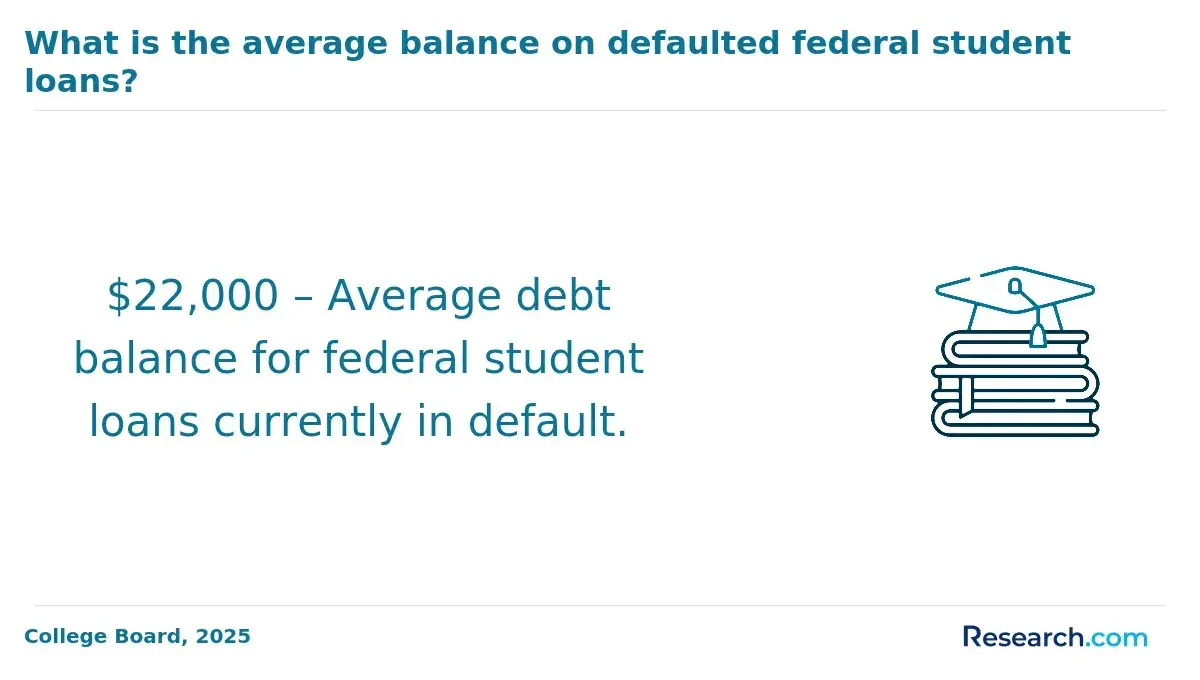
Why lenders forbid non-educational use of student loans is partly due to the increased risk of default. Cars depreciate quickly and do not improve a borrower's earning potential as education does. The U.S. Department of Education reported that 18.6% of federal Direct Loan borrowers faced default, serious delinquency, or forbearance, illustrating repayment challenges when funds are misused.
Lenders enforce these rules by requiring schools to certify education expenses before disbursing loans. Misuse can result in penalties, loss of eligibility, or demands for immediate repayment. Borrowers needing a car for work or commuting should explore alternative financing such as personal loans, credit cards, or employer-sponsored assistance.
Financial advisors stress prioritizing loan funds strictly for education to avoid jeopardizing financial stability. For guidance on managing educational expenses, see how to pay for college as an adult.
How are "cost of attendance" and "living expenses" defined for student loan purposes?
The cost of attendance allowance for student loans is a comprehensive budget set by each school, encompassing tuition, fees, books, supplies, transportation, and room and board. It establishes the maximum amount a student can borrow. Within this overall COA, living expenses covered by federal student loans typically include daily costs such as food, housing, utilities, and personal needs.
Federal student loans are designed to cover educational costs and necessary living expenses. However, using these funds for non-educational purchases, such as buying a car outright, is generally not permitted unless it qualifies as essential transportation. For instance, students living far from campus without reliable transit options might have car-related expenses included under transportation costs in their COA.
While borrowing through student loans to fund a car may offer a lower fixed interest rate-6.53% for a federal undergraduate Direct Loan versus the 8.3% average on a 60-month car loan-it's important not to exceed COA limits, as this risks complicating loan eligibility and funding. Students should consult their financial aid office to clarify allowable living expenses and transportation costs.
Those considering managing their debt more effectively might explore options like student loan refinancing, which can offer alternative repayment solutions tailored to individual circumstances.
Can leftover student loan refund checks be spent on transportation or a car?
Students receiving leftover student loan refund checks may choose to use these funds for transportation expenses, including purchasing a car. After covering tuition, fees, and authorized education costs, any remaining refund money is available for personal use. These funds can be applied toward a vehicle down payment, repairs, insurance, or public transit costs.
Buying a car with loan refunds can be practical for students or graduates needing reliable transportation for work or school. For instance, a student receiving a $2,000 refund might allocate $1,200 for a used car and use the rest for registration or maintenance. However, it's essential to weigh the impact on overall debt burden before using refunds for car expenses.
Research from the Federal Reserve Board indicates that households with very high debt levels are about 15% less likely to purchase a vehicle annually compared to households with lower debt. High student loan balances can reduce creditworthiness and borrowing capacity, making it more difficult to secure favorable auto loans or financing terms.
To make the most of student loan refunds for transportation, consider:Assessing your debt and credit status before financing a vehicle.Using refunds for down payments to lower monthly payments.Balancing transportation needs with financial stability to avoid excessive borrowing.
What are safer ways to finance a car while you have student loans?
Using student loans to finance a car is typically risky and not recommended, as it can jeopardize your financial stability. Instead, consider safer options that protect your existing student debt and credit.
First, traditional auto loans from banks, credit unions, or online lenders often provide competitive interest rates based on creditworthiness. Many buyers choose longer-term loans-from 73 to 84 months-to lower monthly payments, but this increases total interest paid, so balance affordability with loan length carefully (Experian, "State of the Automotive Finance Market Q4 2024").
Second, opting for a certified pre-owned or used vehicle can reduce the amount you need to borrow, enabling shorter loans or cash purchases and minimizing financial risk.
Third, tapping into cash savings or an emergency fund to cover part or all of the purchase avoids adding debt and interest costs. Selling unneeded items or cutting back on discretionary spending can help build a down payment faster.
Fourth, explore employer assistance programs or family loans offering low or no interest rates, which can fill financing gaps without affecting your federal student loans.
- Lower interest rates with traditional auto loans
- Buying used to minimize loan size
- Using savings to avoid new debt
- Employer or family loans with favorable terms
These options maintain student loan integrity while helping secure reliable transportation without combining education debt with auto expenses.
How does borrowing extra for living expenses affect long-term student loan repayment?
Borrowing extra student loan funds to cover living expenses, such as purchasing a car, directly increases your total loan principal. This growth in the loan balance leads to higher interest accumulation over time and often extends the repayment period. For instance, transportation costs for full-time undergraduates at public four-year colleges averaged $1,920 annually, making up nearly 8% of their total cost of attendance, according to the National Center for Education Statistics. Adding such amounts to your loan significantly raises your overall debt.
Higher debt results in increased monthly payments unless you opt for a longer repayment term, which typically increases the total interest paid. This situation also limits financial flexibility, making saving or investing after graduation more difficult. Borrowers taking extra loans for living expenses face greater risk of default, especially if their income after college does not rise proportionally.
Consider these impacts:
- Increased loan balance causes higher monthly payments, which can strain budgets.
- Extended loan terms raise total interest costs.
- Opportunity costs appear, as extra loan funds could be earned through part-time work or reduced by budgeting transportation alternatives.
- Without careful budgeting, repeated borrowing may trap students in growing debt.
Exploring cost-effective transportation options, using savings, subsidies, or affordable public transit can reduce dependency on loans and minimize long-term financial strain. More guidance on managing student loan obligations can be found on research.com.
What are the consequences if you misuse student loan funds for a prohibited purchase?
Student loan funds must only be used for education-related expenses such as tuition, fees, books, and supplies. Using these funds for prohibited purposes like purchasing or leasing a car without a clear educational necessity violates federal regulations and can lead to serious consequences.
If you misuse loan money, the amount spent improperly becomes immediately due. Loan servicers can demand full repayment of those funds regardless of your graduation status. This misuse may also accelerate the repayment timeline, adding financial pressure.
Default risk increases significantly when loan terms are violated. Default can damage your credit score, complicating future borrowing and renting, and may lead to wage garnishment, tax refund withholding, or even legal actions to recover misused funds.
Examples of prohibited uses include buying a car not required for transportation to school or leasing a vehicle without documented necessity. However, research shows that having access to a car can improve student retention and graduation rates-community college students with cars are more likely to persist in their studies by 12 percentage points compared to those relying solely on public transit (Urban Institute, "Transportation Barriers and Postsecondary Success," 2024).
Despite these findings, federal student loans cannot be used to buy a car absent documented educational need. Instead, students should consider alternative funding options like savings, family support, or grants to afford transportation responsibly.
How do federal and private student loan rules differ on allowable spending?
Federal student loans cannot be used to purchase a car, as these funds are strictly designated for education-related expenses like tuition, fees, books, supplies, and on-campus housing for students enrolled at least half-time. Using federal loan money for other purposes violates loan terms and federal regulations, which can result in loan default or penalties.
Private student loans, managed by individual lenders, typically focus on covering education costs as well. However, some lenders might allow limited use for transportation-related expenses, though buying a vehicle outright usually requires explicit approval. It is crucial for borrowers to carefully review their loan agreements, since unauthorized use can lead to loan recall or higher interest rates.
Key differences include:
- Federal loans follow strict government regulations
- Private loans depend on lender-specific policies
- About 7.8% of U.S. education debt comes from private loans
- Private loan interest rates often range between 9.0% and 14.0%, higher than many prime auto loans
Students considering vehicle purchases should note that federal loans offer no support, and private loans usually come with costly limitations. Exploring dedicated auto loans with lower interest rates is generally a more financially sensible option.
How should you prioritize paying for transportation in your overall college budget?
Transportation expenses are an important part of your college budget and can quickly become a financial burden if not carefully planned. The average monthly payments for new and used car loans often exceed what a typical full-time undergraduate earns from part-time work, according to Edmunds' "Automotive Finance Trends Q4 2024." This can place significant strain on your finances and increase debt levels.
Before committing to a car loan, explore less costly transportation alternatives such as public transit, biking, or carpooling. These options generally have lower upfront and ongoing costs. If owning a car is necessary for your location, work, or accessibility needs, opt for a reliable used vehicle to keep monthly payments and total expenses manageable.
Consider these budgeting tactics to maintain financial balance:
- Account for fuel, insurance, maintenance, and registration along with loan payments when estimating monthly transportation costs.
- Keep all transportation costs under 15% of your monthly income to avoid financial stress.
- Use scholarships, grants, or earnings from part-time jobs to cover these costs before resorting to loans.
- If loans are unavoidable, borrow only what is necessary to reduce long-term financial pressure.
Poor transportation budgeting can jeopardize your ability to pay for tuition, housing, and essential living costs. Prioritizing affordability and reliability over convenience or style helps safeguard your overall financial health during college.
Other Things You Should Know About
Using student loans to purchase a car can indirectly influence your financial aid status if it affects your ability to meet academic or enrollment requirements. While the loan funds may be disbursed to you, misallocating these resources might lead to increased debt burden and potential repayment difficulties, which can impact your overall financial standing. However, financial aid eligibility itself is generally based on enrollment and satisfactory academic progress rather than specific spending choices.
Student loans are not considered taxable income, regardless of how the funds are used. This means that whether or not you use the loan money to purchase a car, you will not owe taxes on the loan proceeds. Still, since loans must be repaid with interest, improper use may lead to increased financial strain in the long term.
Taking a student loan itself does not directly affect your credit score if payments are made on time. However, if using loan funds for a car leads to financial difficulties or missed payments, your credit could be negatively impacted. Managing student loan repayments responsibly is crucial to maintaining a good credit history, regardless of how the loan money was spent.
Generally, schools and lenders do not closely monitor how student loan funds are spent after disbursement. However, they provide these funds with the expectation that they be used for educational expenses. Misusing loans can lead to future financial issues, including increased debt and potential legal ramifications.