2027 Online Clinical Psychology Degrees With the Best Financial Aid Guidance

Co-Founder and Chief Data Scientist
Choosing an online clinical psychology degree is a high-stakes decision because the wrong program can delay licensure, increase debt, or limit career options. The need is real: the BLS reports a 2024 median pay of $94,310 for psychologists, but licensure typically requires a doctoral degree and supervised clinical training.
This guide is for students comparing online master's, PsyD, PhD, and counseling-aligned programs. You will learn how to evaluate accreditation, financial aid guidance, costs, clinical placements, admissions, licensure fit, and career outcomes before committing.
Key Things You Should Know
- For psychologist licensure, an online master's is usually not enough; most states require a doctoral degree, supervised internship or postdoctoral hours, exams, and state board approval.
- Financial aid guidance matters because graduate students may borrow up to $20,500 per year in federal Direct Unsubsidized Loans, with Grad PLUS loans available up to the school-certified cost of attendance.
- The BLS reports 2024 median pay of $94,310 for psychologists and $59,190 for substance abuse, behavioral disorder, and mental health counselors, so ROI depends heavily on the credential and license you pursue.
What should students look for in an online clinical psychology program's accreditation and quality?
For online clinical psychology degrees, quality starts with accreditation and licensure alignment. "Online" describes the delivery format, not whether a program qualifies you for professional practice. A strong program should be institutionally accredited, transparent about clinical training, and clear about which states its curriculum is designed to satisfy.
The most important distinction is program-level accreditation. The American Psychological Association accredits doctoral programs in clinical, counseling, and school psychology, as well as internships and postdoctoral residencies; it does not accredit bachelor's or stand-alone master's programs in clinical psychology. If you are comparing online PsyD programs accredited by APA, verify the current APA Commission on Accreditation status and confirm whether the program's online, hybrid, or residency requirements match your life and location.
Use this table to separate the main quality signals from marketing claims. It can help you identify whether a program is built for licensure, career advancement, research preparation, or general psychology education.
| Quality factor | Why it matters | What to verify |
| Institutional accreditation | Required for federal financial aid eligibility and widely expected by employers and licensing boards | The school is accredited by a recognized institutional accreditor |
| Programmatic accreditation | Often critical for doctoral psychology licensure or counseling licensure portability | APA status for doctoral psychology or relevant counseling accreditation where applicable |
| State licensure disclosures | Online programs may not meet every state's requirements | Written disclosure for your state, including coursework and supervised experience gaps |
| Clinical placement support | Practicum and internship access can determine whether you can progress on time | Whether the school finds placements, approves student-found sites, or limits placements by region |
| Student outcomes | Completion, match, exam, and placement outcomes reveal program performance | Graduation rates, internship match data, EPPP preparation support, and licensure pass information when available |
A common mistake is assuming that "regionally accredited" means "licensure-ready." Institutional accreditation is essential, but it does not replace APA accreditation for many doctoral psychology paths or counseling-specific accreditation for some master's-level counseling licenses. Another red flag is a program that advertises "clinical psychology" broadly but cannot explain which license its graduates typically pursue.
How do online clinical psychology degrees compare with campus-based programs for training and licensure?
Online clinical psychology programs can offer the same academic rigor as campus programs when they include live instruction, supervised clinical training, faculty mentoring, and residency-based skill development. The main difference is not the diploma format; it is how the program delivers hands-on assessment, therapy, ethics, supervision, and professional identity formation.
Campus-based programs often have easier access to university clinics, faculty labs, hospitals, and established practicum networks. Online and hybrid programs may be better for working adults or students who cannot relocate, but they require more careful planning around local placements, travel residencies, and state authorization. Telehealth training is also more important than it used to be because many behavioral health employers now expect clinicians to understand virtual care, privacy rules, documentation, and risk management.
The comparison below shows where online and campus-based programs usually differ. The best choice depends on your target license, schedule, need for local placement support, and willingness to travel for required residencies.
| Decision point | Online or hybrid programs | Campus-based programs |
| Flexibility | Often better for working adults, caregivers, and students outside major university centers | Often better for students who can attend daytime classes and relocate if needed |
| Clinical skill practice | May use synchronous labs, intensive residencies, simulations, and local practicum sites | Often uses on-campus clinics, in-person labs, and nearby practicum partnerships |
| Licensure planning | Requires careful state-by-state review because students may live far from the school | May be more straightforward in the school's home state but still requires board review |
| Faculty access | Can be strong if the program uses small cohorts, live supervision, and advising checkpoints | Can be strong through labs, office hours, clinics, and informal mentoring |
| Best fit | Students who need flexibility and can manage placement logistics | Students who want immersive campus training and built-in local networks |
Do not choose online only because it appears easier. Clinical psychology is not a fully self-paced field; ethical practice requires supervised feedback, documentation practice, live case discussion, and professional evaluation. If a program has no meaningful synchronous training or no clear clinical sequence, that is a serious quality concern.
How can you find online clinical psychology degrees that provide strong financial aid guidance and support?
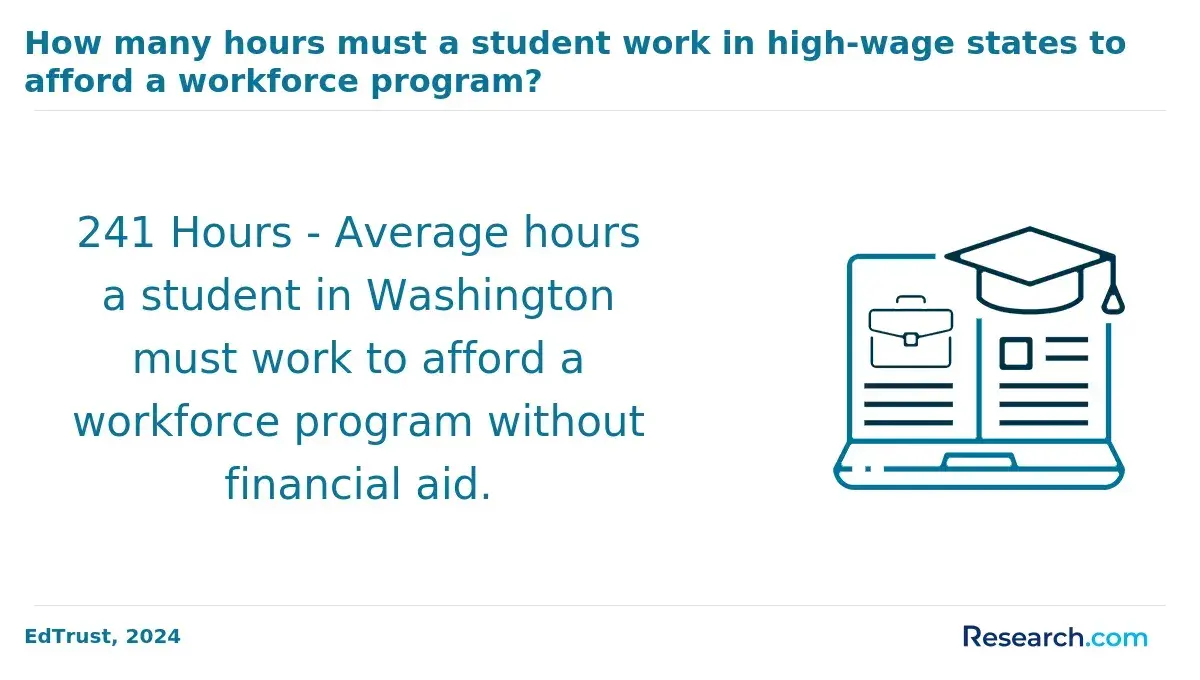
Financial aid guidance is more than a financial aid office that processes loans. For clinical psychology students, strong guidance should help you estimate total cost, understand loan limits, compare assistantships and scholarships, budget for residencies and practicum travel, and avoid borrowing for a program that does not match your licensure goal.
Graduate aid can be complicated because aid packages often combine federal loans, institutional scholarships, employer tuition benefits, military education benefits, assistantships, stipends, and payment plans. Federal Student Aid rules allow graduate and professional students to borrow up to $20,500 per academic year in Direct Unsubsidized Loans, while Grad PLUS loans can cover remaining school-certified costs after credit approval. That structure gives access to funding, but it can also make overborrowing easy if students do not receive careful counseling.
Before enrolling, ask each school for specific evidence of financial aid support. These questions help you move beyond advertised tuition and understand the real out-of-pocket and debt picture.
- Ask for a full cost-of-attendance estimate that includes tuition, fees, residencies, technology, books, background checks, liability insurance, and travel for clinical training.
- Request a sample aid package for students in your program type, including scholarships, loans, assistantships, and any funding that is limited to doctoral students.
- Ask whether the program has a dedicated graduate financial aid counselor who understands psychology licensure timelines and practicum or internship expenses.
- Confirm whether aid continues during internship, dissertation, part-time enrollment, leave periods, and clinical placement extensions.
- Ask how the school helps students compare federal loans, private loans, employer benefits, public service options, and repayment plans without pressuring them to borrow the maximum.
Strong programs are transparent about net price and debt risk. Weak programs emphasize speed, prestige, or monthly payment size without showing the total amount financed. A practical benchmark is whether the school can explain how students pay for every stage of training, including the lower-paid or unpaid clinical periods that may occur before licensure.
What education and supervised clinical experience are required to become a licensed clinical psychologist or counselor?
The education path depends on whether you want to become a licensed psychologist, licensed professional counselor, marriage and family therapist, school psychologist, or another behavioral health professional. Clinical psychologist is usually the longest path because it typically requires a doctorate, while many counseling licenses begin with a master's degree.
For psychologist licensure, students generally complete a doctoral degree in clinical, counseling, or school psychology, followed by supervised internship and possibly postdoctoral experience depending on the state. They also typically complete the Examination for Professional Practice in Psychology and any state jurisprudence or ethics requirements. For counseling licensure, students usually complete a master's program with counseling coursework, practicum, internship, post-graduate supervised hours, and a state-approved exam.
The table below summarizes common U.S. pathways. Requirements vary by state, so use it as a planning framework rather than a substitute for licensing board rules.
| Career goal | Typical degree path | Supervised experience | Key licensure consideration |
| Licensed clinical psychologist | PhD or PsyD in clinical, counseling, or school psychology | Predoctoral internship and often postdoctoral supervised practice | APA accreditation is often preferred or required by employers, internships, or boards |
| Licensed professional counselor | Master's in counseling or clinical mental health counseling | Practicum, internship, and post-graduate supervised clinical hours | Many students compare CACREP programs because CACREP alignment can affect licensure portability in some states |
| Marriage and family therapist | Master's in marriage and family therapy or related field | Clinical practicum and post-degree supervised relational therapy hours | Coursework must match state MFT board requirements |
| School psychologist | Specialist-level degree, EdS, PsyS, or doctorate depending on state and role | School-based practicum and internship | Requirements may involve state education agencies as well as psychology boards |
| Research or teaching role | PhD in psychology or related field | Research apprenticeship, teaching, and possibly clinical training if licensure is desired | Clinical licensure is not always required for nonclinical research roles |
The most expensive mistake is choosing a master's in "clinical psychology" when your state requires a counseling-specific curriculum for master's-level licensure or a doctorate for psychologist licensure. Before applying, identify the exact license title you want, then match the CACREP programs to that license rather than choosing the degree name first.
What are the typical admission requirements for online clinical psychology master's or doctoral programs?
Admission requirements vary by degree level, but competitive online clinical psychology programs usually look for academic readiness, professional maturity, writing ability, and a clear understanding of clinical work. Doctoral programs are especially selective because they involve faculty supervision, client-facing training, research expectations, and long-term professional evaluation.
For master's-level applicants, schools commonly require a bachelor's degree, transcripts, a minimum GPA, recommendation letters, a statement of purpose, and sometimes psychology prerequisites such as abnormal psychology, statistics, or research methods. Students comparing online psychology master's programs should check whether the curriculum is designed for licensure, doctoral preparation, career advancement, or general psychological science because those goals lead to very different outcomes.
For doctoral applicants, requirements may include research experience, clinical or helping experience, faculty fit, interviews, writing samples, and evidence that the student understands the demands of supervised practice. GRE requirements have become less universal across graduate psychology programs, but some schools still require or recommend scores, especially for applicants with uneven academic records.
Most applicants should prepare these materials early because psychology admissions often involve multiple review stages. A strong application connects your goals to the program's training model rather than simply stating that you want to help people.
- Official transcripts showing readiness for graduate-level psychology, statistics, and research coursework
- Recommendation letters from faculty, supervisors, or clinicians who can comment on judgment, writing, professionalism, and readiness for clinical training
- A statement of purpose that names your intended license or career path and explains why the program's format, faculty, and practicum model fit that plan
- Relevant experience, such as crisis line work, research assistance, case management, behavioral technician work, peer support, or human services employment
- Interview preparation focused on ethics, diversity, self-awareness, resilience, supervision, and realistic expectations about clinical work
A common red flag is a program with very fast admission, no interview, no discussion of clinical readiness, and unclear prerequisites for practicum. Accessible admissions are not automatically bad, but clinical training programs should still evaluate whether students are prepared to work with vulnerable clients under supervision.
How long do online clinical psychology degrees take, and what do they usually cost?
Online clinical psychology degrees vary widely in length and cost because "clinical psychology" can refer to master's preparation, doctoral psychology training, or counseling-adjacent pathways. The best financial decision starts with matching the degree level to the credential you actually need.
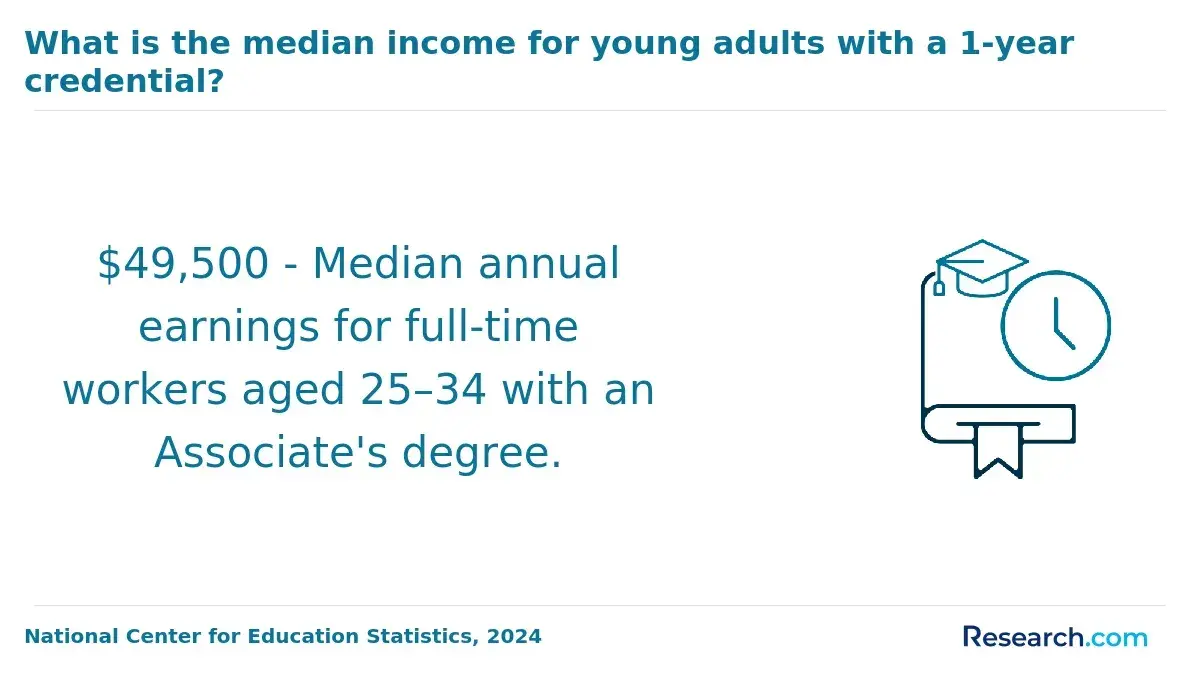
Master's programs commonly take about two to three years of full-time study, while doctoral programs often take five or more years when coursework, practicum, internship, dissertation, and postdoctoral requirements are considered. Part-time enrollment can make the weekly workload more manageable but may increase total fees, extend time before licensure, and delay earnings in the target role.
This table summarizes typical timelines and cost drivers. Use it to estimate the full investment, not just the listed tuition rate.
| Program type | Typical time to complete | Main cost drivers | Best fit |
| Online bachelor's in psychology | About four years, or less with transfer credit | Per-credit tuition, transfer policy, general education requirements, and technology fees | Students starting toward graduate study or entry-level behavioral health support roles |
| Online master's in clinical psychology or counseling | About two to three years full time | Clinical fees, supervision requirements, practicum travel, residency weekends, and exam preparation | Students seeking counseling licensure where the curriculum meets state rules, or doctoral preparation |
| Hybrid PsyD | Often four to six years before postdoctoral requirements | High credit load, residency travel, dissertation or doctoral project fees, internship costs, and living expenses during clinical training | Students focused on applied clinical practice and psychologist licensure |
| Hybrid or campus-linked PhD | Often five to seven years before independent practice | Research commitments, assistantship structure, relocation or residency needs, internship match, and dissertation timeline | Students seeking research, academic, assessment, or advanced clinical roles |
To compare costs responsibly, request a written total program cost estimate and ask whether tuition is charged per credit, per term, or by cohort. Also ask how many credits students usually need beyond the catalog minimum, because remediation, dissertation extension, internship delay, or part-time status can increase total cost.
Financial aid guidance is strongest when schools help students model several scenarios: graduating on time, extending by one term, moving for internship, enrolling part time, or losing employer tuition benefits. This matters because the cheapest advertised program may not be the lowest-cost option if it provides weak placement support or poor licensure alignment.
What core courses, practicum, and internship experiences are included in online clinical psychology programs?
Clinical psychology programs combine scientific foundations, assessment, intervention, ethics, multicultural competence, research methods, and supervised practice. Online programs may deliver lectures virtually, but clinical skill development should include real-time feedback, role play, case conceptualization, documentation, and supervised client contact.
Course titles vary, but licensure-oriented programs usually include a sequence that moves from theory to applied practice. The curriculum should prepare students to understand diagnosis, treatment planning, evidence-based interventions, and professional responsibilities.
- Psychopathology and diagnosis, including use of current diagnostic systems and differential diagnosis
- Assessment and testing, such as cognitive, personality, behavioral, and risk assessment depending on degree level and scope of practice
- Evidence-based psychotherapy, including cognitive behavioral, psychodynamic, family systems, trauma-informed, and culturally responsive approaches
- Ethics, law, and professional standards, including confidentiality, mandated reporting, informed consent, documentation, telehealth, and boundaries
- Research methods and statistics, including program evaluation, evidence appraisal, and, for doctoral students, dissertation or doctoral project preparation
- Diversity, equity, and cultural humility, including clinical work with clients across race, ethnicity, disability, gender identity, sexuality, religion, age, and socioeconomic status
Practicum and internship are where program quality becomes visible. Students should expect progressively more responsibility, starting with observation and skills practice, then moving into supervised assessment, therapy, intake, case notes, treatment planning, and consultation.
For online students, placement logistics deserve special attention. Ask whether the school has approved sites in your state, whether you must find your own site, how supervisors are vetted, and what happens if a site closes or cannot provide enough hours. AI-assisted documentation and telehealth platforms are becoming more common in behavioral health settings, so programs should also teach ethical use of technology, privacy protection, and the limits of automation in clinical decision-making.
What clinical psychology careers can you pursue with an online degree, and what settings can you work in?
An online clinical psychology degree can support several career paths, but the exact options depend on the degree level, license, supervised experience, and state rules. A bachelor's degree may lead to support roles, a master's may support counseling or human services roles if licensure requirements are met, and a doctorate is generally required for independent practice as a licensed psychologist.
Students should also distinguish clinical psychology from related fields such as counseling psychology, school psychology, social work, marriage and family therapy, and forensic psychology. If you are drawn to legal settings, courts, corrections, or expert-witness-related work, explore what can you do with a master's in forensic psychology before assuming a clinical psychology program is the best fit.
The table below connects degree levels with common roles and work settings. It is designed to help you avoid choosing a program that prepares you for a different career than the one you want.
| Credential level | Possible roles | Common settings | Important limitation |
| Bachelor's in psychology | Behavioral health technician, case aide, psychiatric aide, research assistant, intake coordinator | Community agencies, hospitals, schools, residential programs, research labs | Does not qualify for independent clinical practice |
| Master's with licensure alignment | Mental health counselor, clinical counselor, addiction counselor, crisis clinician, program coordinator | Outpatient clinics, telehealth providers, nonprofits, colleges, correctional programs, private group practices | Scope of practice depends on state license and supervised hours |
| PsyD or PhD with psychologist licensure | Licensed psychologist, assessment specialist, clinical supervisor, consultant, health psychologist, private practice clinician | Hospitals, academic medical centers, private practice, VA settings, integrated care, schools, courts, universities | Requires doctoral training, exams, supervised practice, and board approval |
| Doctorate without clinical licensure | Researcher, faculty member, evaluator, behavioral science consultant | Universities, government agencies, research organizations, policy groups, healthcare systems | Cannot provide independent clinical services unless licensed |
This degree path is a strong fit for students who can tolerate long training timelines, emotionally demanding work, careful documentation, and ongoing supervision. It may not be the best fit for students who want the fastest route into direct therapy; in that case, a counseling, social work, or marriage and family therapy master's program may be more efficient if it meets state requirements.
What salary ranges and earning potential can graduates of online clinical psychology programs expect?
Salary potential depends on license level, employer, geography, specialization, experience, and whether the clinician works in public service, healthcare, academia, or private practice. The safest way to evaluate earning potential is to compare the target occupation, not just the degree title.
According to the BLS, the median annual pay for psychologists was $94,310 in 2024. This figure is useful because it reflects the broad psychologist labor market, but it should not be read as a guaranteed outcome for every graduate. New licensees, part-time clinicians, rural practitioners, public-sector employees, and private-practice owners may see very different income patterns.
For master's-level counseling pathways, the BLS reported a 2024 median annual wage of $59,190 for substance abuse, behavioral disorder, and mental health counselors. That lower median does not automatically mean poor value; master's programs are usually shorter than doctoral programs, and counseling roles can offer faster entry into the workforce when the program is licensure-aligned.
The table below provides a practical salary context by pathway. Use it together with total program cost, debt, time out of the workforce, and your state's demand for clinicians.
| Pathway | Salary context | ROI factors to evaluate |
| Master's-level counseling license | Often tied to counselor labor market wages and employer pay scales | Program cost, supervised-hour pay, loan repayment eligibility, employer benefits, and local demand |
| Licensed psychologist | Often tied to doctoral-level clinical, assessment, supervisory, or specialty roles | Doctoral tuition, internship funding, postdoctoral pay, specialization, and private-practice feasibility |
| Academic or research career | Often tied to faculty rank, grant funding, institution type, and research productivity | Assistantship funding, publication opportunities, teaching experience, and research fit |
| Healthcare or integrated care role | Often tied to hospital systems, behavioral medicine, assessment demand, and interdisciplinary care | Licensure, internship quality, assessment training, health psychology experience, and region |
A common mistake is judging affordability only by monthly loan payments while ignoring total debt, interest, and time to independent licensure. A better approach is to compare total program cost with realistic early-career pay in your intended setting, then ask whether the school provides loan counseling, scholarship search support, and placement guidance that reduces delay.
How does the job outlook for clinical psychologists and mental health counselors influence program choice?
The job outlook should influence your program choice because not all psychology degrees lead to the same labor market. Demand is strongest when a program leads to a recognized license, clinical specialization, or setting where employers have persistent shortages, such as community mental health, substance use treatment, school-based services, integrated care, and telebehavioral health.
The BLS projects employment for substance abuse, behavioral disorder, and mental health counselors to grow much faster than the average for all occupations over the 2024 to 2034 period. For students deciding between a doctoral psychologist route and a master's counseling route, these points point to a key trade-off: the counseling path may offer faster entry into a high-demand workforce, while the psychologist path may open broader assessment, supervision, specialty, and independent practice opportunities after a longer training period.
Program choice should reflect where you want to work. Hospitals may value assessment training, evidence-based treatment, interdisciplinary experience, and internship quality. Community agencies may value licensure eligibility, crisis experience, cultural competence, and the ability to work with high-need populations. Private practices may value clinical niche, referral networks, business skills, and insurance credentialing readiness.
Use labor market trends as a filter, not a guarantee. The strongest programs help students connect coursework to employer expectations through practicum quality, documentation training, telehealth competence, ethics, and supervision. Programs that cannot explain where graduates work, how licensure is supported, or how clinical placements are secured should be treated cautiously, even if they advertise strong job demand.
Other Things You Should Know About Clinical Psychology
Possibly, but it depends on the degree and your state. Many therapy licenses require a master's degree in counseling, social work, marriage and family therapy, or a closely approved field, plus supervised hours and exams. To become a licensed psychologist, you typically need a doctoral degree.
In 2027, a PsyD is typically geared towards those focusing on clinical practice while a PhD is often research-oriented. Both degrees are respected, but the best choice depends on whether you aim for practice-focused roles or research and academic careers. Consider financial aid guidance to evaluate program affordability.
Employers usually care most about accreditation, licensure eligibility, supervised clinical experience, and skill readiness. An online or hybrid format can be respected if the program has strong faculty oversight, approved practicum and internship training, and transparent outcomes.
Not automatically. Low tuition helps, but a poor licensure match, weak placement support, or unclear accreditation can cost more in the long run. Compare total cost, state eligibility, clinical training quality, financial aid counseling, and graduation or licensure support before choosing.
References
- How To Become A Clinical Psychologist (2025 Guide) https://www.psychology.org/careers/clinical-psychologist/
- Clinical Psychologist Salary Guide - Trusted Health https://www.trustedhealth.com/allied-career-guide/clinical-psychologist/salary-guide
- What Do Psychologists Earn? Highest Paying Psychology Jobs | Walbrook https://www.walbrook.ac.uk/subjects/psychology/psychologist-salaries-highest-paying-jobs/
- How Employers View Online Degrees in Counseling & Psychology https://www.counselingpsychology.org/articles/how-employers-view-online-degrees-in-counseling-and-psychology/
- Accreditation standards, evidence guide and rules - APAC https://apac.au/education-providers/standards/
- Ph.D. Degree in Clinical Psychology https://gsbs.utsouthwestern.edu/application-and-admissions/clinical-psychology.html
- Experience and Supervision https://www.ilcounseling.org/page/experience_and_supervision
- Psychology Accreditation: What you need to know https://www.onlinepsychologydegrees.com/articles/accreditation/
- Online Master’s in Clinical Psychology https://onlinecounselingprograms.com/online-counseling-degrees/online-masters-in-psychology/clinical-psychology/
- Understanding the Differences Between Graduate Degrees in Clinical Psychology – IECA https://www.iecaonline.com/journal-article/understanding-the-differences-between-graduate-degrees-in-clinical-psychology/