2027 How to Cover a College Balance Before Registration

Student Finance & Loan Expert
Facing a college balance due before registration can halt course enrollment and disrupt academic plans. Many students juggle tuition payments alongside living expenses, creating financial stress that complicates timely payment. Without settling the balance, registration holds block access to classes, delaying progress toward degree completion.
Institutions often require full or partial payment to lift holds, yet navigating payment options remains confusing for many. This article explores effective strategies to cover college balances promptly, detailing payment methods and financial resources designed to prevent registration delays and keep academic goals on track.
- How can I cover a past-due college balance to register for next term? Covering Past-Due Balances
- What are the main ways colleges let you pay a balance before registration? Pre-Registration Balance Payment Options
- Can federal student loans be used to pay an existing college balance? Using Federal Loans for Existing Balances
- How do payment plans and tuition installment agreements work for overdue balances? Payment Plans and Agreements for Overdue Balances
- When can private student loans or alternative loans cover a prior-term balance? Private Loans for Prior-Term Balances
- How do grants, scholarships, and emergency aid help clear a registration hold? Grants & Aid for Clearing Registration Holds
- What happens to your enrollment and transcript if you can't pay your balance? Nonpayment Impact
- How can you negotiate with the bursar or collections office on what you owe? Negotiating Balances
- What short-term options exist if you need to work or borrow outside of school? Short-Term Options Aside From School Aid
- How should you budget and plan ahead to avoid future registration holds? Budgeting to Avoid Registration Holds
How can I cover a past-due college balance to register for next term?
Unpaid college balances frequently result in registration holds, blocking enrollment for the next term. Approximately one in five undergraduates encounter this issue, with the rate rising to 26% for students with learning disabilities. Addressing how to pay a past due college balance before registration is crucial to avoid delays in starting classes or losing eligibility for housing and financial aid.
Methods to clear outstanding college fees for next term enrollment include:
- Paying the full amount directly via the school's online portal or financial office.
- Setting up a payment plan through the bursar's office if full payment isn't possible.
- Applying available financial aid or scholarships to reduce or clear the balance prior to registration.
Students experiencing financial hardship may qualify for emergency aid or short-term loans designed to temporarily lift holds. Early communication with financial services is critical to exploring these options.
Loan servicers can sometimes adjust disbursement timing or reprocess federal student loans such as Direct Loans to cover past balances, enabling registration. For guidance on using loan funds beyond tuition, see how student loan money for rent can be managed strategically.
When disputing charges or awaiting aid disbursements, requesting a hold release or override may be possible if supported by appropriate documentation. Maintaining proactive communication with the financial aid office helps identify all ways to resolve outstanding balances.
What are the main ways colleges let you pay a balance before registration?
Colleges offer several methods to settle college fees prior to registration, enabling students to clear outstanding balances efficiently. The most common method is direct payment via credit or debit cards on the student portal. Electronic checks and bank transfers are also widely accepted, providing instant confirmation and immediate account updates.
Payment plans offer flexibility by dividing the total balance into smaller installments over the semester or academic year, such as monthly or bi-monthly payments. Early enrollment in these plans is essential to avoid late fees or registration holds. Applying financial aid and scholarships directly to the balance before registration further helps reduce what students owe. Federal Pell Grants, institutional grants, and scholarships often cover tuition costs, with any excess sometimes refunded for other educational expenses. Communication with the financial aid office is vital to ensure timely application of these funds.
For students needing additional support, lenders disburse loans directly to colleges before registration deadlines. Federal student loans typically release funds at the semester's start, while private loans may require extra documentation. Those interested in loan options may explore student loans for students with poor credit as a resource.
Mandatory fees average around $1,300 annually at public four-year colleges, approximately 21% of in-state tuition and fees. Regular review of detailed bills can prevent surprises before registration and manage the process of paying a college balance before registration smoothly.
Can federal student loans be used to pay an existing college balance?
Federal student loans can sometimes be applied to pay an existing college balance, but this depends on your enrollment status and your school's disbursement policies. Generally, these loans are designed for current educational expenses, yet if you have an outstanding balance from a prior semester, new loan funds might be used to clear that debt. This option often requires that you are actively enrolled and eligible for direct federal loans for the upcoming term.
If your eligibility is exhausted or you are not currently enrolled, using federal loans to pay prior semester college fees is typically not allowed. In such cases, students may face registration holds until balances are cleared.
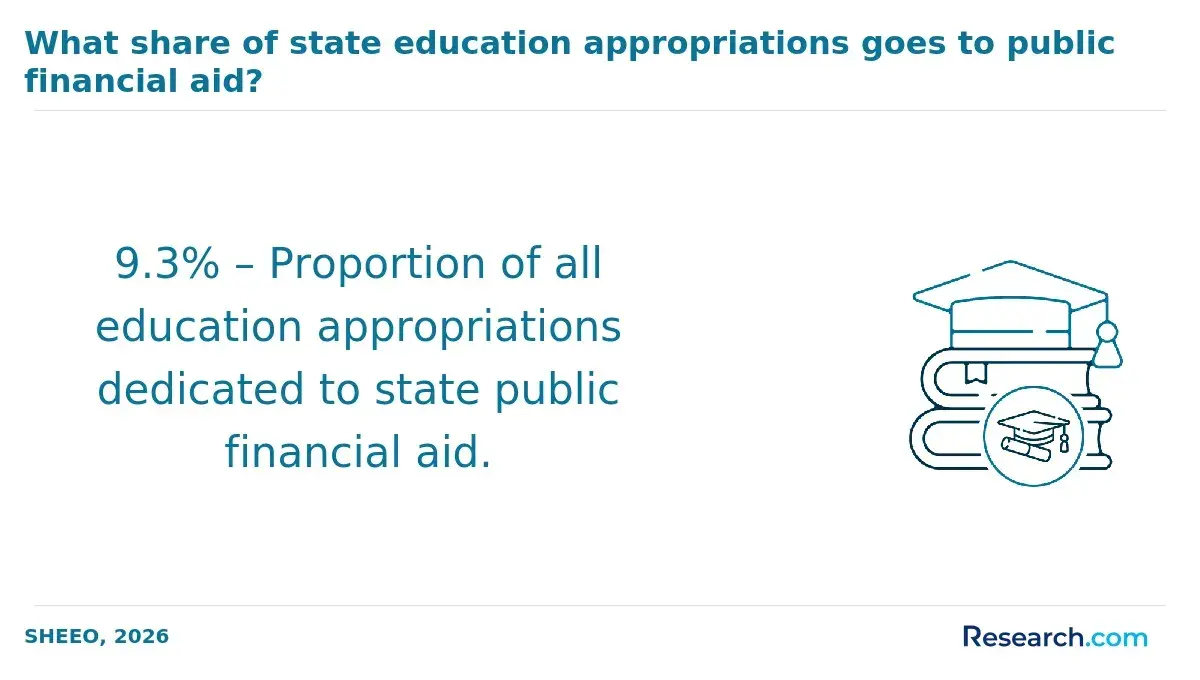
To manage these situations, many institutions offer alternatives such as payment plans to settle outstanding balances in installments and appeals processes for those experiencing financial hardship. Emergency aid programs also provide critical support, with nearly half of public four-year and over half of private nonprofit four-year institutions offering grants to students facing sudden financial crises.
It's important to maintain close communication with your financial aid office to confirm your loan eligibility, enrollment status, and the ability to apply federal loans toward existing balances. For those exploring ways to optimize their student loan options, researching best student loan refinance bonus programs can offer additional financial benefits.
To ensure effective use of federal loans, understanding your federal student loan eligibility to cover existing college balance is key. This proactive approach helps avoid registration holds and keeps your educational progress on track.
How do payment plans and tuition installment agreements work for overdue balances?
Payment plans and tuition payment plans for overdue college balances allow students to manage their outstanding fees by spreading the total owed into monthly installments. These plans often include an enrollment fee and fixed monthly payments over several months, typically matching the academic term. They help students maintain course registration and access to resources without paying the full balance upfront.
Installment agreements generally require signing a contract outlining payment deadlines and consequences of missed payments, such as paused registration or restricted transcript access. Many schools provide online portals to track and manage balances efficiently.
Students should explore federal loan corrections or additional federal aid options before considering higher-cost borrowing. According to the Federal Reserve's Report on the Economic Well-Being of U.S. Households 2024, 55% of dependent undergraduates reach federal loan limits before turning to parent PLUS or private loans, which usually carry higher interest rates and stricter repayment terms.
To best use tuition payment plans for overdue college balances and how installment agreements help cover college registration fees, consider these steps:
- Contact your bursar's or financial aid office promptly about available payment plans.
- Check if financial counseling is required before enrolling in a plan.
- Confirm any fees or interest associated with the payment plan.
- Monitor payment deadlines carefully to avoid registration holds.
Students facing financial gaps may also research bank loans for college students as a supplemental option, but federal aid should be maximized first.
When can private student loans or alternative loans cover a prior-term balance?
Alternative or private student loans may cover prior-term balances only under specific conditions determined by the lender and the college. These loans are typically approved when an outstanding balance blocks course registration or access to essential campus services. Many lenders allow funds to be applied retroactively if the student remains enrolled during the current term.
For instance, a student who has a balance from a previous semester but is enrolling for the new term can apply for a private loan to pay off past debt. This requires the loan application to specify the need and the school's financial aid office to certify current enrollment. Coordination between the lender and the institution is often necessary to clear prior balances effectively.
Some lenders limit loan eligibility to current or upcoming terms, while others offer specialized loans to pay off previous balances. Reviewing loan terms and early communication with both the lender and school billing office are essential steps.
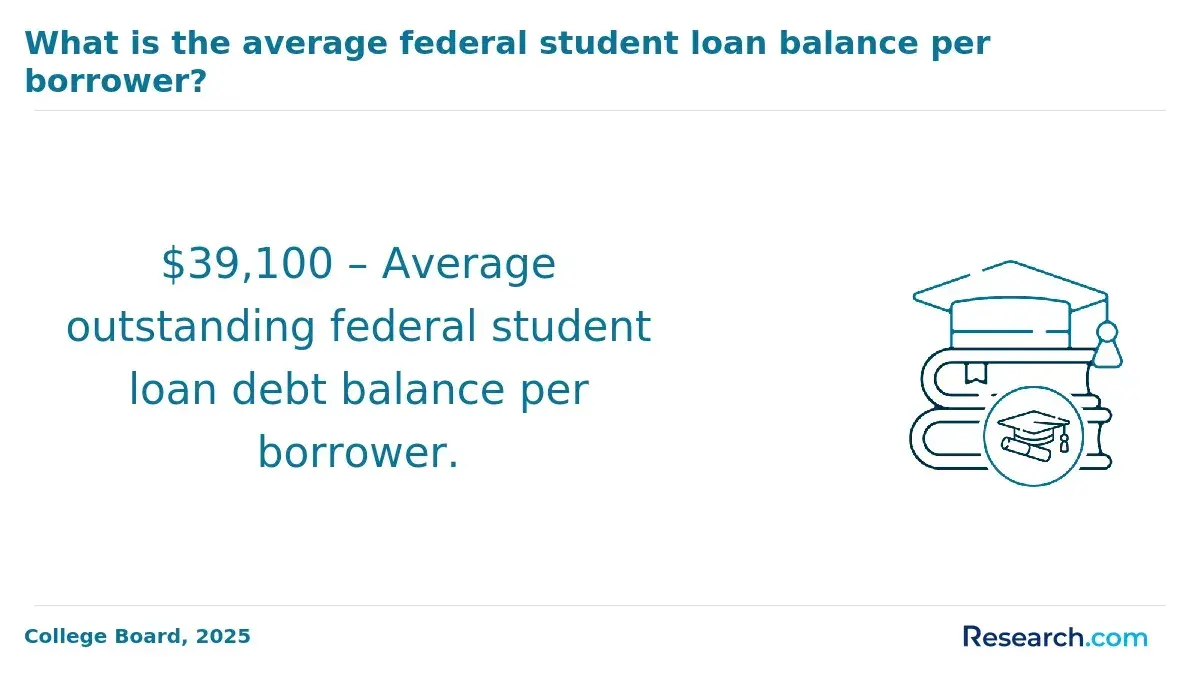
Students should also maximize grants and scholarships before considering private loans. State aid programs provided accounted for $17.3 billion in supporting students, but about one-third of eligible students miss out annually, increasing dependency on costly loans.
- Check with the financial aid office about private loans covering prior balances.
- Confirm lender policies on retroactive loan disbursements.
- Apply for all eligible grants and scholarships first.
How do grants, scholarships, and emergency aid help clear a registration hold?
Grants, scholarships, and emergency aid reduce a student's outstanding balance, often removing registration holds. These funds cover part or all of tuition or fees, eliminating debt that triggers holds. Emergency aid is typically awarded quickly to students facing sudden financial hardships, helping them register without delay.
Unlike loans, grants and scholarships do not require repayment, making them an efficient way to clear holds caused by unpaid balances. For example, a $1,500 scholarship applied to a $2,000 hold lowers the balance to $500, allowing registration once that amount is paid.
Emergency aid programs prioritize students with urgent financial needs, such as unexpected job loss or medical expenses, offering rapid relief to avoid enrollment disruptions.
Many colleges also offer payment plans that enable students to pay balances in installments. About 68% provide no-interest plans, though 27% may charge enrollment or setup fees ranging from 3-8% per semester (TuitionFit/College Ave Student Loans, College Payment Plan Survey). These plans don't immediately remove holds but often do so after down payments or enrollment fees are paid.
Students should explore all options, including institutional scholarships, federal grants like Pell Grants, and emergency funds, to resolve holds promptly and secure course registration without added financial stress.
What happens to your enrollment and transcript if you can't pay your balance?
Failing to pay your college balance before registration results in a hold on enrollment, blocking new class registration. Many schools also withhold official transcripts, which can hinder credit transfers, graduate applications, or internships requiring transcript submission.
Some institutions allow partial payments or payment plans, but the hold remains without proactive communication. Unpaid balances may incur late fees or interest, increasing your total debt. Students working part-time while enrolled full-time earn a median of $9,600 annually, but working over 20 hours weekly raises the risk of delaying graduation by a year by 43%, according to the National Center for Education Statistics.
Consider these steps to manage unpaid balances:
- Contact your school's financial office promptly to arrange payment plans or emergency funding.
- Check eligibility for federal student aid, scholarships, or grants that may offset balances.
- Balance work hours to maintain income without jeopardizing academic progress.
- Explore short-term credit cautiously to ensure repayment is manageable.
Ignoring unpaid balances disrupts academic progress and future opportunities. Staying informed and proactive helps maintain enrollment and access to transcripts.
How can you negotiate with the bursar or collections office on what you owe?
Contact the bursar or collections office directly to request a detailed balance statement. This allows targeted negotiation by understanding specific charges. Clearly explain your financial situation and provide documentation like pay stubs or tax returns to support your case.
Propose a payment plan that matches your budget, as many schools offer installment options to lighten immediate costs. If even reduced payments are challenging, inquire about hardship deferments or waivers based on need. Some offices may reduce late fees or interest if you show commitment to paying the principal.
Negotiating a lump-sum payment at a discount can be effective if funds are available quickly. Mention external support such as crowdfunding, family help, or community resources. Research from the Hope Center for College, Community, and Justice shows nearly 29% of undergraduates receive such aid, lowering their dropout risk by 17 percentage points.
Keep all agreements in writing, including deadlines and payment terms, to avoid miscommunications that could impact your registration status.
What short-term options exist if you need to work or borrow outside of school?
Before college registration, students can explore several short-term financial solutions beyond school aid. Part-time jobs on or near campus, such as retail, food service, or administrative roles, provide quick income with flexible hours that fit academic schedules. This option is often the fastest way to cover immediate expenses.
Short-term personal loans from banks or credit unions can fill gaps when financial aid is delayed. These loans have fixed terms and rates but may carry high interest, so careful review of conditions is important to avoid excessive debt.
Peer-to-peer lending platforms offer another borrowing avenue, often with lower interest rates and faster applications based on creditworthiness. This flexibility suits students needing urgent funds.
Family loans or borrowing from trusted acquaintances can provide interest-free or low-interest alternatives, reducing financial strain. Clear repayment agreements are essential for maintaining trust.
Attending a community college initially may substantially lower costs. Public two-year colleges have an average net price about $9,000 less annually than public four-year institutions, saving roughly 29% on a bachelor's degree by transferring later, as noted in College Board's Trends in College Pricing and Student Aid 2024. This approach reduces immediate financial pressure and borrowing needs.
How should you budget and plan ahead to avoid future registration holds?
Creating a detailed budget that includes tuition, fees, housing, and daily expenses is essential to prevent registration holds caused by unpaid balances. Track all college-related costs to know your total expected financial need and prioritize paying fees early to avoid holds that block course registration.
Set aside funds monthly and consider a separate bank account dedicated to college expenses. If you pay in installments, clearly mark payment deadlines on a calendar or digital planner to stay on track.
Explore financial aid beyond loans-scholarships, grants, and work-study programs can reduce reliance on credit cards. According to CollegeData's Transition to College Student Survey 2024, 20% of first-year students feel financially unprepared, and 35% rely on credit cards for essentials like groceries and gas, highlighting the need for proactive planning.
Additional income sources such as part-time or freelance work help supplement funds. Building an emergency fund guards against unexpected expenses that could lead to registration blocks. If payment difficulties arise, communicate early with your school's bursar or financial office to negotiate payment plans and avoid holds.
Regularly review your finances and adjust your budget as needed. Use apps or spreadsheets to monitor spending and upcoming payments. Staying organized, proactive, and informed about your financial obligations is key to maintaining registration access.
Other Things You Should Know About
If student loans fall short of covering your entire balance, you may face a registration hold preventing enrollment. Schools often require you to pay the remaining balance upfront or set up an alternative payment plan. Communicating early with the bursar or financial aid office is critical to exploring options that can prevent interruption to your registration.
Some lenders and schools restrict the use of student loans to pay off prior term or past-due balances before a new term begins. Federal student loans often cannot be applied retroactively to previous semesters unless authorized by the school's policies. Private or alternative loans may have more flexibility, but approval depends on the lender and institution rules.
Student loans do not automatically remove registration holds until the funds are officially disbursed and credited to your account. There can be a delay between loan approval, disbursement, and application toward your balance. During this window, your registration may remain blocked, so it is essential to plan loan timing carefully in coordination with your school.