2027 Best Student Loan Lenders for Healthcare Students

Student Finance & Loan Expert
Healthcare students often face high tuition costs and limited financial options, making loan selection critical to managing debt effectively. Many struggle to find lenders offering competitive rates tailored to the unique demands of healthcare programs. This can lead to increased financial burden and stress during an already challenging academic journey. Understanding lender options can significantly impact repayment flexibility and long-term financial health. This article explores the best student loan lenders focused on healthcare students, providing clear guidance on rates, terms, and benefits to help borrowers make informed, strategic decisions about financing their education.
- What makes a student loan lender best for healthcare students specifically? What makes a student
- How do federal student loans compare to private loans for healthcare programs? How do federal student
- Which lenders offer the lowest rates and best terms for medical, nursing, and allied health students? Which lenders offer the
- What eligibility requirements do healthcare students face when applying for federal and private loans? What eligibility requirements do
- How do borrowing limits and total cost differ for medical, nursing, dental, and other health degrees? How do borrowing limits
- What repayment plans work best for healthcare graduates facing residency or low-earning early careers? What repayment plans work
- Which lenders offer special benefits for residents, fellows, and clinical training periods? Which lenders offer special
- How do Public Service Loan Forgiveness and other programs apply to healthcare professionals? How do Public Service
- When should healthcare borrowers refinance or consolidate, and which lenders specialize in this? When should healthcare borrowers
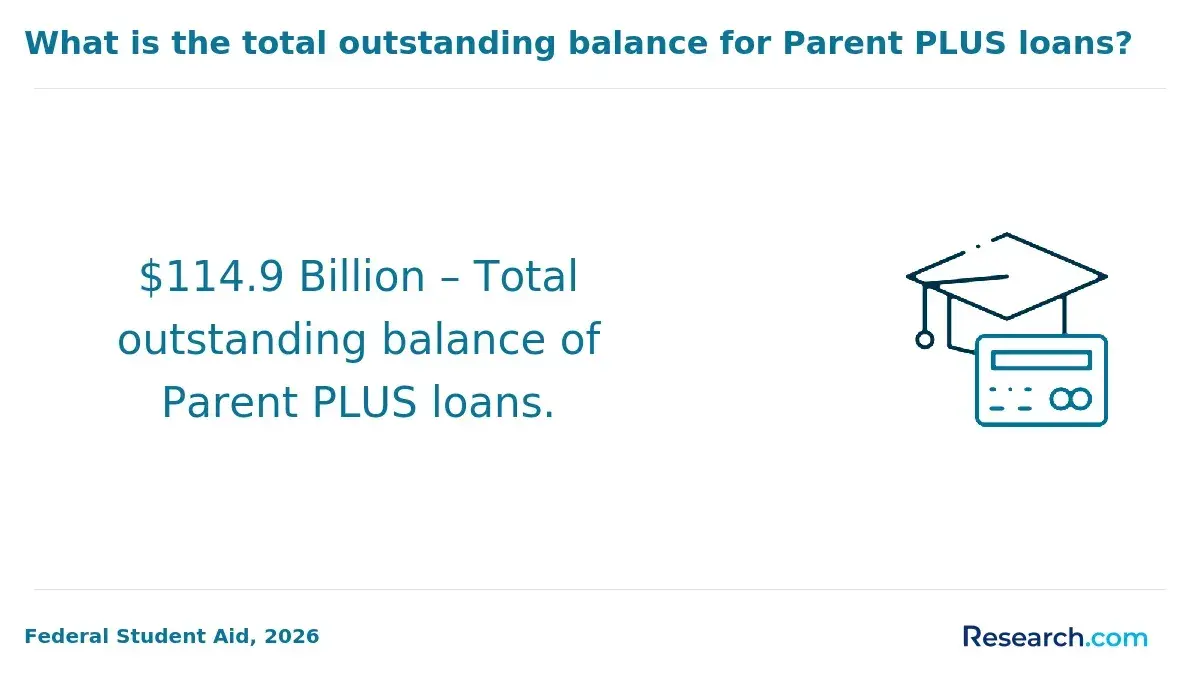
- How can parents of healthcare students choose between Parent PLUS and private parent loans? How can parents of
What makes a student loan lender best for healthcare students specifically?
The best student loans for healthcare students often provide benefits tailored to meet the demands of medical and nursing programs. These include low interest rates during school, flexible repayment plans, and deferrals during residency or internship periods. Given the extended training typical in healthcare, lenders offering grace periods and income-driven repayment plans help students manage fluctuating finances throughout their education.
Federal loans dominate physician borrowing, with 74% of U.S. medical graduates relying on them, according to the Association of American Medical Colleges. These loans offer protections and forgiveness programs usually unavailable with private loans. However, top student loan lenders for medical and nursing programs in the private sector also compete by providing competitive rates and cosigner release after consistent payments. They may allow payment pauses recognizing the typically lower income residents earn.
When selecting a lender, healthcare students should prioritize:
- Access to income-driven repayment options based on earnings
- Eligibility for deferments that align with clinical training
- Transparent interest rates and clear terms without hidden fees
- Loan consolidation to simplify repayment after graduation
Repayment flexibility and borrower protections are critical given the long training and heavy debt burdens. Students should also consider how loans can be used beyond tuition, such as using student loans for rent, to better manage living expenses during their studies.
How do federal student loans compare to private loans for healthcare programs?
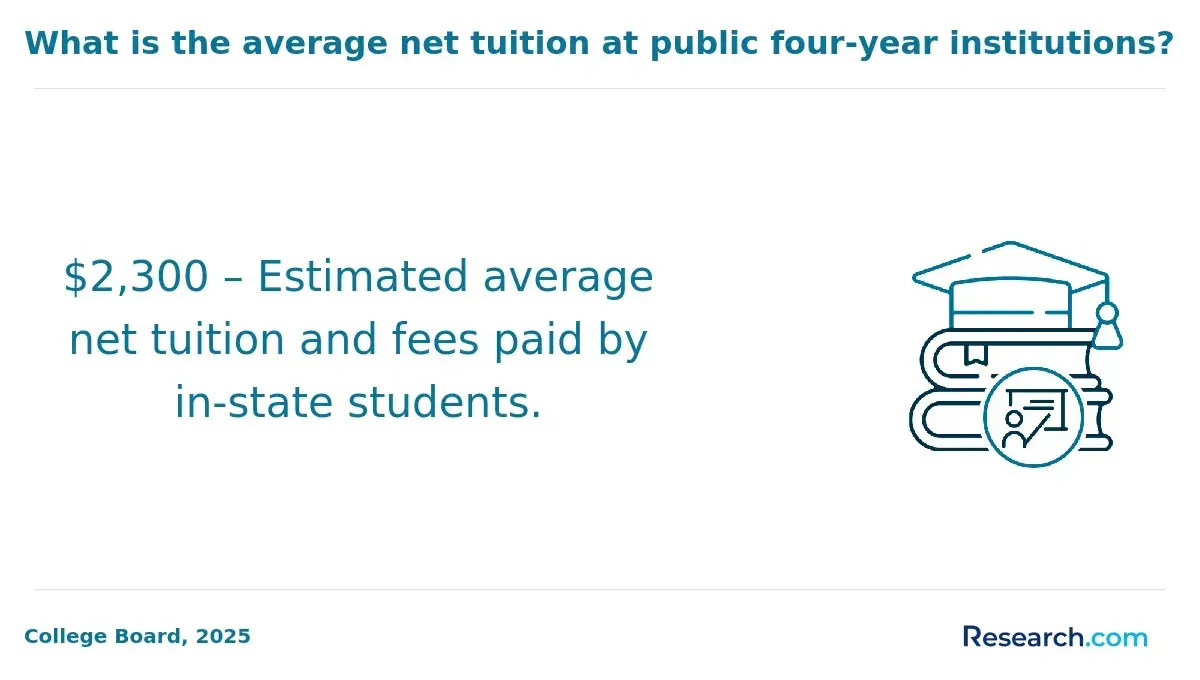
Federal student loans offer fixed interest rates, income-driven repayment plans, and borrower protections such as deferment and forbearance, making them a safer choice for healthcare students facing rising tuition costs. When annual tuition and fees reach $67,875 at some private medical schools, federal loans provide predictable expenses during repayment, unlike private loans which often have variable rates that can increase overall costs.
Comparing federal student loans vs private loans for healthcare students reveals key differences. Federal loans include programs like Public Service Loan Forgiveness (PSLF), valuable for graduates working in nonprofit or government roles, while private loans typically lack forgiveness options, limiting borrower flexibility.
Private loans can supplement federal borrowing when federal limits are insufficient, especially for expensive programs. Creditworthiness strongly affects private loan eligibility and interest rates, often requiring a co-signer; federal loans, in contrast, base approval on financial need without credit checks. For details on private options, students can review ascent student loans eligibility.
Other distinctions between federal and private student loans for healthcare programs include:
- Federal loans have fixed interest rates set annually by the government; private loan rates depend on the lender and borrower's credit profile.
- Federal loans offer standardized and income-driven repayment plans; private loans usually have less flexible terms.
- Federal loans provide borrower protections during hardship; private lenders vary greatly in these policies.
Healthcare students should prioritize federal funding to reduce financial risk and consider private loans only as necessary supplements when costs exceed federal limits.
Which lenders offer the lowest rates and best terms for medical, nursing, and allied health students?
For medical, nursing, and allied health students navigating the landscape of student loans, lenders offering the lowest student loan rates for medical nursing and allied health students emphasize specialized federal and private options tailored to high debt levels. The Federal Direct Unsubsidized Loan is the primary source for affordable borrowing, featuring fixed rates as low as 6.54% for graduate students in 2026 and flexible repayment plans. This remains crucial given the median total debt for graduates often exceeds $215,000, with nearly a quarter surpassing $300,000 as noted by the AAMC Medical School Debt Fact Card.
Among private lenders, SoFi and SLA offer competitive fixed rates ranging from 4.99% to 7.49% for borrowers with strong credit, including valuable benefits such as unemployment protection, cosigner release flexibility, and no origination fees to reduce long-term costs.
CommonBond presents refinancing choices with terms up to 15 years and rates starting at 5.04%, ideal for professionals after residency or starting their careers. Their social promise program also donates a meal to charity for every loan funded. Borrowers should look for lenders providing:
- Low fixed or variable interest rates
- Deferment and forbearance options during residency
- Loan forgiveness eligibility or refinancing flexibility
For nursing and allied health students, federal loans with income-driven repayment plans often offer the best loan terms for healthcare students in the United States. Though private lenders may have higher rates, they typically provide tailored customer service and faster processing. Prospective borrowers interested in options outside healthcare should also consider federal loans for MBA students as a comparison to understand the broader landscape.
What eligibility requirements do healthcare students face when applying for federal and private loans?
Federal student loans for healthcare students generally require U.S. citizenship or eligible non-citizen status, half-time enrollment in an accredited program, and satisfactory academic progress. Applicants must complete the FAFSA, which helps determine financial need and eligibility for loans like Direct Subsidized Loans. Graduate healthcare students typically qualify for Direct Unsubsidized Loans without demonstrating financial need but must maintain enrollment and citizenship criteria. These eligibility criteria for federal student loans healthcare students are essential for accessing flexible repayment and potential forgiveness options.
Private student loan requirements for healthcare programs differ significantly. Lenders assess creditworthiness, income, and debt-to-income ratio rather than financial need, often requiring a creditworthy borrower or a qualified cosigner. Enrollment standards vary but usually require at least half-time status. Unlike federal loans, private loans generally have stricter eligibility rules and lack forgiveness programs.
Repayment terms heavily influence total loan costs. For instance, a physician with $250,000 in medical school debt can pay about $242,000 more in interest on a 20-year fixed 8% loan versus a 10-year 6% plan. Healthcare students must carefully weigh loan terms to manage long-term financial stability.
Some aspects to consider include:
- Federal loans offer more repayment flexibility and forgiveness but depend on eligibility checks.
- Private loans provide faster approval but require strong credit and usually no forgiveness.
- Choosing the right loan terms directly impacts overall repayment amounts.
Exploring options among student loan refinance lenders can also help reduce financial burdens after graduation.
How do borrowing limits and total cost differ for medical, nursing, dental, and other health degrees?
Borrowing limits for healthcare students vary widely by degree type, influencing the total loan amount and borrowing costs. Medical students face the highest limits, often exceeding $70,000 annually in private loans due to longer, more intensive programs. Nursing students generally have lower limits, capped around $20,000 to $40,000 per year, reflecting shorter program lengths and lower tuition expenses. Dental students fall between these ranges, with annual limits up to $50,000 depending on lenders and program costs. Other healthcare fields like pharmacy and physical therapy usually have limits between $25,000 and $45,000 per year.
These borrowing ceilings affect the overall cost because interest accumulates over time and compounds throughout the study period. For example, while medical students may incur more debt, consolidating loans can simplify repayment. Nursing students often use smaller loans but may face relatively higher interest rates on those amounts.
The 2025 Credible analysis shows that having a creditworthy cosigner lowers private loan interest rates by 1.6 percentage points for graduate and professional healthcare students. This reduction can significantly reduce total borrowing costs, making cosigning a valuable strategy to ease long-term loan repayment.
What repayment plans work best for healthcare graduates facing residency or low-earning early careers?
Income-driven repayment (IDR) plans are essential for healthcare graduates in residency or early low-earning phases. These federal options cap monthly student loan payments at 10% to 20% of discretionary income, helping align payments with reduced resident salaries. Without IDR plans like PAYE, REPAYE, and IBR, over 60% of residents would face loan payments exceeding 20% of their take-home pay, causing financial stress (American Medical Association, Resident & Fellows Financial Preparedness Report 2024).
Residency-specific deferment and forbearance programs offer temporary relief by suspending or reducing payments during intense training. Deferment stops payments without accruing interest on subsidized loans, while forbearance pauses payments but allows interest to accumulate. Graduates should weigh the long-term impacts of interest capitalization carefully.
For those with private loans, IDR options are typically unavailable, but some lenders provide hardship programs. Refinancing after residency can lower interest rates and monthly payments as income rises.
Repayment strategies include:
- Enrolling in federal IDR plans to lower monthly payments relative to income.
- Using deferment during residency to avoid excessive interest buildup.
- Choosing forbearance only when necessary, acknowledging higher long-term costs.
- Exploring lender-specific programs for private loans to manage cash flow.
Maintaining communication with loan servicers and timely income recertification on IDR plans is vital. This ensures payments stay affordable with changing residency wages and helps manage the financial challenges unique to medical training stages.
Which lenders offer special benefits for residents, fellows, and clinical training periods?
Many lenders offer benefits tailored to residents, fellows, and clinicians during their training periods. These include customized repayment plans, reduced interest rates, and deferment options that align with fluctuating incomes throughout residency.
SoFi stands out for providing resident-specific perks such as autopay discounts and member loyalty programs, helping borrowers substantially reduce their total interest costs. As highlighted in the SoFi "Student Loan Member Outcomes Report," health-profession borrowers who utilized these features saved an average of $8,500 in interest over the life of their refinanced loans compared to those on standard repayment plans.
Common benefits across lenders for residents include:
- Interest rate reductions for enrolling in autopay.
- Flexible repayment options with lower payments during clinical training.
- Deferment or forbearance tailored to the length of residency.
- Waived or reduced fees during periods of temporary income decline.
- Loan refinancing options with fixed or variable rates suited to medical training timelines.
Other lenders may offer resident extensions that pause or reduce payments during clinical rotations and waive origination fees. It's important for borrowers to ask about specific policies on clinical training deferments and autopay incentives to maximize savings and improve their overall loan experience.
Because financial demands can be complex during residency, choosing lenders with tools that provide payment flexibility and cost reduction can significantly enhance borrower outcomes beyond advertised interest rates.
How do Public Service Loan Forgiveness and other programs apply to healthcare professionals?
Public Service Loan Forgiveness (PSLF) provides a significant benefit for healthcare professionals employed full-time by government entities, hospitals, or qualifying nonprofit organizations. After making 120 qualifying payments under an eligible repayment plan, remaining federal student loan debt is forgiven tax-free. This program helps nurses, physicians, public health workers, and other healthcare providers manage the heavy burden of student loans.
Additional forgiveness options include the National Health Service Corps (NHSC) Loan Repayment Program, which offers up to $50,000 in loan repayment for two years of service in underserved areas. Many states also have loan forgiveness plans tailored to healthcare professionals in high-need specialties such as mental health, dentistry, or pharmacy.
International healthcare students often face more difficulty. According to ICEF's 2024 Global Student Survey, 57% of international students in health-related graduate programs identify loan or funding access as a major challenge, a higher rate than students in other fields. Most federal forgiveness programs require U.S. citizenship or eligible non-citizen status, limiting availability for international graduates.
Healthcare professionals should:
- Verify PSLF and other forgiveness eligibility early
- Keep detailed employment documentation
- Select repayment plans that qualify for forgiveness
These steps help maximize loan forgiveness benefits to lessen educational debt impact.
When should healthcare borrowers refinance or consolidate, and which lenders specialize in this?
Healthcare borrowers often benefit from refinancing or consolidating their student loans to secure lower interest rates, simplify payments, or access improved loan terms suited to their career progress. Refinancing is ideal for those with stable incomes or enhanced credit scores after graduation, offering better rates than federal or original private loans. Consolidation appeals to those wanting to merge multiple federal loans into a single monthly payment but may reduce eligibility for some forgiveness programs.
Refinancing suits borrowers with high variable rates or those no longer needing federal protections like income-driven repayment or deferment. Early-career healthcare professionals with predictable incomes, such as residents, can reduce total interest costs through refinancing. However, borrowers expecting income fluctuations or valuing federal loan flexibility might postpone refinancing.
Specialized lenders like CommonBond, SoFi, and Laurel Road understand healthcare graduates' unique financial paths, providing refinancing options with competitive fixed rates and flexible repayment terms aligned with healthcare careers.
The U.S. Department of Education reports a sub-1% three-year default rate among healthcare borrowers who began repayment in 2021, much lower than the 6.1% average for all graduate and professional borrowers. This strong repayment record improves refinancing opportunities and lender confidence.
Before refinancing or consolidating, evaluate lenders' specialization, rates, repayment terms, and the impact on federal loan benefits to optimize long-term financial outcomes.
How can parents of healthcare students choose between Parent PLUS and private parent loans?
Parents deciding between Parent PLUS loans and private parent loans should consider differences in interest rates, repayment plans, and borrower protections. Parent PLUS loans feature fixed interest rates set by the federal government, often higher but stable. In contrast, private loans may offer lower rates influenced by credit scores but frequently have variable rates that can rise over time.
Federal Parent PLUS loans include flexible repayment options like Income-Contingent Repayment (ICR) after consolidation, which adjusts payments based on income. Private loans usually lack income-driven repayment, requiring fixed monthly payments regardless of changes in financial circumstances, a key factor for those expecting income fluctuations or hardships.
Loan forgiveness is another consideration. Parent PLUS loans qualify for Public Service Loan Forgiveness if repaid under eligible plans, while private loans seldom provide forgiveness programs.
The U.S. Bureau of Labor Statistics projects healthcare jobs to grow 8% over the next decade, faster than average, with median wages for healthcare practitioners at $77,840 annually versus $48,060 overall. This supports the long-term return on investment for healthcare degrees and loan repayment capacity.
Parents with strong credit may benefit from lower private loan rates but should prepare for less flexibility and possible interest increases. Those prioritizing borrower protections and consistent fixed rates typically lean toward federal Parent PLUS loans despite higher costs.
In all cases, it's important to compare total repayment costs, assess financial stability, and consider future income potential in healthcare before choosing.
Other Things You Should Know About
Yes, healthcare students can use student loans to pay for more than just tuition. Loans often cover costs such as textbooks, housing, equipment, and transportation related to their education. It is important to check specific loan terms to understand allowable expenses.
Loan disbursement timing can vary but is usually aligned with the academic calendar. Some lenders release funds at the start of each semester, while others may offer more flexible options. Students should coordinate with their school's financial aid office to ensure timely access to funds.
For healthcare students in 2027 who drop out or change programs, student loans may enter repayment immediately or be deferred depending on the lender's policies. Students should contact their lender to discuss options such as loan consolidation or forbearance to manage their debt.
Deferment options often exist for clinical rotations and residency, but they depend on the loan type and lender policies. Federal loans usually offer deferment or forbearance for eligible periods, while private loans' terms vary widely. Students should verify deferment possibilities before starting these intensive training phases.