2027 Funding U Student Loans Review

Student Finance & Loan Expert
Facing the challenge of financing graduate studies without access to family support or institutional aid can create significant stress. Many prospective students with undergraduate degrees in unrelated fields struggle to find loan options that fit their unique financial situations and career goals. Traditional lenders often overlook such candidates due to unconventional academic backgrounds or employment paths. Understanding available funding options is crucial to avoid overwhelming debt and ensure manageable repayment terms. This article examines critical aspects of student loan solutions tailored to these borrowers, providing clarity on loan types, eligibility criteria, and repayment strategies to support informed borrowing decisions.
- What are student loans and how do they work? Loan Basics
- What is the difference between federal and private student loans? Federal vs Private
- Who qualifies for federal student loans and FAFSA aid? FAFSA Eligibility
- How much can students and parents borrow? Borrowing Limits
- What interest rates and fees do student loans have? Rates and Fees
- How do student loan repayment plans affect monthly payments? Repayment Plans
- Which student loans can be forgiven? Loan Forgiveness
- Should you consolidate or refinance student loans? Consolidation vs Refi
- When should you use deferment or forbearance? Deferment Options
- What happens if student loans go into default? Default Consequences
What are student loans and how do they work?
Student loans help cover higher education expenses like tuition, fees, room and board, and supplies. Borrowers receive funds upfront and repay the loan principal plus interest over a set term. These loans often feature lower interest rates, deferred repayment options, and terms tailored to educational needs. Knowing your student loan options in the United States is crucial before borrowing.
Loans come in two main types: federal and private. Federal loans are government-backed and usually offer fixed interest rates, income-driven repayment plans, and possible loan forgiveness. Private loans, such as those from Funding U, are provided by private lenders and may require a credit check or cosigner. Understanding how federal and private student loans work can help you choose the best option.
Repayment usually starts after graduation or leaving school, though some lenders allow interest-only or deferred payments during enrollment. Fixed interest rates remain constant throughout the loan term, helping with budgeting and financial planning.
Funding U's 2026 undergraduate loans offer fixed APRs from 8.49% to 12.99%, with a borrowing cap of $20,000 per year and repayment terms of 5 or 10 years (Bankrate). These limits affect how much you can borrow annually and how long you have to repay.
When exploring financing options, consider the total cost, repayment flexibility, and cosigner requirements. Avoid borrowing more than needed or selecting very short repayment terms, which increase monthly payments substantially. For guidance on specific fields like dentistry, review how to pay for dental school.
What is the difference between federal and private student loans?
Federal student loans are funded by the U.S. government and provide standardized benefits like fixed interest rates, income-driven repayment plans, and eligibility for loan forgiveness programs. These loans generally feature lower, set interest rates and don't require a credit check or co-signer, making them accessible regardless of credit history. For instance, Direct Subsidized Loans are need-based and don't accrue interest while the student is in school. This distinction is important when comparing federal vs private student loans in the U.S.
Private student loans, offered by banks, credit unions, or companies like Funding U, have interest rates that vary based on creditworthiness and financial profile. Unlike federal loans, private loans lack protections such as income-based repayment or forgiveness options. Interest rates tend to be higher; for example, Funding U's rates for undergraduates range from 7.99% to 13.49% with autopay, roughly aligning with the average private student loan rate of about 10% APR.
Private loans often require co-signers and have stricter credit standards, making it essential for borrowers to compare rates and terms carefully. They can cover gaps that federal aid does not fill, but exhausting federal options first is advisable. Knowing the key differences between U.S. federal and private student loans helps students align borrowing choices with their financial needs and repayment capacity. For guidance on timing, students should learn when to fill out FAFSA.
Who qualifies for federal student loans and FAFSA aid?
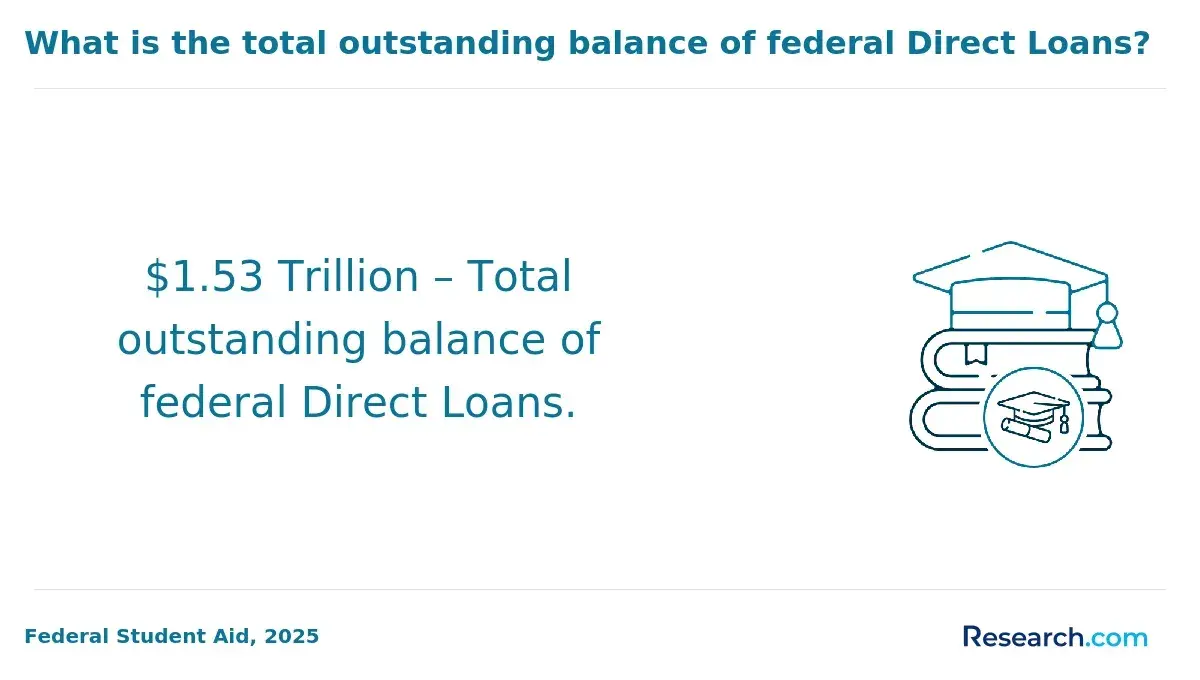
Federal student loans and FAFSA aid are available mainly to U.S. citizens or eligible noncitizens enrolled at least half-time in an accredited college or career school. Students must demonstrate financial need by completing the FAFSA application, which reviews income, assets, family size, and enrollment status. Independent students qualify based on their own financial data, while dependent students must provide parental information. This highlights important federal student loan eligibility requirements for applicants.
Eligibility also requires:
- Enrollment in an eligible degree or certificate program
- Maintaining satisfactory academic progress as defined by the institution
- Registration with Selective Service for males aged 18 to 25
- No default on prior federal student loans
Students who don't qualify for federal aid can consider private loans, such as those from Funding U, which offer no-cosigner options. These loans evaluate academic performance and program quality more than just credit history. According to College Finance & Bankrate, borrowers with strong academic profiles and attending schools with higher graduation rates may get APRs starting at 7.99%-8.49%, while those with weaker academic metrics might face rates above 12%. This model reflects factors like GPA, graduation rates, and chosen majors to set loan costs.
This strategy benefits students with solid academic records but limited credit history. Prospective borrowers should carefully assess their eligibility and academic standing since these directly influence loan approval chances and interest rates. For parents seeking additional resources, available college loans for parents can also be explored as a complementary option while navigating how to qualify for FAFSA federal aid.
How much can students and parents borrow?
Students borrowing through Funding U can secure loans up to the full cost of attendance as defined by their school, which includes tuition, fees, room, board, and other education-related expenses. This typically ranges between $5,000 and $60,000 per academic year depending on the institution and program. Parents seeking loans to support their student may also apply but must meet credit approval and loan limits set by the lender. These parent and student loan borrowing limits in the US vary by financial situation and lender policies.
Loan disbursements factor in federal aid already received and the student's remaining financial need. Instead of fixed maximum loan amounts, Funding U evaluates each applicant's creditworthiness and school certification to determine an appropriate borrowing limit. This flexible approach helps tailor loan sizes to specific educational costs without imposing unnecessary restrictions.
Borrowers should carefully consider the impact of interest rates on the total repayment amount. Funding U loans carry APRs from 8.49% to 12.99%. According to Education Data Initiative and Bankrate, every additional 1% interest on a $10,000 loan repaid over 10 years can add roughly $1,200 to $1,500 in total interest. Choosing a higher rate, such as 12.99% instead of 8.49%, can increase the total interest by several thousand dollars over the loan term.
For those evaluating how much can US students borrow for college, balancing loan size, interest rates, and repayment terms is essential. Smaller loans with lower rates reduce overall debt but may not fully cover all expenses. To explore other options, borrowers might also consider private student loans from banks to supplement their funding.
What interest rates and fees do student loans have?
Funding U student loans offer competitive interest rates starting around 10% APR, influenced by repayment choices. Borrowers are required to make payments while still enrolled, which can lower overall costs compared to deferred repayment. Notably, selecting interest-only payments during school grants a 0.50% interest rate discount. This can lead to significant savings-on a $15,000 loan at 10% APR over 10 years, it may reduce interest by approximately $750 to $900, based on data from LendEDU and Bankrate.
Making in-school payments stops interest from capitalizing and growing, which reduces the total loan cost. Interest-only payments with the discount strike a balance by lowering expenses without the need for full principal repayment during school. Funding U loans typically do not charge origination fees, unlike some private loans that add 1% to 5% upfront fees. However, borrowers should watch for late payment fees or default penalties outlined in their agreements, as these can increase costs if payments are missed.
Students and graduates should evaluate their finances before committing to in-school interest payments. If unable to pay early, alternative loans might be a better option to prevent loan balances from growing. Taking advantage of the 0.50% discount through interest-only payments is a practical way to save when financing education.
How do student loan repayment plans affect monthly payments?
Student loan repayment plans affect monthly payments by adjusting based on income, loan balance, or set schedules. Traditional fixed plans require equal monthly payments over 10 years, offering predictability but generally higher monthly costs. In contrast, income-driven repayment (IDR) plans calculate payments as a percentage of discretionary income, which can reduce monthly payments significantly, sometimes to only a few hundred dollars depending on earnings.
For instance, under an IDR plan such as Revised Pay As You Earn (REPAYE), payments might start low for someone earning $30,000 annually and increase with income growth. These plans benefit borrowers with variable incomes or those returning to school. Borrowers aiming to reduce overall interest typically prefer fixed repayment plans for quicker debt payoff.
Funding U limits loans to between $3,001 and $20,000 annually. This range complements average tuition costs-$11,280 at public four-year in-state colleges and $41,540 at private nonprofit four-year colleges (College Board)-by addressing remaining costs after grants and federal loans. Knowing repayment options helps plan affordable strategies aligned with loan amounts.
Key considerations when choosing a repayment plan include:
- Expected income growth
- Loan balance
- Career trajectory
- Potential impact on total interest
- Eligibility for forgiveness programs
Refinancing or switching repayment plans later can adjust monthly payments but may affect long-term costs and forgiveness eligibility, so careful evaluation is essential.
Which student loans can be forgiven?
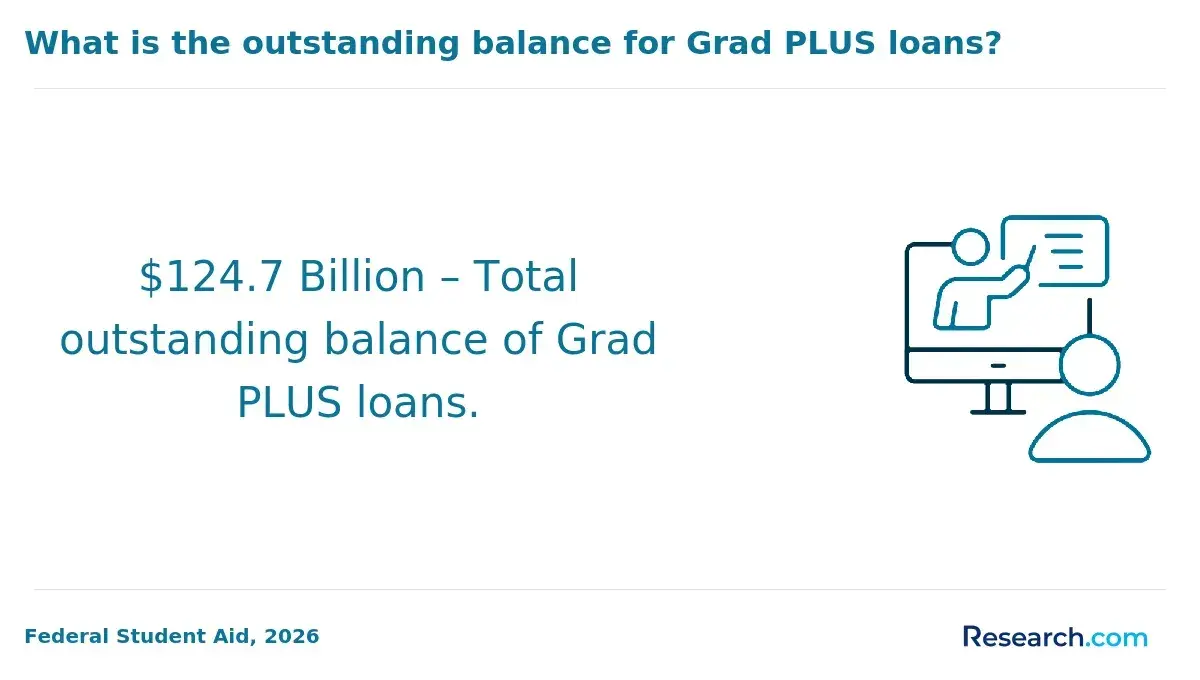
Federal student loans offered by the U.S. Department of Education qualify for key loan forgiveness programs. Eligible loans include Direct Subsidized, Direct Unsubsidized, Direct PLUS for graduate students, and Direct Consolidation Loans. The Public Service Loan Forgiveness (PSLF) program allows borrowers working full-time in qualifying public service jobs to have remaining balances forgiven after 120 qualifying payments.
Income-Driven Repayment (IDR) plans such as Revised Pay As You Earn (REPAYE), Pay As You Earn (PAYE), and Income-Based Repayment (IBR) offer forgiveness after 20 to 25 years of qualifying payments. This forgiveness only applies to federal loans and excludes private or state-based loans.
Private student loans, like those from Funding U, typically lack federal protections or forgiveness options. Funding U loans often require no cosigner in about 40 states, but repayment terms are usually stricter with no forgiveness opportunities. Borrowers should carefully consider these aspects before choosing private loans (Student Loan Planner).
Specialized teacher loan forgiveness programs provide up to $17,500 forgiveness after five years of qualifying service. Military members may also receive forgiveness benefits depending on their branch and service duration.
To maximize forgiveness, borrowers must verify loan eligibility and maintain documentation of qualifying employment and repayment plans. Without federal loans or approved repayment plans, loan forgiveness is not available.
Should you consolidate or refinance student loans?
Choosing between consolidating and refinancing student loans depends largely on your financial goals and loan types. Consolidation merges multiple federal loans into one monthly payment, which can simplify management but usually results in an interest rate that is a weighted average of existing rates. This option is ideal for those wanting to keep federal loan benefits intact without changing credit requirements or terms.
Refinancing replaces your current loans with a new private loan, often offering lower interest rates that can reduce monthly payments or the total amount paid over time. However, refinancing requires a good credit score and stable income, and it removes federal protections such as income-driven repayment plans and loan forgiveness programs.
Recent graduates and professionals with steady income might find refinancing through providers like Funding U beneficial. Notably, about 91% of private student loan borrowers who make on-time payments for 12 consecutive months see improved credit scores, highlighting the value of timely payments reported to major credit bureaus.
When considering consolidation, prioritize federal loans to retain access to federal benefits. Those with high-interest private loans may gain more from refinancing if they meet credit requirements. Key factors to evaluate include:
- Impact on repayment length
- Interest costs
- Availability of deferment or loan forgiveness
For students planning graduate school or career shifts, maintaining federal protections through consolidation may be preferable to refinancing. Comparing loan offers carefully will ensure the best fit for your financial future.
When should you use deferment or forbearance?
Deferment or forbearance offers options when temporarily unable to make student loan payments but expecting to resume later. Deferment applies if you qualify through enrollment at least half-time, unemployment, or economic hardship. During deferment, certain federal loans may pause funded interest, preventing loan balance growth.
Forbearance is a short-term option for financial struggles not meeting deferment requirements. It allows pausing or reducing payments, but interest usually continues accruing, increasing total repayment amounts. It's best used only when other options, like income-driven repayment plans, aren't available.
Consider deferment if you return to school, join the military, or face a medical hardship. Forbearance suits unexpected expenses or income interruptions such as job gaps or caregiving responsibilities. However, if partial payments are possible, avoid forbearance because interest growth extends payoff time.
Funding U's underwriting uses projected earnings based on education wage premiums: bachelor's degree holders aged 25-34 working full-time earn a median salary of $65,000 versus $40,000 for high school graduates (U.S. Bureau of Labor Statistics). Managing repayment strategically helps leverage income growth and reduce interest accumulation during difficulties.
What happens if student loans go into default?
When federal student loans go into default after about nine months of missed payments, or as specified by private lenders such as Funding U, borrowers face serious financial and legal challenges. Defaulting eliminates eligibility for deferment, forbearance, and income-driven repayment plans, forcing higher monthly payments. Additionally, lenders may accelerate the loan, requiring full repayment immediately.
The impact includes a credit score drop of 100 points or more, making it harder to secure housing, employment, or additional credit. Federal loan defaults may result in wage garnishment of up to 15% of disposable income, tax refund seizures, and government benefit offsets. Private loan defaults often lead to lawsuits and court judgments, increasing the debt with legal fees and late charges.
Options to recover from default include loan rehabilitation and consolidation for federal loans, while private loan borrowers should consider negotiating with lenders or seeking professional debt counseling to avoid worsening financial damage. Ignoring default risks further harm and reduces future borrowing ability.
U.S. student loan debt totals approximately $1.75 trillion, with private loans like Funding U loans making up 8% of this amount (Education Data Initiative). Combining private funding with federal debt expands the smaller private segment, emphasizing the importance of managing default risks across both loan types.
Other Things You Should Know About
In 2027, Funding U continues to provide student loans without requiring a credit score or cosigner, making it accessible for those with bad credit. They focus on academic performance and potential success as key factors in their lending decision.
If you withdraw from school, your loan funds may need to be returned depending on how much of the semester you completed. Schools typically perform a return of Title IV funds calculation for federal loans, which can affect the loan amount you owe. It's crucial to check with your financial aid office to understand the consequences for your specific loans.
Currently, most federal student loan forgiveness programs do not count forgiven debt as taxable income. However, some private loan forgiveness options might have tax implications. It's advisable to consult a tax professional to understand how loan forgiveness could affect your taxes based on your loan type.
Yes, student loans can be used to cover a range of education-related expenses beyond tuition, such as room and board, books, supplies, transportation, and even personal expenses necessary for your studies. Each loan's terms specify allowable uses, but generally, these costs are considered part of your cost of attendance and eligible for loan funding.