2027 Online PharmD Programs With the Best Support for First-Time Doctoral Students

Co-Founder and Chief Data Scientist
Choosing an online PharmD is a high-stakes decision because the degree must prepare you for licensure, clinical rotations, and a demanding doctoral workload. The payoff can be meaningful: the U. S. Bureau of Labor Statistics reported a May 2024 median pharmacist salary of $137,480, but outcomes depend on accreditation, state licensure fit, experiential placement quality, and student support. This guide is for first-time doctoral students comparing online and hybrid PharmD options, and it explains how to evaluate programs before committing time, tuition, and relocation-free study plans.
Key Things You Should Know
- For first-time doctoral students, the safest online PharmD choice is an ACPE-accredited or ACPE-candidate entry-level pathway that clearly supports NAPLEX eligibility, state licensure requirements, campus skills labs, and Introductory and Advanced Pharmacy Practice Experiences.
- The best-supported online PharmD programs are usually hybrid, not fully remote. Expect live online classes, required campus immersions, supervised local rotations, advising, tutoring, exam preparation, technology support, and placement coordination.
- Use salary data carefully. BLS reported a May 2024 pharmacist median wage of $137,480, but tuition, debt, location, residency training, employer type, and state licensure rules can significantly affect return on investment.
What are the best online PharmD programs for first-time doctoral students?
The best online PharmD programs for first-time doctoral students are not simply the programs with the most online coursework. They are entry-level Doctor of Pharmacy pathways with strong student support, clear experiential education systems, transparent licensure disclosures, and enough in-person training to build clinical competence.
A true PharmD is a professional doctorate that prepares graduates to pursue pharmacist licensure. For first-time doctoral students, that means the program should be designed for students who are not already licensed pharmacists.
The table below summarizes well-known U.S. online or hybrid PharmD pathways that are commonly considered by students who want distance learning without giving up structured doctoral support.
| Program | Best fit for first-time doctoral students | Support features to compare | Important caution |
| Creighton University Distance Pathway PharmD | Students who want an established distance pathway with required campus labs and broad experiential training | Academic advising, skills lab intensives, experiential education coordination, professional formation support | Students should confirm current state authorization and rotation availability in their location before enrolling |
| St. John Fisher University Online PharmD | Students who want live online learning with structured engagement and campus immersions | Student success advising, faculty interaction, clinical placement support, exam preparation resources | Online format still includes in-person requirements and supervised practice hours |
| Butler University Online PharmD | Students looking for a cohort-based online pathway connected to an established pharmacy college | Live instruction, student services, skills immersions, experiential education planning, career preparation | Applicants should compare tuition, prerequisites, and residency expectations carefully |
| LECOM Distance Education Pathway PharmD | Cost-conscious students who can handle a structured professional curriculum with required in-person components | Distance didactic coursework, campus-based labs, experiential rotation structure, academic support systems | Students should ask how much placement responsibility falls on the school versus the student |
| University of Findlay Distance PharmD | Students who want a hybrid PharmD option with online coursework and periodic campus learning | Faculty access, academic advising, experiential learning coordination, professional development | Confirm whether the pathway matches your state's board of pharmacy expectations |
When comparing programs, prioritize support over convenience. A program that requires campus intensives, live participation, and tightly supervised rotations may be more demanding, but those features often matter for first-time doctoral students who need structure while learning patient care, pharmacotherapy, calculations, law, and professional judgment.
Use this short checklist before you treat any program as a serious option:
- Confirm the program is ACPE-accredited or has a clearly disclosed ACPE candidate status for the entry-level PharmD pathway.
- Ask whether the school has successfully placed online students in rotations near your state or region.
- Request a full cost estimate that includes tuition, fees, travel, campus immersions, immunizations, background checks, exam prep, and living costs during rotations.
- Ask what happens if you struggle academically in the first professional year, including remediation, tutoring, course repeat policies, and progression rules.
- Compare student support hours with your work schedule, especially if you plan to study from another time zone.
Are online PharmD programs accredited and licensable?
Online PharmD programs can be accredited and licensable, but the word "online" is not enough to determine eligibility. In the U.S., pharmacist licensure typically depends on graduating from an Accreditation Council for Pharmacy Education-accredited PharmD program, completing required experiential hours, passing the NAPLEX, passing applicable pharmacy law exams, and meeting state board requirements.
ACPE's 2025 professional degree standards continue to emphasize competencies such as patient-centered care, interprofessional collaboration, medication use systems, population health, professionalism, and experiential education. For online students, that matters because accreditation is not only about course content; it also evaluates whether the program can deliver practice-ready training through labs, assessments, and supervised pharmacy experiences.
Before applying, first-time doctoral students should verify licensure fit at three levels:
- Program level: Confirm the PharmD pathway itself is ACPE-accredited or has the correct public candidate-status disclosure.
- State level: Ask whether the program meets educational requirements in the state where you plan to seek pharmacist licensure.
- Experiential level: Confirm that Introductory Pharmacy Practice Experiences and Advanced Pharmacy Practice Experiences are available and approved in locations you can realistically access.
A common mistake is assuming that an accredited online program automatically works in every state. State authorization, intern licensing rules, background checks, immunization requirements, and rotation-site agreements can vary. Ask the admissions office for written licensure disclosures, and then confirm details with your state board of pharmacy before paying a deposit.
What admission requirements do online PharmD programs require?
Most online PharmD programs require the same academic readiness as campus-based PharmD programs. First-time doctoral students usually need college science prerequisites, a competitive academic record, proof of communication skills, and evidence that they understand the responsibilities of pharmacy practice.
The table below shows common admissions requirements and why each one matters. Exact requirements vary by school, so use this as a comparison tool rather than a universal checklist.
| Requirement | What schools usually look for | Why it matters |
| Prerequisite coursework | Biology, general chemistry, organic chemistry, anatomy or physiology, microbiology, calculus or statistics, English, and social science courses | PharmD coursework moves quickly, and weak science preparation can make the first year much harder |
| Minimum GPA | A stated minimum plus stronger performance in science prerequisites | Programs use GPA to estimate readiness for doctoral-level biomedical and therapeutic content |
| PCAT | Many programs no longer require it, but policies differ | If optional, a strong score may help applicants with uneven transcripts |
| Healthcare or pharmacy exposure | Pharmacy technician work, volunteering, shadowing, patient-facing work, or community service | Experience helps students understand the profession before committing to a doctoral program |
| Interview | Communication, professionalism, ethical reasoning, teamwork, and motivation for pharmacy | Pharmacists counsel patients and collaborate with clinicians, so interpersonal skills matter |
| Technical standards | Ability to participate in labs, patient care simulations, communication tasks, and experiential rotations | Online students still must meet hands-on and clinical expectations |
Students without the right prerequisites should not rush into the first program that admits them conditionally. If your real goal is patient care but you are still comparing healthcare routes, it may also be useful to explore online accelerated nursing programs for non nurses before committing to a PharmD pathway.
Strong applicants often prepare in the following sequence:
- Map each program's prerequisites against your transcript before opening an application.
- Retake or complete high-risk science courses if your grades do not reflect your current ability.
- Gain pharmacy exposure through technician work, shadowing, or volunteering.
- Ask admissions teams how online students are evaluated for professionalism, attendance, and participation.
- Prepare interview examples that show ethical judgment, resilience, communication, and service orientation.
How do online PharmD programs deliver labs and clinical rotations?
Online PharmD programs usually deliver lectures and discussions through a learning platform, but labs and clinical training require in-person work. This is why most entry-level online PharmD programs are better described as hybrid professional programs rather than fully online degrees.
Students should expect several learning formats, each serving a different purpose:
- Live online classes: Faculty-led sessions for pharmacotherapy, calculations, case discussions, patient counseling, and team-based learning.
- Asynchronous coursework: Recorded lectures, readings, quizzes, simulations, and assignments completed on a weekly schedule.
- Campus immersions: Required in-person sessions for compounding, sterile preparation, physical assessment, communication labs, skills testing, and Objective Structured Clinical Examinations.
- Introductory Pharmacy Practice Experiences: Early supervised practice in community, health-system, or other pharmacy settings.
- Advanced Pharmacy Practice Experiences: Full-time clinical rotations near the end of the program in settings such as ambulatory care, inpatient medicine, community pharmacy, institutional pharmacy, and electives.
The most important question is not whether rotations are "available." It is how the school secures, approves, monitors, and replaces rotation sites. First-time doctoral students should ask whether the program has established agreements in their region, how preceptors are trained, what happens if a site cancels, and whether students must travel for required experiences.
Red flags include vague answers about local placements, no clear calendar for campus intensives, limited support for intern licensing, and policies that shift too much site-finding responsibility to the student. A supportive program should explain the experiential sequence before enrollment, not after tuition is paid.
What courses are included in an online PharmD curriculum?
An online PharmD curriculum combines biomedical science, drug therapy, patient assessment, healthcare systems, pharmacy law, ethics, and supervised practice. The online format changes delivery, but it should not lower expectations for clinical reasoning or professional competence.
The table below groups common PharmD courses by purpose so you can see how the curriculum develops from scientific foundations to patient care decision-making.
| Curriculum area | Common courses or topics | What students learn to do |
| Foundational sciences | Biochemistry, physiology, pathophysiology, immunology, microbiology | Explain how disease processes affect medication choices and patient response |
| Pharmaceutical sciences | Pharmacology, medicinal chemistry, pharmaceutics, pharmacokinetics | Understand drug action, dosage forms, absorption, distribution, metabolism, and elimination |
| Clinical therapeutics | Cardiology, infectious disease, endocrinology, oncology, psychiatry, pain management | Recommend, monitor, and adjust medication therapy using patient-specific factors |
| Practice skills | Patient counseling, immunization, compounding, sterile products, medication safety | Perform pharmacist duties in community, hospital, and clinical settings |
| Systems and policy | Pharmacy law, healthcare delivery, pharmacoeconomics, public health, managed care | Navigate regulations, formularies, reimbursement, and population-level medication issues |
| Experiential education | Introductory and Advanced Pharmacy Practice Experiences | Apply classroom learning under supervision in real pharmacy and patient care environments |
Current pharmacy education also reflects major practice trends. Pharmacists increasingly use electronic health records, clinical decision support tools, automation, pharmacogenomics resources, and population health dashboards. Online students should look for programs that teach technology as part of safe practice rather than treating it as a separate add-on.
A practical way to compare curricula is to ask for a semester-by-semester plan and mark when the program introduces patient counseling, calculations, clinical decision-making, interprofessional education, and exam preparation. If those supports appear late or are not clearly described, ask more questions before enrolling.
How long does an online PharmD take to complete?
Most entry-level online PharmD programs take about four professional years after prerequisites, although some pathways vary based on transfer credit, prerequisite completion, academic calendar, and progression rules. The total timeline can be longer if you need two or more years of undergraduate prerequisites before starting the professional phase.
Students often underestimate the full path because they count only the PharmD years. If you are still mapping the overall route, this guide to how long does it take to become a pharmacist can help you understand the broader sequence from prerequisites to licensure.
Here is the typical timeline for a first-time doctoral student entering an online or hybrid PharmD pathway:
- Prerequisite phase: Complete required undergraduate science, math, and general education courses before admission or through an approved conditional plan.
- Professional years one to three: Complete online didactic courses, skills labs, campus intensives, simulations, and introductory practice experiences.
- Final professional year: Complete full-time advanced pharmacy practice rotations, which may require travel or schedule flexibility.
- Post-graduation licensure: Apply to the state board, complete remaining requirements, and pass the NAPLEX and required law exams.
Full-time study is usually the default because PharmD curricula are sequenced tightly. Part-time work may be possible for some students early in the program, but rotation years can make regular employment difficult. Before enrolling, ask how many hours per week students typically spend in class, labs, assignments, and exam preparation.
How much do online PharmD programs cost?
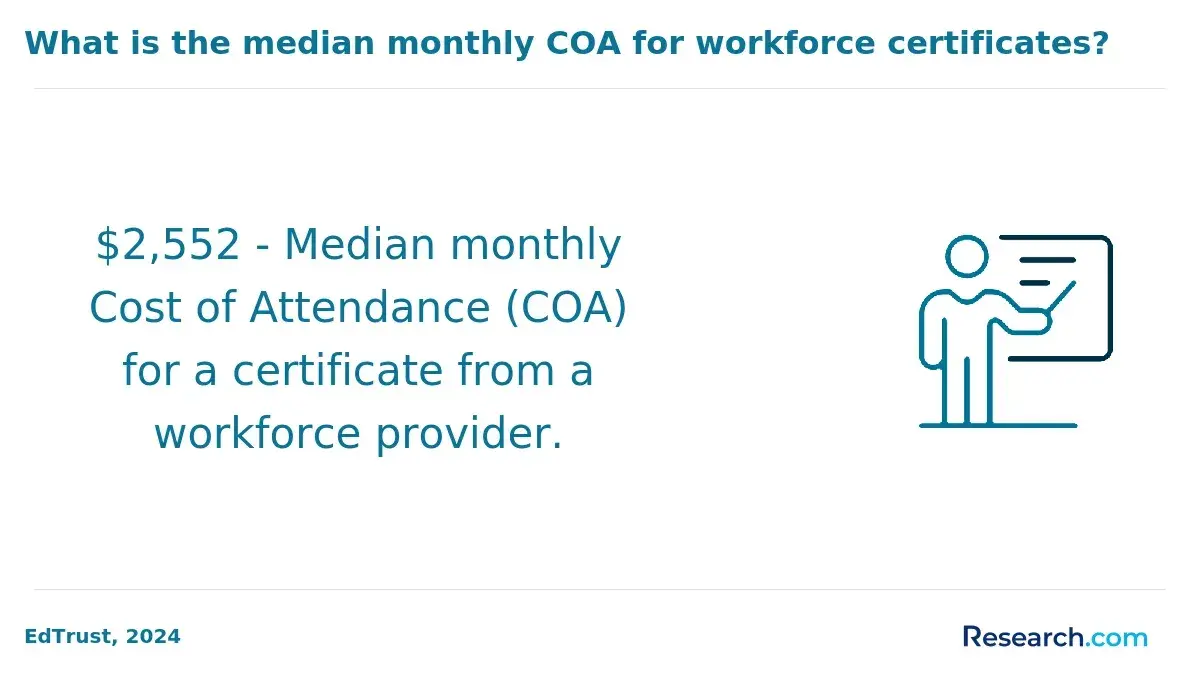
Online PharmD costs vary widely because tuition is only one part of the bill. Students also need to budget for fees, travel to campus immersions, technology, background checks, immunizations, drug screening, liability insurance, intern licensing, exam costs, and living expenses during rotations.
For context, the National Center for Education Statistics reported in its 2024 Digest that average graduate tuition and required fees were substantially lower at public institutions than at private nonprofit institutions in the most recent national data it summarized. That benchmark is useful, but PharmD programs are professional doctorates and may cost more than a general graduate average, so students should request program-specific cost-of-attendance estimates.
The table below shows the major cost categories that online PharmD students should compare before choosing a program.
| Cost category | What to include | Why it affects decision-making |
| Tuition | Per-credit or per-term professional tuition for all PharmD years | This is usually the largest direct cost and may differ for online, campus, in-state, and out-of-state students |
| University and program fees | Technology, lab, professional, simulation, graduation, and student service fees | Fees can make a lower tuition program less affordable than it first appears |
| Campus travel | Airfare, mileage, lodging, meals, parking, and time away from work or caregiving | Hybrid programs may require several in-person sessions across the degree |
| Experiential education costs | Immunizations, background checks, drug screening, uniforms, transportation, and housing near rotation sites | Rotations can create unpredictable expenses, especially if local placements are limited |
| Licensure and exam preparation | NAPLEX preparation, state law exam preparation, application fees, and transcript fees | These costs arrive near graduation when students may already have limited income |
| Opportunity cost | Reduced work hours, unpaid rotation time, and delayed full-time earnings | A cheaper program is not always the better option if scheduling makes completion harder |
To reduce cost risk, compare total cost of attendance rather than tuition alone. Ask whether scholarships are renewable, whether online students qualify for the same aid as campus students, whether rotation travel is included in estimates, and how often tuition has increased for recent cohorts.
Be careful with programs that advertise convenience but do not publish a full cost structure. A supportive school should be able to explain direct charges, estimated indirect expenses, refund policies, satisfactory academic progress rules, and financial aid limits before you enroll.
What support services help first-time doctoral students succeed?
First-time doctoral students often need more than recorded lectures and office hours. A strong online PharmD support system helps students manage advanced science content, high-stakes exams, professional identity formation, clinical rotations, and the transition into licensure.
The most useful support services are specific, proactive, and tied to the PharmD curriculum. Look for these features when comparing programs:
- Dedicated success advising: Advisors should track progression, identify academic risk early, and help students plan around labs, rotations, and licensure milestones.
- Faculty access: Students should have predictable ways to reach instructors through live sessions, office hours, discussion boards, and clinical case review.
- Tutoring and remediation: Support should be available for calculations, pharmacokinetics, therapeutics, and other high-risk courses before students fail a sequence.
- Experiential placement coordination: The school should help secure, approve, and monitor practice sites rather than leaving students to solve placements alone.
- Technology support: Online students need fast help with learning platforms, proctoring tools, simulation software, and exam systems.
- Wellness and disability services: Doctoral study can be intense, so mental health support, accessibility accommodations, and workload guidance matter.
- NAPLEX and law exam preparation: Programs should integrate board-style questions, cumulative review, and readiness assessments before graduation.
- Career and residency advising: Students interested in hospitals, ambulatory care, industry, or residency should receive targeted planning early.
A practical test is to ask admissions teams what happens when an online student fails the first major exam, loses a rotation site, needs an accommodation, or cannot attend a scheduled campus immersion. Clear answers suggest a mature support system; vague answers suggest the program may not be built for first-time doctoral learners.
Common mistakes include choosing the most flexible schedule without considering accountability, assuming online courses are easier, ignoring time-zone differences, and waiting until final-year rotations to ask about career goals. The best students use support early, not only after a crisis.
What jobs can you get with a PharmD degree?
A PharmD prepares graduates primarily for pharmacist licensure, but pharmacists work in many settings. The right job path depends on your interests, residency plans, location, experience, and comfort with patient care, operations, data, or policy.
The table below summarizes common PharmD career paths and the type of student each may fit best.
| Career path | Typical responsibilities | Best fit |
| Community pharmacist | Dispense medications, counsel patients, administer vaccines, manage drug interactions, support adherence | Students who enjoy direct public interaction and fast-paced medication access work |
| Hospital or health-system pharmacist | Review medication orders, monitor therapy, support inpatient teams, manage sterile products and safety protocols | Students interested in acute care, team-based practice, and clinical systems |
| Ambulatory care pharmacist | Manage chronic diseases, adjust therapy under protocols, counsel patients, collaborate with providers | Students who want ongoing patient relationships and clinical decision-making |
| Managed care pharmacist | Work on formularies, prior authorization, utilization management, outcomes, and population health | Students interested in policy, evidence review, and medication access at scale |
| Industry or medical affairs pharmacist | Support drug information, pharmacovigilance, regulatory work, clinical research, or medical communications | Students interested in the pharmaceutical industry and scientific communication |
| Academic or research pharmacist | Teach, conduct research, precept students, and contribute to pharmacy scholarship | Students who enjoy mentoring, inquiry, and advanced specialization |
Some clinical roles, especially in hospitals, ambulatory care, oncology, infectious disease, and academia, may prefer or require postgraduate residency training. A PharmD alone may qualify graduates to pursue licensure, but competitive specialized roles often expect additional experience, board certification, or residency preparation.
If your long-term goal is healthcare leadership rather than medication therapy, compare PharmD with a master in health administration. The PharmD is the better fit for pharmacist licensure and medication-focused patient care, while an MHA is usually more direct for operations, administration, and healthcare management roles.
What salary and job outlook does a PharmD offer?
The U.S. Bureau of Labor Statistics reported a May 2024 median annual wage of $137,480 for pharmacists. That figure is a national midpoint, not a promise; actual pay can differ by state, employer, setting, schedule, residency training, experience, and whether the role is retail, hospital, ambulatory care, managed care, or industry-based.
BLS also projects pharmacist employment to grow 5% from 2024 to 2034, which suggests steady but not explosive demand. For students, this means the PharmD can be a strong professional credential, but program cost and career strategy matter because salary alone does not determine return on investment.
Several trends shape PharmD career value:
- Pharmacist clinical services are expanding: Immunization, medication therapy management, chronic disease support, and collaborative practice models can create opportunities for clinically prepared graduates.
- Automation is changing dispensing work: Central fill, robotics, and verification technologies may reduce some repetitive tasks while increasing the value of counseling, clinical judgment, and systems oversight.
- Residency can affect competitiveness: Students seeking hospital or specialty roles should ask each program about residency match advising, faculty mentorship, and APPE site quality.
- Geography matters: Rural, underserved, and high-need regions may offer different opportunities than saturated urban markets.
Students who are mainly drawn to patient care but not specifically to medication management should compare alternatives before committing. For example, direct entry MSN programs for non nurses online may be a better fit for students who want a nursing-based clinical path rather than pharmacist licensure.
The smartest ROI question is not "Do pharmacists earn a good salary?" It is "Can I complete this accredited program at a manageable cost, pass licensure exams, access strong rotations, and enter the pharmacy setting I actually want?"
Other Things You Should Know About PharmD
Balancing full-time work with an online PharmD program in 2027 can be demanding due to the intensive course load and required clinical experiences. Effective time management and employer support are crucial. Some programs may offer flexible schedules, but the rigorous nature of PharmD education means students should expect considerable commitment.
Most PharmD programs require a criminal background check and a 10-panel drug screen before introductory or advanced practice rotations begin. Results must usually be cleared by the college and any affiliated site, and some states or hospitals add fingerprinting or immunization compliance before placement.
Usually, yes. Most entry-level online PharmD programs require travel for campus labs, skills intensives, orientation, exams, or simulations. Students may also need to travel for rotations if approved sites are not available near home.
The biggest red flag is unclear licensure or experiential training information. If a program cannot clearly explain accreditation status, state eligibility, rotation placement support, campus requirements, and total cost, do not enroll until you receive written answers.
References
- My Advice and Tips for New PhD Students - The Savvy Scientist https://www.thesavvyscientist.com/tips-for-new-phd-students/
- Stop struggling, start enjoying your PhD https://phdsuccess.eu/
- What Jobs Can You Get With a Health Science Degree? https://www.belmont.edu/stories/articles/2024/career-paths-for-pharmd-degree.html
- Getting Your PharmD: How Long is Pharmacy School? https://www.pacificu.edu/blog/getting-your-pharmd-how-long-pharmacy-school
- Online PharmD Pathway https://pharmacy.howard.edu/academic-programs/online-pharmd-pathway
- Earn Your PharmD with Flexibility: Explore the Hybrid Program at West Coast University | West Coast University https://westcoastuniversity.edu/blog/earn-your-pharmd-with-flexibility-explore-the-hybrid-program-at-west-coast-university
- Doctor of Pharmacy https://www.su.edu/pharmacy/programs/pharmd-traditional-program/
- How Long Does It Take to Become a Pharmacist? https://pharmddegree.com/careers/how-long-does-it-take-to-become-a-pharmacist
- Top 5 Affordable Online Doctorates in Pharmacology https://www.online-phd-programs.org/affordable-online-doctorates-in-pharmacology/
- Pharmacy Career Outlook: Is a Career in Pharmacy Worth It? - Roseman University https://www.roseman.edu/student-experience/news/pharmacy-career-outlook-is-a-career-in-pharmacy-worth-it/