
2027 How to Become a Nurse Practitioner in Utah

Co-Founder and Chief Data Scientist
Becoming a nurse practitioner in Utah is a major career move: you must already be a registered nurse, complete graduate-level nursing education, earn national certification, and apply for advanced practice licensure through the Utah Division of Occupational and Professional Licensing. The payoff can be meaningful for nurses who want more clinical autonomy, broader responsibility, and access to roles in primary care, behavioral health, pediatrics, geriatrics, and specialty practice.
This guide explains how to become a nurse practitioner in Utah in practical terms. You will learn the required degrees, licensing steps, continuing education rules, program length, likely costs, scope of practice, specialty options, job outlook, salary expectations, and the questions to ask before choosing a program. It is written for RNs, BSN students, LPNs planning a long-term nursing pathway, paramedics exploring nursing bridge options, and working nurses deciding whether an MSN or DNP is worth the investment.
Quick Answer: How to Become a Nurse Practitioner in Utah
To become a nurse practitioner in Utah, you generally need to earn a BSN, hold an active Utah RN license, complete an accredited MSN or DNP nurse practitioner program, meet supervised clinical practice requirements, pass a national certification exam in your specialty, and apply for APRN/NP licensure through the Utah Division of Occupational and Professional Licensing. Utah allows NPs to practice independently, but nurse practitioners must still follow state rules on prescribing, documentation, renewal, continuing education, and national certification.
Key Things You Should Know About Becoming a Nurse Practitioner in Utah
- Education comes first. Utah nurse practitioner candidates typically complete a Bachelor of Science in Nursing, become licensed as RNs, and then finish a Master of Science in Nursing or Doctor of Nursing Practice program with an NP specialty track.
- Licensure requires certification. After graduate school, candidates must pass a national certification exam in their population focus or specialty area before applying for NP licensure in Utah.
- Pay can be strong, but it varies. The average salary for Nurse Practitioners in Utah is approximately $127,820 per year, with entry-level positions starting around $83,070. Experienced NPs can earn upwards of $170,000 annually, depending on their specialty and location within the state.
- Demand is favorable. The employment outlook for Nurse Practitioners in Utah is robust, with a projected growth rate of 31% from 2020 to 2030, significantly higher than the national average for all occupations.
- Practice authority is a major advantage. Utah allows nurse practitioners to practice independently, which can make the role especially important in rural, primary care, and underserved settings.
- Job satisfaction is a real consideration. Around 83% of NPs have expressed satisfaction in their jobs, but satisfaction depends heavily on workload, specialty, employer support, compensation, and administrative burden.
- How do you become a nurse practitioner in Utah?
- What degree do you need to become a nurse practitioner in Utah?
- What are the licensing requirements for nurse practitioners in Utah?
- What are the continuing education requirements for nurse practitioners in Utah?
- How long does it take to complete a nurse practitioner program in Utah?
- What are the costs associated with a nurse practitioner program in Utah?
- What are the top educational resources for aspiring nurse practitioners in Utah?Cost planning for NP students in Utah
- What are the alternative career paths for individuals interested in the healthcare industry in Utah?
- What is the scope of practice for nurse practitioners in Utah?
- Can paramedics transition to nurse practitioner roles in Utah?
- What are the different specializations for nurse practitioners in Utah?
- Should nurse practitioners consider travel assignments for career diversification in Utah?
- What are the common challenges nurse practitioners face in Utah?
- How can I transition from an LPN to a Nurse Practitioner in Utah?
- How do I choose the right nurse practitioner program in Utah?
- How important is program accreditation for nurse practitioners in Utah?
- How can nurse practitioners manage malpractice insurance and legal liabilities in Utah?
- How do recent regulatory changes influence nurse practitioner practice in Utah?
- What are the job prospects for nurse practitioners in different specialties in Utah?
- What are the salary expectations for nurse practitioners in Utah?
- What are the emerging trends shaping nurse practitioners' roles in Utah?
- What additional professional development options are available for nurse practitioners in Utah?Emerging NP trends in UtahNP salary planningKey insights for future Utah nurse practitioners
How do you become a nurse practitioner in Utah?
The Utah NP pathway starts with registered nursing preparation and ends with advanced practice licensure. Most candidates first earn a Bachelor of Science in Nursing, pass the National Council Licensure Examination for Registered Nurses, and become licensed as RNs. From there, they complete a graduate nurse practitioner program, earn national certification, and apply to the Utah Division of Occupational and Professional Licensing for the appropriate advanced practice credential.
The basic sequence is straightforward, but each step affects your timeline, cost, and career options. A nurse who already has a BSN and an active Utah RN license may move directly into an MSN or DNP program. A nurse with an associate degree may need a bridge route first, such as one of the affordable online RN to MSN programs, if the program accepts that pathway. Students should confirm admission rules, clinical placement support, accreditation, and certification pass-rate support before enrolling.
| Step | What You Need to Do | Why It Matters |
| 1. Complete RN preparation | Earn the nursing degree needed for RN licensure, commonly through a BSN pathway for future NP candidates. | Graduate NP programs usually expect strong undergraduate nursing preparation and an active RN license. |
| 2. Pass the NCLEX-RN | Take and pass the national registered nursing licensure exam. | You cannot move into advanced practice without first becoming an RN. |
| 3. Hold an active Utah RN license | Maintain good standing with Utah licensing requirements. | Utah NP licensure depends on valid RN licensure. |
| 4. Finish an MSN or DNP NP program | Choose a population focus such as family, pediatrics, adult-gerontology, or psychiatric-mental health. | Your program determines the certification exam and patient population you are prepared to serve. |
| 5. Pass national certification | Take the exam from the recognized certifying body for your specialty, such as AANP or ANCC. | Certification is required before Utah NP licensure. |
| 6. Apply through DOPL | Submit the Utah licensure application, required documentation, fingerprints, background check materials, and fees. | This is the final administrative step before practicing as an NP in Utah. |
Graduate NP programs are commonly completed through an MSN or DNP. These programs combine advanced pathophysiology, pharmacology, health assessment, diagnosis, treatment planning, clinical decision-making, and supervised patient care. Students usually select a specialty track before or during admission because certification eligibility depends on the track completed.
After graduation, candidates take the national certification exam tied to their specialty. Common certifying organizations include the American Association of Nurse Practitioners and the American Nurses Credentialing Center. Once certified, applicants submit their NP licensure materials to Utah’s licensing agency and complete any background check and fee requirements.
Licensure is not the end of the process. Utah NPs renew their licenses every two years and must continue meeting education, practice, and certification expectations. This ongoing renewal requirement is designed to keep advanced practice nurses current with clinical standards, medications, regulations, and patient safety expectations.
Many students pursuing a Doctor of Nursing Practice are already nurse practitioners or nursing educators, as shown in the chart below.
What degree do you need to become a nurse practitioner in Utah?
Utah nurse practitioners need graduate-level nursing education. In practical terms, that means completing either a Master of Science in Nursing or a Doctor of Nursing Practice program with an approved nurse practitioner specialty. A BSN is usually the most direct undergraduate preparation, although bridge routes may be available for RNs who entered nursing through a different degree pathway.
The MSN is often the shorter graduate route for nurses focused primarily on clinical practice entry. The DNP is a practice-focused doctorate that may appeal to nurses who want deeper preparation in leadership, evidence-based practice, quality improvement, systems change, or advanced clinical roles. Both can lead to NP certification when the program includes the correct specialty track and clinical preparation.
| Degree Path | Best For | Important Considerations |
| BSN to MSN-NP | RNs with a BSN who want the most common graduate route into NP practice. | Check specialty availability, clinical placement expectations, and certification exam preparation. |
| BSN to DNP-NP | RNs who want doctoral-level clinical preparation and may be interested in leadership or systems improvement. | Usually requires a larger time and cost commitment than an MSN route. |
| RN to MSN bridge | Associate-degree RNs who want to move toward advanced practice without earning a separate traditional BSN first. | Admission rules vary widely; confirm whether the program leads to NP certification eligibility. |
| Post-master’s NP certificate | Nurses who already hold a graduate nursing degree and want a new NP population focus. | Certification eligibility depends on completing the required specialty coursework and clinical hours. |
Utah students can find NP preparation at several institutions. The University of Utah offers graduate nursing options with specialty tracks such as Family Nurse Practitioner and Psychiatric Mental Health Nurse Practitioner. Utah Valley University offers an MSN program intended to prepare nurses for advanced practice responsibilities. Weber State University also features a DNP program for nurses seeking advanced clinical and leadership preparation.
When comparing degree options, focus less on the degree title alone and more on whether the program is accredited, whether it matches your desired specialty, whether it prepares you for national certification, and whether it can support clinical placement in Utah or in your local area.
What are the licensing requirements for nurse practitioners in Utah?
Nurse practitioner licensure in Utah is administered by the Utah Division of Occupational and Professional Licensing. Candidates must first hold a valid Utah RN license, complete an accredited graduate nursing program for advanced practice registered nursing, pass the appropriate national certification exam, and submit the required licensure application materials.
The graduate program must be accredited by a recognized nursing accreditor such as the Commission on Collegiate Nursing Education or the Accreditation Commission for Education in Nursing. Utah also requires candidates to complete a minimum of 400 hours of supervised clinical practice as part of their educational preparation.
After completing the degree, the candidate must pass a national certification exam in the relevant NP specialty. Certification routes may include exams administered by the American Association of Nurse Practitioners or the American Nurses Credentialing Center, depending on the specialty and program track.
Applicants also submit fingerprints for a criminal background check. Licensing-related costs, including application and background check expenses, typically range from $100 to $200, depending on the specific requirements in place when the application is filed.
| Licensure Requirement | What Utah Candidates Should Verify |
| Utah RN license | Make sure your RN license is active and in good standing before applying for NP licensure. |
| Graduate nursing degree | Confirm the program is an MSN, DNP, or other qualifying graduate pathway for APRN preparation. |
| Program accreditation | Look for recognized accreditation, such as CCNE or ACEN. |
| Clinical practice | Verify that the program includes at least 400 hours of supervised clinical practice. |
| National certification | Choose the certification exam that matches your specialty and population focus. |
| Background check | Prepare to submit fingerprints and complete Utah’s screening process. |
| Application fees | Budget for fees that typically range from $100 to $200. |
The Utah Nurse Practitioner Association can also be useful for professional support, networking, advocacy updates, and practice-related resources. However, professional association membership does not replace state licensure, certification, or regulatory compliance.
What are the continuing education requirements for nurse practitioners in Utah?
Utah nurse practitioners must complete continuing education and practice requirements to renew their licenses. The Utah Division of Occupational and Professional Licensing requires a minimum of 30 hours of continuing education every two years. Of those hours, at least 15 must relate to pharmacology, which reflects the prescribing and medication-management responsibilities of advanced practice nursing.
Utah also requires NPs to show clinical competency through at least 400 hours of clinical practice during the same two-year period. The state does not require those hours to be completed in only one specialty area, which gives nurse practitioners some flexibility if they work across settings or change roles.
| Renewal Item | Utah Requirement | Practical Tip |
| Continuing education | 30 hours every two years | Track certificates as you complete them instead of waiting until renewal season. |
| Pharmacology education | At least 15 hours within the continuing education total | Choose courses that clearly identify pharmacology content on the certificate. |
| Clinical practice | Minimum of 400 hours during the two-year period | Keep employer records or practice logs in case documentation is requested. |
| National certification | Current certification is required for Utah licensure | Monitor both state license renewal and certification renewal deadlines. |
The renewal process typically involves submitting the renewal application to DOPL and confirming that the continuing education, pharmacology, clinical practice, and certification requirements have been met. Nurse practitioners should also stay familiar with the Utah Nurse Practice Act and Utah Board of Nursing rules because scope-of-practice and prescribing requirements can affect day-to-day clinical decisions.
-
: "
For working NPs, the safest strategy is to treat renewal as a continuous process. Keep a running file of CE certificates, pharmacology hours, certification notices, and practice documentation so renewal does not become a last-minute scramble.
"
How long does it take to complete a nurse practitioner program in Utah?
A nurse practitioner program in Utah typically takes two to four years to complete, depending on degree type, specialty, enrollment status, transfer credits, and whether the student studies full time or part time. Full-time students often finish in about 2-3 years, while part-time students may need up to four years.
The clock can be shorter or longer depending on where you start. An RN who already has a BSN and all prerequisites completed may move quickly into graduate NP coursework. An LPN, paramedic, or associate-degree RN may need additional steps before being eligible for NP-level study.
| NP Specialty | Typical Completion Time | Who It May Fit |
| Family Nurse Practitioner | 2-3 years | Nurses who want broad primary care preparation across the lifespan. |
| Pediatric Nurse Practitioner | 2-3 years | Nurses focused on infants, children, adolescents, and pediatric care settings. |
| Adult-Gerontology Nurse Practitioner | 2-3 years | Nurses interested in adolescent, adult, and older adult care in primary or acute settings. |
| Psychiatric-Mental Health Nurse Practitioner | 2-4 years | Nurses who want to assess, diagnose, and treat mental health conditions. |
Clinical placement can also influence the timeline. Even online programs require in-person clinical hours, and delays in securing preceptors can slow progress. Before enrolling, ask whether the school assigns placements, helps students find approved sites, or leaves clinical site arrangements mostly to the student.
What are the costs associated with a nurse practitioner program in Utah?
Nurse practitioner education in Utah can require a significant financial commitment. Tuition commonly ranges from approximately $280 to over $2,000 per credit hour, and students should expect an average of around $900 per credit before additional expenses such as fees, textbooks, supplies, technology, travel, background checks, clinical compliance costs, and certification exam preparation.
One example is the Master of Science in Nursing program at the University of Utah, which charges about $967 per credit for a total of 50 credits, resulting in estimated tuition of $48,350. Program-specific fees and a university resource fee can add approximately $3,900 to the total cost. Students should also pay attention to billing deadlines because tuition payments are due shortly after the semester begins.
| Cost Category | What to Check Before Enrolling |
| Tuition per credit | Compare resident, nonresident, online, and program-specific rates. |
| Total credits | Multiply tuition by the full credit requirement, not just the first-year course load. |
| University and program fees | Ask for a full fee estimate, including resource, clinical, technology, and course fees. |
| Clinical expenses | Budget for travel, immunizations, background checks, drug screening, and compliance tracking. |
| Books and supplies | Include digital resources, exam software, medical equipment, and required subscriptions. |
| Certification and licensure | Plan for national exam fees, Utah application fees, fingerprints, and background checks. |
| Lost income | Consider whether clinical hours or full-time enrollment will reduce work hours. |
To evaluate affordability, calculate the full program price rather than focusing only on tuition. Also compare graduation timelines, clinical support, certification preparation, and part-time flexibility. A lower tuition rate may not be the better deal if the program provides limited placement help or extends your time to graduation.
What are the top educational resources for aspiring nurse practitioners in Utah?
Strong preparation for NP practice requires more than completing courses. Utah candidates should use academic, professional, regulatory, and exam-preparation resources to make better decisions and avoid preventable delays.
The first resource to evaluate is the program itself. Prospective students can compare the best nurse practitioner programs in Utah to identify accredited options with the specialty, clinical model, and learning format that fit their goals. A good program should prepare students for advanced assessment, diagnosis, prescribing, clinical reasoning, and national certification in the selected population focus.
Professional organizations can also help. The Utah Nurse Practitioner Association offers networking, advocacy information, legislative updates, and continuing education opportunities. National certification organizations provide exam blueprints, practice resources, renewal rules, and specialty-specific guidance.
Students should also monitor DOPL and Utah Board of Nursing information throughout the process. Licensing requirements, renewal procedures, forms, and regulatory expectations can change, and relying only on informal advice from classmates or social media can lead to mistakes.
What are the alternative career paths for individuals interested in the healthcare industry in Utah?
Not every healthcare professional who wants more responsibility needs to become a nurse practitioner. Utah offers several clinical and administrative paths that may fit different strengths, timelines, and education budgets.
| Career Path | Why Someone Might Choose It Instead of NP Practice |
| Pharmacist | Best for students interested in medication therapy, dispensing, drug safety, and patient counseling. Those exploring this option can review how to become a licensed pharmacist in Utah. |
| Physician assistant | May fit candidates who want advanced clinical practice through a medical-model training pathway rather than a nursing pathway. |
| Occupational therapist | Useful for those drawn to rehabilitation, functional independence, and helping patients adapt to injury, illness, or disability. |
| Healthcare administrator | Appropriate for professionals who prefer operations, finance, compliance, staffing, and leadership over direct diagnosis and treatment. |
| Medical billing and coding | May fit detail-oriented professionals interested in documentation, claims, reimbursement, and revenue cycle work. |
The right alternative depends on whether you want direct patient care, prescribing authority, administrative leadership, medication specialization, rehabilitation work, or a shorter route into the healthcare workforce.
What is the scope of practice for nurse practitioners in Utah?
Utah’s scope of practice is one of the reasons the state can be attractive for nurse practitioners. Following Senate Bill 36, Utah grants nurse practitioners full practice authority, allowing them to assess patients, diagnose conditions, order and interpret diagnostic tests, create treatment plans, manage care, and prescribe medications and controlled substances within applicable rules.
Full practice authority does not mean unlimited practice. Utah NPs must still follow state laws, prescribing regulations, controlled-substance rules, documentation standards, and employer policies. The original regulatory framework also notes that collaboration with a physician is required for prescribing certain controlled substances, and some medical or legal documents may have signature limits. These details matter because scope-of-practice authority affects daily workflow, patient access, liability, and reimbursement.
| NP Practice Activity in Utah | What It Means in Practice |
| Assessment and diagnosis | NPs can evaluate patients, identify clinical problems, and make diagnoses within their training and certification area. |
| Diagnostic testing | NPs can order and interpret tests needed for patient evaluation and treatment planning. |
| Treatment planning | NPs can create, implement, and manage treatment plans, including preventive care and chronic disease management. |
| Prescribing | NPs may prescribe medications and controlled substances, but must comply with Utah-specific prescribing rules. |
| Independent practice | Utah permits NPs to practice without routine physician oversight, although legal and employer requirements still apply. |
This practice environment can be especially important in primary care and underserved communities where access to physicians may be limited. For nurses starting earlier in the pathway, RN to BSN programs with no clinicals may be worth comparing with traditional RN to BSN options, depending on prior clinical experience, program rules, and long-term NP goals.
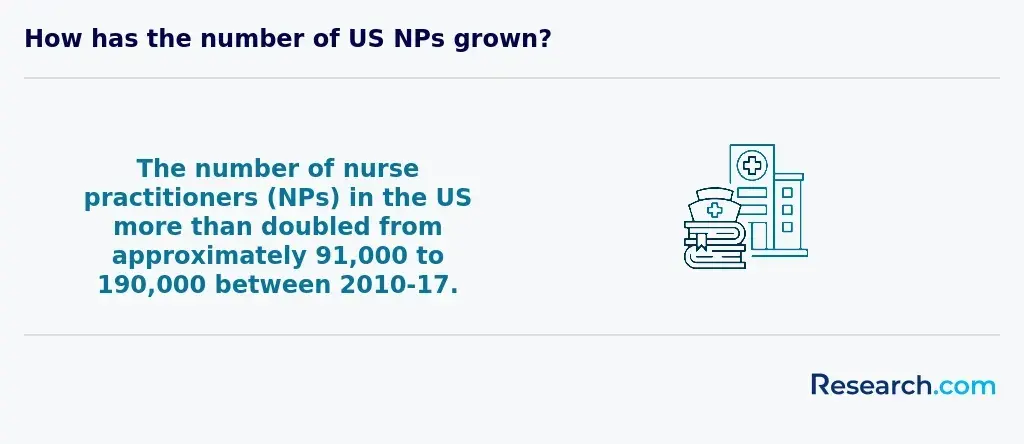
The chart below highlights that NPs have the highest employment growth among APRNs in the United States.
Can paramedics transition to nurse practitioner roles in Utah?
Yes, paramedics can move toward nurse practitioner roles, but they cannot skip the nursing licensure pathway. A paramedic’s emergency care experience can be valuable, especially in assessment, triage, crisis response, and patient communication, but Utah NP practice still requires RN licensure, graduate nursing education, national certification, and state licensure.
A practical route is to first enter nursing through a bridge or prelicensure pathway, become an RN, complete BSN-level preparation if required, and then apply to an MSN or DNP nurse practitioner program. Some candidates may start by comparing a paramedic to RN bridge program online with local campus options, especially if they need flexibility while continuing to work.
Paramedics should ask whether prior healthcare experience earns any credit, whether clinical hours are local, whether the program qualifies graduates for RN licensure, and whether the long-term pathway supports graduate NP admission.
What are the different specializations for nurse practitioners in Utah?
Utah nurse practitioners can specialize by patient population, setting, and clinical focus. The specialty you choose determines your graduate coursework, clinical placements, certification exam, likely employers, and long-term career direction.
The Family Nurse Practitioner track is the most common NP specialization in Utah, comprising nearly 70% of the NP workforce in the state. FNPs deliver care across the lifespan and are often associated with primary care, preventive services, chronic disease management, and patient education.
| NP Specialization | Typical Patient Focus | Common Work Settings |
| Family Nurse Practitioner | Patients across the lifespan | Primary care clinics, community health centers, outpatient practices, retail clinics |
| Pediatric Nurse Practitioner | Infants, children, and adolescents | Pediatric clinics, children’s hospitals, specialty practices, acute care settings |
| Adult-Gerontology Nurse Practitioner | Adolescents, adults, and older adults | Hospitals, primary care practices, specialty clinics, long-term care settings |
| Psychiatric-Mental Health Nurse Practitioner | Patients with mental health and behavioral health needs | Behavioral health clinics, hospitals, community mental health centers, telehealth settings |
| Women’s Health Nurse Practitioner | Women’s and reproductive health | OB-GYN practices, women’s health clinics, community health programs |
| Oncology Nurse Practitioner | Patients with cancer and related conditions | Cancer centers, hospitals, specialty practices, infusion clinics |
| Geriatric Nurse Practitioner | Older adults | Long-term care, primary care, geriatric clinics, home-based care models |
Pediatric Nurse Practitioners focus on care from infancy through adolescence, while Adult-Gerontology Nurse Practitioners work with adolescent, adult, and older adult populations in primary or acute care. Psychiatric-Mental Health Nurse Practitioners are increasingly important as the need for mental health assessment, therapy support, and medication management grows. Students exploring this field can compare role expectations with information about psychiatric nurse practitioner earnings.
Choose a specialty based on the patients you want to serve, not only on salary. Changing NP specialties later may require additional education, clinical hours, and certification.
Should nurse practitioners consider travel assignments for career diversification in Utah?
Travel and temporary assignments can help nurse practitioners broaden their clinical experience, compare healthcare systems, and build adaptability. These roles may expose NPs to different patient populations, documentation systems, staffing models, and care protocols.
However, travel work is not ideal for every NP. It can involve licensing logistics, variable onboarding quality, changing schedules, and less continuity with patients. Before accepting an assignment, confirm malpractice coverage, scope expectations, prescribing rules, credentialing timelines, housing arrangements, and whether the employer understands Utah practice requirements if the role is in-state.
Nurses who are still earlier in their careers may also want to understand how temporary clinical work can shape long-term mobility. For a related comparison, review travel LPN career requirements and consider how travel roles differ by license level and responsibility.
What are the common challenges nurse practitioners face in Utah?
Utah nurse practitioners may benefit from strong practice authority, but the role still comes with pressure. NPs often balance patient volume, documentation, prior authorization, prescribing oversight, care coordination, and employer productivity expectations. Rural and underserved settings can bring additional challenges, including limited referral options and heavier responsibility for broad primary care needs.
| Common Challenge | Why It Matters | Better Strategy |
| Administrative overload | Charting, billing documentation, quality measures, and prior authorizations can reduce time for patient care. | Ask employers about documentation support, EHR training, visit lengths, and administrative staffing. |
| Clinical isolation | Independent practice can feel demanding when specialist access or peer consultation is limited. | Build referral networks, join NP associations, and seek employers with mentorship or peer case review. |
| Compensation uncertainty | Salary can vary by specialty, region, employer type, productivity model, and benefits. | Compare total compensation, not just base pay, and review call expectations, bonuses, and malpractice coverage. |
| Regulatory complexity | Prescribing, renewal, documentation, and scope rules require ongoing attention. | Monitor DOPL updates and keep continuing education aligned with practice needs. |
| Reimbursement and billing issues | NPs may be affected by payer rules and documentation standards. | Understand revenue cycle basics; those comparing healthcare administration roles may also review the medical biller and coder pathway in Utah. |
The best way to reduce frustration is to evaluate the practice environment before accepting a role. Ask about patient panel size, support staff, collaboration culture, EHR workload, prescribing policies, call duties, and how productivity is measured.
How can I transition from an LPN to a Nurse Practitioner in Utah?
An LPN can become a nurse practitioner in Utah, but the route is multi-step. LPNs must first advance to registered nursing, complete BSN-level preparation or an approved bridge pathway, gain eligibility for graduate nursing study, complete an MSN or DNP nurse practitioner program, pass national certification, and obtain Utah NP licensure.
| Stage | Goal | Decision Point |
| LPN preparation | Build bedside nursing experience and foundational patient care skills. | If you are just starting, review how to become an LPN in Utah and compare it with direct RN pathways. |
| LPN to RN | Qualify for registered nursing licensure and broader clinical responsibility. | Compare program length, NCLEX-RN preparation, clinical requirements, and transfer credits. |
| RN to BSN or bridge route | Meet undergraduate preparation expectations for graduate NP admission. | Ask whether the school accepts prior nursing credits and whether a separate BSN is required. |
| MSN or DNP NP program | Complete advanced practice coursework and specialty clinical hours. | Choose the patient population you want before enrolling. |
| Certification and Utah licensure | Become eligible to practice as an NP. | Confirm certification exam alignment and DOPL application requirements. |
This pathway can take time, but it may be worthwhile for LPNs who want diagnostic authority, expanded clinical autonomy, prescribing responsibility, and long-term advancement in nursing.
How do I choose the right nurse practitioner program in Utah?
The right Utah nurse practitioner program is the one that qualifies you for licensure and certification while fitting your specialty goals, schedule, budget, and clinical placement needs. Rankings can help you build a shortlist, but they should not be your only decision tool. Start by reviewing the best nursing schools in Utah, then verify each program’s accreditation, specialty tracks, clinical support, and student outcomes.
| Question to Ask | Why It Matters |
| Is the program accredited by a recognized nursing accreditor? | Accreditation affects licensure eligibility, certification preparation, financial aid access, and employer confidence. |
| Does the program offer my intended NP specialty? | Your specialty determines your certification exam and the patient population you can serve. |
| Who finds clinical placements? | Programs that leave placement entirely to students may create delays, especially in competitive areas. |
| What is the total cost, including fees? | Tuition alone does not show the full financial commitment. |
| Can I study part time? | Working nurses may need a slower pace to manage employment, family responsibilities, and clinical hours. |
| Does the program prepare graduates for Utah licensure? | Online and out-of-state programs must still align with Utah requirements. |
| What support is available for certification exams? | Exam preparation can affect how quickly you move from graduation to licensure. |
Also ask to speak with current students or recent graduates if possible. They can provide practical insight into workload, faculty responsiveness, clinical placement quality, and whether the advertised flexibility matches the real student experience.
How important is program accreditation for nurse practitioners in Utah?
Accreditation is essential for future Utah nurse practitioners. An accredited program has been reviewed against recognized academic and clinical standards, and Utah licensure depends on completing an appropriate graduate nursing program. Accreditation can also affect national certification eligibility, transfer options, financial aid, and employer acceptance.
Students considering distance learning should be especially careful. Online format does not remove the need for approved clinical experiences, state authorization, and licensure alignment. If flexibility is important, compare the best online nursing programs in Utah, then verify whether each option is accredited and appropriate for NP licensure.
| Accreditation Mistake | Possible Consequence | What to Do Instead |
| Assuming every nursing graduate program leads to NP licensure | You may complete a degree that does not qualify you for the certification or license you need. | Confirm that the program is an NP track tied to a recognized population focus. |
| Choosing based only on online convenience | Clinical placement or state authorization problems can delay completion. | Ask how the program handles Utah clinical placements and licensure alignment. |
| Ignoring accreditor status | Certification or employment options may be limited. | Verify accreditation directly with the school and accrediting organization. |
| Failing to check specialty certification fit | You could graduate without eligibility for your intended exam. | Match the curriculum to the certification body and specialty you plan to pursue. |
How can nurse practitioners manage malpractice insurance and legal liabilities in Utah?
Malpractice coverage is a practical necessity for nurse practitioners. Even when an employer provides insurance, NPs should understand policy limits, exclusions, whether coverage is occurrence-based or claims-made, and whether tail coverage is needed after leaving a job.
Utah NPs should also pay attention to documentation quality, informed consent, prescribing practices, referral follow-through, test-result tracking, and scope-of-practice compliance. Many liability problems begin as workflow problems: missed follow-up, unclear charting, medication errors, or confusion over responsibility between providers.
- Request a copy or summary of employer-provided malpractice coverage before accepting a role.
- Ask whether legal defense costs are inside or outside the policy limits.
- Confirm whether the policy covers telehealth, moonlighting, volunteer work, and teaching activities.
- Document clinical reasoning, patient education, follow-up plans, and abnormal test-result management.
- Use professional associations or independent insurance brokers to compare individual coverage options.
NPs considering adjacent advanced practice roles can also compare liability and scope issues with other nursing careers, such as the pathway described in how to become a nurse midwife in Utah.
How do recent regulatory changes influence nurse practitioner practice in Utah?
Regulatory changes can affect how Utah nurse practitioners prescribe, document, renew licenses, supervise staff, use telehealth, and demonstrate continuing competency. Because full practice authority still operates inside a legal framework, NPs should monitor official state guidance rather than relying only on employer summaries or peer advice.
The safest approach is to check DOPL, Utah Board of Nursing materials, professional association updates, and official rules when making practice decisions. For a broader view of licensing expectations, review the Utah nursing license requirements and confirm current rules directly with the licensing agency when needed.
Regulatory awareness is especially important for new graduates, NPs moving to Utah from another state, telehealth providers, and clinicians prescribing controlled substances.
What are the job prospects for nurse practitioners in different specialties in Utah?
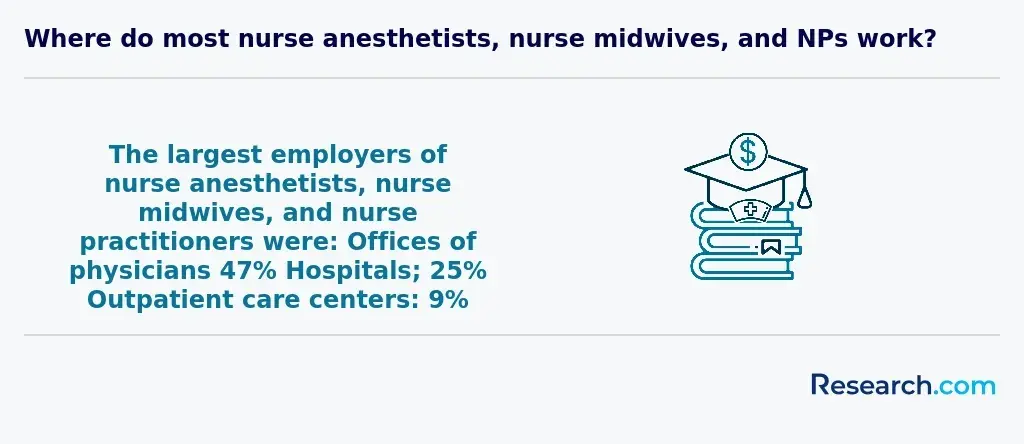
Utah’s job outlook for nurse practitioners is favorable, especially in primary care, emergency care, geriatrics, behavioral health, and settings serving rural or underserved communities. Utah currently has approximately 2,650 practicing NPs, and projections suggest this could rise to around 3,559 by 2028, representing growth of approximately 34.3%. That growth is associated with about 590 new positions over the next decade.
Nationally, the U.S. Bureau of Labor Statistics forecasts a 46% growth rate for NPs through 2033. Utah is expected to follow the broader demand trend because of population growth, access needs, and the continuing need for comprehensive and preventative healthcare services.
| Employer Type | How NPs Are Commonly Used | Specialties Often Relevant |
| Hospitals and healthcare systems | Provide care in emergency departments, inpatient units, specialty clinics, and outpatient services. | Adult-gerontology, emergency care, acute care, psychiatric-mental health |
| Primary care clinics | Manage preventive care, chronic diseases, routine visits, and patient education. | Family nurse practitioner, adult-gerontology, pediatric |
| Long-term care facilities | Support patients with chronic illness, functional decline, medication needs, and ongoing monitoring. | Adult-gerontology, geriatric, family |
| Community health centers | Expand access to care for underserved and rural patient populations. | Family, psychiatric-mental health, women’s health, pediatric |
| Specialty practices | Provide focused care for conditions such as cancer, mental health disorders, women’s health needs, or complex adult conditions. | Oncology, psychiatric-mental health, women’s health, adult-gerontology |
Some advanced practice nurses also explore highly specialized routes such as nurse anesthesia. Nurses considering that direction should understand how admissions differ and review tips for getting into CRNA school before assuming NP preparation and CRNA preparation are interchangeable.
What are the salary expectations for nurse practitioners in Utah?
Nurse practitioner salaries in Utah are competitive, but they vary by experience, specialty, location, employer type, schedule, call expectations, and productivity incentives. The average annual income for NPs in Utah is around $127,820, with total compensation increasing when bonuses and profit-sharing opportunities are included. Salaries typically range from $83,070 to $171,000. The Utah average is comparable to the national average of $128,490.
Urban areas such as Salt Lake City and Provo are among the higher-paying markets for nurse practitioners, with salaries often exceeding $145,000. Higher compensation in metropolitan areas can reflect larger healthcare systems, higher patient volume, specialty demand, and competition for advanced practice clinicians.
| Salary Factor | How It Can Affect NP Compensation |
| Experience level | New graduates generally earn less than NPs with years of independent clinical experience. |
| Specialty | Psychiatric-mental health, acute care, and specialty practice roles may pay differently than general primary care. |
| Location | Urban markets such as Salt Lake City and Provo may offer higher pay than some rural areas, though rural roles may have other incentives. |
| Employer type | Hospitals, private practices, community clinics, long-term care facilities, and telehealth employers may structure compensation differently. |
| Schedule and call | Evening, weekend, on-call, emergency, or high-acuity work may influence total compensation. |
| Benefits | Retirement contributions, malpractice coverage, CME funds, paid time off, and loan repayment options can materially change total value. |
When evaluating an offer, do not compare base salary alone. Ask about patient volume, visit length, administrative time, bonus formulas, malpractice insurance, call duties, paid continuing education, license reimbursement, and whether the role supports your certification renewal requirements.
Nurses who want to move away from direct clinical care into executive leadership may eventually consider healthcare administration training. One option for experienced professionals is to compare accelerated executive MHA programs after gaining relevant work experience and meeting any required credentials.
What are the emerging trends shaping nurse practitioners' roles in Utah?
Several trends are influencing how nurse practitioners practice in Utah. Telemedicine and digital health tools are expanding access for patients who live far from major healthcare centers. Electronic health record optimization, remote monitoring, and predictive analytics can support more coordinated care, although they also require NPs to become comfortable with data-driven workflows and documentation demands.
Full practice authority continues to shape the role of NPs in primary care and underserved areas. At the same time, employer expectations are changing. Many organizations expect NPs to manage complex patient panels, contribute to quality metrics, coordinate interdisciplinary care, and understand cost-conscious practice.
Behavioral health demand is another important force. Psychiatric-Mental Health Nurse Practitioners may find opportunities in community health, telehealth, integrated primary care, and specialty behavioral health settings. Primary care NPs are also increasingly expected to identify mental health needs and coordinate referrals.
For nurses still mapping the earlier stages of the profession, how to become a nurse in Utah can help clarify the RN pathway before advanced practice decisions begin.
What additional professional development options are available for nurse practitioners in Utah?
Professional development helps Utah nurse practitioners stay current, maintain licensure, and move into higher-responsibility roles. The best options depend on whether the NP wants to deepen clinical expertise, move into leadership, teach, conduct research, or expand into a complementary area of patient care.
- Specialty certification or post-graduate certificates: Useful for NPs who want to add another population focus or shift specialties.
- Leadership and administration training: Helpful for NPs moving into clinic management, quality improvement, operations, or policy roles.
- Clinical workshops: Valuable for procedure skills, pharmacology updates, chronic disease management, behavioral health, and evidence-based practice.
- Informatics and digital health training: Increasingly relevant for telehealth, EHR optimization, population health, and data-supported care.
- Professional association involvement: Supports networking, legislative awareness, mentorship, and continuing education.
- Complementary health expertise: Some clinicians broaden patient education skills through related fields such as nutrition; for context, review how to become a nutritionist in Utah.
Key Insights
- The Utah NP pathway is structured but manageable. You need RN licensure, graduate NP education, national certification, and Utah licensure through DOPL.
- MSN and DNP programs can both lead to NP practice. The better choice depends on your goals, budget, timeline, and interest in leadership or doctoral-level preparation.
- Accreditation is nonnegotiable. Before enrolling, confirm that the program is accredited, aligned with Utah licensure requirements, and designed for your intended certification exam.
- Clinical placement support can make or break the experience. Ask whether the school secures clinical sites or expects students to find preceptors independently.
- Utah offers strong practice autonomy. Full practice authority allows NPs to diagnose, treat, and prescribe, but state prescribing rules and legal limits still apply.
- Salary should be evaluated as total compensation. The average Utah NP salary is around $127,820, but benefits, bonuses, malpractice coverage, call duties, workload, and location all matter.
- Specialty choice has long-term consequences. Family practice, pediatrics, adult-gerontology, psychiatric-mental health, women’s health, oncology, and geriatric care each lead to different roles and patient populations.
- Do not choose a program based only on tuition or rankings. Compare accreditation, total cost, certification preparation, clinical support, schedule flexibility, and Utah licensure fit.
Related Articles for Nearby States
- 2027 How to Become a Nurse Practitioner in Nevada
- 2027 How to Become a Nurse Practitioner in Arizona
- 2027 How to Become a Nurse Practitioner in Idaho
- 2027 How to Become a Nurse Practitioner in Wyoming
- 2027 How to Become a Nurse Practitioner in Colorado
- 2027 How to Become a Nurse Practitioner in New Mexico
- 2027 How to Become a Nurse Practitioner in California
- 2027 How to Become a Nurse Practitioner in Montana
- 2027 How to Become a Nurse Practitioner in Oregon
- 2027 How to Become a Nurse Practitioner in Washington
References:
- ANA Enterprise (2023, April 25). Types of Nurse Practitioner Specialties. ANA Enterprise
- BLS (2024, April 3). 29-1171 Nurse Practitioners. BLS occupational employment data for nurse practitioners
- BLS (2024, August 29). Nurse Anesthetists, Nurse Midwives, and Nurse Practitioners. BLS Occupational Outlook Handbook
- Cornell Law School (2023, March). Utah Admin. Code R156-31b-703b - Scope of Nursing Practice Implementation. Cornell Law School
- Health Resources, & Services Administration (2022). NCHWA Nursing Workforce Dashboard. Health Resources & Services Administration nursing workforce dashboard
- NCSL Scope of Practice Policy. State Overview: Utah. NCSL Scope of Practice PolicyHRSA nursing workforce data
- Rocky Mountain University (2024). Master of Science in Nursing · MSN. Rocky Mountain University tuition and fees
- The Utah Medical Education Council (2017). Utah’s Advanced Practice Registered Nurse Workforce, 2017: A Study of the Supply and Distribution of APRNs in Utah. The Utah Medical Education Council APRN workforce reportRocky Mountain University MSN tuition informationHRSA nursing workforce dashboards
- University of Utah (2024). 2024-2025 Tuition and Fees per Academic Semester. University of Utah graduate nursing tuition and fees
- University of Utah tuition document University of Utah. Family Primary Care. University of Utah Family Primary Care specialty track
- Westminster University. Master of Science in Nursing-Family Nurse Practitioner. Westminster University MSN-FNP program
- Zborg, M. (2022, October 10). Ask a Professor: The NP Practice Environment in Utah. NPSchools guide to NP practice in Utah
Other Things You Should Know About Becoming a Nurse Practitioner in Utah
In 2027, the Utah Division of Occupational and Professional Licensing (DOPL) regulates nurse practitioner licensure. They oversee the licensing requirements, application process, and ensure compliance with state regulations for nurse practitioners practicing within Utah.
To become a nurse practitioner in Utah in 2027, you need a Bachelor of Science in Nursing (BSN) degree, an active RN license, and acceptance into a graduate program. After completing a Nurse Practitioner (NP) program, certification through a recognized body is necessary for practice.
Utah accepts certification from a national nurse practitioner certifying body in the same population focus as the graduate program. Common exams include ANCC and AANPCB, and the certification must remain current for APRN licensure through the Utah Division of Professional Licensing.


