2027 Online Health Informatics Master's Programs at Accredited U.S. Universities

Co-Founder and Chief Data Scientist
Choosing an online health informatics master's program involves more than tuition and coursework. Admission criteria vary widely, with some programs requiring extensive experience or standardized tests, while others offer flexibility for career changers. Recent federal data shows a 12% increase in online graduate enrollments in health-related fields since 2022, highlighting growing demand but also intensifying competition.
Prospective students must weigh delivery formats, hidden fees, and accreditation status carefully, as these factors affect eligibility for financial aid and employer recognition. This analysis guides decision-making by foregrounding outcomes, licensing relevance, and true cost beyond sticker prices, critical for balancing investment against career trajectory in a shifting labor market.
Key Things to Know About Online Health Informatics Master's Programs at Accredited U.S. Universities
- Admission requirements often include professional experience and prerequisite courses, creating a barrier for recent graduates but aligning candidates with workforce expectations for practical skills.
- Program structures vary between asynchronous and cohort-based models; this tradeoff affects peer networking opportunities versus flexible pacing, influencing long-term career mobility.
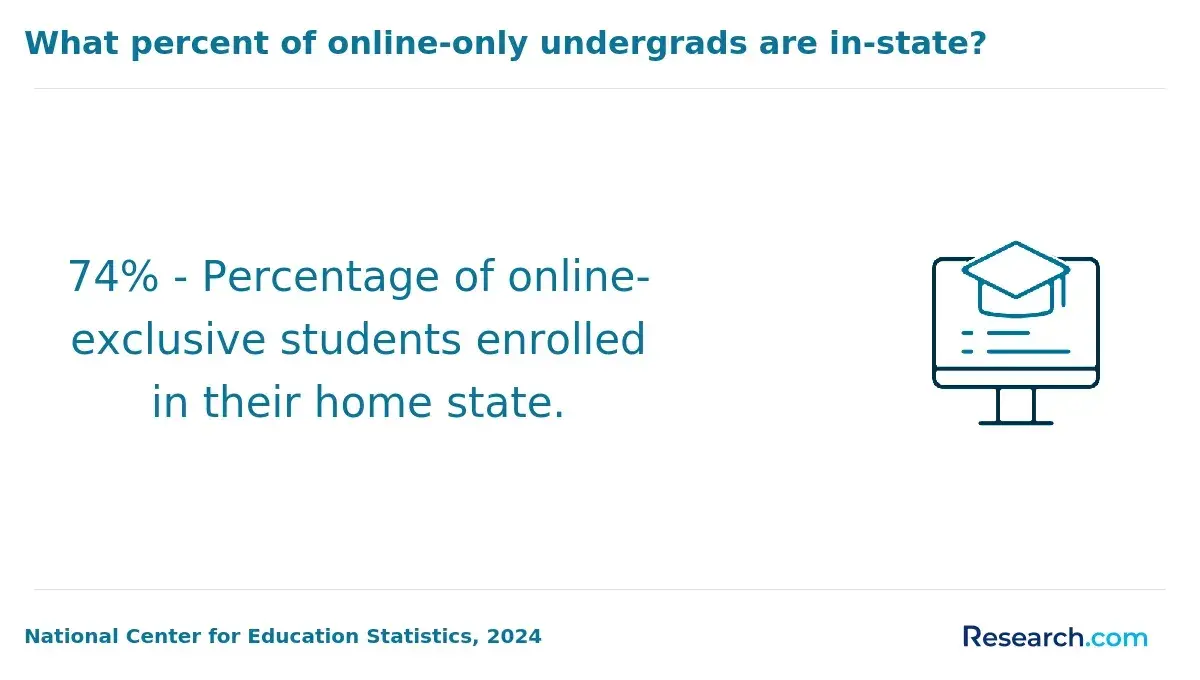
- Rising online education enrollment (up 12% in 2023 per National Center for Education Statistics) underscores increased access but may also pressure programs to balance affordability with hidden fees, impacting cost-benefit decisions.
What Is the Overall Structure and Purpose of Online Health Informatics Master's Programs at Accredited U.S. Universities?
Online health informatics master's programs at accredited U.S. universities address a critical need for accessible yet academically rigorous education that equips students with interdisciplinary expertise across healthcare, IT, and data analytics. These programs serve diverse learners-including working professionals balancing schedules, first-generation graduate students navigating unfamiliar graduate structures, and recent graduates weighing financial and professional returns-with a curriculum designed to translate directly into evolving workforce demands. The distinguishing factor lies in how these online programs balance flexibility without diluting academic depth, which is crucial for sustaining employer confidence and meeting credentialing standards.
- Program Structure: Most programs require between 30 and 45 credit hours, blending core courses covering healthcare systems and information science with specialized electives that reflect current industry trends and data-driven decision-making needs.
- Delivery Methods: Coursework is largely asynchronous to accommodate varied schedules, supplemented in many cases by synchronous sessions, which replicate on-campus interaction for collaboration and networking-though outcomes here vary depending on students' initiative and program design.
- Time-to-Degree: Full-time students typically finish within two years, but part-time pathways are common, allowing completion over three to five years to suit working professionals or those managing other commitments.
- Accreditation Role: Accreditation bodies set benchmarks that assure curricular relevance and academic rigor. This vetting is a key factor for employers and licensing institutions that scrutinize program credibility, especially in a field where practical, verifiable competencies are paramount.
- Distinguishing Online from On-Campus: While on-campus programs may offer richer in-person networking and immediate access to faculty, online degrees prioritize accessibility and often integrate advanced digital tools that build vital fluency. This tradeoff requires prospective students to consider their learning preferences and professional networking needs carefully.
Which Accrediting Bodies Recognize Online Health Informatics Master's Programs, and Why Does Accreditation Status Matter?
Choosing an online health informatics master's program without careful attention to accreditation can jeopardize financial aid opportunities and limit career advancement. Credential recognition by licensing boards and employers frequently hinges on the specific type of accreditation a program holds, making this a critical factor for prospective students to navigate.
Two main accreditation categories shape the credibility and utility of health informatics programs in the U.S.: regional and programmatic accreditation. Each serves distinct purposes and carries unique implications depending on a learner's career goals and geographic context.
- Regional Accreditation: Issued by one of six federally recognized accrediting bodies, regional accreditation validates the overall quality of an institution rather than individual programs. This status is essential to qualify for federal financial aid and ensures broader acceptance of transfer credits, crucial for students who might later pivot to different schools or programs.
- Programmatic Accreditation: Concentrated specifically on health informatics curricula, this type is granted by industry-focused organizations such as the Commission on Accreditation for Health Informatics and Information Management Education (CAHIIM). Programmatic approval often affects eligibility for certification exams and is a significant criteria for employers who prioritize graduates from rigorously vetted informatics pathways.
- Credit Transfer and Financial Aid: Only degrees from regionally accredited institutions reliably enable student access to federal loans and grants. Transfer of credits between institutions predominantly depends on regional accreditation, impacting academic flexibility for non-traditional or place-bound students.
- Licensing and Employer Recognition: States and employers may require graduation from a program with specific programmatic accreditation. Without it, graduates risk ineligibility for professional certification and diminished competitiveness in the labor market.
- Variability of Accreditation Impact: Not all accreditation agencies hold equal sway. Students should confirm their program's accreditation aligns with state licensing authorities and targeted employers before weighing cost or format factors, preventing costly misalignment with professional standards.
What Are the Admission Requirements for Online Health Informatics Master's Programs at Accredited U.S. Universities?
Admission requirements for online health informatics master's programs at accredited U.S. universities often reflect a balance between academic credentials and practical readiness, influencing both access and competitiveness. While meeting baseline qualifications is necessary, the real challenge lies in navigating variations across institutions, which impacts a candidate's likelihood of acceptance and subsequent workforce alignment.
For example, applicants with a 3.0 undergraduate GPA may find broader options among public universities with open enrollment policies, whereas private or highly selective programs demand stronger academic records and relevant experience, signaling greater program rigor and career expectations.
Key aspects to consider include:
- Undergraduate GPA: Most programs require a minimum around 3.0 on a 4.0 scale, but competitive schools often expect higher GPAs that correlate with their more demanding curricula and admission standards.
- Prerequisite Coursework: Fundamental knowledge in biology, computer science, or statistics is typical, though some programs accommodate non-traditional backgrounds by offering prerequisite courses during or before the degree.
- Letters of Recommendation: Usually two to three letters focusing on academic performance or professional aptitude are needed; career changers benefit from professional references highlighting transferable skills.
- Personal Statement: This narrative should clearly articulate one's motivation and relevant experiences, providing insight beyond quantitative metrics and reinforcing program fit.
- Standardized Tests: The GRE is often optional or waived, especially post-pandemic, yet top-tier programs may still require strong GRE scores to distinguish candidates.
- Professional Experience: Though not universally mandated, having healthcare, IT, or data analytics experience strengthens applications, particularly for programs with practice-driven curricula.
- Institution Type and Selectivity: Public universities with open enrollment offer wider access but may present different employer perceptions than more selective private institutions, which usually enforce stricter standards and attract applicants with more specialized backgrounds.
- Competitive Edge Versus Minimums: Simply meeting stated thresholds rarely ensures admission into selective programs; applicants should research median admitted profiles to accurately gauge their competitiveness.
- Non-Traditional Applicants: Career changers, those with lower GPAs, or degrees outside health informatics fields can still enter through conditional admissions, prerequisite work, or leveraging professional experience, broadening viable pathways.
These factors complement a broader evaluation that also weighs program costs, delivery formats, and career outcomes. For those comparing opportunities or balancing tuition investment against employability, resources like MHA online programs offer helpful context when considering adjacent or complementary healthcare administration pathways in parallel.
What Is the Minimum GPA Requirement for Health Informatics Master's Program Admission, and How Does Selectivity Correlate With Program Reputation?
Minimum undergraduate GPA requirements for admission to online health informatics master's programs vary across accredited U.S. universities, but most hover around a 3.0 on a 4.0 scale. Higher GPA cutoffs often indicate more selective programs with reputations tied to strong licensure pass rates and graduation outcomes.
However, this correlation is not absolute. Some open-admission institutions with lower GPA floors produce graduates who perform comparably on certification exams, emphasizing the practical value of curriculum design and student support rather than prestige alone.
Applicants should view GPA requirements as initial filters rather than definitive measures of competitiveness. Holistic admissions processes evaluate work experience, recommendation letters, personal statements, and relevant certifications alongside academic metrics.
Candidates slightly below GPA minimums can still be viable if they demonstrate strengths in other areas. For those with lower undergraduate GPAs, conditional acceptance routes, post-baccalaureate certificates, or bridging coursework can bolster academic readiness and improve candidacy.
- Minimum GPA Thresholds: Most programs mandate a 3.0 minimum, while some competitive programs require 3.2 or above. Exceptions exist for those with lower GPAs supplemented by professional achievements.
- Selectivity and Outcomes: While selective programs generally show higher licensure exam pass rates and graduation statistics, some less selective programs deliver comparable results due to applied training and support services.
- Holistic Review: GPA is one element within a broader evaluation framework that weighs academic preparation against professional and personal qualifications.
- Alternative Admission Paths: Conditional admission or preparatory credentials help applicants strengthen their profiles when minimum GPA criteria are not met.
- Practical Decision Tradeoffs: A higher GPA may open doors but must be balanced against tuition costs, program flexibility, and long-term career alignment.
A recent graduate recounts applying amid rolling admissions and waiting weeks for decisions from programs with varying GPA cutoffs. Though initially deterred by a slightly below-3.0 GPA, they leveraged extensive healthcare experience and timely follow-up communications to offset academic weaknesses. The uncertainty during the waiting period influenced their application strategy, prompting them to apply broadly but prioritize programs offering conditional admission. Ultimately, acceptance into a less selective program with strong student support allowed them to progress without excessive delay, highlighting the nuanced interplay of GPA thresholds, timing, and strategic application choices in the admission process.
How Many Credit Hours Are Required to Complete an Online Health Informatics Master's Program, and How Does This Affect Total Cost and Time-to-Degree?
Online master's programs in health informatics at accredited U.S. institutions typically demand between 30 and over 60 credit hours, with variation tied to factors such as accreditation criteria, the inclusion of thesis or capstone projects, and required practicum or internships. Programs in this field often require more credits than other master's degrees because the curriculum integrates health care, IT, and data analytics, reflecting the complexity employers expect in candidates.
Financially, total program cost results from multiplying the per-credit tuition by the total credit requirement. For instance, completing a 30-credit program at $700 per credit costs $21,000, whereas a 60-credit program charging $400 per credit totals $24,000, illustrating that lower tuition rates per credit do not always mean lower overall expense.
Time-to-degree considerations are crucial, especially for part-time students balancing work and study. Higher credit requirements often extend the program duration, increasing living expenses, reducing potential income due to delayed full-time employment, and amplifying opportunity costs associated with postponed career advancement.
Prospective students should prioritize total credit requirements over per-credit tuition when comparing programs to develop realistic budgets and timelines. A heavier credit load can indicate more thorough preparation but necessitates assessing whether the additional time and financial investment align with individual career goals and market demands.
What Specializations and Concentrations Are Available in Online Health Informatics Master's Programs at Accredited Universities?
Choosing a specialization within an online health informatics master's program at accredited U.S. universities significantly shapes both career trajectories and the total cost of education. For example, a working professional targeting roles in clinical decision support might benefit from a Clinical Informatics focus embedded in the core curriculum, avoiding extra credits and expenses. In contrast, another student aiming for health data analytics leadership may pursue an elective cluster or add-on certificate requiring additional time and tuition but offering distinct market advantages.
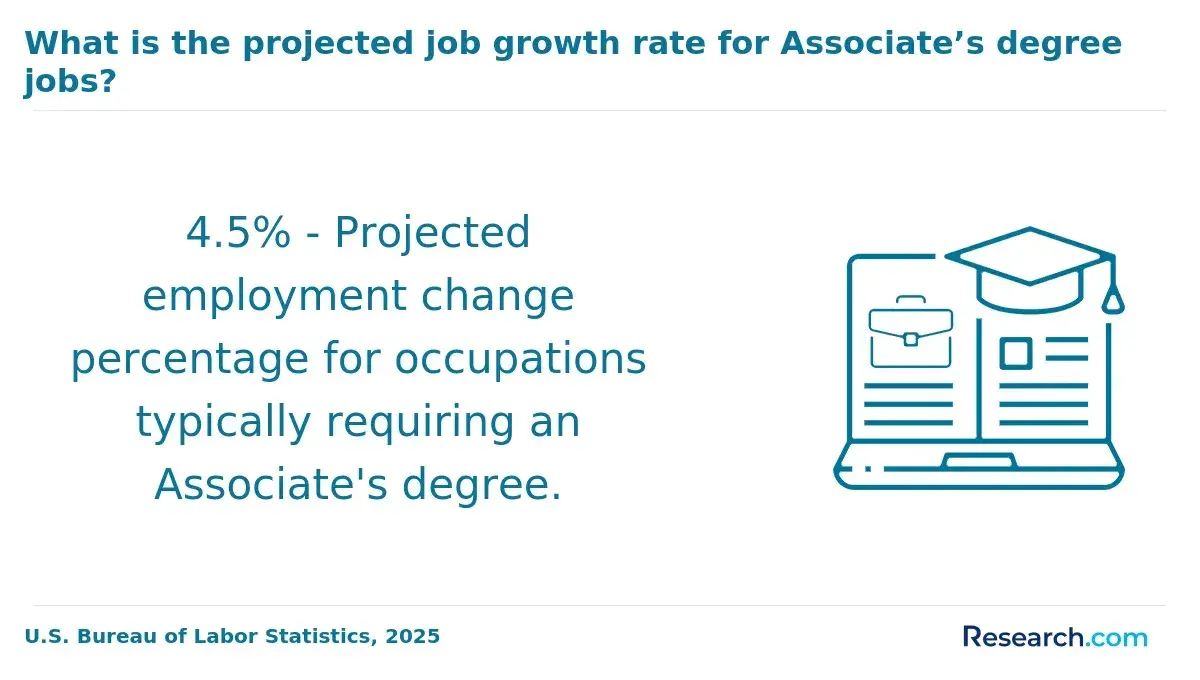
The structure of these specializations-whether fully integrated, optional, or as certificate add-ons-directly impacts time-to-degree and financial investment, critical factors for students balancing opportunity costs and professional goals. Understanding which pathways align strongest with labor market demand is essential; Bureau of Labor Statistics data endorse specializations like Clinical Informatics and Health Data Analytics for higher employment growth and salary premiums due to their pivotal roles in healthcare data management and outcomes improvement.
Beyond name recognition, the practical value of a concentration hinges on faculty expertise grounded in real-world health informatics applications and whether the program and specialization are recognized by licensing boards or respected by employers. This nuanced evaluation aids in selecting programs not only for academic credentialing but also for tangible workforce relevance.
- Common Specializations: Clinical Informatics, Data Analytics, Health IT Management, Consumer Health Informatics, and Public Health Informatics, each addressing different employer needs from electronic health record optimization to population health interventions.
- Career Alignment: Specializations such as Clinical Informatics and Health Data Analytics show stronger employment growth and wage benefits, reflecting industry reliance on data-driven decision-making.
- Program Structure: Some programs embed concentrations within the core curriculum requiring no extra credits, while others offer them as elective clusters or certificate add-ons, affecting study length and costs.
- Faculty Expertise: The practical value of concentrations depends heavily on instructors' professional backgrounds, which influence curricular relevance and employer reputation.
- Licensing and Employer Recognition: Graduates should verify if specializations meet certification standards or are well recognized to enhance employability and career progression.
- Cost Considerations: Add-on certificates or extra electives increase tuition and time commitments, necessitating careful financial and career planning.
For working professionals, recent graduates, and place-bound or first-generation students, comprehensively assessing available concentrations within online health informatics master's program specializations at accredited US universities is indispensable. This includes not only curriculum details but also faculty credentials, alignment with labor market demand, and certification recognition. Those researching MHA online programs will find that strategic specialization selection intertwines with admissions, costs, delivery format, and long-term professional outcomes.
How Do Online Health Informatics Master's Programs at U.S. Universities Compare in Format-Synchronous, Asynchronous, and Hybrid Delivery?
Choosing between asynchronous, synchronous, and hybrid delivery formats in online health informatics master's programs involves weighing fundamental tradeoffs in flexibility, engagement, and overall cost. Professionals balancing irregular work hours or family commitments often find fully asynchronous models offer critical autonomy to manage studies independently, though this can limit immediate peer interaction and direct instructor feedback. Conversely, synchronous live-online programs foster real-time discussion and swifter guidance but may introduce scheduling conflicts, especially across time zones, and typically carry higher tuition reflecting more intensive faculty involvement and technology needs.
Hybrid formats combine virtual coursework with occasional on-campus requirements, enhancing practical exposure and peer networking at the expense of travel-related expenses and logistical complexity, sometimes blurring the definition of "online" and amplifying total investment.
- Fully Asynchronous: Students access content on demand without fixed meeting times, demanding strong self-discipline and comfort with solo study while benefiting from potentially lower tuition and fewer technology demands.
- Synchronous Live-Online: Scheduled live classes promote interactive learning and prompt feedback but reduce scheduling flexibility and can disadvantage those in diverse time zones or unstable work situations, often costing more due to real-time engagement infrastructure.
- Hybrid Delivery: Combines online learning with compulsory campus visits enhancing hands-on experience and cohort cohesion but adds travel costs and planning challenges, requiring scrutiny of total expenses beyond tuition.
Assessing these formats requires clarifying synchronous participation expectations, on-campus session frequency, and the robustness of required technology platforms. Simply seeing "online" is insufficient; nuanced understanding of time demands and hidden costs can prevent attrition and support degree completion aligned with career goals.
One graduate recalled hesitating midway through a rolling admissions cycle due to delayed communication about the program's synchronous requirements. Uncertain whether live classes conflicted with their full-time job schedule, the candidate weighed waiting for clearer details against risking a late application. Ultimately, getting precise timing information allowed the applicant to adjust work commitments confidently, illustrating how critical timely, transparent program disclosures are for candidates navigating the complexities of online health informatics education alongside professional obligations.
What Is the Average Cost per Credit Hour for Online Health Informatics Master's Programs, and How Does It Differ Across Institution Types?
Cost per credit hour is the most direct financial metric influencing decisions about online health informatics master's programs, yet it often obscures deeper tradeoffs important to working professionals and recent graduates alike. Public universities tend to offer the lowest rates-typically between $400 and $900 per credit hour-especially for in-state students who benefit from state subsidies.
However, out-of-state students frequently encounter rates nearing private nonprofit levels, eroding initial savings. Private nonprofit institutions charge between $800 and $1,500 per credit but may provide more robust financial aid and networking opportunities that affect long-term career prospects.
Private for-profit schools fall in an intermediate range, generally $600 to $1,000 per credit hour, yet their pricing models often include additional program-level fees that push total costs beyond sticker prices. Since many employers in healthcare increasingly value practical experience alongside credentials, understanding the true cost implications-beyond published rates-is vital where total program cost hinges also on credit requirements, hidden fees, and financial aid availability.
Enrollment data indicate many candidates finalize participation weeks before term start, highlighting a critical window for understanding financial aid timelines and fee disclosures. Realistically, tuition sticker prices rarely reflect final out-of-pocket costs due to scholarships or employer tuition assistance. Prospective students should treat per-credit costs as a preliminary benchmark within a broader evaluation framework to compare offers and predict total investment aligned with their career transition goals in health informatics.
- Public Universities: Charge $400-$900 per credit, with significant in-state discounts and higher out-of-state rates near private nonprofit levels.
- Private Nonprofit Institutions: Range $800-$1,500 per credit; often complement costs with financial aid and richer professional networks.
- Private For-Profit Schools: Typically $600-$1,000 per credit but add program fees raising total expenses beyond per-credit prices.
- Residency and Fees: Residency mainly impacts public tuition; all schools may impose additional technology, materials, and accreditation fees.
- Pricing Models: Sticker prices exclude scholarships, employer tuition help, and non-tuition charges like exam proctoring.
- Interpretation Framework: Per-credit data serve as an initial cost benchmark; total expenses depend on credit load, aid, and hidden fees.
Balancing these factors is key, especially for place-bound or career-changing students weighing offers. Additionally, those curious about workforce realities might explore compensation benchmarks such as how much do pharmaceutical sales reps make, reflecting adjacent health sector earnings that contextualize education investments.
How Do In-State and Out-of-State Tuition Policies Apply to Online Health Informatics Master's Programs, and Which Schools Offer Flat Residency-Neutral Rates?
In-state and out-of-state tuition policies continue to influence enrollment costs for online health informatics master's programs at accredited U.S. institutions, shaping access and affordability in meaningful ways. Most public universities have traditionally maintained higher tuition rates for out-of-state students, including those enrolled in fully online programs, reflecting legacy funding models tied to state tax revenues.
This distinction often forces prospective students to weigh whether the added cost of out-of-state tuition justifies attending certain programs, especially for those balancing full-time work, family commitments, or geographic constraints.
However, a growing share of best accredited U.S. universities offering flat residency tuition rates for online health informatics master's degrees have shifted to uniform per-credit pricing regardless of location. This approach simplifies budgeting for students and better reflects the standardized costs of program delivery and administration which do not materially vary by student residence.
For example, a working professional in a state without a local program can access the same tuition rate as an in-state peer, removing financial barriers tied solely to residency status.
- Residency-Neutral Tuition: Several regionally accredited public universities now offer online Health Informatics master's degrees with flat per-credit tuition, eliminating any price discrimination based on residency to better accommodate geographically diverse cohorts.
- Traditional Residency-Based Pricing: Many programs still apply differential tuition rates, charging out-of-state students significantly higher fees, which can limit program choice for non-residents and require tradeoffs between cost and program quality.
- Tuition Reciprocity Agreements: Initiatives such as the Western Interstate Commission for Higher Education (WICHE), Southern Regional Education Board (SREB), and Midwest Student Exchange Program reduce tuition costs for eligible out-of-state students at participating schools, offering a compromise between uniform pricing and traditional differentials.
- Verifying Costs: Given the frequent policy changes and outdated marketing materials, prospective students should directly contact a program's bursar or financial aid office to confirm the current tuition pricing and any applicable reciprocity agreements before committing financially.
Deciding between in-state versus out-of-state tuition frameworks substantially impacts long-term financial planning and program accessibility. Working professionals especially benefit from flat residency tuition rates that align program costs with delivery realities rather than residency, easing budgeting and reducing hidden expenses.
Those evaluating multiple admission offers should consider not only tuition differences but the broader value proposition, including program outcomes and licensure recognition. More information on navigating advanced healthcare degrees can be explored through comprehensive resources such as easiest nurse practitioner degree programs, which highlight varying tuition and program flexibility considerations across healthcare education pathways.
What Mandatory Fees and Hidden Costs Are Added to Tuition for Online Health Informatics Master's Programs?
Deciding among online Health Informatics master's programs requires recognizing that listed per-credit tuition often masks substantial mandatory fees and hidden costs outside standard calculations. For working professionals balancing budgets and career goals, these additional expenses can alter comparative affordability and potentially affect enrollment choices. A program with a low sticker tuition may impose recurring or one-time costs that cumulatively surpass offers with higher per-credit rates but fewer extra charges, influencing total financial commitment and time-to-completion decisions.
- Technology Fees: Typically assessed per semester or annually, these fees cover digital platforms, secure exam environments, and virtual lab access critical to remote learning infrastructure.
- Program or Course Fees: Some institutions add charges for specialized courses or program administration, including access to proprietary health informatics software or databases essential for practical training.
- Student Services Fees: Fees supporting academic advising, career counseling, and library resources may total several hundred dollars each term, reflecting institutional support services often overlooked in upfront tuition figures.
- Graduation Fees: One-time costs for diploma processing and graduation application can unexpectedly burden students near program completion.
- Liability Insurance and Background Checks: For practicum components required by many programs, students often incur mandatory payments for insurance and state-specific criminal background checks, which vary considerably by clinical site and license jurisdiction.
- Proctoring Fees: Remote exam delivery frequently includes per-test surcharges for secure proctoring, increasing costs proportionally with credit load and assessment frequency.
- Required Software and Textbooks: Licenses for advanced analytics tools or electronic health record systems, alongside updated textbooks, represent recurring investments necessary for skill application but rarely covered by tuition.
- Licensing Exam Preparation: Optional or required preparatory courses or materials for certification exams relevant to Health Informatics professionals may incur additional expenses, adding complexity to budgeting.
Such costs accumulate over programs typically spanning 30 to 45 credits and can differ widely with program design, especially for those including in-person residencies or extended fieldwork. Notably, with over 25% salary growth projected in Health Informatics roles from 2022-2032 according to the U.S. Bureau of Labor Statistics, prospective students must weigh these hidden cost variables carefully against program outcomes and employment prospects.
Contacting current students or recent graduates remains one of the most reliable methods to uncover total out-of-pocket expenses beyond official disclosures, ensuring a realistic financial picture that aligns with individual workforce objectives when considering easy degrees that pay well, as well as geographic constraints.
What Graduates Say About Online Health Informatics Master's Programs at Accredited U.S. Universities
- Armando: "Balancing a full-time job and family meant I had limited hours to dedicate weekly, so I chose an online health informatics master's program known for its flexible pacing. The decision to prioritize programs offering practical projects paid off, as my portfolio helped me secure an internship that employers clearly valued more than formal licensure in my region. While salary growth has been slower without certifications, I've built the hands-on experience crucial for advancing in this niche."
- Damien: "I switched careers later in life and needed a program that wouldn't break the bank while providing meaningful connections to healthcare employers. Opting for an online master's with a strong emphasis on data specialization gave me technical skills that directly translated to a remote analyst role. However, I quickly learned that the marketplace still favors candidates with clinical experience, so I'm now planning to complement my degree with certifications to remain competitive."
- Aiden: "After graduation, I realized many hiring managers prioritize internships and demonstrated competencies over the degree alone, which made me cautious during my job search. I chose a program that integrated an internship component because I wanted a clear transition into the workforce despite the heavy workload juggling coursework and part-time consulting. Though I landed a role with a well-known provider, I am mindful that upward mobility might require additional licensure or advanced credentials down the line."
Other Things You Should Know About Health Informatics Degrees
Most online health informatics master's programs at accredited U.S. universities can be completed in 18 to 24 months. Programs typically require around 30 to 36 credit hours, which may include a combination of core courses, electives, and a capstone project.
Typical admission requirements for online health informatics master's programs include a bachelor's degree in a related field, a minimum GPA of 3.0, letters of recommendation, and possibly GRE scores. Some universities may also require prerequisite courses in statistics or health sciences.
Many accredited U.S. programs do not require the GRE, but some still list it as optional or recommend it for applicants with weaker GPAs. Admission decisions usually rely more on a completed bachelor’s degree, transcripts, prerequisite coursework, and professional experience in healthcare or IT.
Public universities typically offer more affordable tuition and often receive better recognition in public healthcare systems, but they may have larger class sizes and less personalized career support. Private nonprofit institutions tend to have higher costs but may deliver more tailored advising and stronger alumni networks that facilitate job placement. For-profit programs, although sometimes more flexible, often carry higher tuition relative to perceived outcomes and may lack the broad employer respect crucial for early-career hires. Prioritizing cost-effectiveness means assessing total expenses against demonstrated graduate success and employer engagement.
References
- Top 30 Best Online Master’s in Healthcare Informatics Degree Programs 2020 - Healthcare Administration Degree Programs https://www.healthcare-administration-degree.net/best/online-masters-healthcare-informatics-programs/
- Master’s in Health Informatics https://nursinglicensemap.com/resources/healthcare-degree-programs/masters-in-health-informatics/
- Health Informatics - CAHIIM https://www.cahiim.org/accreditation/health-informatics/
- M.S. in Health Informatics https://financialaid.mercer.edu/cost-of-attendance/graduate-and-professional/college-of-professional-advancement/m-s-in-health-informatics/
- Value, Structure, and Curriculum in US Graduate Health Informatics Programs: Cross-Sectional Study https://mededu.jmir.org/2026/1/e87479
- A Complete Guide to Studying Health Informatics in the USA https://www.applash.ai/study-health-informatics-usa
- Health Informatics (Master of Science) Costs https://www.creighton.edu/cost-aid/find-costs/health-informatics-master-science-costs
- Costs and Financial Aid https://www.kumc.edu/school-of-health-professions/academics/departments/health-information-management/academics/health-informatics/master-of-science-in-health-informatics/costs-and-financial-aid.html
- Health Informatics https://www.downstate.edu/education-training/school-of-health-professions/programs/health-informatics/index.html
- Commission on Accreditation for Health Informatics and Information Management Education - (CAHIIM) https://www.chea.org/commission-accreditation-health-informatics-and-information-management-education