2027 Online Health Informatics Master's Curriculum Breakdown: Core Courses & Specializations

Co-Founder and Chief Data Scientist
Shifts in healthcare data complexity and employer demand are redefining how online health informatics master's programs must be structured to produce adaptable professionals. Curriculum choices directly impact specialization depth, affecting certification eligibility and alignment with emerging roles in data governance, clinical analytics, or interoperability. Strategic course selection influences workload balance but also shapes access to fast-developing industry segments, where overspecialization risks narrowing employability.
Sequencing constraints may delay skill acquisition critical for evolving standards, while gaps between theoretical content and applied needs challenge immediate workforce readiness. This analysis evaluates how core curricula and concentrations within online health informatics degrees set practical trajectories for educational and occupational outcomes.
Key Things to Know About Online Health Informatics Master's Curriculum
- Core course selection often forces a tradeoff between technical skills like data analytics and healthcare policy knowledge, influencing specialization choices that shape long-term employability in niche versus broad roles.
- A 2024 study shows 68% of health IT employers prioritize practical interoperability expertise over theoretical knowledge, signaling programs must integrate real-world data systems training to enhance graduate marketability.
- Extended mandatory core credits can delay specialization, raising costs and risking outdated skill relevance; timely progression models better align with evolving industry demands and working professionals' schedules.
What core courses are included in an online health informatics master's program?
Core coursework in online health informatics master's programs often signals how rigorously a curriculum balances interdisciplinary demands with practical workforce expectations. These essential health informatics core courses for master's programs online typically require close sequencing and substantial technical engagement, reflecting employer emphasis on professionals who can fluently bridge healthcare, IT, and data analytics.
Program designers must weigh the intensity of foundational studies against student specializations, as a strong grasp of core subjects underpins advanced applied competencies and real-world problem solving.
- Health Information Systems: This course centers on the architecture, deployment, and operational management of electronic health records (EHRs) and clinical information systems. Its focus on usability and interoperability is crucial for preparing students to navigate federal regulatory frameworks and evolving standards, particularly those defined by the ONC. Mastery here supports roles that demand seamless integration of technology with clinical workflows.
- Clinical Data Analytics: Emphasizing statistical methods and machine learning applications, this coursework equips learners to turn healthcare data into actionable insights. Given the Centers for Medicare & Medicaid Services (CMS) reported 40% growth in healthcare data analyst demand through 2025, advanced analytical fluency is indispensable for graduates targeting predictive modeling and population health management.
- Health Privacy and Security: Courses in this area delve into HIPAA, the HITECH Act, and cybersecurity practices essential for protecting sensitive health information. Understanding this regulatory environment is critical given the rising frequency and sophistication of cyber threats in healthcare settings, shaping compliance and risk mitigation strategies expected by employers.
- Healthcare Policy and Management: These classes provide context on how legal, ethical, economic, and organizational forces shape healthcare delivery and technology deployment. This foundation enables students to contribute effectively to system design decisions and leadership roles that require navigating regulatory complexities and operational challenges.
- Database Management and Programming: Practical training in languages like SQL, Python, or R alongside database concepts is vital for managing large datasets and supporting system development. Proficiency here underpins the technical rigor of informatics roles and complements project management skills.
- Project Management for Healthcare IT: Focused on methodologies to lead technology initiatives, this course prepares students to orchestrate implementation projects within clinical environments. Employer feedback frequently underscores the importance of these competencies in ensuring timely, budget-conscious delivery of informatics solutions.
The structure of core coursework thus reflects a concerted effort to develop analytical, technical, and managerial competencies simultaneously rather than in isolation-aligning academic pacing with practical readiness. Decisions about program intensity and specialization hinge on this foundation, which ultimately shapes graduates' ability to meet employer expectations in a healthcare landscape increasingly reliant on data-driven, interoperable technology solutions.
For some comparative context on program costs and formats, students may find it useful to explore resources like those detailing the cheapest online NP programs, which similarly balance curriculum design and workforce alignment.
What specializations are available in online health informatics master's programs?
Specializing within online health informatics master's programs is a strategic choice that fundamentally shapes graduates' skill profiles, employability, and career trajectories. Selecting the right concentration can enhance job competitiveness in specific sectors but may also narrow career flexibility or increase workload demands due to focused technical competencies.
For instance, a 2024 healthcare IT survey found that over 60% of employers prioritize candidates with advanced data analytics skills, underscoring how specialization aligns with real industry priorities.
- Clinical Informatics: This specialization targets licensed clinicians or professionals aiming to integrate informatics into patient care settings. Coursework and practicums emphasize electronic health records (EHRs), clinical decision support systems, and healthcare workflows, preparing graduates for hands-on roles in hospitals or clinics where understanding clinical environments is essential.
- Data Analytics and Health Data Management: Focusing on big data, predictive modeling, and population health, this track develops technical proficiency favored in roles like informatics analysts or health data scientists. The emphasis on data-driven decision-making responds directly to employer demand for analytical expertise, though it may require robust quantitative skills and less clinical interaction.
- Health Information Technology and Systems Management: Designed for leadership in health IT infrastructure, this path balances technical system integration with compliance knowledge, including HIPAA regulations. Graduates typically assume project management or administrative roles, which demand both technical acumen and familiarity with regulatory environments.
- Telehealth Informatics and Health Policy Management: These emerging concentrations reflect shifts in healthcare delivery and administration. Telehealth informatics addresses remote care technologies and patient engagement strategies, while policy-focused tracks explore healthcare administration intersecting with informatics, often involving research or policy analysis rather than direct clinical practice.
Can students choose electives outside their specialization?
In online health informatics master's programs, elective choices outside a student's specialization are often tightly regulated by curriculum design and institutional policies. Course availability typically depends on prerequisite completion and advisor approval, which ensures that electives support rather than hinder progression within the core program.
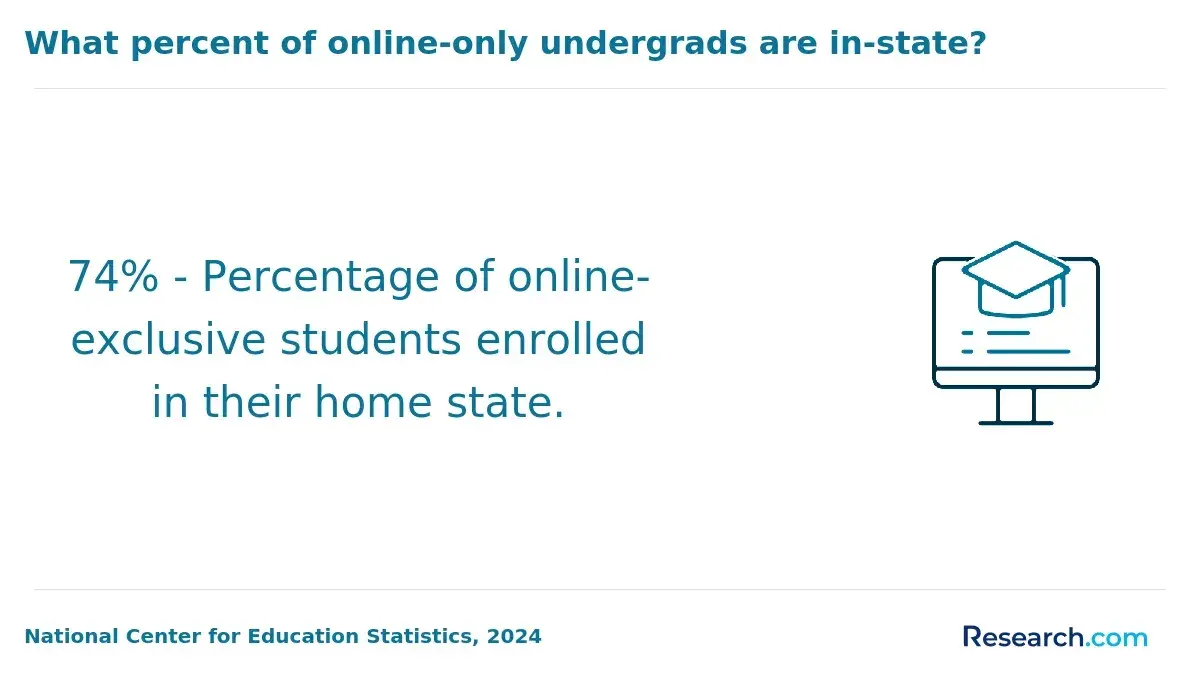
Many programs structure their curricula with fixed sequences to preserve depth in specific areas, limiting the number of credits that can be applied to unrelated electives. According to a 2024 report by the National Center for Education Statistics, about 38% of health informatics master's programs allow students to take at least 20% of credits beyond their specialization, but this flexibility is less common in highly specialized tracks that prioritize core competencies.
Choosing electives outside a specialization presents a practical tradeoff between broadening knowledge and maintaining focused expertise. While these options can enhance adaptability-such as a clinical informatics student selecting healthcare management to improve leadership skills-they may also extend time-to-degree completion or dilute the technical rigor valued by employers.
In competitive job markets, recruiters often favor candidates demonstrating deep specialization aligned with industry needs, though a limited, strategic mix of electives can signal versatility. For instance, a student balancing data analytics electives with a clinical focus might face challenges reconciling diverse skill sets during job placement but gain a multidimensional perspective beneficial for evolving healthcare roles.
One graduate recalled hesitating during the rolling admissions process, uncertain whether to seize available electives outside their primary focus due to limited guidance and delayed advisor feedback. Ultimately, the student prioritized core courses to secure timely completion, reflecting common tensions between exploratory interests and rigid program timelines. This experience underscored how admission timing and institutional counseling significantly impact elective decisions and reinforce the importance of early, clear communication about credit restrictions when planning a health informatics curriculum path.
How are online health informatics master's courses delivered?
Online health informatics master's programs predominantly use asynchronous delivery, enabling students to access course materials such as recorded lectures, readings, and assignments at their convenience. This format accommodates flexible schedules, which benefits working professionals and career changers managing multiple responsibilities.
However, many programs integrate synchronous elements like live webinars and real-time discussions to promote interaction and facilitate collaboration on complex topics. Such hybrid participation models help replicate peer engagement and immediate feedback, which are crucial for mastering technical competencies demanded by employers.
These flexible online health informatics graduate courses require significant self-discipline to maintain consistent study habits amid competing work and personal obligations. Time management becomes a critical skill, especially when synchronous sessions are scheduled during standard business hours, potentially creating conflicts for students in healthcare roles.
According to a 2024 National Center for Education Statistics survey, about 72% of graduate students in health-related disciplines enrolled in fully asynchronous courses, highlighting widespread adoption but also signaling potential challenges with sustained engagement and networking opportunities.
Choosing between schedule flexibility and active participation involves tradeoffs that can influence program outcomes and skill development. Programs emphasizing asynchronous learning offer convenience but may limit immediate faculty interaction, which can affect timely guidance on projects or technical labs.
For some students, this can delay progress or diminish the immersive experience needed for advanced analytic and practical skills, such as those related to electronic health record systems or specialized data security tasks.
Prospective learners should weigh these factors in relation to their professional goals and consider how delivery format impacts their long-term retention and performance. Those exploring credentialing paths might also reference the distinct career implications seen in options like CPC certification to align their training choices effectively.
Which core classes are considered the most challenging?
Core courses in online Health Informatics master's programs that consistently present significant challenges tend to revolve around data analytics, programming, and health information systems. The difficulty in these subjects arises from their demand for proficiency in statistical analysis, coding, and database management-skills that can be particularly taxing for students without a technical background.
Additionally, classes focused on clinical informatics and healthcare data standards require mastery of complex regulatory frameworks, interoperability protocols, and specialized terminology. These structural hurdles reflect the field's operational realities, where abstract concepts intersect with rigorous technical and compliance requirements, making these courses less about rote learning and more about applied problem-solving under professional standards.
Successfully navigating these demanding courses is far from a purely academic milestone; it directly influences a student's preparedness for workplace tasks and influences career trajectory within the field. For example, learning to synthesize multifaceted health datasets underpins roles that require real-time decision support and predictive modeling in clinical environments.
A 2024 survey by the American Medical Informatics Association reports that 62% of health informatics graduate students identify health data analytics as their most difficult course, showing how this challenge is widespread and consequential. Failure or struggle in these classes can delay program completion or limit specialized study options, emphasizing the practical stakes behind mastering this core curriculum.
One student recently navigating the rolling admissions cycle for an online Health Informatics program shared that initial hesitation stemmed from uncertainty about balancing prerequisites with work demands. They waited several weeks after submitting their application to assess whether they could realistically dedicate time to the analytics course, knowing its reputation for intensity.
When acceptance finally arrived close to the start date, the student expedited preparatory study to build foundational coding skills, recognizing that early adjustment ideally reduces the risk of stumbling mid-term. This cautious approach illustrates how admissions timing and preparatory gaps compound the perceived difficulty of core classes in real academic contexts.
Do online health informatics master's programs require internships or practicums?
Online health informatics master's internship requirements and practicum opportunities vary widely depending on program design and accreditation standards. Approximately 65% of accredited online programs mandate some form of experiential learning, such as internships or practicums, as reported by the Commission on Accreditation for Health Informatics and Information Management Education.
Many programs incorporate these hands-on components to strengthen competencies through real-world exposure rather than merely offer optional activities. However, alternatives such as case studies or project-based simulations are sometimes provided, particularly in programs aimed at working professionals or career changers, to accommodate those balancing employment or geographic limitations.
From a practical standpoint, the inclusion or exclusion of internships significantly affects student workload, time to program completion, and employability outcomes. Securing placements can be a logistical challenge, as some programs require students to identify their own sites, while others facilitate remote partnerships with healthcare organizations.
Given that 72% of employers prefer candidates with verified practical experience, completing a practicum often enhances job readiness and networking opportunities but may extend study duration, especially for part-time learners. For specialization-focused students, such as those considering radiology tech programs online, understanding these tradeoffs is essential to aligning academic choices with career objectives in an increasingly competitive field.
Which courses are required for professional certification exams?
Graduate programs in health informatics commonly design core curricula to align directly with the competency frameworks defined by major certification bodies. Coursework in healthcare data management, clinical information systems, health IT standards, and analytics corresponds to fundamental domains tested on credentials such as the Registered Health Information Administrator (RHIA) and Certified Professional in Health Informatics (CPHI).
Specialized electives that address areas like clinical decision support or healthcare cybersecurity further map to niche certifications by covering domain-specific knowledge and skills. These deliberate curricular alignments reflect industry standards and accreditation criteria, ensuring students meet documented educational prerequisites essential for exam eligibility.
The practical impact of curriculum choices on certification readiness is significant. Students who omit required core courses or select electives outside recognized competency areas risk delaying certification eligibility or facing expanded preparatory burdens. For example, a student concentrating in healthcare cybersecurity who lacks foundational exposure to data governance may need supplemental coursework to satisfy exam requirements linked to clinical systems and informatics principles.
A 2024 report from the American Health Informatics Association found that graduates with at least 60% of their coursework aligned to certification domains experienced substantially higher pass rates, underscoring how curriculum design directly influences professional outcomes. Balancing specialization with foundational competencies is therefore critical, especially for working professionals navigating schedule constraints and aiming to enter credential-driven roles without extended delays or gaps in qualification.
Do specialization requirements extend graduation timelines?
Specialization requirements in online Health Informatics master's programs often introduce complex sequencing rules and prerequisite chains that influence whether students graduate on time. While core curricula focus on foundational subjects like data management and clinical systems, specialization tracks add targeted courses that may have limited scheduling windows or require prior completion of other modules.
Some programs integrate internships or capstone projects tied specifically to the specialization, extending duration depending on placement availability. Thus, depending on curriculum design and a student's pace-full-time versus part-time enrollment-specializations can either maintain the standard program length or add a semester or more to completion timelines.
These structural constraints can create practical bottlenecks affecting course access and elective options, especially for working professionals balancing multiple commitments. For example, a student specializing in Health IT security may face restricted enrollment periods for advanced courses unavailable every term, delaying progression or requiring a lighter course load that stretches the degree beyond the typical two years.
According to the National Center for Educational Statistics, around 40% of students pursuing specializations in Health Informatics take 10% to 20% longer to graduate compared to those in core-only tracks. This extension, while challenging, often reflects the tradeoff between timely graduation and acquiring niche competencies that many employers in healthcare technology deem valuable, impacting early career entry and workload management.
How do health informatics specializations affect career opportunities?
Specializations function as clear signals in the job market by delineating a candidate's technical skill depth and applied knowledge, which many employers interpret as a proxy for readiness in specific roles. When evaluating applicants, recruiters closely assess coursework focus, practical projects, and demonstrated competencies that align with operational or technological needs within healthcare settings.
For example, a candidate specializing in clinical informatics often evidences proficiency in electronic health records and patient care workflows, which directly meets employer expectations in hospital environments. According to the U.S. Bureau of Labor Statistics (2024), graduates pursuing focused health informatics specialization impact on job prospects experience up to a 15% higher employment rate compared to those with more generalized credentials, indicating strong industry alignment and access to role-specific hiring pipelines.
However, this focus also introduces tradeoffs affecting career versatility and entry-level role eligibility, particularly for working professionals or career changers evaluating advanced career pathways in health informatics specializations. Narrow specializations may restrict transitions between industry sectors-such as moving from clinical to population health analytics-unless foundational skills are maintained.
Consider a student who specialized in health data analytics aiming to enter hospital-based informatics: their pathway could be more limited than a peer with broader training. Conversely, a generalist without specialization might qualify for diverse roles but lack the targeted expertise to compete in highly technical positions.
Working professionals should weigh how specialization shapes both immediate employability and future adaptability, especially when choosing curriculum structures in online master's programs with varying core and concentration options like those highlighted in BSN to MSN online programs.
How should students compare online health informatics master's curriculum?
Comparing online health informatics master's curricula requires more than subjective preference-it demands a structured evaluation of how curricular design impacts job readiness, workload management, and alignment with career objectives. Curriculum differences can significantly affect time-to-completion and certification pathways, aspects critical to working professionals and career changers seeking targeted, practical skills.
Understanding these tradeoffs clarifies which programs realistically support a student's career trajectory.
- Core Course Composition: Evaluate how foundational courses balance theory and applied skills, especially in data management and healthcare systems. Programs with project-based learning components tend to better prepare students for employer expectations in clinical or IT settings.
- Specialization Depth: Consider the range and intensity of specializations offered, such as clinical informatics or data analytics. Depth matters more than breadth for those aiming at niche roles where specific expertise drives employability.
- Elective Flexibility: Programs with adaptable electives allow customization for diverse backgrounds and career goals, supporting working professionals needing to sync coursework with job demands or certification requirements.
- Delivery Format Structure: Analyze sequencing and pacing of online offerings. Some curricula front-load core content, while others intersperse specializations; this affects workload balance and timing for skill mastery.
- Internship or Practicum Integration: Practical exposure through internships or capstone projects enhances applied learning and often mirrors real-world interprofessional collaboration, a growing employer priority in health informatics.
- Certification Alignment: Check if curricula prepare students for relevant certifications, which many employers regard as essential benchmarks for job readiness across healthcare IT and informatics positions.
- Progression Sequencing: Look into how courses build cumulatively; tightly sequenced programs may accelerate completion times but demand consistent full-time commitment, a key factor for career changers managing complex schedules.
A 2024 study by the National Center for Education Statistics found that 68% of graduates from health informatics programs acknowledged specialized coursework as a direct factor in early job readiness, underscoring the importance of aligning curriculum depth with professional goals. Engaging with these dimensions is especially relevant when comparing the best health informatics master's programs for career outcomes.
For students balancing multiple priorities, exploring pathways like the fast track medical billing and coding certificate online can complement a health informatics master's curriculum by providing targeted credentials that enhance both practical expertise and marketability.
What Graduates Say About Online Health Informatics Master's Curriculum
- Armando: "After completing my master's core courses in health informatics, I realized that building a solid portfolio and securing internships were more critical for landing a job than just holding a license. Employers seemed to prioritize demonstrable skills and practical experience, especially with evolving healthcare technologies. Navigating the job market required patience, but focusing on projects that showcased my data analysis and system integration capabilities made a tangible difference."
- Damien: "My experience was largely shaped by flexibility-I took advantage of remote coursework and managed to enter the workforce swiftly after graduation. However, I found that salary growth plateaued without licensure, and some advancement opportunities remained out of reach. Still, the specialization helped me pivot into roles that better align with my interest in healthcare data privacy, which feels like a growing niche."
- Aiden: "The transition from coursework to full-time work highlighted the competitive nature of the health informatics field. While my degree opened doors, I had to actively pursue additional certifications and network extensively to stand out. Realistically, the toughest part was balancing technical skills with an understanding of clinical workflows, which employers increasingly expect."
Other Things You Should Know About Health Informatics Degrees
2027 online health informatics master’s programs typically employ an asynchronous course structure, allowing students to learn at their own pace. Structured weekly modules help balance workload, while interactive assignments and periodic assessments ensure sustained learning and retention, catering to diverse learning needs.
Choosing a narrow specialization can deepen expertise in a subfield like clinical informatics or data analytics but may limit exposure to broader health informatics principles and evolving technologies. Employers often value candidates who demonstrate versatility across core competencies such as data management, health policy, and system design, which broad-core curricula foster. Prospective students should weigh whether hyper-focused specializations might restrict adaptability in dynamic job markets or hinder transitions across roles within health informatics.
Many health informatics master's programs sequence core courses sequentially with strict prerequisites, which can restrict a student's ability to adjust schedules or take concurrent classes. This structure reduces flexibility for students balancing full-time work or unexpected life events, potentially delaying graduation if a key course is missed. When evaluating programs, students should assess how rigid sequencing may impact their timeline, especially if they require part-time study or want to integrate specialization courses early.
Capstone projects are often more representative of applied skills and problem-solving required in real-world health informatics roles, providing tangible portfolio work for employers. However, programs emphasizing theoretical exams may better prepare students for certification tests or foundational knowledge assessments. Students targeting immediate employability and practical experience should prioritize capstone-focused curricula, while those aiming for academic or research-heavy pathways might lean toward programs stressing theoretical rigor.
References
- Career Benefits of a Master's in Health Informatics https://www.usfhealthonline.com/resources/health-informatics/online-health-informatics-training-benefits/
- Master of Science in Applied Health Sciences Informatics – Online https://bids.jhmi.edu/degrees-and-tracks/applied-health-sciences-informatics-ms/online/
- Master’s in Health Informatics https://nursinglicensemap.com/resources/healthcare-degree-programs/masters-in-health-informatics/
- 100 Percent Online Master's in Health Informatics - MSHI Degrees https://www.mhaonline.com/faq/fully-online-ms-health-informatics-programs
- Master of Health Informatics (MHI) Online | Norfolk State University https://www.nsu.edu/allied-health/mhi-health-informatics
- Health Informatics: New Focus Areas! https://online.une.edu/blog/health-informatics-new-focus-areas/
- Top 30 Best Online Master’s in Healthcare Informatics Degree Programs 2020 - Healthcare Administration Degree Programs https://www.healthcare-administration-degree.net/best/online-masters-healthcare-informatics-programs/
- Healthcare Informatics - MS https://www.sacredheart.edu/majors--programs/healthcare-informatics---ms/
- Master of Science in Health Informatics (Medical Informatics) - University of the Philippines Manila https://www.upm.edu.ph/cpt_programs/program-slug-21/