2027 Top Universities Offering Online Health Informatics Master's Degrees

Co-Founder and Chief Data Scientist
Employers increasingly demand master's graduates in health informatics who demonstrate practical expertise aligned with evolving technical standards and regulatory frameworks. Variations in online program design, including curriculum focus, practicum opportunities, and certification preparation, significantly impact readiness for dynamic workforce roles. Scheduling models and faculty expertise often influence the applicability of skills to employer needs across healthcare settings.
Accreditation and program specialization also shape long-term professional outcomes by ensuring relevant knowledge and recognized credentials. Consequently, evaluating top universities offering online health informatics master's degrees requires assessing substantive academic and professional dimensions beyond institutional prestige or superficial rankings.
This article compares programs based on curriculum quality, industry alignment, flexibility, and accreditation to guide informed, career-centered decision-making.
Key Benefits of Top Universities Offering Online Health Informatics Master's Degrees
- Online health informatics programs often include applied data management coursework, but reduced in-person clinical exposure can limit hands-on experience, requiring students to seek supplemental internships for practical skill development.
- A 2024 employer survey shows 68% prioritize accredited online health informatics degrees with integrated systems training, indicating students should select programs aligned with current interoperability standards for greater job market relevance.
- Programs offering asynchronous schedules improve accessibility, yet extended completion timelines may increase overall tuition costs; prospective students must balance flexibility with potential financial and time investments.
Which Universities Offer the Best Online Health Informatics Master's Degrees?
Stronger online health informatics master's programs tend to emerge from institutions that emphasize rigorous curriculum depth paired with well-structured specialization options reflecting current industry demands. Faculty with substantial healthcare and IT sector experience enhance academic quality by integrating real-world challenges and applied knowledge, while programs featuring capstone projects, internships, or collaborative partnerships with healthcare organizations bridge theory and practice effectively. These institutional characteristics foster analytical and technical skills crucial for navigating data management, cybersecurity, and clinical workflow optimization within health systems. Such emphasis on applied learning is particularly important given the evolving complexity of healthcare technology environments and growing demand across healthcare systems.
Programs demonstrating these strengths generally outperform peers in graduate employability and skill readiness, aligning closely with industry certification standards and employer expectations for candidates fluent in both domain knowledge and practical tools. Many employers prioritize graduates who present direct experience and measurable competencies that online programs with strong experiential components deliver.
For working professionals, recognized programs must balance manageable workloads with ample opportunities to build career-relevant skills, a feature highlighted in top accredited online health informatics master's programs for working professionals. According to the National Center for Education Statistics, completion rates correlate positively with curriculum flexibility combined with career-aligned content, helping sustain motivation without diluting academic rigor.
Tradeoffs exist between program flexibility and specialization depth: some institutions offer asynchronous pacing to accommodate working students but may sacrifice the intensity of real-time collaboration or hands-on immersion found in more structured formats. Others prioritize experiential learning that demands synchronous participation and fixed project timelines, possibly limiting accessibility for certain learners. Prospective students must weigh these operational designs in light of their professional commitments and learning preferences.
For example, a choice between maximum flexibility and the highest certification alignment often informs enrollment decisions, underscoring the need for comprehensive awareness of workload demands, pacing structures, and the tangible applicability of acquired competencies in the health informatics labor market. This framework also applies when comparing programs beyond the purely academic, as seen in fields adjacent to healthcare, such as those evaluated in the context of DNP program pathways.
Why Does Accreditation Matter for Online Health Informatics Master's Programs?
Accreditation functions as a critical mechanism ensuring online health informatics master's programs meet rigorous academic and professional standards. It enforces external oversight on curriculum relevance, faculty qualifications, and institutional resources, thereby safeguarding program legitimacy and structural quality. This process helps align coursework with evolving industry competencies and ethical frameworks, which is essential in a discipline that intersects with healthcare, technology, and data privacy. Without such validation, programs risk delivering outdated or insufficient training, weakening a graduate's ability to meet current professional expectations.
In practical terms, accreditation significantly affects the transferability of credits, eligibility for professional certifications, and even access to certain financial aid options. A 2024 workforce study by the National Health Informatics Association found that 78% of hiring managers prioritize candidates from accredited programs, highlighting that employer recognition remains a decisive factor in hiring decisions. For example, graduates from nonaccredited programs might encounter barriers when pursuing advanced certifications or changing institutions mid-study, leading to additional time and expense. While some nonaccredited programs may offer cost or scheduling flexibility, these advantages often come at the expense of credential portability and industry acceptance, potentially limiting career mobility and advancement over time.
Which Universities Offer the Most Flexible Online Health Informatics Master's Programs?
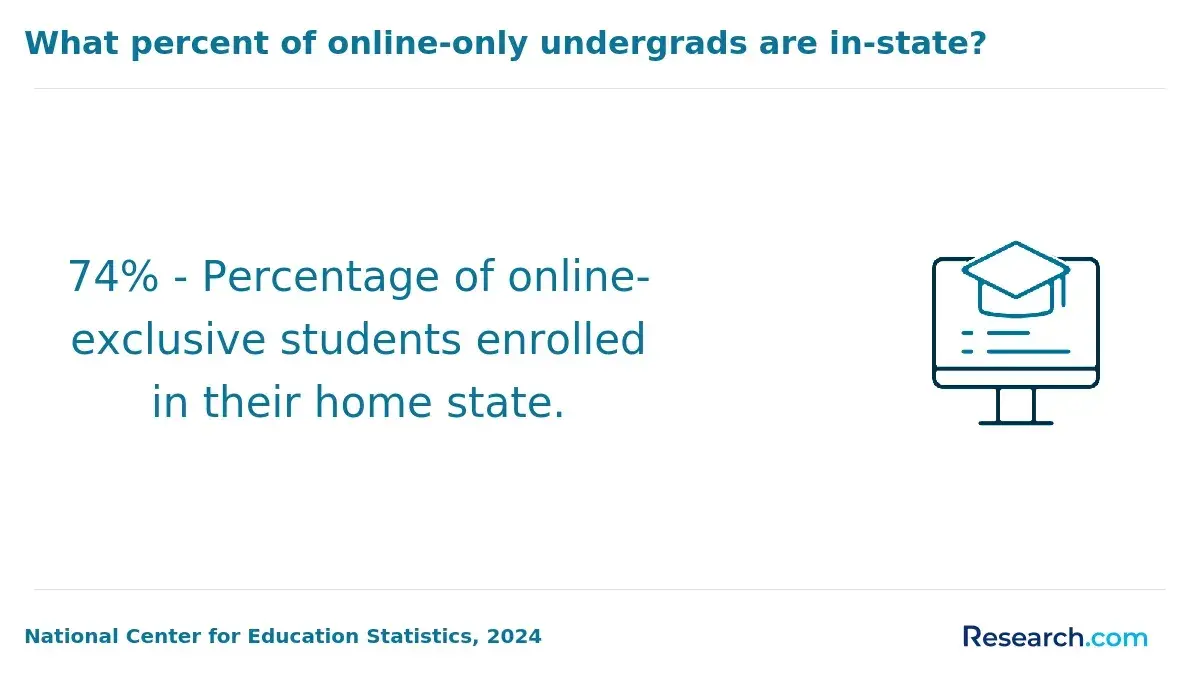
Flexibility in online health informatics master's programs hinges primarily on structural design elements rather than institutional reputation. Critical factors include the availability of fully asynchronous coursework enabling students to engage with content on their own schedules, part-time enrollment options that accommodate working professionals, and program pacing models that balance self-directed progress with cohort-based interaction.
Programs that provide elective scheduling freedom and generous credit transfer policies further support varied student needs, allowing those with prior graduate work to accelerate completion. A 2024 report from the National Center for Education Statistics highlights that about 68% of graduate students in health-related online fields prefer asynchronous learning, underscoring its role in meeting diverse professional and personal demands.
These design choices carry practical tradeoffs: while asynchronous formats and extended completion timelines help balance employment and education, they may limit real-time peer collaboration and delay access to internships or practicum experiences critical for hands-on learning. For example, a student juggling a full-time job might appreciate minimal synchronous requirements to avoid scheduling conflicts but could find the lack of cohort engagement reduces networking opportunities valuable for career growth.
Additionally, programs with overly flexible deadlines risk prolonging degree completion, which can affect momentum and professional plans. Understanding how these elements align with individual circumstances is essential for selecting a program that harmonizes academic progress with real-world constraints.
One recent graduate recalls choosing a program primarily for its asynchronous course offerings and extensive part-time options after relocating for a partner's job. Initially hesitant about potentially missing live peer discussions, they valued the ability to pause studies during a family health crisis without penalty. This flexibility allowed the student to return to coursework without restarting the degree, providing critical relief during a stressful period while maintaining forward momentum. Their experience illustrates how program structure can directly influence persistence and success beyond the classroom, depending on unique life challenges and priorities.
Which Universities Are Best for Working Professionals Earning a Health Informatics Master's Online?
Online health informatics master's programs designed for working professionals typically emphasize flexible scheduling, asynchronous coursework, and part-time enrollment to accommodate ongoing employment commitments. Programs that feature employer-aligned curricula and accessible faculty support stand out by addressing both current job demands and professional skill development. Flexibility is often paired with applied learning elements, such as practicums integrated into real-world healthcare environments, which enhance relevance while respecting time constraints. These structural features are central to identifying the best universities for flexible health informatics master's degrees that fit adult learners' complex schedules without sacrificing academic rigor.
In practice, this flexibility allows students to better manage workload fluctuations and communicate effectively with instructors while meeting deadlines, reducing burnout risk common among employed graduate students. Research from the National Center for Education Statistics in 2024 indicates that nearly 60% of graduate students enrolled online report balancing full-time work alongside studies, underscoring the importance of program design that supports consistent progress.
However, limited synchronous interaction and slower program completion are tradeoffs that professionals weigh when prioritizing feasibility over accelerated timelines. These dynamics shape whether students can maintain career momentum while acquiring in-demand competencies.
Choosing a program also involves understanding how institutional ties influence internship availability and networking within healthcare sectors, critical for job placement post-graduation. Some online programs offer robust connections to health systems, but reduced cohort cohesion and variable practicum integration can affect experiential learning quality. For those evaluating pathways, comparing offerings with the structure of the curriculum, including hands-on components, informs decisions more than reputation alone.
Working professionals focused on practical outcomes might also explore related fields through options such as the cheapest PhD nursing programs, reflecting broader considerations of time, cost, and career alignment.
How Much Do Top Online Health Informatics Master's Programs Cost?
Top online health informatics master's programs typically charge between $20,000 and $60,000 or more for the full degree, with tuition costs reflecting program design, institutional type, and credit requirements. Public universities often offer lower tuition rates for in-state students, sometimes under $600 per credit hour, while private or highly specialized programs may exceed $1,200 per credit hour regardless of residency. Variations in total cost also stem from program length-most require 30 to 45 credits-and additional fees related to technology, administration, or credentialing. These price differences signal distinctions in curriculum intensity, access to practitioner faculty, and opportunities for applied experience rather than mere brand value.
Financially, prospective students must balance upfront cost against long-term career impact and personal circumstances, such as employer tuition support or debt tolerance. For example, working professionals might gravitate toward higher-cost programs offering greater flexibility or accelerated paths, despite a steeper price tag, to maintain employment and minimize disruption. Conversely, budget-conscious students may prioritize less expensive, more traditional programs that still provide accredited credentials but potentially less real-time career networking. The complexity of pricing structures means that cost should be weighed alongside program outcomes and learner-specific goals rather than treated as a simple expense figure.
One student described wrestling with application timing during rolling admissions, uncertain whether to submit earlier to secure a spot in a more expensive but flexible program or wait for acceptance from a lower-cost university with a fixed start date. This hesitation reflected concerns about financial readiness and the risk of losing priority enrollment. Ultimately, the choice to postpone the application was influenced by the need to coordinate employer tuition reimbursement and avoid unnecessary debt, highlighting how cost considerations extend beyond sticker price into strategic planning and personal circumstances.
Which Online Health Informatics Master's Programs Are Hardest to Get Into?
Online health informatics master's programs that are hardest to get into often reflect institutional priorities beyond mere brand recognition. These programs typically impose limited cohort sizes, rigorous admission requirements like high GPAs, relevant healthcare or IT professional experience, and sometimes standardized test scores, aligning tightly with workforce needs and competency expectations. Selectivity also correlates with programs designed for strong ties to healthcare systems or technology firms, offering scarce slots due to resource constraints and the need to maintain low faculty-to-student ratios. Such structural factors, rather than reputation alone, drive demand and limit enrollment, marking these cohorts as especially competitive within the landscape of most competitive online health informatics master's programs.
Applicants confronting these highly selective admissions must prepare strategically, often planning prerequisite coursework well in advance to meet the elevated academic standards and compile evidence of professional leadership. Timing is critical: working professionals versus traditional applicants face different challenges in scheduling, portfolio assembly, and experience documentation, affecting their competitiveness in these real-world admissions contexts. Data from the National Center for Education Statistics highlights acceptance rates around 20-25% in top-tier programs, underlining the intense competition and the need for focused application strategies to maximize chances of entry and eventual employability.
These competitive programs frequently trade accessibility for intensity, emphasizing cohort-based engagement, applied curriculum, and collaborative projects with external healthcare organizations. Such models foster higher peer quality and richer classroom dynamics while limiting entry flexibility, which may influence how candidates balance personal commitments against long-term career investment. For those weighing alternatives, less selective options might provide more adaptable schedules but with different implications for job placement.
Meanwhile, those exploring interdisciplinary pathways-including fields adjacent to healthcare such as biology-should consider related offerings like an online biology bachelor's degree as part of a broader professional strategy.
Which Universities Are More Transfer-Friendly for Graduate Students?
Universities that accommodate more graduate transfer credits in online health informatics master's programs typically exhibit structural flexibility and adult-oriented curricular designs. Public institutions with robust online offerings often maintain adaptable credit-evaluation policies and accept coursework from regionally accredited programs, facilitating smoother articulation pathways. Colleges focused on adult learners or professionally oriented graduate schools frequently incorporate prior learning assessments and competency-based models, streamlining credit recognition for relevant previous graduate work. These approaches reflect an operational emphasis on minimizing redundant coursework and acknowledging the evolving experiences of working professionals, making such institutions comparatively transfer-friendly.
The practical implications for students include accelerated degree completion and potential tuition savings through reduced credit requirements, yet tradeoffs exist. While some programs allow up to half the total credits to transfer, maintaining curriculum coherence to meet strict accreditation standards can limit elective flexibility or require supplemental prerequisites.
For instance, a professional shifting from a related graduate program may benefit from transferring core credits quickly but might face challenges if specialized courses do not align precisely with the new institution's curriculum. According to data from the National Center for Education Statistics in 2024, about 65% of STEM graduate students successfully transfer approximately 30% of program credits, underscoring real variability in transfer outcomes. Evaluating credit transfer policies alongside accreditation criteria and curricular fit remains essential for candidates balancing cost, time, and credential value in health informatics graduate education.
Which Online Health Informatics Master's Programs Help Students Secure Internships?
Online health informatics master's programs that facilitate successful internship placements typically incorporate structured experiential components within their curricula, supported by active partnerships with healthcare providers, technology firms, and public health organizations. These programs often feature dedicated staff or career services focused on coordinating internship matches, leveraging alumni networks, and fostering employer engagement. Embedding practicum requirements rather than treating internships as optional can significantly improve access by integrating applied learning with academic progression and graduation milestones. Regional healthcare ecosystems and cohort models also play a role, as concentrated industry connections enhance the range and quality of available placements, supporting tailored student-employer alignment.
In practice, these support structures translate to higher internship placement rates and better preparation for workforce expectations in health informatics roles. Programs with comprehensive placement coordination reduce the burden on students to self-source internships, streamline scheduling flexibility for working professionals, and facilitate mentoring or professional development alongside the internship.
According to a 2024 report from the National Center for Education Statistics, about 68% of students in programs with embedded internship components secured placements compared to only 37% in programs without such formal requirements, underscoring the tangible advantage of integrated experiential learning. For students, this means greater networking access, real-world experience aligned with curriculum, and often improved job market readiness upon graduation.
However, tradeoffs exist between program flexibility and internship support. Some online programs prioritize asynchronous study that may limit synchronous coordination with host sites or restrict placements to specific geographic regions, complicating access for out-of-state learners. Students in less structured programs may find themselves responsible for identifying and securing their own internships, which can delay progress or reduce the quality and relevance of experiential learning. Ultimately, prospective students must weigh the value of strong institutional internship frameworks against their personal scheduling needs, location constraints, and long-term employment goals within the healthcare technology sector.
Which Online Health Informatics Master's Programs Have the Best Job Placement Rates?
Online health informatics master's programs with the strongest job placement outcomes typically exhibit structural features that align curriculum content closely with current healthcare technology trends and employer needs. These programs often require practicum or capstone projects with real-world healthcare partners, embedding experiential learning that employers value highly when assessing job readiness. Robust employer engagement, through active partnerships and targeted internship pipelines, further differentiates programs with higher graduate employment rates. Such program designs signal proficiency in critical subfields like clinical informatics, data analytics, or health information management, which top universities with highest health informatics graduate employment rates consistently emphasize in their specialized tracks.
Reported job placement rates vary considerably based on data collection methods and the specific specialization pursued, underscoring the need for prospective students to critically evaluate published outcomes. Working professionals returning to online study often benefit from existing industry networks, translating to comparatively faster employment gains than those entering health informatics as career changers. Meanwhile, broader or less applied curricula may yield slower absorption into the workforce, particularly in environments prioritizing niche expertise. The practical takeaway aligns with findings from recent workforce analyses: stronger job placement correlates with programs emphasizing applied skills within targeted specializations rather than generalized credentials.
Placement metrics themselves present limitations; timing of employment measurement, reliance on self-reported alumni data, and regional variations in healthcare labor markets can skew interpretations of graduate success. For example, graduates focusing on clinical workflow optimization frequently obtain roles in hospital systems shortly after completion, illustrating how close alignment with employer demands accelerates hiring.
Prospective students balancing program affordability with quality might also consider related fields; for instance, exploring the cheapest PMHNP programs online offers insight into parallel healthcare career pathways with distinct employment dynamics.
What Factors Matter Most When Comparing Graduate Schools?
Choosing a graduate school for an online health informatics master's program involves managing tradeoffs between cost, curriculum design, specialization options, delivery flexibility, experiential learning, and measurable career outcomes. Program structure-not brand reputation alone-largely determines how well graduates develop relevant skills, secure employment, and position themselves for evolving roles in healthcare technology and data management.
- Curriculum Structure and Rigor: Programs that integrate technical data science with applied clinical knowledge better prepare students for analytic and operational demands, but more rigorous curricula often require greater time and workload commitments, challenging working professionals balancing job responsibilities.
- Accreditation and Academic Credibility: Accreditation from recognized bodies such as CAHIIM signals that a program meets essential industry benchmarks, with evidence from 2024 National Center for Education Statistics data showing graduates from accredited programs enjoy about 15% higher employment rates within six months post-graduation.
- Specialization Depth: Candidates must assess if programs offer focused tracks aligned with their career goals-such as data analytics, clinical informatics, or management-as broader programs may lack depth needed for certain roles but provide more versatility.
- Experiential Learning Integration: Practical internships, practicums, or project-based learning are key to building hands-on capabilities; programs lacking these face criticism for leaving skill readiness gaps employers expect to be filled on the job.
- Delivery Format and Flexibility: While asynchronous and part-time options increase accessibility for working professionals, excessive flexibility can reduce real-time interaction and mentorship opportunities vital for complex skill development.
- Cost and Financial Tradeoffs: Higher tuition may fund better resources and faculty expertise, but students must weigh debt burden against potential salary uplift and placement success in regional job markets.
- Internship or Practicum Availability: Programs offering structured, accredited internships tied closely to employer needs increase graduate employability, especially where local health systems have growing informatics demands.
- Faculty Industry Experience: Instructors with current or recent healthcare informatics roles provide practical insights and networking advantages that purely academic faculty may lack.
- Employer Alignment and Job Placement Outcomes: Transparent reporting of graduate employment metrics and direct employer partnerships help students gauge realistic hiring prospects and career paths beyond academic credentials.
- Transfer Credit and Prior Learning Policies: Flexibility in recognizing previous coursework or professional experience can reduce time-to-degree and financial costs for career changers or degree completers.
For prospective students balancing demands and seeking verified program quality, consideration of online nursing programs for non nurses also illustrates the critical role of targeted curriculum and accreditation in workforce readiness.
What Graduates Say About Top Universities Offering Online Health Informatics Master's Degrees
- Armando: "After completing my Master's in health informatics, I quickly realized that having a strong portfolio of projects was more valuable to employers than traditional licensure. I focused on internships and hands-on work with EHR systems, which opened doors to remote roles that offered flexibility but came with a trade-off: salary growth seemed capped unless I pursued additional certifications. Navigating these nuances helped me set realistic career goals."
- Damien: "The program gave me the technical foundation, but the real challenge was competing for roles that often favored candidates with clinical backgrounds. Post-graduation, I pivoted toward data analysis within healthcare IT rather than direct clinical workflow design, which better matched my skills and the market demand. It taught me that understanding workforce realities and being adaptable is key in health informatics."
- Aiden: "I appreciated how the master's degree accelerated my entry into the workforce, especially with the program's focus on practical applications over theory. However, I found that without clinical licensure, advancement beyond certain leadership positions in informatics departments was difficult. The experience pushed me to supplement my education with certifications and networking to stay competitive in hiring processes."
Other Things You Should Know About Health Informatics Degrees
Program structure, including flexible schedules and modular courses, directly impacts career flexibility. Courses focused on emerging technologies, data management, and analytics are key as they prepare graduates for diverse career paths in healthcare, IT, and data analysis, offering adaptable skills for evolving job markets in 2027.
Employers increasingly seek candidates who demonstrate both technical proficiency and the ability to integrate informatics into clinical and operational workflows. Completing an online degree from schools with curricula aligned to current certifications and industry standards can be crucial. Graduates should evaluate whether programs offer opportunities to develop skills in data privacy, clinical decision support, and health IT project management, as these are frequently emphasized in job descriptions.
While flexibility is a hallmark of online education, some top programs demand intense weekly hours for asynchronous and synchronous activities, which may not suit all working professionals. Those balancing full-time jobs must assess the program's pacing and whether it offers part-time enrollment or extended completion timelines. Selecting a program with clear expectations upfront and a manageable workload relative to one's career and life responsibilities can help prevent burnout and improve academic success.
Yes, particularly for students aiming to influence healthcare delivery broadly, programs incorporating elements of data science, public health, and business can enhance strategic thinking and leadership capabilities. Such interdisciplinary training is valuable for careers in health IT consulting or informatics system implementation, where understanding multiple facets of healthcare challenges is critical. Prioritizing programs with diverse course offerings can yield broader skill sets and increase marketability in varied healthcare environments.
References
- Master's in Health Informatics (MSHI) Online | USF Health https://www.usfhealthonline.com/programs/masters-degree/ms-health-informatics/
- 2025 Best Health Informatics Master's Degree Online https://www.onlineu.com/degrees/healthcare-informatics
- Health Informatics - CAHIIM https://www.cahiim.org/accreditation/health-informatics/
- Master of Health Informatics (MHI) Online | Norfolk State University https://www.nsu.edu/allied-health/mhi-health-informatics
- Today's Top Online Master’s Degrees in Health Informatics https://www.onlinemastersdegrees.org/best-programs/health-informatics/
- Top 20 Health Data Science Degrees - Healthcare Management Degree Guide https://www.healthcare-management-degree.net/best/top-health-informatics-degrees/
- Best Health Informatics Master’s Degree Programs, Jobs, and Salaries https://careerkarma.com/blog/health-informatics-masters-degrees/
- 100 Percent Online Master's in Health Informatics - MSHI Degrees https://www.mhaonline.com/faq/fully-online-ms-health-informatics-programs
- Master of Science in Applied Health Sciences Informatics – Online https://bids.jhmi.edu/degrees-and-tracks/applied-health-sciences-informatics-ms/online/
- Top 30 Best Online Master’s in Healthcare Informatics Degree Programs 2020 - Healthcare Administration Degree Programs https://www.healthcare-administration-degree.net/best/online-masters-healthcare-informatics-programs/