2027 Can Student Loans Pay for Study Abroad?

Student Finance & Loan Expert
Many U. S. graduate students planning to study abroad face uncertainty about funding their international education. They wonder if federal or private student loans cover expenses like tuition, travel, and living costs overseas. Without clear information, financial worries may delay or derail valuable study abroad opportunities.
This article explores the eligibility of student loans for study abroad programs, outlines key restrictions, and offers guidance on navigating loan options. The goal is to help prospective students make informed decisions and secure appropriate funding for their global education plans.
- Can student loans pay for study abroad programs? Study Abroad Loans
- Which student loans cover study abroad costs? Loan Types
- How do you apply for student loans for study abroad? Apply for Loans
- What study abroad expenses can student loans cover? Covered Costs
- Do federal student loans work for study abroad? Federal Loans
- Are private student loans better for studying abroad? Private Loans
- How much can you borrow for study abroad? Borrowing Limits
- How do study abroad loans are repaid after graduation? Repayment Plans
- Can you use deferment or forbearance for study abroad loans? Payment Relief
- What happens if you default on study abroad student loans? Default Impact
Can student loans pay for study abroad programs?
Student loans can fund study abroad programs in the US, but specific conditions apply. Federal loans like Direct Subsidized and Unsubsidized Loans cover qualified education expenses abroad if the program is approved by your home institution. This typically includes tuition, fees, room, board, and required travel costs. Private loans may also finance international study but often require separate applications and can carry higher interest rates.
Your study abroad program must be part of your academic curriculum or approved as credit-bearing by your college or university. Borrowing limits vary by loan type and school year; for instance, undergraduates can borrow up to $31,000 in federal student loans total, covering both domestic and international educational expenses. When considering how to use federal student loans for international study, it's important to factor in costs beyond tuition, such as visa fees, health insurance, travel expenses, and possible currency fluctuations.
Many prospective borrowers underestimate these additional expenses. Over 444,000 U.S. students engaged in global education recently, highlighting the significance of budgeting carefully. To better understand what can student loans be used for, consult your financial aid office about program eligibility and loan limits. Some schools offer specialized loans or scholarships for study abroad to lessen reliance on high-interest private loans.
Using student loans for study abroad programs in the US requires careful planning and verification to maximize the benefit while managing borrowing responsibly.
Which student loans cover study abroad costs?
Federal student loans, including Direct Subsidized and Unsubsidized Loans as well as PLUS Loans for parents or graduate students, can cover study abroad expenses if the program is officially approved by your school. Eligible costs often include tuition, room and board, fees, and sometimes travel expenses. Loan amounts typically mirror what you would receive for an on-campus year, so borrowing $5,500, for example, can cover equivalent study abroad expenses. Programs directly managed by your institution or through partner schools are generally more likely to qualify.
Private student loans that cover study abroad expenses vary by lender but commonly require proof the program is sanctioned. These loans usually consider total attendance costs, so confirming coverage with your lender helps avoid unexpected funding shortfalls. Knowing how US student loans work for study abroad programs ensures you can budget effectively for your overseas education.
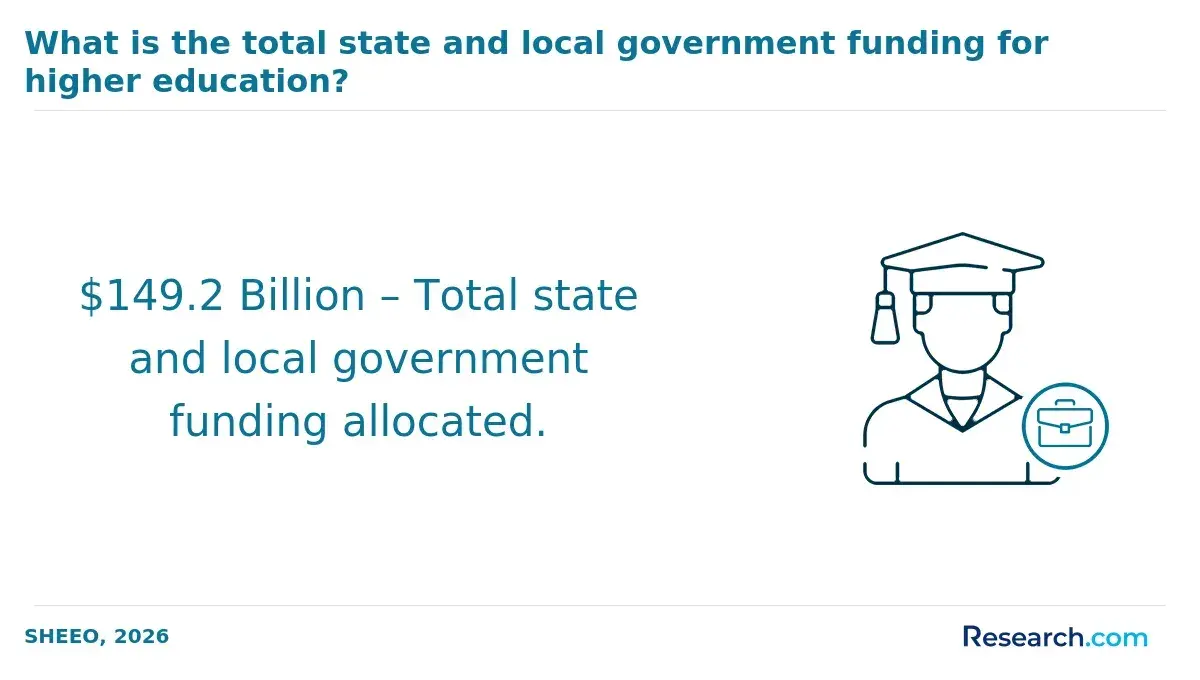
In 2020-21, about 38% of first-time, full-time undergraduates received loan aid, down from 50% a decade earlier, showing borrowing remains common yet more selective. To stay on track, verify deadlines like the FAFSA deadline and coordinate with your financial aid office to ensure loan amounts meet your program's costs. Taking these steps helps secure funding for your study abroad experience while managing repayment responsibly.
How do you apply for student loans for study abroad?
Begin the student loan application process for international study by confirming your chosen program qualifies for federal financial aid. Federal loans typically disburse funds only to accredited institutions with approved study abroad partnerships. Check with your school's financial aid office to identify eligible programs and obtain a list of approved foreign universities.
Complete the Free Application for Federal Student Aid (FAFSA), noting your study abroad plans and providing host institution details if requested. Loan eligibility and amounts are based on your cost of attendance, which includes tuition, housing, and travel expenses related to the program.
Consider both Direct Subsidized and Unsubsidized Loans: subsidized loans offer need-based interest benefits during study, while unsubsidized loans are accessible to all qualifying students. Private loans can supplement federal aid but often require credit approval or a co-signer. For additional borrowing options, explore parent PLUS loans.
Loan amounts generally mirror typical undergraduate borrowing trends; for instance, the average first-time borrower took out $7,700 annually. It is essential to review all loan terms carefully, including interest rates, repayment choices, and deferment options if planning extended time abroad.
Maintaining clear coordination between your home institution, lender, and study abroad program is vital for the proper application of funds. Submitting all documentation early helps avoid delays and secures timely financial support for your overseas education.
What study abroad expenses can student loans cover?
Federal and private student loans in the United States can cover a broad spectrum of study abroad expenses beyond tuition. Eligible costs include airfare, local transportation, housing such as dormitories or rental apartments, meals, and program fees charged by the host institution. Additionally, loans often extend to textbooks and course supplies required overseas.
Insurance costs like health or travel insurance mandated by the host country are usually covered, along with communication expenses such as internet access tied to academic work. Loan funds may also be used for incidental expenses directly related to participation in study abroad programs, including visa application fees, vaccinations, and travel documents. However, personal expenses unrelated to education typically do not qualify.
The average amount borrowed to complete a bachelor's degree at a public university is $31,960, offering an estimate of borrowing capacity students might allocate toward international study costs within their overall debt. Study abroad programs often range from $10,000 to $25,000 depending on location and duration, fitting within many students' loan budgets covering study abroad expenses with student loans united states.
Borrowers should consider federal loan caps and may need supplemental private loans for additional expenses. Understanding student loan coverage for international study costs is essential to managing total debt and repayment plans. Students interested in optimizing their debt management can learn more about how to refinance student loans.
Do federal student loans work for study abroad?
Federal student loans can be applied toward study abroad programs if the courses are part of an approved degree plan at your U.S. school. The program must be offered or sponsored by your home institution to qualify, allowing loan funds to cover tuition, fees, room, board, and related educational expenses overseas. Programs arranged independently usually do not qualify.
For instance, if your university offers a semester abroad in London and you are officially enrolled, federal Direct Subsidized or Unsubsidized Loans can finance your participation. However, federal loan limits remain the same regardless of studying abroad.
Living expenses abroad can be included in your loan budget but must be reasonable and based on actual costs in the host country. Your school's financial aid office adjusts your cost of attendance accordingly.
Study abroad participation has declined considerably, with numbers dropping nearly 46% between 2018-19 and 2021-22 as reported by the IIE Open Doors. Rising costs and logistical challenges contribute to this trend.
To avoid surprises, work closely with your financial aid office to verify program eligibility and budget adjustments. Consider supplementing federal loans with scholarships, grants, or private loans if necessary to cover expenses.
Are private student loans better for studying abroad?
Private student loans can help cover study abroad expenses, but they usually have higher interest rates and fewer borrower protections compared to federal loans. Unlike federal loans, which offer fixed rates and options like income-driven repayment or forgiveness, private loans often base rates on creditworthiness, which can limit access for many students.
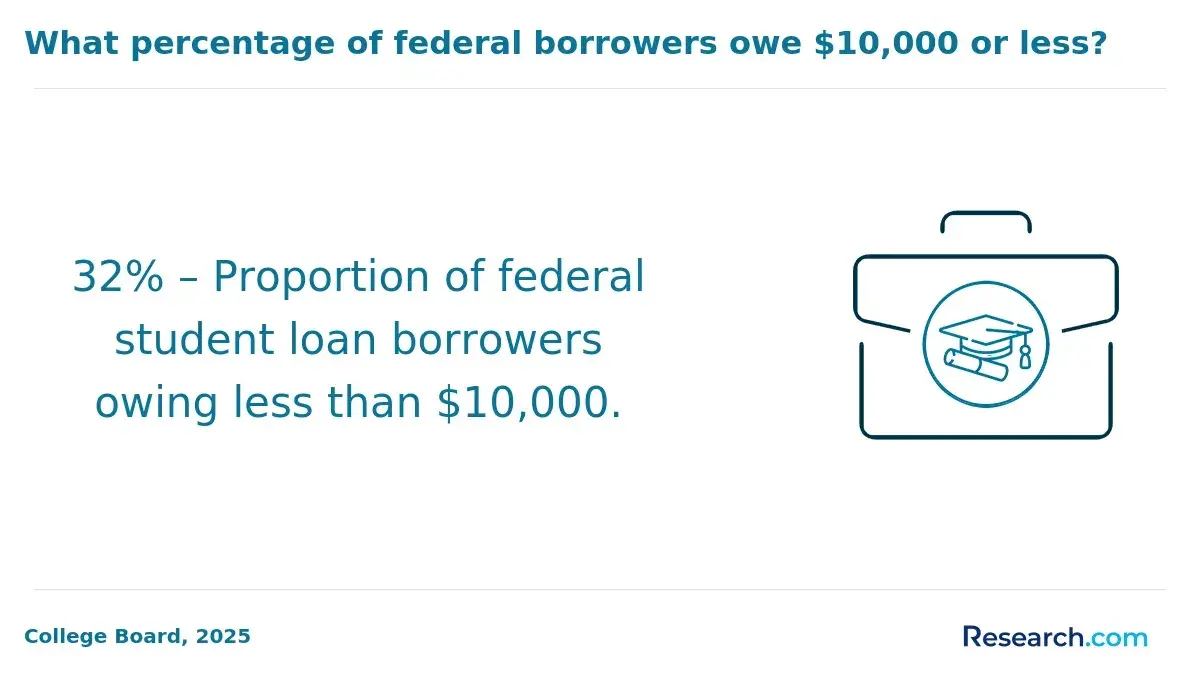
Borrowing access has tightened recently. Data from NCES shows that the percentage of students with loans at 4-year public institutions fell from 51% in 2010-11 to 37% in 2020-21, reflecting stricter lending standards. This may push more students toward private loans for international education costs, which can exceed federal limits due to higher tuition and living expenses abroad.
When private loans become necessary, consider these steps:
- Compare lenders to find competitive rates and favorable terms.
- Use a cosigner if possible to secure better interest rates.
- Review repayment options and deferment policies carefully.
Many private loans lack the deferment and grace periods commonly available with federal loans, often requiring immediate repayment that can strain finances after graduation. Prioritizing federal loan options and consulting your school's financial aid office about scholarships and international grants can provide valuable assistance before turning to private lenders.
How much can you borrow for study abroad?
Federal student loans can help cover study abroad expenses within annual loan limits that vary by student status. Dependent undergraduates may borrow between $5,500 and $7,500 per year combining Direct Subsidized and Unsubsidized Loans. Independent undergraduates have a higher cap of $12,500 annually. Graduate students may access up to $20,500 annually through Direct Unsubsidized Loans. These funds cover tuition, fees, room, board, travel, and other program-related costs.
Private student loans often fill funding gaps left by federal loans, but borrowing limits depend on the lender and may range from a few thousand dollars to the full cost of attendance. Approval requires creditworthiness, and private loans often demand a cosigner while carrying higher interest rates and less flexible repayment options.
Loan availability varies by institution. At private nonprofit four-year colleges, the share of students receiving loans dropped from 64% to 53% over a decade, potentially influencing how much study abroad funding is accessible. Students should consult their financial aid office to clarify specific loan limits and verify that loans apply to study abroad programs. Budgeting for exchange rates, housing, and travel expenses helps determine the total funding needed.
- Federal loan limits vary by student status
- Private loans depend on lender and creditworthiness
- Loan availability differs by college type
- Consult financial aid offices for details
How do study abroad loans are repaid after graduation?
Study abroad loans repay like traditional student loans, with borrowers often receiving a six-month grace period after graduation before monthly payments begin. These payments cover principal and interest as outlined in the loan agreement. Federal loans typically consolidate with other federal student loans, allowing repayment under income-driven plans.
Private loans, however, may require payments while enrolled or immediately after funds disbursement. Reviewing the loan contract is essential to understand repayment timing and interest accrual.
Many graduates face challenges balancing loan repayment early in their careers, especially with limited income. Income-driven repayment plans adjust monthly amounts based on earnings, easing financial stress. Some loan forgiveness options exist but generally apply to public service roles or long-term repayment scenarios.
Refinancing can be beneficial for those who secure higher-paying jobs after study abroad, potentially reducing interest rates and monthly payments. Stay in close contact with loan servicers to avoid defaults, which significantly harm credit scores.
More than 444,000 U.S. students participate annually in study abroad programs, according to IIE Open Doors data, reflecting strong demand despite financial obligations. This underscores the importance of managing study abroad loans responsibly to make the most of these valuable global educational experiences.
Can you use deferment or forbearance for study abroad loans?
Deferment and forbearance options for student loans vary depending on loan type and borrower status during study abroad. Federal student loans typically allow deferment if enrolled at least half-time in eligible programs, including many approved study abroad options. This pause often prevents interest accrual on subsidized loans during deferment.
Private loans usually lack deferment benefits, making forbearance the main alternative. Forbearance permits temporarily pausing or reducing payments but generally accrues interest on all loan types, increasing the total balance over time. It's important to confirm whether your study abroad counts as enrollment through your home institution or meets eligibility through your loan servicer.
Students studying part-time or via informal programs may not qualify for deferment, relying on forbearance instead. Note that forbearance is typically discretionary, often granted in 12-month increments with required documentation and approval.
Considering rising loan delinquencies and payment challenges according to Federal Reserve data, careful planning is essential to avoid long-term financial difficulties. Early communication with your loan servicer can clarify eligibility, outline interest impacts, and help explore alternatives like income-driven repayment plans better suited for temporary study abroad circumstances.
What happens if you default on study abroad student loans?
Defaulting on study abroad student loans leads to severe financial consequences, impacting credit scores, repayment obligations, and the ability to borrow in the future. After about 270 days of missed payments, the entire loan balance-including principal and accrued interest or fees-becomes due immediately. Loan servicers may transfer debt to collection agencies, increasing the amount owed through collection costs.
Credit scores can drop significantly, sometimes by 100 points or more, making it difficult or impossible to secure new loans for education, housing, or employment. Federal loans in default may also trigger wage garnishment without a court order, tax refund seizures, and Social Security benefit offsets.
Both federal and private study abroad loans are affected, though federal loans offer options like income-driven repayment plans, deferment, or forbearance to avoid default. Private loan protections vary by lender, leaving some borrowers with fewer resources, especially those funding short-term or non-degree programs.
For example:
- A $20,000 loan in default can quickly grow beyond $25,000 due to fees and penalties.
- Proactive communication with loan servicers may help prevent default consequences.
- Options such as repayment assistance, loan rehabilitation, or consolidation can restore good standing over time.
Student debt in the U.S. stands at $1.833 trillion as of Q3 2025, highlighting the scale of the financial landscape that study abroad loan borrowers navigate, as reported by the Education Data Initiative.
Other Things You Should Know About
In 2027, restrictions on using student loans abroad depend on your institution and program. Loans must cover eligible expenses defined by your school, and participation in an approved study abroad program is typically required. Verification of program costs and compliance with requirements are essential to avoid limitations.
Student loans can often be used for short-term or summer study abroad programs if they are part of an eligible academic program recognized by your school. However, some lenders may have minimum credit hour requirements or limit loan disbursements based on program length. Confirm with your financial aid office and lender before borrowing.
Taking out student loans for study abroad generally does not affect your eligibility for future federal financial aid as long as you remain enrolled and maintain satisfactory academic progress. However, increasing your total loan debt can impact your debt-to-income ratio, which might influence eligibility for private loans or other credit in the future.
Yes, alternatives include scholarships, grants, and work-study programs designed specifically for study abroad experiences. Many universities and external organizations offer financial aid that does not require repayment. Exploring these options can reduce the amount you need to borrow.