2027 How to Budget Student Loan Money for Living Costs

Student Finance & Loan Expert
Many graduate students quickly realize that managing student loan funds for living expenses can be overwhelming. Unexpected costs like rent increases, utilities, and daily necessities often stretch limited loan money thin. Without a clear budget, it becomes easy to overspend early in the semester and face financial stress before tuition deadlines.
This challenge is common among those entering graduate programs from unrelated undergraduate fields who may lack experience in personal financial planning. This article will explore practical strategies for allocating student loan money effectively to cover living costs throughout the academic term, helping readers maintain financial stability and avoid shortfalls.
- How should you decide how much student loan money to use for living expenses? Loan budget
- What counts as an allowable living cost when using student loan refunds? Allowable costs
- How do you create a realistic monthly budget around your student loan disbursement schedule? Monthly budget
- How can you stretch student loan funds to cover rent, food, and transportation responsibly? Stretch funds
- How do cost of attendance and financial aid refunds affect your living-cost budget? COA & refunds
- How should you prioritize needs vs wants when spending student loan money? Needs vs wants
- How can you balance working part-time with using loans to cover living expenses? Work vs loans
- What strategies help avoid overspending your loan refund early in the term? Avoid overspending
- How do interest, capitalization, and future payments factor into your living-cost decisions? Interest impact
- When does it make sense to return excess loan funds instead of keeping them for living costs? Return excess
How should you decide how much student loan money to use for living expenses?
Allocating student loan money for living expenses requires a clear budget focused on actual costs and future repayment impact. Begin by listing your monthly essentials such as rent, utilities, groceries, transportation, and healthcare.
Compare these with your loan disbursements and use only what's necessary to cover basics, avoiding nonessential spending. This approach aligns well with practical student loan budgeting tips for living costs.
Also consider your expected repayment timeline and monthly payments after graduation. A survey previewed by Data for Progress and the Institute for College Access & Success, reported by CNBC, found that 42% of federal student loan borrowers struggle to meet basic needs like food and housing due to monthly payments. This emphasizes borrowing only what you truly need.
Include any additional income sources such as part-time work, family support, or scholarships. Reducing reliance on loans by these means can lower your future debt and interest. Account for variable costs by adding a buffer of 5-10% to handle unexpected expenses.
Use these strategies:
- List monthly essentials with exact dollar amounts.
- Subtract regular income to find your net need.
- Limit loan use to this calculated amount.
- Track and adjust your budget monthly.
For guidance on what expenses loans can cover, explore detailed information on can you use student loans for rent. Staying disciplined in loan use now reduces future repayment burdens and fosters long-term financial stability.
What counts as an allowable living cost when using student loan refunds?
Allowable living costs covered by student loan refunds in the UK, as well as the U.S., include essential expenses that help maintain daily life while studying. Eligible student loan spending for rent and bills typically covers housing, food, transportation, utilities, and basic personal items.
This means rent or mortgage payments for your main residence, groceries, meal plans, and transportation costs like public transit passes, fuel, and car maintenance qualify as valid expenditures.
Utilities such as electricity, water, gas, internet, and phone bills also count as legitimate living expenses. Additionally, essential health-related costs, including medical insurance and prescription medications, are often allowable. Necessary items for basic living-like clothing, school supplies, and toiletries-are included, as well as care expenses for dependents directly related to academic commitments.
Students should carefully track their spending to ensure refunds are used strictly for legitimate living costs and to prevent violations that could affect loan eligibility.
Using loan refunds for non-essential items like vacations, luxury goods, or entertainment is disallowed and might lead to financial problems. Budgeting tools or apps can aid in managing these disbursements effectively.
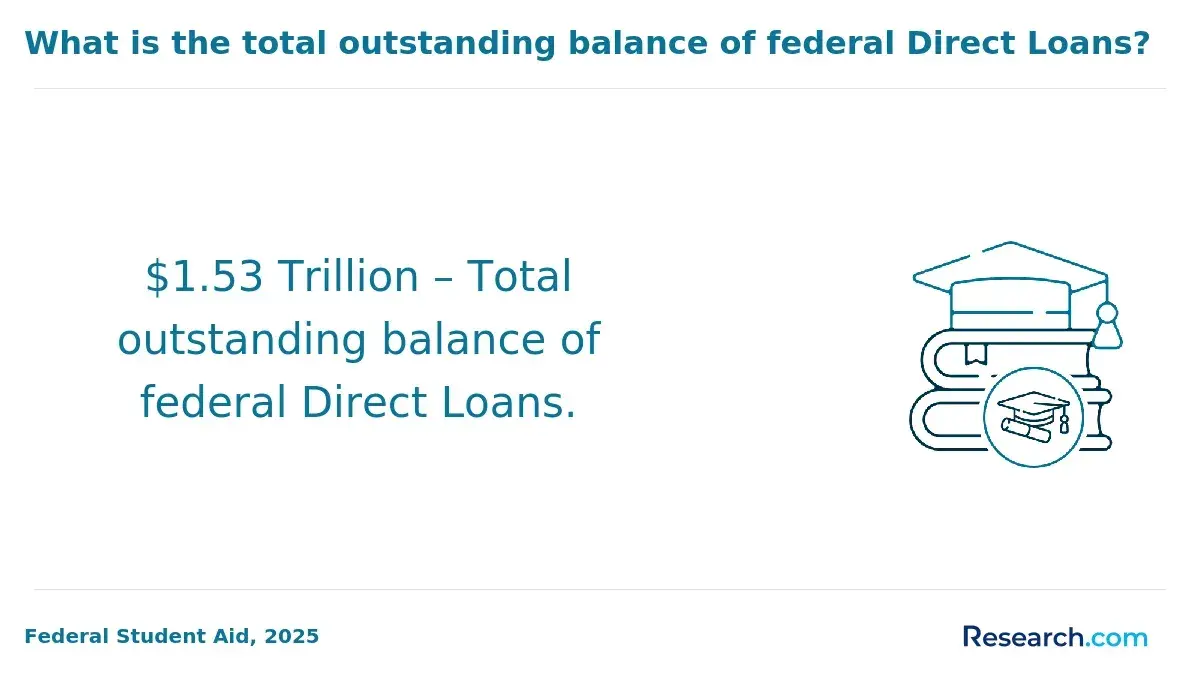
With the average federal student loan balance near $39,547 and rising close to $43,333 combined with private loans, efficient allocation of funds is critical for controlling debt growth. Those seeking guidance on co-signers and loan options may find valuable information on Ascent student loans cosigner.
How do you create a realistic monthly budget around your student loan disbursement schedule?
To align your monthly budget with your student loan disbursement schedule, first map out the loan payment dates and amounts. Loans typically disburse in fixed installments quarterly or semesterly. Instead of treating each lump sum as instantly available, break the total disbursed amount into monthly spending limits. This method supports effective monthly student loan budgeting tips and helps prevent cash flow gaps.
According to the College Board's Trends in College Pricing, college students spend an average of $3,016 monthly on essentials such as housing, food, transportation, and personal costs. Use this figure to estimate your needed budget. Effective student loan disbursement budget planning includes:
- Calculating total loan funds per term and dividing by the months those funds must cover.
- Prioritizing fixed costs like rent and utilities, which are non-negotiable.
- Allocating realistic amounts to variable costs, tracking weekly expenses to avoid overspending.
- Setting aside a buffer of 5-10% of monthly living costs for unexpected expenses.
- Adjusting spending monthly based on actual disbursements and any changes in income or needs.
Using budgeting tools or spreadsheets tied to loan disbursement dates can improve financial management.
For example, if you receive $9,000 per semester, plan monthly expenses carefully to avoid spending the entire amount in one month. Tracking every expense diligently and revisiting your budget monthly helps maintain stability and responsiveness to changing costs.
For students considering options to optimize their loan repayment, exploring the best student loan refinance offers can provide additional financial benefits and flexibility.
How can you stretch student loan funds to cover rent, food, and transportation responsibly?
Stretching student loan funds across rent, food, and transportation requires disciplined budgeting strategies for student loans in the US. Allocate no more than 30-40% of your total loan disbursement to rent, as housing typically consumes the largest portion of living expenses.
Consider options like shared housing or roommates to cut costs. For instance, splitting a $1,200 monthly rent with one roommate cuts your expense to $600, freeing funds for other needs.
Food expenses are manageable with planning. Budget about $200 to $300 monthly for groceries, prioritizing cooking at home over eating out. Use sales, coupons, and bulk purchases and avoid impulse buys by making weekly shopping lists. These responsible ways to allocate student loan money for living expenses help to preserve funds efficiently.
Transportation costs depend on your location. If available, use monthly public transit passes to save up to 25% compared to daily tickets. In cities lacking reliable transit, budgeting $100-$150 monthly for fuel and vehicle upkeep is common. Options like carpooling or biking can further reduce transportation expenses.
Federal Reserve data cited by Forbes notes the typical monthly student loan payment is $393. Prioritizing setting aside this amount monthly from your loan disbursement ensures timely repayment and lowers long-term financial strain.
Tracking expenses weekly with apps or spreadsheets helps identify overspending. Building an emergency fund, even $100 monthly, offers a financial buffer. For advice on student loan options, consider researching the best bank student loans available to suit your needs.
How do cost of attendance and financial aid refunds affect your living-cost budget?
The cost of attendance (COA) includes housing, food, transportation, and personal expenses, directly influencing your living-cost budget beyond tuition.
Housing often takes up the largest portion; average room and board costs can range from $10,390 at public two-year colleges to $15,250 at private four-year universities. This reflects how your choice of institution and location impacts budget planning.
Financial aid refunds happen when your aid exceeds billed expenses, providing extra funds for living costs. These refunds require careful budgeting because the money must cover rent, groceries, and utilities over time. Spending the refund too quickly or miscalculating expenses may create financial shortfalls during the semester.
To manage your budget effectively, consider the following:
- Calculate actual monthly housing costs using your school's averages or personal rental agreements.
- Separate utilities, food, transportation, and personal expenses to avoid overspending.
- Treat financial aid refunds as monthly stipends rather than one-time sums.
- Regularly monitor spending and update your budget based on housing changes or new aid.
Choosing between on-campus and shared off-campus housing impacts your COA and ease of budgeting. Aligning refund spending with your COA elements helps maintain financial stability throughout the academic year.
How should you prioritize needs vs wants when spending student loan money?
Prioritize spending your student loan money on essential needs such as rent, utilities, groceries, transportation, and school supplies. These costs provide stability and support academic success.
Research from College Financing Group shows that off-campus living expenses often exceed colleges' official cost-of-attendance estimates, with many students paying thousands more for housing and food. This makes accurate budgeting for real living costs vital.
Organize your loan funds with these categories in mind:
- Rent and Utilities: Aim for affordable housing costing 30-35% of your monthly loan disbursement.
- Food and Groceries: Budget $200-$300 monthly using smart shopping strategies.
- Transportation: Use economical or public transit options.
- Academic Expenses: Cover books, supplies, and necessary technology for coursework.
After essential needs, allocate money for wants like dining out, entertainment, clothing, and travel. Limit discretionary spending to 10-15% of your monthly loan amount. Cook at home instead of eating out frequently and track your expenses weekly to avoid impulse purchases.
Set aside 5-10% of your loan funds monthly for unexpected expenses as an emergency fund to prevent financial strain. Focusing on needs reduces debt stress and keeps your attention on education. Every dollar should support your academic goals or unavoidable costs.
How can you balance working part-time with using loans to cover living expenses?
Balancing part-time work with student loans requires careful budgeting and planning. Begin by calculating your total monthly expenses, including rent, food, transportation, and utilities.
Compare this with your expected income from part-time jobs and available loan funds to create a realistic budget. Use earnings primarily for everyday costs and reserve loan funds for larger or irregular expenses like textbooks or medical bills.
Track your income and spending weekly to find areas to cut costs. Strategies such as shared housing or meal prepping can save money without reducing your quality of life. Aim for a part-time job to cover at least 50% of living costs to minimize the amount you need to borrow, reducing future debt.
Flexible work schedules that adapt to your academic commitments help maintain consistent earnings while lowering stress. Adjust your working hours according to course load intensity, working more during lighter semesters and less when academic demands are high.
Utilize campus resources like financial aid offices and career centers to find on-campus jobs, which often offer competitive pay and accommodate student schedules better. Also, consider loan interest; borrowing only what you need helps avoid unnecessary long-term financial strain.
- Track expenses weekly to identify savings.
- Use earnings for routine costs, loans for irregular ones.
- Adjust work hours based on academic load.
- Leverage campus job resources.
- Borrow conservatively to manage interest.
With student loan debt rising annually by 1.66% while tuition costs decline by 0.72%, managing loans alongside steady part-time income is essential for financial stability based on analysis by the Education Data Initiative.
What strategies help avoid overspending your loan refund early in the term?
To manage your student loan refund wisely, start by creating a clear budget separating fixed costs-like rent, utilities, and groceries-from variable expenses such as entertainment and dining out. Only allocate funds necessary for essential living expenses each month rather than spending the full refund right away.
Divide your total refund by the number of months in your term to establish a monthly spending limit. For instance, if your refund is $6,000 for a four-month term, reserve $1,500 per month and avoid exceeding that amount early on. This approach helps prevent running out of funds quickly.
Automate transfers of your monthly budget to a separate checking account, keeping the rest in savings to reduce accidental overspending. Using cash envelopes for discretionary categories can help enforce tangible spending boundaries and discourage credit card use.
Track expenses consistently through budgeting apps or simple spreadsheets to spot overspending patterns early. Avoid major non-essential purchases early in the term since many recent graduates face underemployment and modest starting salaries, limiting financial flexibility.
Postpone discretionary expenses like vacations or luxury items until after the term or employment is secured. Seek out financial literacy resources from your school or community to improve long-term money management skills and lessen future loan reliance.
How do interest, capitalization, and future payments factor into your living-cost decisions?
Interest, capitalization, and future payments greatly influence how student loan money should be budgeted for living expenses. Interest accrues over time, increasing your loan balance the longer repayment is delayed. When unpaid interest is added to the principal through capitalization, it raises the total amount owed, causing higher future payments.
Limiting loan borrowing for daily costs is vital. Borrowing an extra $5,000 now can lead to paying hundreds more due to capitalization. Prioritize federal loans with lower interest rates and avoid high-interest private loans when possible. Planning your post-graduation income against your loan balance is essential since larger loans mean bigger monthly payments, affecting your ability to cover essentials like rent and utilities.
Many undergraduates borrow federal loans rather than relying solely on work or institutional aid, with 28.6% taking out such loans in a single year according to statistics from the Education Data Initiative. This highlights the need to manage loan funds carefully.
Strategies to reduce capitalization include:
- Making interest payments during deferment periods.
- Borrowing only what is necessary for essential living expenses.
By following these guidelines, borrowers can better control their long-term repayment burden and maintain financial flexibility.
When does it make sense to return excess loan funds instead of keeping them for living costs?
Returning excess student loan funds can help you avoid unnecessary debt accumulation, as interest begins accruing immediately on borrowed amounts. For example, if you receive $2,000 more than your actual living expenses, returning it prevents paying interest on that surplus.
According to a Federal Reserve analysis, a $1,000 increase in student loan debt lowers homeownership rates by 0.5 percentage points and delays first-time homebuying by about 3.5 years with median debt of $17,000. This highlights the long-term impact excess borrowing can have on financial milestones.
Consider returning funds if you:
- Have a stable budget and can cover living costs without the extra money.
- Want to limit total student debt to improve credit and borrowing potential.
- Plan to buy a home or take out large loans soon after graduation.
- Are worried about rising loan interest rates increasing repayment burdens.
Alternatively, keeping excess funds may be necessary if you face unexpected expenses or lack other income sources. Still, strict budgeting and expense tracking reduce this need. If you underestimate costs like rent or transportation, retaining a small reserve can prevent hardship.
However, promptly returning unused loan funds minimizes long-term debt costs. Applying student loan refunds carefully supports financial stability.
Returning funds you don't currently need keeps your debt aligned with actual expenses, helping accelerate financial recovery and avoid delays in goals such as homeownership.
Other Things You Should Know About
Student loan funds are typically disbursed directly to your school first to cover tuition and fees. Once these charges are paid, any remaining amount is refunded to you, usually within 14 days after enrollment is confirmed. The timing can vary depending on the school's policies, so it's important to check their specific refund schedule to plan your living expenses accordingly.
While student loan refunds can be used for living expenses such as rent, groceries, and utilities, they must still be reasonably related to your cost of attendance. Using these funds for non-educational or unrelated luxury items is strongly discouraged and could violate loan terms. It's important to maintain documentation and ensure your spending aligns with allowable living costs to avoid potential complications.
In 2027, if you find yourself with excess student loan funds meant for living expenses, it's wise to return the unused portion to reduce your loan balance. Not using the funds can decrease future interest accrual and overall debt, positively impacting your financial outlook after graduation.
Yes, student loan refunds can be used to cover unexpected emergency expenses such as urgent medical bills or temporary housing costs. However, it's advisable to keep such spending within reasonable limits and ensure these emergencies genuinely impact your ability to continue your education. Planning ahead and maintaining an emergency fund can reduce reliance on loan money for such situations.