2027 Construction Management Specializations for Facilities Management Careers

Co-Founder and Chief Data Scientist
Mid-career professionals in construction management often confront the challenge of selecting specializations that align with shifting industry demands while accommodating their time constraints and financial investments. The U.S. Department of Education reports a 15% rise in enrollment of adult learners in online construction-related programs since 2023, revealing a growing preference for flexible credentials that support career mobility without extensive time off work.
This shift underscores the need to weigh program accessibility against employer recognition and long-term advancement opportunities. This article outlines critical construction management specialization options tailored to facilities management careers, helping readers pinpoint pathways that balance practical demands with market realities.
Key Things You Should Know
- Specializing in facilities-focused construction management narrows market opportunities by 22%, per 2024 U.S. Bureau of Labor Statistics, demanding strategic geographic and sector selection to sustain career growth.
- Employers prioritize expertise in digital twin and BIM integration for lifecycle facility management, with 67% of 2025 industry surveys citing technology fluency as a minimum qualification.
- Advanced certifications in sustainable facility retrofitting extend program completion by 18 months on average, increasing upfront cost by 35%, influencing career pivot timing and financial commitments.
What is construction management, and how does it connect to facilities management careers?
Bridging construction management roles in facilities management demands a disciplined grasp of scheduling, cost control, and compliance to align building projects with operational continuity. Facilities managers depend on construction management expertise to execute renovations, repairs, and infrastructure integrations without compromising daily functions or regulatory standards.
For instance, healthcare environments require upgrades that avoid interrupting patient care, illustrating how this crossover mitigates costly downtime through meticulous project oversight.
In commercial real estate, the overlap optimizes tenant improvement and energy retrofit projects, elevating user satisfaction while controlling expenses. Practical proficiency in subcontractor scheduling, contract interpretation, and safety enforcement forms the backbone of effective facilities management careers linked to construction management, especially when capital projects or maintenance strategies are involved.
The workforce outlook reflects this synergy: construction managers earned a median annual wage of $106,980 with employment projected to expand at 9% through 2034, creating roughly 46,800 job openings yearly, according to the U.S. Bureau of Labor Statistics. This signals sustained demand for professionals who can integrate construction workflows with facility operations and highlights conditions for strategic career pivots.
Students and professionals weighing educational paths should target programs emphasizing real-world cost management, contract negotiation, and regulatory knowledge to mitigate typical risks such as budget overruns or operational disruptions. Mastery of project scheduling software and building codes is essential.
Those pursuing deeper specialization might consider a construction management masters as a practical step toward advanced competency.
Which construction management specializations are best for facilities management roles?
Facilities management roles demand construction management specializations that directly address operational controls and infrastructure systems. Emphasizing project scheduling, cost oversight, and mechanical, electrical, and plumbing (MEP) systems offers practical leverage since facilities managers must maintain compliance and efficiency across these critical building components.
Specializations in sustainable construction meet increasing employer expectations to integrate energy optimization and green technologies within facility operations. For example, managing HVAC system efficiencies in a commercial real estate portfolio often requires specialized knowledge in renewable energy applications.
Incorporating construction safety into one's skill set is an effective differentiator, as facilities managers remain accountable for occupant safety and regulatory compliance in post-construction phases. The gap between general contracting expertise and facilities management needs often centers on nuanced skills such as contract administration, vendor coordination, and facility condition assessments.
Prioritizing these competencies reduces friction in career pivots and maximizes employability in the facilities domain.
According to the U.S. Bureau of Labor Statistics Occupational Employment and Wage Statistics, facilities managers earn an average hourly wage of $55.06, which exceeds the national average by over 60%. Choosing construction management specializations aligned with facilities operations enhances salary potential and long-term career viability.
Professionals evaluating pathways for advancement or transition should consider targeted electives or certifications tailored to facilities management technicalities, rather than broad general contracting. Those interested in healthcare-specific management might also explore an MBA healthcare as a complementary credential to broaden leadership opportunities.
What degrees or certificates in construction management prepare you for facilities management?
Facilities management roles increasingly demand specialized expertise that integrates construction oversight with operational sustainability and risk mitigation. Degrees in construction management for facilities management provide foundational skills in budgeting, project oversight, and asset lifecycle management while emphasizing real-world software applications like building information modeling (BIM) and computerized maintenance management systems (CMMS).
These technical competencies align closely with employer expectations for managing complex infrastructure, from university campuses to healthcare facilities.
Construction management certification programs for facility managers offer targeted credentialing in areas such as regulatory compliance and maintenance lifecycle planning. These certificates expedite readiness in sectors with stringent standards-like government or healthcare-where noncompliance carries heavy financial and operational penalties. For example, industrial manufacturing facilities often rely on construction management education focused on safety and equipment lifecycle to enhance uptime and reduce costly disruptions.
The U.S. Bureau of Labor Statistics projects management roles in construction to grow nearly twice as fast as general construction employment by 2033, reflecting sustained demand for advanced managerial skills rather than labor-intensive roles. Program selection should prioritize accredited degrees that include practical internships or co-op opportunities, given the complexity of coordinating evolving smart building technologies and multi-stakeholder environments.
Those exploring pathways should also review alternatives such as the best online health information management degree CAHIIM accredited options to understand credentialing models and career alignment across adjacent fields.
How do online construction management programs compare to campus options for facilities careers?
The choice between campus and online construction management programs for facilities management roles hinges on balancing applied experience with flexibility. Campus-based programs provide critical hands-on training through physical labs, site visits, and immersive simulations that deepen operational understanding-essential for managing complex facility systems like hospital infrastructure.
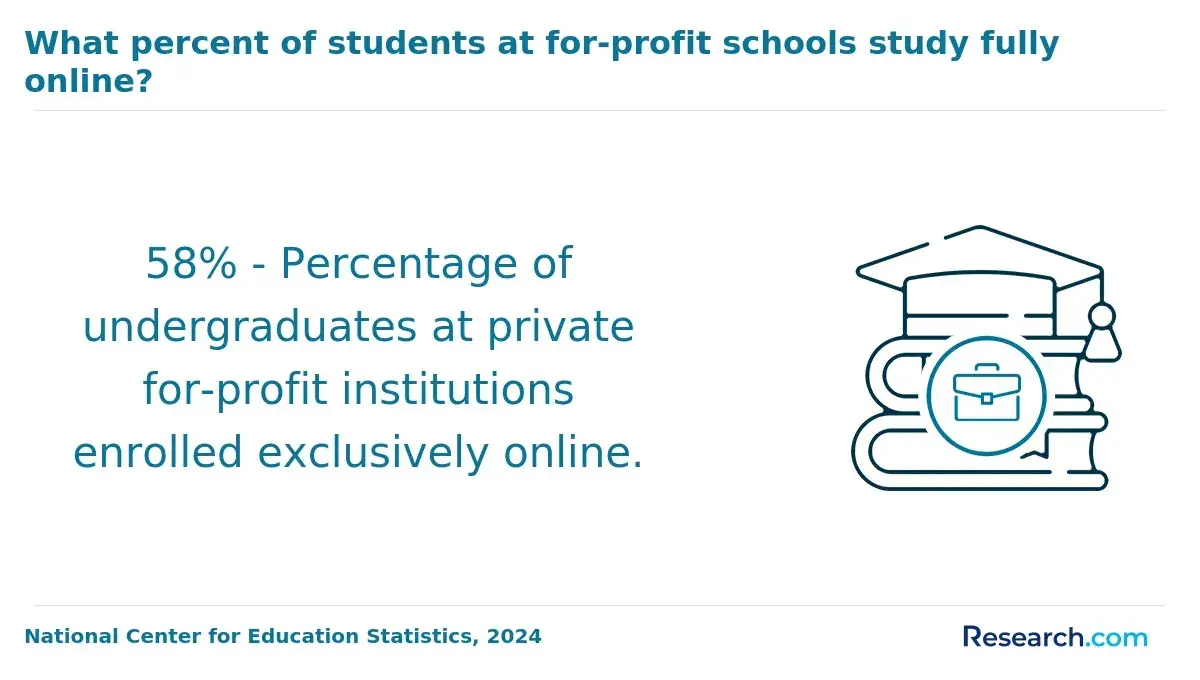
In contrast, online programs cater to working professionals by offering asynchronous coursework and digital tools, aligning with labor market demands where Texas alone projects a 16.8% growth in facilities manager employment over a decade.
However, the tradeoff is significant: employers often prioritize candidates with verifiable field experience that campus programs facilitate via internships and networking opportunities. Early-career individuals typically gain more from on-site learning environments that embed comprehensive skill-building, while mid-career professionals may benefit from the theoretical frameworks and project management strategies emphasized in online curricula.
This differentiation influences not only immediate employability but also longer-term leadership capabilities in operational facility management.
Key considerations include:
- The emphasis on experiential learning critical for roles requiring preventive maintenance and real-time team coordination.
- How online programs suit part-time learners balancing existing job commitments without access to physical labs.
- The employer preference for candidates with practical exposure alongside academic credentials.
Prospective students evaluating an online construction management degree for facilities careers should also explore related fields, such as health information management online programs, which may offer complementary insights into facility operations and regulatory compliance.
What core courses and technical skills link construction management study to facilities work?
Specialized construction management programs that focus on facilities work must address the complexity of coordinating multiple technical systems under strict regulatory frameworks. For example, healthcare construction demands expertise in HVAC and life-safety system integration to comply with infection control and patient safety standards, which differ significantly from typical commercial projects. Managers lacking this knowledge risk project delays or costly compliance failures.
Practical skills prioritized include proficiency in Building Information Modeling (BIM) for real-time project oversight, risk management tailored to critical infrastructure, and a deep understanding of standards like NFPA and OSHA that are mandatory in data-center environments. These competencies directly mitigate the operational risks associated with managing interconnected trades under tight deadlines, where errors can cause severe downtime or safety hazards.
Compensation data reflect this specialization's market value:; construction managers on IT and data-center projects earn a median total compensation of $166,450, roughly 55% higher than the overall median of $106,980, according to the 2026 ConstructionPlacements U.S. compensation guide. This pay premium signals employer demand for professionals who combine general construction oversight with targeted technical and regulatory knowledge.
Graduates should prioritize programs offering hands-on experience with advanced scheduling tools and critical facility commissioning. Ignoring these practical areas increases the risk of being underqualified, limiting adaptability in competitive segments requiring precise technical management and regulatory compliance.
What admission requirements and prior experience help you enter construction management programs?
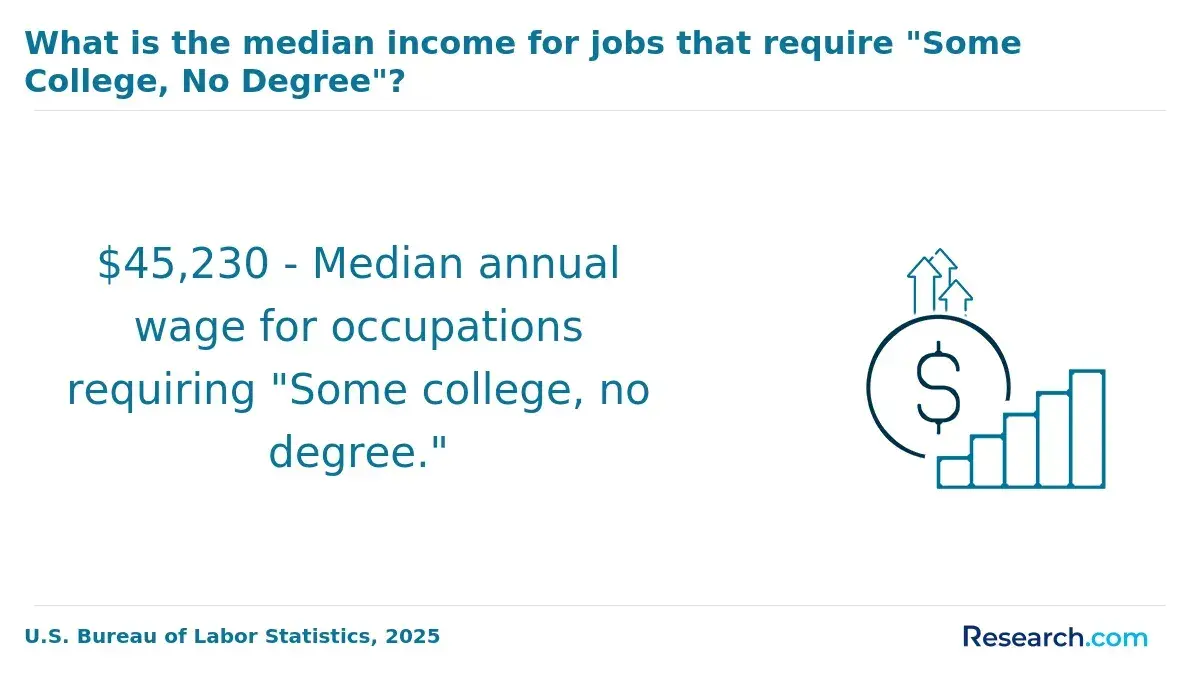
Admission criteria for construction management programs favor candidates with a STEM foundation and relevant work experience, reflecting employer preferences for technical competence and practical knowledge. Bachelor's applicants typically need a 2.5 GPA minimum and standardized test scores, though rigorous experience or trade certifications-such as those held by electricians or HVAC technicians-can sometimes substitute for academic prerequisites.
Graduate programs commonly require an accredited undergraduate degree in construction, engineering, or a related field plus two to five years of professional experience. This prior exposure accelerates mastery of critical skills like project planning, cost control, and site safety protocols, which are non-negotiable in field leadership roles.
Applicants without direct experience must often pursue foundational coursework or certificates before advancing to bachelor's degrees, presenting a tradeoff between immediate entry with incremental credential-building versus longer preparation with clearer advancement pathways.
In practice, sustainability consultants and professionals focused on green building techniques are strategically positioned to meet growing demand within specialized facilities management roles, leveraging backgrounds in environmental science or energy management. This is further supported by Indeed's 2025 data showing average salaries of $85,345 in sustainability-focused construction positions.
Effective applications highlight certifications, project leadership, and familiarity with BIM software, aligning candidates more tightly with the evolving expectations of construction technology and environmental compliance within the industry.
How long do construction management programs take, and what do they typically cost?
Opting for shorter credential programs in construction management can accelerate workforce entry but often limits upward mobility due to insufficient training in data-driven skills increasingly demanded by employers. For example, completing a certificate in BIM and construction analytics within 6 to 12 months may quickly qualify candidates for entry-level roles but leaves them vulnerable as automation reduces traditional support positions by an estimated 4%.
In contrast, associate degrees spanning about two years and bachelor's degrees requiring four years provide broader technical and managerial competencies, offering resilience in evolving labor markets.
Cost considerations must balance with long-term value: associate degrees at community colleges typically range from $6,000 to $15,000, contrasting with four-year public and private programs costing $20,000 to over $70,000. Online formats may offer modest tuition savings without compromising rigor. Strategically, programs emphasizing technology integration, like software-driven automation and data analytics, align more closely with a projected 9% increase in construction manager demand by 2025, underscoring the premium placed on tech fluency.
Students targeting sectors such as commercial facilities or infrastructure should prioritize credentials that develop digital skills alongside project management to enhance wage prospects and role flexibility. While accelerated pathways shorten timelines, they often sacrifice exposure to these critical competencies, which are essential for adapting to persistent industry shifts.
How can you verify accreditation and program quality in construction management education?
Choosing a construction management program without ABET accreditation risks gaps in essential competencies tied to risk, compliance, and safety-core focus areas employers demand for facilities management roles. For example, contractors working on healthcare or industrial projects must navigate stringent OSHA rules and site-specific regulations; without rigorous training grounded in these realities, graduates face a steep learning curve that employers penalize with lower salaries and limited advancement.
Indeed's data from 2025 shows general contractors tied to compliance and safety earn a median $95,937 nationally, indicating that employers assign tangible value to education proven to align with these responsibilities. Students should critically assess curriculum depth, prioritizing programs that include applied case studies on regulatory frameworks and risk management over merely theoretical coverage.
Faculty expertise also strongly influences program relevance. Instructors maintaining current industry certifications and active ties to professional bodies better prepare students for evolving compliance demands. Additionally, programs incorporating recognized certifications such as Certified Construction Manager or OSHA credentials enhance employability by validating practical skills.
Online programs must avoid compromising hands-on training. Effective virtual labs or partnerships providing fieldwork are essential to replicate onsite compliance challenges. Programs lacking transparent employment outcomes or disconnected from construction associations typically offer weaker returns on investment, limiting career momentum.
- Verify ABET accreditation to ensure meeting academic and professional standards.
- Review graduate employment data and salary benchmarks for evidence of employer recognition.
- Prioritize curricula integrating regulatory frameworks and real-world compliance scenarios.
- Confirm faculty industry engagement and certification facilitation.
- Evaluate delivery modes for adequate practical experience.
What construction management and facilities management jobs can you qualify for after graduation?
Employers in construction management and facilities management increasingly seek candidates capable of bridging project scheduling, cost control, and maintenance across diverse facilities- from healthcare to retail environments. For example, a project manager in healthcare must juggle strict regulatory compliance alongside complex infrastructure demands, while a facilities coordinator in retail focuses on vendor management and space optimization within constrained timelines.
National employment for facilities managers in the U.S. stood at 127,000 in 2022, with projections showing strong growth concentrated in states with vibrant commercial and industrial sectors. This regional demand translates to competitive wages, averaging $55.06 per hour nationally in 2024, but securing top salaries requires mastery of advanced skills.
Key challenges for graduates include fluency in integrated building technologies and sustainability reporting, alongside compliance with evolving local codes. Differentiation depends on proficiency with digital tools such as BIM software and preventive maintenance systems. Unlike entry-level construction roles focused narrowly on-site, these positions demand coordination across multidisciplinary teams and strategies for long-term asset management.
Employers value candidates combining construction and facilities expertise to reduce operational costs and extend asset life cycles. Graduates should pursue certifications related to project management or facility operations to align with employer expectations. Early-career professionals often rotate through cost estimating, safety, and contract administration roles to build the competencies essential for career progression.
What are salary ranges, certifications, and job outlook for facilities-focused construction managers?
Facilities-focused construction managers command salaries typically ranging from $70,000 to $120,000 annually, influenced by factors such as experience, region, and organizational scale. Entry-level positions start near $65,000, while seasoned managers in sectors like healthcare or higher education can exceed $130,000 due to regulatory demands and operational complexity.
The decision to pursue certifications such as the Certified Facility Manager (CFM) or Facility Management Professional (FMP) credentials directly impacts employability and earning potential. These certifications validate expertise in key areas like maintenance planning, sustainability, and space management-skills sought after for leadership roles overseeing facility operations and capital projects.
Workforce trends indicate a 25% growth in facility management roles over the next decade, driven by increasingly complex infrastructure and evolving workplace environmental needs. Construction managers transitioning into these roles must cultivate cross-disciplinary skills including contract negotiation, building automation systems, and lifecycle cost analysis to thrive.
A practical example from higher education underscores the tradeoffs faced daily: a facilities-focused manager balances immediate maintenance with long-term energy system upgrades under constrained budgets. Employers expect candidates to combine hands-on construction experience with facilities-specific knowledge to navigate this complexity effectively.
- Salary growth tied to sector-specific demands and certification attainment
- Necessity of strategic decision-making balancing capital needs with maintenance priorities
- Importance of cross-disciplinary skills beyond core construction expertise
Other Things You Should Know About Construction Management
Construction management roles can demand high-intensity workloads including long hours and multitasking under pressure, which can affect work-life balance and long-term career sustainability. Those aiming for facilities management should assess programs and employers for how well they train or support time management and stress mitigation. Prioritizing environments that emphasize project scheduling efficiency and realistic timelines helps maintain career momentum without burnout, a critical factor for sustained advancement into senior facilities roles.
Specialized programs targeting construction management skills directly tied to facilities management offer more relevant coursework and project experience, resulting in higher readiness for specific employer expectations. Generalist programs may provide broader exposure but often require supplementary on-the-job training to reach the same competency level. When choosing a program, prioritize those that integrate facilities-focused modules and case studies to reduce transition time and improve immediate job performance after graduation.
Certifications can accelerate credential validation and often address current industry standards more quickly than formal degree programs. However, certifications typically cover narrower competencies and may lack the analytical depth and strategic knowledge gained through extended study. Professionals should evaluate their current role and long-term goals; for those needing immediate qualification for supervisory positions, certification is a faster option, while those targeting leadership or complex project roles benefit more from advanced degrees that offer comprehensive theoretical and applied learning.
References
- Which Course is Best for Facility Management? https://facilitiesmanagementoxford.co.uk/blog/which-course-is-best-for-facility-management/
- Construction Management Jobs and Career Path | Cardinal Civil https://cardinalcivil.com/blog/what-jobs-can-you-get-with-a-construction-management-degree
- Facility Management Graduate Certificate | UT San Antonio Online https://online.utsa.edu/programs/certificate/facility-management-certificate/
- 7 High-Paying Facility Management Career Paths (With Salary Ranges) https://www.oxmaint.com/blog/post/high-paying-facility-management-careers-2025
- Determining Construction Management Education Qualifications and the Effects of Construction Management Education Deficiencies on Turkish Construction https://www.scirp.org/journal/paperinformation
- What is Construction Management? https://www.cmaanet.org/about-us/what-construction-management
- 5 Construction Management Career Opportunities Out of College https://aic-builds.org/5-construction-management-career-opportunities-out-of-college/
- Best Online Construction Management Degrees: 2026 https://gobuid.com/en/blog/all-articles/best-online-construction-management-degree-programs
- CourseCareers https://coursecareers.com/blog-posts/construction-management-degree-vs-field-experience-vs-online-construction-pm-training
- Facilities management: construction area of work https://targetjobs.co.uk/careers-advice/construction-and-property/facilities-management-construction-area-work