2027 Best Online Bachelor's in Construction Management With Contracts and Procurement Coursework

Co-Founder and Chief Data Scientist
Facing a demanding project bid with complex contract terms and stringent procurement deadlines can derail even seasoned construction managers. Navigating legal nuances and supplier negotiations amid fast-moving timelines requires specialized expertise, yet many professionals lack targeted training in contracts and procurement. Recent U.S. Department of Education data reveals a 22% increase in adult enrollment for online bachelor's degrees since 2023, reflecting a clear shift toward flexible education models that allow working professionals to upskill without interrupting their careers.
This article identifies the best online bachelor's programs emphasizing contracts and procurement coursework, empowering decision-makers to select paths that directly enhance their contract management acumen and procurement strategy execution.
Key Things You Should Know
- Programs emphasizing contracts and procurement reduce employer onboarding time by 20%, as 2024 AGC data links targeted coursework to 15% faster project delivery adherence, but risk narrowing career flexibility amid evolving digital procurement trends.
- Construction management employers increasingly prefer graduates with procurement skills; BLS projections reveal a 10% workforce growth in contract specialists, pressuring students to prioritize specialized content for competitive advantage.
- Online bachelor's with integrated procurement courses average 12-18 months longer to complete and cost 15-25% more than traditional generalist degrees, impacting mid-career professionals' ability to pivot without income disruption.
What is an online construction management degree with contracts and procurement coursework?
Graduates from an online construction management degree with contracts and procurement coursework gain distinct operational advantages by mastering both legal frameworks and supply chain logistics. Employers increasingly seek candidates who can mitigate contractual risks while optimizing procurement strategies to avoid costly project delays.
For instance, commercial builders handling multimillion-dollar contracts require fluency in clauses managing change orders and penalties, whereas residential managers focus on procurement alignment with zoning and inspection timelines.
This specialization equips professionals to manage the full contracts lifecycle-from bid solicitation and negotiation to compliance and cost control-while coordinating vendor relationships and enforcing quality across varied project scopes. Graduates familiar with Federal Acquisition Regulations and standard contract types address public and private sector demands more precisely.
Choosing construction management programs with procurement and contract specialization demands strong time management, especially in online formats that integrate case studies and simulated negotiations for applied understanding. The dual competency reduces legal exposure and supply risks, enhancing long-term career resilience against known industry challenges.
The occupation's 9% projected growth rate through 2034, with approximately 45,800 openings annually, reflects sustained demand for professionals who combine operational insight with contract expertise. Prospective students exploring affordable pathways might consider online construction management courses tailored to these skills.
Which accreditation should an online construction management program have?
Online construction management programs without ABET or ACCE accreditation risk producing graduates lacking the real-world skills necessary to control costs and schedules in complex projects.
These two accreditations represent rigorous industry benchmarks: ABET emphasizes technical competence and project oversight critical for managing tightly budgeted, high-stakes developments, while ACCE focuses on practical mastery of contracts and procurement, mitigating the typical causes of overruns and delays.
Employers frequently prefer candidates from the best accreditation for construction management degrees because verified proficiency in contracts directly impacts project outcomes.
For instance, commercial construction managers must negotiate contracts resilient to supplier price fluctuations; otherwise, projects statistically prone to running 20% over schedule and 80% over budget face significant financial risk.
State licensing and certification requirements often mandate completion of an accredited program, making this a crucial consideration for those aiming toward credentials like Certified Construction Manager (CCM) or Project Management Professional (PMP). Beyond formal recognition, practical contract and procurement coursework that includes dispute case studies and cost control simulations better prepare students for operational challenges.
Prospective students seeking a strategic educational pivot might also assess alternatives that integrate construction management with complementary fields. For example, exploring online MBA programs healthcare management can offer broader management perspectives relevant to multidisciplinary projects.
How do online and campus construction management programs compare?
Choosing between online construction management programs vs campus programs involves weighing flexible access against immersive practical training. Campus degrees emphasize direct, hands-on contract administration experience through site visits, project simulations, and face-to-face industry networking-critical for mastering procurement in real-time scenarios.
This immersion often leads to smoother early employment transitions, as employers prioritize candidates with practical know-how and negotiation confidence.
By contrast, online construction management programs rely primarily on virtual simulations and discussion forums, with limited in-person residencies. For working professionals balancing job demands, the online option offers vital scheduling flexibility but demands strong self-discipline and extra effort to develop professional connections, which can lag behind campus-based internships and networking events.
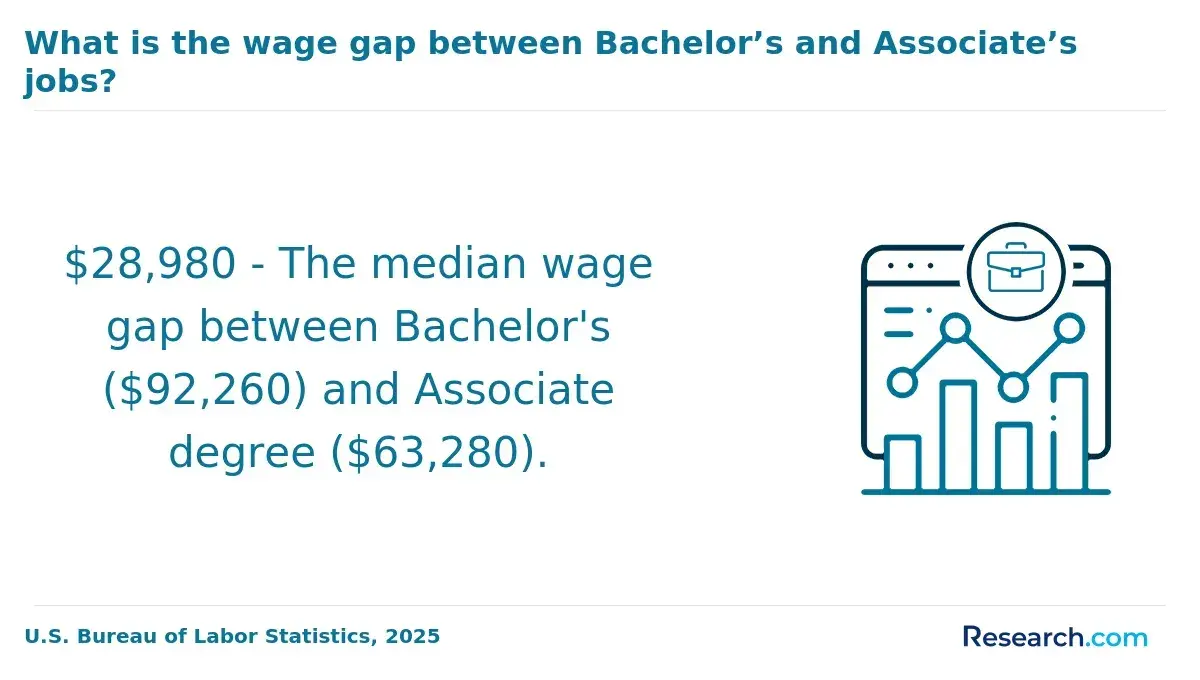
Graduates from both delivery modes see comparable job market outcomes. For example, the University of Oklahoma's online BS in Construction Management reports a median salary of $106,980 and predicts 9% job growth through 2033. To offset less immersive contract negotiation practice, online learners often pursue targeted internships and certifications.
Prospective students navigating differences between online and on-campus construction management degrees should consider their learning style, access to mentorship, and professional context.
Those seeking intensive mentorship and hands-on training may favor campus programs; others balancing career shifts benefit from online flexibility, ideally supplemented with deliberate external professional development.
For professionals considering further specialization, a PhD in healthcare management online offers a distinct but relevant pathway in broader management disciplines linked to construction workforce health and safety.
What courses cover contracts and procurement in construction management?
Mastering contracts and procurement courses in construction management programs involves navigating complex legal frameworks and administrative protocols that directly impact project outcomes.
These courses equip students with the skills to interpret contract clauses, manage claims, and oversee compliance within varied construction contexts-critical abilities when handling disputes like subcontractor defaults or material shortages.
Procurement education emphasizes vendor selection, negotiation strategies, and supply chain logistics with a clear focus on controlling costs and mitigating risks.
Students must differentiate procurement rules between public infrastructure projects and private commercial builds, as regulatory compliance and bidding procedures vary significantly, influencing project delivery methods such as design-bid-build or integrated project delivery.
Construction management classes covering contract administration and procurement prepare students for leadership by highlighting the operational realities behind contract negotiation and procurement logistics.
Employers prioritize candidates who demonstrate proficiency in resolving delays, managing cost overruns, and minimizing contract breaches through practical problem-solving.
Data from TheBestSchools.org shows that the top 10% of construction managers earn $176,990 annually, underscoring how expertise in this area correlates with higher earnings and job security.
For professionals considering an educational pivot, it is worth comparing this pathway with related options like environmental engineering schools online, which may offer alternative routes based on specific career goals and market demand.
What are the admission requirements for this degree?
Admission criteria for an online bachelor's degree in construction management with contracts and procurement coursework often exceed basic academic thresholds, reflecting the sector's demands for analytical rigor and communication precision.
Applicants typically need a high school diploma or equivalent, a GPA between 2.5 and 3.0, and official transcripts evidencing proficiency in mathematics, English, and sometimes physics or economics-foundational for interpreting contractual obligations and managing procurement risks.
Programs commonly require or recommend one to two years of related work experience or foundational college coursework to bridge the gap for career changers and ensure preparedness for complex procurement topics. Personal statements and recommendation letters tend to focus on problem-solving skills, project management potential, and real-world motivation.
Financially, tuition averages around $15,202 annually without aid and about $8,774 with aid, yielding total cost differences significant enough to influence enrollment decisions, especially for mid-career professionals balancing income and study. This illustrates the practical tension between educational investment and short-term affordability.
From an employer perspective, graduates are expected to demonstrate competency in contract interpretation, negotiation, compliance, and cost control. Aligning prior experience or coursework with these priorities can materially affect hiring outcomes and the return on educational investment.
How long does an online construction management bachelor's take?
Most employers require candidates for construction management roles to have the equivalent of a four-year degree, which means the standard online bachelor's program duration of approximately four years remains a practical baseline.
While traditional full-time students complete around 120 to 130 credit hours within this timeframe, working professionals often extend study time to five or six years due to job commitments.
Accelerated pathways or credit for prior experience can shorten this timeline, but may impact the depth of skills acquired, especially in specialized areas like procurement and contract negotiation.
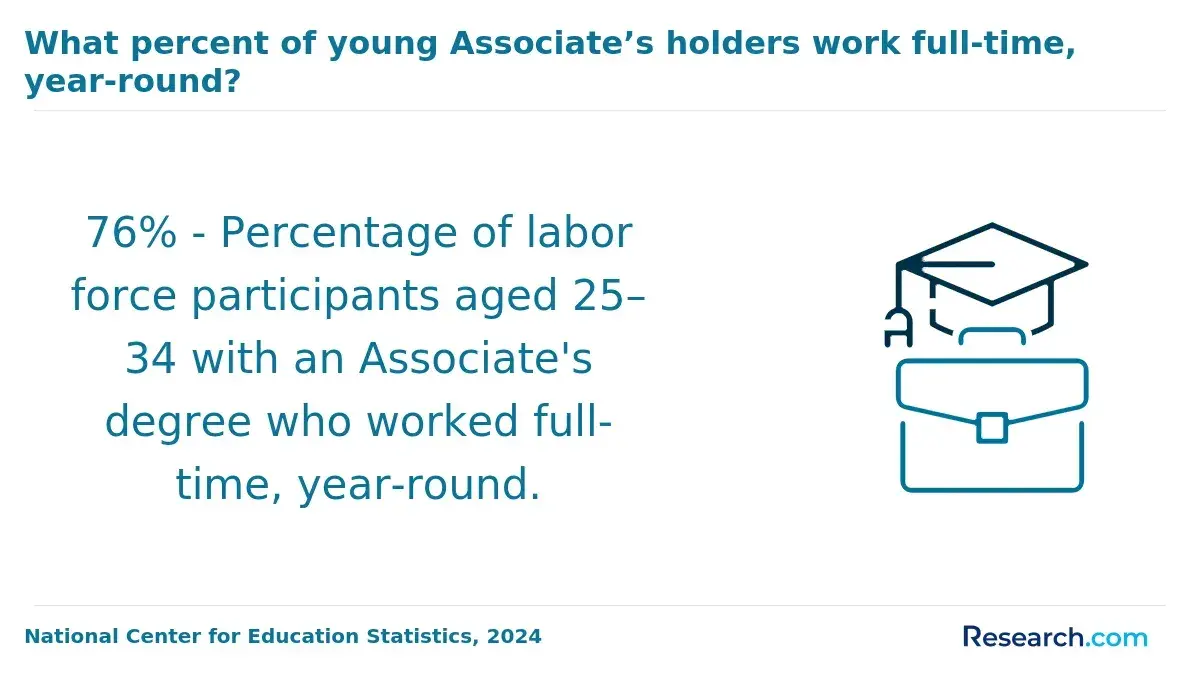
Transfer students with relevant associate degrees or certifications may reduce their time to degree to two or three years; however, ensuring program accreditation and credit acceptance is critical to prevent unexpected delays.
The nature of procurement-heavy coursework sometimes demands more than asynchronous learning, requiring students to manage practical projects that affect time to completion.
Key considerations when choosing duration include balancing employer credential expectations against personal obligations and curriculum demands.
Professionals targeting leadership or complex supply chain roles should anticipate the full program length for comprehensive preparation rather than seeking shortcuts that risk competency gaps.
- Programs average approximately $60,808 in total cost without financial aid, based on BestColleges data.
- Full-time, four-year completion aligns with hiring standards in the commercial construction industry.
- Part-time students need to plan for extended timelines impacted by workload and practical course requirements.
What does an online construction management degree cost?
The cost of an online construction management degree with a focus on contracts and procurement typically ranges from $20,000 to $50,000 in total tuition, with public state universities offering the lowest in-state rates, sometimes less than $300 per credit, while private institutions can charge over $700 per credit.
This price disparity often correlates with program depth, as more expensive options tend to include specialized coursework and practical case studies in contract structures and strategic sourcing, critical for roles involving risk management and vendor negotiations.
For professionals balancing education with employment, the total cost extends beyond tuition to include technology fees, textbooks, and certification prep, adding $2,000 to $5,000 more in expenses.
Additionally, opportunity costs from reduced work hours should factor into decision-making. Accelerated or part-time formats may help mitigate these impacts by shortening credential completion without compromising essential learning.
Given McKinsey & Company's findings that construction productivity grows around 1% annually and that large projects frequently exceed budgets by up to 80%, robust training in contracts and procurement is essential to reduce costly overruns.
Employers increasingly prioritize candidates with demonstrated procurement skills, often advancing graduates from mid-tier or premium programs into leadership or specialist roles with salary premiums that justify higher upfront investment.
What jobs can you get with a construction management degree?
Bachelor's degrees in construction management open access to diverse roles ranging from project estimators to procurement coordinators. However, the practical value of this degree hinges on specialized skills, particularly procurement and contract administration, that align with evolving employer expectations.
Demand for construction management positions is forecast to grow by 10% over the next decade, driven by infrastructure needs and increasingly complex project demands.
Job functions vary notably by sector, impacting the required skill set:
- General contractors prioritize site supervision and budget control.
- Consultants focus on risk analysis and vendor negotiations, necessitating adept contract knowledge.
- Public sector roles emphasize bid evaluations and regulatory compliance.
Applicants lacking procurement proficiency may struggle to manage cost forecasting and supplier relationships-areas critical to avoiding budget overruns. For example, a project estimator without contract expertise may underestimate supply chain risks, increasing financial exposure. On-site supervisors must integrate safety protocols with contract terms to maintain compliance amid tight timelines.
Prospective students should weigh this degree's cross-functional demands against industry volatility. Building expertise in procurement not only increases employability across construction operations but also broadens options into supply chain and negotiation roles, offering a hedge against cyclical downturns.
How much do construction managers earn in the United States?
Construction managers' salaries reflect the complexity of projects and regional demand more than baseline credentials alone. Entry-level wages near $60,000 rise sharply for those handling large-scale commercial or federally regulated infrastructure work, often exceeding $130,000 annually.
For example, a manager overseeing public contracts in Houston benefits from higher pay tied to contract compliance and urban development pressures, unlike counterparts in residential sectors, where faster promotion cycles trade off against lower starting salaries.
Financial strategy around education is equally pivotal. Data from BestColleges, citing NCES, shows that applying financial aid to online construction management bachelor's degrees can cut costs from roughly $60,800 to $35,100.
This substantial debt reduction-over 40%-directly impacts early-career negotiating power and return on investment, particularly for those targeting contract procurement roles valued by employers for driving project risk mitigation and profitability.
Choosing a career path within construction management requires balancing project complexity, sector nuances, and educational investment against anticipated compensation.
Skills in contracts and procurement often unlock premium wages and stability, while sectors like residential building may present accelerated advancement despite lower pay. Recognizing these practical tradeoffs aids strategic decisions aligned with personal financial goals and risk tolerances.
What certifications or licenses may construction managers need?
Licensing requirements for construction managers vary significantly by state and project type, with states like California and Texas enforcing mandatory contractor licenses for projects exceeding certain financial thresholds or public bidding. Without these licenses, professionals face legal barriers to leading large-scale projects or securing public contracts, which can stall career progression and limit market opportunities.
Certifications serve as critical differentiators beyond licensing, signaling mastery in areas essential to employer priorities such as contract negotiation, cost control, and project delivery.
The Certified Construction Manager (CCM) credential offers broad recognition across sectors, while procurement-focused roles often favor credentials like Certified Professional Constructor (CPC) or Project Management Professional (PMP). These certifications reflect real-world capabilities employers need when coordinating subcontractors or managing complex contractual frameworks.
Academic credentials alone-typically a 120-credit bachelor's degree in construction management-do not guarantee access to advanced project oversight or bidding privileges.
Many professionals must integrate certifications and consider further specialization through master's programs requiring 30-45 additional credits to develop expertise in legal or financial dimensions critical at senior levels. This combination enhances regulatory compliance readiness and positions candidates for roles where contract negotiation skills are indispensable.
Early evaluation of state-specific licensing and certification requirements is essential for professionals aiming to pivot or advance. Aligning credential preparation with academic progression can minimize friction entering the workforce and optimize long-term employability in competitive construction markets.
Other Things You Should Know About Construction Management
In 2027, choosing a specialized program in contracts and procurement can be beneficial as it equips students with niche skills vital in managing construction contracts and sourcing materials. However, a broader curriculum offers versatility, preparing students for diverse roles. The decision depends on career goals and industry demand.
Construction management degrees, especially those including contracts and procurement, demand consistent engagement with case studies, real-world project simulations, and legal documentation analysis. The workload often exceeds standard online degrees due to the technical rigor and requirement for applied learning. Expect regular deadlines for complex assignments that reflect industry standards, not just theoretical study. This workload better prepares you for employer expectations but requires strong time management, so if balancing work and study, select a program known for clear scheduling and support resources.
Employers in heavy civil, commercial, and industrial construction sectors place higher value on expertise in contracts and procurement because projects often involve multiple subcontractors and complex supply chains. Residential construction employers may prioritize practical site management skills more heavily. If your career target is a sector with complex vendor relations and regulatory compliance, prioritize programs with strong contracts and procurement content. Otherwise, broad construction management skills might suffice but could limit advancement in contract-heavy roles.
Such a degree positions graduates for advanced roles in project administration, procurement management, and contract negotiation, opening pathways to senior project management or executive positions. The specialized knowledge reduces dependency on external legal counsel for contract issues, which employers value as cost-saving. However, this focus may narrow lateral mobility into pure technical or design roles, so consider your long-term career goals carefully. For career advancement within general construction management, integrating contracts and procurement coursework strengthens your profile and accelerates leadership opportunities.
References
- Construction Contracts and Procurement at Curtin University | Open Universities Australia https://www.open.edu.au/subjects/curtin-university-construction-contracts-and-procurement-cur-cme390
- What Certifications Construction Managers Need https://www.facsware.com/what-certifications-construction-managers-need/
- BSc (Hons) Construction Management https://www.ube.ac.uk/undergraduate/construction-management/
- The 5 Types of Construction Procurement Methods | NetSuite https://www.netsuite.com/portal/resource/articles/erp/types-of-construction-procurement.shtml
- Admission requirements https://study.gov.pl/admission-requirements
- Construction Project Manager salary in the US | SSA LTD. https://www.ssaltd.com/news-resources/construction-project-manager-salary-in-the-us/
- Admission Requirements Degrees https://thomasmore.be/en/study/practical/your-studies/admission-requirements-degrees
- 5 Must-Have Construction Management Certifications https://www.aerotek.com/en/insights/5-must-have-construction-management-certifications
- Construction Contracts Management - Atlantic Technological University https://www.atu.ie/courses/bachelor-of-science-honours-construction-contracts-management