2027 Construction Management Specializations for Estimator Careers

Co-Founder and Chief Data Scientist
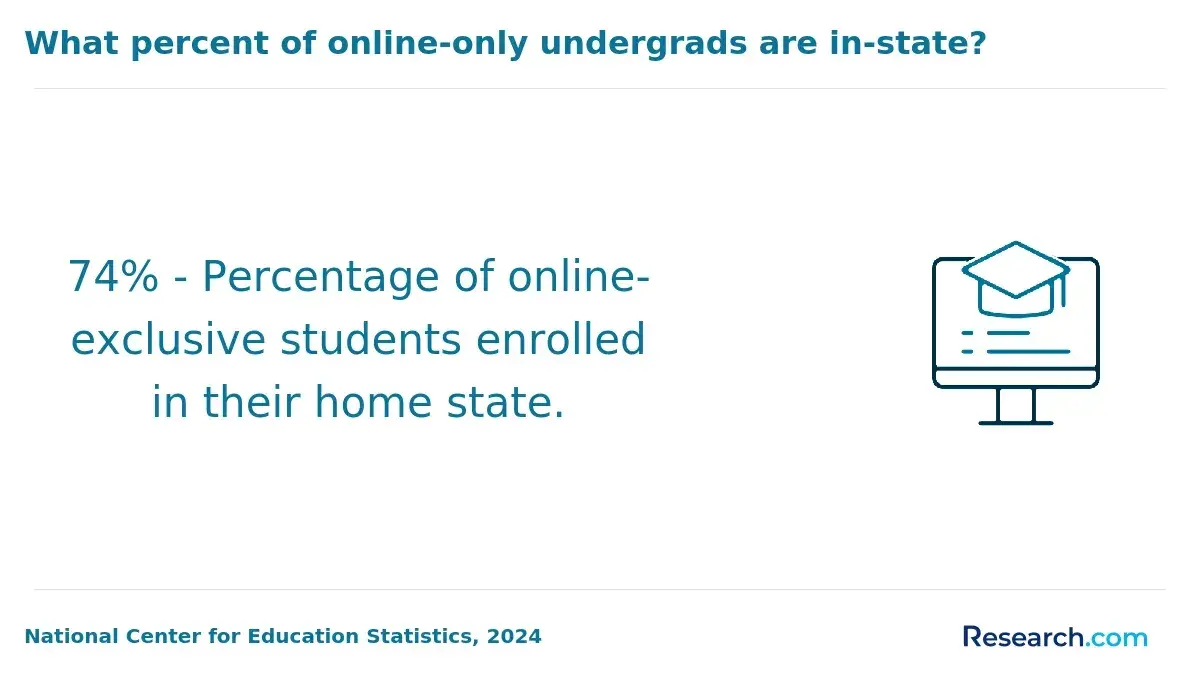
Estimators in construction management confront escalating complexity as projects integrate sustainable materials, modular designs, and advanced bid software. Delivering timely and accurate cost projections now requires specialized knowledge beyond foundational estimating skills. The U.S. Department of Education notes a 45% surge since 2022 in enrollment for flexible, online construction-related programs, signaling greater demand for adaptable education that accommodates working professionals pivoting into estimating roles.
This shift responds to employer emphasis on hybrid skill sets combining digital proficiency with field-specific expertise. This article examines in-demand construction management specializations tailored for estimator careers and guides readers in selecting focused training that meets evolving industry requirements and accelerates career progression.
Key Things You Should Know
- Specializations in cost estimation technologies requiring proficiency in AI-driven software yield a 24% efficiency gain in bid accuracy but demand significant upskilling investment over 12-18 months, impacting mid-career pivots.
- Employers prioritize estimator candidates with integrated knowledge of sustainable construction methods, with 68% of large firms linking this to contract competitiveness, reshaping workforce demand toward environmental metrics familiarity.
- The median added credential cost for subcontractor-focused estimation specialties surpasses $7,000, delaying ROI by 9 months on average, influencing education pathway selection amid rising industry project complexity.
What is construction management for estimator careers?
Estimator roles that integrate construction management skills require more than surface-level cost calculations; they involve dynamic oversight of project variables that directly affect bidding and execution. This dual focus shapes how estimators handle risk, supplier negotiations, and client communications to align financial forecasts with real-world project development.
For instance, an estimator specialized in construction management anticipates supply chain disruptions and fluctuating labor costs in large commercial projects, which can determine contract provisions and buffer allocations.
Employers prioritize construction management skills required for estimator careers because these professionals link financial analysis with operational adjustments throughout complex, multi-phase, or design-build projects.
Unlike traditional cost estimators, these individuals manage procurement timing, scheduling, and contingency budgeting, navigating the evolving demands that reduce cost overruns and mitigate bid risk. This makes their expertise essential in environments where project sequencing and adaptable financial controls impact profitability.
The labor market outlook underscores this shift: construction managers earned a median annual wage of $106,980 with a projected 9% growth rate and about 46,800 yearly openings, reflecting demand for hybrid roles blending estimating and management.
Practical pathways to meet these expectations include targeted coursework or certifications in advanced cost estimating, construction law, and project control methodologies.
Prospective students considering a strategic career pivot should evaluate programs like the best online construction management degree offerings that balance flexibility with industry-relevant skill development focused on these roles.
Which construction management specializations prepare you for estimator jobs?
Estimator roles in construction management require precise quantitative skills tailored to specific specializations such as cost estimating, preconstruction management, and quantity surveying. These pathways equip candidates with critical capabilities, including quantity takeoffs, cost control, risk analysis, and bid preparation skills that sharply influence project competitiveness and profitability.
For example, proficiency with advanced estimating software can reduce bid preparation time by 30%, accelerating responsiveness in competitive bidding environments. The reality of workforce shortages, particularly a reported 92% labor deficit in preconstruction functions like estimating, compounds candidate evaluation.
Programs combining preconstruction management with construction technology directly address these gaps by fostering collaboration among design, procurement, and project teams to generate realistic cost forecasts. This integrated approach aligns well with employer demands for practical collaboration skills in estimator career paths in construction management disciplines.
Quantity surveying remains less integrated in many U.S. programs but delivers an advantage for estimators dealing with complex commercial or infrastructure contract scenarios. The focus on contract administration and fluctuating material costs prepares graduates for nuanced cost analysis beyond standard estimating tasks.
Employers also weigh demonstrated experience in interpreting construction documents and risk-informed cost projections, favoring graduates with internships or co-op placements. Despite an anticipated 4% decline in estimator positions from 2024 to 2034, specialized training can offset fewer openings by enhancing candidate qualifications for hard-to-fill roles amid persistent labor shortages.
Prospective students should consider how these construction management specializations align with their practical goals and market dynamics when evaluating project management degrees.
Do construction management degrees need accreditation for estimator careers?
Choosing an accredited construction management degree directly affects estimator's career trajectory by signaling verified technical capability to employers. While accreditation is not universally mandated for estimator roles, programs recognized by bodies such as ABET or ACCE deliver curricula aligned with industry benchmarks that cover critical competencies like cost estimation, project controls, and contract administration.
Graduates with accredited degrees face fewer barriers when pursuing certifications like Certified Cost Professional or Project Management Professional, credentials often required by employers for advanced estimator or project control positions.
Non-accredited degrees can restrict access to federally funded jobs or certain employer-backed certifications, limiting practical career opportunities. For instance, hiring managers may hesitate to onboard candidates without accreditation due to the additional training investment needed to meet standard methodologies, thereby extending time-to-productivity and reducing early-career earning potential.
The labor market outlook from the U.S. Bureau of Labor Statistics indicates a 6% growth in project management roles through 2032, with approximately 68,100 openings annually. This reinforces the advantage of accredited programs that integrate hands-on cost modeling and certification eligibility, key factors for long-term employability.
Students analyzing construction management degree accreditation requirements for estimator careers should weigh these pragmatic elements carefully.
For professionals interested in related health sector transitions, exploring options like the fast online master's in healthcare management can provide alternate pathways requiring similar analytical and project management skills.
Should you choose online or campus construction management programs?
Choosing between campus and online construction management programs for estimator roles depends on reconciling the need for hands-on experience with the demand for digital proficiency. Campus programs provide direct exposure to physical resources, including equipment labs and face-to-face collaboration essential for mastering traditional estimating methods alongside BIM and digital quantification tools.
For instance, estimators engaged in large commercial projects benefit from campus settings where real-time software training and problem-solving with field engineers occur under supervision.
On the other hand, online construction management degree benefits include flexibility to balance coursework with professional obligations, supporting career pivots or skill upgrading while maintaining income.
Nearly 60% of U.S. construction firms use digital takeoff and estimation software, improving cost-estimate cycle times by approximately 30%. Online curricula often integrate BIM and digital tools through virtual simulations, aligning with current industry expectations.
Employers increasingly prioritize demonstrated digital competencies over physical presence, allowing online graduates to compete if their training matches industry software standards. However, online learning can limit networking and mentorship opportunities, and demands greater self-discipline and stable technology access.
Prospective students should prioritize campus programs if their roles require direct site coordination or access to specialized labs and materials. Online learning suits those needing flexible schedules who already possess field experience and emphasize digital skills relevant to technology-driven workflows.
For a comparative perspective on online graduate engineering pathways, consider this online master's in electrical engineering degree ranking, which reflects broader trends in distance education quality and workforce alignment.
What courses matter most in construction estimator training?
Precision in cost estimating hinges on mastering specialized software, quantity takeoff, and detailed materials pricing to avoid costly bid inaccuracies. However, the practical challenge lies in navigating discipline-specific variables: heavy civil estimators confront earthwork and concrete complexities, whereas those in commercial building must understand HVAC systems. This disparity requires tailored coursework rather than generic training.
The rising demand for sustainable construction expertise reshapes estimator roles significantly. With green building projected to near $610 billion annually by 2030, proficiency in lifecycle cost analysis and carbon accounting increasingly separates successful candidates from underprepared peers. Overlooking electrification systems or renewable energy integration can cause bid mismatches and lost contracts in this niche.
Financial and project management education offers vital insights into balancing crew productivity, contingencies, and overhead under fixed-price constraints. Students who engage with real project scenarios gain critical exposure to field realities such as material delays and labor shortages, bridging theoretical estimates with practical outcomes.
Key tradeoffs emerge between software proficiency and hands-on experience. Programs emphasizing only digital tools risk underpreparing students for site unpredictability. Integrating sustainable materials data, evolving electrical codes, and regulatory cost factors into curricula better aligns graduates with employer expectations and long-term viability in competitive fields.
What admission requirements do construction management programs usually have?
Admission to construction management programs demands more than a high school diploma; it requires a strategic blend of academic achievement and relevant hands-on experience. Strong math and science credentials are often non-negotiable, while standardized tests like the SAT or ACT remain standard for many schools, though the test-optional trend is gaining traction.
Candidates with prior certifications or coursework in engineering, architecture, or construction technology enjoy a notable advantage, especially for estimator-focused bachelor's or associate degrees.
Prospective students must present detailed resumes that underscore internships or work in construction trades, signaling familiarity with project workflows and materials. Letters of recommendation from industry professionals or educators attesting to technical competence are vital for selective programs.
Working professionals moving into specialized certificates or graduate study need to demonstrate relevant project management or estimating experience, often submitting portfolios or case studies showcasing real cost analysis capabilities.
Balancing practical fieldwork with academic readiness is crucial; for instance, programs emphasizing heavy civil or infrastructure estimating often expect detailed knowledge of federal contracting and pipelines. Financial clearance, placement tests, and English proficiency requirements apply, particularly for international applicants.
Candidates should anticipate prerequisite technical courses before advanced estimator classes, aligning with employer expectations for graduates able to contribute immediately to demanding public infrastructure projects.
The Texas Career Check projects a 7.37% increase in employment for cost estimators in Texas, illustrating a sustained labor market demand that favors graduates who combine practical experience with academic rigor.
How long does a construction management degree take and cost?
Opting for a bachelor's degree in construction management, especially with a focus on MEP (mechanical, electrical, plumbing) estimating, presents a strategic tradeoff: higher upfront costs and a four-year commitment versus significantly elevated earning potential and employer expectations for technical expertise.
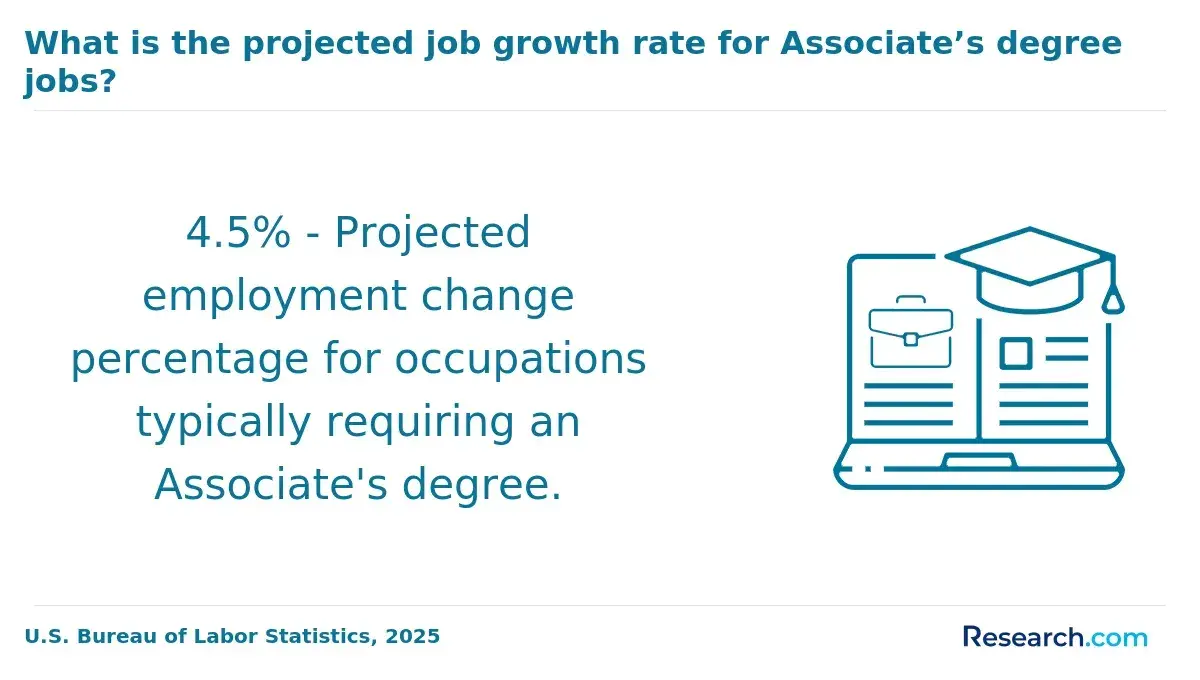
Associate degrees offer faster entry and lower costs ($10,000-$30,000 over two years) but rarely position graduates for senior estimator roles demanding advanced skills in cost analysis, contract law, and project scheduling.
Programs that integrate hands-on software training and field internships better prepare candidates to meet real-world challenges, enabling progression toward senior positions with salaries ranging from $125,000 to $180,000+. Conversely, shorter or part-time pathways tend to limit sector-specific knowledge and can prolong total educational expenses.
Students balancing work and study must consider that extended enrollment often increases costs indirectly through lost income opportunities. Employer tuition support and scholarships exist, but seldom bridge the full funding gap for comprehensive bachelor's programs.
Ultimately, the decision hinges on weighing immediate affordability against long-term salary premiums tied to education rigor and content relevance. For estimator candidates, a focused bachelor's degree aligned with industry complexity represents the most reliable path to senior-level roles and the specialized expertise employers demand.
What certifications help construction estimators advance their careers?
Estimators' career trajectories in construction hinge significantly on selected certifications, with the Certified Professional Estimator (CPE) from the American Society of Professional Estimators standing out for those pursuing complex commercial projects.
This credential signals a high level of estimating expertise, often correlating with median salaries around $166,000 in sectors like IT infrastructure and mission-critical construction.
In contrast, residential or healthcare domains, with salary ranges closer to $120,000-$145,000, reflect a reduced but still tangible benefit from holding a CPE.
For those at earlier stages or with less experience, the Associate Estimating Professional (AEP) credential serves as a practical foundation, establishing core skills valued by many employers.
Specialized trades benefit from certificates accredited by the American Council for Construction Education (ACCE), especially when precise knowledge of building codes and materials pricing influences bid accuracy in multifaceted commercial jobs.
Project Management Professional (PMP) certification can augment an estimator's skill set by integrating cost control into broader project frameworks, though it requires prior management exposure and cannot replace technical estimating capabilities.
Candidates must weigh the time investment for certifications like the CPE against the expected salary uplift and the increasing employer demand for balanced technical and managerial competencies.
Decision-making around certifications should consider industry segment focus, targeted salary bands, and the realistic rhythm of study versus work demands, rather than pursuing credentials solely for prestige.
- Certified Professional Estimator (CPE): advanced commercial construction estimate mastery
- Associate Estimating Professional (AEP): foundational skills for early-career estimators
- Construction Estimating Certificate (ACCE-accredited): targeted trade and code expertise
- Project Management Professional (PMP): integration of cost estimation with project leadership
What jobs can you get with a construction management estimator specialization?
Specializing in construction management, an estimator narrows your career options to roles focused on precise budget forecasting, blueprint analysis, and bid proposal development. These tasks are critical across commercial, residential, and infrastructure sectors where employers demand accuracy amid tight deadlines.
For instance, estimators working on heavy civil projects concentrate on earthworks and regulatory compliance costs, whereas those in commercial construction prioritize materials and labor expenditures.
The transition from estimator to broader construction management roles requires acquiring additional competencies such as schedule coordination, subcontractor oversight, risk assessment, and contract administration.
This progression is not automatic; firms expect construction estimators to adapt quickly to team supervision and handle complex, multi-stage budget analyses.
Compensation reflects this, with construction managers earning a median wage of $106,980, notably higher than typical estimating positions, which range from approximately $95,000 to $132,000 annually.
Students and professionals must consider the extra effort needed to gain certifications or experience in construction law and safety management if they seek leadership roles beyond estimating.
The role's growing complexity means a specialization in estimating provides a solid foundation, but does not eliminate the need for cross-disciplinary skills when advancing.
Practical career decisions should weigh this tradeoff carefully, especially given evolving market demands and the necessity for adaptable skill sets across different project types.
What salary and job outlook do construction estimators have?
Construction estimator wages in the U.S. vary notably by experience and geography, with median salaries ranging from $60,000 to $75,000, and senior roles in dense urban markets or specialized fields surpassing $90,000.
Employment growth, projected at about 3% through 2034, matches overall occupational trends but masks underlying shifts such as automation's impact on traditional estimating techniques.
Those focusing on public infrastructure projects encounter extended bid cycles and stringent accuracy, which often justify higher pay but require patience and precision.
Conversely, commercial project estimators face faster turnarounds and more frequent bids, though income stability fluctuates with project availability. These dynamics underscore how the choice of niche influences both workload and compensation volatility.
Ontario's modest growth in estimating employment suggests viable cross-border remote work opportunities for U.S. professionals, particularly within multinational firms or contractors engaged in Canada's infrastructure expansion. This regional factor is a strategic consideration for those targeting broader market access.
Increasingly, employers prioritize candidates with software proficiency alongside hands-on construction knowledge, reflecting evolving estimator job demands. Entry-level candidates benefit from internships or integrated project experience, which better position them for the workflow complexities of modern estimating roles.
Other Things You Should Know About Construction Management
Broad construction management programs provide versatile skills useful for leadership or project management but may dilute estimator-specific competencies, delaying job readiness. Deep estimator-focused training improves technical proficiency in cost analysis but can limit flexibility if you want to pivot later. If your goal is a fast transition into estimator roles, prioritize targeted estimator modules and practical software training over generalized construction management curriculum.
Employers give more weight to relevant hands-on experience combined with certifications than to advanced degrees alone. A master's degree or specialized certificates can differentiate candidates, but lacking direct experience in bid preparation and cost control often undermines those credentials. Focus on programs that integrate internships or project-based learning to maximize marketability rather than relying solely on academic achievements.
Continuing education supports career growth but professional certifications typically drive immediate employer recognition and wage increases. Certifications focused on estimating standards and software tools demonstrate verified competence valued in hiring and bidding decisions. Once employed, prioritize certifications over general education to maximize your return on investment and stay competitive in evolving construction markets.
References
- BSc (Hons) Construction Management https://www.ube.ac.uk/undergraduate/construction-management/
- Building a Career as a Construction Estimator: Job Outlook, Salary, and Growth Potential - Condustrial https://condustrial.com/2024/10/23/building-a-career-as-a-construction-estimator-job-outlook-salary-and-growth-potential/
- Construction Estimator Job Role (Salary, Career Path) https://www.goconstruct.org/construction-careers/what-jobs-are-right-for-me/estimator
- Construction Management Jobs and Career Path | Cardinal Civil https://cardinalcivil.com/blog/what-jobs-can-you-get-with-a-construction-management-degree
- CourseCareers https://coursecareers.com/blog-posts/construction-estimating-credentials-compared
- Construction Estimating Certification Course Online with Software & Exam https://vdci.edu/courses/construction-estimating-certification-course
- How Do You Become a Construction Manager? Diploma vs. Degree https://blog.herzing.ca/trades/how-do-you-become-a-construction-manager-diploma-vs.-degree
- How to choose a bachelor's in construction management | edX https://www.edx.org/resources/how-to-choose-a-bachelors-in-construction-management
- Cost Estimators: Salary, career path, job outlook, education and more - RaiseMe https://www.raise.me/careers/business-and-financial/cost-estimators/
- How Much Does a Construction Estimator Make? - Patrick Stanley, NICHE SSP https://www.nichessp.com/blog/how-much-does-a-construction-estimator-make