2027 Best Online Construction Management Programs for Field Professionals Moving Into Management

Co-Founder and Chief Data Scientist
Balancing a full workload on-site while aiming for a managerial promotion often leaves field professionals struggling to find education pathways that fit their schedules without sacrificing job performance. Nearly 40% of adult learners in higher education enroll part-time, a trend reported by the National Center for Education Statistics, revealing a sustained demand for flexible, asynchronous learning formats.
This reflects a shift toward education models that accommodate real-time project demands and reduce time-to-credential. For construction management professionals prioritizing career mobility, understanding how program delivery, timeline, and industry connections impact outcomes is essential. This article evaluates top online construction management programs focused on these practical considerations to support effective career advancement decisions.
Key Things You Should Know
- Programs emphasizing integrated project delivery reduce time to management roles by 25%, but require prior field expertise, creating entry barriers for early-career professionals, according to the AGC 2025 workforce forecast.
- Employer demand pivots sharply toward candidates with proficiency in BIM and risk mitigation; 68% of surveyed firms in ENR's 2024 report prioritize these over traditional scheduling skills, shifting hiring criteria.
- Median program costs rose 15% since 2023, with accelerated formats compressing curricula into 12 months, posing tradeoffs between affordability and comprehensive skill acquisition for working professionals, per NCES data.
What is an online construction management degree and how does it prepare field professionals for leadership?
Field professionals pursuing an online construction management degree gain critical capabilities that extend beyond technical site skills into strategic oversight of projects, budgets, and compliance. For instance, a foreman advancing to a managerial role will transition from daily crew coordination to managing multiple projects through cost-control methods and scheduling software.
This shift requires mastering financial literacy and contract law to negotiate bids and avert disputes, addressing frequent blind spots where supervisors face administrative challenges despite strong technical backgrounds.
Employers place clear value on these advanced competencies: data from the U.S. Bureau of Labor Statistics reveals a median annual wage of $110,990 for construction managers, 77% higher than that of first-line supervisors at $62,580.
Such a premium reflects demand for professionals who combine field expertise with formal education. However, adapting to online formats introduces challenges, including reduced hands-on learning and the necessity of disciplined time management. Effective programs mitigate this with case studies, simulations, and mentorship to support learners through these gaps.
Considering the balance of flexibility and practical relevance, many choose tailored construction management courses to maintain site-level engagement while building leadership skills. These programs prepare leaders by focusing on operational realities and employer expectations, ensuring the degree supports a meaningful career pivot rather than just credential accumulation.
Which online construction management programs are best for working professionals moving into management?
Construction management roles demand a nuanced balance of leadership, technical acumen, and adaptability to varying project types. The best online construction management programs for working professionals differentiate themselves by integrating specialized courses, such as sustainable construction or real estate development, that align education with industry sectors experiencing distinct growth patterns.
Professionals advancing from field roles, for example, benefit from programs emphasizing contract administration and change control, while residential tradespeople often require a stronger focus on client communication and estimating.
Employers prioritize candidates whose credentials demonstrate competence in risk mitigation and workflow optimization, critical for ensuring project reliability in an increasingly complex environment marked by supply chain disruptions and labor constraints.
Programs that incorporate software training in tools like BIM or Primavera and simulate real-world scenarios provide graduates with tangible skills that translate directly to job site challenges.
However, compressed course formats impose tradeoffs as students juggle heavy workloads with their ongoing employment, making asynchronous learning models preferable to reduce scheduling conflicts common in construction careers.
Networking opportunities and employer partnerships embedded in cohort collaboration tools amplify practical learning and expedite employment outcomes, factors more relevant than purely academic prestige. Financial aid or employer tuition reimbursement can offset upfront costs but often require careful timing alongside professional obligations.
Those investigating pathways should compare offerings not only by tuition but also by how closely programs match their current experience and career pivot goals.
For guidance on affordable alternatives that intersect with management in related sectors, consider exploring affordable online MBA healthcare management programs, which may share relevant administrative frameworks.
The top construction management courses for field professionals advancing to management roles emphasize applied knowledge over theoretical abstractions, making strategic educational choices critical to long-term workforce success.
How do online construction management degrees compare with on-campus programs for quality and outcomes?
Choosing between online and on-campus construction management degree programs hinges on balancing flexibility with access to practical training. While outcomes of online versus on-campus construction management programs show similar academic rigor, evidenced by comparable graduation and certification pass rates, the critical differentiator lies in hands-on experience.
On-campus formats typically embed internships and field projects through established employer networks, directly boosting job placement. Online learners must be intentional in securing these opportunities independently to avoid gaps in managing complex site challenges.
Employers in subcontracting and commercial construction increasingly accept online degrees, especially when supplemented by relevant work experience. However, the lack of integrated field engagement in some programs may put online students at a disadvantage during hiring, particularly in infrastructure sectors where practical expertise is paramount.
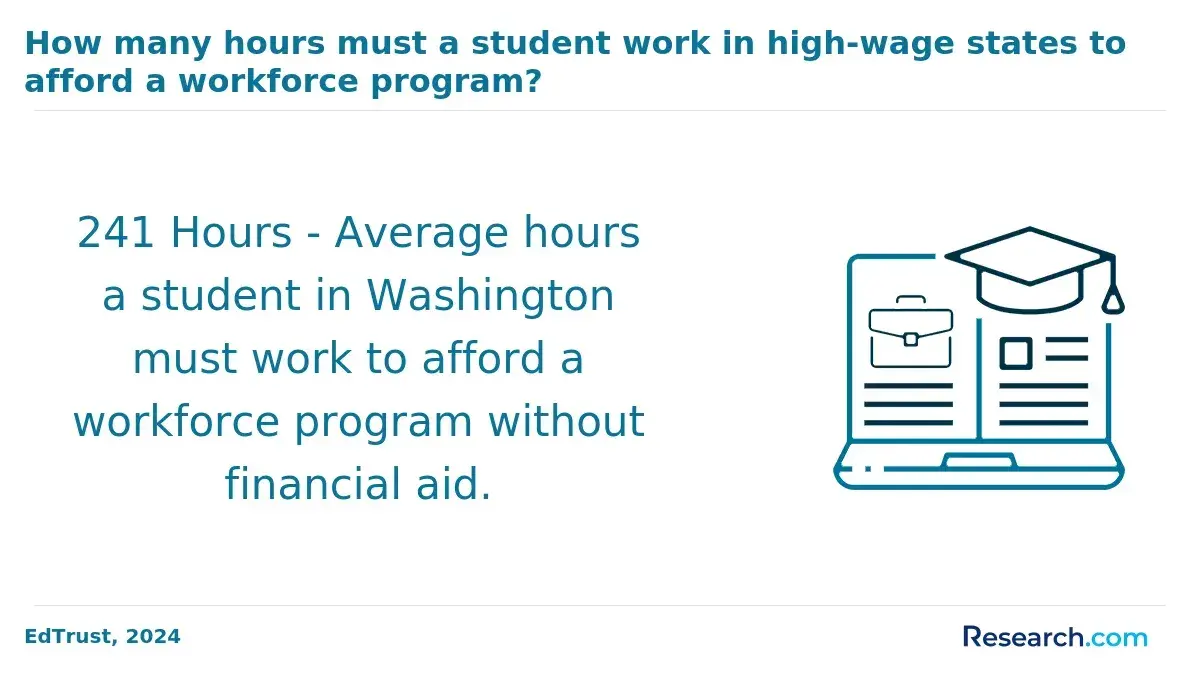
Cost considerations also influence decision-making; online programs often average tuition around $15,202 per year, totaling roughly $60,808, which generally undercuts campus-based rates without diminishing connection to essential industry coursework.
Construction managers graduating from these pathways reach median salaries near $110,990 annually, underscoring persistent labor market demand regardless of delivery mode.
Prospective students evaluating online construction management degree quality comparison should prioritize accredited programs with clear employer engagement and practical components.
Those seeking greater schedule flexibility to balance work and family may find these online options viable if they take proactive steps toward experiential learning. For detailed comparative data on accelerated options in related fields, see online masters healthcare management.
What accreditation should online construction management programs have and how can you verify it?
Programs offering online construction management degrees must secure accreditation from recognized bodies such as the Accreditation Board for Engineering and Technology (ABET) or the American Council for Construction Education (ACCE).
This specialized accreditation reflects a curriculum aligned with employer expectations and provides graduates with vital skills in project oversight, regulatory compliance, and subcontractor coordination-essential for roles involving complex commercial or infrastructure projects.
Prospective students should verify accreditation status via official ABET or ACCE directories before enrollment, since institutional accreditation alone often lacks the targeted rigor employers prioritize. This verification process is a critical step to avoid programs that may appear legitimate but do not confer a competitive advantage in the job market.
Students pursuing an online construction management program accreditation bodies in the United States recognize will also need to assess hands-on learning components like internships, which significantly impact employability.
Cost disparities are notable: public four-year universities charge an average of $19,806 annually for on-campus students, whereas online students pay approximately $15,202, based on NCES data. However, these savings must be balanced against potential trade-offs in practical experience and program credibility. Without ABET or ACCE accreditation, candidates often require supplementary certifications or extended field experience to achieve equivalent hiring potential.
For decision-makers weighing financial and credential factors, it is helpful to consult comprehensive resources on related pathways, such as mechanical engineering degree online cost, to contextualize investment in STEM-related disciplines and project leadership.
What types of construction management degrees and certificates can you earn online?
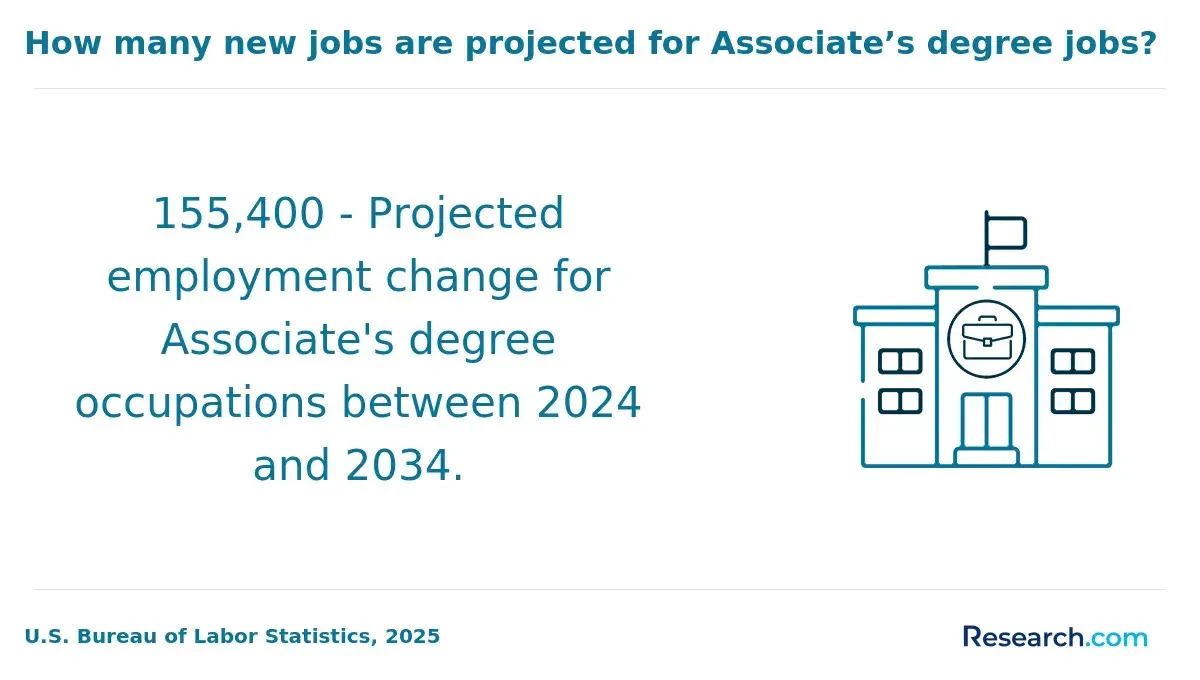
Choosing an educational path in construction management involves balancing program depth, time commitments, and market relevance. While associate degrees provide foundational knowledge, they rarely position graduates for supervisory or leadership roles, limiting long-term mobility.
Bachelor's degrees remain the primary credential for field professionals aiming at management positions, emphasizing core areas such as budgeting, contract administration, safety compliance, and scheduling. These programs are aligned with employer expectations for baseline competence.
Master's degrees expand on leadership and strategic project delivery, integrating advanced tools like building information modeling (BIM). BIM proficiency is increasingly non-negotiable; contractors leveraging BIM report improved subcontractor coordination and fewer costly delays.
This skill set aligns with a growing global BIM market, projected to nearly double within five years, underscoring its operational and economic importance.
Certificates serve targeted skill acquisition, catering mainly to working professionals seeking rapid upskilling in niche areas like BIM, construction law, or sustainability. However, certificates typically do not replace the comprehensive expertise provided by degrees and may not suffice for roles requiring broad project oversight.
Students and professionals must evaluate their current role, career stage, and local employer credential demands to choose between foundational associate degrees, comprehensive bachelor's programs, advanced master's education, or targeted certificates. The cost-benefit tradeoffs and time investment directly affect employability and upward mobility within the construction management workforce.
What courses and skills are typically included in an online construction management curriculum?
Effective online construction management programs tailor curriculum to meet the dual demands of on-site leadership and complex project coordination, emphasizing skills employers prioritize for mid- to upper-level supervisory roles.
Core course content spans project planning, cost estimating, and scheduling methodologies like the Critical Path Method (CPM), combined with legal and safety frameworks essential for navigating subcontractor relations and regulatory compliance.
The practical tradeoff for students is balancing technical proficiency with software like Primavera P6 and Microsoft Project against the need for strong financial acumen, particularly budget oversight that varies substantially between large commercial projects and smaller residential builds.
Leadership training often focuses on real-world team dynamics, conflict resolution, and diverse workforces, reflecting day-to-day challenges faced in the field.
Program structures increasingly incorporate scenario-based assignments that simulate resource constraints typical in environments ranging from heavy civil infrastructure to fast-track commercial timelines. This approach not only grounds theoretical knowledge but also equips students to anticipate and mitigate delays or cost overruns.
- Understanding OSHA standards and environmental regulations is non-negotiable, as compliance impacts project scheduling and risk management.
- Online formats attract professionals needing flexibility but require disciplined time management to engage deeply with applied learning.
- The rise from 33% to 61% of U.S. undergraduates enrolling in online courses between 2012 and 2022 signals growing demand for rigorous yet adaptable programs.
Graduates must expect to shoulder substantial administrative responsibilities and troubleshoot operational issues under pressure, making hands-on preparation critical for those aiming to move from technical roles into effective construction management leadership.
What are the typical admission requirements and application materials for online construction management programs?
Applicants to online construction management programs face nuanced entry requirements that reflect the industry's demand for experienced practitioners. Programs typically require at least an accredited high school diploma, with official transcripts necessary for those pursuing advanced degrees.
Crucially, many admit students only if they document two to five years of relevant work, verified by employer or professional references, acknowledging that hands-on skills are paramount for steering complex projects.
Standardized testing requirements vary: some programs waive SAT or GRE scores for candidates with substantial field experience, while others apply these assessments strictly.
Personal statements often probe an applicant's leadership vision and communication aptitude, essential for managing multidisciplinary teams under tight deadlines.
Admission materials also frequently include supervisor recommendations and a résumé emphasizing specific qualifications like OSHA training or proficiency with construction software. For international applicants, demonstrating English proficiency via TOEFL or IELTS is commonly mandated.
Given the online format, candidates must verify they have reliable technology and internet access. Those lacking documented industry experience typically encounter admission hurdles, indicating that early-career professionals would benefit from securing verifiable site roles before applying.
The divergent admissions criteria underscore the tradeoff between programs designed for fresh graduates emphasizing theoretical knowledge and those targeting seasoned workers ready for leadership transitions.
How long do online construction management programs take and what do they cost?
Completing an online construction management degree requires navigating tradeoffs between time, cost, and career impact. Most bachelor's programs involve 120 to 130 credit hours, with full-time students finishing in about four years.
However, part-time or transfer students may reduce that to as little as two years, which suits those balancing ongoing work responsibilities. This flexibility often dictates whether a student can maintain income while advancing credentials.
Tuition rates vary widely, with many public institutions charging between $300-$500 per credit hour. For instance, the University of Oklahoma's online BS in Construction Management is priced at $515 per credit hour, resulting in total tuition costs spanning roughly $15,450 to $30,900 depending on transfer credits.
Employers expect candidates to have a bachelor's degree paired with practical site experience, making it essential to select programs that align curricula with industry standards and allow for credit portability.
Additional expenses such as textbooks, software, and certification exam fees (e.g., PMP, OSHA) also factor into total investment and marketability. Part-time tracks extend completion time but enable continuous earnings, ideal for tradespeople moving into supervision. Conversely, accelerated full-time schedules demand rigorous time management but facilitate faster transitions to management roles.
Evaluating programs for credit transfer policies, tuition structure, and curriculum relevance is critical. These factors directly influence duration, affordability, and workforce readiness for those pursuing construction management careers in commercial or industrial settings.
What management-level careers, salaries, and job outlook can graduates expect in construction?
Management-level roles in construction, such as project manager, superintendent, cost estimator, and facilities manager, demand more than technical know-how; they require leadership, budgeting precision, and the ability to navigate regulatory and labor complexities.
Candidates with a bachelor's degree paired with field experience earn approximately 23-30% more than those with only associate degrees or partial college credits, a significant margin that underscores real workplace preference for depth of knowledge and practical results.
For example, construction project managers earn median wages near $98,000, a reflection of their responsibility in coordinating stakeholders, managing compliance, and handling complex contract scopes. Superintendents with direct site oversight see salaries ranging from $90,000 to $110,000, but must balance operational efficiency against unpredictable permit issues and labor dynamics.
Progression from technician roles often hinges on mastery of scheduling software, contract law, and interdisciplinary team leadership skills rarely gained without formal education plus on-site experience.
Employers emphasize a combination of academic credentials and documented project outcomes; those lacking a bachelor's face limited earning potential and slower advancement, particularly in competitive metropolitan markets where union and non-union expectations diverge sharply.
Professionals aiming at industrial or federal construction sectors must also invest in certifications and continuous education to remain viable beyond the bachelor's degree foundation.
How can construction professionals choose the right online program for their goals and schedule?
Selecting an online construction management program requires aligning coursework format and curriculum with one's current role and career ambitions. Professionals tied to full-time onsite responsibilities benefit from asynchronous classes that accommodate variable schedules, whereas those preparing for leadership shifts gain more from synchronous courses permitting real-time interaction with peers.
Curriculum relevance to growing market demands is critical, especially in areas like sustainability, infrastructure, and project complexity-reflecting McKinsey & Company's projection of a $57 trillion investment in construction by 2030.
For example, a professional transitioning from residential to heavy civil infrastructure must prioritize programs with government contracting exposure and sustainable delivery methods to meet industry expectations. Employer recognition and graduate employment rates in targeted sectors often serve as reliable indicators of program value.
Another consideration is technology platform stability; cumbersome or unstable systems lead to higher dropout rates among working adults balancing jobsite unpredictability. Diverse cohort composition also influences outcomes, as exposure to peers with varied experience enhances leadership skill development critical for managing large-scale projects.
Balancing program duration, depth, and cost involves tradeoffs: accelerated pathways save time but may underdeliver on comprehensive technical mastery and networking opportunities necessary for complex project management roles. Understanding these practical implications is essential for making a strategic educational investment.
Other Things You Should Know About Construction Management
Working professionals often encounter difficulty managing the intensive workload of online construction management programs alongside full-time employment and field duties. Programs with rigid schedules or live components limit flexibility, increasing stress and risk of burnout. Prioritizing programs with asynchronous content and modular pacing reduces conflicts, enabling steady progress without sacrificing job performance or field responsibility engagement.
Industry-specific software proficiency, such as BIM, Primavera, and Procore, is crucial for employer readiness and practical efficiency in management roles. Programs lacking thorough hands-on software components may leave graduates underprepared for daily tasks or project coordination demands. Selecting a program that integrates real-world software applications ensures smoother transition into management and aligns with employer expectations for technical competency.
In 2027, the best online construction management programs offering flexibility for field professionals moving into management include Purdue University, Arizona State University, and the University of Florida. These programs provide asynchronous coursework and part-time options to accommodate working professionals' schedules.
Shorter programs enable faster credential completion but often sacrifice depth in specialized topics like risk management or sustainable construction. Longer, more comprehensive programs provide stronger expertise but demand greater time investment and can delay return on education investment. Candidates should weigh immediate career needs against long-term specialization benefits, selecting programs that balance thoroughness with manageable commitment.
References
- CourseCareers https://coursecareers.com/blog-posts/construction-management-degree-vs-field-experience-vs-online-construction-pm-training
- Construction Managers: Salary, career path, job outlook, education and more - RaiseMe https://www.raise.me/careers/management/construction-managers/
- Learn Construction Management Online https://constructionmanagementonline.com/
- How to Choose the Right Construction Qualification for Your Career Goals - Train 4 Growth https://train4growth.co.uk/how-to-choose-the-right-construction-qualification-for-your-career-goals/
- BSc (Hons) Construction Management https://www.ube.ac.uk/undergraduate/construction-management/
- Master Your Construction Project Plan for Success | TriStar Built https://www.tristarbuilt.com/articles/construction-planning-101-how-to-set-your-project-up-for-success/
- Best Online Construction Management Degrees https://www.affordablecollegesonline.org/degrees/construction-management-programs/
- Construction Scheduling Techniques and Their Pros and Cons https://www.oracle.com/asean/construction-engineering/construction-scheduling-techniques/
- What do you learn in a bachelor's in construction management? | edX https://www.edx.org/resources/what-do-you-learn-in-a-bachelors-in-construction-management
- How to Select the Right Project Controls Software for Construction https://www.ascertra.com/blog/how-to-select-the-right-project-controls-software-for-construction