2027 First Management Roles for Skilled Trades Professionals

Co-Founder and Chief Data Scientist
Mid-career trades professionals stepping into leadership roles face a pressing dilemma: how to quickly bridge extensive technical experience with essential management competencies under tight employer timelines. The U.S. Department of Education reports a 35% surge in adult enrollment in online credential programs since 2022, signaling growing demand for flexible pathways that accommodate work schedules and skill gaps simultaneously.
This trend reveals a workforce seeking not just credentialing but targeted skill acquisition that minimizes downtime and maximizes practical applicability. Navigating program quality, timing, and credit transferability often determines whether these candidates actually secure leadership positions or stall in technical roles. This article examines first management roles for skilled trades professionals, offering actionable insights to optimize educational and career decisions amid evolving industry demands.
Key Things You Should Know
- 75% of skilled trades professionals entering first management roles in 2026 face a tradeoff between accelerated on-the-job leadership development and the higher costs of formal Construction Management certification, influencing career timing and debt levels.
- Employers increasingly demand documented project management competencies, with a 42% rise in job postings listing Construction Management credentials from 2023 to 2025 per the U.S. Bureau of Labor Statistics, reshaping hiring priorities.
- Median time-to-promotion for tradesworkers without formal education now exceeds four years, versus two years for those with Construction Management training, creating strategic urgency around educational investments despite limited access in rural areas.
What are the most common first management roles for skilled trades professionals in construction?
First-line supervisor roles in skilled trades construction commonly include foreman, lead carpenter, and assistant project manager positions. These roles mark entry-level management positions for construction trades professionals by shifting responsibilities from purely hands-on work to overseeing crew coordination, safety enforcement, subcontractor communication, and project documentation.
For example, a journeyman electrician promoted to lead electrician must navigate the tradeoff between maintaining technical productivity and managing workforce logistics effectively.
From 2020 to 2024, wages for U.S. skilled trades increased by over 20%, a shift that has accelerated promotions into supervisory roles to retain talent within tighter labor markets. This "permanent cost reset" creates pressure on firms to integrate management skills rapidly, often requiring candidates to upskill in scheduling, budgeting, and compliance standards alongside their trade expertise.
Hiring managers typically expect certifications related to construction safety, OSHA compliance, and sometimes entry-level project management credentials before advancement. Tradespeople considering these roles must understand the tradeoffs, including reduced direct trade work versus elevated leadership demands and pay.
Assessing educational pathways is crucial. Practical programs like a construction management degree online offer targeted knowledge useful for bridging field experience with supervisory competence.
How does construction management bridge the gap between the tools and the office for tradespeople?
Effective construction management connects fieldwork with office tasks by translating technical onsite expertise into actionable project planning, coordination, and communication. For instance, a site supervisor with direct trade experience in electrical installation not only handles hands-on work but also manages procurement orders, vendor schedules, and compliance records using digital tools. This dual role minimizes costly miscommunication and delays often seen when supervisors lack trade knowledge.
Skilled trades supervisors enhance workforce communication by addressing safety requirements, resource limits, and practical scheduling within project timelines. Their familiarity with real-life site challenges enables timely adjustments, reducing downtime or rework commonly caused by decisions rooted only in office-generated reports. This integration is crucial in sectors like residential framing or commercial HVAC, where labor efficiency depends on bridging practical realities and digital oversight.
Labor market data reveal a persistent shortage, with 20 job openings per new supervisory hire between 2022 and 2032, intensifying demand for tradespeople equipped with both technical and management skills. Educational pathways must therefore balance expertise in budgeting, regulatory compliance, and risk assessment. Also essential is mastery of digital platforms that streamline inventory, reporting, and communication workflows, increasing situational awareness and proactive problem-solving in complex environments.
Prospective students evaluating these pathways should assess programs against real-world employability and workflow integration challenges rather than generic credentials. Those interested in an expedited route might explore an accelerated sports management degree online, which incorporates project and resource management elements applicable to construction supervisor roles.
What education or training do skilled trades workers need to move into management?
Advancing from skilled trades to first-line supervisory roles requires focused development in leadership, project coordination, and business essentials beyond hands-on skills. Employers often expect supervisors to simultaneously manage crew productivity and regulatory compliance, a balance requiring education in conflict resolution, safety standards, and resource allocation.
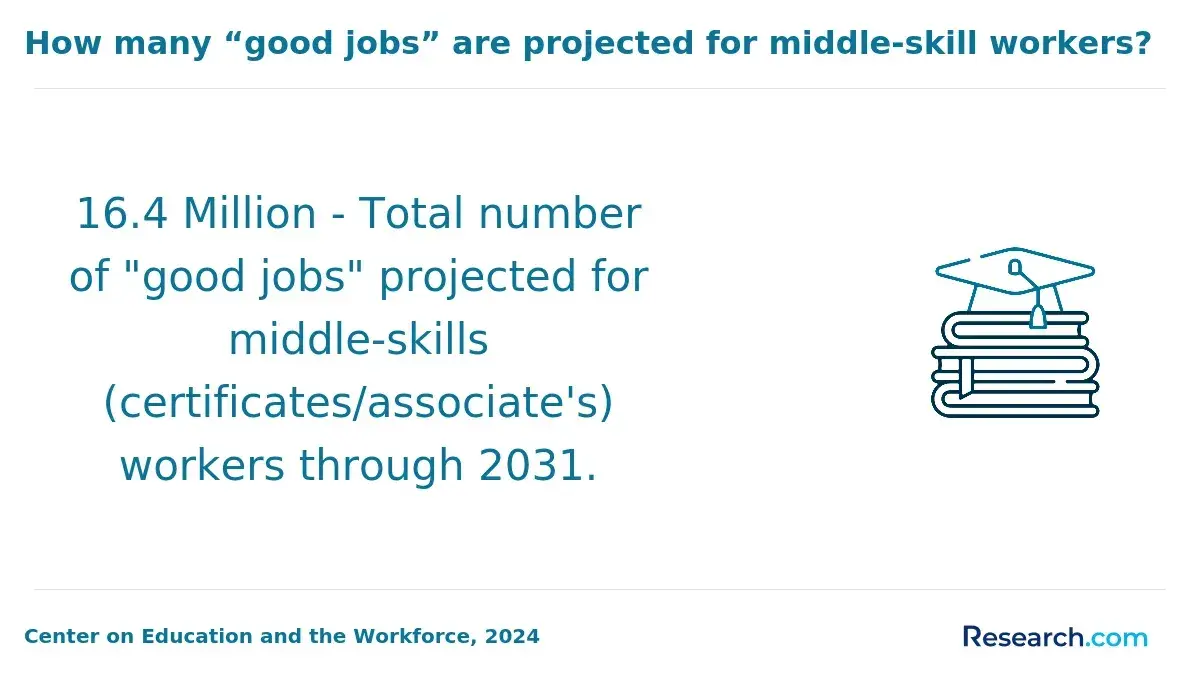
While a full Construction Management degree is not always mandatory, certificates or associate degrees specifically targeting construction supervision significantly enhance promotion odds and salary potential, aligning with the education and training requirements for skilled trades management.
Essential certifications for moving into skilled trades leadership roles include OSHA safety credentials and construction-specific leadership trainings. Many organizations mandate supervisory academies or apprenticeship leadership tracks to ensure readiness for roles like site foreman. Workers face a financial tradeoff here: full-time study threatens earning capacity, leading many to prefer flexible courses that combine online or evening classes with on-the-job mentorship, matching employer expectations for continuous professional growth.
Practical proficiency in digital tools for budgeting, estimating, and workforce tracking is rarely part of trade education but critical for supervisory competence. Without these, transitioning workers risk falling behind peers with formal training in construction project controls. Data from the U.S. Bureau of Labor Statistics reports median wages of $58,360 in construction trades versus $70,000-$90,000 for supervisors, indicating clear financial incentives for acquiring supervisory skills.
For those considering broader management roles, understanding pathways such as healthcare PhD programs online can offer insights into managing complex operations and workforce dynamics, paralleling some challenges in skilled trades management advancement.
How do construction management certificates, associate, and bachelor's degrees compare for first-time managers?
First-time managers face distinct choices when evaluating a construction management certificate vs degree for first-time managers, each option presenting specific tradeoffs in curriculum scope, time investment, and job readiness. Certificates concentrate on core supervision, safety, and basic estimating-useful for fast entry into entry-level supervisory roles but insufficient for full management responsibilities involving finance or contracts.
Associate and bachelor's degrees in construction management for new supervisors differ notably in depth and career trajectory. Associate degrees take around two years, blending technology, design, business fundamentals, and moderate leadership skills, preparing graduates for assistant management roles requiring coordination and subcontractor oversight.
In contrast, bachelor's degrees cover advanced project management, cost controls, legal frameworks, and human resources, positioning graduates to oversee larger projects and engage directly with clients and budgets.
Workforce data reflects these distinctions: tradesworkers with an associate degree stepping into foreman roles typically earn 15-25% more and enjoy steadier employment than certificate holders. Bachelor's graduates, meanwhile, compete effectively for project manager roles within complex commercial construction contexts that demand strategic decision-making.
Given projections that 2.1 million U.S. trades roles could remain vacant by 2030, selecting the right educational pathway is critical. The balance between immediate employability and long-term advancement hinges on matching program content and time commitment with realistic job expectations. For an analytical comparison of degree outcomes across disciplines, see what can you get with an environmental science degree.
What should trades professionals look for in an accredited construction management program?
Accreditation matters significantly for trades professionals targeting supervisory roles, particularly when aligned with industry standards such as ACCE (Accreditation Commission for Construction Education). Programs that integrate employer input consistently better equip students with soft skills like conflict resolution and communication competencies, often overlooked yet essential for effective forepersons.
For example, commercial roofing supervisors must navigate different regulatory demands and project timelines than those in residential remodeling, underscoring the need for specialized, context-aware curricula.
Balancing theoretical frameworks with hands-on experience-such as internships or cooperative education-improves workforce readiness. Emphasis on up-to-date building codes and technologies like Building Information Modeling (BIM) directly affects a foreperson's ability to manage complex projects efficiently.
Demographic changes in construction, including a 28.3% increase in women workers since 2018, necessitate leadership training that supports inclusive team management and bias mitigation. Programs ignoring these dynamics risk underpreparing graduates for diverse on-site environments.
Logistical flexibility is critical for workers advancing into management, favoring hybrid or online formats that accommodate jobs with evening or weekend commitments. Credential stacking opportunities and transparent job placement data offer practical metrics to assess program value against the cost and time invested.
How do online construction management programs compare with campus-based options for working tradespeople?
Choosing between online and campus-based construction management programs hinges on balancing flexibility, practical experience, and networking opportunities. Tradespeople in rapidly expanding fields like solar photovoltaic and wind turbine installation face a pressing need to acquire leadership skills swiftly without pausing employment. For these individuals, online programs offer crucial scheduling adaptability to fit coursework around irregular jobsite hours.
Yet, hands-on skill development remains essential in construction trades. Campus programs provide direct access to equipment demonstrations, labs, and peer collaboration that online formats struggle to replicate authentically. This experiential element significantly benefits those working in complex environments demanding physical interaction with materials and instructors.
Remote professionals or those with unpredictable shifts often find online credentials their only option, though they must proactively secure local apprenticeships or internships to meet employer expectations and gain applied experience. Conversely, learners near urban centers with employer backing can exploit campus resources for mentorship and networking that may speed advancement to project management roles.
Key considerations include:
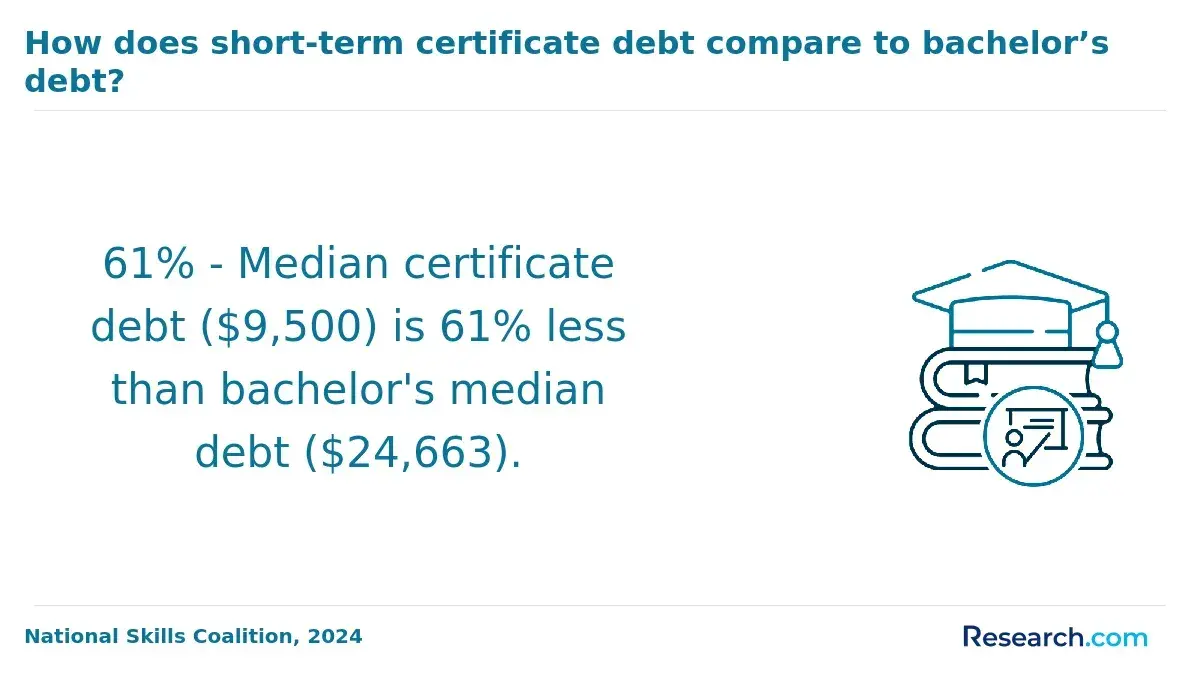
- Online programs lower upfront costs but might require extra investment in local practicum and technology.
- Campus-based study may accelerate skill acquisition through direct contact yet demands fixed schedules.
- Employer preference for integrated field experience necessitates balancing theoretical learning with practical exposure regardless of format.
Effectively navigating these tradeoffs is critical for tradespeople targeting upward mobility in emerging green energy sectors, where industry growth projections exceed 48%, underscoring the urgency for adaptable educational pathways aligned with workforce realities.
Which construction management courses best prepare trades professionals for their first supervisory job?
Trade professionals moving into first supervisory roles face an immediate need for construction management courses that emphasize actionable leadership, cost controls, and compliance over abstract theory. Programs oriented toward practical, trade-specific scenarios-such as on-site crew coordination, safety enforcement, and scheduling-better equip new supervisors for daily operational challenges than purely academic curricula.
Labor market realities intensify this demand. The National Trades Jobs Report 2024 points to a looming shortfall of 2.8 million trade vacancies by 2030, risking a $325.6 million economic impact. Employers therefore prioritize candidates with skills explicitly tied to managing workforce efficiency and compliance with rising regulatory complexity.
Core modules proven essential include:
- Project Planning and Scheduling to align tasks with time and financial limits
- Leadership and Communication designed for conflict resolution and team motivation
- Construction Law and Contract Administration to navigate regulatory requirements and minimize disputes
- Cost Estimation and Budgeting for precise resource tracking
- Field Safety Management focused on OSHA compliance and risk reduction
For instance, an electrical trade worker transitioning to supervision benefits more from safety and code compliance training tailored to their trade-specific risks than from generic management theory. Prioritizing programs with measurable employer endorsements or placement outcomes enhances the likelihood of a smooth transition and reduces costly workforce turnover.
What are typical salaries and pay increases when moving from the tools into management?
Moving from skilled trades into management typically means a salary increase between 15% and 30%, though this varies by trade and location. In construction management, entry-level supervisors usually start between $60,000 and $75,000 annually, compared to $45,000 to $55,000 for journeyman roles. Electricians stepping into supervisory positions often earn around $65,000, a noticeable uplift from the $50,000 to $55,000 range for experienced tradespeople. This pay shift corresponds to added responsibilities such as overseeing projects, ensuring safety compliance, and managing crews.
Salary progression accelerates notably for those assuming foreman, project manager, or estimator roles, with increases reaching up to 50% over base wages within five years. This growth depends heavily on employer scale and project complexity, as well as acquisition of new skills like budgeting, resource allocation, and leadership. However, initial management roles-especially lower supervisory tiers-may offer little immediate pay rise, making certifications or completing specific construction management education programs a strategic move for enhancing compensation and negotiating leverage.
Demand in the workforce is a key factor influencing promotion speed and salary growth. With roughly 150,000 construction worker and 80,000 electrician job openings annually, competition intensifies, particularly as younger workers enter trades aiming for management early. For those contemplating this career pivot, weighing educational investments against likely salary increases and job market conditions is essential.
What is the job outlook for entry-level construction management roles and field supervisors?
Entry-level construction management roles and field supervisor positions tend to advance more quickly for candidates who follow trade-route certifications or associate degrees rather than traditional four-year degrees. Employers frequently value practical site experience combined with formal trade education, often elevating employees to supervisory roles within 1 to 3 years.
For instance, a commercially hired field supervisor with a trade background can bypass extended academic delays and transition directly from technician duties to managing crews.
The median wage for construction and extraction occupations was $58,360 in May 2024, demonstrating the financial upside of entering the workforce through trade programs, which also reduce education debt burden. Key considerations include:
- Trade programs cost substantially less than four-year degrees, allowing earlier workforce entry and income generation.
- Hands-on experience coupled with classroom instruction accelerates mastery of workforce coordination, safety compliance, and real-time problem-solving essential for field supervisors.
- Construction management degree holders may excel in complex project planning but face delays before reaching supervisory ranks.
- Infrastructure demand growth fuels faster promotions for capable hands-on supervisors, prioritizing practical skills over credentials initially.
This data-driven perspective affirms that practical trade pathways offer a cost-effective, time-efficient route to supervisory roles in construction management, meeting current industry expectations for skilled on-site leadership.
How can skilled trades professionals choose the right school to support long-term management careers?
Successful advancement in construction management requires programs that integrate technical skills with leadership and administrative competencies aligned to employer expectations. Graduates are expected to manage teams, budgets, regulatory compliance, and contract administration, so program curricula should include project management software, financial oversight, labor law, and safety certifications.
Schools with strong industry partnerships and apprenticeship options provide crucial exposure to real workplace dynamics and hiring pathways.
Working professionals must weigh flexible delivery formats, such as evening or hybrid classes, that accommodate current employment demands. For example, an electrician seeking a supervisory role benefits from schedules that combine advanced technical training with leadership development without sacrificing income flow.
Labor market alignment matters: projections from the U.S. Bureau of Labor Statistics indicate skilled trades management roles will grow between 4% and 60% from 2023 to 2033. Targeting high-growth sectors like electrical or HVAC management yields credentials with stronger market value and networking opportunities.
Key decision factors include graduation rates above 70% and job placement geared toward supervisory positions rather than entry-level trades. Accreditation and complementary certifications such as OSHA or LEED add competitive differentiation. Finally, a realistic cost-to-return analysis on time and tuition versus expected salary progression is essential to avoid financial strain during the career transition.
Other Things You Should Know About Construction Management
The workload shifts from physical execution to administrative oversight, requiring longer hours focused on planning, reporting, and coordination. Construction management involves multitasking across project phases, often dealing with conflicting demands from stakeholders, which can increase stress levels compared to fieldwork. Prospective managers should anticipate less direct control over tasks and more responsibility for team performance and regulatory compliance.
Prioritizing education depends on the employer and project complexity, but earning at least a certificate or associate degree before applying for supervisory roles generally strengthens candidacy. Formal education provides structured exposure to contract law, project scheduling, and financial controls that are not always learned on the job. However, in tight labor markets, some companies promote skilled trades workers early if they demonstrate leadership potential; those candidates should continue education concurrently to mitigate knowledge gaps.
Employers expect new managers from trade backgrounds to quickly develop strong communication, organizational skills, and a solid understanding of project documentation. There is limited tolerance for technical knowledge gaps, especially in safety standards and compliance, as errors here can be costly. Employers also expect these managers to adopt proactive problem-solving approaches, shifting from task execution to resource allocation and subcontractor supervision.
References
- Tidewatertech https://www.tidewatertech.edu
- How Changing Jobs Can Increase Your Salary in 2026 | Search https://www.search.co.uk/insights-advice/career-advice/unlocking-higher-salary-potential-why-changing-jobs-can-boost-your-earnings/
- Exploring 15 Crucial Construction Roles & Job Titles https://www.rib-software.com/en/blogs/construction-roles-jobs-titles
- What Gen Z Really Wants from Skilled Trades Employers: Beyond the Paycheck - Riverstone Management https://riverstonemanagement.com/what-gen-z-really-wants-from-skilled-trades-employers-beyond-the-paycheck/
- Best Online Construction Management Degrees: 2026 https://gobuid.com/en/blog/all-articles/best-online-construction-management-degree-programs
- CLIMBING THE LADDER IN SKILLED TRADES https://www.careersnextgen.ca/climbing-the-ladder-in-skilled-trades/
- CourseCareers https://coursecareers.com/blog-posts/construction-management-degree-vs-field-experience-vs-online-construction-pm-training
- Skilled Trade Careers: Know All the Options | ASVAB CEP https://www.asvabprogram.com/media-center-article/135
- Construction Management Courses: Training, Qualifications & Career Progression - Essential Site Skills https://essentialsiteskills.co.uk/blog/post/construction-and-project-management-training-skills-courses-and-career-progression
- How to Land Construction Project Manager Jobs in 2025 - Certis Solutions https://www.certisaec.com/how-to-land-construction-project-manager-jobs-in-2025/