2027 Construction Management Specializations for Superintendent Careers

Co-Founder and Chief Data Scientist
Facing the growing complexity of large-scale projects, superintendents now need to master precise specializations to meet tighter deadlines and escalating safety standards. The Bureau of Labor Statistics projects demand for construction managers to grow 11% through 2032, illustrating the pressing need for adaptive expertise within superintendent roles.
Simultaneously, the rise of online and hybrid learning formats, now accounting for over 40% of higher education enrollments according to NCES, expands access but complicates choices for professionals balancing current jobs and advanced training.
This article outlines critical construction management specializations that align with current workforce demands and flexible educational options, equipping decision-makers to strategically prioritize credentials that enhance career advancement and on-site effectiveness.
Key Things You Should Know
- Construction management superintendents specializing in modular assembly face average project delivery time reductions of 25%, but require upfront skills in logistics coordination, limiting entry for candidates without prior supply chain experience per AGC 2024 data.
- Employers prioritize candidates with BIM expertise, with 68% of firms in FMI's 2024 survey linking this specialization to 15% higher site efficiency, intensifying competition and core competency demands for superintendents.
- Advanced certifications extending program duration by 12-18 months increase total upfront costs by 30%, yet graduates report 22% higher starting wages, forcing aspirants to weigh short-term debt against long-term income gains according to NCES 2024 findings.
What does a construction superintendent do, and how does construction management education support this role?
Superintendents face complex onsite management demands that require agile decision-making grounded in specialized knowledge. A construction superintendent job responsibilities extend beyond oversight.
They include real-time adjustments to subcontractor workflows, enforcement of safety protocols, and mitigation of delays caused by factors like weather. For instance, managing a large commercial project often involves interpreting detailed specifications while reallocating crews swiftly to minimize disruption, a competency sharpened through construction management education benefits for superintendents.
Educational programs emphasize applied skills such as scheduling software, cost estimation, and labor productivity analysis, equipping graduates to optimize project timelines and budgets. Additionally, effective communication across trades and accurate blueprint interpretation reduce the risk of expensive errors and shutdowns.
These skills align with employer expectations for supervisors who must balance technical mastery with leadership under pressure, explaining why the U.S. Bureau of Labor Statistics reports a median annual wage of $106,980 for construction managers in 2024 and projects 9% employment growth over the next decade.
Prospective students should weigh curriculum focus on practical competencies against theoretical content, especially if transitioning from field roles. Skills in subcontractor negotiation, project documentation, and dispute resolution translate directly into onsite efficiency and reduced litigation risk.
Exploring options such as construction management degrees online can provide flexible pathways tailored to these real-world demands.
Which construction management specializations are most relevant for aspiring construction superintendents?
Effective specialization choices in construction management for superintendent roles hinge on developing skills that directly impact site leadership and operational efficiency. Project controls specialization is critical due to its influence on schedule adherence and budget management, which are central to superintendent duties.
Mastery of cost estimating, scheduling software like Primavera or MS Project, and risk mitigation techniques enable management of complex timelines and multiple subcontractors.
Safety management skills also remain a non-negotiable element for aspiring superintendents; enforcing OSHA compliance and instituting proactive safety protocols reduce project delays caused by incidents. Professionals trained in construction safety certification programs and incident investigation are better equipped to maintain compliance and address hazards swiftly.
Field operations specialization complements these by focusing on construction methods, materials handling, and quality assurance—areas that help superintendents dynamically adapt daily site operations without depending heavily on engineers. For example, highway construction projects often require nimble adjustments to workflows due to environmental and logistical challenges.
Considering workforce expectations and salary data from the U.S. Bureau of Labor Statistics as summarized by Texas State University, project management specialists in construction earn a median $96,700 annually, reflecting demand for these skill sets.
A practical pathway for those evaluating construction management specializations for superintendent roles involves pursuing dual expertise in project controls and safety management, combining strategic oversight with tactical site safety.
For those assessing educational options aligned with these priorities, a bachelor's degree in project management offers a focused foundation relevant to these core skills, balancing operational knowledge with practical workforce requirements.
What degrees or certificates in construction management best prepare you for superintendent careers?
Achieving superintendent roles in construction management requires a strategic evaluation of educational pathways grounded in real-world employer demands. Bachelor's degrees remain the most direct route, providing essential knowledge in project planning, cost estimation, and contract administration, alongside accreditation from bodies like ACCE that ensures alignment with industry standards.
These degrees cultivate critical skills in site supervision and safety compliance, vital for managing complex commercial or heavy civil projects where regulatory expertise is indispensable.
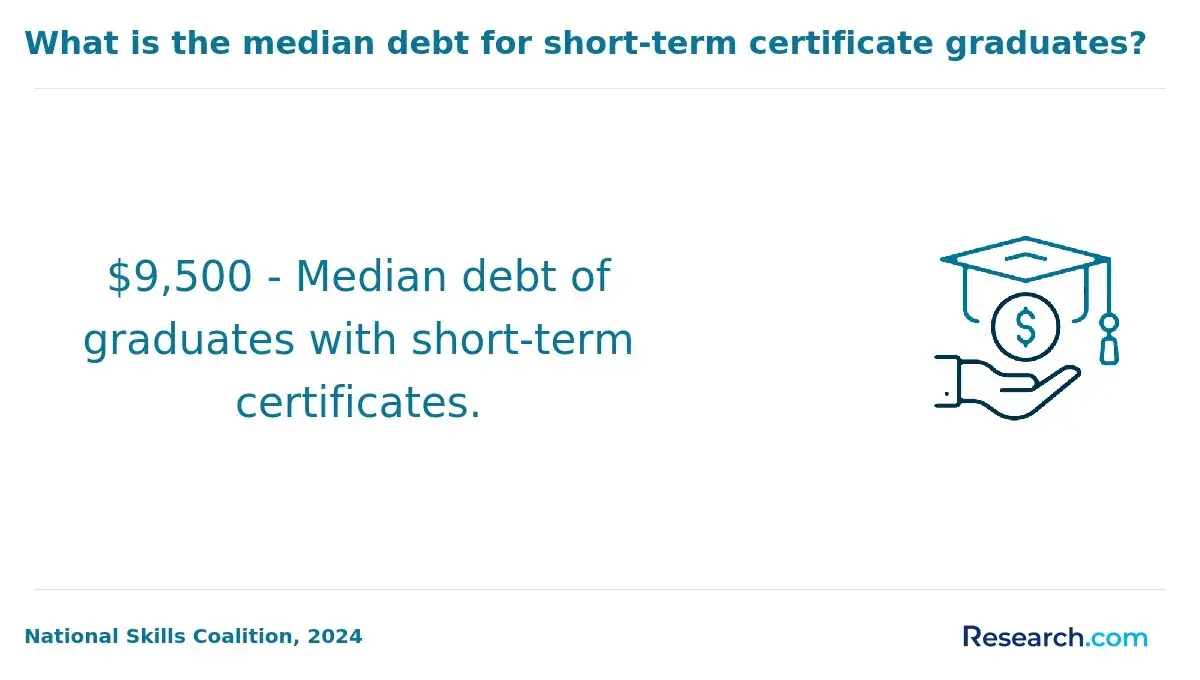
For those prioritizing faster entry or targeting smaller residential contractors, associate degrees or certificates in construction supervision offer focused training on labor coordination and quality control, though often at the expense of limited access to higher-tier roles.
Industry-recognized certifications such as those from the Construction Management Association of America (CMAA) or Certified Construction Manager (CCM) credentials validate field expertise and support mid-career advancement, but typically require extensive on-site experience, making them less viable as initial qualifications.
The practical tradeoffs include weighing upfront time and costs of bachelor's programs against certificates' and associate degrees' narrower salary prospects and employer reach. As an example, average U.S. superintendent salaries grew by 9% to $87,486 between 2021 and 2026, reflecting demand for formal education combined with field proficiency.
Candidates without degrees often face slower salary growth and fewer opportunities in infrastructure and regulatory-intensive sectors. Decision-making should consider program focus, accreditation, and career stage while recognizing pathways that combine certification with proven work experience.
Students and professionals may also explore flexible options through online colleges for hospitality management, which sometimes offer transferable competencies applicable in construction leadership roles.
How do online and on-campus construction management programs compare for superintendent-focused study?
Choosing between online vs on-campus construction management programs for superintendent training hinges on critical practical tradeoffs that influence readiness and employability. On-campus programs offer immersive hands-on experience through site visits and team simulations essential for managing complex nonresidential projects, where BIM/VDC proficiency is increasingly nonnegotiable.
This pathway aligns with sectors commanding higher wages. Construction managers in nonresidential building construction earn a median annual wage of $120,010 versus $91,150 in residential work, based on 2025 BLS data reported by Texas State University.
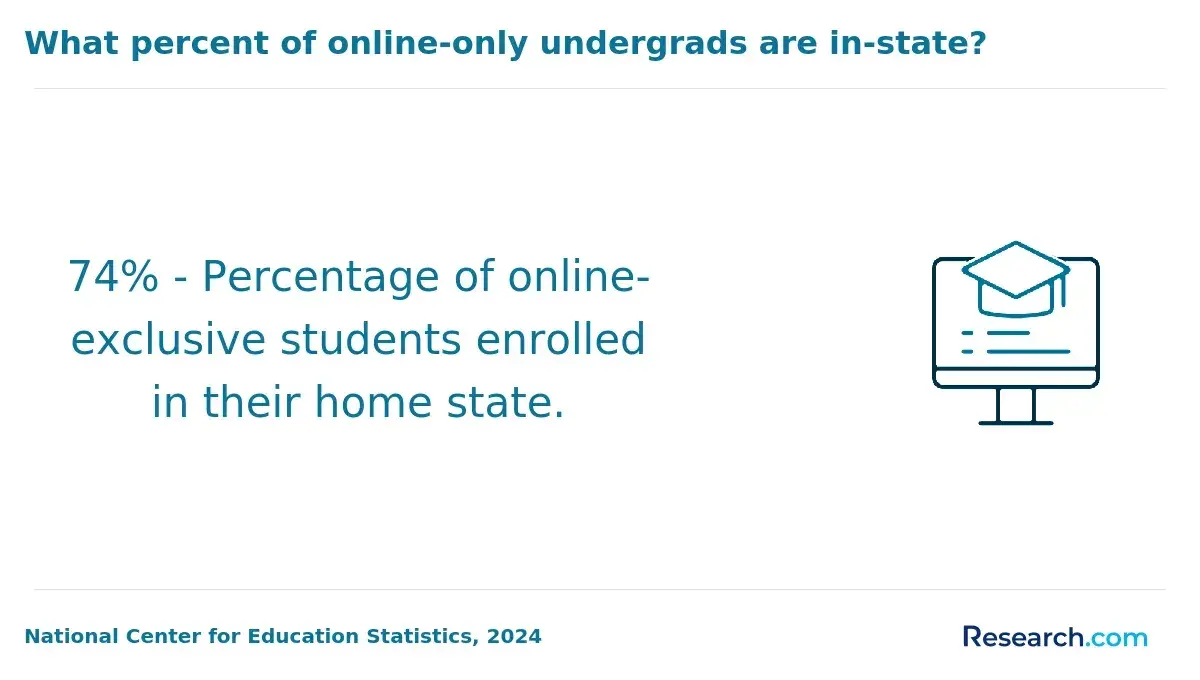
Conversely, online construction management programs provide flexibility suited to working professionals maintaining employment while studying, though this often means relying on virtual labs and case studies.
Such methods do not fully replicate fieldwork realities and may necessitate additional on-the-job training, especially for roles demanding robust BIM skills. This less tactile approach may also constrain networking opportunities critical for superintendent roles in nonresidential or industrial settings.
A realistic scenario involves construction professionals targeting superintendency in commercial ventures who benefit most from an on-campus education coupled with internships in BIM-intensive firms, expediting their market readiness. Those pursuing a pivot within residential construction often leverage online coursework focused on project management fundamentals, supplementing with employer-led skill development.
Employers prioritize candidates demonstrating problem-solving aptitude on complex sites and familiarity with BIM/VDC platforms, competencies still less emphasized in many online curricula. This comparison of flexible and traditional construction management education paths for superintendent careers underscores the need to balance study format with practical demands.
For professionals considering aligned studies in related fields, exploring environmental engineering schools online can provide complementary insights into interdisciplinary infrastructure management.
What core courses and concentration options should superintendent-track construction management students expect?
Core courses in superintendent-track construction management programs emphasize project scheduling, cost estimation, construction law, and contracts to develop capabilities that directly respond to real-world job site challenges and employer expectations. For instance, mastering cost estimation is vital to anticipate budget overruns early in projects like highway expansions or commercial developments, impacting timely decision-making and financial risk mitigation.
Concentrations often focus on safety management, building information modeling (BIM), and sustainable construction practices, each reflecting distinct operational priorities and industry pressures.
Safety management trains students in OSHA compliance and proactive hazard identification, addressing construction's high injury rates and reducing liability exposure. BIM specialization demands technical competence in digital coordination tools, increasingly mandatory in complex projects such as hospitals or mixed-use developments.
Sustainability coursework equips learners to navigate evolving regulatory landscapes and client requirements for energy efficiency, which influence procurement and construction timelines.
Choosing a concentration should factor in sector-specific hiring patterns and the anticipated level of technical expertise required, as employers weigh these skills alongside core competencies in project oversight.
Data from Data USA notes construction managers earn an average annual wage of $103,710, a premium reflecting the growing integration of risk management and digital tools into project workflows. This wage differential signals employer valuation of candidates who balance foundational knowledge with adaptive skills in safety or digital construction methodologies.
How can students evaluate accreditation and program quality in construction management schools?
Program accreditation by recognized bodies such as the Accreditation Board for Engineering and Technology (ABET) or the American Council for Construction Education (ACCE) is a non-negotiable standard for construction management students aiming for superintendent roles.
Accreditation ensures that curriculum rigor, faculty expertise, and technical training align directly with industry demands and employer expectations. Reliable data on graduation rates, job placement, and employer partnerships serve as critical benchmarks for evaluating program effectiveness and potential return on investment.
The U.S. construction industry's forecasted 4.7% growth over the next decade, exceeding average job growth, reflects a market increasingly valuing sustainability. Programs that fail to embed explicit sustainability training risk graduating candidates ill-prepared for evolving employer priorities and emerging green building requirements.
Hands-on experience through internships, cooperative education, and project-based learning remains the differentiator in employable graduates. Programs with strong ties to construction firms can accelerate student transitions to superintendent roles managing complex projects.
Tradeoffs between online and traditional formats are concrete: while online programs may offer cost savings and scheduling flexibility, they often lack access to live site experience and crucial industry networking, which are pivotal for superintendent career trajectories. In-person programs, though more resource-intensive, frequently provide deeper practical exposure at the expense of greater financial and time investments.
Analyzing alumni success with professional certification pass rates offers insight into how well a program prepares students for credentialing critical to workforce competitiveness. Due diligence in these areas steers candidates away from costly misalignments and toward pragmatic pathways.
What are typical admission requirements, program lengths, and costs for construction management degrees?
Admission standards for construction management degrees reflect a balance between academic preparation and relevant experience. Associate programs often accept high school graduates directly, serving those aiming for entry-level superintendent roles or subcontractor advancement without delay.
Bachelor's programs typically require a minimum 2.5-3.0 GPA and SAT/ACT scores, positioning graduates for more complex management tasks on large or civil projects. Transfer applicants usually must present completed general education credits or industry experience, which can reduce redundant coursework.
For established professionals, schools may offer flexible admissions with credit given for certifications or documented work history, aligning education with career trajectory.
Program durations vary widely: associate degrees usually take about two years full-time, bachelor's degrees four years, and accelerated or online bachelor's paths shrink to 2-3 years post-associate. Master's programs, though rare, extend 1.5-2 years with a focus on specialization or leadership development.
Choosing between these options requires careful consideration of the target role and project complexity, since the investment in time correlates strongly with job responsibility and earning potential.
Costs differ significantly, impacting return on investment. Community college associate degrees range from $3,500 to $6,000 annually, while public in-state bachelor's tuition averages $8,000 to $12,000.
Out-of-state or private bachelor's programs can exceed $40,000 per year. These figures must be weighed against median wages. Heavy and civil engineering construction managers earn $121,060 per year on average, which influences the decision to invest in a bachelor's or higher credential.
Additional expenses include materials and licensing exams, and students should explore work-study or employer tuition reimbursement programs that can offset upfront costs.
What certifications or licenses can strengthen a construction superintendent career path?
Construction superintendent certifications and licenses serve as critical filters in a crowded job market exceeding 200,000 employed superintendents and nearly 35,000 openings. The OSHA 30-hour Construction Safety certification frequently acts as a foundational credential, confirming a superintendent's ability to enforce federal safety regulations onsite.
Beyond this baseline, the Certified Construction Manager (CCM) credential from the Construction Management Association of America elevates candidates by verifying advanced project management skills essential for handling complex, high-risk projects such as large commercial or infrastructure developments.
Licensing requirements hinge on state regulations but commonly include general or specialty contractor licenses for superintendents responsible for multiple trades or permitting duties. Possessing such licenses extends legal authority to manage contracts and sign off on project stages, a necessity in residential or public works with strict regulatory frameworks.
Weighing the cost, time, and ongoing education needed to maintain these certifications is crucial. Superintendents with CCM credentials or recognized contractor licenses can command 10% to 25% higher salaries, underscoring employer preference for verified expertise. However, maintaining credentials also demands scheduling flexibility for continuing education to stay current with evolving industry standards.
What are the salary ranges and advancement opportunities for construction superintendents by specialization?
Compensation and career progression for construction superintendents differ sharply across commercial, residential, and infrastructure sectors, shaped by project complexity and regulatory demands. Salaries range notably, from roughly $70,000 in residential roles to as much as $140,000 overseeing infrastructure projects, where federal compliance knowledge is essential.
Private-sector employers outpace public agencies in superintendent hiring by 77%, typically rewarding efficiency and profitability with quicker elevation into project management or regional leadership within 5 to 7 years.
Practical career maneuvers often involve shifting specialization to enhance earning potential or responsibility scope, but such pivots demand new skill sets. For example, a superintendent transitioning from residential to commercial construction must quickly master advanced stakeholder coordination and tighter safety standards.
Meanwhile, infrastructure superintendents face a steeper learning curve in navigating regulatory frameworks, which can unlock program management roles but requires dedicated expertise.
Employers prioritize adaptive leadership and cost control in commercial construction, contrasting with public works' emphasis on regulatory proficiency and contracting processes.
Understanding these sector-specific expectations helps construction management professionals tailor their educational investments and on-the-job learning. Aligning skills with the operational tempo and complexity unique to each domain is critical for sustainable advancement.
How is demand for construction superintendents changing, and which specializations are most in demand?
Demand for construction superintendents is rising sharply in specialized sectors such as infrastructure, residential high-rises, and renewable energy projects.
Texas, for example, projects a 15.03% growth for construction managers, with an average annual wage of $109,573 in 2024, reflecting a regional emphasis on candidates who blend technical expertise with advanced project coordination.
This growth highlights critical specializations with the highest demand:
- Infrastructure and heavy civil construction - requiring regulatory knowledge and management of complex public works logistics.
- Green building and renewable energy - necessitating expertise in sustainable materials, updated energy codes, and technology integration.
- Commercial residential developments - focusing on quality control, subcontractor oversight, and accelerated scheduling techniques.
Employers prioritize superintendents skilled in digital tools and complex scheduling software, a practical requirement that affects education program choices. For instance, managing a mixed-use development demands coordinating foundation work, utilities, and interiors simultaneously through lean construction methods to minimize downtime and waste.
Programs lacking emphasis on digital construction platforms, compliance, and safety risk leaving graduates at a disadvantage. Professionals aiming for superintendent roles must weigh training that provides hands-on technology use and regulatory knowledge to improve employability and wage outcomes in competitive markets like Texas.
Other Things You Should Know About Construction Management
In 2027, construction management specializations are increasingly focused on equipping superintendents with skills in sustainable building practices and technology integration, such as Building Information Modeling (BIM). These tailored specializations help superintendents manage emerging challenges and innovation in construction more effectively.
Specializations in heavy civil, commercial, or residential construction lead to distinct workload patterns and stress factors. For example, heavy civil projects may involve longer timelines and bureaucratic coordination, increasing administrative burden. Residential projects often demand fast turnaround and frequent client interaction, raising day-to-day pressure. When selecting a specialization, consider your tolerance for multitasking under tight deadlines versus managing extended project phases with complex stakeholder networks.
While certifications add credibility, hands-on technical skills and problem-solving capacity carry more weight with employers for superintendent positions. Field supervisors must quickly adjust to onsite challenges, coordinate trades, and manage safety without constant oversight. Certifications should complement, not replace, solid field competence. Prioritize programs and learning experiences that balance formal credentials with intensive practical application and simulation.
Specialized construction management schools deliver curriculum tailored to industry expectations and project delivery methods, offering targeted skill-building and networking opportunities. In contrast, broader engineering or business programs may provide wider foundational knowledge but lack depth in construction-specific processes, codes, and field methods. For superintendent career paths, prioritize specialized programs that include real-world project management labs and site-based learning to align with employer demands more closely.
References
- A Look at the Different Construction Management Jobs on the Jobsite https://www.hie-ce.com/blog/a-look-at-the-different-construction-management-jobs-on-the-jobsite
- Bachelor of Science Construction Project Management https://www.sait.ca/programs-and-courses/degrees/bachelor-of-science-construction-project-management
- 5 Essential Construction Superintendent Certifications https://www.aerotek.com/en/insights/5-essential-construction-superintendent-certifications
- Construction managers: job outlook and considerations - C&S Specialty Underwriters https://csunderwriters.com/construction-managers-job-outlook-and-considerations/
- CourseCareers https://coursecareers.com/blog-posts/best-construction-project-management-courses
- The Essential Guide to Construction Manager Education and Career Paths https://abcsocal.org/construction-manager-education/