2027 Best Online Construction Management Degrees for Construction Safety Careers

Co-Founder and Chief Data Scientist
Balancing on-site safety with project deadlines challenges construction management professionals daily, especially when advancing toward specialized roles in construction safety. As regulatory scrutiny intensifies and OSHA records link over 20% of workplace fatalities to construction, risk mitigation becomes non-negotiable. Prospective students juggling existing careers or family commitments must navigate program structures that offer flexibility without compromising the depth of safety expertise.
Recent federal data reveal a 14% surge in demand for skilled safety managers, pressuring educational choices toward practical, accessible online options. This article evaluates the best online construction management degrees that align with evolving safety career requirements and real-world scheduling demands.
Key Things You Should Know
- National Center for Construction Education and Research data shows 42% of safety managers prefer degrees linking construction management with industrial hygiene, pressing candidates to weigh specialized curricula versus broader project oversight training.
- Labor Department reports a 12% employment growth in construction safety roles by 2032, with employers increasingly demanding programs integrating OSHA certifications, emphasizing the need for aligned coursework to meet hiring filters.
- The average online construction management safety degree costs 15-25% less than on-campus equivalents but requires 18-24 months longer completion time, impacting mid-career professionals balancing accelerated credentialing against budget constraints.
What is an online construction management degree and how does it prepare you for construction safety careers?
Professionals aiming to reduce workplace hazards find an online construction management degree benefits for safety careers by combining operational oversight with regulatory rigor. This degree distinctively equips safety managers to anticipate and address complex risks tied to scheduling clashes, supply chain issues, and subcontractor coordination-factors often overlooked by standard safety certifications. For instance, a safety lead with this education can pinpoint conditions during scaffolding assembly that escalate fall risks or recalibrate procedures for hazardous chemical handling, blending technical know-how with real-world problem-solving.
Employers increasingly seek candidates who integrate construction management education prepares for construction safety roles with strategic risk mitigation and leadership skills. The US labor market's projected 9% growth in construction management roles through 2033 reflects heightened demand for professionals who can enforce evolving OSHA standards while optimizing site efficiency. Graduates must weigh programs offering both virtual simulations and case studies mirroring latest compliance mandates against the practical need for flexible pacing to accommodate working professionals.
For those evaluating viable options, construction management degrees online provide a practical avenue, yet must be paired with recognized safety credentials such as CSP or CHST to improve employability and salary prospects in competitive job markets.
Which online construction management programs are best for students focused on construction safety roles?
Programs centered on construction safety roles must deliver more than theoretical knowledge; they need to equip students with actionable skills grounded in current regulatory standards. Given that construction constitutes nearly 20% of private-sector worker fatalities, an effective online construction management degree for construction safety careers integrates OSHA compliance with practical risk assessment tools.
Consider a project manager responsible for a large infrastructure project facing regulatory audits and the need to develop safety plans that prevent injury and avoid costly downtime. Graduates must be prepared to translate safety protocols into enforceable daily practices. Programs offering scenario-based exercises like fall hazard analysis or chemical exposure mitigation provide essential readiness that conventional curricula lack.
Employability hinges on access to real-time safety technology and updated compliance materials. Programs lacking these are at a disadvantage for students targeting construction safety roles. Furthermore, flexibility and accreditation by recognized industry bodies influence hiring outcomes for specialized safety positions. Cost and hands-on simulation opportunities must be balanced carefully to avoid extended job searches post-completion.
Students aiming for accelerated pathways should also review options like the fastest online project management degree programs, which may complement their skill set. Practical integration of leadership training and partnerships with construction safety firms increases the likelihood of career placement and relevance in evolving labor markets.
How do you choose an accredited online construction management degree that employers trust?
Selection of accredited online construction management degrees recognized by employers should hinge on clear evidence of institutional validation, such as ABET or regionally recognized U.S. Department of Education accreditors. Programs without such credentials often result in slower licensure or certification eligibility and weaker employer confidence, directly affecting hiring outcomes.
Employers in construction safety emphasize curricula that integrate applied safety technology and regulatory compliance aligned with OSHA standards, rather than general project management theory. Real-world simulation components, employer partnerships, and internship pipelines contribute to graduate readiness by demonstrating practical competency and industry trust-key factors for those targeting safety oversight roles.
Because construction managers earned an average annual wage of $119,660 in 2024 with a 9% projected employment growth to 2034, recognized degrees improve return on investment by facilitating access to these expanding, high-pay jobs. Mid-career professionals pivoting from field roles should prioritize flexible, accelerated online formats featuring stackable credentials and updated software training like BIM and safety analytics to minimize disruption.
Cost considerations must include transfer policies and employer tuition assistance to reduce time-to-degree and financial burdens. Candidates should also analyze real employer job postings for alignment with program skills and verify that licensure requirements are achievable without added delays. For those vetting trusted online construction management programs for construction safety careers, reviewing transparent employer outcomes is critical. For additional guidance, see the best CAHIIM accredited HIM programs online.
What courses and concentrations in online construction management degrees emphasize construction safety?
Construction management degrees with safety concentrations address the increasing demand for professionals who can navigate complex regulatory environments and prevent costly project disruptions. Safety courses emphasize practical risk management techniques, including Occupational Safety and Health Administration (OSHA) compliance and site-specific hazard control. For example, students encounter real-world scenarios like fall protection systems in high-rise buildings or lockout/tagout procedures in industrial settings, which prepare them to apply safety protocols flexibly across various projects.
These programs balance theoretical knowledge with scenario-based training and case studies that refine skills in safety auditing, accident prevention, and emergency response planning. Mastery of digital safety documentation tools and performance metrics is a key outcome, reflecting employer expectations for managers who can coordinate effectively with subcontractors and regulatory agencies. Such technical fluency is essential under the rigorous compliance scrutiny facing construction sites today.
Candidates emerging from online construction management safety courses typically command starting salaries above $70,000 annually, indicating labor market recognition of these specialized competencies. However, prospective students should weigh the opportunity costs and workload of specialized online safety coursework against equally viable alternatives, including related offerings like online electrical engineering courses USA, which may provide complementary skill sets in broader infrastructure projects.
How do online construction management programs compare with on-campus options for learning construction safety?
The practicality of online construction management safety education varies sharply by program design, especially regarding hands-on experience critical to employer expectations. Programs lacking face-to-face labs or site visits must compensate with virtual simulations, mandatory local internships, or partnerships to provide real-world safety protocol exposure. Without these, graduates may face skepticism from industries like heavy civil or oil and gas construction, where site-specific safety competencies are non-negotiable.
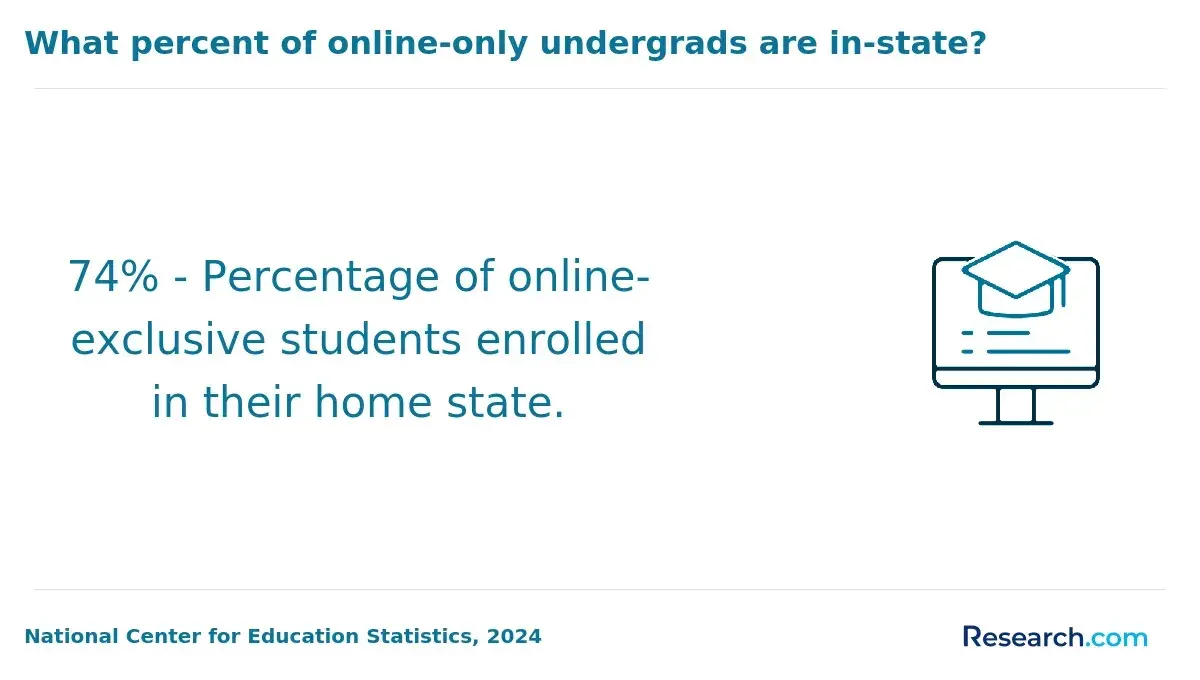
Cost differences are significant: public institutions' online bachelor's programs cost about $9,970 per year in-state, compared to $25,620 for out-of-state on-campus students, potentially saving more than $60,000 over four years. This financial gap enhances accessibility for working professionals and those balancing relocation or family commitments.
Employers prioritize applied experience and certification readiness over delivery format. Online students must actively pursue local safety certifications such as OSHA 30-hour training, since on-campus learners typically benefit from easier access to campus labs and networking. Motivated online learners might leverage employer connections or continuing education providers but should anticipate extra time and effort.
Choosing between online and on-campus safety education requires weighing flexibility and cost against immersive, facility-based learning. Prospective students should consider their ability to secure practical experience outside the classroom to meet evolving workforce safety standards. Strategic alignment with employer expectations remains central in this high-stakes field.
What are the admission requirements and application materials for online construction management degrees?
Online construction management degree applicants face distinct challenges beyond typical admissions criteria. While a high school diploma or equivalent remains fundamental, successful candidates increasingly require documented competence in math and science to navigate the technical demands of the field. Programs often ask for official transcripts, and some mandate standardized test scores like the SAT or ACT; however, many online formats waive these for experienced professionals.
Applicants with prior experience can leverage resumes or recommendation letters to demonstrate job-relevant skills, critical in accelerated or completion degree paths. Non-native English speakers must provide proficiency proof via exams such as TOEFL or IELTS. Unlike traditional on-campus degrees, online programs for working professionals usually offer rolling admissions without mandatory campus visits, reducing logistical barriers and speeding entry.
Financially, the average annual cost before aid for an online bachelor's in construction management is roughly $15,202, which may drop to $8,774 after aid, according to BestColleges citing NCES data. This considerable cost reduction-from about $60,808 to $35,096 for the full program-affects student budgeting and loan requirements, underscoring the value of early financial documentation and careful aid application.
Incomplete or missing transcripts and test results can delay enrollment decisions, penalizing candidates who underestimate administrative rigor. Prospective students must verify program accreditation and state credential recognition, ensuring the degree supports advancement in construction safety roles or practical project leadership. These operational details directly influence employability and on-the-job applicability in a field where regulatory and safety compliance are non-negotiable.
How long do online construction management degrees take and what do they typically cost?
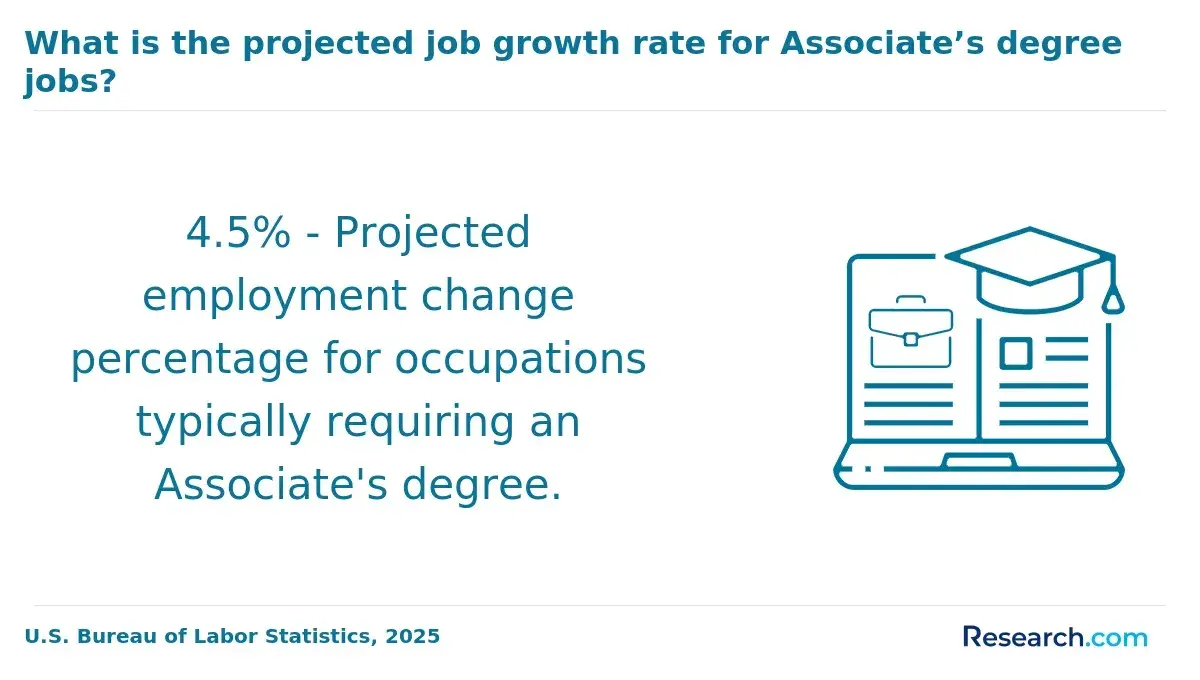
Online construction management degrees typically require a commitment of 2 to 4 years, with duration heavily influenced by credential level and prior learning credits. An associate degree usually demands about 60 credit hours, achievable in roughly 2 years full-time, while a bachelor's degree involves around 120 credit hours, equating to 3 to 4 years. Accelerated tracks can reduce this time to 2.5 years by leveraging transfer credits or heavier course loads, although part-time enrollment-common among working professionals-often extends the timeline beyond 4 years.
Tuition costs vary considerably: public universities charge between $10,000 and $25,000 annually for in-state students, whereas private institutions range from $25,000 to $50,000 per year. Bachelor's degree programs therefore typically total $40,000 to $100,000 before factoring in fees and materials. Flexible payment plans or employer reimbursements are crucial for those balancing income and education expenses.
Practical workforce implications emphasize the value of integrating federally recognized credentials. Transfer credit policies, like Rowan University's acceptance of OSHA 30-hour safety training, can save students semesters worth of coursework and reduce tuition outlay. For a tradesperson transitioning into site safety management, such recognition materially decreases time-to-employment and overall cost. Conversely, students lacking these certifications must budget for additional classes and extended programs, delaying professional readiness.
What construction safety careers can you pursue with an online construction management degree?
The value of an online construction management degree lies in its ability to prepare graduates for supervisory roles that directly influence jobsite safety and compliance, which employers strictly regulate. Positions such as safety coordinator or safety director demand proficiency in OSHA standards, risk management, and tailored safety plans that respond to complex and evolving hazards, especially in sectors like heavy civil or power generation.
Practical workplace dynamics favor candidates who combine this degree with recognized certifications like the Certified Safety Manager - Construction. These credentials often unlock access to higher salary brackets and leadership roles that require overseeing multi-disciplinary safety teams on high-stakes projects. For example, a manager on an infrastructure build must coordinate with diverse contractors and regulatory bodies to avoid operational delays or legal liabilities, which a formal curriculum in construction management plus certification helps to address effectively.
Realistically, graduates encounter logistical constraints such as managing continual safety training alongside strict project timelines and interpreting varied regional safety codes. Selecting a program integrating updated industry standards with embedded certification prep can streamline progression from entry-level to supervisory roles.
- Safety managers in high-risk environments must customize safety protocols to unique operational hazards.
- Certification significantly enhances eligibility for advanced supervisory positions and associated compensation.
- The degree equips consultants to assess multiple sites and develop client-specific safety programs.
- Balancing compliance with project demands requires both technical knowledge and leadership acuity.
What is the salary potential and job outlook for construction managers and safety professionals?
Compensation for construction managers and safety professionals varies widely by sector and specialization, with median salaries ranging from $77,000 to $115,000 annually. Roles in nonresidential building construction and heavy civil engineering typically command premiums due to the scale and regulatory complexity of projects. This differentiation highlights the importance of aligning education and work experience with specific industry demands, as supported by Columbia Southern University's analysis of federal occupational data.
Projected growth in construction and safety fields is around 7% through 2032, surpassing many other occupations. This growth is driven by large infrastructure and commercial projects that require specialized safety oversight. Employers prioritize candidates with demonstrated practical knowledge of OSHA compliance, hazard control, and risk assessment over purely academic credentials. Continuous certification and on-site experience remain essential for maintaining competitiveness.
Practical distinctions emerge between environments, for example, highway construction safety managers deal with different risk profiles than those in high-rise commercial developments. Graduates should be prepared to adapt safety protocols specific to their sector and anticipate employer expectations for ongoing skill development alongside academic qualifications.
Safety competence directly reduces project liability and improves timelines, impacting cost efficiency. Senior leadership roles offering six-figure salaries often depend more on proven regulatory success and leadership in the field than formal degrees. For professionals balancing work and study, flexible pacing in educational programs supports sustained career momentum.
Are there industry certifications or licensing requirements for construction safety specialists and managers?
Credentials in construction safety are rarely mandated by law but substantially influence workforce positioning and income potential. OSHA 30-hour training is a minimum compliance threshold for supervisors, while certifications like the Certified Construction Manager (CCM) or Board of Certified Safety Professionals' Safety Management Specialist (SMS) are often prerequisites for senior roles in larger projects. Organizations balancing risk and insurance requirements frequently demand these for leadership positions, especially on complex infrastructure jobs.
Choosing between basic OSHA compliance and advanced certifications involves weighing time, cost, and the likelihood of reaching higher wage tiers. Managers without credentials may enter the field more quickly but encounter advancement limits, whereas certified professionals often secure better wages and expanded responsibilities.
Practical factors to consider:
- Advanced certifications require documented field experience, rigorous exams, and continuing education.
- Employers treat these credentials as indicators of verified expertise and regulatory conformity.
- Industry data show median wages for construction managers at around $77,939 annually, with growth aligned to credential demand.
For those targeting risk leadership or senior safety roles, integrating formal safety credentials with hands-on project leadership experience is essential. Given the scarcity of legally required licenses, verified certifications remain the most pragmatic pathway to long-term career stability and income growth in construction management.
Other Things You Should Know About Construction Management
Online construction management programs often demand significant time for project work, case studies, and practical assignments, which can clash with full-time jobs. Working professionals should prioritize programs that offer flexible pacing and asynchronous coursework to balance learning and employment effectively. Programs without this flexibility tend to increase stress and reduce the ability to deeply engage with construction safety content, ultimately limiting knowledge retention and practical readiness.
Hands-on experience remains critical despite the online format, as construction safety requires practical knowledge of site conditions and real-time risk management. Students should seek programs that either integrate internships, virtual simulations, or local fieldwork options. Without direct exposure, graduates may face challenges meeting employer expectations for applied safety skills, reducing employability in roles that demand immediate operational competence.
Program reputation influences employer hiring preferences, especially in competitive markets where many candidates hold degrees. Degrees from established institutions with strong industry connections typically lead to better internship placements, networking chances, and job prospects. Prospective students should weigh program prestige alongside curriculum content since a lesser-known but well-connected school might offer superior career placement support.
References
- Construction Safety Certifications for Managers — Top Picks https://www.irecruit.co/insights/best-certifications-safety-managers-construction
- Top 5 Health & Safety Courses for Construction https://www.astutis.com/astutis-hub/blog/construction-health-and-safety-courses
- 5 Construction Management Career Opportunities Out of College https://aic-builds.org/5-construction-management-career-opportunities-out-of-college/
- What do you learn in a bachelor's in construction management? | edX https://www.edx.org/resources/what-do-you-learn-in-a-bachelors-in-construction-management
- 9 Construction Safety Certifications Every Workplace Needs https://www.vectorsolutions.com/resources/blogs/construction-safety-certifications/
- Construction managers | WorkBC https://www.workbc.ca/career-profiles/construction-managers
- CSM Certification: Certified Safety Manager Career Guide https://ehscareers.com/employer-blog/csm-certification-certified-safety-manager-career-guide/
- How to Pursue a Career as a Construction Site Manager https://www.oshaeducationcenter.com/become-a-construction-manager/
- Construction Managers: Salary, career path, job outlook, education and more - RaiseMe https://www.raise.me/careers/management/construction-managers/
- Construction Manager https://www.randstadusa.com/job-seeker/career-advice/job-profiles/construction-manager/