2027 Online Construction Management Degrees With Strong Contracts and Procurement Training

Co-Founder and Chief Data Scientist
Project delays, cost overruns, and contract disputes pose immediate threats for construction management professionals navigating complex commercial bids while balancing procurement logistics. Employers increasingly demand expertise that transcends basic management skills-survey data from the National Center for Education Statistics shows over 40% growth in online degree enrollment among adult learners pursuing flexible, career-aligned credentials since 2022. This trend highlights a shift toward modular, accessible online programs tailored to working professionals juggling unpredictable schedules and aiming to minimize career disruption.
Selecting a degree with strong contracts and procurement training can significantly increase readiness for high-stakes decision-making under pressure. This article examines online construction management degrees with robust contract and procurement curricula designed to resolve these very challenges and enhance career outcomes.
Key Things You Should Know
- Programs integrating contract and procurement training average a 12% higher job placement rate within 6 months, per the 2024 National Association of Colleges report, emphasizing employer demand for negotiation-ready graduates.
- Intensive contract law modules extend program length by up to 30%, increasing tuition costs significantly, forcing students to weigh quicker entry against deeper practical expertise essential in procurement roles.
- Surging public infrastructure projects drive demand for online degrees focused on federal contract compliance, with 62% of surveyed construction firms in 2024 prioritizing candidates versed in government procurement standards for mid-level management roles.
What is an online construction management degree with a strong contracts and procurement focus?
Online construction management degree programs focused on contract administration and procurement training address a critical workforce gap by blending core management principles with legal and supply chain expertise. Professionals versed in contract types-fixed-price, cost-plus, and time and materials-can directly influence project schedules, budgets, and risk exposure. This specialization reflects market demand, as employers increasingly seek candidates who can navigate procurement cycles and resolve disputes that impact profitability and compliance.
Consider a project manager handling a multi-million-dollar hospital expansion: managing subcontractor agreements alongside procurement logistics demands precision to avoid costly delays or litigation. Contract and procurement expertise not only strengthens this operational capacity but also differentiates candidates in a labor market growing 9% from 2024 to 2034, with roughly 46,800 new openings annually, per the U.S. Bureau of Labor Statistics.
This specialization requires assessing whether programs include training on industry-standard software, risk mitigation, and specifics of government contracting, all vital for employment in both public agencies and private firms. Typical challenges in contract administration-such as inaccurate scope definitions and supplier insolvency-are emphasized, preparing students to proactively manage these pitfalls.
For those seeking rigorous coursework that accommodates working professionals, asynchronous models often mimic real-world procurement and negotiation cycles. Prospective students should explore available options, including online masters in construction management focused on contracts and procurement specialization.
How do online construction management programs compare with on-campus options for contracts and procurement training?
Choosing between online construction management programs contracts and procurement training comparison requires weighing significant tradeoffs in experiential learning and skill application. For instance, a project manager engaged in commercial construction can enhance contract risk assessment through immersive simulations offered online without interrupting employment-an advantage that on-campus schedules often lack. Yet, online formats challenge students' ability to cultivate vendor relationships and participate in nuanced negotiation workshops typically available in physical settings.
Employers emphasize candidates who demonstrate practical contract management fluency anchored by formal education, making programs with embedded internships or industry partnerships especially valuable. Online students must actively pursue local internships or project opportunities to offset limited direct networking, which impacts employability in procurement roles. Statistical data shows top construction managers earn up to $176,990 annually, reflecting demand for advanced skills underscored in both delivery modes.
Distinct differences between on-campus and online construction management contracts education also stem from curriculum design. On-campus programs provide peer collaboration and direct negotiation practice, while online routes integrate specialized software training like Building Information Modeling procurement modules, often absent from face-to-face settings.
Prospective students balancing work and study should assess their capacity for local industry engagement and hands-on learning needs. For those seeking alternative degree options, exploring a sports management degree online offers insight into flexible career pathways beyond construction.
Which types of accreditation should online construction management degrees have to be respected by employers?
Employers in construction-and particularly in commercial and government sectors-prioritize graduates from online construction management degree accreditation recognized by employers, with emphasis on those programs demonstrating competency in contracts and procurement. Accreditation by bodies such as ABET signals that a program thoroughly covers the technical and regulatory skills essential for managing complex projects, including contract negotiation and compliance. Without such credentials, graduates may face limited job prospects or suppressed starting salaries due to the specialized nature of these roles.
Regional accreditation also plays a critical role by ensuring academic rigor and broader acceptance of credits and degrees, which can be crucial for professionals aiming to switch employers or pursue advanced study. For example, a construction manager overseeing large infrastructure contracts for a municipal agency benefits significantly from ABET-accredited training addressing procurement laws and contract administration under strict regulatory environments.
The practical value of accredited online construction management programs with procurement focus is also reflected in salary outcomes. According to the U.S. Bureau of Labor Statistics, bachelor's degree holders in this field report median earnings of around $106,980, more than twice the median wage nationally. This wage premium demonstrates employers' trust in graduates' ability to navigate supply chain and contract complexities.
Prospective students should verify that prospective programs align with these accreditation standards and market demands to optimize employability. This evaluation process resembles selecting other specialized degrees, such as a CAHIIM accredited health information management degree online, where accreditation directly impacts career flexibility and earning potential.
What courses in contracts, procurement, and construction law are typically included in these online programs?
Specialized contracts administration and procurement management courses in construction provide essential preparation for professionals tasked with mitigating risk and navigating complex project parameters. Core contracts classes concentrate on legal structures governing agreements, including standard forms such as AIA, ConsensusDocs, and FIDIC, with emphasis on contract creation, obligations, risk apportionment, and remedies. These skills are vital in roles like commercial managers or claims consultants who regularly confront issues like scope control and change order disputes.
Procurement management coursework addresses sourcing strategies, bid assessment, subcontractor oversight, and regulatory compliance, often involving federal and state rules. Understanding procurement methods like design-bid-build or design-build offers a pragmatic edge in public and large-scale private projects where transparency and efficiency in supply chain logistics and contract administration reduce costly delays.
Construction law and contract negotiation classes extend beyond contract mechanics to include dispute resolution avenues-mediation, arbitration, litigation-and regulatory concerns such as lien rights, bonding mandates, and OSHA standards. These legal competencies directly support claims consultants and risk managers aiming to lower litigation exposure and ensure compliance.
Employment data underscores the labor market value of these skills. According to ConstructionPlacements' 2026 data, contracts engineers, commercial managers, and claims consultants receive salary premiums of 15-30% compared to general site roles. This premium reflects employer demand for expertise in contracts administration and procurement management courses that equip graduates to optimize project outcomes.
For those weighing advanced degrees alongside other STEM options, resources like the cheapest online master's mechanical engineering programs can offer comparative insights when evaluating investment versus returns across technical career paths.
What are the admission requirements and prior experience needed for online construction management degrees?
Online construction management degrees with a focus on contracts and procurement typically require a high school diploma or equivalent, but the decisive factor often lies in relevant industry experience. Employers and programs value 1 to 3 years of practical construction or trade experience, which can replace some academic prerequisites and improves admission odds.
For working professionals, demonstrating competency in project management software, procurement workflows, or construction law is increasingly important. For instance, a site supervisor aiming to transition into a project contracts analyst role must provide evidence of skills in cost control and supplier negotiations, often via portfolio or assessment scores.
Applicants generally must submit transcripts covering general education in English, communication, and quantitative reasoning-key foundations for contract drafting and procurement decisions. Standardized tests like the SAT or ACT might be required but are frequently waived for those with substantive work history or prior college credits.
The Bureau of Labor Statistics projects a 9% employment growth in construction management over the next decade, signaling steady demand. This growth supports programs with flexible admissions that accommodate nontraditional backgrounds, balancing hands-on field experience with formal contracts expertise-critical for navigating the sector's complex procurement environments.
Prospective students should carefully assess how their past experience aligns with program criteria and prepare employer verification letters or certifications in safety or procurement to satisfy admission requirements.
How long do online construction management degrees take and what do they typically cost?
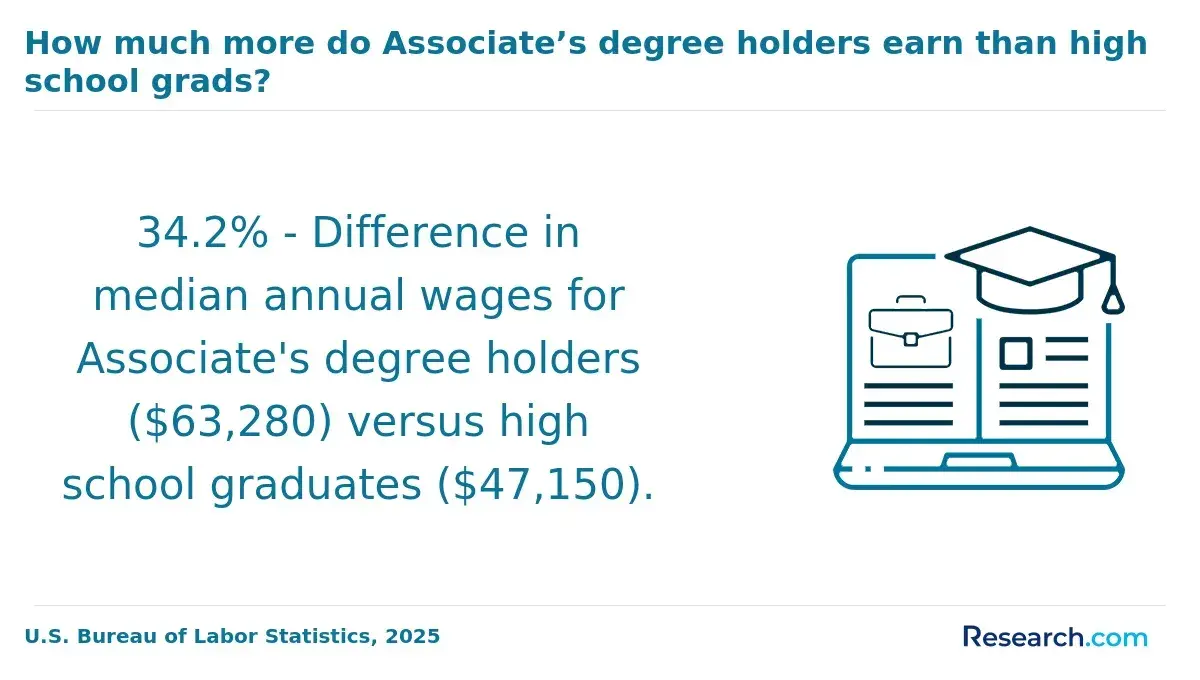
Online construction management degrees differ significantly in duration and rigor, a factor that directly impacts employability and earnings potential. Associate degrees typically require about two years full-time, while bachelor's degrees commonly take four years but may be shortened with transfer credits or accelerated courses. Master's degrees, often pursued by working professionals, usually last one to two years and focus intensively on advanced contract negotiation and procurement strategies.
Cost and curriculum depth must be weighed carefully. Public universities offering online bachelor's programs generally charge between $7,000 and $15,000 per year for in-state students, whereas private institutions can exceed $20,000 annually. Master's programs vary from $15,000 to $35,000 total, sometimes billed per credit hour at rates of $500 to $1,200. Additional fees for textbooks, software, and certification exam preparation add to total expenses.
Choosing a shorter or lower-cost program can reduce upfront financial strain and opportunity costs but may limit exposure to practical contract administration scenarios essential for managing high-stakes projects. Employers favor graduates who demonstrate proficiency in risk management and claims resolution-skills that correlate with median salaries of $106,980 and can reach $176,990 in top earning brackets per U.S. Bureau of Labor Statistics data.
- Typical program lengths range from 18 months to four years.
- Tuition varies widely by institution type and residency.
- Flexible scheduling benefits full-time workers by mitigating wage loss.
- Contract administration coursework is critical for advanced roles.
What construction careers rely most on contracts and procurement expertise from these degrees?
Contract and procurement expertise in construction management translates directly to a tangible reduction in project risks and cost overruns. Private-sector procurement managers, representing over 90% of the workforce per U.S. Bureau of Labor Statistics data, must rigorously balance vendor selection, material acquisition, and contract compliance to maintain budget control and schedule integrity. For example, failure to manage subcontractor agreements or inadequately negotiate contract types-fixed-price versus cost-plus-can trigger costly disputes and project delays.
By contrast, construction managers in state and local government roles confront an additional layer: navigating complex public procurement laws, bid regulations, and mandated transparency. These factors impose constraints that often conflict with the flexibility private-sector managers use to respond to client demands or changing project conditions.
Graduates targeting contract and procurement specialization should master:
- Negotiating under diverse risk models pertinent to both private and public projects
- Administration of multi-party subcontractor agreements with deliverables tracking
- Ensuring strict compliance with government procurement requirements or private-sector best practices
Employers prioritize these competencies because deficiencies often lead to litigation risks and supply chain disruptions. For students and professionals aiming at leadership within construction management, demonstrating capacity to mitigate these operational risks is essential, profoundly influencing hiring and promotion decisions.
What salary ranges and advancement opportunities exist for construction professionals specializing in contracts and procurement?
Starting salaries for professionals specializing in contracts and procurement within construction typically range from $75,000 to $95,000, with mid-career earnings climbing to $100,000-$130,000. Movement beyond these figures depends on sector complexity and contract scale, particularly in nonresidential building and heavy civil engineering, which account for roughly 37% of construction manager employment. These sectors offer faster advancement due to the demands of public infrastructure projects.
Career progression often requires mastering compliance, risk mitigation, and stakeholder negotiation, especially in government bidding environments where contracts can exceed $100 million. For instance, a procurement specialist managing state highway projects may ascend by consistently delivering on-time contracts that control costs effectively. Conversely, private commercial projects tend to have slower salary growth influenced by less stringent bidding processes.
Employers place a premium on sharp risk assessment skills and fluency with contract management software; lacking these, professionals risk stagnation despite extensive experience. A practical approach combines targeted procurement education with hands-on work in public-sector contexts linked to this employment niche, optimizing long-term earnings and job security.
Key competencies and real-world experience in navigating complex contracts distinguish top candidates in today's construction workforce.
What professional certifications, licenses, or credentials align with contracts-focused construction management degrees?
Certifications aligned with contracts-focused construction management degrees are crucial gatekeepers for roles demanding legal and financial rigor in managing contracts. Among these, the Certified Professional Constructor (CPC) stands out for validating expertise in contract law, claims avoidance, and procurement complexities that differentiate leadership candidates in infrastructure projects. Complementing this, the Project Management Professional (PMP) credential integrates contract administration within its broader scope of cost, schedule, and quality oversight, reflecting employer demands for multidimensional skill sets.
Those targeting federally or state-funded projects often require additional credentials like the Federal Acquisition Regulation (FAR) certification or Construction Procurement Specialist credentials. These attest to an ability to comply with extensive regulatory frameworks essential for project funding continuity. Hiring managers, particularly in states with licensing requirements for general or specialty contractors, prioritize such certifications because they signal enforceable competencies beyond theoretical knowledge.
From a workforce perspective, construction managers face a strategic tradeoff: the upfront investment in certifications accelerates access to advanced roles and higher wages but entails ongoing renewal and professional development burdens. This holds especially true given forecasted employment growth outpacing many related fields (9% versus 0.3% for some office-based estimators) as infrastructure and technology-driven projects expand.
Professionals must balance these demands against workplace responsibilities and long-term career planning, recognizing that certification maintenance is a continuous operational commitment rather than a one-time credential.
How can students evaluate and choose a reputable online construction management program in this niche?
Accreditation and curriculum relevance are decisive factors in selecting an online construction management program, particularly for contracts and procurement specialization. Regional accreditation guarantees baseline institutional quality, but program-level accreditation from organizations such as ACCE signals focused rigor aligned with industry needs. Graduates must be proficient in contract law, procurement processes, risk management, and compliance-skills critical for navigating complex project negotiations and regulatory environments.
Faculty qualifications materially shape training depth; instructors with certifications like CMAA or PMP and demonstrated sector experience enhance practical learning. Programs leveraging simulations or cohort-based bidding scenarios better prepare students for the nuances of contract administration employers expect.
Employment outcomes matter: the median salary for construction managers stands at $106,980, dwarfing typical public four-year tuition and underscoring the financial upside of industry-aligned credentials. Candidates should review graduation rates, time to completion, and starting salaries for honest labor market projections.
Sector focus also influences curriculum suitability. For instance, professionals eyeing government infrastructure projects benefit from procurement modules addressing federal contract requirements, whereas those targeting residential construction must ensure coverage of relevant contract types. Integration of current construction software for procurement and contract tracking is a practical necessity to maintain workforce competitiveness.
Tuition costs must be balanced against flexible pacing, transfer credit policies, and work-study opportunities. Programs that reduce time to degree completion lessen income disruption, a critical consideration for those balancing full-time employment with education.
Other Things You Should Know About Construction Management
Recognition varies significantly by region and industry segment. Programs tied to established regional accreditations or with strong industry partnerships tend to have wider acceptance among employers. Candidates should prioritize programs with connections to local licensing boards or major contractors in their target job market, as recognition gaps may limit immediate employability despite strong curriculum.
Integrating specialized contracts and procurement courses increases program intensity, often requiring advanced critical thinking and case study analysis. Students juggling full-time work must expect significant time demands, especially in courses involving real-world contract drafting or procurement negotiations. Prioritizing programs with flexible pacing or condensed modules can help manage workload without sacrificing depth.
In 2027, online construction management degrees integrate contracts and procurement training through dedicated modules while balancing with project management, safety, and finance subjects. This approach ensures comprehensive education, equipping students with specialized knowledge and versatile construction management skills.
Graduates focused on contracts and procurement typically secure roles that involve legal risk management, vendor relationships, and cost control, which align with mid- to upper-level management positions. Generalist graduates are more likely to enter site supervision or project coordinator roles but may need additional experience to move into contract-heavy positions. Early specialization can accelerate access to niche opportunities but may reduce flexibility in traditional construction site roles.
References
- 17 Construction Certifications To Enhance Your Career | BigRentz https://www.bigrentz.com/blog/construction-certifications
- 11 Best Certifications for Construction Managers 2026 - ABLEMKR https://ablemkr.com/best-certifications-construction-managers/
- Construction Management - Atlantic Technological University https://www.atu.ie/courses/bachelor-of-science-construction-management
- Fundamentals of International Construction Contracts - FIDIC Academy https://fidic.academy/courses1/fundamentals-of-international-construction-contracts/
- Best Online Construction Management Degrees: 2026 https://gobuid.com/en/blog/all-articles/best-online-construction-management-degree-programs
- LATEST NEWS https://www.acce-hq.org/
- CourseCareers https://coursecareers.com/blog-posts/best-construction-project-management-courses
- Intro to Construction Management Course Online https://vdci.edu/courses/construction-management-i
- Commercial & Contract Management Certifications | WorldCC https://www.worldcc.com/education-training/certifications/ccm.html
- Contract Specialist - Definition, Duties, and Career Path https://www.malbek.io/blog/contract-specialist