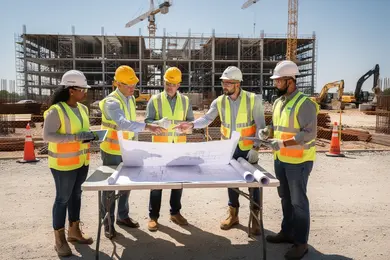
2027 Online Construction Management Degrees With Industrial Construction Career Alignment

Co-Founder and Chief Data Scientist
Mid-career professionals in construction face a pressing dilemma: advancing to supervisory or specialized industrial roles without pausing income or relocating. Regional labor shortages in industrial construction combine with evolving project management technologies, raising employer standards for formal education and digital proficiency. The National Center for Education Statistics reports online enrollment in construction-related degrees surged 18% in the past two years, driven primarily by working adults seeking flexible, career-relevant credentials.
This shift challenges traditional degree formats, as students weigh accessibility against program rigor and employer recognition. This article evaluates 2026 online construction management degrees aligned with industrial construction careers to guide strategic educational and professional decisions.
Key Things You Should Know
- Online construction management degrees average $17,500 in total tuition, 22% below on-campus costs, per NCES 2024, but extended program durations increase opportunity costs by up to 15% compared to intensive in-person tracks.
- Employer surveys from AGC 2024 reveal 68% prioritize candidates with hybrid construction management credentials combining virtual theory and at least 6 months of on-site industrial construction experience for supervisory roles.
- Rapid automation adoption in industrial construction demands advanced digital skills; online degree curricula lacking updated BIM and IoT modules risk graduates' immediate employability and wage premiums in this sector.
What is an online construction management degree and how does it prepare you for industrial construction careers?
Online construction management degree benefits for industrial projects emerge primarily through targeted skill development in regulatory compliance, cost control, and complex scheduling, areas where traditional construction programs often lack specificity.
Graduates gain the ability to orchestrate operations involving heavy machinery, multiple subcontracts, and extensive supply chains, as seen in refinery expansions requiring coordination of crane activities, environmental safety enforcement, and multi-disciplinary team scheduling to reduce downtime.
Employers in industrial sectors seek candidates who can translate theoretical expertise into actionable site strategies under pressure. The median U.S. salary for construction managers was $106,980 in May 2024, with top positions surpassing $176,990, signaling a tangible market premium for advanced project management acumen focused on industrial demands.
However, the self-directed nature of online learning introduces a tradeoff: success depends heavily on disciplined time management, self-motivation, and finding programs that offer practical components like internships or mentorships to offset limited in-person exposure.
Those evaluating how online construction management prepares for industrial construction careers must prioritize programs emphasizing industrial construction codes, advanced estimating techniques, and risk management frameworks over generic curricula.
Flexibility allows working professionals to continue employment while upgrading skills without geographic limitations, but this convenience must be balanced with the rigor required to meet employer expectations.
For a detailed comparison of programs calibrated to these requirements, prospective students should consider an online construction management bachelor's degree that aligns with industry realities and workforce readiness.
Are online construction management degrees respected by employers in industrial and commercial construction?
Employer recognition of online construction management degrees hinges on verifiable practical experience and alignment with industry-specific competencies. Industrial and commercial sectors value candidates demonstrating command of project control, safety regulations, cost estimation, and contract administration-skills online programs effectively teach through case studies and virtual simulations. However, the absence of documented fieldwork or internships can impede graduate credibility in these specialized areas.
For industrial construction, mastery of heavy equipment coordination and adherence to regulatory frameworks are non-negotiable. Conversely, commercial construction employers prioritize communication proficiency and fluency with construction management software, which strong online curricula address via synchronous sessions and team projects.
Employers consistently favor regionally accredited programs from reputable universities, reinforcing the necessity of institutional credibility over non-accredited certificates.
Construction managers in heavy and civil engineering sectors command a median salary of $121,060, reflecting acute employer expectations for immediate productivity and practical skills.
The workforce impact is clear: online degrees must be supplemented by documented, real-world project contributions to mitigate skepticism and unlock comparable opportunities to traditional degrees.
Prospective students seeking an industrial and commercial construction career must evaluate programs that integrate hands-on experiences and rigorous curricula. For a practical cost-conscious perspective on graduate education pathways, consider reviewing the cheapest online MBA healthcare options.
How do online construction management programs compare to on-campus options for industrial construction training?
Online construction management programs provide the flexibility often necessary for working professionals, but this comes at the cost of limited hands-on experience critical for industrial construction roles.
The field demands practical familiarity with heavy infrastructure projects, strict safety protocols, and real-time problem-solving, which are best developed through in-person labs, site visits, and direct supervision.
For those pursuing an industrial construction career-focused construction management degree online, the absence of these experiences can create a significant employability gap.
Employers in sectors such as energy and manufacturing prioritize candidates with applied skills gained through complex job sites. Online programs that require supervised fieldwork or apprenticeships partially address this, yet many fully remote options remain theoretical.
Students supplementing their online training with targeted internships or project collaborations gain a competitive edge, demonstrating adaptability to real-world industrial challenges.
Decision-making must balance immediate career flexibility against the practical rigor industrial construction demands. Factors include:
- Whether the online program includes mandatory supervised fieldwork in industrial settings
- Access to instructors with direct industry experience
- Current employment constraints impacting ability to attend on-site training
- Employer preferences for hands-on experience and practical mentorship
Ultimately, no compromise exists on acquiring on-the-ground exposure despite growing online education options. Students should evaluate pathways that match their work-life balance needs without sacrificing critical applied competencies necessary for leadership roles.
For those considering interdisciplinary options, exploring the best online health information management degree CAHIIM accredited programs may offer alternative career flexibility and credentialing frameworks.
What accreditation should an online construction management program have for industrial construction roles?
Accreditation from the American Council for Construction Education (ACCE) remains the defining credential for assessing online construction management program accreditation for industrial construction.
Employers managing large-scale industrial projects-such as pipeline installations or refinery expansions-actively seek candidates who possess expertise verified by ACCE standards, which prioritize project controls, safety protocols, cost estimation, and regulatory compliance critical to these environments.
Industrial construction sectors increasingly link hiring and licensing eligibility to ACCE endorsement. Candidates without this programmatic accreditation risk diminished competitiveness and practical readiness, especially in states mandating accredited backgrounds for professional certification. This creates a tangible workforce implication: graduates from non-ACCE programs often face delays or barriers entering leadership roles.
Compensation patterns further clarify ACCE's impact. Data from Glassdoor compiled by Coursera reveal median total pay in November 2025 of $115,000 for construction managers and $111,000 for construction project managers in the U.S.-figures closely aligned with formal education pathways including ACCE-accredited degrees.
Prospective students should confirm not only programmatic accreditation but also institutional accreditation by recognized regional bodies. This dual validation ensures both academic integrity and industry relevance.
Considering tradeoffs, some may explore related fields, such as electrical engineering, where accredited online electrical engineering programs offer adjacent options for workforce pivots or specialization within industrial contexts.
What courses and technical skills are covered in online construction management programs focused on industrial projects?
Industrial-focused construction management programs prioritize technical mastery and practical problem-solving tailored for complex environments such as manufacturing plants and power generation facilities. Students develop expertise in project scheduling with tools like Primavera P6, cost estimation within industrial contract frameworks, and advanced BIM techniques suited for intricate industrial layouts.
This specialization demands fluency in interpreting industrial blueprints, applying OSHA standards for heavy machinery, and navigating quality control aligned with stringent regulations.
The industrial sector's dynamic operational context requires managers to coordinate large equipment deliveries, multi-trade teams, and real-time risk analytics under tight schedules.
Unlike commercial or residential projects, compliance with regulatory frameworks such as EPA emissions guidelines and utility shutdown coordination introduces unique legal and logistical demands.
Graduates must be adept at resolving on-site technological disruptions, negotiating with specialized vendors, and allocating resources in high-pressure settings-skills directly linked to workforce outcomes.
Rowan University data shows construction managers in this niche earn a median annual salary of $106,980, with top earners exceeding $176,990, validating the economic value of industrial sector specialization.
However, the complexity and high stakes of industrial project roles also create significant barriers, including managing multi-stakeholder communications and adapting to site-specific regulatory and environmental constraints.
What are the typical admission requirements for online bachelor's and master's construction management degrees?
Admission requirements for online bachelor's degrees in construction management reveal key tradeoffs between academic readiness and practical experience. Most programs expect a high school diploma with a minimum GPA of 2.5 to 3.0, alongside transcripts evidencing math and science proficiency critical for technical tasks.
For working professionals lacking conventional credentials, transfer credits and industry experience can partially offset standard criteria, but they must still demonstrate foundational competencies.
Master's admissions typically mandate a related bachelor's degree or, alternatively, substantial industry experience in construction or project management. GRE scores may enhance competitiveness, but are not universally required.
Recommendations and a detailed statement of purpose weigh heavily, especially for candidates targeting senior leadership roles that demand a blend of technical insight and managerial vision.
Industry realities shape applicant preparation: with about 36% of construction managers operating as self-employed contractors, programs stressing business acumen along with project oversight skills better equip graduates for freelance or independent contract environments.
Students focused on corporate pathways should prioritize curricula emphasizing supply chain logistics and regulatory compliance, while prospective entrepreneurs benefit from contract law, risk management, and financial planning elements.
Evaluating programs beyond admission standards involves aligning curricula with one's post-graduation role. This analysis demands attention to the balance of technical and business skills versus the specific occupational niche within construction management.
How long do online construction management degrees take and what do they typically cost?
The choice between associate and bachelor's degrees in construction management hinges on both timeline and occupational focus. Associate programs typically span two years and suit those aiming for entry-level or technician roles.
Bachelor's degrees extend to four years but provide deeper coverage of project management, regulatory frameworks, and cost control that employers in industrial and infrastructure sectors demand.
Accelerated programs and transfer credits can shorten duration, especially benefiting working professionals balancing study with employment.
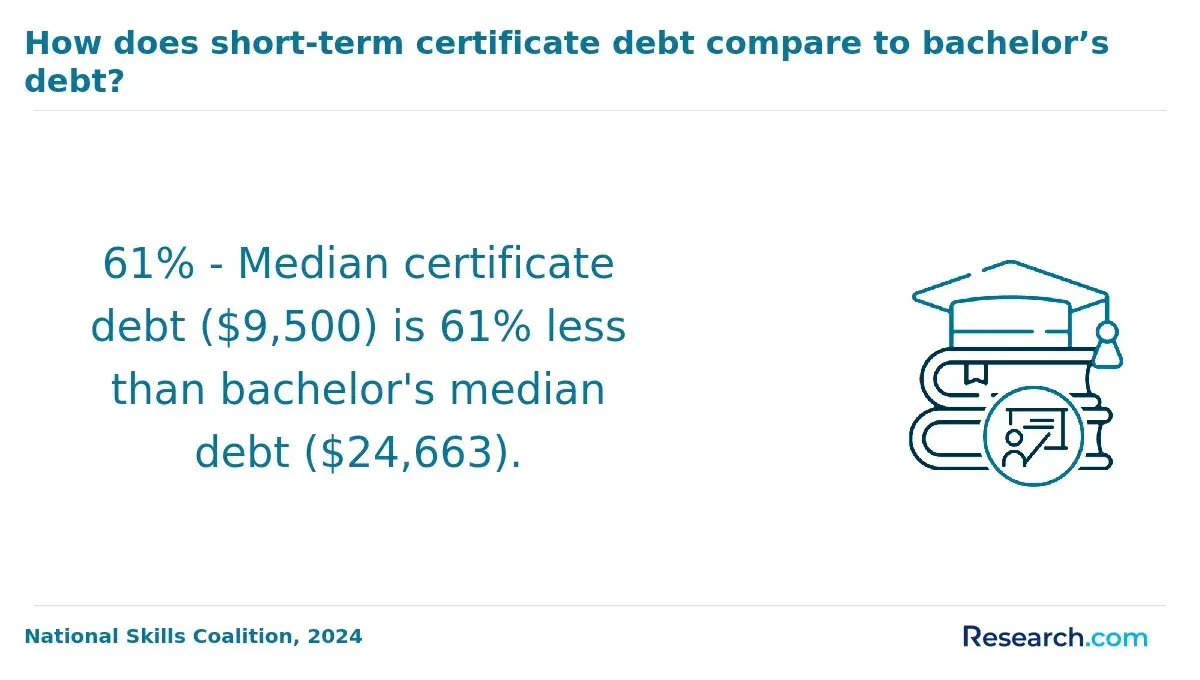
Cost structures vary notably, with public online bachelor's programs ranging from $10,000 to $30,000, and private institutions often exceeding $40,000. Additional annual expenses of $1,000 to $3,000 for materials and technology should factor into budgeting.
Choosing programs aligned with industrial construction specialties may increase costs but typically enhances job placement opportunities in premium fields.
In practical terms, graduates targeting heavy civil or industrial construction roles must meet employer expectations for proficiency in project oversight, regulatory compliance, and cost management. Reported median salaries near $120,000 reflect the value of targeted academic preparation.
Those prioritizing quicker entry to the workforce might accept tradeoffs by selecting lower-cost associate options, while those seeking advanced supervisory roles may find the broader curriculum of a bachelor's degree indispensable.
- Associate degrees offer faster completion and lower upfront cost but may limit advancement potential.
- Bachelor's degrees require greater investment and time but align with higher-paying industry niches.
- Financial aid and employer tuition reimbursement can mitigate costs, impacting decision timelines.
What construction management jobs can you get in industrial construction with an online degree?
Online degrees in construction management equip graduates to handle complex industrial projects where digital proficiency and field experience converge. Roles such as project manager and safety manager in industrial construction demand mastery of automated logistics, AI-influenced procurement, and digital blueprint interpretation, reflecting a shift beyond traditional supervisory abilities.
For example, project managers overseeing manufacturing plants must coordinate multidisciplinary teams using BIM and other advanced software, integrating new technology with onsite leadership.
Despite the accessibility of online programs, employers typically require several years of hands-on experience alongside academic credentials, especially in heavy industrial environments.
Early-career candidates need to pursue internships or apprenticeships concurrently to bridge this gap. Without practical exposure, theoretical knowledge alone often limits advancement in industrial settings.
Students should prioritize gaining skills in project management platforms tailored to industrial contexts and become familiar with AI-driven cost estimation tools, which are increasingly standard.
This competency aligns with the sector's 5.9% growth spurred by AI integration and expanding data-center construction, according to Northern Michigan University citing Bureau of Labor Statistics data.
How much can you earn with an online construction management degree in industrial construction fields?
The median annual salary for professionals holding an online construction management degree with a focus on industrial projects is around $107,000, according to LeTourneau University's 2025 career outlook, based on 2024 data. However, attaining this salary depends on regional demand, employer expectations, and technical specialization.
Industrial construction, such as manufacturing plants and energy facilities, requires advanced risk management skills and technical expertise, which often justify higher compensation than general construction roles.
Job prospects vary due to a projected 4% employment decline in select local markets, primarily driven by increasing automation and digital project management tools. Graduates lacking familiarity with BIM (Building Information Modeling), construction analytics, or relevant software face limited opportunities and stagnant earning potential.
Employers now prioritize candidates who blend digital tool proficiency with leadership and regulatory compliance capabilities in complex industrial environments. Working professionals benefit from pairing an online degree with certifications like OSHA safety training and software proficiency to enhance job placement and promotion prospects.
Key considerations for prospective students and career pivoters include balancing tuition investment against the need for continuous upskilling and geographic employment realities. Those who fail to integrate emerging digital competencies risk narrower career paths despite the degree's baseline earning potential.
How is the job outlook for industrial construction managers and related roles over the next decade?
Industrial construction managers face growing complexity that demands both technical fluency and strategic agility. While employment is projected to grow 9% through 2033, outpacing average occupational growth, this trajectory comes with tradeoffs tied to evolving employer priorities.
Northern Michigan University data shows an average salary of $104,900, yet compensation aligns closely with proficiency in advanced project management software, regulatory compliance, and sustainability integration.
The role often requires navigating accelerated schedules under strict safety protocols, as seen in petrochemical plant projects where balancing timelines with risk mitigation is essential.
Practical readiness includes frequent site visits and operational problem-solving, placing a premium on candidates with hands-on experience rather than solely administrative capabilities. Individuals lacking strong technical backgrounds may encounter slower advancement due to these escalating demands.
Educational pathways that merge theoretical knowledge with targeted internships and specialized coursework in materials management or contract negotiation tend to better reflect employer expectations.
Geographic flexibility is another critical factor: cyclical industrial investment landscapes create uneven job stability, making adaptability a valuable asset. Those considering this path should weigh the operational realities and skill acquisition required to sustain career momentum amid industry fluctuations.
Other Things You Should Know About Construction Management
Online programs offer flexibility but vary significantly in workload and pacing. Accelerated or cohort-based formats demand more synchronous participation and tight deadlines, which can strain those working full-time. Choosing a self-paced or part-time program reduces time pressure but extends the degree timeline, affecting when you can enter or advance in industrial construction roles.
Employers in industrial construction prefer candidates who combine formal education with hands-on experience. Without prior field exposure, some graduates face steep learning curves translating theory into onsite problem-solving. Prospective students without work experience should prioritize programs offering practical labs, internships, or strong industry partnerships to enhance job-readiness.
Networking and industry engagement are crucial in online construction management degrees, offering real-world insights and connections in the industrial construction sector. Participating in discussions and events, even virtually, can provide opportunities for mentorship, internships, and jobs, significantly boosting career prospects.
Online delivery reduces face-to-face networking, often a key gateway to industrial construction opportunities. Actively seeking virtual events, professional groups, and mentoring can offset this gap but requires deliberate effort. Programs facilitating direct employer interaction or project collaboration improve long-term job placement, so prioritize schools with strong industry ties and active alumni networks.
References
- Is a degree in construction management worth it? | edX https://www.edx.org/resources/is-a-degree-in-construction-management-worth-it
- CourseCareers https://coursecareers.com/blog-posts/construction-management-degree-vs-field-experience-vs-online-construction-pm-training
- Master of Science in Construction Management (Building Information Modelling) – (Online Learning) https://newinti.edu.my/programme/master-of-science-in-construction-management-building-information-modelling-fully-online/
- 5 Construction Management Career Opportunities Out of College https://aic-builds.org/5-construction-management-career-opportunities-out-of-college/
- Construction Management Technology | Wake Tech https://www.waketech.edu/programs-courses/credit/construction-management-technology
- Demand for Construction Managers Is Rising | NMU https://online.nmu.edu/demand-for-construction-managers-expected-to-rise-in-the-coming-years/
- Working in Construction Management: A Guide https://www.sjvc.edu/guides/working-in-construction-management-guide/
- Certified Construction Manager | Construction Management Association of America https://www.cmaanet.org/certification/ccm
- BSc (Hons) Construction Management https://www.ube.ac.uk/undergraduate/construction-management/
- Construction Project Management Training: Courses, Certifications, and Software Tutorials https://www.fieldwire.com/blog/construction-management-training/