2027 Assistant Project Manager Roles You Can Target With a Construction Management Degree

Co-Founder and Chief Data Scientist
Landing an assistant project manager role in construction management often hinges on more than just technical knowledge-it requires navigating evolving employer demands for versatile experience and seamless coordination skills. As the sector grapples with a labor shortage intensified by a 15% surge in construction job openings reported by the U.S. Bureau of Labor Statistics since 2023, candidates face mounting pressure to balance formal education with practical on-site adaptability.
Meanwhile, flexible enrollment options, including online or hybrid programs, increasingly shape how aspiring professionals time their entry. This article explores targeted assistant project manager positions aligned with construction management degrees and details pathways that optimize both career entry and advancement within this shifting landscape.
Key Things You Should Know
- Construction management degree holders face a median entry-level salary 12% lower than PE-certified engineers, forcing early-career professionals to weigh immediate earning tradeoffs against longer-term supervisory prospects (Bureau of Labor Statistics 2024).
- Employers increasingly demand proficiency in digital project delivery tools (e.g., BIM) alongside traditional management skills, making STEM-aligned curricula decisive for assistant project manager candidates' immediate employability (AGC Workforce Report 2024).
- Degree programs averaging 4 years and $40K tuition delay workforce entry compared to 2-year trades certifications, presenting a critical timing and cost barrier for non-traditional students aiming at assistant project manager roles (NCES 2024).
What does an assistant project manager do on construction sites and in the office?
Assistant project manager responsibilities on construction sites require precision in coordinating subcontractors, managing material deliveries, and enforcing safety protocols to prevent schedule disruptions and costly rework.
For instance, in commercial building projects, verifying subcontractor work against blueprints helps avoid expensive errors, while infrastructure projects demand vigilant environmental compliance monitoring and contingency plans for weather-related delays.
An assistant project manager's office duties in construction management focus on detailed project documentation, progress reporting, schedule updates, and contract administration.
This office role involves maintaining communication across architects, engineers, suppliers, and stakeholders, a function that is essential to minimizing misalignment and ensuring billing accuracy relative to completed work.
Balancing on-site realities with administrative oversight requires adaptability and proactive issue identification, such as flagging budget overruns or labor shortages early enough to implement corrective measures.
The expanding demand for qualified professionals, as reflected in a 9% projected growth with median wages above $100,000, underscores the value of practical credentials aligned with workforce expectations. However, candidates must weigh the operational complexity and multitasking rigor inherent to these dual-site roles.
Students and professionals considering a strategic transition or upskilling can explore an online construction management degree to align coursework with these multifaceted field and office responsibilities.
How can a construction management degree prepare you for assistant project manager jobs?
A construction management degree sharpens skills essential for assistant project managers, focusing on areas such as task sequencing, budgeting, contractor coordination, and regulatory compliance. This practical skill set aligns with employer expectations, particularly in North America, where assistant project manager career opportunities with a construction management degree increasingly demand proficiency not only in project oversight but also in risk mitigation and quality control.
For instance, assistant project managers in commercial civil engineering projects must manage complex subcontractor dynamics and fluctuating site conditions. Graduates trained in cost estimation and contract administration are better equipped to identify and address potential budget overruns early, a critical capability appreciated in these roles.
Technical competence with software like Primavera and Microsoft Project enhances communication and timeline management across multiple stakeholders. These tools become invaluable as projects scale in size and complexity, directly impacting project success and offering measurable advantages to those with construction management credentials.
Such expertise corresponds with increased earning potential. Commercial and institutional building construction managers in civil engineering earned a median wage of $121,060, notably surpassing broader construction manager figures, based on data summarized by Texas A&M University.
However, graduates face a steep learning curve adapting theory to site-specific decisions. The emphasis on internships or cooperative education during study cannot be overstated to ensure immediate workplace readiness for assistant project manager roles. Those evaluating education alternatives should consider how various pathways compare in practical exposure and curriculum focus.
For those also weighing other fields, exploring sports degrees online may reveal distinct career trajectories outside construction management.
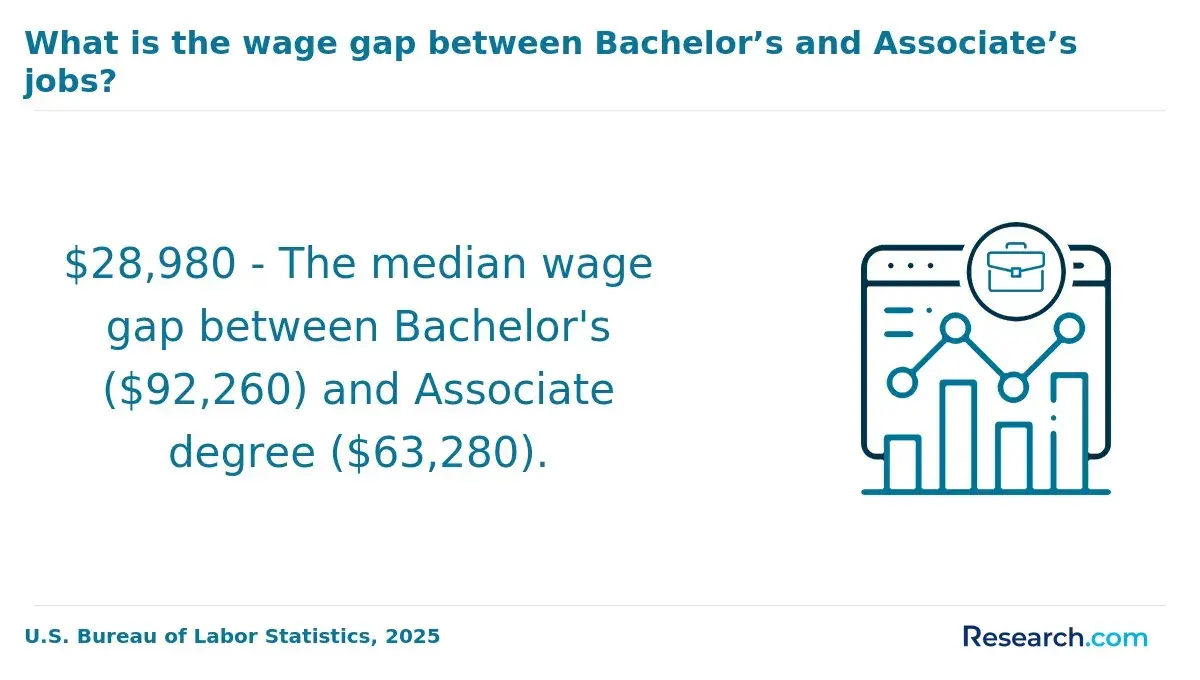
What assistant project manager roles and titles can construction management graduates pursue?
Entry-level assistant project manager jobs in construction management demand adaptive skills beyond academic theory, particularly in managing complex, multi-phase infrastructure initiatives fueled by a 12% projected growth in federal infrastructure spending through mid-2026.
Graduates entering these roles confront significant logistical challenges, such as coordinating between engineers, architects, and contractors under tight deadlines and stringent regulatory frameworks.
For instance, transportation projects require intense compliance with federal mandates and contractor coordination, contrasting with residential roles that emphasize scheduling and quality control.
Success in assistant project manager roles for construction management graduates hinges on practical competencies like contract administration, risk assessment, budgeting, site safety oversight, and procurement aligned to contract terms.
Employers prioritize candidates capable of navigating both field inspections and office-based documentation, reflecting a blend of technical and interpersonal demands unique to entry-level positions.
Familiarity with project management software and cost estimation tools is often a baseline expectation, underscoring a gap that graduates must bridge between academic learning and operational realities in such roles.
Graduates weighing further education may consider complementary credentials; for example, those interested in adjacent management domains can explore the best online master degree in human resource management to strengthen their administrative and personnel management capabilities within construction contexts.
What education, skills, and experience do employers expect for assistant project manager positions?
Assistant project manager construction management degree requirements emphasize more than academic credentials alone. Employers seek candidates with a bachelor's degree in construction management, civil engineering, or a pertinent field that delivers foundational skills in project scheduling, cost estimation, contract administration, and construction law. Lacking a formal degree often limits opportunities unless supplemented by significant industry experience or relevant certifications.
Key skills and experience for assistant project manager roles extend to practical software proficiency-MS Project, Primavera P6, and BIM tools are expected due to increasing digitization.
Effective communication and leadership are essential as these roles coordinate subcontractors, suppliers, and clients, while technical aptitude in interpreting drawings and managing change orders directly affects project outcomes.
For instance, overseeing a mid-sized residential project involves navigating real-time scheduling conflicts and regulatory compliance. Candidates without hands-on field experience frequently struggle to manage such dynamic challenges or ensure job site safety, given the necessity of OSHA standards knowledge.
Current market trends also show construction employment projected to increase 4.7% by 2033, intensifying demand for assistant project managers who combine academic grounding with robust practical experience.
Strategic candidates should pursue internships or early roles offering site exposure and complement their studies with certification programs like the Associate Constructor (AC) credential to enhance competitiveness. Those evaluating educational pathways may also consider alternative programs such as an environmental engineering degree, which intersects with sustainable construction practices, broadening professional adaptability.
How do online construction management degrees compare with on-campus programs for this career?
Employers hiring for assistant project manager roles value direct, applied experience over theoretical knowledge alone, which creates a critical divide between on-campus and online construction management degrees. While online programs deliver comparable theory, they often lack integrated hands-on training essential for real-world proficiency in site collaboration, safety protocols, and subcontractor negotiations.
On-campus students benefit from embedded internships, labs, and group projects, fostering skills that online learners must independently secure through local fieldwork or additional certifications.
This disparity impacts readiness for positions with a median salary near $100,750 and a projected job growth of 5.6%. Candidates unable to access in-person opportunities risk slower development of interpersonal fluency and industry networks, both pivotal in construction project environments.
Conversely, online degrees provide crucial flexibility for working professionals juggling family and jobs, particularly in remote areas lacking construction hubs.
The choice between modalities should consider local market conditions and personal circumstances. For example, a candidate in a metropolitan area with abundant internship options might gain more from an on-campus program, while a full-time employee in a rural setting can strategically pair an accredited online degree with targeted hands-on experience to remain competitive.
- On-campus programs offer built-in practical modules and mentorship.
- Online learners must proactively obtain field experience and certifications.
- Employment growth and median salaries demand applied competencies beyond theory.
- Flexibility of online learning supports professionals with nontraditional schedules or locations.
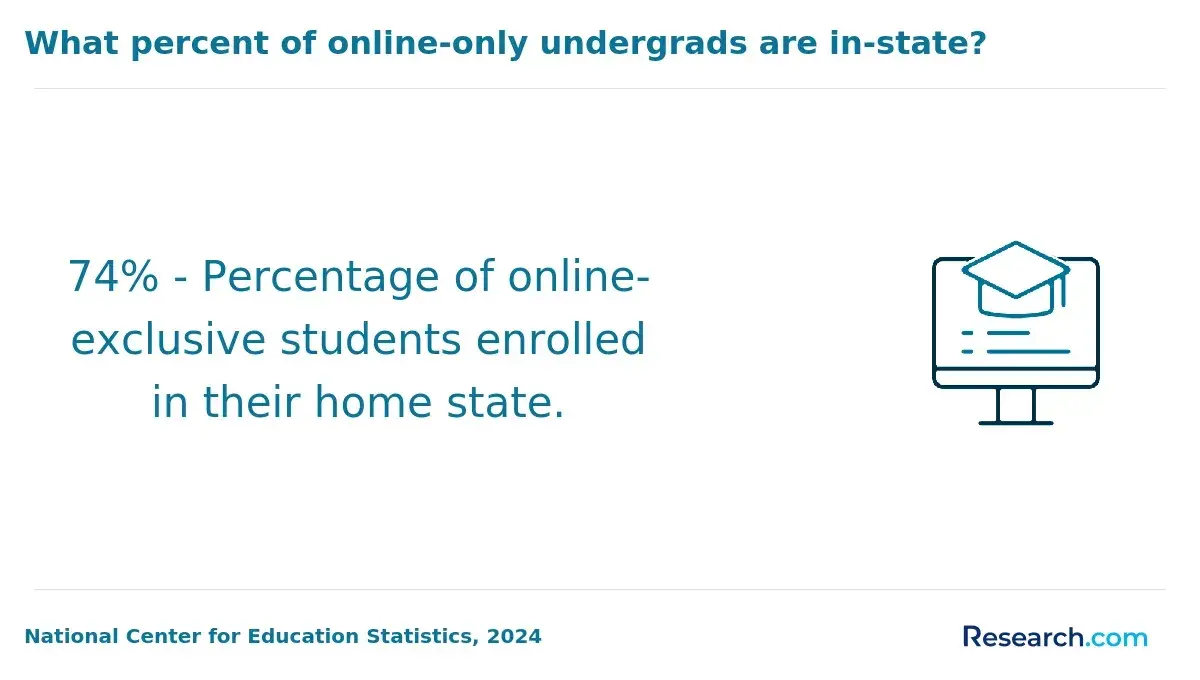
Which accreditation and program quality indicators matter for construction management degrees?
ABET accreditation remains the key credential for construction management degrees focused on engineering technology or construction engineering, serving as the industry-accepted benchmark for technical rigor. However, programs accredited by the American Council for Construction Education (ACCE) offer distinct advantages by integrating practical skills, project safety, and management proficiencies directly aligned with employer expectations.
Choosing a program should hinge on measurable outcomes like graduate employment rates within six months and employer satisfaction, rather than reputation alone. Programs embedding Building Information Modeling (BIM) and lean construction techniques yield graduates who transition faster into field roles, a vital edge on increasingly complex commercial projects.
For instance, construction superintendents proficient in these skills earn a median total pay of around $110,000, reflecting tangible workforce benefits documented in Coursera's 2026 construction management career guide.
Prospective students must weigh the tradeoff between technical design-heavy programs versus those emphasizing project management. Real-world exposure through internships and construction firm partnerships enhances hiring prospects by validating practical competence.
Examining outcome reports helps avoid underemployment risks caused by skill mismatch or institutional prestige that doesn't translate to career readiness.
- ABET focuses on engineering-based curricula and foundational competencies.
- ACCE stresses applied skills, safety, and project management alignment.
- Internships and firm partnerships materially improve employment chances.
- Programs with BIM and lean construction produce faster job adaptability.
- Technical vs. management focus influences career trajectory and roles.
What core courses and technical skills are most valuable for assistant project managers?
Effective preparation for assistant project managers in construction management hinges on technical proficiency in project scheduling, cost estimation, and materials technology, as these competencies directly influence project outcomes. Mastery of software such as CPM and BIM is not optional but essential for developing accurate timelines and allocating resources efficiently.
For instance, in commercial construction, the ability to interpret blueprints alongside rigorous cost control directly impacts budget management and subcontractor coordination, affecting both project success and professional credibility.
Core practical skills extend into site safety regulations and contract administration, enabling managers to mitigate operational risks and handle critical legal documents. Course offerings that emphasize construction law, financial management, and risk analysis prepare candidates for the complex decision-making environments they will face.
Proficiency with tools like Procore or Sage 300 is increasingly expected to ensure seamless project communication and documentation under strict deadlines.
Assistant project managers must develop quantitative analysis skills to evaluate bids, manage scheduling conflicts, and adapt to supply chain disruptions, all while maintaining project efficiency. Integrating practical case studies into coursework helps build critical thinking under real-world constraints-a deficiency in these skills often leads to costly delays and missed deadlines, limiting career progression in this competitive field.
How long does it take to earn a construction management degree and start in this role?
Most employers expect assistant project managers in construction management to hold a bachelor's degree requiring four years of focused study encompassing construction technology, project scheduling, cost estimation, and contract administration. This comprehensive timeline suits commercial construction, where regulatory complexity and project scale demand a robust credential.
Accelerated programs and associate-to-bachelor pathways can shorten the timeline to two or three years but typically require prior credits or relevant work experience, trading off breadth for speed.
The job market continually opens about 133,100 positions annually for these roles, emphasizing the importance of practical skills alongside formal credentials.
Employers prefer candidates adept with software tools like BIM and construction scheduling platforms and knowledgeable about building codes. Those relying solely on academic knowledge without internships or cooperative education often lag in workforce readiness.
Residential construction, by contrast, may accept associate degrees or technical diplomas combined with field experience, offering faster entry but potentially slower career progression. Individuals balancing work and study might find online or accelerated formats attractive yet must navigate the demands of simultaneous professional and academic commitments.
- Mastering project leadership and software proficiency early positively impacts employability.
- Choosing a pathway requires weighing immediate access to roles versus long-term advancement potential.
- Internships integrated in four-year programs enhance practical readiness more than purely academic routes.
What salary range and advancement opportunities do construction assistant project managers have?
Starting salaries for construction assistant project managers generally range from $55,000 to $85,000 annually, though regional variations and project scope significantly influence compensation. Metropolitan areas and specialized sectors may offer assistant-level pay exceeding $90,000, but rural settings often present slower financial progression.
Advancement to full project manager roles typically surpasses $95,000 but hinges on demonstrated skills in project delivery, cost control software proficiency, and subcontractor coordination.
On large infrastructure projects, assistant project managers frequently move into managerial positions within 2 to 4 years by managing substantial budgets and complex schedules.
Conversely, smaller commercial or residential sectors may require additional certifications or strategic networking to accelerate advancement, illustrating how a career trajectory depends on the project environment.
Comparable paths like facilities management, with a median salary near $106,880, provide alternatives featuring more stable pay and clearer progression, especially in institutional settings.
Professionals seeking upward mobility should prioritize credentials such as PMP or OSHA certifications and align with employers offering structured mentorship, mitigating risks of stagnating in assistant roles despite demanding workloads.
- Salary ranges reflect regional disparities and sector-specific demands.
- Hands-on experience in large projects expedites promotion chances.
- Additional certifications enhance upward mobility in smaller markets.
- Facilities management may offer steadier income and long-term stability.
- Targeted mentorship programs reduce career plateau risks.
How is the job outlook for construction assistant project managers across different U.S. markets?
Regional economic trends and local industry priorities sharply influence opportunities for assistant project managers in construction, demanding a strategic alignment of skills with market realities. Coastal states like California, New York, and Washington lead demand due to aggressive investment in sustainable building, which is projected to grow 15% by 2026, according to UK Construction Blog.
This growth demands expertise in green materials, regulatory compliance, and advanced project management software designed for complex, energy-efficient builds.
In contrast, traditional construction markets-particularly in the Midwest reliant on manufacturing or non-sustainable residential projects-tend to offer slower role expansion and emphasize standard project execution skills.
This geographic variance creates a practical decision point for candidates seeking to specialize: advanced green building certifications and software proficiencies may yield substantial employment advantages in high-growth tech and coastal hubs but offer limited returns in regions with minimal green adoption.
For working professionals or students pursuing a Construction Management degree, aligning training with these regional dynamics mitigates the risk of credential overspecialization. Employers in growth markets increasingly prioritize sustainability knowledge over generic scheduling or budgeting.
Conversely, rural or legacy markets maintain demand for traditional competencies, affecting long-term job security and career trajectory. Applicants must assess local employer priorities realistically rather than rely on broad industry forecasts.
Employment tradeoffs include balancing short-term job availability against potential for future advancement in slowly evolving markets.
Other Things You Should Know About Construction Management
While some employers accept candidates straight from a construction management degree program, prior field experience significantly improves job prospects and readiness. Hands-on roles such as internships, co-op placements, or summer jobs on sites provide practical skills not covered in coursework, like navigating onsite dynamics and handling real-time problem solving. Graduates without experience should prioritize gaining at least some industry exposure to compete effectively and to handle the practical complexities of assistant project management roles.
Workload and responsibilities can differ greatly depending on firm size and project scope. Large firms often require assistant project managers to specialize in specific tasks and support multiple projects simultaneously, increasing multitasking and reporting demands. Smaller firms may expect broader responsibility, from scheduling to compliance oversight, demanding versatility but providing faster skill development. Candidates should assess their preferred work style and capacity when targeting firms, as this affects job satisfaction and growth opportunities.
Prioritizing soft skills such as communication, negotiation, and leadership is essential, as assistant project managers frequently coordinate among diverse teams and stakeholders. While technical skills remain fundamental, employers often expect new hires to quickly develop these on the job or through continuing education. Degree programs that integrate real-world team projects and client interactions better prepare students to meet the communication and management expectations critical to early career success.
Certifications like Project Management Professional (PMP), Certified Construction Manager (CCM), and LEED Accredited Professional (AP) can enhance a construction management degree. These credentials can bolster your technical and project management skills, making you a competitive candidate for assistant project manager roles in 2027.
References
- CourseCareers https://coursecareers.com/blog-posts/construction-management-degree-vs-field-experience-vs-online-construction-pm-training
- Are Project Managers in Demand in the USA? https://www.worldwide-rs.com/blog/are-project-managers-in-demand-in-the-usa/
- How to land your first job as an entry-level project manager https://www.ziplines.com/blog/how-to-land-your-first-job-as-an-entry-level-project-manager
- Best Online Construction Management Degrees https://www.affordablecollegesonline.org/degrees/construction-management-programs/
- Assistant Project Manager Salary in AU (June, 2026) – SEEK https://au.seek.com/career-advice/role/assistant-project-manager/salary
- How Do You Become a Construction Manager? Diploma vs. Degree https://blog.herzing.ca/trades/how-do-you-become-a-construction-manager-diploma-vs.-degree
- Project Manager Path: Climbing the Construction Career Ladder - Associated Training Services https://www.operator-school.com/blog/project-manager-path-climbing-the-construction-career-ladder/
- What Is an Assistant Project Manager? Role & Skills https://www.4pmti.com/learn/assistant-project-manager/
- 6 Technical Skills for Project Managers & How to Develop Them https://www.icagile.com/resources/6-technical-skills-for-project-managers-how-to-develop-them
- 10 Essential Skills to Become a Project Manager https://www.tsg-training.co.uk/uk/blog/10-essential-skills-to-become-a-project-manager