2027 Best Online Bachelor's in Construction Management for Estimating Paths

Co-Founder and Chief Data Scientist
Estimators juggling project bids face relentless pressure to deliver precise cost forecasts without the luxury of pausing their careers or relocating. Traditional degree schedules, often rigid and campus-bound, create barriers for these professionals seeking advancement amid fluctuating workloads and complex regional labor markets. According to the National Center for Education Statistics, enrollment in fully online bachelor's programs jumped nearly 15% in 2023, signaling a strong shift toward accessible, flexible learning for adult learners balancing employment and education.
This trend informs how prospective students assess program formats against career timelines, employer expectations, and regional certifications. This article evaluates the best online bachelor's degrees in construction management focused on estimating, offering practical guidance to navigate program flexibility, curriculum relevance, and career impact.
Key Things You Should Know
- Post-pandemic labor shortages increased demand for estimators with advanced technical skills; however, bachelor's programs emphasize project management over specialized cost estimation, causing a strategic skill gap employers now prioritize.
- Employers report 27% higher wage premiums for graduates from programs with integrated BIM and data analytics courses, intensifying the selection bias toward curriculum alignment with digital estimating tools.
- Extended bachelor's completion times-averaging 4.5 years due to prerequisite coursework-raise total education costs by 15%, impacting career switchers' ROI and delaying entry into escalating construction markets.
What is an online bachelor's in construction management with an estimating focus, and who is it best for?
Pursuing an online bachelor's degree in construction management with an estimating specialization directly addresses employer demand for professionals who can accurately forecast project costs and apply data-driven decision-making.
Graduates with this focus develop expertise in quantity takeoffs, cost databases, contract analysis, and software tools such as BIM, skills that are indispensable in sectors ranging from commercial building to infrastructure development.
For instance, a construction estimator managing urban projects must dynamically integrate fluctuating material costs and labor productivity to maintain bid accuracy and project viability.
This pathway suits professionals aiming for roles like cost estimators or preconstruction managers who require flexible online learning without sacrificing technical rigor.
It also caters to individuals transitioning from trades or administrative roles, looking to build a measurable competitive advantage in a competitive job market through a specialization recognized for operational impact.
The best online construction management programs focus on cost estimating and balance foundational management with this quantification skillset.
The U.S. Bureau of Labor Statistics projects 9% growth for construction managers through 2034 with a median annual wage near $107,000, reflecting sustained market relevance for bachelor's-level credentials that include estimating skills.
However, remote study demands self-discipline and proactive networking to secure internships and stay updated on evolving industry software and standards. This route is less appropriate for students prioritizing hands-on trade skills over analytical and financial competencies.
Those considering this specialized bachelor's degree might also evaluate related pathways, such as an online MBA in operations management, for advancing into broader project leadership roles with strategic scope beyond estimating.
How do online construction management estimating degrees compare with on-campus programs for quality and outcomes?
Online construction management estimating degree quality comparison reveals a significant gap between theoretical knowledge and hands-on field experience, critical to accurate project estimation. Despite strong coverage of cost models, blueprint reading, and scheduling software, online programs depend primarily on virtual case studies rather than real jobsite exposure.
This limitation restricts learners' development of situational intuition needed to navigate material price fluctuations and subcontractor coordination on complex projects.
Employers prioritize candidates who combine formal education with measurable practical experience. Graduates of online construction management estimating programs often must pursue internships, mentorships, or part-time field roles independently to bridge this experiential divide. For example, civil estimators need familiarity with dynamic labor productivity metrics that remote instruction rarely captures.
On the other hand, online programs offer flexibility valuable to working professionals balancing career pivots or family duties. These learners can simultaneously accumulate field insights through employer roles while completing coursework.
Arizona State University reports an average annual salary of $114,990 for construction managers with an 8.7% growth outlook, underscoring the strategic value of pairing education with practical skills.
Key outcomes of online versus on-campus construction management estimating programs hinge on structured access to on-site training. Campus-based curricula typically integrate labs and site visits, supporting skill application and employer readiness.
Prospective students should rigorously evaluate a program's internship pipelines and local contractor partnerships to mitigate knowledge gaps that impede fast-paced estimating roles.
Those weighing educational options might explore a reputable project manager degree online to assess flexible pathways aligned with workforce demands.
Which accreditations should online construction management programs have to be considered reputable and trusted?
Accreditation shapes the practical value of any online construction management program accreditation. The American Council for Construction Education (ACCE) stands as the industry's benchmark, ensuring curricula stay current with estimating methods, project management software, and construction law. Employers use ACCE accreditation as a proxy for candidate readiness, filtering out degrees that lack this rigor.
Regional accreditation from recognized bodies like the Higher Learning Commission or Middle States Commission on Higher Education further affects outcomes by securing eligibility for federal financial aid.
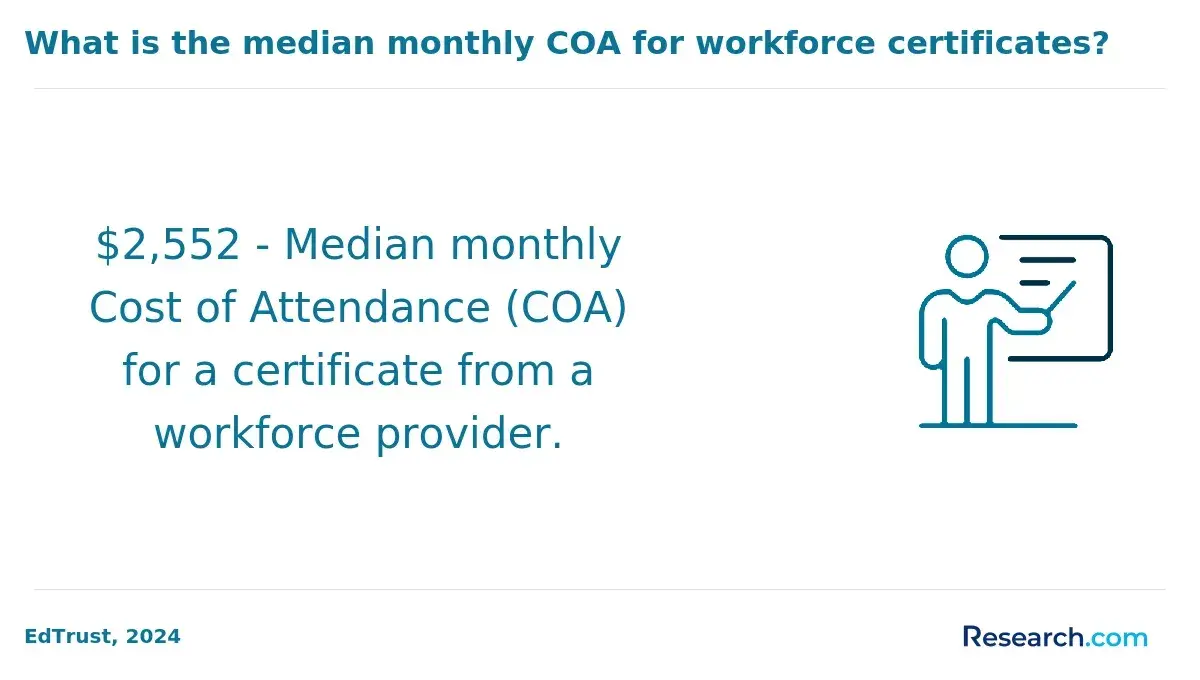
This aid, as reported by BestColleges using NCES data, can reduce the annual net cost of online construction management degrees from about $15,202 to $8,774-a substantial factor in the long-term ROI. Choosing programs with both ACCE and regional accreditation is therefore not just a bureaucratic checkmark but a financial and professional safeguard.
Consider a field estimator moving into management roles: a degree without these accreditations might require them to pursue costly remedial classes or certifications, delaying advancement and complicating skill application. Employers often discount non-accredited degrees, impacting hiring and promotion trajectories.
For those evaluating educational pathways rigorously, trusted accrediting bodies for online construction management degrees represent a pragmatic filter to avoid programs that limit access to funding and undermine marketability.
Additionally, individuals seeking specialized credentialing or complementary coursework might explore options similar to a CAHIIM accredited him degree online to understand how accreditation standards vary across related fields and ensure alignment with professional standards.
What admission requirements and prior experience do online construction management estimating programs typically expect?
Online construction management estimating program admission criteria often target candidates with a blend of academic credits and relevant work experience, reflecting employer demands for practical proficiency. For instance, the University of Oklahoma requires applicants to have at least 60 college credits and be either 25 years old or five years post-high school. This approach prioritizes mid-career or nontraditional students who can effectively contextualize estimating principles within real industry settings.
Prior experience requirements for construction management estimating degrees typically include:
- Completion of foundational college-level courses in math, physics, or business equivalent to at least two years of study.
- Hands-on construction or project coordination roles to ground theoretical coursework in practical realities.
- Demonstrated skill with software tools-ranging from spreadsheets to specialized estimating platforms-essential for accurate cost analysis.
Applicants lacking construction-related experience, even with 60 credits, may find challenges in tasks such as real-time quantity takeoffs or subcontractor negotiations, limiting employability upon graduation. Conversely, candidates combining formal education with field experience better meet employer expectations for swift, effective project contributions.
Prospective students should rigorously evaluate their prior credits and skill sets and consider targeted knowledge acquisition to reduce attrition risks. For those seeking tech-oriented alternatives in engineering fields, reviewing the best online electrical engineering degree programs for veterans offers a comparative perspective on industry-aligned online education pathways.
How long does it take to finish an online construction management bachelor's with an estimating track?
An online bachelor's degree in construction management with an estimating specialization demands roughly 120 credit hours and traditionally spans four years, though many students compress this timeline to three years or less through accelerated courses.
A typical pathway involves full-time enrollment with standard semesters, but employed professionals often balance part-time status and year-round classes to shorten completion without halting work responsibilities.
For example, a construction estimator working full-time can take accelerated summer and fall courses alongside a regular spring load, potentially reducing total program length by 20-25%.
However, accelerating coursework presents challenges, especially when mastering complex estimating software and project management skills that employers expect beyond foundational theory. Rushing may hamper knowledge retention and practical readiness for accurate bid preparation.
Other factors influencing duration include prerequisite completion and specialized internships, which some programs integrate to improve workforce readiness, but can extend the time to degree.
Flexible online formats primarily benefit adult learners by lowering opportunity costs, aligning with federal data showing nearly 40% of construction management undergraduates maintain full-time jobs during study.
Prospective students must weigh compressed schedules against skill acquisition requirements and employer expectations for applied estimating competence, recognizing that shorter completion times are feasible but not universally advisable for quality outcomes.
What construction estimating and project management courses can you expect in these online programs?
The shift toward digitization in construction management fundamentally alters the skill set demanded by employers. Graduates from online bachelor's programs that emphasize cost estimation, scheduling, and project controls software enter a labor market where the integration of Building Information Modeling (BIM) with estimating processes is no longer optional but increasingly standard.
A notable labor trend from Arizona State University reveals an 8.7% growth in technology-driven construction management roles, contrasted with a 4.2% decline in traditional roles, signaling the risk of stagnation for candidates lacking digital competencies.
Practical program components include proficiency in industry-standard tools like ProEst, Bluebeam, Microsoft Project, and Primavera P6, all geared toward delivering cost models from 3D BIM data, enabling precise bid pricing in complex infrastructure and commercial projects. This capability supports collaboration among multiple stakeholders, an essential factor when managing fast-track or public-sector projects with tight compliance demands.
Students must navigate synchronous labs and asynchronous lectures while developing skills spanning risk evaluation, contract administration, and sustainable construction practices tailored to specific subspecialties such as heavy civil or residential construction.
The inclusion of integrated project delivery (IPD) and real-time digital project controls reflects demand for professionals who can anticipate and mitigate cost overruns.
- Emphasizes digital literacy to prevent career obsolescence in estimating roles
- Requires balancing collaborative simulations with flexible learning formats
- Prepares candidates for evolving labor market demands through applied software skills
How much do online construction management estimating degrees cost, and what financial aid is available?
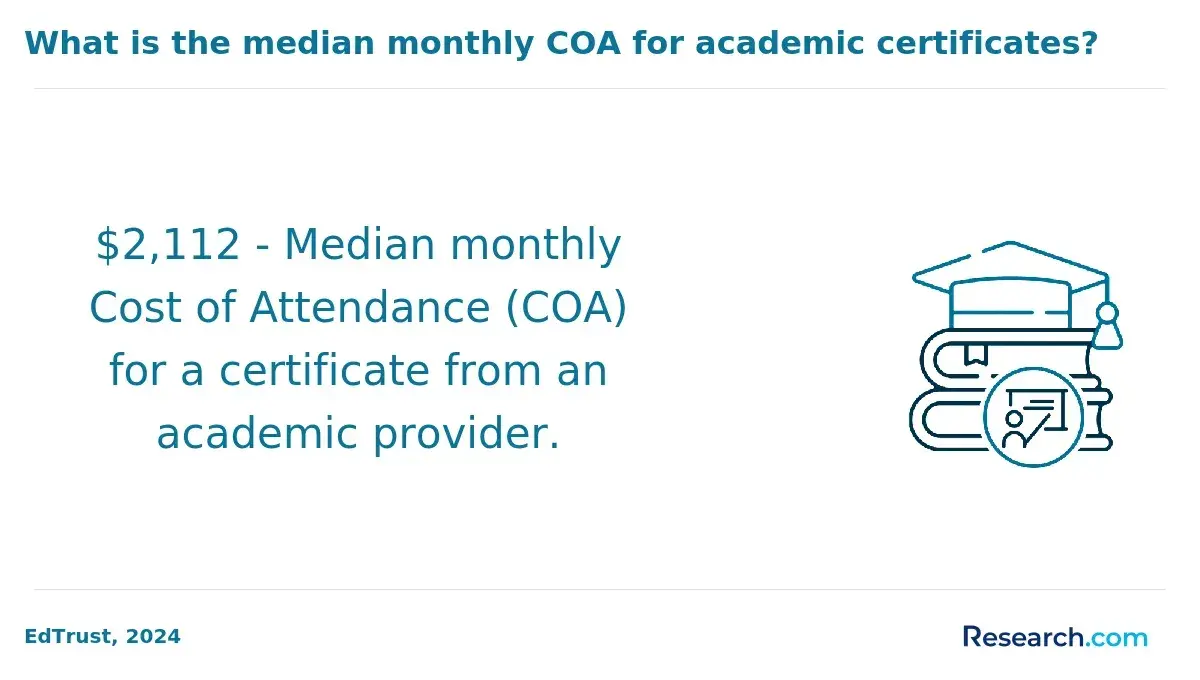
Cost considerations for online construction management estimating degrees typically fall between $9,400 and $10,300 annually at accredited nonprofit institutions, placing them well below average private four-year tuition rates.
This affordability does not fully capture the total cost of attendance, which includes expenses for books, software, and certification exams-essential investments for practical competency in the field.
For professionals transitioning from estimating to management roles, leveraging employer tuition reimbursement alongside federal financial aid often yields the most sustainable funding strategy. Completing the FAFSA early maximizes access to Federal Pell Grants and federal work-study opportunities, particularly for candidates from lower-income brackets.
Out-of-state students should carefully assess the availability of state aid reciprocity or regional scholarships to reduce out-of-pocket costs. Payment plans and federal loans remain secondary options, but they introduce long-term repayment risks that demand disciplined budgeting.
Employers increasingly expect construction management candidates to demonstrate both formal education credentials and technology fluency, especially in budget analysis and risk mitigation. Prospective students should weigh tuition costs against the realistic salary improvements that come with these skills.
While institutional scholarships supplement merit and need-based aid, the ROI depends heavily on an individual's capacity to balance education expenses with immediate workforce demands and long-term financial commitments.
- Annual tuition: $9,400-$10,300 at nonprofit colleges
- Additional costs: books, software, certification fees
- Financial aid sources: Federal Pell Grants, work-study, employer reimbursement, institutional scholarships
- Budget consideration: prioritize FAFSA completion and investigate state/regional aid
- Employment expectation: competency in budgeting, technology, and risk management
What careers can you pursue with an online bachelor's in construction management for estimating?
Graduates holding an online bachelor's in construction management for estimating step into roles where precision and practical budgeting directly dictate project outcomes. Positions like construction estimator, cost engineer, and project scheduler demand more than theoretical knowledge-they require the ability to reconcile fluctuating local labor rates, volatile material costs, and regulatory compliance within bid-driven environments such as commercial or infrastructure projects.
For instance, an estimator working on a government infrastructure contract must integrate dynamic pricing and compliance costs into project bids. This task underscores why targeted estimating coursework paired with software proficiency is vital, enabling professionals to produce accurate, competitive cost projections critical under tight profit margins. E
Employers prioritize these capabilities when evaluating candidates, especially given the complexities of regional market conditions and regulatory nuances.
Advancement to senior roles like chief estimator or preconstruction manager often depends on bridging academic theory with hands-on experience-something often gained through internships or apprenticeships. Candidates who lack such exposure risk facing initial skill gaps and may need entry-level roles to develop applicable expertise.
Financially, institutions featured by TheBestSchools indicate students averaging $12,175 in aid, helping to alleviate barriers linked to education costs. In addition, many employers support ongoing skill development by offering flexible online learning pathways, aligning with real-world demands where precise cost forecasting impacts both project success and profitability.
What salary ranges and job outlook can construction estimators and managers expect in the U.S.?
Salary data reveals a clear layering within construction-related careers: estimators typically start near $50,000 annually but can reach median incomes around $66,000 as they develop expertise across residential, commercial, and heavy civil projects.
Construction managers, leveraging broader oversight and operational control, command median wages above $97,000. This differential reflects industry demand for professionals who combine technical estimating skills with project leadership abilities.
Employment growth projections at 8% through 2032 for construction management roles, including estimators, outpace the general job market, driven by increasing infrastructure investments and project complexity.
Workers able to shift fluidly between estimating, scheduling, and site supervision gain not only salary premiums but also enhanced job stability. This versatility addresses workforce demands for multifaceted skill sets rather than narrowly focused expertise.
Graduates from prominent programs report near-perfect job placement, with starting salaries frequently exceeding $70,000. This suggests that comprehensive construction management training accelerates movement from entry-level estimating to supervisory or management positions, which have higher compensation and responsibility.
Choosing between specialization and broad construction management education involves tradeoffs. Focusing solely on cost estimating can limit career mobility, while integrating project controls and leadership skills aligns more closely with employer priorities seeking adaptable professionals capable of managing complex, multifaceted projects.
How can you evaluate and choose the best online construction management estimating program for your goals?
Cost transparency directly impacts decision-making when selecting an online construction management estimating program. For example, Oregon State University's flat tuition of $480 per credit, with no additional out-of-state fees, allows precise budgeting compared to programs embedding unpredictable surcharges that obscure true expenses. Such clarity is essential for students and working professionals balancing education with financial responsibilities.
Course content must prioritize applied skills-software proficiency, cost control techniques, and realistic project analyses-over theoretical knowledge to align with employer expectations for immediate workforce readiness. Graduates lacking hands-on experience often face delays securing estimating roles due to additional on-the-job training needs.
Accreditation and industry collaborations provide external validation and enhance opportunities through connections with firms, internships, or mentorships that translate into measurable career benefits. Programs disconnected from current market standards risk producing outdated competencies.
Flexible delivery modes with asynchronous lessons and available advising support help reduce completion barriers for employed students. These factors influence attrition rates and, consequently, eventual employability.
Finally, assessing post-graduation employment statistics tied directly to estimating roles offers an objective measure of return on investment. Labor market analytics from 2024 show that outcomes linked to documented salary increases or promotions better indicate program value than institutional reputation alone.
Other Things You Should Know About Construction Management
A degree with an estimating focus provides foundational technical knowledge but does not guarantee entry-level estimating roles. Employers often require practical experience with specific estimating software and familiarity with local construction markets that go beyond academic coursework. Graduates should prioritize programs that include internships or capstone projects involving real-world estimating tasks to improve job readiness and differentiate themselves in competitive hiring processes.
Online construction management programs demand stronger self-discipline as students manage their own schedules without daily in-person structure. The workload is typically equivalent to traditional programs but compressed into flexible time slots, requiring students to balance coursework alongside professional and personal obligations. Prospective students should assess their ability to consistently allocate focused study time, as failure to do so can delay graduation and reduce learning outcomes.
Software training is crucial in 2027 programs, especially for those focusing on estimating paths, as it enhances precision and productivity. However, students should balance software skills with broader project management knowledge to ensure comprehensive expertise in construction management.
Completing a bachelor's online does not hinder long-term advancement if the program is accredited and recognized by industry employers. However, online graduates should proactively build professional networks through industry associations and internships to compensate for limited in-person interactions. Advancement often depends more on continuous skills development and proven project success than on campus experience alone, but lacking strong networking can slow progression in a relationship-driven field like construction management.
References
- How to Evaluate and Select Construction Project Management Software https://ineight.com/blog/evaluating-and-selecting-construction-project-management-software/
- CourseCareers https://coursecareers.com/blog-posts/construction-management-degree-vs-field-experience-vs-online-construction-pm-training
- How to choose the best project management software | Acronis RMM https://www.acronis.com/en/blog/posts/how-to-choose-the-best-project-management-software/
- Certified Construction Manager | Construction Management Association of America https://www.cmaanet.org/certification/ccm
- How Much Does a Construction Estimator Make? - Patrick Stanley, NICHE SSP https://www.nichessp.com/blog/how-much-does-a-construction-estimator-make
- The Rise of Construction Estimator Salaries - Russ Hadick https://rharecruiters.com/the-rise-of-construction-estimator-salaries/
- Where to Find Online Construction Estimating Tools: A Complete Guide for Spain (2026) · Blog Trowel https://trowelapp.com/en/blog/posts/herramientas-presupuestos-obra-online/
- How to Select the Right Project Controls Software for Construction https://www.ascertra.com/blog/how-to-select-the-right-project-controls-software-for-construction
- Online Certification in Construction Management Program – Is It Worth It? https://www.aproplan.com/blog/online-certification-in-construction-management-program
- How to choose a bachelor's in construction management | edX https://www.edx.org/resources/how-to-choose-a-bachelors-in-construction-management