2027 Estimator Roles You Can Target With a Construction Management Degree

Co-Founder and Chief Data Scientist
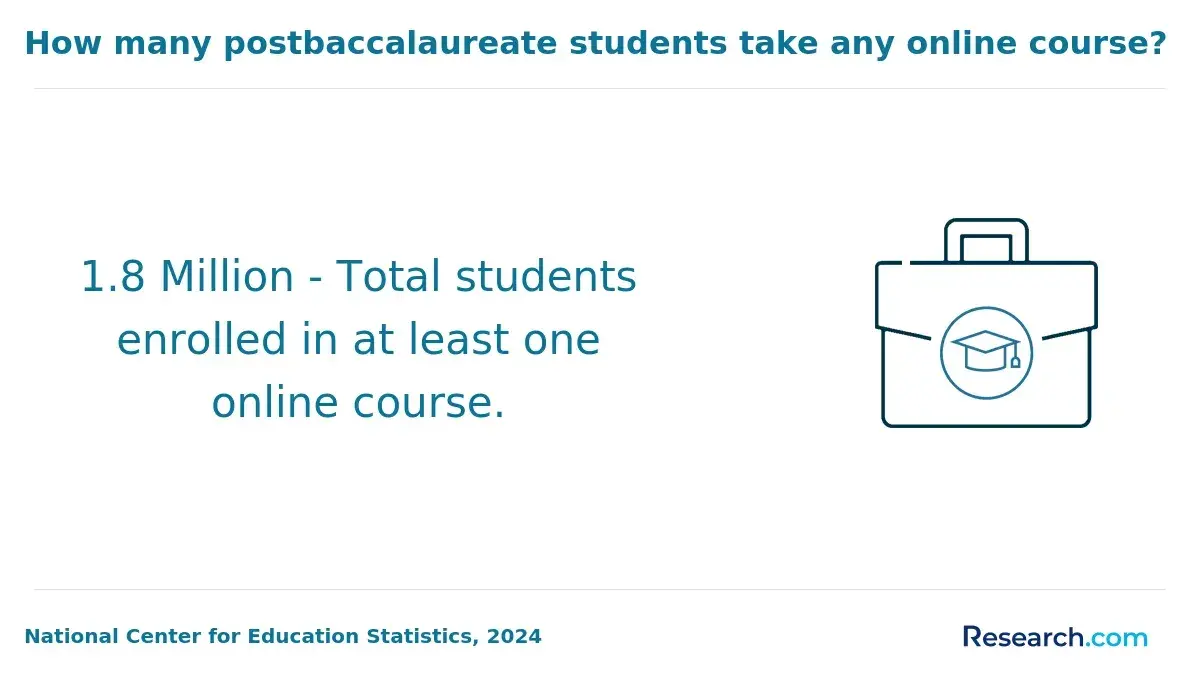
Choosing the right estimator role within construction management demands sharp clarity amid evolving industry demands and educational flexibility. Professionals often face the challenge of aligning their education and experience to meet increasingly specialized job requirements, with a 37% surge in online construction-related program enrollment reported by the National Center for Education Statistics since 2022, reflecting growing access for working adults and nontraditional students.
This trend reshapes how candidates prepare for careers amid tight labor markets and shifting employer expectations. This article identifies diverse estimator roles available to those with a construction management degree, guiding strategic career targeting based on current labor dynamics and educational pathways.
Key Things You Should Know
- Construction management degree holders targeting estimator roles face a 15% wage premium over non-degree peers, but must weigh 2-4 years of academic and opportunity costs against faster on-the-job advancement seen in trade-specific certifications, per 2024 BLS data.
- Employers increasingly demand integrated software proficiency (BIM, ERP) in estimators; candidates lacking these technical skills experience 25% lower hiring success, according to a 2024 FMI Industry Pulse report.
- Regional labor market shifts challenge nationwide degree portability: estimators with construction management degrees from non-local institutions encounter up to a 20% employment delay, driven by divergent construction codes and risk assessment norms, stated by the AGC 2024 Workforce Study.
What estimator and cost control roles can you pursue with a construction management degree?
The distinct estimator roles available with a construction management degree present varying career dynamics and earning potentials that students must weigh carefully. For example, pre-construction estimators typically develop initial budgets by analyzing blueprints and material costs, but those focusing on large-scale infrastructure projects often command higher salaries and more stability than their residential counterparts due to scale and risk factors.
Quantity surveyors, with their focus on meticulous cost measurement and contract documentation, are indispensable in sectors where fiscal control is stringent, such as commercial and infrastructure construction. Meanwhile, cost control positions for construction management graduates require ongoing budget monitoring and change order management to prevent financial overruns on active projects.
Given ZipRecruiter's May 2026 data, the average U.S. construction estimator salary stands at $83,002/year-a figure shaped heavily by geographic demand and project type. Success in these roles hinges not only on core construction knowledge but also on proficiency with tools like Microsoft Excel, PlanSwift, or Bluebeam, plus real-world experience interpreting complex design documents and navigating local labor codes. Employers routinely favor candidates with internship or on-site cost tracking exposure, an essential bridge between theoretical knowledge and practical application.
Students aiming for these pathways should consider targeted certifications and hands-on experience that align with employer expectations and evolving market demands. For those exploring educational options, a masters in construction management can offer focused skill development tailored to cost control and estimator roles, balancing affordability and workforce applicability.
How does a construction management degree prepare you for estimator responsibilities day to day?
Estimator job responsibilities with a construction management degree extend beyond basic cost calculations to encompass real-time risk assessment, market adaptation, and interdisciplinary coordination. The degree equips candidates with practical skills in blueprint analysis, unit cost application, and project scheduling, enabling them to produce precise bids tailored to specific commercial or residential contexts.
For example, commercial projects often require emphasis on labor productivity and subcontractor bids, whereas residential estimates hinge more on material costs. This differentiation is critical in maintaining competitive bids without sacrificing profit margins.
Day-to-day estimator tasks in construction management careers include close collaboration with procurement and engineering teams to verify assumptions and manage design changes swiftly. This communication skill is a direct outcome of interdisciplinary training focused on balancing technical and financial constraints under tight deadlines.
Additionally, graduates must remain adaptable to fluctuating supplier and labor market conditions, employing software tools like BIM and cost-estimating platforms to enhance accuracy and efficiency.
The sustained demand for cost estimators, the U.S. Bureau of Labor Statistics projects 18,000 average annual openings from 2023 to 2033, aligning with employer priorities for professionals who minimize financial risks through data-driven estimates.
However, keeping pace with evolving construction technology and economic shifts requires ongoing competency updates. Those pursuing this path might also explore a Bachelor of Project Management for complementary skills supporting strategic decision-making.
What skills and software do employers expect from construction estimators with this degree?
Cost estimators with a construction management degree must navigate complex tradeoffs in project scope, regulatory compliance, and vendor negotiations. For example, an estimator on a large civil infrastructure project balances detailed earthwork calculations with subcontractor bids, where minor miscalculations in quantity takeoff or value engineering can severely impact profit margins.
Employer expectations for construction management estimators include advanced cost analysis, risk assessment, and project scheduling skills tightly integrated with industry-standard software.
Mastery of platforms like ProEst, Sage Estimating, and PlanSwift is essential to replace manual workflows and maintain up-to-date cost databases. Additionally, proficiency in BIM tools such as Autodesk Revit links design adjustments directly to budget changes, while Excel and VBA scripting support sophisticated scenario analyses. These software requirements reflect practical imperatives rather than optional tech skills.
Effective communication and interdisciplinary coordination remain a core hurdle; estimators must translate blueprints into reliable budgets while collaborating with architects, engineers, and subcontractors.
Experience with ERP systems further supports procurement and contract management, mitigating risks of schedule delays or budget overruns. This workforce reality shapes recruitment and career development strategies.
Salary data from ZipRecruiter's April 2025 report places the average U.S. cost estimator salary at $88,513 annually, climbing to $132,000 with senior expertise that minimizes financial risk through precise forecasting and cost control. The link between education, hands-on software proficiency, and earning potential is clear in a competitive labor market.
Developing these competencies often requires thoughtful choices about further specialization; for some professionals, pursuing a doctorate in healthcare administration programs may represent a strategic pivot, particularly when considering systemic risk management versus operational cost estimation.
Which types of construction estimator positions offer the best salary potential and benefits?
Senior and specialized estimator roles consistently offer the highest salary potential and benefits for professionals with a construction management degree. Among these, heavy civil estimators working on complex infrastructure projects for highways, bridges, or utilities demand premiums due to the technical expertise required and limited labor supply.
This scarcity reflects a broader market reality where construction estimator roles with the highest salary and benefits often align with advanced experience and multifaceted skill sets, combining management and precise cost estimation.
Median annual salaries for senior construction estimators exceed $95,000, supplemented by comprehensive health coverage, retirement plans, and performance incentives tied to project outcomes. However, project estimators in commercial construction, despite strong benefits, encounter extended work hours and pressure to trim bids without sacrificing quality.
Mechanical and electrical estimators leverage specialized knowledge to command top hourly rates, emphasizing the value of technical proficiency amid skilled labor shortages.
Practical career advancement requires more than a degree: employers prioritize certifications like Certified Professional Estimator (CPE), familiarity with bidding software, and contract negotiation skills. Targeting organizations with diverse project portfolios enhances marketability, a vital consideration given that skilled workers in construction management remain scarce nationally.
For those evaluating educational investments, comparing construction management with electrical engineering online tuition costs may guide choices based on specialized career outcomes.
What is the job outlook for construction estimators and related cost management roles?
Construction estimator roles now demand a hybrid of technical specialization and cross-disciplinary communication. Large-scale projects often assign multiple estimators who must coordinate closely with engineering, procurement, and scheduling teams to produce accurate bids. For example, an estimator on a public transit expansion must handle complex compliance and long-term cost projections, whereas those focused on residential remodeling operate within tighter bidding cycles and less regulatory burden.
Industry growth, projected at 10% by the U.S. Bureau of Labor Statistics through 2032, is unevenly distributed, concentrated in dense urban regions with sustained infrastructure investment. This requires candidates to be flexible geographically and versed in regional code variations and market conditions.
Key challenges include mastering specialized estimating software and applying contextual judgment to volatile material costs. Employers increasingly expect construction management graduates to demonstrate teamwork experience in multi-estimator environments and practical skills beyond theoretical knowledge. Without applied project collaboration, credential holders risk limited upward mobility.
Success in this field depends on understanding the tradeoffs between technical depth, software proficiency, and interpersonal coordination. Educational pathways that integrate these elements with real-world project immersion enhance employability and the capacity to manage data across stakeholder groups effectively.
How do online construction management programs compare to campus options for estimator careers?
Online construction management programs offer flexibility but impose tradeoffs that shape career readiness for estimator roles. These programs let working professionals juggle full-time employment with coursework, which is vital since estimators must apply cost-estimating techniques during live projects.
However, online formats often provide fewer opportunities for hands-on collaboration and in-person mentoring, limiting exposure to specialized software, such as Autodesk's advanced estimating tools.
Data from Autodesk 2024 shows employers now prioritize candidates who are proficient with the latest digital platforms, a competence that campus settings integrate more thoroughly through lab access and direct guidance.
Success in this field hinges on practical software skills; 70% of hiring managers expect demonstrable proficiency. For instance, an estimator engaged in commercial construction benefits greatly from on-site internships common in campus programs, which sharpen real-time cost analysis capabilities. Online learners must proactively seek remote or third-party experiences to meet this criterion.
Compared to online-only pathways, campus programs generally maintain stronger industry connections that improve internship and job placement rates, directly influencing employability.
Prospective students should critically assess their ability to self-direct experiential learning and networking or consider hybrid options to address these gaps. This pragmatic evaluation aligns educational choices with the evolving demands of the construction management labor market.
What construction management courses are most important for aspiring estimators and cost analysts?
Successful cost estimation in construction hinges on mastering a blend of technical and financial skills tailored to real-world project dynamics. Courses covering cost estimating, quantity surveying, and construction finance directly address these needs but must be paired with competencies in project scheduling and risk management to mitigate common pitfalls like permit delays and volatile material prices.
For example, underestimating contingencies on a commercial build can stall timelines and inflate costs, damaging both budgets and reputations. Training that integrates Building Information Modeling (BIM) and cost estimating software builds a crucial edge, especially in heavy civil infrastructure projects where digital precision aligns cost data with project scope.
The analytical demands extend to quantitative analysis and statistics, which prepare estimators to utilize historical data and market trends rather than simplistic assumptions. This aptitude supports navigating uncertainty inherent in construction finance roles.
Finally, communication and contract law knowledge ensures project assumptions are clearly documented and client negotiations effectively managed. Without these, even technically accurate estimates risk legal disputes or delays, undermining operational success.
- Employers prioritize bachelor's degrees combining specialized financial, technical, and legal coursework.
- Hands-on experience with BIM and software tools strongly influences job readiness and marketability.
- Balancing technical skills with contract management reduces costly disputes and project interruptions.
What admission requirements and prior experience help you enter a construction management estimator track?
Entry into a construction management estimator track hinges on more than just holding a bachelor's degree in construction management, civil engineering, or architecture; it demands proven quantitative capabilities and practical exposure.
Employers expect applicants to handle complex cost estimation challenges, often requiring coursework in mathematics and construction technology alongside hands-on internships or cooperative education in construction settings.
For instance, estimators in commercial construction must navigate intricate building codes and contractor accounting, while those focused on residential projects emphasize supplier negotiations and labor cost forecasting.
Early-career professionals lacking experience with industry-standard tools like RSMeans or Bluebeam often face salary constraints, with entry-level positions sometimes starting near $52,000, based on ACBSP career data.
Candidates benefit from internships or assistant estimator roles that build measurable success in managing budgets or assisting bid preparation. Certification workshops supplement these experiences, helping new entrants confront real-world factors such as volatile material prices and labor availability-elements rarely addressed in academic environments.
Students face strategic choices between extended degree programs offering broader theoretical knowledge and shorter certifications that expedite workforce entry but may limit long-term advancement.
Employers consistently prioritize accuracy in estimates and the ability to interpret plans over academic credentials alone. Prior field supervision or trade experience can markedly improve hiring prospects and salary offers.
How can you verify accreditation and program quality for construction management degrees in the U.S.?
Program accreditation decisively impacts employability in construction management, with the American Council for Construction Education (ACCE) serving as the primary benchmark for curriculum rigor and industry alignment. Opting for an accredited degree is not merely a credential checkbox; it directly influences hiring prospects and job search duration.
For instance, employers in competitive markets like Washington value ACCE accreditation alongside regional salary differences, where construction estimators earn around $110,221 annually-making geographic context essential when assessing program ROI.
Beyond institutional approval, students must scrutinize graduate outcomes and employer expectations specific to their target area.
This includes evaluating whether programs cover competencies such as cost estimation software and project management skills relevant to local licensure or certification requirements. Non-accredited programs may omit these practical elements, creating barriers to meeting state-mandated qualifications.
Key considerations for prospective students include:
- Verifying if the degree aligns with both national accreditation standards and regional labor market demands
- Assessing graduate placement rates as a predictor of real-world hiring success
- Comparing curricula with actual job descriptions to ensure skills taught reflect employer needs
Career changers and relocators must integrate labor statistics from their intended locale with accreditation data to avoid investing in credentials lacking transferability or relevance. This approach reduces the risk of protracted job searches and maximizes practical value in construction management education pathways.
Which professional certifications can boost your career as a construction estimator or cost manager?
The choice between Certified Professional Estimator (CPE) and Certified Cost Professional (CCP) certifications pivots on industry segment and job complexity rather than mere credential accumulation. CPE suits residential estimators focused on detailed quantity takeoffs and bidding accuracy, relying on specialized cost databases and regional price familiarity. Conversely, CCP targets estimators in heavy civil or energy sectors where comprehensive cost management and risk assessment throughout project lifecycles are critical.
Given the documented need for 740,000 new construction workers annually per the National Association of Home Builders, employers increasingly value these certifications as risk-mitigating evidence against inexperienced hires. Entry-level candidates might first pursue the Associate Estimating Professional (AEP) to validate fundamental skills before committing to more intensive credentials.
Each credential demands documented experience hours and a rigorous exam, which can disrupt work continuity during preparation. This necessitates strategic planning to avoid workforce gaps while balancing upskilling with employment obligations.
Practical impacts include:
- Residential housing estimators leveraging CPE's regional pricing tools to improve bid precision and client confidence.
- Infrastructure project estimators utilizing CCP's cost control software proficiency for effective lifecycle budgeting and risk mitigation.
- The addition of Project Management Professional (PMP) certification for professionals blending estimating with project oversight and leadership roles.
Selecting the right certification must align with specific career goals, employer demands, and market realities to optimize employability and earning potential amidst labor shortages.
Other Things You Should Know About Construction Management
Construction estimators should know Bluebeam Revu, PlanSwift, Sage Estimating, and Microsoft Excel. Many employers also expect familiarity with BIM takeoff tools such as Autodesk Takeoff. These programs are used to measure quantities, price materials, and build bid estimates from drawings and specifications.
Traditional campus programs typically offer deeper networking opportunities and access to industry partnerships that support career advancement in cost control roles. In contrast, online degrees provide flexibility but may lack direct engagement with dynamic project environments, slowing professional growth in estimation. To maximize long-term prospects, prioritize programs integrating capstone projects, employer connections, or joint certifications that enhance credibility and skill refinement. Selecting a degree format aligned with your career timeline and learning preferences is critical for ongoing advancement.
Specializing early in estimating-focused coursework or construction cost management disciplines sharpens relevant expertise, accelerating entry into estimator roles where precision and familiarity with cost data are prioritized. However, maintaining a broad foundation in project management, contracts, and construction methods allows flexibility if job market conditions shift or if advancing into hybrid or supervisory positions. A strategic approach is to build a broad base initially, then deepen estimating specialization through targeted elective courses or certifications based on employer demand and career goals.
References
- Building a Career as a Construction Estimator: Job Outlook, Salary, and Growth Potential - Condustrial https://condustrial.com/2024/10/23/building-a-career-as-a-construction-estimator-job-outlook-salary-and-growth-potential/
- What Is a Construction Estimator? The Skills and Challenges the Job Actually Involves https://www.buildxact.com/us/blog/how-to-become-construction-estimator/
- The Rise of Construction Estimator Salaries - Russ Hadick https://rharecruiters.com/the-rise-of-construction-estimator-salaries/
- CourseCareers https://coursecareers.com/blog-posts/is-construction-estimating-a-good-career
- Top 6 Construction Estimating Certifications for Preconstruction Professionals - Gareth McGlynn, NICHE SSP https://www.nichessp.com/blog/construction-estimating-certification
- Level Up Your Construction Estimating Certification https://paramountestimators.com/construction-estimating-certification/
- What Does a Construction Estimator Do? — A Complete Guide to the Role | MeltPlan https://www.meltplan.com/blogs/what-does-a-construction-estimator-do-a-complete-guide-to-the-role
- Construction Estimator: Key Skills, Responsibilities & Salary https://www.rib-software.com/en/blogs/construction-estimator
- The Certification Program https://www.iceaaonline.com/certification/
- Construction Cost Analysis and Management Training Cours... https://oxford-management.com/course/construction-cost-analysis-and-management