2027 Construction Management Specializations That Best Match Public Works and Infrastructure Careers

Co-Founder and Chief Data Scientist
Professionals targeting public works and infrastructure projects often confront the complexity of aligning their skill sets with highly specialized construction roles governed by evolving regulatory frameworks and increasing sustainability standards. Employers prioritize candidates who can seamlessly manage multifaceted projects involving government agencies and urban stakeholders, yet not all construction management specialties provide the practical experience needed to meet these demands. Meanwhile, data from the National Center for Education Statistics shows a 15% rise in adult enrollment in flexible, hybrid construction-related technical programs since 2023, signaling a shift toward accessible education that matches busy professionals' needs.
These trends highlight the urgency for prospective students to carefully evaluate specialization options that will decisively enhance their marketability and project impact in public sector infrastructure careers. This article examines the construction management specializations that best fit those goals and offers strategic guidance on navigating program structures and workforce realities to optimize career outcomes in this niche.
Key Things You Should Know
- Specializing in infrastructure project controls yields 15% higher mid-career salaries but limits mobility outside public agencies due to niche software expertise demands, per 2024 Bureau of Labor Statistics workforce data.
- Employers prioritize candidates with integrated environmental compliance training amid increasing federal funding; top 50% performers in infrastructure roles report greater job retention linked to this skillset, according to the National Association of State DOTs.
- Certificate pathways reduce entry costs by 40% versus bachelor's degrees but correlate with 18-month longer promotion timelines in public works, highlighting tradeoffs between upfront investment and advancement speed, based on 2024 ACE industry surveys.
What Construction Management specializations fit public works careers best?
Specializations in construction management for public infrastructure projects directly shape employability by aligning skills with sector-specific demands, not generalist competencies. Heavy civil construction, transportation engineering management, and environmental compliance represent core areas where focused expertise meets public works careers in construction management disciplines. For example, managing a highway expansion extends beyond scheduling and budgeting-it requires proficiency in environmental impact assessments and coordination with community stakeholders, reflecting the layered regulatory environment.
Each specialization demands navigating intricate federal and state requirements: heavy civil construction emphasizes large-scale project execution and cost control critical to public safety; transportation engineering management prioritizes lifecycle asset management for roadways and traffic systems under state DOT standards; environmental compliance specialists mitigate risks of legal penalties that could jeopardize funding. Candidates with proven federal contracting and regulatory knowledge hold definitive advantages in the public arena.
Projected employment growth near 9% and a 2024 median wage of $106,980 for construction managers confirm the economic viability of these pathways. However, candidates must weigh tradeoffs: transportation management suits those targeting government agencies focused on mobility infrastructure, whereas environmental compliance is suited for professionals engaging with regulatory-heavy projects. Understanding certification requirements and practical training is essential to maneuver the competitive public sector.
Prospective students seeking a strategic career pivot may find value in programs listed among the best online construction management degree options, which often embed these specializations within their curricula.
What jobs can public works construction managers do?
Public works construction managers must navigate complex operational challenges where balancing regulatory compliance, budget constraints, and stakeholder demands is paramount. These professionals oversee infrastructure projects-roads, bridges, water systems-requiring precise coordination of multidisciplinary teams while meeting stringent government timelines. For example, managing a municipal bridge replacement involves integrating traffic control plans to reduce disruptions and negotiating permits across agencies, illustrating real-time tradeoffs between cost, scheduling, and public impact.
Expertise in contract law and understanding public procurement processes are critical, as missteps can jeopardize project funding or trigger costly disputes. Proficiency with project management software and the ability to interpret engineering drawings help anticipate risks and delays-skills especially vital given the public scrutiny and accountability standards in government-funded construction.
The projected demand for public works construction managers, with approximately 46,800 annual openings from 2024 to 2034, reflects aging infrastructure and growing federal investment. This labor market trend pressures professionals to develop niche skills in infrastructure project construction management roles to maintain an edge. Such roles increasingly lead to strategic positions like program directors or municipal coordinators, shifting from operational oversight to broader organizational responsibilities.
Those exploring public works construction manager career opportunities should consider structured educational paths that combine industry relevance with accelerated timelines. Options include the quickest online project management degree, which balances time investment and practical curriculum tailored for working professionals seeking advancement without extended academic interruption.
What degree is needed for infrastructure construction management jobs?
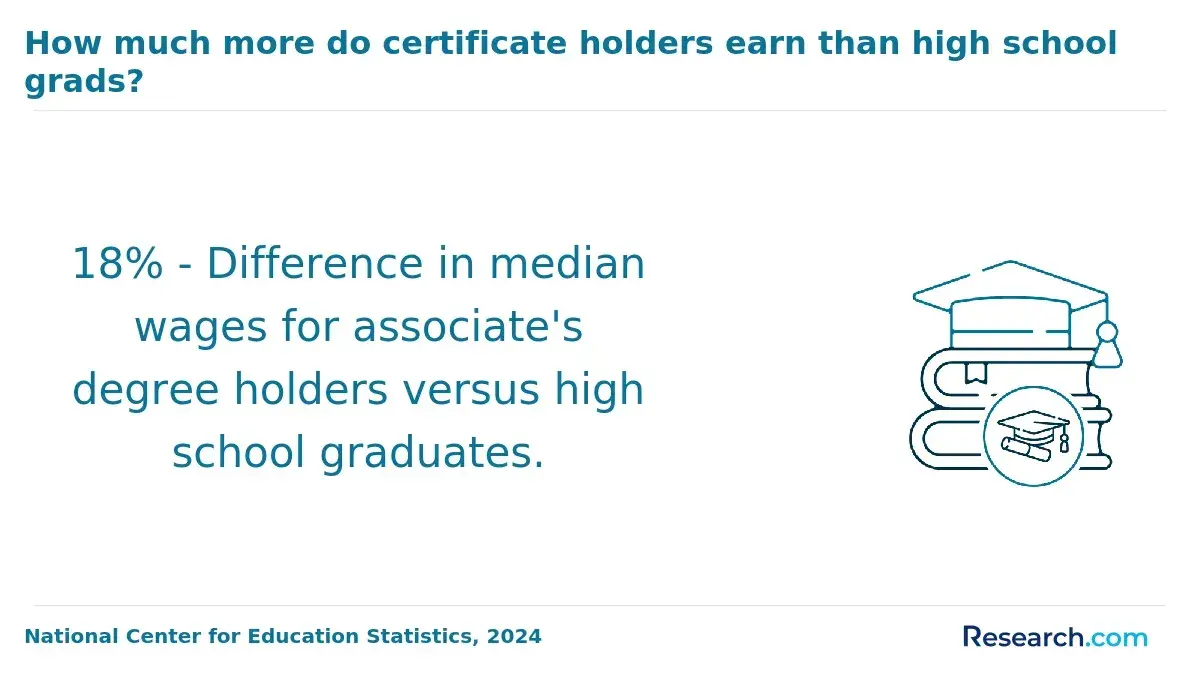
Infrastructure construction management roles overwhelmingly require a bachelor's degree in construction management, civil engineering, or a closely related discipline. This reflects employer demands for robust technical skills in project scheduling, cost control, and contract oversight alongside a nuanced understanding of public works regulatory frameworks. While some entry-level public works construction management educational programs accept associate degrees combined with field experience, complex infrastructure projects entail extensive regulatory compliance and stakeholder coordination that a four-year degree best equips candidates to handle.
Consider a construction manager leading a multimillion-dollar highway expansion: success hinges on interpreting detailed engineering plans, aligning project schedules with federal and state agency requirements, and managing strict compliance deadlines. Without a relevant bachelor's degree, demonstrating these competencies to public agencies or large contractors becomes challenging, limiting employability.
Additional certifications like the Certified Construction Manager (CCM) enhance credentials but cannot substitute degree requirements. Degrees also integrate critical technical proficiencies such as BIM (Building Information Modeling) and GIS (Geographic Information Systems), skills notably absent in many entry-level training programs.
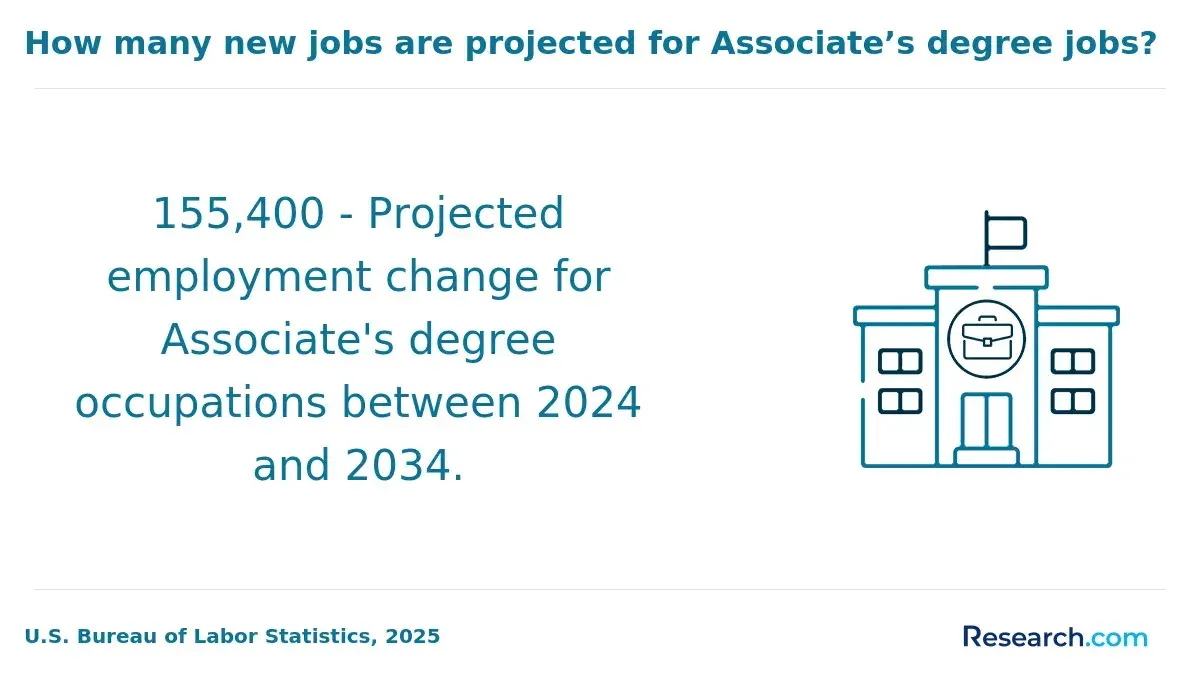
Construction managers anticipate 9% job growth from 2024 to 2034, signaling steady demand for candidates with formal education aligned to public infrastructure case studies, procurement processes, and robust site safety protocols. Students should weigh these workforce realities against educational choices when pursuing infrastructure construction management degree requirements.
For those aiming to further specialize, pursuing a doctorate healthcare administration may offer complementary strategic management insights useful in large-scale multidisciplinary infrastructure ventures.
Which accredited construction management programs should you choose?
Accredited construction management programs for public works must integrate both technical rigor and real-world applications to meet employer expectations in infrastructure sectors. Programs approved by the American Council for Construction Education (ACCE) stand out because they ensure graduates have measured competence in safety protocols, compliance, and contract finance-skills critical for navigating publicly funded projects. Graduates lacking practical exposure often face delayed career entry, as employers prioritize candidates with demonstrated onsite experience and multi-agency coordination capabilities.
Workforce data from Griffith University reveals a robust market with 131,800 employed construction managers and steady annual growth, pointing to consistent demand for professionals capable of managing public infrastructure projects full-time. The top construction management degrees for infrastructure careers typically incorporate cooperative education or internships embedded within municipal agencies, offering vital insight into permit processes, budgeting, and stakeholder negotiations-areas poorly served by purely classroom-based curricula.
Decision-makers must weigh tradeoffs in program focus: too much engineering without legal or business courses can leave gaps in contract negotiation and dispute resolution, while overemphasis on administration may undermine critical site supervision skills required to avoid costly project delays. Working professionals pivoting to this field benefit most from flexible, ACCE-accredited part-time or hybrid formats that preserve income and provide relevant networking opportunities.
For those considering related technical shifts, exploring the best online electrical engineering degree programs for veterans offers insight into complementary pathways that align with infrastructure project demands.
How do online and campus programs compare for this field?
Choosing between online and campus construction management programs hinges on the real-world demands of government infrastructure careers and the tangible skills these formats deliver. Campus programs provide direct access to hands-on labs, site simulations, and networking with local agencies, which is vital for mastering public-sector regulations and workflows. This immersive setting often results in stronger portfolios and smoother transitions into municipal infrastructure roles, as evidenced by employment data from the UPC School of Civil Engineering.
Conversely, online programs offer flexibility, enabling working professionals to balance ongoing employment with advanced learning. However, they frequently lack immediate exposure to physical project environments, potentially limiting practical experience unless supplemented by structured internships or partnerships. Employers in government infrastructure sectors prioritize candidates with applied experience and fluency in compliance, making proactive engagement outside coursework essential regardless of modality.
The tradeoffs are clear:
- Campus students benefit from real-time collaboration and regulatory familiarity critical for rapid entry into public works roles.
- Online learners must strategically secure internships or co-ops to offset the absence of physical site access, optimizing their career continuity.
Each path requires an understanding of local codes, project management nuances, and government contracting essentials to remain competitive. Decisions should reflect professional status and access to experiential opportunities rather than platform convenience alone.
What courses prepare students for infrastructure project work?
Project work in infrastructure demands more than basic construction skills; it requires a blend of technical, regulatory, and managerial competencies tailored to public-sector realities. Core coursework focuses on project scheduling and control, cost estimating, and construction methods specific to infrastructure such as roads, bridges, and utilities. Mastery of contracts and construction law is essential due to the intricacies of government procurement and compliance.
Practical knowledge in site development and geotechnical engineering equips students to handle soil stabilization and foundation challenges common in public infrastructure. Risk management and safety planning aligned with Occupational Safety and Health Administration (OSHA) standards reduce liability and delays on federally regulated projects.
Quantitative skills in surveying, materials testing, and structural analysis ensure technical accuracy and compliance. A critical differential for infrastructure-focused construction managers is understanding public-sector budgeting and funding processes, alongside coordinating multiple stakeholders like municipal agencies and utility companies. Proficiency with software tools such as Primavera P6 and BIM improves project visualization and scheduling accuracy.
Students must weigh technical versus managerial coursework based on their intended sector. For example, a highway construction manager benefits from transportation engineering electives, while a candidate targeting water treatment infrastructure should prioritize environmental regulations and compliance. The average salary for construction managers is $104,900, with top earners reaching $172,040 annually, demonstrating significant financial upside for those specializing in infrastructure management; Fitchburg State Blog.[6]
What admissions requirements do construction management programs use?
Admission criteria for construction management programs balance academic readiness with practical experience, often requiring a high school diploma and standardized test scores, though some flexibility exists for candidates with relevant work backgrounds. A minimum GPA around 2.5 to 3.0 on a 4.0 scale usually signals sufficient preparation for technical coursework. Detailed transcripts reflecting competence in math and science are critical, as these subjects underpin project estimation and engineering tasks integral to construction management roles.
Letters of recommendation and personal statements assess communication skills and professionalism, traits essential for coordinating interdisciplinary teams and managing complex projects. Candidates without hands-on industry experience may need internships or documented practice to remain competitive-particularly for positions related to public works, where exposure to government contracting and regulatory compliance is advantageous.
Verification of program accreditation by agencies such as ACCE is advisable since licensing and certification options often depend on graduating from accredited institutions, facilitating smoother workforce entry. Additionally, proficiency with project management software like Primavera or MS Project is frequently expected, reflecting workforce demands for precise scheduling and resource allocation.
The Bureau of Labor Statistics forecasts about 5% employment growth for construction management professionals over the next decade, reflecting stable demand but also signaling the importance of aligning educational pathways with public sector or private infrastructure needs to maximize job prospects.[6]
How long does a construction management degree usually take?
Completing a bachelor's degree in construction management typically requires four years of full-time study, a duration closely aligned with employer expectations in public infrastructure roles. For instance, San Francisco mandates that public-works project managers possess both a bachelor's degree and four years of relevant experience in architecture, engineering, or construction management, reflecting industry insistence on blending formal education with practical field work.
This period of academic study provides fundamental expertise in project scheduling, cost estimation, construction law, and safety protocols. However, accelerated or part-time options often involve tradeoffs; shortening the degree timeline may reduce opportunities for internships and hands-on training, which are vital to meeting employer standards.
The post-degree phase typically requires an additional 3 to 5 years of progressively responsible roles to gain the four years of relevant experience demanded for public-works project manager positions. This extended timeframe depends on factors such as job availability, mentorship quality, and the intensity of on-the-job training.
Students targeting public infrastructure careers should consider programs with cooperative education or direct industry partnerships, as these can compress the time needed to fulfill education and experience criteria. Without such planning, career progression may stall despite finishing the degree within the standard four years.
What certifications help with public works construction careers?
Certified construction manager (CCM) and OSHA safety certifications are pivotal for public works construction roles, where compliance with strict federal regulations and risk management protocols determine project success. Professionals without these credentials often encounter costly delays and heightened liability due to noncompliance or quality issues, directly impacting government contract competitiveness.
The CCM credential specifically demands expertise in project risk mitigation, regulatory frameworks, and quality assurance-skills essential for managing federally funded infrastructure projects. These competencies align with findings from Texas A&M University College of Architecture, which emphasize the construction manager's role in safeguarding efficient and safe project delivery through rigorous oversight. Complementing CCM, the Associate Constructor (AC) credential strengthens knowledge of construction business practices and scheduling, critical for meeting public sector deadlines and budgeting constraints.
OSHA 30-hour or OSHA 500 certifications are not optional for public works professionals; they confirm adherence to workplace safety standards integral to sustaining project continuity and minimizing liability. Although Lean Construction and Six Sigma methodologies offer additional value, their relevance depends on project scale and complexity rather than baseline employability.
In practice, combining CCM and OSHA certifications positions candidates to balance technical depth with regulatory readiness, markedly improving job prospects and salary potential. Those weighing career transitions into construction management should weigh the time and financial investments against these tangible workforce advantages and long-term career implications.
What salary and job outlook do infrastructure managers have?
Infrastructure management positions in public works reflect a wage range shaped by project scale and regional factors, with median salaries between $85,000 and $120,000. Entry-level roles typically start around $70,000, whereas senior managers overseeing multi-agency capital projects can surpass $130,000 annually. This salary variation underscores the premium on candidates adept at navigating regulatory complexity and sustainable construction standards in public-sector environments.
The scope of government construction-management roles is notably broad, spanning water and wastewater systems, roads and bridges, capital planning, and compliance inspections. Such breadth demands cross-disciplinary expertise; professionals lacking integrated knowledge risk exclusion as employers prioritize versatile managers who balance technical tasks, environmental regulations, and budget controls.
Projected job growth of 8% through 2034 signals stable demand but also heightened competition among candidates. Success increasingly depends on competencies in public procurement, risk mitigation, and contract administration. Fluctuations in legislative funding cycles create cyclicality in employment, reinforcing the value of adaptability.
For candidates pivoting to infrastructure management, credentials in public works construction and compliance offer a 15-20% salary edge over those focused solely on private-sector projects. Employers seek those capable of delivering public projects punctually without legal or safety lapses, given the significant public accountability involved.
Other Things You Should Know About Construction Management
While hands-on experience is critical in construction management, public works employers consistently prioritize candidates with formal education due to the complexity and regulatory demands of infrastructure projects. Formal programs provide essential knowledge in areas like compliance, risk management, and contract administration that are not reliably gained through experience alone. Prioritize educational credentials early in your career to open doors for advancement and higher responsibility; experience alone rarely substitutes for this specialized knowledge in the public sector.
Specializing without considering project scale can limit your effectiveness and job prospects. Larger, more complex public infrastructure projects typically demand expertise in regulatory compliance, cost control, and stakeholder coordination, favoring specializations like heavy civil or infrastructure management. For smaller or less complex projects, concentration in areas like residential or commercial construction may not translate well to public works roles. Prioritize specializations aligned with project complexity you aim to manage to ensure your skills meet employer expectations and align with your career goals.
For public works and infrastructure careers in 2027, specializations like civil engineering, structural engineering, and transportation systems management are optimal. These areas focus on large-scale projects and regulatory compliance, aligning well with public sector needs.
Construction management programs often demand balancing intensive coursework, internships, and sometimes part-time work, which can extend time to degree completion. Those pursuing mid-career transitions should realistically assess their capacity to handle this workload alongside existing professional and personal responsibilities. Accelerated paths or part-time programs might reduce immediate intensity but prolong program duration, delaying workforce reentry. Careful planning is essential to match program demands with your timeline for entering or advancing within public works construction management.
References
- Construction Manager Job Description, Salary & Duties https://www.goconstruct.org/construction-careers/what-jobs-are-right-for-me/construction-manager
- Degrees That Build: The Many Potential Paths to a Career in Construction Management - Ruppert Landscape https://www.ruppertlandscape.com/degrees-that-build-the-many-potential-paths-to-a-career-in-construction-management/
- VACANCIES http://www.publicworks.gov.za/vacancies.html
- Infrastructure Manager Salary in AU (June, 2026) – SEEK https://au.seek.com/career-advice/role/infrastructure-manager/salary
- 5 Construction Management Career Opportunities Out of College https://aic-builds.org/5-construction-management-career-opportunities-out-of-college/
- Certification - American Public Works Association https://www.apwa.org/education-careers/certification/
- Construction Management Major (Bachelor of Science) | NEIT https://www.neit.edu/academics/bachelors-degrees/construction-management-bs
- Digital Waffle https://www.digitalwaffle.co/job-descriptions/it-infrastructure-manager
- BSc (Hons) Construction Management https://www.ube.ac.uk/undergraduate/construction-management/
- Infrastructure Ready Skill Set https://www.jobsandskills.wa.gov.au/courses/infrastructure-ready-skill-set