2027 Construction Job Market Outlook Through 2030

Co-Founder and Chief Data Scientist
Securing a leadership role in construction amid a projected 8% workforce growth through 2030 demands more than experience-it requires strategic timing and educational flexibility. The Department of Labor notes that 44% of construction workers are over 45, signaling an impending wave of retirements that will intensify competition for management positions.
Yet, many adult learners face barriers balancing upskilling with full-time employment, making rigid degree programs impractical. This gap drives rising interest in accelerated and hybrid Construction Management courses that align better with career mobility needs. This article examines labor forecasts, educational delivery trends, and program accessibility to guide timely, informed decisions for advancing within the evolving construction job market.
Key Things You Should Know
- Labor shortages will persist, with U.S. Bureau of Labor Statistics projecting 11% growth in construction management jobs by 2030, forcing firms to prioritize candidates with proven project coordination experience over formal degrees.
- Employers increasingly value advanced digital skills-BLS data shows 40% of new roles demand proficiency in BIM and AI tools-heightening the need for ongoing upskilling amid fast-evolving tech adoption.
- Extended credential pathways delay workforce entry by 2-3 years on average, inflating early-career opportunity costs and disadvantaging late entrants relative to vocationally trained peers, according to the National Center for Construction Education and Research.
What are the key trends shaping the construction job market and hiring demand through 2030?
The construction job market trends and hiring demand are increasingly defined by the integration of digital tools and sustainability standards, reshaping role expectations by 2030. Employers now seek construction managers who combine traditional oversight with technical fluency in Building Information Modeling (BIM), drone operation, and AI-enabled supply chain monitoring.
For instance, site managers equipped with real-time digital asset tracking reduce costly project delays, a practical advantage that distinguishes candidates in a competitive labor environment.
Skilled trade shortages-particularly among electricians, welders, and HVAC technicians-persist due to aging labor pools and insufficient training pipelines. This dynamic intensifies demand for graduates who demonstrate workforce coordination and compliance mastery alongside lean project execution skills. Lack of familiarity with emerging software platforms and green construction practices can limit employability even for those with foundational Construction Management knowledge.
Regional construction workforce growth factors also influence hiring, as employers prefer candidates versed in cross-disciplinary fields such as data analytics or environmental engineering. Soft skills, including communication and adaptability, remain critical to managing diverse teams in projects involving modular building and smart materials.
Students and professionals considering a shift into this field must prioritize educational programs that integrate digital literacy and regulatory navigation. Pursuing internships focused on technology-enabled project delivery further enhances job prospects. For those weighing program formats, options like online construction management degrees offer flexibility but require disciplined self-motivation and real-world application to ensure market relevance.
How strong is the employment outlook for construction managers and skilled trades through 2030?
Job growth projections for construction management and skilled trades careers indicate a sustained demand driven by infrastructure renewal and expanding commercial and residential projects. The U.S. Bureau of Labor Statistics forecasts about 649,300 job openings annually from 2024 to 2034 in construction and extraction occupations, with total employment reaching 8.4 million by 2033. This includes replacement needs as experienced workers retire or switch careers.
The employment outlook for construction managers and skilled trades in the United States reflects a bifurcation in career paths. Construction managers must master sophisticated tools like project scheduling software and navigate regulatory complexities, exemplified by overseeing multimillion-dollar projects under strict safety and sustainability standards. Meanwhile, tradespeople such as electricians and plumbers depend heavily on apprenticeships and certifications, with shorter training periods but often limited advancement without formal credentials.
Decision-making about educational routes should factor in:
- Upfront investment and time for a construction management degree versus faster entry into skilled trades
- Employability influenced by local labor markets and supply chain challenges
- Employer priorities on reliability, safety, and adaptability in fast-paced environments
Students aiming to pivot into construction management fields must weigh these tradeoffs carefully. Those seeking accelerated degree options may consider programs like a sports management degree pathway for transferable insights on balancing technical skills with leadership demands.
What starting and mid-career salaries can construction professionals expect in different roles?
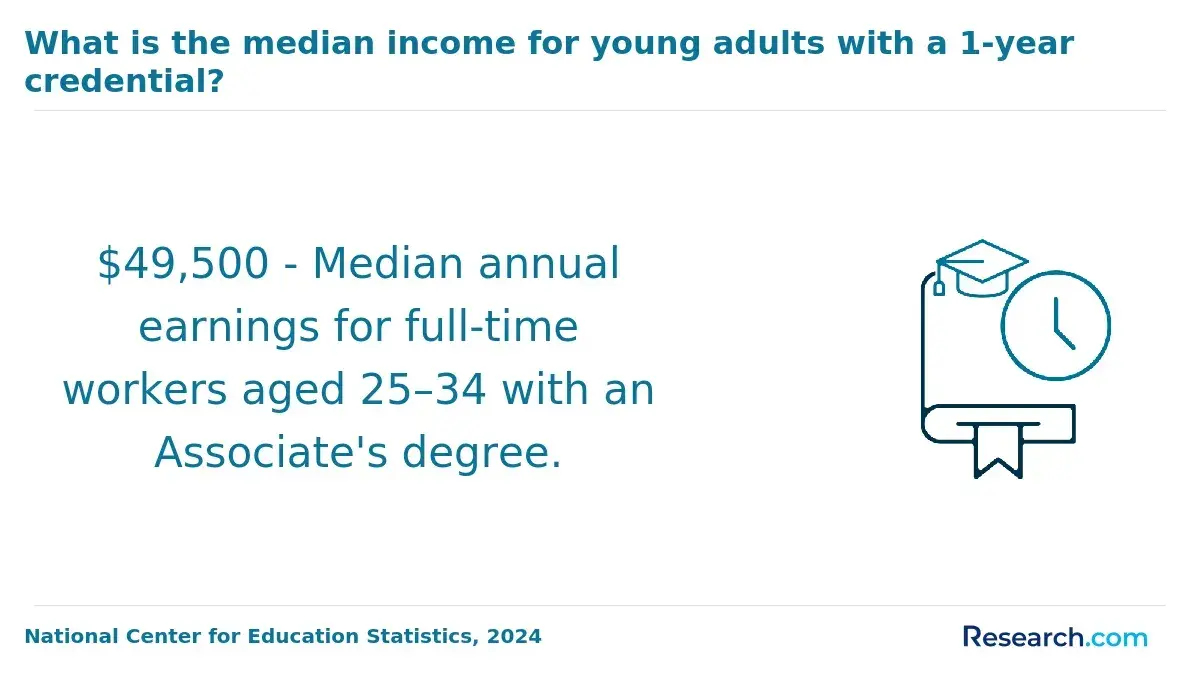
Starting salaries for construction professionals in the United States vary markedly by role, with entry-level construction laborers and assistant project coordinators typically earning around $40,000 annually. This aligns with the lower barriers to entry but also highlights the limited career mobility without further certification or experience. Trades such as electricians and plumbers command higher starting pay, generally between $50,000 and $55,000 due to their specialized skills and licensure requirements.
Mid-career construction job salary ranges by role illustrate how supervisory experience and technical knowledge drive compensation, with project managers and superintendents earning from $85,000 up to $110,000, reflecting the scale and complexity of managed projects.
The U.S. construction sector employs approximately 8 million workers and produces over $2 trillion in structures yearly, emphasizing the industry's reliance on a skilled workforce. Those targeting leadership positions must demonstrate a proven ability to manage multi-million-dollar budgets and ensure regulatory compliance. This dynamic creates a scenario where advancing beyond trades into management requires accumulation of business acumen alongside technical proficiency.
Educational pathways, especially Construction Management degrees, provide an entry point near $55,000 with mid-career salaries reaching about $115,000 in major metropolitan areas. However, practical tradeoffs include balancing educational investment against real-world performance metrics that employers prioritize.
For students considering academic routes, resources like online colleges for hospitality management illustrate how targeted online programs can facilitate flexible advancement without foregoing income.
Which construction careers are growing fastest and offer the best long-term stability?
Skilled trades such as electricians, plumbers, and HVAC technicians top the list of the fastest growing construction jobs and career outlook in America, offering notable long-term stability through 2030. The U.S. construction sector faces an urgent need to onboard 349,000 net new workers in 2026 and 456,000 in 2027, driven by population growth and strict energy-efficiency regulations. Employers favor candidates with nationally recognized certifications and hands-on experience to minimize delays and maintain regulatory compliance.
Project managers with technical expertise in green building and digital tools increasingly command attention in construction management roles, especially within complex urban projects. These positions demand advanced skills in scheduling, cost control, and multi-trade coordination amid a widening labor shortage.
Trade-offs emerge clearly: an electrician with state licensure and renewable energy training secures higher wages and stability compared to an uncertified entry-level technician. Conversely, construction managers lacking digital fluency risk reduced employability as integrated project delivery becomes standard.
Those evaluating a pivot toward these roles must consider apprenticeship or credential programs lasting one to five years. Entry-level labor positions offer immediate access but limited growth potential due to automation and subcontracting trends. Prioritizing trade licenses and specific construction management certifications directly correlates with employability in a market expected to grow by roughly 800,000 workers over two years.
Prospective students should also assess options such as an online HIM degree for diversified long-term career stability within allied sectors related to construction.
Top construction careers with long-term stability in the US depend heavily on strategic credentialing aligned with real-world employer demand rather than generic credentials alone.
What degrees, certificates, or apprenticeships prepare you for today's construction careers?
Choosing between degrees, certificates, and apprenticeships in construction management requires weighing time, cost, and career trajectory against employer demands and market conditions. Bachelor's degrees in construction management or related fields typically span four years and qualify graduates for leadership roles that demand technical oversight, budgeting, and regulatory compliance.
These credentials are increasingly expected for supervisory positions in commercial construction, reflecting a clear pathway to project management.
Certificate and associate degree programs offer efficient, skills-focused training within one to two years, making them practical for workers aiming to move from labor roles into technical or mid-level positions. However, these often don't suffice for advanced management without further education or experience.
Apprenticeships provide paid, hands-on training in skilled trades like electrical work, plumbing, or carpentry over three to five years. They align closely with employer needs for specific trade skills and deliver strong employment outcomes but lack broader management preparation.
For example, a field laborer targeting project management should prioritize credentials with management curricula rather than trade-only apprenticeships. Conversely, those focused on skilled trade mastery benefit from faster labor market access via apprenticeships but will need additional credentials to break into construction management leadership.
- Degrees offer comprehensive leadership preparation but require longer time and financial investment.
- Certificates enable quicker upskilling for mid-level roles with limited upward mobility.
- Apprenticeships excel in skill mastery and employment but limit managerial mobility without supplemental education.
How do construction management programs compare with skilled trade training for career outcomes?
The choice between construction management and skilled trades training hinges on distinct career trajectories and labor market dynamics, particularly given Canada's projected need for 410,000 to 520,000 additional construction workers by 2030. Construction management graduates typically occupy roles involving oversight, project coordination, and regulatory compliance, demanding a blend of technical expertise, leadership, and financial acumen.
Employers filling these positions seek candidates with formal education and proficiency in digital project tools. Graduates with construction management credentials can expect salaries 25% to 40% higher than skilled trades workers but may encounter longer job search periods due to limited entry-level openings. Conversely, skilled trades trainees benefit from faster workforce entry through apprenticeships, supported by structured wage increases tied to hands-on progression.
For instance, a commercial general contractor might prefer construction management graduates for site supervision roles requiring subcontractor coordination and compliance navigation, while simultaneously hiring skilled tradespeople for specialized trade tasks under direct supervision. This illustrates how program choice should align with whether one targets management positions that coordinate multifaceted projects or trade-specific roles emphasizing onsite technical proficiency.
Ultimately, construction management demands readiness for challenging internships and higher turnover at entry points, whereas skilled trades provide steadier demand during construction peaks. Understanding these operational differences is essential for prospective students strategically positioning themselves amid evolving labor and hiring conditions.
What should you look for in an accredited construction management or construction technology program?
Choosing a construction management program requires prioritizing practical alignment with emergent industry demands, particularly solar photovoltaic installation, which the Bureau of Labor Statistics projects to grow by 43% through 2033. Candidates shifting from labor roles to supervisory positions in commercial solar projects should focus on curricula that blend renewable energy technical skills with project leadership tailored to green construction, rather than generic construction administration.
Programs that integrate core competencies-project scheduling, cost estimation, and risk management-with hands-on training through industry partnerships or real-world simulations provide essential preparation for common site challenges such as supply chain disruptions and regulatory compliance.
Evaluating programs means verifying adherence to national standards, such as those from the American Council for Construction Education, and ensuring proficiency in key software tools like Building Information Modeling (BIM) used by leading employers. Such skills are often prerequisites for advanced roles within major firms.
Transparent outcomes data-graduate employment rates, salary benchmarks, and employer feedback-offer more reliable insight into a program's value than accreditation alone. Flexible delivery formats, including hybrid or online options, are important considerations for working professionals balancing education with current job demands.
How do online construction management degrees compare to on-campus programs for career advancement?
Online construction management degrees can enable working professionals to retain employment while pursuing advancement but require deliberate effort to compensate for limited hands-on experiences intrinsic to fully remote formats. Employers are more receptive to online credentials from accredited institutions when candidates bolster academic learning with tangible field exposure, such as internships or apprenticeships, which remain critical for roles involving site supervision or technical leadership.
On-campus programs typically offer accelerated progress through immersive labs, direct site visits, and stronger regional industry connections, which remain valuable for recent high school graduates or career changers lacking practical experience. Such programs foster trusting collaboration in physical environments, aiding early-career professionals in gaining employer confidence and technical proficiency.
Those balancing full-time work and education may find online learning's flexibility indispensable but should expect to invest significant self-discipline and rely on virtual simulations or blended approaches to approach the experiential depth of on-campus programs. Without proactive external practical involvement, purely digital pathways risk weaker networking and slower skill acquisition.
- Online degrees offer continuity without employment disruption but require extra effort to access on-site training.
- On-campus study accelerates skill development through direct industry engagement but limits schedule flexibility.
- Local job placement often benefits from campus-based regional ties, whereas national online degrees may dilute networking strength.
What admission requirements, program length, and total costs are typical for construction programs?
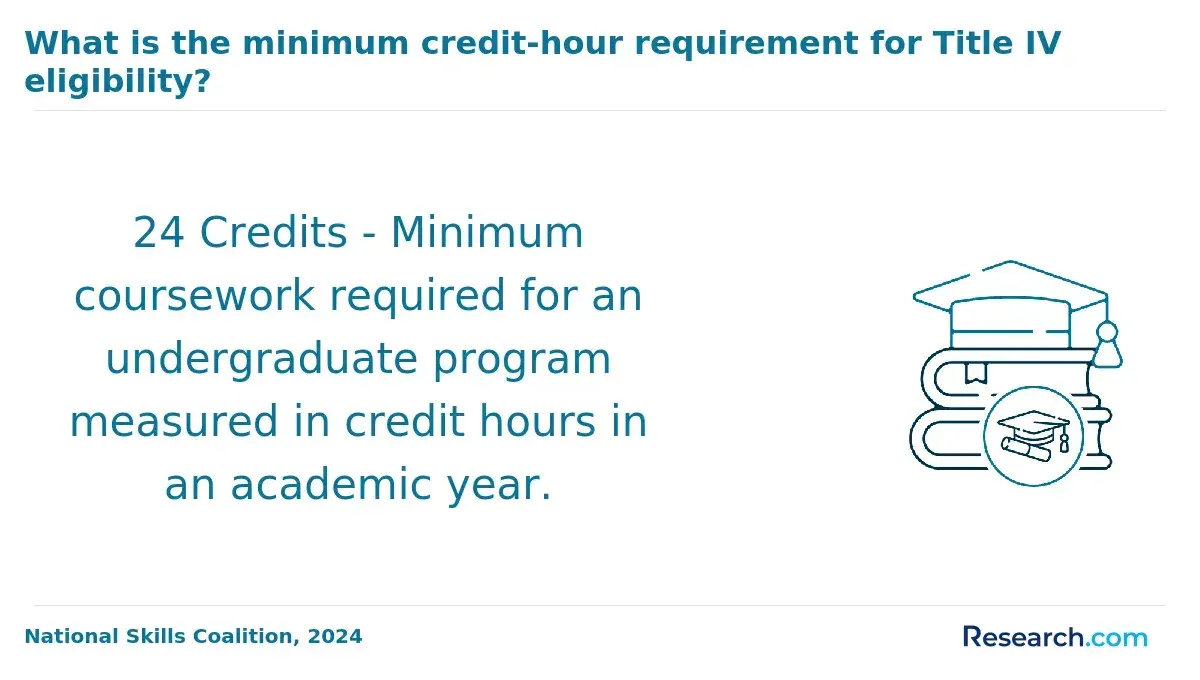
Selecting a construction management educational path requires balancing upfront investment against realistic job market outcomes. Associate degrees, typically spanning two years and costing between $15,000 and $30,000, often position graduates for supervisory roles directly on job sites. Bachelor's degrees, which take about four years and range from $40,000 to $100,000, open doors to advanced positions such as project managers or estimators, where deeper technical and managerial skills are necessary.
Certificate programs, usually completed within six months to a year for under $10,000, offer quick entry to the workforce but generally limit long-term upward mobility without additional credentials. Applicants must weigh whether rapid entry into entry-level positions offsets potentially slower career progression.
Industry demand strongly favors candidates holding formal credentials linked to project management, safety compliance, and emerging technologies. For instance, construction employment in India, valued at $1.2 trillion and employing roughly 70-71 million workers, is projected to grow to 100 million jobs by 2030-a pattern mirrored in many markets worldwide. This signals increasing employer preference for verifiable training and skills documented through recognized programs.
Prospective students without traditional academic backgrounds should consider programs offering flexible admissions such as prior learning assessments or work-based credits, which can reduce total time and cost. Additionally, hands-on training and internships remain critical for immediate employability amid a tightening labor market.
Which licenses, certifications, and union credentials matter most for construction job prospects?
Licenses and certifications strongly gatekeep opportunities and earnings in construction trades, with distinct credentials shaping job roles and wage ceilings. Electricians or plumbers without state-issued journeyman or master licenses are typically confined to apprentice tasks, facing limited wage growth and contract eligibility. OSHA 30-hour certification is often non-negotiable for supervisory roles, signaling adherence to regulatory safety expectations that affect hiring decisions.
Union credentials substantially affect access and stability in unionized regions like New York and Chicago, offering workers entry to large-scale projects that non-union peers rarely secure. However, union membership carries costs and commitment demands often overlooked by aspirants weighing immediate earnings against long-term benefits.
Construction management roles favor certifications such as CCM or PMP, which separate candidates with leadership and integrated project delivery expertise from those focused solely on fieldwork. These credentials align with employer preferences on complex commercial projects but require additional investment beyond traditional trade qualifications.
The tangible impact of such credentials is evident in wage data: the median annual salary for construction and extraction occupations stands at $58,360, notably above the general workforce median of $49,500, reflecting the market premium on certified expertise. Neglecting necessary credentials tends to confine workers to underpaid, unstable roles, impeding financial progress and career resilience.
- State contractor and trade-specific licenses determine eligibility for independent work and bidding.
- OSHA safety certifications influence supervisory hiring.
- Union credentials boost access to unionized market projects but require dues and commitments.
- Construction management certifications signal leadership capacity on complex projects.
Other Things You Should Know About Construction Management
In 2027, construction managers face challenges such as labor shortages, material cost fluctuations, and stricter regulations. These factors complicate balancing project deadlines with quality control as they require strategic planning, effective communication, and adaptability to ensure projects are completed on time without compromising standards.
Employers expect a combination of practical experience and formal education, but experience often trumps academic credentials when advancing to senior roles. Candidates with extensive field experience and proven project delivery track records are more likely to secure leadership positions than those relying solely on degrees. For career pivots, prioritizing on-site experience alongside targeted certifications yields better outcomes than education alone.
Specializing in sectors like commercial, residential, or infrastructure construction can open niche roles with higher pay but limits mobility across industries. Maintaining a broad skill set in general construction management enhances adaptability but may cap earnings in specialized markets. Early-career professionals should assess market demand and personal interests before narrowing their focus to balance stability and growth potential.
Construction management involves variable hours, often extending beyond the standard workweek to address unexpected delays or client demands. Work-life balance is frequently compromised during peak project phases, especially for managers overseeing multiple projects. Candidates must evaluate their tolerance for irregular schedules and consider roles with off-site or office-based responsibilities if consistent hours are a priority.
References
- Essential Schooling for Construction: Your Path to a Successful Career https://abccentraltexas.org/schooling-for-construction-education-paths-costs-careers-how-to-choose/
- Future of Jobs Report 2025: 78 Million New Job Opportunities by 2030 but Urgent Upskilling Needed to Prepare Workforces https://www.weforum.org/press/2025/01/future-of-jobs-report-2025-78-million-new-job-opportunities-by-2030-but-urgent-upskilling-needed-to-prepare-workforces/
- Construction Management, Bachelor of Technology, Full-time/Part-time (8800BTECH) - BCIT https://www.bcit.ca/programs/construction-management-bachelor-of-technology-full-time-part-time-8800btech/
- Future of Construction | Oxford Economics https://www.oxfordeconomics.com/resource/future-of-construction/
- Blog https://www.futuresmartcareers.co.uk/blog/building-a-career-in-construction-and-property/
- Temporary vs Permanent Construction Jobs: Which Is the Right Choice For You? https://www.ukrgroup.co.uk/temporary-vs-permanent-construction-jobs/
- Certifications and Licenses That Boost Your Trades Career Prospects - CCS Construction Staffing Certifications and Licenses to Boost Your Trades Career Prospects https://www.staffccs.com/certifications-licenses-boost-trades-career/
- Why Do Construction Education Credentials Matter? https://nawic.org/why-do-construction-education-credentials-matter/
- Construction Careers: Secure, Stable & Always in Demand | BCTA https://www.bcta.vic.edu.au/construction-careers-secure-stable-always-in-demand-bcta/
- Certified Construction Manager | Construction Management Association of America https://www.cmaanet.org/certification/ccm