2027 Best Online Bachelor's in Construction Management for Site Operations Careers

Co-Founder and Chief Data Scientist
Site operations managers face formidable pressure juggling project deadlines, workforce coordination, and compliance mandates amid unpredictable supply chain disruptions. Without timely, flexible education that aligns with a hectic schedule, advancing from field roles to leadership jeopardizes career momentum. Recent National Center for Education Statistics data shows a 15% surge in adult enrollment in online bachelor's programs since 2022, signaling a decisive shift toward accessible learning for professionals balancing jobs and personal demands.
This reality demands programs that blend rigor with adaptability to match real-world constraints and employer expectations. This article evaluates the best online bachelor's in construction management programs tailored for site operations careers, offering clarity on navigating critical tradeoffs and selecting a degree that enhances both skills and marketability.
Key Things You Should Know
- Construction management bachelor's programs with integrated site operations training reduce post-graduation skill gaps by 40%, yet require 20% longer study time on average, impacting return-on-investment speed according to 2024 NCES labor data.
- Employers increasingly demand candidates with OSHA certification and real-time project software expertise gained during degree programs, influencing hiring where 65% of site roles prioritize technical software skills, based on AGC 2024 workforce surveys.
- Online program access disparities correlate with 15% lower completion rates in rural areas lacking broadband, extending typical time-to-degree and amplifying cost burdens as reported in 2024 FCC infrastructure assessments.
What is an online bachelor's in construction management for site operations and who is it best for?
Graduates aiming for roles directly managing building projects must balance operational control with compliance and resource allocation, highlighting why an online bachelor's degree in construction management for site operations careers demands both technical savvy and leadership resilience. For example, a trades supervisor transitioning into management benefits from flexible online coursework combined with immediate hands-on application, allowing adaptation without pausing ongoing employment.
Programs merge foundational management theories with practical tools such as project management software and data analytics, responding to employer expectations for proficiency in construction law, contract negotiation, and site safety standards. Students without convenient access to local options rely heavily on these best online construction management programs for site operations professionals to obtain nationally recognized credentials.
However, self-directed study and active virtual collaboration are critical because effective site leadership hinges on communication skills as much as technical knowledge. Financially, according to BestColleges' 2025 analysis, annual costs average $15,202 without aid but drop to $8,774 with aid, reducing the typical four-year educational expense from about $60,808 to $35,096. This impacts the return on investment and accessibility, emphasizing the necessity for prospective students to research aid packages carefully.
To explore detailed program options, visit construction management degree resources that align with career-focused decision making.
How do online construction management programs compare with on-campus options for site operations careers?
Site operations roles in construction management demand more than theoretical knowledge; employers expect immediate hands-on proficiency managing budgets, personnel, and compliance amid unpredictable jobsite conditions. A comparison of remote and traditional construction management degrees for site careers reveals critical trade-offs: on-campus programs integrate internships and live supervision, embedding these experiences within the curriculum for direct skill acquisition. In contrast, online construction management programs versus on-campus programs for site operations typically provide flexible, asynchronous coursework but depend heavily on students to arrange local field experience independently.
The labor market projects a 9% growth in construction management jobs, emphasizing practical experience alongside academic credentials. Professionals pursuing flexible, remote options must secure partnerships with local firms to document applied project management skills crucial for meeting employer standards. Lack of embedded practicum may slow readiness for managing real-time site challenges, despite equivalency in academic recognition.
Deciding between these pathways involves assessing one's access to industry contacts, capacity for self-motivation, and local internship availability. Working professionals might benefit from programs like the fastest online project management degree options that accommodate balancing employment while pursuing education, but must also address practical exposure gaps proactively.
Trade-offs reflect a spectrum from flexible scheduling to immediacy of skill mastery, shaping employability in site operations where comprehensive experience strongly influences hiring outcomes.

Which accredited schools offer the best online bachelor's in construction management for site operations?
Deciding on an accredited online bachelor's in construction management for site operations requires scrutinizing each program's alignment with real-world operational demands. Top programs such as those from Arizona State University, Clemson University, and the University of Florida integrate practical software proficiencies, project scheduling, and risk management essential to site supervisors. For instance, ASU's focus on cost-control for large-scale commercial projects reflects the everyday expectations of infrastructure and real estate development employers. Choosing an accredited online bachelor's degree in construction management for site operations is critical because ABET or ACCE certification signals curriculum rigor and industry recognition, which directly affects employability and salary potential.
Operationally, students must evaluate programs offering internship placements with local contractors, like Clemson's emphasis on regional building codes and labor relations, to bridge online coursework with hands-on site experience. Such regional exposure is pivotal when managing union and non-union environments and coordinating labor logistics.
Given the median annual wage of $104,900 reported by the U.S. Bureau of Labor Statistics, coursework that combines technical skills with negotiation and personnel management prepares candidates to move beyond technical roles into site superintendent positions with higher earning potential. Key considerations include flexible pacing for working professionals, access to updated construction technology, and career services focused on certification pathways such as OSHA 30 or PMP to avoid skill obsolescence and job search delays.
For professionals weighing a career pivot or advancement, exploring broader degree offerings like those found in online colleges for hospitality management can provide nuanced perspectives on managing site operations across industries.
What accreditation and program quality standards should online construction management degrees meet?
Accreditation by bodies recognized by the Council for Higher Education Accreditation (CHEA) and the U.S. Department of Education is essential for online bachelor's in construction management accreditation standards to carry real workforce value. Programs accredited by the American Council for Construction Education (ACCE) reliably integrate compliance with OSHA regulations, site safety protocols, and industry-relevant project management techniques. Without ACCE endorsement, graduates may struggle to convince employers of their practical knowledge, especially in leadership roles on complex commercial sites where regulatory adherence is non-negotiable.
Pursuing quality criteria for online construction management programs means scrutinizing how the curriculum embeds experiential learning-such as simulations, case studies, and internships-that reflect real site conditions and operations management. These elements distinguish graduates who command higher salaries: data from Georgetown University's Center on Education and the Workforce shows bachelor's degree holders in this field earn roughly $95,000 annually, about 55-60% more than peers with only a high school diploma.
Students should also prioritize programs offering synchronous engagement and mentorship to supplement virtual training with industry insights and workforce connections. For professionals weighing alternatives, comparing construction management to related pathways like environmental engineering can add perspective; readers might explore this through the online environmental engineering degree science and engineering programs research to gauge cross-disciplinary options.
What courses and specializations are typical in an online construction management curriculum focused on site operations?
Online construction management programs that emphasize site operations must deliver more than theory: students need actionable skills in project scheduling, cost control, safety protocols, and on-site logistics to meet employer expectations for immediate operational leadership. Coursework focused on project management software, contract administration, and building codes equips students to coordinate workflows and navigate regulatory demands effectively.
Technology integration, especially with Building Information Modeling (BIM) and analytics, is increasingly critical. For instance, a site manager versed in BIM can communicate design changes promptly during infrastructure projects, minimizing costly delays and rework-a decisive advantage in sectors facing tight labor and material constraints.
With over 50 accredited U.S. institutions offering fully online bachelor's degrees, specialization options such as construction safety management, quality control, and environmental sustainability cater to evolving industry niches. However, theoretical knowledge alone falls short: students must engage in capstone projects and internships simulating crew management and compliance auditing to develop necessary site leadership confidence and competence.
Employers consistently prioritize graduates who demonstrate practical site experience and critical problem-solving over purely academic credentials. Programs lacking applied elements risk delaying graduates' readiness for supervisory roles, particularly in environments where immediate operational impact drives hiring decisions and project outcomes.
What are the admission requirements and application materials for online construction management bachelor's programs?
Admission criteria for online bachelor's programs in construction management reflect the profession's operational rigor and varied candidate backgrounds. Most programs mandate a high school diploma or equivalent, with GPA thresholds typically ranging from 2.5 to 3.0, alongside official transcripts to verify academic history. Work experience may offset standardized testing requirements, but many institutions retain the SAT or ACT as admission components or apply selective waiver policies influenced by recent enrollment patterns.
Applicants should expect to provide one or two letters of recommendation, which serve as qualitative measures of work ethic and professional potential. Personal statements are routinely required to demonstrate clarity of career objectives and an understanding of onsite operational challenges, particularly in programs aligned with industry standards or employer partnerships.
Certain programs request proof of occupational certifications such as OSHA 10/30 or credentials from the Associated Builders and Contractors (AIC), reflecting workforce readiness. Verification of computer literacy and access to technology is crucial for successful participation in online modalities, while prerequisite coursework in math, physics, or basic engineering signals preparedness for the technical demands of construction modeling.
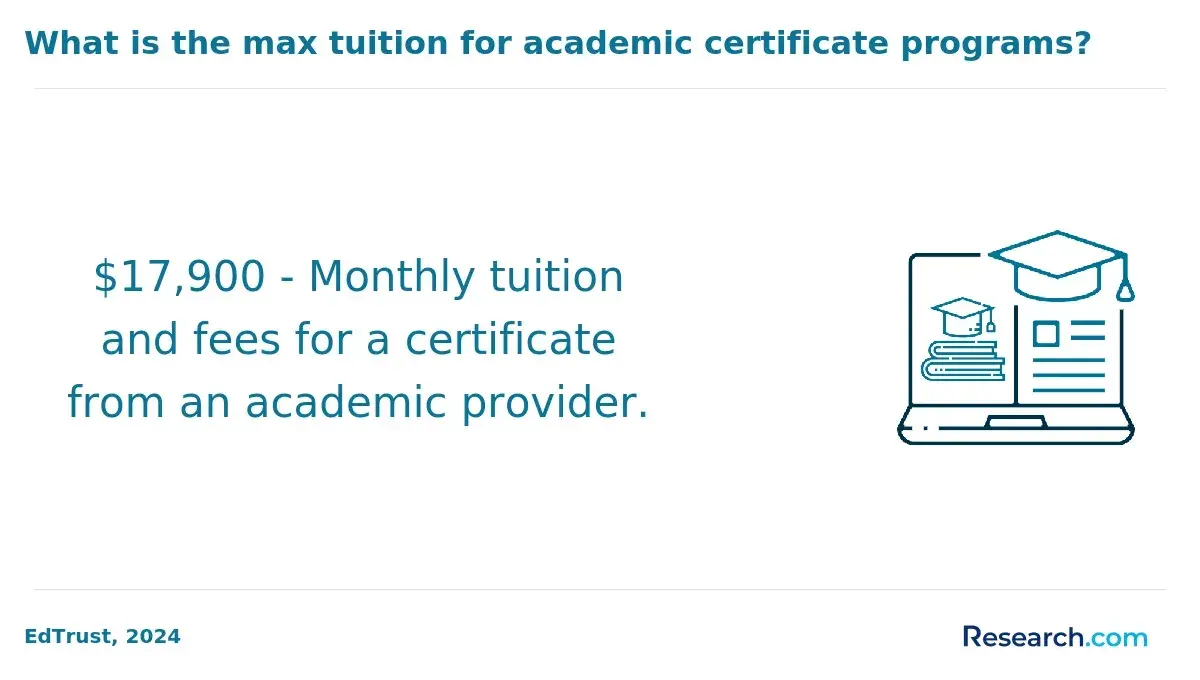
Tuition variability notably impacts applicants' decision-making strategies. For instance, National American University charges approximately $415 per credit, contrasting with private colleges exceeding $1,100 per credit, creating a cost differential over 165%. This disparity strategically positions tuition as a critical factor for working professionals balancing financial constraints against institutional reputation and networking opportunities.
How long does an online construction management bachelor's take and what does it cost?
Choosing the length and structure of an online bachelor's degree in construction management significantly influences job readiness and financial outcomes. Full-time programs typically span four years, requiring 120 to 130 credit hours, while accelerated options cut duration to around three years but demand intensive commitment, often impractical for working adults. Part-time paths extend beyond five years, allowing students to maintain income but delaying skill acquisition and career entry.
Employers prioritize candidates skilled in project coordination, cost control, and regulatory compliance-competencies developed through comprehensive curricula. However, shorter programs may omit advanced subjects such as construction law or complex scheduling software, potentially limiting employability in competitive urban markets or large infrastructure projects. Longer degrees offer deeper expertise, better preparing graduates for roles in sectors like commercial construction, transportation infrastructure, or energy.
Prospective students must weigh these tradeoffs: accelerated degrees reduce tuition debt but may sacrifice content depth; extended timelines defer earnings but broaden skill sets. Accreditation, transfer policies, and alignment with certifications like Certified Construction Manager materially affect program value and industry recognition. Internship opportunities, though adding time and indirect costs, often provide crucial practical experience that employers expect.
Cost widely ranges from $30,000 to $70,000, influenced by residency, credit expenses, and additional fees; early enrollment can lock in lower rates amidst rising tuition tied to the U.S. construction sector's projected $2 trillion annual investment in new projects by 2030. In practice, candidates balancing job and family should critically assess program pace to optimize both financial and professional outcomes.
What construction site operations jobs can you get with an online construction management bachelor's?
Graduates holding an online bachelor's in construction management with a focus on site operations often fill roles such as site superintendent, project engineer, or field operations manager where operational efficiency and compliance are pivotal. Site superintendents, for example, must synchronize labor scheduling and material deliveries daily to prevent costly delays, balancing shifting variables on active construction sites. Project engineers address technical quality and ensure coordination between design teams and onsite crews, a role that demands both technical acumen and interpersonal communication skills.
Employers consistently prioritize degrees accredited by the American Council for Construction Education (ACCE), with fewer than half of online programs meeting this benchmark, according to Intelligent.com's 2025 guide. This distinction reflects not just academic rigor but alignment with evolving industry standards and practical readiness needed for site operations management.
The scope of site operations now integrates emerging technologies, including drone surveys and building information modeling (BIM) software. Those without hands-on experience adapting to these tools or managing regulatory and safety complexities may face slower career progression. Certifications such as OSHA 30-hour safety training are commonly expected additions to a bachelor's degree, especially alongside internships that provide tangible field experience.
Practical advantages of accredited construction management programs include clearer pathways into supervisory responsibilities within commercial or heavy civil projects and enhanced employer trust in candidate qualifications, a critical edge amid competitive labor markets.
What salary ranges and job outlook can site operations professionals expect with this degree?
An online bachelor's in construction management positions site operations professionals to navigate a salary range roughly between $65,000 and $110,000 annually, heavily influenced by experience, project scale, and location. Early-career site supervisors entering construction management may start near $65,000 to $75,000, reflecting typical entry thresholds in smaller firms or regional markets. Mid-level managers with five-plus years of combined field and academic experience frequently move into the $85,000 to $100,000 bracket. Veteran managers overseeing complex commercial or infrastructure projects can exceed $110,000, though this often requires advanced certifications and demonstrated leadership in scheduling, budgeting, and safety compliance.
Realistically, construction management roles exhibit two main paths: rapid advancement in smaller regional firms with modest salaries versus steadier but technically demanding roles in large multinational contractors offering higher compensation. Candidates should weigh geographic cost-of-living differences alongside the payoff from credentials like PMP or LEED, which may be decisive in competitive hiring environments.
Public-sector construction management roles typically provide increased job stability at the cost of longer hiring processes, contrasting with more volatile private-sector opportunities. About one-third of construction managers progress from site-level supervision after acquiring targeted education combined with relevant experience, showing the importance of blending practical leadership skills with rigorous academic training.
How can prospective students choose a reputable online construction management program aligned with their career goals?
Construction management programs without embedded contemporary technology risk leaving graduates unprepared for evolving site demands, reducing their employability in an industry where firms leveraging BIM, drones, and project software report 15-25% productivity gains. Selecting a program that integrates these tools with strong accreditation, such as ABET or ACCE, helps ensure alignment with employer standards and industry benchmarks.
Consider the practical tradeoffs: a student focusing on heavy civil projects will need coursework in geospatial data and robotics, while those targeting commercial buildings should prioritize BIM coordination and safety software training. Without mandatory internships or project simulations, graduates may struggle to translate theory into effective site supervision, a critical gap recruiters note in candidate evaluations.
Program format also impacts completion and applicability. Professionals balancing full-time work often require asynchronous online options; absence of flexible delivery and adequate support correlates with higher attrition and skill obsolescence. Faculty connections and local industry ties can further differentiate programs, influencing job placement outcomes in competitive markets.
Students should weigh these factors together rather than in isolation:
- Accreditation that verifies rigor and relevance
- Integration of current digital construction technologies
- Hands-on experience through internships or realistic labs
- Delivery modes compatible with work-study balance
- Industry network strength for employment pathways
Failing to address these components risks pursuing degrees that either overspecialize, lack practical depth, or misalign with site operational realities, undermining long-term career resilience and adaptability.
Other Things You Should Know About Construction Management
In 2027, internships or field experiences are often highly recommended for online bachelor's construction management programs, but not always required. They offer valuable real-world exposure and enhance employability in site operations careers. Programs may provide placement assistance to bridge the gap between academic learning and practical application.
Online programs vary widely in their approach to teaching critical construction software; some provide virtual labs or remote access to industry-standard tools, while others rely on theoretical instruction. Candidates should prioritize programs that offer direct, applied software training because site operations roles require proficiency in scheduling, estimating, and project management tools. Without effective hands-on exposure to these technologies, graduates face a steeper learning curve on the job.
A bachelor's degree provides foundational knowledge but does not automatically qualify graduates for leadership or management roles on site. Employers typically expect several years of practical site experience in addition to the degree before assigning supervisory duties. Students targeting leadership should seek programs that encourage or require internships and consider supplementary certifications or on-the-job training to accelerate career advancement.
Choosing between accelerated and traditional pacing depends on one's ability to balance workload with practical learning needs. Accelerated programs offer speed but may limit time for absorption of complex site operations concepts and reduce opportunities for concurrent internships. For those transitioning careers or lacking prior experience, a more measured pace is advisable to ensure adequate skill mastery and stronger networking within the industry.
References
- CourseCareers https://coursecareers.com/blog-posts/construction-management-degree-vs-field-experience-vs-online-construction-pm-training
- Best Online Construction Management Degrees: 2026 https://gobuid.com/en/blog/all-articles/best-online-construction-management-degree-programs
- BSc (Hons) Construction Management https://www.ube.ac.uk/undergraduate/construction-management/
- Best Online Construction Management Degrees: 2024’s Top Bachelor’s https://www.onlinecolleges.me/business-degrees/bachelors/construction-management/
- 5 Construction Management Career Opportunities Out of College https://aic-builds.org/5-construction-management-career-opportunities-out-of-college/
- Construction manager bachelor’s degree: career outlook, skills, jobs | edX https://www.edx.org/bachelors/construction-management
- Construction Management Courses: Study Online and Advance Your Career https://www.oxfordhomestudy.com/construction-management-courses
- Construction Management, B.S. https://www.park.edu/academics/explore-programs/construction-management-b-s/
- Certified Construction Manager | Construction Management Association of America https://www.cmaanet.org/certification/ccm