2027 Online Construction Management Degrees With Preconstruction Coursework

Co-Founder and Chief Data Scientist
Project delays due to underestimated preconstruction planning cost contractors millions annually and jeopardize bids in an increasingly competitive market. For professionals aiming to lead these phases, acquiring specialized skills in cost estimating, risk assessment, and sequencing upfront is essential. Recent data from the National Center for Education Statistics reveals a 35% rise in online enrollment for applied construction-related degrees since 2024, reflecting a growing demand for flexible, career-compatible education paths among working adults.
This shift enables timely upskilling without interrupting employment but requires careful program selection to ensure applicable preconstruction coursework. This article examines online Construction Management degrees offering targeted preconstruction curricula, helping prospective students identify options that align with workforce demands and accessibility constraints.
Key Things You Should Know
- Integration of preconstruction coursework extends average degree completion by 20%, increasing tuition costs by 15%, thus requiring candidates to balance accelerated entry against potentially higher debt burdens, per National Center for Education Statistics 2024.
- Employers in infrastructure-heavy regions report 65% preference for candidates with hands-on preconstruction experience, suggesting theoretical-only programs risk limiting job market access, according to the Associated General Contractors of America 2024 survey.
- Workforce data from the U.S. Bureau of Labor Statistics 2024 reveals demand for construction managers with preconstruction skills grows 13% faster in green building sectors, highlighting strategic curriculum choices influence long-term employability in evolving industry niches.
What is an online construction management degree with preconstruction coursework, and who is it best for?
Degrees focused on preconstruction coursework create a distinct profile within the construction management landscape, emphasizing predictive planning and early-phase decision-making critical to controlling budgets and timelines. This focus often best serves candidates aiming for roles like preconstruction managers or estimators, where detailed forecasting and strategic stakeholder coordination differentiate professionals in a competitive labor market.
For example, public works contractors frequently require robust preconstruction expertise, while residential developers may prioritize broader construction management skills. An online construction management degree with preconstruction planning is especially relevant for professionals who already possess technical or field experience and seek to leverage data analysis and contract negotiation skills for leadership roles.
By aligning program curricula with specific industry needs and regional dynamics, students can better position themselves amid projected employment growth highlighted by the U.S. Bureau of Labor Statistics, which anticipates a 9% increase in construction manager positions and a median salary around $106,980. Evaluating options thoroughly, including reviewing construction management degrees with specialized preconstruction tracks, helps ensure a strategic match between education and workforce realities.
How do online construction management programs compare with campus programs for preconstruction training?
The critical distinction between online construction management programs and campus programs for preconstruction training lies in practical exposure versus theoretical coverage. Online programs often deliver comparable foundational coursework in cost estimation, scheduling, and document control, but lack consistent access to simulation labs and in-person collaboration essential for mastering complex cost assessment under fluctuating market conditions.
This disparity impacts how professionals develop skills in environments where input prices-surging 39% in 2024-demand acute budget control. Those enrolled in online programs must proactively seek real-world application opportunities to augment their remote learning. This is especially true in geographically dense industry hubs, where campus programs offer embedded mentorship and onsite visits, whereas remote learners may face delays in honing negotiation and risk management skills critical for preconstruction phases.
For students weighing online versus traditional pathways, understanding how preconstruction coursework in online and traditional construction management degrees aligns with their current roles and future goals is vital. Online formats suit professionals balancing work across dispersed regions but require intentional integration of internships or hybrid residencies for hands-on practice.
Prospective students interested in a bachelor of project management online should carefully evaluate how programs embed practical cost-estimating exercises and industry connections. Choosing a pathway without these can impair readiness for the financial complexities confronting today's construction management workforce.
What accreditation and program quality standards matter for online construction management degrees?
Accreditation by agencies such as ABET or ACCE is fundamental to online construction management accreditation standards, particularly for programs centered on preconstruction disciplines like estimating and project controls. Employers distinctly favor graduates from accredited programs because these credentials validate that curricula align with current industry expectations and technical demands.
Program quality criteria for online construction management degrees extend beyond accreditation to encompass practical learning embedded within remote delivery. With 76% of construction firms struggling to fill salaried roles such as estimators and project managers and 68% citing workforce shortages as a critical schedule risk (Associated General Contractors of America, 2024 Workforce Survey), programs must incorporate real-world software tools, case studies, and capstone projects that simulate present-day preconstruction challenges.
Students should assess whether online pathways include synchronous interaction with instructors skilled in construction estimating or bid management, as asynchronous-only formats may limit immediate feedback on complex analytical tasks. Additionally, integrating or supporting recognized credentials like Certified Professional Constructor (CPC) can enhance employer perception of graduate readiness.
Programs without accreditation or current content risk producing graduates who face longer hiring processes and lower starting salaries due to perceived skill gaps-critical in commercial construction where schedule adherence influences multimillion-dollar contracts. For those comparing pathways, considering non-construction degrees may also be relevant; for example, options like the best online masters degree in human resource management programs offer alternative career pivots worth evaluating.
What preconstruction courses are typically included in an online construction management curriculum?
Preconstruction courses within an online construction management preconstruction courses curriculum equip students with actionable skills critical to controlling costs and timelines before project kickoff. Core coursework in estimating uses actual data on materials, labor, and equipment rates to instill precision in cost forecasts, a skill employers consistently require. Project scheduling instruction emphasizes methods like CPM and Gantt charts, which are essential for balancing resource availability against deadline pressures in practical settings.
Students also engage with construction contracts and legal frameworks, learning to navigate risk allocation and compliance-competencies that form the backbone of effective negotiation and agreement management. Risk management and safety planning courses are integral, as inadequate hazard recognition can result in costly project delays or legal liabilities. Exposure to building information modeling (BIM) fosters better spatial coordination and clash detection for complex projects typical in commercial or infrastructure sectors.
The typical preconstruction curriculum for construction management programs integrates both theory and software tools such as Procore or Microsoft Project, aligning academic preparation with employer expectations. For example, a mid-sized civil engineering firm hiring managers prioritize candidates proficient in estimating and GIS integration due to the budget constraints of municipal projects. Those focused on value engineering gain the ability to optimize design and construction strategies to reduce costs without compromising quality.
According to the U.S. Bureau of Labor Statistics, construction managers in the top 10% earn $176,990 or more, indicating that mastery of these disciplinary areas enhances earning potential and functional expertise. Prospective students should also weigh pathways like accredited online electrical engineering programs, which may offer complementary skills in project design and technology integration, often sought in advanced construction roles.
What admission requirements and prior experience do online construction management programs expect?
Applicants with prior hands-on experience in construction, such as foremen or project coordinators, can significantly reduce the time and costs associated with online construction management programs by bypassing foundational theory courses. For those without industry experience, programs often extend in length and complexity, adding financial and scheduling burdens, especially for working adults.
Academic prerequisites typically include a high school diploma and sometimes college coursework in math or science, reflecting the technical demands of subjects like cost estimation and materials scheduling. Standardized testing requirements are declining as many programs adopt test-optional admissions, instead weighing academic records and relevant work history.
To bridge gaps for students from unrelated fields, foundational or bridge courses in construction principles and project management are commonly required prior to full program enrollment. This ensures readiness for software tools like BIM and scheduling platforms, which are either expected knowledge or taught early in the curriculum.
Annual tuition averages approximately $15,202; however, financial aid reduces direct costs to near $8,774 per year, or about $35,096 total for degree completion, making return on investment dependent on program support resources and graduate outcomes. Students must weigh the tradeoffs between expedited pathways for experienced candidates and longer, more costly routes for novices balancing employment demands.
How long do online construction management degrees take and what do they cost?
Online construction management degrees commonly require four years of full-time study, incorporating preconstruction coursework vital for practical skill development. Accelerated programs can reduce this to around three years, particularly for students leveraging prior credits or professional experience. For working professionals, part-time options extending to five or six years balance ongoing employment but risk prolonging completion and adding costs.
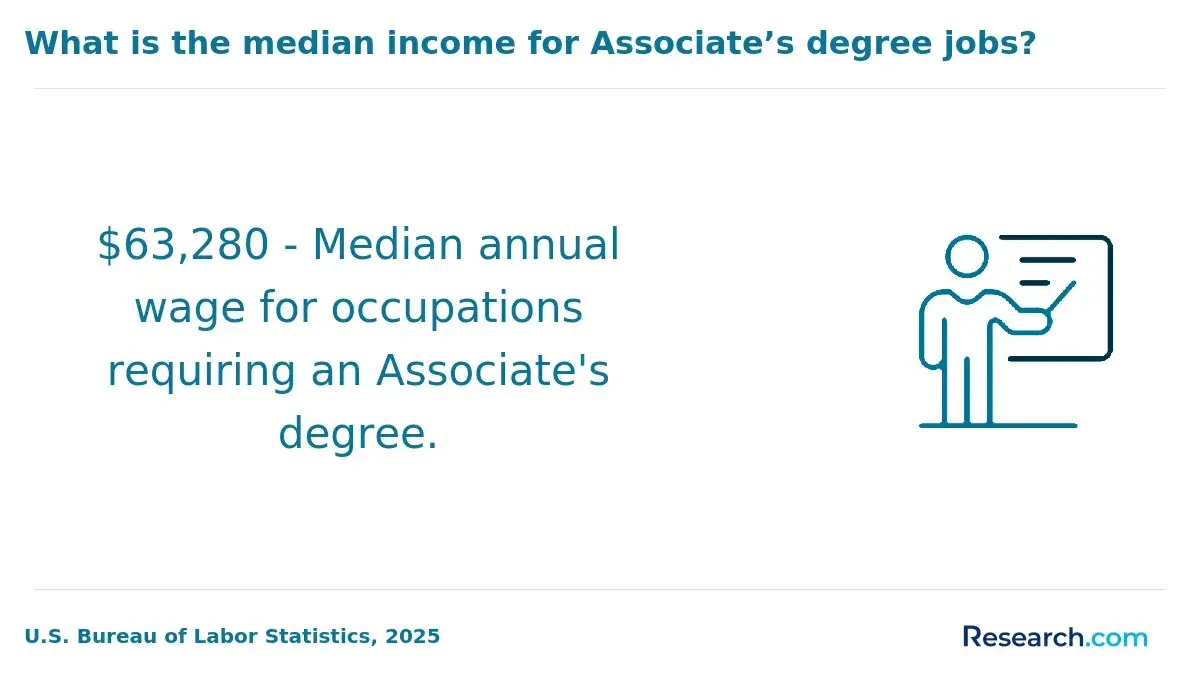
Cost considerations vary widely. According to 2025 U.S. News & World Report data summarized by Intelligent.com, the average total tuition for an online bachelor's degree typically ranges from $40,926 to $63,405. This generally undercuts on-campus expenses when excluding additional costs like housing and transportation, which can elevate campus program expenses by 20-30%.
Specialized preconstruction labs or software requirements in construction management can modestly increase online tuition beyond these averages. The decision to pursue online degrees should weigh time flexibility against employer tuition assistance or experiential credits that may accelerate completion and reduce expenses. For example, a project engineer transitioning to construction management might expedite degree completion using prior work experience credit, effectively lowering both time and costs.
Conversely, prerequisite certifications or part-time enrollment can delay progress and inflate total expenditures, underscoring the need to align academic pacing with career objectives and employer expectations for verified competencies.
- Full-time degree: approx. 4 years, with preconstruction depth
- Accelerated completion: about 3 years using credits or experience
- Part-time schedules: 5 to 6 years, suitable for working professionals
- Average online tuition: $40,926 to $63,405, sometimes higher with specialized courses. On-campus costs often add 20-30% extra beyond tuition.
What construction and preconstruction careers can you pursue with this online degree?
Online construction management degrees with focused preconstruction coursework offer practical skill sets that immediately intersect with employer expectations, especially in early project phases. For instance, professionals trained in value engineering and constructability reviews help teams reduce costly design errors before ground is broken, directly impacting project budgets and timelines.
Applicants typically need relevant field experience-often a minimum of one year in commercial construction and at least five years post-high school-to meet admissions standards. This prerequisite reflects the sector's preference for candidates who combine hands-on knowledge with supervisory potential, since preconstruction roles demand interpreting design documents, evaluating site feasibility, and managing subcontractor bids in real time.
Graduates moving from trades or technical roles into preconstruction management face a practical challenge: theoretical instruction must be supplemented by on-the-job exposure to bridge skill gaps. Programs pairing coursework with internships or employer partnerships provide stronger pathways to sustainability in the field. Long-term career mobility often hinges on accumulating project lifecycle experience beyond academic credentials.
Key workforce implications include:
- Emphasis on blending technical acumen with leadership for supervisory success
- Necessity of practical experience to complement theoretical learning
- Specialization options such as scheduling analysis and cost control within industrial and infrastructure markets
What salary ranges and earning potential exist for preconstruction and construction management roles?
Salary prospects for preconstruction and construction management roles in 2026 vary considerably based on experience, project scope, and location, directly tying compensation to accountability for cost estimating, scheduling, and risk mitigation. Entry-level preconstruction analysts generally start between $60,000 and $75,000 annually.
Mid-career project managers typically exceed $95,000, while senior construction managers and preconstruction directors can earn from $130,000 to $160,000 or more, a range consistent with U.S. Bureau of Labor Statistics data and 2024 industry surveys. Higher salaries often align with managing large-scale infrastructure or complex commercial projects in metropolitan regions, where regulatory and legal complexities further elevate demands.
For example, a construction manager leading a multi-million-dollar public works initiative will likely command a premium salary compared to roles focused on smaller residential developments in less urbanized areas. Online bachelor's programs in construction management devote about two-thirds of their curriculum to core preconstruction skills such as estimating, scheduling, and project controls-areas directly linked to employer expectations for well-compensated roles.
However, advancing beyond entry-level roles requires more than coursework; practical certification like PMP or CCM and proficiency in software tools like Primavera P6 or Procore significantly influence earning potential. Employers prioritize proven project delivery, software fluency, and field experience. Decision-makers evaluating these educational paths must balance the intensity of preconstruction training with anticipated real-world responsibilities to optimize both upward mobility and salary growth.
How strong is the job outlook for construction managers and preconstruction specialists?
Employment for construction managers and preconstruction specialists is projected to grow by 7% through 2032, faster than the average for all occupations. This growth reflects rising project complexity and the crucial role of preconstruction planning in managing costs and scheduling risks. However, not all candidates are equally positioned to benefit.
Heavy civil and commercial contractors now expect advanced expertise in Building Information Modeling (BIM), with 70% of large general contractors using BIM extensively according to a 2024 Dodge Construction Network survey. Preconstruction specialists with formal BIM training hold a distinct advantage, as employers rely on BIM for detailed constructability reviews, risk analysis, and integrated cost estimating.
Residential and environmental sectors tend to emphasize project coordination and cost control skills more than BIM proficiency, illustrating a clear tradeoff for graduates deciding where to specialize. Without substantial technical preparation, candidates risk falling behind in firms where BIM competency is non-negotiable.
Choosing an online construction management degree with built-in preconstruction and BIM focus aligns education with employer demands, limiting expensive retraining and smoothing transitions into specialized roles. Prospective students should weigh program content critically, prioritizing tangible skills that reflect the sector's evolving technological workflow over generic credentials or broad management theory.
How can you choose a reputable online construction management program focused on preconstruction?
Accreditation by bodies like ABET or ACCE remains essential for online construction management programs focused on preconstruction because it ensures curriculum relevance and rigor. Programs must offer specialized coursework in cost estimating, scheduling, and risk assessment integrated with widely used project management tools.
Candidates targeting commercial construction, for instance, should prioritize programs with hands-on training in estimating software such as ProEst or HeavyBid, whereas those aiming at infrastructure projects must seek courses addressing civil design and permit acquisition. Graduates equipped with practical preconstruction experience tend to command starting salaries 15%-20% higher-a reflection of employer demand for professionals who can actively reduce project risks before mobilization.
However, practical skill acquisition depends heavily on program quality; insufficient faculty interaction or outdated materials tend to undermine real-world readiness. Financial considerations also influence long-term returns. Undergraduates in these programs receive an average of $12,175 per year in financial aid, which can notably affect net cost and debt load. Prospective students should investigate scholarships targeted to working professionals or veterans to improve their ROI.
Flexibility and support services such as virtual labs and industry networking are crucial for working adults balancing education with employment. Yet, program choices must weigh the tradeoff between convenience and direct skill development opportunities critical for preconstruction roles.
Other Things You Should Know About Construction Management
Yes, many online construction management programs offer asynchronous coursework allowing flexibility for full-time workers. However, students must realistically assess their capacity for managing workload intensity-preconstruction courses often require detailed project analysis and collaboration, which demand significant time. Prioritize programs with clear scheduling and support structures to avoid burnout and maintain consistent progress.
Preconstruction coursework significantly enhances employability for entry-level positions in construction management. It equips graduates with essential skills in project planning and cost estimation, which are valued by employers looking to optimize project timelines and budgets, making candidates with this expertise more competitive in the job market.
Recognition depends heavily on the program's accreditation and reputation rather than the mode of delivery. Employers focus on proven competencies and relevant project experience; therefore, candidates must supplement online study with tangible outcomes such as portfolio work or field experience. Choose programs affiliated with industry bodies or that integrate practical assessments to enhance employer trust.
If aiming for mid-level roles overseeing multiple project phases, prioritize programs offering a balanced curriculum that includes both technical preconstruction skills and general construction management. Narrow focus on preconstruction alone may limit ability to handle on-site execution challenges, while broader knowledge supports versatility and leadership in dynamic work environments. Assess curriculum breadth carefully to match career goals.
References
- 5 Construction Management Career Opportunities Out of College https://aic-builds.org/5-construction-management-career-opportunities-out-of-college/
- Certified Construction Manager | Construction Management Association of America https://www.cmaanet.org/certification/ccm
- CourseCareers https://coursecareers.com/blog-posts/construction-management-degree-vs-field-experience-vs-online-construction-pm-training
- What can I do with a degree in construction? https://www.youthemployment.org.uk/what-can-i-do-with-degree-construction/
- Careers in Construction https://www.webuildidaho.org/careers-construction
- Construction Management Course Requirements https://training.jacksonms.gov/virtual-library/awG3fY/6OK119/ConstructionManagementCourseRequirements.pdf
- How to choose a bachelor's in construction management | edX https://www.edx.org/resources/how-to-choose-a-bachelors-in-construction-management
- Online Bachelor's in Construction Management | NMU https://online.nmu.edu/bachelors-construction-management/
- The Most Lucrative Jobs in Construction https://www.oshaeducationcenter.com/highest-paying-construction-jobs/