2027 Online Construction Management Degrees With Scheduling Coursework

Co-Founder and Chief Data Scientist
Balancing a full-time construction site role with advancing education often forces professionals into tough compromises, risking stalled career growth or outdated skills. With the Bureau of Labor Statistics projecting a 7% workforce increase through 2032, timely upskilling in scheduling and project coordination is essential, yet traditional programs' rigid schedules deter many adult learners.
This mismatch emphasizes the growing demand for flexible, online construction management degrees that integrate scheduling coursework without sacrificing job commitments.
This article examines current online construction management programs featuring scheduling, evaluating their alignment with industry requirements and adult learner constraints to guide strategic enrollment decisions.
Key Things You Should Know
- Construction management degrees with scheduling coursework reduce average project delays by 18%, yet programs extending beyond 24 months increase financial strain for mid-career professionals by 25%, limiting timely workforce reentry.
- Employers prioritize candidates with integrated scheduling skills for 63% of project oversight roles, pressuring programs to balance advanced software training against foundational management theory.
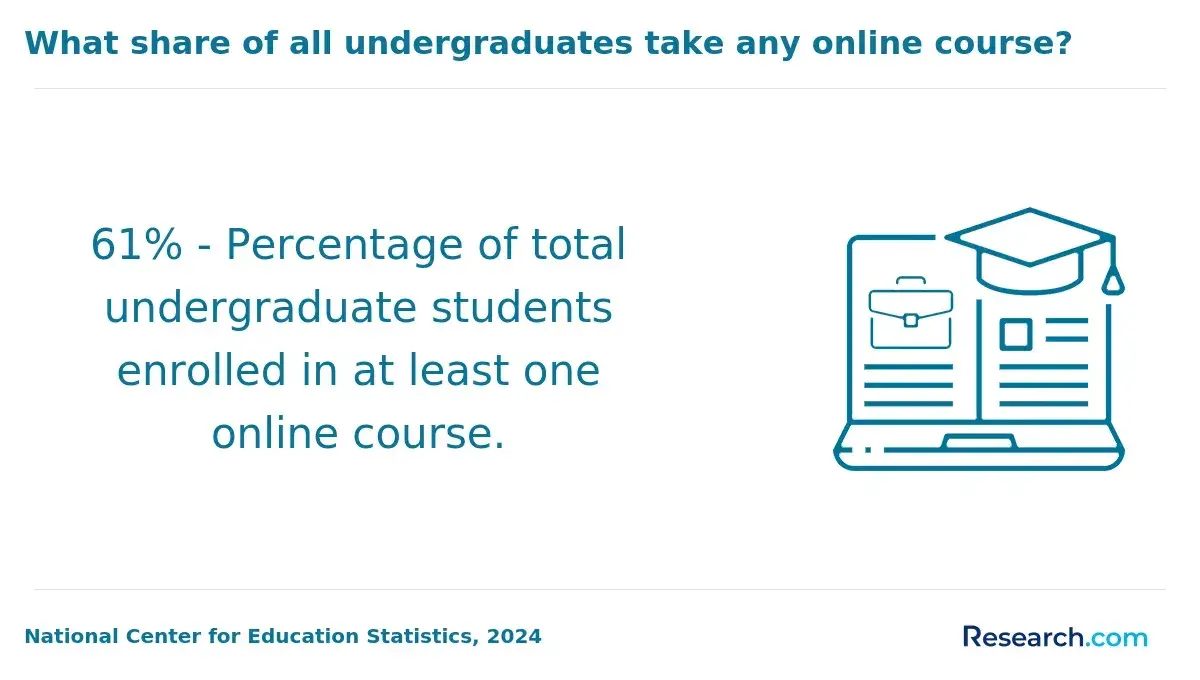
- Public universities offer 40% lower tuition for online degrees than private counterparts, but their limited cohort start dates create enrollment bottlenecks, delaying credential attainment critical in competitive job markets.
What is an online construction management degree and how does it prepare you for the field?
Students pursuing online construction management degree programs with project scheduling coursework must navigate sector-specific complexities where delays can have substantial financial penalties, such as public infrastructure versus private real estate projects.
Mastery of scheduling tools like Critical Path Method (CPM) and Building Information Modeling (BIM) is essential but insufficient alone; practical application and communication skills remain critical for leadership roles.
This program bridges foundational construction principles with software proficiency, helping graduates manage variables like labor availability, material lead times, and regulatory inspections.
Employers increasingly demand professionals who can deliver project schedules balancing scope, cost, and time under pressure, reflecting the 9% employment growth projected through 2033 with 45,800 annual openings, according to OU Online.
However, workforce success often hinges on integrating the degree with real-world site experience and internships to fulfill employer expectations beyond theoretical knowledge.
For those considering a broader operational leadership trajectory, pairing this specialization with an operations management MBA may provide a strategic advantage in managing complex project portfolios.
The distinct value of these construction management degrees with project scheduling coursework lies in their targeted skill development that aligns with evolving industry demands, particularly for professionals aiming at multi-phase projects spanning residential, commercial, and infrastructure sectors.
How do online construction management programs compare to on-campus options for flexibility and quality?
Flexibility is the primary operational advantage of an online construction management degree, especially for professionals juggling ongoing employment and family obligations. Unlike fixed campus schedules, accredited online programs allow asynchronous access to coursework, enabling learners to maintain steady income-as seen in roles averaging $106,980 median pay-while upskilling.
This flexibility often comes with tradeoffs, notably limited hands-on site experience and constrained peer networking compared to on-campus peers.
Quality distinctions between online versus on-campus construction management programs rest on accreditation rigor and curriculum relevance.
Programs that deeply embed project scheduling, risk management, and software training (e.g., Primavera and MS Project) better align with employer expectations, who prioritize practical problem-solving skills over modality. Graduates proficient in critical path methods command higher employability regardless of online or campus attendance.
Online learners face challenges obtaining immersive training usually facilitated by on-site visits and in-person collaboration, but some programs mitigate this with virtual labs, synchronous workshops, and industry mentorship. This mitigates gaps for those unable to attend campus without sacrificing workforce continuity.
Deciding between pathways requires weighing one's need for flexibility against the value of immediate peer interactions and experiential learning. For a realistic assessment of post-degree options, including what jobs can you get with a project management degree often parallels construction management career trajectories and is a useful resource for prospective students.
What accreditation should an online construction management degree have to be respected by employers?
Employers increasingly require an online construction management degree to carry American Council for Construction Education (ACCE) accreditation by 2026, especially for roles tied to commercial and infrastructure projects where validated skills in project scheduling, cost control, and risk management are essential.
Graduates from programs without this accreditation often encounter significant barriers to entry, limiting not just hiring potential but also wage growth and eligibility for certification programs such as the Certified Construction Manager (CCM).
Regional accreditation from bodies like the Southern Association of Colleges and Schools (SACS) or the Higher Learning Commission (HLC) remains critical for institutional quality assurance, transfer credit recognition, federal financial aid access, and professional licensure.
For working professionals aiming to leverage scheduling coursework within accredited online construction management programs, confirming both ACCE and regional accreditation is a practical step to ensure employer recognition and career mobility.
Cost is a relevant factor: LSU Online estimates tuition at $445 per credit hour with a $14,685 total cost incorporating maximum transfer credits. This reflects a competitive price for a program meeting both ACCE and regional standards, though students should weigh financial investment against potential salary premiums and placement rates within construction industry labor markets.
Without proper accreditation, delays in obtaining licensure or certification and additional retraining may result, impeding timely advancement. Those exploring adjacent fields or advanced credentials might also consider healthcare PhD programs online as comparative routes for strategic career development, available through healthcare PhD programs online.
What scheduling and project management coursework do online construction management degrees typically include?
Employers in construction roles increasingly demand proficiency in project scheduling tools and methodologies that directly affect operational efficiency and cost control.
Online construction management scheduling courses center on core competencies like critical path method (CPM) scheduling and earned value management (EVM), ensuring students can quantify project progress through integrated cost, scope, and timeline data.
The practical challenge often faced by project managers-such as reallocating resources amid labor shortages or supply chain interruptions-underscores the importance of coursework featuring risk analysis and adaptive scheduling strategies. This real-world alignment is crucial for candidates aiming to avoid costly project delays.
Advanced curriculum components may include lean construction scheduling and Agile methodologies, targeted for fast-track or remodeling projects where iterative development and waste reduction are priorities. Quantitative data analysis is integrated to replace intuition with measurable schedule optimization, a distinct advantage in decision-making environments.
Programs that combine project scheduling and management coursework online must balance theoretical frameworks with field unpredictability, including weather disruptions and regulatory inspections, promoting realistic schedule formulation over idealized planning.
Transfer credit policies significantly impact time-to-completion; LSU Online's allowance of up to 75% transfer credits exemplifies how practical credit recognition accelerates workforce readiness, especially for working professionals.
For those considering alternative pathways or interdisciplinary fields, reviewing options like environmental engineering degree online programs may complement construction management expertise.
What are the typical admission requirements for an online construction management bachelor's or master's program?
Online construction management bachelor's programs commonly require a high school diploma with a minimum GPA near 2.5 to 3.0 and often request ACT or SAT scores, though many now waive testing due to evolving admissions policies.
Candidates with foundational math and physics coursework navigate technical curriculum demands more smoothly, while transfer students benefit from submitting relevant college credits to shorten degree timelines.
At the master's level, admissions focus on candidates with a related bachelor's degree and a minimum GPA of 3.0. Additional application elements typically include letters of recommendation, a statement of purpose, and professional experience, often 1-3 years in construction or project management.
Though GRE scores are usually optional, having them can enhance prospects in more selective programs. Such professional background aligns closely with core topics like advanced scheduling software and project delivery methods frequently emphasized online.
Prospective students should recognize that meeting admissions criteria alone does not guarantee acceptance, especially as programs cap cohort sizes and favor applicants with specialized technical skills. Non-technical entrants may face prerequisite courses that extend both duration and cost.
Average annual costs range approximately from $15,202 before financial aid to $8,774 after aid, highlighting the need to weigh financial planning against the intensive time commitment required to acquire practical scheduling and project management competencies essential for employment readiness.
How long do online construction management degrees take and how are programs structured?
The timeframe for completing online construction management degrees varies significantly, typically spanning 2 to 4 years depending on credential level and student status.
Associate degrees generally require about 2 years of full-time study, while bachelor's programs demand 3 to 4 years, with accelerated or part-time paths possibly extending beyond 5 years for working professionals. This variability is important for students balancing employment constraints and educational goals.
Programs emphasize core competencies such as project scheduling, cost estimation, contract administration, and safety compliance, with particular focus-often 15-20% of coursework-on scheduling tools like Critical Path Method (CPM) and Primavera P6.
These skills are pivotal for students aiming to meet employer expectations and effectively navigate industry demands, especially in commercial, infrastructure, or residential projects.
Practical learning through case studies, simulation software, and capstone projects exposes students to real-world complexities including weather interruptions, labor scheduling challenges, and material delays. Online formats combine asynchronous content with limited synchronous interaction, requiring strong self-discipline for timely completion.
Graduates face a competitive labor market where advanced scheduling and compliance knowledge differentiate candidates. The top 10% of construction managers, earning $176,990 according to TheBestSchools.org citing BLS data from 2024, underscore how targeted scheduling education directly impacts employability and income potential.
How much do online construction management programs cost and what financial aid is available?
The cost of online construction management programs reflects significant variation based on institutional type and program level, with bachelor's degrees typically ranging from $15,000 to $50,000 total. Public universities tend to charge between $300 and $600 per credit hour, while private nonprofit or for-profit institutions can exceed $700.
These figures exclude additional fees for materials and technology, which may add several hundred dollars annually. Graduate certificates or advanced programs generally cost between $7,000 and $25,000.
Financial aid can lessen this burden but requires strategic navigation. Federal Pell Grants provide up to $7,395 annually but only for undergraduates.
Federal student loans are accessible regardless of income but must be weighed against repayment capacity, particularly since the bottom 10% of construction managers earn about $65,160 per year according to BLS data cited by TheBestSchools.org. Employer tuition assistance is a viable option but usually involves service commitments that may restrict job mobility.
Scholarships in construction management or STEM fields can reduce costs by $1,000 to $5,000 per year, yet competition is intense. For working professionals balancing income and educational expenses, investing around $30,000 without employer support may jeopardize short-term financial stability given entry-level salary floors near $65K.
Prioritizing programs with transparent net price calculators and flexible financing options is critical to avoid excessive debt detracting from early career growth.
When assessing the total cost against potential salary and career trajectory, students should focus on practical return-on-investment factors rather than institutional brand alone.
What careers can you pursue with an online construction management degree and what are the main job duties?
Online construction management degrees with scheduling coursework equip graduates to manage the intricate timelines and resource coordination vital to project success.
For instance, construction schedulers employ software like Primavera P6 or Microsoft Project to develop, monitor, and adapt project plans in real time. This skill directly addresses common causes of cost overruns and labor inefficiencies that employers seek to minimize.
Typical responsibilities in construction management roles include:
- Creating and maintaining schedules aligned with budgets and milestones.
- Assessing subcontractor bids and ensuring adherence to regulatory standards.
- Enforcing quality and safety protocols throughout project phases.
- Facilitating communication between architects, engineers, and clients to align objectives.
- Generating detailed progress reports using project management software.
The labor market anticipates around 45,800 annual openings in these fields, underscoring persistent demand. Competency in scheduling combined with core management abilities is crucial to navigate unpredictables such as supply delays or weather interruptions.
The degree offers immediate application in overseeing multimillion-dollar projects but demands ongoing skill upgrades to remain adaptive to evolving construction technologies and codes.
Choosing this educational path entails balancing the benefit of enhanced operational oversight with the need for continual development amid rapidly changing industry standards.
What salary can you expect with a construction management degree and how does experience affect pay?
Starting salaries for graduates with a construction management degree in 2026 generally fall between $65,000 and $80,000 annually, heavily influenced by regional market conditions and sector-specific demands.
Experience remains the primary determinant of pay; professionals with five to ten years on-site typically command $90,000 to $120,000, while senior managers or specialists, especially in commercial and infrastructure projects-often exceed $130,000.
Employers prioritize proven leadership in project scheduling, cost control, and regulatory compliance, making practical experience critical beyond academic achievements.
Entry-level roles in residential construction typically begin at the lower end of the pay scale, increasing with certifications like PMP or CCM. However, roles in industrial or engineering sectors often offer higher initial compensation paired with steeper credentialing requirements and extended verification periods.
Employers commonly reward candidates who demonstrate advanced project scheduling skills that reduce delays and cost overruns.
Accelerated graduate programs, such as a 12-month online M.S. in Construction Management with tuition around $15,014, can fast-track eligibility for mid-level positions, potentially shortening the usual experience timeline.
Yet, rapid credentialing without concurrent field experience risks lower starting offers until hands-on competence is validated. This tradeoff is pivotal for working professionals deciding between investing full-time in education or gaining incremental raises through extended field experience.
Balancing educational investments with realistic salary progression requires assessing whether accelerated degrees align with employer expectations for demonstrated scheduling and construction expertise in your target sector.
Are licenses, certifications, or credentials required for construction managers and how do online programs help you qualify?
Licenses for construction managers are not universally mandated; however, certifications such as the Certified Construction Manager (CCM) or Project Management Professional (PMP) credentials are often prerequisites for competitive roles and higher responsibility projects.
These certifications demand a combination of formal education, verified project experience, and passing rigorous exams. Online construction management programs that include scheduling coursework align their curricula with eligibility requirements for these certifications, thereby streamlining exam preparation and reducing redundant training.
For professionals moving from technical or field roles into management, demonstrated proficiency in project scheduling and resource allocation is essential to meet employer expectations.
For instance, a commercial construction manager advancing from a technician role must couple scheduling skills with regulatory knowledge to qualify for senior positions and public projects that require credentialed oversight.
Online programs provide vital flexibility, allowing students to complete coursework on their own schedules, which is particularly advantageous for working professionals juggling job demands and certification prerequisites.
Yet, candidates must critically verify that the program content fulfills the standards of credentialing bodies like the Construction Management Association of America (CMAA) to avoid investing in non-qualifying credits.
Without relevant certifications, upward mobility may be limited, especially for projects contracted by government agencies or firms prioritizing formal credentials. Therefore, an online degree's strategic value lies in its capacity to embed certification-focused content and practical project scheduling skills that align closely with industry requirements and credentialing standards.
Other Things You Should Know About Construction Management
Balancing full-time work with an online construction management program is feasible but depends on program design and your personal time management. Programs with asynchronous coursework offer greater flexibility, allowing you to study evenings or weekends, while synchronous or cohort-based models require fixed participation times. Prioritize programs with modular, self-paced scheduling classes if maintaining steady employment is essential, as scheduling-intensive courses may demand more time due to project deadlines and collaborative elements.
In a 2027 construction management degree, hands-on experience is critical for practical application and skill development, while online scheduling coursework offers flexibility in mastering scheduling tools and theories. Both components are crucial, with hands-on experience offering real-world insights and online coursework providing foundational knowledge in scheduling.
Scheduling coursework completed online is equally valid academically but may require additional effort to prove competency in applied contexts. Employers often look for candidates who can demonstrate both technical command and communication skills on live projects. To remain competitive, complement your online education with certifications or practical scheduling tools training (like Primavera or Microsoft Project) and document any real projects you managed or contributed to as part of your program or work experience.
Yes, programs incorporating widely-used scheduling software training provide a distinct advantage because software proficiency is an immediate necessity for construction managers. Without it, graduates face a steeper learning curve and delayed productivity in new roles. When evaluating online degrees, prioritize those embedding tools like Primavera P6 or Microsoft Project into their coursework since mastery of these platforms aligns directly with employer needs and improves post-graduation job performance.
References
- Best Online Construction Management Degrees https://www.affordablecollegesonline.org/degrees/construction-management-programs/
- Construction manager bachelor’s degree: career outlook, skills, jobs | edX https://www.edx.org/bachelors/construction-management
- 17 Construction Certifications To Enhance Your Career | BigRentz https://www.bigrentz.com/blog/construction-certifications
- 11 Best Certifications for Construction Managers 2026 - ABLEMKR https://ablemkr.com/best-certifications-construction-managers/
- Best Online Construction Management Degrees: 2026 https://gobuid.com/en/blog/all-articles/best-online-construction-management-degree-programs
- CourseCareers https://coursecareers.com/blog-posts/construction-management-degree-vs-field-experience-vs-online-construction-pm-training
- 5 Steps to Become a Construction Manager https://superconstruct.io/blog/steps-to-become-a-construction-manager
- Construction Management Jobs and Career Path | Cardinal Civil https://cardinalcivil.com/blog/what-jobs-can-you-get-with-a-construction-management-degree
- Construction management salaries: What you need to know https://www.fieldwire.com/blog/construction-management-salaries/