2027 First Management Roles for Construction Professionals Seeking Career Mobility

Co-Founder and Chief Data Scientist
For construction professionals eyeing their first management role, the pivotal challenge lies in balancing skill acquisition with ongoing job demands while meeting increasing employer standards for formal credentials. A recent National Center for Education Statistics report reveals a 12% surge in part-time enrollment for bachelor's degrees among adult learners, reflecting widespread need for flexible education options that align with irregular work schedules and immediate career objectives.
This trend indicates growing recognition that traditional full-time programs often create barriers to timely advancement in field roles requiring leadership capabilities. Such realities force candidates to carefully assess program delivery modes, timelines, and credential relevance against practical advancement hurdles. This article examines critical factors shaping initial management opportunities in construction, offering guidance on educational pathways that optimize accessibility, workforce readiness, and strategic career mobility.
Key Things You Should Know
- The national average starting salary for first-time construction management roles rose 8.3% in 2025, outpacing inflation, but 72% of employers prefer candidates with 3-5 years' direct field experience, complicating entry timing tradeoffs.
- Industry hiring projections from the U.S. Bureau of Labor Statistics show 11% growth in supervisory roles by 2030, pressuring employers to prioritize adaptable leadership over formal credentials, fragmenting candidate evaluation standards.
- Financial and time investments in construction management certifications average 6-12 months and $5,000 with uneven ROI; smaller firms often under-recognize these credentials, limiting access to mobility in non-metropolitan markets.
What are the best first management roles for construction professionals seeking upward mobility?
Early management roles such as project coordinator and assistant project manager serve as critical launch points for upward mobility in construction. These positions grant exposure to budgeting, scheduling, subcontractor oversight, and client interaction, but without the full accountability tied to project manager roles.
Employers prioritize candidates with proven skills in tracking milestones, managing procurement, and coordinating teams-capabilities essential for advancing beyond entry level construction management positions with upward mobility. For instance, the Federal Reserve Bank of Richmond reported a 5.5% real wage increase for construction workers entering management in 2024, noticeably surpassing wage growth for those staying in field roles.
Site superintendent jobs offer a distinctive path for those preferring hands-on leadership in heavy civil and commercial sectors. These roles require blueprint interpretation, OSHA compliance enforcement, and direct supervision-a combination emphasizing field presence over office management. This tradeoff suits professionals balancing technical expertise with frontline leadership.
Estimating roles form a foundational step for those targeting preconstruction and budgeting departments. Success in cost estimating software and supplier negotiations is critical, but missing cross-training in scheduling and contract administration can stall progression toward senior project controls.
Real-world challenges for first-time managers include juggling technical duties with team communication, adapting to diverse crews, and mitigating contractual risks. Navigating these skill demands impacts long-term promotion potential.
Identifying a fitting entry point aligned with personal strengths and employer expectations remains key, as seen in strategic academic pathways like an accelerated construction management degree online, which can supplement practical experience and fast-track professional growth within the field.
What education and experience do you need to move from trades or field work into construction management?
Securing first management roles for construction professionals hinges on a dual foundation of practical supervisory experience and targeted education. Employers consistently prioritize candidates who have proven abilities in leading crews and navigating on-site challenges alongside formal training in project scheduling, budgeting, safety compliance, and contract administration.
An example of this pragmatic approach is a field carpenter progressing into construction management by combining trade skills with studies in project controls and crew coordination to build employer confidence. The U.S. Bureau of Labor Statistics reports the median annual wage for first-line supervisors of construction trades and extraction workers at about $78,000 in 2025, approximately 65% higher than for general construction laborers.
This wage gap reflects the market's premium on hands-on leadership combined with technical proficiency, emphasizing the importance of stepping into supervisory positions such as lead foreperson or assistant supervisor before targeting broader management roles. Education and experience required for construction management careers are intertwined but come with tradeoffs.
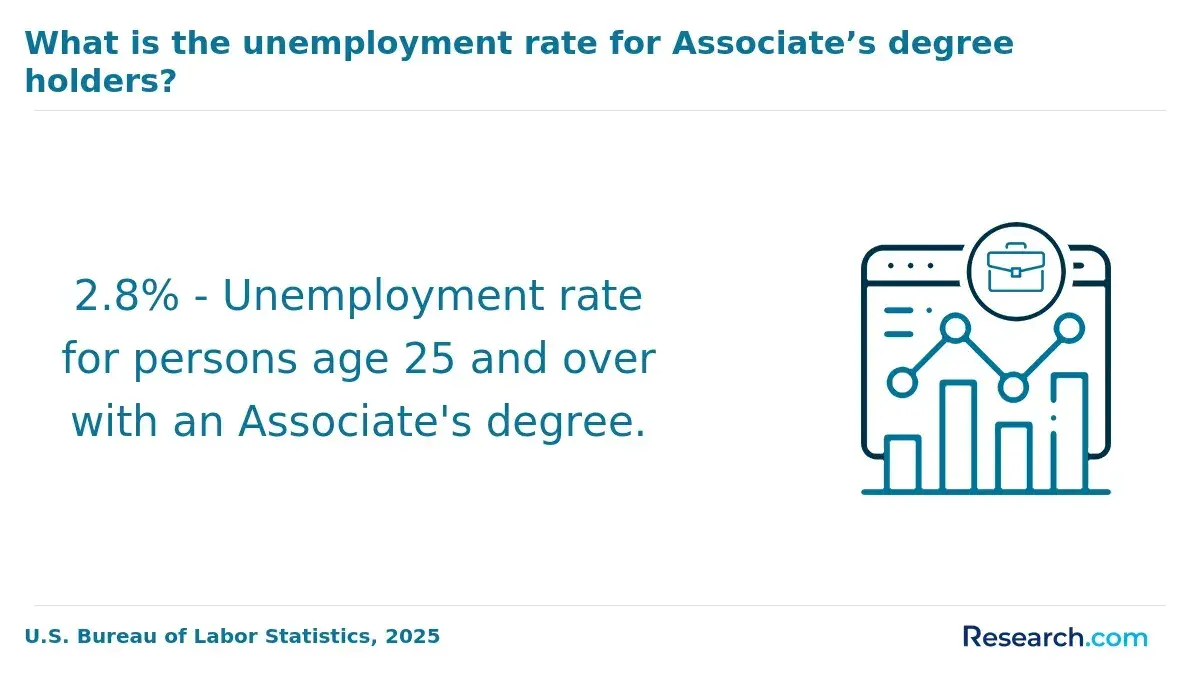
While employers increasingly expect formal qualifications-commonly acquired via associate degrees or certificate programs-these alone cannot substitute for direct leadership experience. Candidates pursuing a construction path should therefore seek incremental supervisory roles while supplementing their skillset through disciplined coursework. For those balancing work and studies, exploring a project manager degree online can provide flexibility without sacrificing rigor.
Advancement without supervisory experience remains limited regardless of educational attainment, making structured on-site leadership experience indispensable for bridging skill gaps and accessing pay premiums documented in labor market data.
How do common first-time management titles in construction differ in duties, authority, and scope?
Entry-level construction management roles differ significantly in duties and authority, shaping how professionals advance. A Project Engineer primarily executes technical tasks like quality control and scheduling, working under a project manager with little budget oversight. This role's focus on specific project components limits exposure to contract negotiation.
In contrast, an Assistant Project Manager holds broader responsibilities, including financial tracking and client communication, often supervising small teams and managing entire project phases independently. These distinctions in duties and authority for entry-level construction managers directly affect workload complexity and leadership growth opportunities.
Employers increasingly value candidates demonstrating project delivery and contract management skills, given the 4.7% employment growth projected for construction roles-outpacing the 4.0% national average. Candidates aiming to pivot or advance must evaluate their readiness for financial oversight and client interaction versus a more technical, execution-centered trajectory. Prioritizing budget and contract experience early can separate those quickly ascending the management ladder from peers.
Real-world career decisions often hinge on these tradeoffs: the Project Engineer's narrower focus offers technical depth but limited leadership scope, while the Assistant Project Manager provides broader operational control at the cost of added responsibility stress. Those considering a strategic shift may benefit from complementing their skillset with a relevant degree in healthcare management to strengthen administrative competence transferable to construction management contexts.
Which degrees or certificates prepare you for your first management job in construction?
Entry-level management roles in construction demand educational paths that balance practical skills with workplace realities. A bachelor's degree in construction management or civil engineering remains the most effective credential, providing rigorous training in project scheduling, cost estimation, contract law, and safety oversight. Such degrees prepare graduates for the complexities of overseeing commercial and large-scale projects.
However, not all candidates can pursue a multi-year program. For these individuals, associate degrees or certificates offer targeted education in construction methods, project controls, and supervisory techniques, enabling quicker transitions into first-time management positions.
Employers value a combination of credentials and on-site leadership experience. For example, a foreman with a construction management certificate substantially improves their prospects for a construction manager role, which commands a median annual wage of $109,160, reflecting strong employer demand and financial benefit. Industry certifications like the Associate Constructor (AC) and OSHA safety credentials further verify practical competencies.
Deciding between degrees and certifications involves tradeoffs: degrees provide a broader engineering and business foundation suited for ambitious career trajectories, while certificates suit those targeting immediate supervisory roles with smaller contractors. Both routes require solid math, communication, and technology aptitude.
Students evaluating construction management degrees for entry-level management roles should also consider options like an environmental engineering bachelor's degree online, which can broaden technical expertise in sustainable building practices.
How do online construction management programs compare with campus-based options for aspiring managers?
Construction management education must be evaluated through the lens of workforce readiness and employer demand rather than convenience or format alone. Campus-based programs offer embedded internships and live collaborations that cultivate real-time decision-making skills essential for supervisory roles on complex construction sites. Early-career professionals targeting roles like project forepersons or assistant superintendents benefit from this integrated experience.
Online programs provide flexibility critical for working individuals balancing job duties and family, but they often require proactive pursuit of hands-on experience, such as local mentorships or site visits, to develop comparable readiness. Without structured practical exposure, graduates risk delayed skill acquisition, which can limit immediate career mobility and slow advancement, especially given that turnover in construction roles is driven more by stagnated career development than salary.
Key factors influencing program choice include current job responsibilities, employer criteria, and the ability to supplement academic learning with applied experience. Both modalities should cover core areas: project management software, safety regulations, and construction law. Decision-makers should weigh the operational tradeoffs of convenience against the risk of skill gaps when selecting an educational path.
- Campus programs offer integrated internships and networking supporting seamless transition to field leadership.
- Online programs demand self-directed arrangements for practical experience to meet employer standards.
- Turnover correlates more strongly with career progression obstacles than compensation alone.
What admission requirements and prior experience do construction management programs typically expect?
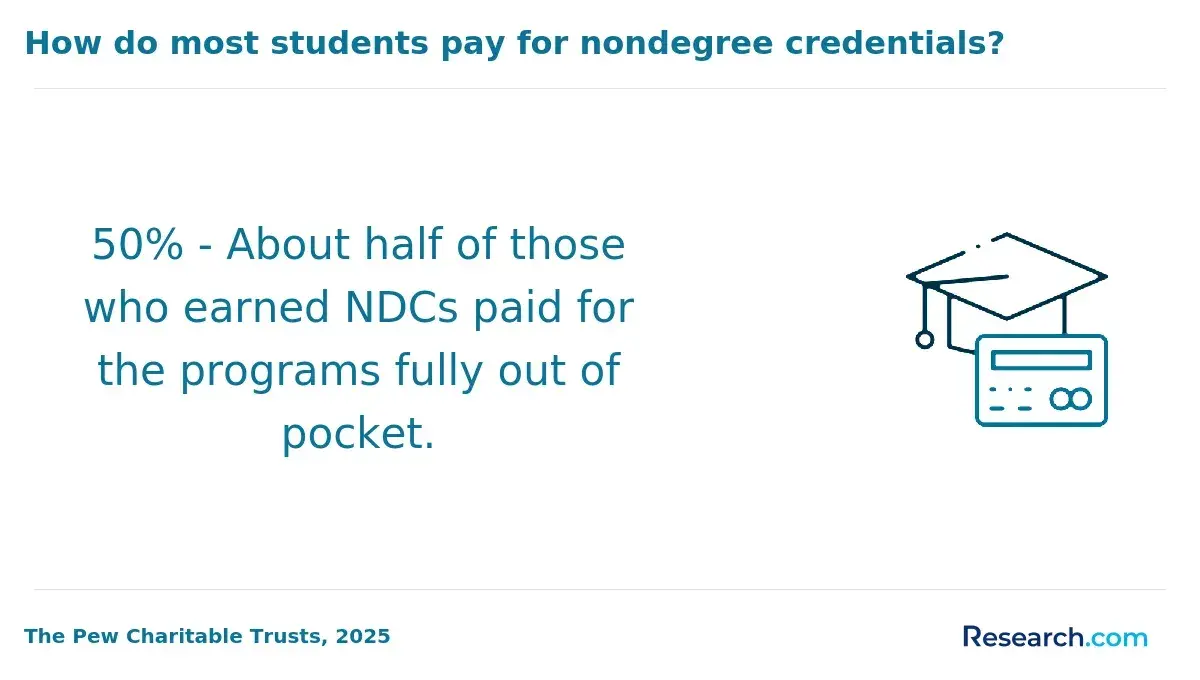
Meeting admission requirements for construction management programs often shapes the speed and efficacy of career progression in the field. While a high school diploma suffices for some entry-level certificate or associate programs, those lacking practical experience usually face longer adjustment periods and slower employment entry. Conversely, candidates with prior hands-on roles-as site supervisors or estimators-often leverage their experience to accelerate through coursework and attain supervisory positions sooner.
Advanced bachelor's and master's level tracks allocate prerequisites that emphasize both academic background and substantial professional experience, commonly two to five years in related sectors such as engineering or architecture. This baseline is not arbitrary; it enables students to confront complex project management challenges without foundational knowledge gaps, reflecting employer expectations for readiness in managing regulatory and financial project dimensions.
The U.S. construction labor shortage compounds these dynamics, with industry forecasts projecting over 500,000 new hires needed imminently. This supply-demand imbalance encourages programs to weigh practical experience heavily to ensure candidates quickly translate academic theories into operational site leadership.
Admission criteria also frequently include standardized tests, recommendation letters targeting leadership or technical aptitude, and sometimes safety certifications or background checks to align with real-world construction site conditions.
- Associate and certificate programs benefit those with apprenticeships or internships but still expect some practical exposure.
- Entry bachelor's programs recommend, though do not always require, prior construction trade experience to improve employability.
- Master's level tracks assume professional experience to engage advanced finance and regulatory issues effectively.
What core courses and skills do entry-level construction managers learn in accredited programs?
Entry-level construction managers must swiftly integrate core skills with evolving industry demands shaped by a significant workforce shift. With 41% of the sector retiring by 2031, these managers face a tangible productivity gap that requires mastery of project planning, cost estimation, construction law, scheduling, and contract administration. Practical proficiency with software like BIM, Primavera P6, and AutoCAD is essential for handling complex digital workflows and onsite logistics, increasingly vital as projects grow in scale and interdisciplinarity.
Safety management is non-negotiable, serving not only regulatory compliance but also preventing costly setbacks. Leadership and communication tailored to managing diverse teams, subcontractors, and changing project scopes remain key hiring criteria, especially given a worker exit rate that outpaces entry five to one.
Key tradeoffs for students include theoretical knowledge versus hands-on experience. Programs embedding real-world problem-solving-such as supply chain disruption mitigation or emergency site response-offer a measurable advantage, yet securing internships or cooperative education is critical to bridge classroom and field realities effectively.
Employers prioritize candidates adept in regulatory compliance, budgeting discipline, and client communication alongside digital construction skills, underscoring the multifaceted demands new managers must meet. Decision-making must account for this broad scope, where adaptability influences success amid labor shortages and dynamic project environments.
How much do first-time construction managers earn, and how does pay grow with experience?
Entry-level construction managers in the U.S. face a starting salary range typically between $65,000 and $85,000, influenced heavily by geographic location and project scale. Metropolitan areas and larger contractors push salaries toward the upper bound, while smaller firms and less urbanized regions hover near the lower end. Rapid skill acquisition in scheduling, cost control, and personnel oversight is essential to move beyond these initial levels.
After three to five years, proven project completions enable salary growth to $90,000-$110,000. This increase correlates strongly with demonstrated abilities in risk management, client communication, and regulatory compliance. Managers who deliver tangible efficiency gains and cost savings on significant projects can exceed median wages.
A high turnover rate-56% of workers have less than two years' tenure as per the National Association of Home Builders workforce survey-both pressures newcomers to perform quickly and creates opportunities for advancement. A practical tradeoff exists between formal education and hands-on experience.
Professionals transitioning from skilled trades may need advanced certifications or focused project management education to compete against four-year degree holders, balancing time away from fieldwork against the potential for faster salary progression. Specialization in infrastructure or commercial sectors often accelerates pay growth due to complex regulatory demands.
Employers prioritize candidates who can control cost overruns, optimize resource use, and manage subcontractors effectively; measurable operational impact matters more than tenure alone. Regular, data-driven performance reviews clarify compensation adjustments and encourage outcome-focused management approaches.
What is the job outlook for early-career construction managers and field leaders in the U.S.?
Early-career construction managers navigating the U.S. job market must balance the benefits and risks of mobility against employer expectations that extend beyond technical skills. While shifting jobs can signal growth, particularly when moving from general labor to supervisory roles in midsize firms, frequent transitions without demonstrable skill acquisition may hinder advancement.
For instance, a promising candidate moving into field leadership typically needs credentials tied to project management software and safety regulations. Employers increasingly value certifications such as OSHA 30-hour training or CPM scheduling proficiency, viewing these credentials as essential for roles requiring more than basic site oversight. Geographic flexibility also affects job stability.
Mobility rates have slightly declined, reflecting a competitive environment where entry-level roles demand both adaptability and documented problem-solving during delays or budget management. Key considerations for early-career professionals include targeting education that integrates construction-specific management tools and regulatory standards while leveraging job changes strategically to build a reliable, expert reputation.
Candidates lacking evidence of handling project challenges often face promotion barriers, highlighting the practical necessity of cross-disciplinary skills and industry-aligned credentials.
- Manage mobility to reflect progression, not impatience, focusing on skill acquisition.
- Prioritize certifications valued by employers to maintain upward trajectory.
- Develop problem-solving experience documented through project outcomes.
- Consider geographic flexibility as a factor in securing stable roles.
How do licenses, safety credentials, and professional certifications support a first management promotion?
Licenses and professional certifications in construction management function as practical gatekeepers for first promotions by certifying both regulatory compliance and leadership capabilities. Employers need managers who can streamline adherence to complex safety standards, reducing liability especially on specialized projects like solar photovoltaic or wind turbine installations.
For instance, supervisors in renewable energy sectors must secure state licenses and OSHA certifications to meet federally mandated safety requirements, directly influencing project viability. The projected labor growth of over 50% for wind turbine technicians and more than 25% for solar installers underscores the rising demand for managers combining technical skillsets with regulatory know-how.
Credentials such as the Certified Construction Manager (CCM) or OSHA 30-Hour Safety Certification often represent baseline qualifications, particularly for firms managing federally funded infrastructure-with noncompliance risking project delays and financial penalties. However, these credentials involve upfront expenses and time commitments that can pose challenges for tradespeople transitioning into management roles.
Prioritizing certifications aligned with targeted sectors enhances employment prospects and promotion readiness, while also contributing to safer job sites and more efficient daily oversight. Employers assess candidates by demonstrated competency in applying safety protocols alongside leadership duties, especially as evolving high-growth fields require managers adept in both compliance and workforce coordination.
Other Things You Should Know About Construction Management
To enhance career mobility when taking on a management role in 2027, construction professionals should develop leadership skills, pursue relevant certifications, and stay informed about industry trends. Networking and finding mentors can also facilitate smoother transitions and open up new opportunities.
Stepping into a management position increases workload complexity rather than just volume, involving coordination across multiple teams, urgent problem-solving, and administrative duties like compliance and reporting. New managers should expect longer hours and more frequent interruptions, which impact work-life balance. Effective time management and prioritization skills become essential quickly, so choosing programs or mentors that emphasize these real-world demands prepares candidates better than purely technical instruction.
Specializing too early often limits flexibility and career mobility in a field that values broad project oversight skills. A foundational construction management credential that covers project planning, risk assessment, and contract administration provides a wider tactical and strategic perspective crucial to first-time managers. Candidates should prioritize generalist programs initially, then pursue specialization only after gaining at least one management role, ensuring they understand how specific functions integrate into overall project delivery.
Employers increasingly favor programs that blend practical site experience with formal project management training and use up-to-date software tools. Programs heavy on theory but light on applied scenarios or technology risk producing graduates who struggle with real-world demands. Prospective students should evaluate programs by employer partnerships, internship opportunities, and curriculum relevance to current construction technologies and regulations for a smoother transition into management roles.
References
- CourseCareers https://coursecareers.com/blog-posts/start-construction-project-management
- In-Demand Jobs in the Construction Industry https://www.mccarthy.com/insights/in-demand-jobs-in-the-construction-industry
- 5 Steps to Become a Construction Manager https://superconstruct.io/blog/steps-to-become-a-construction-manager
- How to Pursue a Career as a Construction Site Manager https://www.oshaeducationcenter.com/become-a-construction-manager/
- The Complete Guide to Professional Certification Management https://myceapp.com/blog/the-complete-guide-to-professional-certification-management
- How to Chart Your Construction Career Path for Success https://www.lumberfi.com/blog/how-to-build-your-construction-career-from-the-ground-up
- Certified Safety Manager Training Online https://www.naspweb.com/certified-safety-manager-csm/
- 5 Entry-Level Construction Management Degree Jobs After Graduating https://aic-builds.org/entry-level-construction-management-degree-jobs/
- BSc (Hons) Construction Management https://www.ube.ac.uk/undergraduate/construction-management/
- Construction management salaries: What you need to know https://www.fieldwire.com/blog/construction-management-salaries/