2027 Online Construction Management Degrees With Risk Management Coursework

Co-Founder and Chief Data Scientist
Facing escalating project complexities and regulatory pressures, construction managers increasingly encounter risks that can derail timelines and budgets. Navigating these challenges demands expertise beyond traditional construction skills, especially when nearly 60% of adult learners now prefer flexible online degrees that accommodate ongoing professional commitments, according to the National Center for Education Statistics.
This shift signals a critical need for programs integrating risk management with accessible formats to equip professionals for dynamic jobsite realities and contractual uncertainties. Understanding how current online construction management degrees incorporate risk management coursework is essential for making informed choices that align education with career resilience and advancement strategies.
Key Things You Should Know
- Construction management degrees with risk management coursework show a 14% wage premium per BLS, but extending program length by 20%-30% often delays workforce entry, intensifying opportunity costs amid rising tuition inflation.
- Employers prioritize graduates with integrated risk analysis skills due to 2024 industry reports linking such competencies to 25% fewer project delays, reshaping hiring criteria toward programs emphasizing quantitative risk modeling.
- Programs blending risk management reduce mid-career certification gaps but narrow candidate pools for firms focused on rapid staffing, creating tensions between specialization depth and immediate operational readiness.
What is an online construction management degree with a risk management focus?
Graduates of an online construction management degree with risk management specialization enter a job market where demand for expertise in minimizing cost overruns and schedule delays is rising steadily-projected employment growth stands at 9% from 2024 to 2034. Employers expect professionals who can transform risk assessment data into actionable strategies that anticipate legal, financial, safety, and environmental contingencies.
The curriculum emphasizes practical competencies such as quantitative risk analysis, contingency planning, and compliance monitoring, tailored to varied project types. For example, a manager in infrastructure projects must prioritize regulatory and environmental risks, while those managing commercial construction concentrate on financial and market uncertainties.
These differences affect daily decision-making and resource allocation, making specialization in risk assessment essential for effectively navigating complex project landscapes.
This focus requires strong self-discipline and proficiency with advanced simulation software, demanding remote students supplement education through virtual collaborations or local field experience due to limited traditional internships. Additionally, familiarity with construction management software like Primavera or Procore is necessary to meet industry expectations.
This degree path often suits mid-career professionals pivoting from general management or engineers seeking leadership roles. Given its practical orientation, those evaluating options should consult resources such as the best online construction management degree listings to identify programs emphasizing risk assessment and mitigation within their construction management programs focusing on risk assessment and mitigation.
How do online construction management degrees compare with on-campus programs for quality and credibility?
Employer preference in construction management hinges more on verified skills and certifications than on the delivery format of the degree. Online construction management degree credibility comparison reveals that programs through accredited institutions now align closely with on-campus counterparts in quality and rigor, particularly where risk management and applied problem-solving are involved.
Interactive online simulations and case studies furnish comparable experiential learning to physical labs, meeting core criteria employers seek. However, differences between online and on-campus construction management programs extend beyond curriculum.
On-campus study facilitates direct access to regional networks and internships vital for those targeting localized roles, while online learners benefit from greater scheduling flexibility and the ability to pursue remote or nationwide opportunities by engaging in virtual forums and internships. This tradeoff particularly affects working professionals who prioritize uninterrupted employment during study, compared to recent graduates who may rely on immersive campus environments for foundational industry exposure.
Workforce data from late 2025 highlights that median salaries in relevant roles, construction managers at $115,000, project managers at $111,000, and project engineers at $104,000, are accessible regardless of program format, provided learners exhibit measurable competencies. Accreditation and demonstrated outcomes remain essential indicators of program value and employer recognition, often outweighing the significance of attendance method.
For specialized pathways, prospective students can explore more about a project management degree that complements construction management competencies and supports career mobility in this sector.
What accreditation and program quality standards should these online construction management degrees meet?
Programs offering an online construction management degree must meet accreditation standards from bodies such as ABET or regional accreditors like the Higher Learning Commission to ensure alignment with employer expectations. Accreditation confirms that curricula address essential competencies like project planning, cost control, safety protocols, and regulatory compliance—skills critical for immediate workforce impact.
Quality assurance for construction management programs hinges on integrating up-to-date industry tools and risk assessment methods. For instance, a construction manager handling infrastructure projects needs expertise in identifying and mitigating financial and operational risks to avoid delays or budget overruns.
Programs lacking focused risk management coursework limit graduate readiness, affecting both employability and compensation potential. BestColleges, citing 2024 BLS data, notes a median annual salary of $106,980 for construction managers, reflecting how specialized skills correlate with earnings.
Prospective students should verify continuous curriculum updates and faculty with recent industry experience rather than outdated theory. Accredited online degrees that include measurable outcomes, such as internships or capstone projects replicating real-world risk scenarios, better prepare graduates for employer demands.
Furthermore, evaluating tradeoffs between regional accreditation and specialized risk management certifications is important, as certain sectors prioritize compliance and liability expertise.
Those exploring educational pathways might also consult related fields to broaden strategic options. For example, doctorate in health administration programs reflect similar dynamics between accreditation, specialization, and market relevance.
Which construction risk management courses are typically included in the online curriculum?
Construction risk management courses online largely focus on mitigating project uncertainties through targeted skills in contract risk assessment, safety compliance, and cost risk analysis. Contract risk assessment trains students to dissect liability clauses and penalties within agreements, a necessary skill given that disputes on multimillion-dollar projects can cause critical delays and inflate costs.
Safety management coursework centers on OSHA regulations and hazard identification, critical for reducing injury rates in a field responsible for nearly 20% of workplace fatalities nationwide. Cost risk analysis equips future managers with financial contingency planning tools to anticipate budget overruns driven by supply chain volatility, a mounting challenge since the pandemic.
Programs offering online construction management risk assessment classes routinely add dispute resolution and legal framework training, enabling professionals to manage jurisdiction-specific regulatory complexities, such as those encountered in highway infrastructure projects. Claims management education addresses insurance challenges that affect cash flow and reputational risks stemming from property damage or worker injuries.
Quantitative risk modeling using real-time software tools is increasingly demanded by employers, who seek candidates blending theoretical knowledge with applied data for decision support. According to a 2024 analysis, average annual tuition hovers near $15,202 (about $60,808 total), so prospective students must scrutinize whether a program emphasizes practical risk topics to maximize career ROI.
Those evaluating pathways in construction risk management should also explore related fields like what can you do with an environmental science major for complementary skill sets and market adaptability.
What admission requirements and prior experience are needed for online construction management programs?
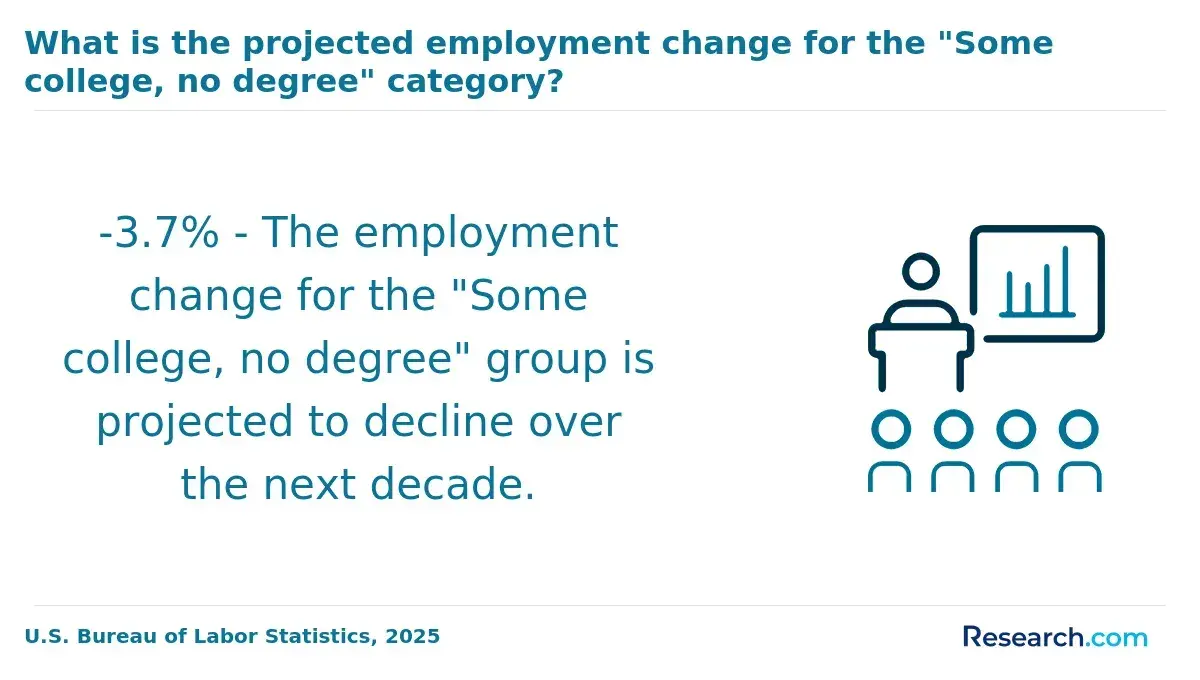
Admission policies for online construction management programs prioritize practical experience alongside academic credentials. Most applicants hold at least a high school diploma or equivalent, with bachelor's pathways often requiring some community college coursework or an associate degree.
However, candidates with two to three years of direct construction industry experience, especially in roles involving safety, scheduling, or project oversight, are positioned more favorably. For instance, a superintendent managing site safety for four years typically meets or exceeds standard admission expectations, easing entry into risk management-focused coursework.
Applicants lacking field experience typically face prerequisite courses in construction fundamentals, extending their path to advanced modules. Admission also commonly requires transcripts and references that vouch for technical aptitude and leadership, while standardized tests like the GRE may be waived for those with verified industry backgrounds.
Candidates without experience might first pursue certificates or associates to bridge knowledge gaps, reflecting employer preferences for demonstrable risk mitigation skills linked to real projects.
Industry forecasts predict a 9% growth in construction management employment through 2033, with median annual earnings near $106,980 and roughly 45,800 job openings each year. These figures emphasize the market demand for managers who can navigate complex risk environments effectively.
Applicants should weigh program entry criteria against their professional background and consider how accelerated pathways or foundational credentials align with their career strategies.
How long do online construction management degrees take, and what schedules do they offer?
Completing an online construction management bachelor's degree typically demands four years of full-time study, though accelerated tracks can reduce this to two or three years depending on transfer credits and course intensity. The variability in scheduling, ranging from asynchronous self-paced courses to synchronous evening or weekend classes, and hybrid formats with limited campus visits, caters primarily to working professionals balancing employment with education.
Part-time enrollment extends program duration but provides practical flexibility. For instance, a mid-career commercial project manager may opt for evening synchronous courses twice a week to immediately apply lessons in risk management and safety compliance without sacrificing daytime job responsibilities.
These flexible models address employer demand for candidates who can integrate new skills into current roles, a factor often weighted higher than degree completion speed.
Credit transfer policies and course sequencing present significant risks: programs with strict prerequisite chains or cohort-based cohorts can cause semester-long gaps delaying graduation and workforce reentry, affecting salary advancement timelines. Students should scrutinize articulation agreements and prerequisite structures before committing.
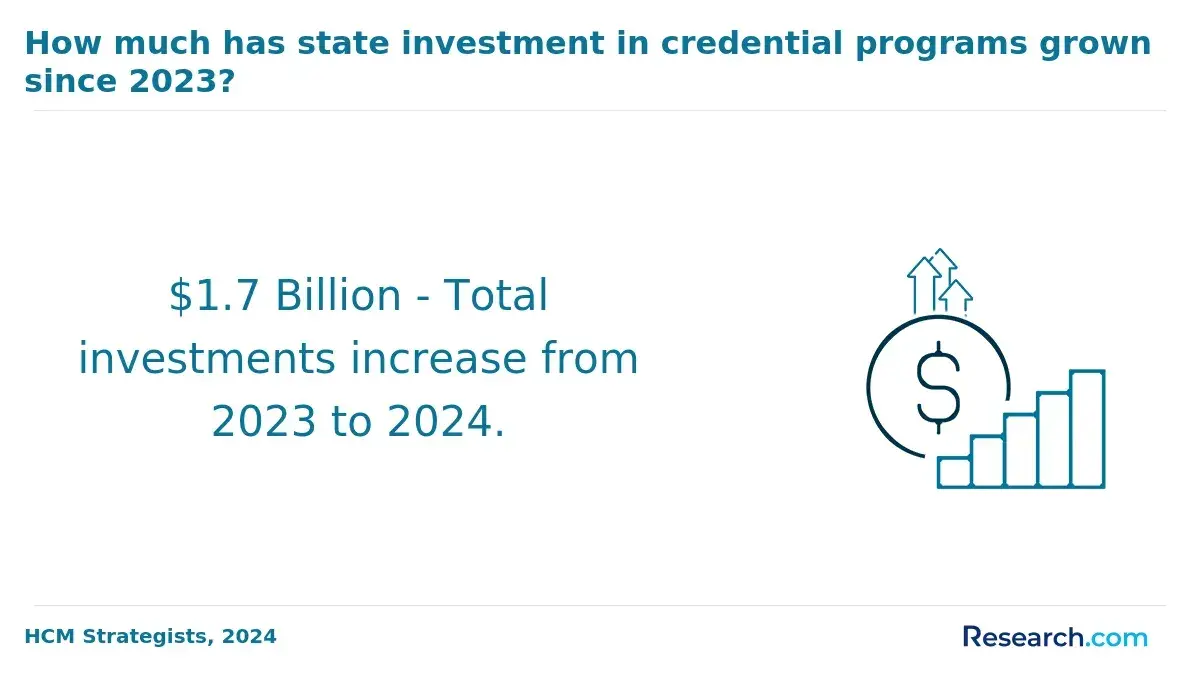
Tuition per credit hour for online construction management degrees varies between approximately $342 and $453 for in-state students. Prospective students must weigh these costs against the timeline benefits of accelerated options and potential salary gains, prioritizing programs whose pacing aligns with their career trajectory and current professional obligations.
What do online construction management degrees cost, and what financial aid options exist?
The investment for an online construction management master's program in 2026 often ranges from $15,000 to $45,000, influenced heavily by whether a student qualifies for in-state tuition, attends a public or private institution, and the program's credit requirements. Public universities typically charge between $500 and $1,000 per credit hour, whereas private universities can demand $800 to $1,500 per credit.
This cost disparity demands that students carefully assess compensation gains associated with enhanced risk management skills embedded in many curricula, such as those highlighted by the University of Wisconsin-Stout's MS in Construction Management.
Financial aid is vital to lessen upfront expenses. While undergraduate federal aid includes Pell Grants and work-study, graduate students primarily access unsubsidized loans with approximately 6-7% interest rates.
Employer tuition reimbursement remains a critical avenue, especially in commercial construction sectors where formal risk management training directly increases candidate value. Securing employer support before enrolling can avert significant financial strain.
Industry scholarships from groups like the Construction Management Association of America and the Associated General Contractors typically range from $1,000 to $5,000 annually and target professionals demonstrating leadership in risk mitigation. These can supplement federal aid but require strategic application.
What construction management and risk-related careers can graduates pursue with this degree?
Graduates with a construction management degree that integrates risk management coursework fill specialized roles requiring focused expertise in anticipating and mitigating project-specific risks. Positions such as construction risk manager, safety director, project risk analyst, and compliance officer demand an ability to embed risk controls within operational workflows to limit costly delays, regulatory violations, and financial exposure.
For example, a construction risk manager working on large urban infrastructure projects must develop detailed risk registers and contingency strategies, often navigating complex regulatory frameworks and multi-stakeholder coordination. Success in these roles hinges on balancing protective investments against tight budgets and assigning risk responsibly among subcontractors.
Professionals adept at interpreting contract language for risk allocation enhance their organization's legal and financial safeguards. Meanwhile, safety directors focus on rigorous accident prevention protocols aligned with OSHA regulations, a task essential in high-risk environments like oil and gas.
National University reports a median salary of $102,567 for graduates holding a bachelor's in construction management, a substantial premium over U.S. averages that reflects the value employers place on integrated risk expertise. Obtaining certifications linked to risk or safety management often determines upward mobility, underscoring the expectation for measurable results in risk reduction within diverse project environments.
What salary ranges and advancement opportunities exist for construction managers specializing in risk?
Construction managers with expertise in risk assessment command salaries typically ranging from $90,000 to $140,000, with specialized roles in high-stakes sectors like oil and gas reaching beyond $150,000. Such compensation reflects the critical need for advanced risk mitigation in projects where safety, compliance, and financial exposure intersect.
Moving from entry roles such as project risk coordinator to executive risk management positions requires not only technical acumen but also the ability to lead organizational risk policies across multiple projects.
Certification plays a pivotal role in securing and advancing these positions. Credentials like PMI-RMP or focused safety compliance certifications enhance both marketability and negotiation leverage.
Notably, online degrees in construction management with risk-related coursework offer comparable employer recognition and cost frameworks to on-campus programs, with per-credit tuition sometimes higher online (e.g., $550 vs. $430.55) or uniformly priced (around $453 per credit). This parity suggests educational access can be flexible without sacrificing perceived value in the labor market.
In urban development contexts requiring strict regulatory adherence, risk-savvy construction managers become essential for steering projects through complex compliance landscapes and reducing financial liabilities. Without specialized education, professionals often encounter slower wage growth and fewer advancement options, highlighting the practical importance of targeted risk management pathways for sustained career mobility.
How can students choose a reputable online construction management program emphasizing risk management?
Accredited online construction management programs that embed risk management into their core curriculum better align with employer expectations and evolving industry demands. Given a projected 9% job growth from 2024 to 2034 driven by technology adoption and project complexity, programs lacking practical exposure to digital tools, BIM, or risk analytics risk leaving graduates underprepared.
For instance, construction managers working on infrastructure versus residential projects must master different risk mitigation strategies, which some programs illustrate through targeted case studies.
Students should evaluate programs on more than flexible schedules, focusing instead on graduation and job placement rates to gauge long-term viability. Risk management coursework must address regulatory compliance, safety, and financial risks, reflecting the realities of site management and contract oversight.
Certification pathways endorsed by bodies like the Construction Management Association of America often influence salary trajectories and promotion potential more than degree titles alone. This makes program support for specialized training a critical factor when assessing ROI.
Cost considerations must be balanced against regional salary data and sector growth to avoid overinvestment in programs misaligned with local market conditions. Ultimately, selecting a program is a strategic decision that involves weighing practical skills, employer networks, and financial impact to navigate shifting construction management demands.
Other Things You Should Know About Construction Management
Adding risk management coursework increases the technical depth and quantitative demands of the degree, often requiring advanced analysis, regulatory understanding, and case studies. Students should expect a steeper workload, with more emphasis on detail-oriented tasks and real-world scenario planning. Selecting programs that integrate risk management gradually within existing construction management tracks can help maintain manageable pacing.
Employers prioritize risk management skills when candidates demonstrate practical application, such as identifying hazards, cost controls, and regulatory compliance. However, specialization alone is insufficient without proven project management experience. Candidates should highlight how risk knowledge enhances their ability to lead projects safely and within budget to stand out.
Both factors matter, but industry partnerships provide more immediate internship and job placement opportunities, which are critical early in career pivots. Alumni networks offer long-term mentorship and career advancement benefits but may be less tangible at enrollment. Prioritize programs with active industry engagement to secure employment outcomes faster.
References
- The Most Lucrative Jobs in Construction https://www.oshaeducationcenter.com/highest-paying-construction-jobs/
- BSc (Hons) Construction Management https://www.ube.ac.uk/undergraduate/construction-management/
- Project Management, Construction Management, and Configuration Management | Advance Your Management Skills Today — Logistics+ Courses & Ventures https://coursewell.com/cmpm
- Construction Management Courses: Study Online and Advance Your Career https://www.oxfordhomestudy.com/construction-management-courses
- Certified Construction Manager | Construction Management Association of America https://www.cmaanet.org/certification/ccm
- CourseCareers https://coursecareers.com/blog-posts/construction-management-degree-vs-field-experience-vs-online-construction-pm-training
- How to choose a bachelor's in construction management | edX https://www.edx.org/resources/how-to-choose-a-bachelors-in-construction-management