2027 Best Online Construction Management Programs for Professionals Seeking Owner-Side Careers

Co-Founder and Chief Data Scientist
Balancing full-time work with the pursuit of an owner-side construction management career creates a high-stakes challenge for professionals needing targeted credentials without prolonged campus attendance.
Nearly 45% of U. S. graduate students now opt for part-time or fully online enrollment, according to the National Center for Education Statistics, signaling a decisive shift toward flexible learning models shaped by workforce demands and time constraints. This movement reflects a crucial need for programs that integrate real-world applicability with asynchronous options, minimizing disruption while maximizing career mobility.
This article evaluates the best online construction management programs designed explicitly for professionals pursuing owner-side roles, clarifying choices based on accessibility, curriculum relevance, and employability outcomes.
Key Things You Should Know
- In 2024, the typical construction management program extends 18-24 months with tuition averaging $25,000-$40,000, prompting cost-sensitive professionals to balance credential value against delayed workforce reentry.
- Employers increasingly prioritize candidates with integrated BIM and sustainability training, aligning 62% of posted owner-side roles with these competencies, shaping hiring and salary escalation trends.
- Programs lacking robust industry partnerships show 15-20% lower direct-placement rates, forcing candidates to weigh potentially greater upfront program prestige versus pipelines offering immediate owner-side employment access.
What is an online construction management degree and how does it prepare owner-side professionals?
Owner-side construction management demands a distinct skill set centered on strategic oversight rather than direct project execution. Professionals with an online construction management degree benefits for owner-side professionals by equipping them with competencies in project planning, cost control, contract administration, and risk management tailored to client representation.
This focus prioritizes managing multiple contractors, ensuring compliance, and maintaining schedules across complex stakeholder networks. Consider a manager handling a large commercial development who must integrate budgeting expertise with regulatory and legal knowledge to prevent costly delays caused by change orders.
Programs preparing owner-side careers emphasize technology-driven workflows and applied tools like construction law, financial analysis, and scheduling software. Students encounter real-world scenarios such as negotiating contract changes and navigating approvals, essential for reducing disputes and maximizing project value.
Employment growth in construction management is projected at 9% from 2024 to 2034, outpacing average occupational growth, which underscores demand for owner-side talent. However, candidates transitioning from unrelated fields should prepare for challenges in mastering industry-specific software and adapting to fast-changing project environments.
Prospective students should seek flexible online options that deeply embed applied project management and stakeholder coordination. For those exploring the best online schools for construction management, program quality varies substantially. Careful evaluation against practical outcomes is critical to align education with career goals.
Which online construction management programs are best for owner-side and developer roles?
Owner-side and developer roles in construction demand expertise beyond typical project workflows, prioritizing financial analysis, contract negotiation, and risk management tailored to client interests. Programs lacking focus on owner-specific competencies tend to emphasize field operations and general contractor perspectives, resulting in graduates who face slower career progression or lateral moves.
For instance, a developer managing mixed-use urban projects benefits from recruits skilled in capital project financing and stakeholder negotiation to ensure budget adherence and regulatory compliance.
Employers place high value on candidates who can simultaneously oversee multiple vendor contracts and interpret complex financial models relevant to development projects. The best online construction management degrees for developer and owner roles incorporate coursework bridging real estate development with construction, cultivating graduates capable of managing asset lifecycles from a client perspective.
With a median annual wage of $104,900 reported by the U.S. Bureau of Labor Statistics, construction managers in owner-side capacities earn nearly double the national occupational median, reflecting the premium on negotiation and compliance skills.
Students and professionals evaluating online construction management programs for owner-side professionals should weigh curricula depth in procurement strategies and regulatory frameworks alongside industry connections and alumni outcomes. Additional insights into program offerings can be found in project management degrees, which often overlap with construction leadership training pathways.
How do online construction management degrees compare with on-campus options for working professionals?
Choosing an online construction management degree requires weighing financial benefits against challenges in practical training and networking crucial for owner-side roles.
The average annual tuition stands at $15,202 before aid, dropping to $8,774 with financial assistance, reducing a four-year total from about $60,808 to $35,096. This price difference enhances access for working professionals who need to balance study with ongoing employment.
Online construction management degree benefits for working professionals are most tangible when employers value applied skills over instructional format. Yet, this path demands self-discipline with asynchronous schedules and a strategic supplement of field experience or internships to offset limited hands-on labs and face-to-face relationships.
Key owner-side competencies such as contract administration, cost estimating, and project controls require program curricula that align with state licensure requirements, an important consideration when evaluating online versus on-campus construction management programs. The relative absence of in-person networking may delay critical industry connections, but strong virtual support and industry partnerships can partially bridge this gap.
For those seeking accelerated entry, some may consider an accelerated hospitality degree online as an example of fast-track options in related fields, though construction management's technical scope typically necessitates longer preparation.
What accreditation and program quality standards matter for online construction management degrees?
Accreditation by recognized entities like the American Council for Construction Education (ACCE) decisively separates online construction management programs that meet real industry demands from those that do not.
Employers prioritize graduates who demonstrate up-to-date technical skills, ethical practices, and project execution tailored to owner-side priorities such as cost control and risk mitigation. State licensure and regional accreditation alone fall short of guaranteeing the specialized competencies required on the owner side of construction projects.
Programs aligned with rigorous online construction management program accreditation standards tend to incorporate practical, scenario-driven learning to address real-world challenges including regulatory compliance and stakeholder communication. In contrast, many online offerings struggle with limited access to hands-on experiences like Building Information Modeling (BIM) or direct site exposure, a critical gap that should be mitigated through simulated project environments or industry partnerships.
For decision-makers weighing options, documented graduate outcomes demonstrating employment within construction management sectors provide valuable, though often overlooked, insight into program quality criteria for owner-side construction management degrees.
With construction management roles expected to grow by 11% over the next decade per USC Online, selecting programs that balance accredited theoretical foundations with applied skills holds greater practical value than simply prioritizing convenience.
Those exploring academic pathways may consider broadening their view by comparing related fields through resources like the environmental engineering online degree, which offers parallel insights into balancing cost, demand, and applied technical training.
What types of online construction management degrees support owner-side career paths?
Owner-side roles in construction demand a distinct skill set that online bachelor's degrees in construction management, construction science, or construction engineering management are best equipped to provide.
Unlike contractor-focused training, these programs prioritize mastery of project delivery oversight, risk analysis, contract negotiation, and financial controls, essential for project owners, facility managers, and development coordinators who do not engage directly in trade-level operations.
For instance, a real estate development firm recruiting talent with online degrees will distinguish candidates based on their proficiency in capital project management, stakeholder coordination, and budgeting rather than field supervision capabilities. This differentiation reflects an industry expectation that owner-side professionals bring strategic oversight and comprehensive project knowledge.
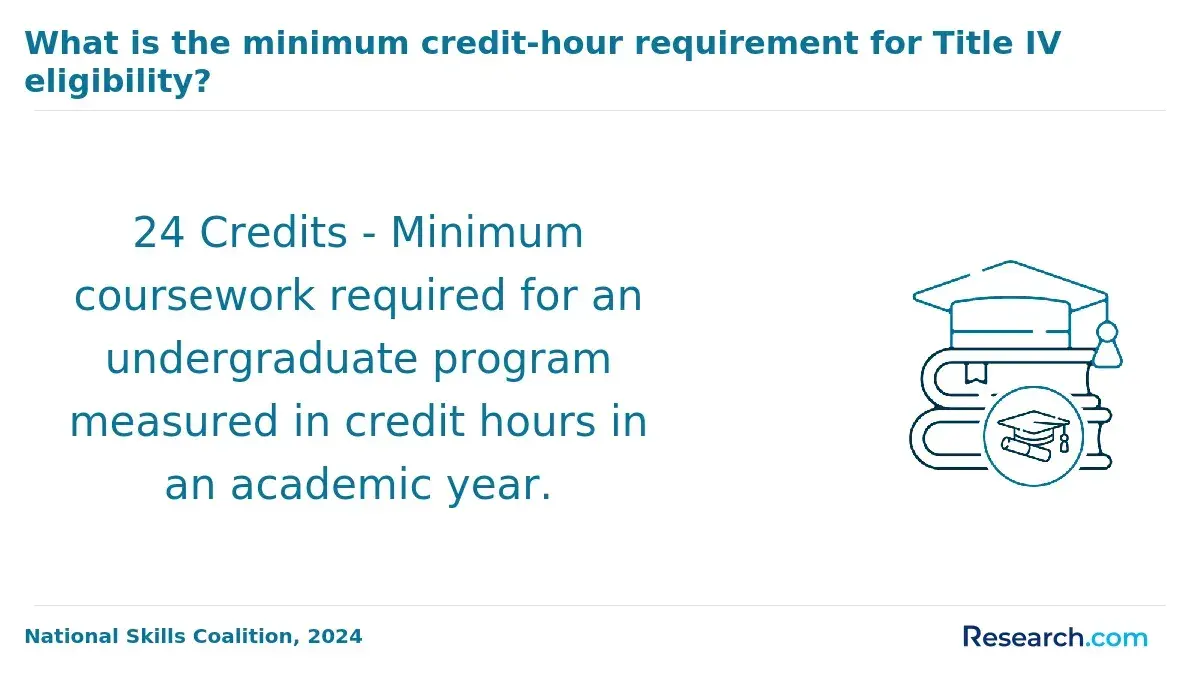
Online bachelor's degrees typically require around 120 credits over four years, mirroring on-campus rigor but accommodating working professionals through asynchronous learning. Notably, certificates or associate degrees rarely meet the depth necessary for owner-side decision-making, making bachelor's credentials the practical threshold.
Students must balance substantial study commitments with professional responsibilities, as these programs demand similar effort to traditional formats despite flexible delivery.
Key faculty emphasis on contract administration, project controls, and integrated understanding of construction technology and business principles enhances employability. Accreditation by recognized bodies further signals program quality aligned with industry standards, a factor increasingly scrutinized by employers.
What core courses and skills do top online construction management programs typically include?
Owner-side construction management demands a blend of technical precision and strategic oversight rarely captured by generic curricula.
Core courses that emphasize project scheduling, cost estimation, contract administration, safety management, and quality control frame the practical skill set necessary to maintain budget integrity and regulatory compliance on complex commercial or infrastructure projects. For instance, mastering cost estimation directly mitigates common overruns that jeopardize owner interests and project viability.
Beyond foundational competencies, advanced study in Building Information Modeling (BIM) and construction technologies meets employer expectations for digital fluency in visualizing and coordinating multifaceted project data. These technical skills combine with leadership and communication modules crafted to handle the practical realities of supervising multiple subcontractors and remote teams.
Legal frameworks governing contracts and claims management are critical to safeguarding timelines and financial outcomes. Understanding dispute resolution and regulatory nuances is not merely academic but influences day-to-day decision-making that can protect an owner's investment.
The financial barrier for full online bachelor's programs can exceed $73,000, as seen in Rowan University's $609 per credit for 120 credits. Prospective students must weigh this cost against ROI factors such as industry integration, internships, case-study emphasis, and tangible salary premiums. Programs void of real-world scenarios and experiential components risk underpreparing graduates for owner-side complexities in high-stakes environments.
What are typical admissions requirements and application materials for online construction management programs?
Employers in the construction industry increasingly prioritize candidates whose education demonstrates both technical aptitude and practical management experience. Online construction management programs commonly require a bachelor's degree in construction management, engineering, architecture, business, or related STEM areas.
However, relevant work history, typically five years or more in construction or project administration, can partially substitute formal education if supplemented with targeted coursework or certifications.
Applicants must typically provide official transcripts, resumes showcasing project leadership and digital tool proficiency, plus recommendations from supervisors familiar with their management skills. Many programs also ask for personal statements that connect career objectives with competencies in emerging areas like Building Information Modeling (BIM), data analytics, or digital delivery platforms.
While GRE and other standardized tests are less frequently required, some competitive programs still request them to verify quantitative abilities. Candidates lacking strong backgrounds in math or technology may need to demonstrate prerequisite knowledge through supplementary courses in statistics, computer applications, or construction technologies.
As construction firms adopt AI-assisted scheduling and digital twins to optimize workflows, graduates skilled in these technologies gain notable advantages in salary and job stability. Owners-side roles, especially, value proficiency with digital tools that shape project outcomes, making admission criteria that emphasize such skills more aligned with long-term career impact.
How long do online construction management programs take and what do they cost?
Choosing between short online construction management certificates and full degrees requires balancing immediacy of skill application with long-term career positioning. Microcredentials, lasting 6 to 12 weeks and costing up to $1,000, suit professionals aiming for quick, focused improvements in areas like BIM or construction ethics that align with owner-side priorities while maintaining employment.
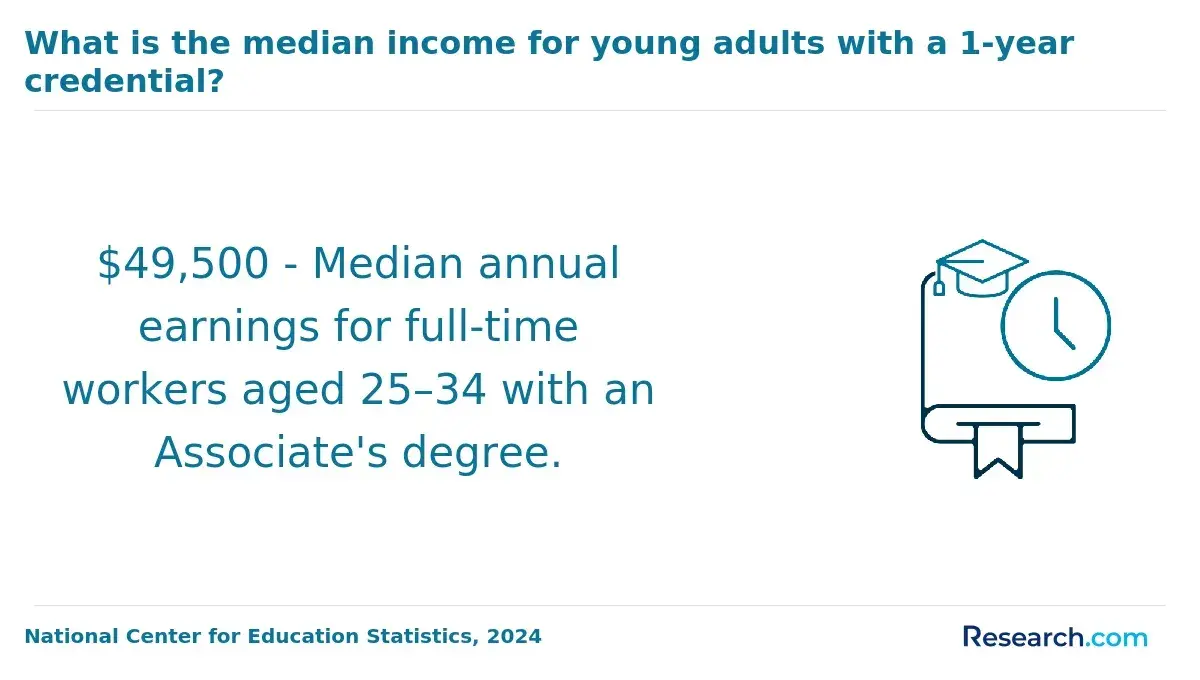
For individuals targeting supervisory or managerial roles, associate and bachelor's degrees demand 18 to 24 months of part-time study and $10,000 to $25,000 in tuition, reflecting the sector's baseline credential expectations. These programs provide broader theoretical knowledge and leadership training absent in shorter courses.
Master's degrees, often exceeding $25,000 and requiring 1 to 2 years, serve those pursuing senior project leadership within owner organizations, though the opportunity costs, lost income and extended study time, are significant considerations.
Practical implications include:
- Stacking multiple microcredentials can maintain continuous development without job disruption but may lack comprehensive strategic scope.
- Degree programs better prepare for executive roles but require substantial financial and time investment.
- Employers of top-tier general contractors often expect at least a bachelor's for management-track candidates.
Deciding on a pathway hinges on weighing flexibility and cost against depth of training and employer expectations in the evolving construction sector workforce.
What owner-side construction management careers, salaries, and advancement paths can graduates expect?
Owner-side construction management demands navigating complex tradeoffs between risk mitigation and budget adherence, a distinct challenge compared to contractor roles focused primarily on cost recovery and schedule adherence. For example, a project manager at a commercial development firm must carefully negotiate change orders to prevent budget overruns that negatively impact the project's return on investment.
Salaries for owner-side roles like project managers, contract administrators, and cost estimators typically range from $80,000 to $120,000 annually, with advancement generally requiring 7 to 10 years of cumulative field experience paired with formal education. Entry-level analysts often progress to project leadership roles before moving into senior management overseeing multi-million-dollar budgets.
Transfer of prior trade experience into academic credit can accelerate progress toward these positions. Rowan University, for instance, accepts OSHA 30 training as credit toward its online construction management degree, which benefits union members seeking to formalize their practical skills. This reduces redundant training and improves advancement speed for candidates with building trades backgrounds.
Employers expect certifications like PMP or CCM alongside degrees, with strong financial literacy and contract law knowledge essential to interpreting complex owner agreements. Continuous skill development remains necessary to maintain competitiveness and achieve higher pay tiers.
How can students choose a reputable online construction management program aligned with owner-side goals?
Choosing a construction management program without owner-side focus can stall progression into real estate development or sustainability consulting, where budgeting for long-term returns and compliance with regulations outweigh subcontractor supervision. For example, graduates aiming to enter capital planning or facilities operations must possess skills in interdisciplinary communication and portfolio oversight rather than traditional contractor-oriented project delivery.
Programs integrating real estate finance, sustainable building, and facilities management better align with employer demand according to labor market analyses from the U.S. Bureau of Labor Statistics and industry reports.
Accreditation by ACCE or ABET offers additional validation but does not alone ensure relevant outcomes. Students should scrutinize alumni career paths, focusing on placement in owner-side roles rather than generic construction management positions.
Practical tradeoffs arise when curricula emphasize contractor skills, risking graduates needing further training to pivot toward owner-side careers. Flexible online formats that allow concurrent work in asset management can mitigate this by fostering professional networks essential for long-term advancement.
Employer partnerships and internships centered on owner-side functions are critical. Without these, students face challenges gaining real-world exposure beyond contractor-focused construction management, delaying strategic career moves and limiting versatility in evolving industry landscapes.
Other Things You Should Know About Construction Management
In 2027, top online construction management programs for owner-side careers include Drexel University, Arizona State University, and Columbia University. These programs offer flexibility and focus on owner-side skills like project management, financial analysis, and risk assessment, preparing professionals for leadership roles in construction.
Employers distinguish between comprehensive online degrees and shorter credential programs, often assigning higher value to bachelor's or master's degrees for owner-side leadership roles. Certifications like PMP or CCM add targeted skills but rarely replace the broad strategic and technical foundation of a full degree. For professionals seeking advancement beyond mid-level positions, prioritizing degree completion delivers better long-term traction and job security. Use certifications to supplement, not substitute, formal construction management education.
Balancing coursework with job responsibilities remains the primary challenge in online construction management studies. Programs with heavy synchronous components or rigid deadlines complicate schedule flexibility, impacting those managing site or office duties simultaneously. Applicants should evaluate program design for asynchronous options, reasonable credit loads per semester, and support services that accommodate irregular work hours. Misjudging workload compatibility can delay graduation or reduce learning effectiveness.
Owner-side career preparation benefits from programs explicitly emphasizing project oversight, cost control, and legal aspects pertinent to owners and developers. Generalist programs may provide broader exposure but often lack depth in owner-specific challenges such as risk mitigation or contract negotiation. When career goals align strictly with owner roles, selecting a specialized curriculum improves job readiness and differentiates candidates in hiring pools. Broad programs suit those pursuing flexible roles but may require supplemental owner-side training post-graduation.
References
- How to Choose the Right Project Management Software for Construction Operations https://next-tech.com/en/how-to-choose-the-right-project-management-software-for-construction-operations-2/
- How to choose a bachelor's in construction management | edX https://www.edx.org/resources/how-to-choose-a-bachelors-in-construction-management
- Construction Management, B.S. https://www.park.edu/academics/explore-programs/construction-management-b-s/
- Career Opportunities in Construction Management | Herzing College https://blog.herzing.ca/trades/construction-management-career-opportunities
- CourseCareers https://coursecareers.com/blog-posts/best-construction-project-management-courses
- Why Choose a Construction Management Career in 2025 https://www.theconstructionmanagementhub.com/why-construction-management
- Best Online Construction Management Degrees https://www.affordablecollegesonline.org/degrees/construction-management-programs/
- Certified Construction Manager | Construction Management Association of America https://www.cmaanet.org/certification/ccm