2027 Best Online Construction Management Programs for Professionals Seeking Subcontractor Management Careers

Co-Founder and Chief Data Scientist
Managing subcontractors effectively remains one of the toughest challenges for construction professionals seeking leadership roles. Miscommunication, scheduling conflicts, and compliance risks with multiple subcontractors can delay multimillion-dollar projects, costing firms time and reputation. Demand for construction managers with specialized subcontractor management skills rose sharply as the U.S. Bureau of Labor Statistics projects a 12% job growth through 2032, fueled by infrastructure investments and complex project scopes.
Simultaneously, 60% of adult learners now prefer flexible online programs, creating new opportunities for working professionals to gain critical competencies without pausing careers. This article assesses the best online construction management programs tailored for subcontractor management to guide informed enrollment choices and career advancements.
Key Things You Should Know
- Enrollment in specialized subcontractor management tracks correlates with 18% higher hiring rates per National Center for Construction Education and Research 2024 data, yet these tracks extend program duration by an average of six months, affecting cost.
- Employers prioritize candidates with practical software proficiency, such as Procore and CMiC, reflected in 72% preference in recent Associated General Contractors workforce surveys, requiring programs to balance technical depth with foundational curricula.
- Rising tuition inflation averaging 7% annually in accredited construction management programs pressures working professionals to choose accelerated certifications over full degrees, impacting long-term credential value and career mobility.
What is an online construction management degree and how does it prepare subcontractor managers?
Effective subcontractor management within construction projects demands more than general management knowledge-it requires industry-specific competencies that are the focus of an online construction management degree. Such programs emphasize budgeting, scheduling, and compliance while integrating practical training with project management software and Building Information Modeling (BIM). This technical fluency is essential for managers coordinating diverse trades and mitigating delays across complex job sites.
Consider a commercial build where electrical, plumbing, and HVAC schedules must be tightly synchronized to prevent costly downtime. Online construction management programs prepare subcontractor managers for these challenges by teaching blueprint analysis and subcontract scrutiny, enabling early detection of scope variations and potential bottlenecks-skills tailored to subcontractor careers frequently entangled in multifaceted task dependencies.
Risk management is another critical area, equipping students to handle subcontractor insurance, bonding, and OSHA compliance-factors that directly influence project liability and timeline stability. These practical skills respond to common industry pain points, especially in infrastructure and large residential projects, where regulatory adherence and risk mitigation are non-negotiable for operational success.
With the U.S. Bureau of Labor Statistics projecting 9% employment growth for construction managers over the next decade, this degree aligns with market needs for digitally proficient professionals capable of efficient subcontractor oversight in an increasingly technology-driven environment. Prospective students can explore multiple construction management degrees to find programs reflecting these workforce realities.
How do online construction management programs support careers in subcontractor management specifically?
Mastering subcontractor management through online construction management programs for subcontractor coordination demands more than basic oversight skills. These programs focus on contract negotiation, compliance with OSHA regulations, and practical scheduling adjustments essential when subcontractors miss deadlines. For example, students might navigate a scenario where missed milestones force schedule recalibration and penalty enforcement while sustaining project flow. This prepares professionals to handle complex oversight across commercial, residential, and infrastructure projects with strategic rigor.
Effective subcontractor management skills development through online construction management courses also integrates analytics for evaluating subcontractor performance and cost control, emphasizing industry-aligned procurement processes. Communication strategies taught in these programs target conflict resolution and quality assurance, addressing employer expectations for candidates proficient in balancing software tools with legal and contractual acumen.
The workforce impact is clear: the U.S. Bureau of Labor Statistics cites a median annual wage of $107,640 for construction managers, reflecting demand for skills that minimize delays and enforce accountability. Online programs vary in practical training quality, and students should prioritize those offering hands-on simulations and familiarity with real-world project management software to enhance employability in competitive markets.
For professionals seeking alternative advanced degrees related to management with budgeting constraints, the cheapest online MBA healthcare management programs provide a cost-effective comparison for strategic career decisions.
Which online construction management programs are considered the best for subcontractor management careers?
Effective subcontractor oversight hinges on targeted training that integrates project scheduling with real-world subcontractor coordination challenges. Online degrees that emphasize contract administration, procurement, and risk management prepare candidates to navigate complexities like compliance documentation and liability assessment-factors that directly affect project timelines and budgets in commercial construction. The best online construction management programs for subcontractor oversight, such as the University of Oklahoma's online BS in Construction Management, combine affordable tuition ($15,450 to $30,900 depending on credit transfers) with curriculum components designed to improve measurable tuition ROI aligned to mid-career salary growth.
Selection criteria should include:
- Comprehensive modules on contract law and dispute resolution tailored to subcontractor conflicts.
- Hands-on learning or virtual simulations for subcontractor scheduling and coordination.
- Training on industry-standard software like Primavera P6 or Procore for effective subcontractor tracking and reporting.
Programs with flexible pacing accommodate working professionals managing subcontractor relations, but those with lower fees may omit specialized subcontractor-focused content or industry connections that aid employment. This highlights a critical tradeoff for students weighing cost against career-specific skill acquisition.
For those assessing top online construction management degrees for subcontractor career advancement, prioritizing programs with proven ROI and subcontractor-tailored curricula is essential to meet employer expectations and gain practical site supervision expertise.
Additionally, professionals seeking interdisciplinary skills might consider combining training with a masters degree in human resource management online to enhance project leadership and negotiation capabilities.
What accreditation should online construction management programs have for credible subcontractor management training?
Accreditation from recognized bodies like ABET or the American Council for Construction Education (ACCE) directly influences the competency of online construction management programs for subcontractor management. Employers demand these credentials as evidence that candidates understand critical areas such as contract negotiation, risk assessment, and compliance with overlapping safety regulations. Choosing a non-accredited program risks leaving gaps in knowledge that can cause project delays or legal liabilities, especially since such programs often lack training aligned with state-specific codes and certification exams like OSHA 30-hour.
Key distinguishing features of accredited programs include integration of real-world project simulations and collaboration with industry firms, which provide practical experience valued by hiring managers. For example, firms expect subcontractors managing multiple trades to navigate complex regulatory frameworks fluently, a skill built through accredited curricula. Texas State University notes a median salary of $107,640 for construction managers, underscoring how rigorous accreditation correlates with economic outcomes.
When assessing online construction management program accreditation for subcontractor management, verify both accreditation status and the inclusion of industry-standard software and project management tools. These factors affect job readiness and field communication efficiency. Professionals with such training are positioned more favorably in a competitive labor market where practical skills and current industry practices drive hiring decisions.
For broader perspective on related career paths, consider reviewing data on an environmental science degree as a complementary or alternative option.
How do online construction management programs compare with on-campus options for working professionals?
Choosing between online and on-campus construction management education fundamentally hinges on your capacity to integrate learning with job demands and local industry engagement. Online programs offer superior flexibility, letting working professionals immediately apply subcontractor coordination, safety compliance, and project management skills in real job environments. This practical application accelerates competency in areas that employers-facing a construction sector growth of 21,000 jobs in May 2026 per the U.S. Bureau of Labor Statistics-actively seek, especially in managing distributed teams and meeting compliance standards.
However, online learners must proactively cultivate local field experience and industry connections to compensate for reduced face-to-face mentorship and hands-on labs found on campus, which can influence placement in tightly networked regional markets. On-campus programs often embed foundational engineering concepts valuable for technical specialties but may impose rigid schedules and commuting burdens disrupting ongoing projects.
Risk management, contract negotiation, and technology adaptation remain crucial competencies across both modalities, with online curricula typically emphasizing digital tools for remote project tracking-reflecting the shift toward decentralized subcontractor oversight. For professionals balancing family and income needs, asynchronous online formats reduce opportunity costs without pausing earnings, a critical consideration when workforce demand remains robust but time is constrained.
- Online programs support immediate skill application amid employment.
- On-campus facilitates hands-on labs and local networking.
- Employers favor demonstrated competency matched to construction sector growth.
What courses and skills are typically included in an online subcontractor management-focused curriculum?
Subcontractor management curricula teach essential operational and financial skills necessary for coordinating complex trades on large jobsites. Professionals learn contract administration, risk management, and sequencing-critical in scenarios such as overlapping electrical and plumbing work on commercial projects. Courses emphasize controlling budgets through cost estimating and monitoring, directly tying payments to subcontractor deliverables to reduce costly disputes.
A significant portion of construction litigation involves subcontract agreements; therefore, training includes construction law and compliance within regulatory frameworks. Communication management strategies involving collaboration software are integrated to support real-time coordination among subcontract teams, particularly vital on projects like healthcare or infrastructure upgrades.
Incorporating data analytics and Building Information Modeling (BIM) skills enhances subcontractor performance oversight and clash detection before fieldwork. This proactive approach reduces rework and delays. Leadership components respond to market demand for supervisors who can simultaneously ensure productivity, safety, and scheduling adherence in high-pressure environments.
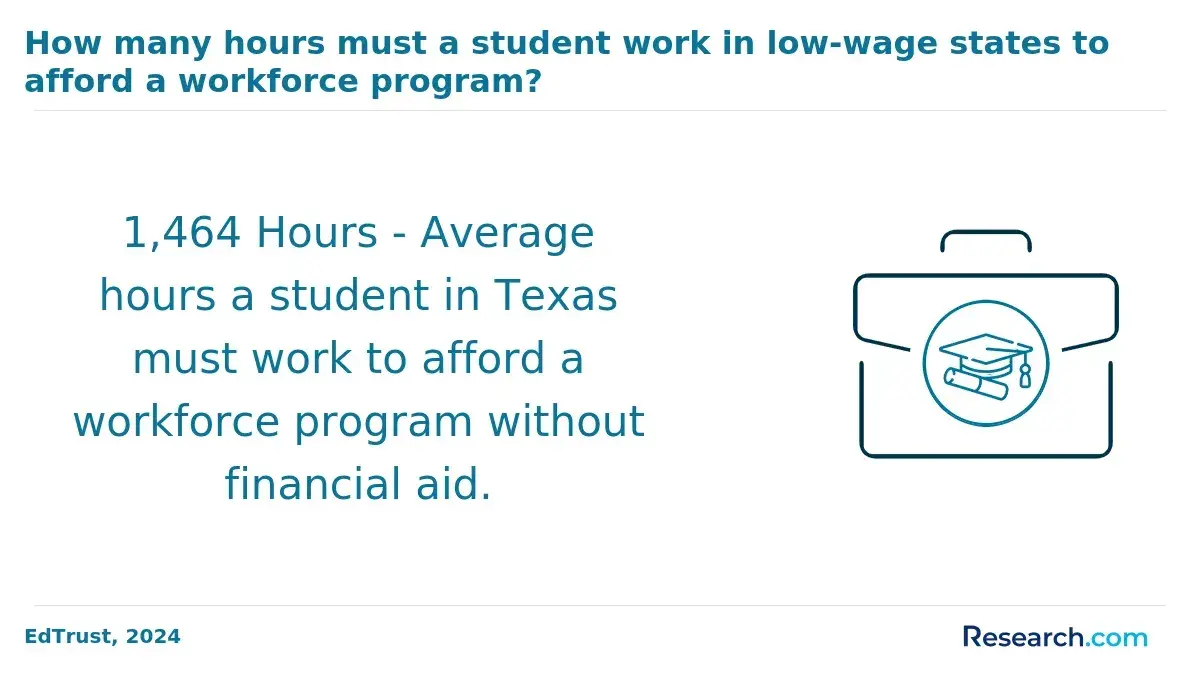
The average online degree tuition for these programs is about $60,808 before aid, reflecting four years at approximately $15,202 annually. While that investment yields higher initial hiring rates, prospective students must weigh this against time commitment and the need for advanced technical proficiency beyond entry-level competencies.
- Contract negotiation focused on scopes, change orders, and payment terms
- Legal literacy addressing 20% of construction-related disputes
- Operational software for collaboration and reporting in subcontract environments
- Data-driven project control via BIM and analytics integration
What are the typical admission requirements and application materials for online construction management degrees?
Admission to online construction management programs often hinges on clear academic benchmarks and career relevance rather than broad access. Most programs require applicants to hold a bachelor's degree or equivalent, grounding entrants in foundational knowledge that aligns with employer expectations. Official transcripts must demonstrate completion of a high school diploma or GED, with competitive candidates showing prior college coursework in engineering, architecture, or business disciplines. A GPA above 2.5 is a practical threshold that signals quantitative competence, critical for advanced study in this technical field.
Practical experience weighs heavily. Resumes should detail roles involving project oversight, subcontracting, or field supervision to illustrate readiness for the program's rigor and professional scope. Letters of recommendation often serve to validate an applicant's leadership and hands-on skills rather than generic endorsements. The personal statement must connect past work challenges and skills with specific learning objectives, demonstrating how the degree supports meaningful career pivots or advancement.
Entrance exams like the GRE are uncommon, preserving access but sometimes required for programs emphasizing quantitative aptitude. For international applicants, English proficiency tests such as TOEFL remain necessary. Balancing work, study, and financing challenges is a key real-world tradeoff, making part-time and asynchronous options valuable. Confirming program accreditation and employer recognition is essential to ensure that the degree translates into improved hiring prospects, particularly in subcontractor management roles demanding integrated technical and leadership capabilities.
How long do online construction management programs take, and what do they cost?
Choosing an online construction management program requires careful balancing of time, cost, and career objectives. Most programs demand 120 to 130 credit hours, or roughly four years full-time, mirroring traditional bachelor's degree timelines. Arizona State University's online track exemplifies this with a 120-credit requirement. Part-time students should anticipate extended durations exceeding five years, which may affect workforce entry and income continuity.
On average, annual tuition for these programs reaches about $15,202 nationally, pushing the total cost close to $60,000 for a standard 120-credit course load. This financial burden combines with living expenses and potential reduced work hours, challenging professionals who must rationalize their return on investment amid evolving subcontractor management demands.
Employers evaluating candidates look beyond credentials, weighing program length, breadth, and cost alongside practical skills. For example, commercial infrastructure projects tend to favor comprehensive degrees due to inherent risk and complexity, disfavoring shortcuts like isolated certificates. Mid-career professionals may opt for accelerated, costlier paths to meet immediate role requirements, whereas entry-level individuals might prioritize affordable, longer-duration studies to spread costs and balance responsibilities.
Key considerations include:
- Aligning program selection with employer expectations regarding subcontractor workflows, contracts, and compliance
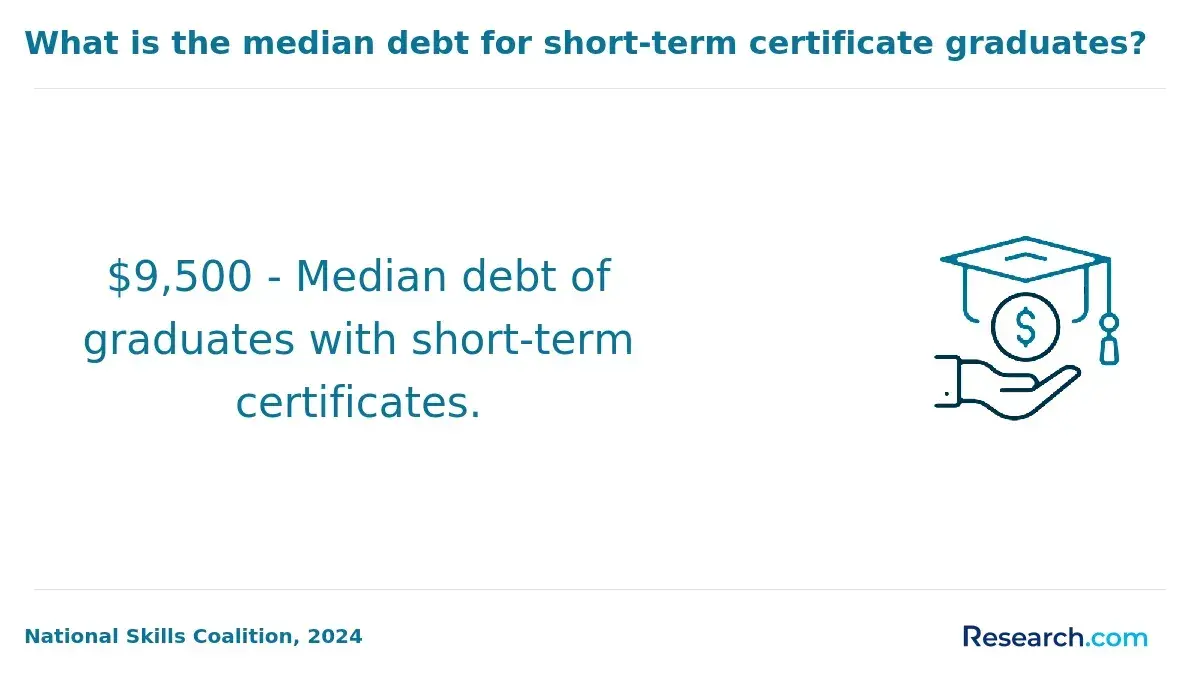
- Assessing financial feasibility against timeline pressures and debt accumulation
- Recognizing tradeoffs between accelerated credentials and deep, holistic coursework
What jobs, salaries, and advancement paths are available in subcontractor management with this degree?
Pursuing a construction management degree to enter subcontractor management positions involves navigating a labor market that values versatility and operational expertise. Roles such as project manager, cost estimator, and field engineer each come with distinct salary ranges-project managers with subcontractor oversight typically earn median salaries near $95,000, which can exceed $120,000 in infrastructure-heavy regions. Cost estimators and field engineers earn between $60,000-$85,000 and $70,000-$90,000 respectively, varying by specialization and geography based on BLS data.
Career progression often requires moving from hands-on site coordination to senior leadership or consultancy roles. For instance, project managers experienced in managing multiple subcontractors can advance to director positions responsible for multi-project portfolios, demanding negotiation skills and risk management acumen that directly influence organizational outcomes.
Certification in credentials like the Associate Constructor (AC) or Certified Construction Manager (CCM) is practically essential to improve hiring prospects and salary growth, reflecting employer focus on contract compliance, scheduling rigor, and cost control proficiency. Practical performance metrics-such as minimizing project delays and budget overruns-are critical evaluation points.
The shift toward integrated project delivery (IPD) and technology-driven workflows also alters market demand, favoring professionals skilled in digital collaboration tools. Adaptability to these evolving expectations impacts employability and long-term career stability in subcontractor management.
How is the job outlook and industry demand shaping the future of subcontractor management roles?
Subcontractor management is increasingly critical in handling the complexity of modern construction projects, with employment in related roles projected to grow 11% from 2024 to 2034, exceeding the average for all occupations. This growth reflects contractors' demand for professionals who can proficiently coordinate workflows, enforce compliance, and manage scheduling across diverse subcontractors without inflating labor costs or causing project delays.
In practice, subcontractor managers must integrate digital tools that streamline contract administration and enable real-time communication, especially in sectors like commercial infrastructure and large residential developments. Failure to adopt such technologies often results in cost overruns and bottlenecks.
Educational programs, such as those found in Coursera's construction management catalog, focus on imparting skills in leadership, risk assessment, procurement, and negotiation-core competencies vital for subcontractor oversight. However, these credentials must be weighed against their ability to translate into immediate, practical skills that reduce on-the-job friction and improve decision-making during peak workload phases.
Professionals considering upskilling should evaluate how the acquired knowledge addresses real-world challenges like balancing subcontractor capacity and contract terms without compromising budget constraints. The evolving industry favors data-driven management approaches, which requires continual adaptation beyond initial certification.
- Coursera's construction management catalog offers focused specialization programs
- Employers increasingly expect proficiency in digital coordination and compliance tools
- Balancing subcontractor capacity with contractual and financial limits remains a practical challenge
Other Things You Should Know About Construction Management
The 2027 top online construction management programs provide unique benefits such as flexible scheduling, specialized subcontractor management courses, and access to contemporary project management tools. These programs often feature real-world case studies and virtual labs, equipping students with both theoretical knowledge and practical skills necessary for effective subcontractor management.
Subcontractor management requires targeted skills in contract negotiation, supplier relationship management, and risk assessment that broad construction management programs may only cover lightly. Prioritizing programs with dedicated subcontractor management modules or certificates offers better preparation for these challenges. Graduates from generalist programs must proactively seek additional training or on-the-job experience focused on subcontractor dynamics to remain competitive and effective.
Accelerated programs enable quicker entry or advancement but often reduce time for skill absorption and networking, which are critical in construction management roles requiring collaboration with multiple stakeholders. Traditional-length programs provide more comprehensive coverage and opportunities to build industry connections, which subcontractor managers rely on heavily. Candidates planning a career pivot should weigh the need for speed against the benefits of depth and relationship-building inherent in longer programs.
Employers prioritize regional accreditation for online construction management degrees as a baseline for educational quality and credit transferability. However, specialized industry accreditations related to construction or project management can enhance perceived credibility for subcontractor management roles. Candidates should select programs with appropriate accreditation to align with employer expectations, especially in competitive markets where certification can influence hiring and promotion decisions.
References
- Coursera https://www.coursera.org
- BSc (Hons) Construction Management https://www.ube.ac.uk/undergraduate/construction-management/
- CourseCareers https://coursecareers.com/blog-posts/best-construction-project-management-courses
- Best Online Construction Management Degrees: 2026 https://gobuid.com/en/blog/all-articles/best-online-construction-management-degree-programs
- 5 Steps to Become a Construction Manager https://superconstruct.io/blog/steps-to-become-a-construction-manager
- Contractor Management Course Online – Safety & Compliance - Safetyhub https://www.safetyhub.com/safety-training/contractor-management/
- Best Master’s in Construction Management Online Degree [currentyear] | NEIT https://www.neit.edu/blog/best-masters-in-construction-management-online-degrees
- Online Bachelor's in Construction Management | NMU https://online.nmu.edu/bachelors-construction-management/
- In-Demand Jobs in the Construction Industry https://www.mccarthy.com/insights/in-demand-jobs-in-the-construction-industry
- Learn Construction Management Online https://constructionmanagementonline.com/