2027 How to Become an Informatics Nurse Specialist: Education, Salary, and Job Outlook

Co-Founder and Chief Data Scientist
Choosing nursing informatics means moving from direct bedside care into the systems, data, and technology decisions that shape how care is delivered. Informatics nurse specialists help healthcare organizations select, improve, and govern digital tools such as electronic health records, clinical decision support systems, reporting dashboards, and patient data workflows.
This career is a strong fit for registered nurses who understand clinical practice but also enjoy problem-solving, technology, analytics, training, and cross-functional work. It can lead to roles in hospitals, health systems, software companies, government agencies, consulting firms, research organizations, and remote health IT teams.
This guide explains the credentials, skills, salary expectations, internships, advancement options, employers, challenges, and fit factors you should evaluate before pursuing an informatics nurse specialist career in 2027.
What are the benefits of becoming an informatics nurse specialist?
- Informatics nurse specialists have a strong job outlook, with employment projected to grow 28% through 2028, reflecting increasing healthcare technology integration.
- The average annual salary ranges from $98,000 to $120,000, highlighting the lucrative nature of this specialized nursing role.
- This career offers the opportunity to improve patient care using technology, combining clinical expertise with informatics skills, making it a strategic choice for future healthcare professionals.
What credentials do you need to become an informatics nurse specialist?
To become an informatics nurse specialist in the United States, you generally need registered nursing preparation, an active RN license, clinical experience, and informatics-specific education or certification. Employers may use different titles, but most expect candidates to understand both patient care workflows and healthcare technology systems.
- Bachelor of Science in Nursing (BSN): A BSN from an accredited nursing program is the usual educational foundation. It gives nurses the clinical judgment, care coordination knowledge, and evidence-based practice background needed to evaluate technology in real care settings.
- Active RN license: You must pass the National Council Licensure Examination for Registered Nurses (NCLEX-RN) and meet state board requirements to practice as a registered nurse. Licensure rules vary by state, so candidates should confirm requirements with the state where they plan to work.
- Clinical nursing experience: Informatics work is stronger when it is grounded in real workflow experience. Employers often value nurses who have worked with medication administration, documentation, care transitions, quality reporting, interdisciplinary communication, and patient safety issues.
- Advanced degree: Many informatics nurse specialists complete a Master of Science in Nursing (MSN) with a focus on nursing informatics, healthcare informatics, or a related area. Some pursue a Doctor of Nursing Practice (DNP) for executive, systems leadership, or academic roles. Admissions may require a minimum GPA, recommendation letters, and sometimes GRE scores. Nurses who want a shorter graduate pathway can compare options such as one year masters programs.
- Informatics Nursing Certification (NI-BC): The American Nurses Credentialing Center (ANCC) offers the NI-BC credential. Requirements include an active RN license, a BSN or higher, two years of nursing experience, and specified hours in informatics practice and continuing education.
- Continuing education and graduate certificates: Because healthcare technology changes quickly, ongoing education is not optional. Certificate programs, vendor training, health IT workshops, cybersecurity training, analytics courses, and informatics conferences can help nurses stay current and maintain certification.
The most competitive pathway is usually BSN, RN license, clinical experience, informatics project exposure, and then either graduate study or board certification. Nurses who want leadership roles should plan for advanced education and documented experience leading system improvements, training initiatives, or data-driven quality projects.
What skills do you need to have as an informatics nurse specialist?
An informatics nurse specialist needs a balanced skill set: clinical credibility, technical fluency, data literacy, project management, and the ability to explain complex systems to people who do not work in IT. The role is less about coding all day and more about making sure technology supports safe, efficient, evidence-based care.
Core technical and informatics skills
- Electronic Health Record (EHR) proficiency: You should understand how systems such as Epic and Cerner support documentation, orders, medication workflows, alerts, reporting, and interdisciplinary communication. Valuable experience includes implementation, optimization, testing, training, troubleshooting, and end-user support.
- Data analytics: Informatics nurses use data to identify workflow problems, measure quality outcomes, and support operational decisions. Familiarity with tools such as SAS and Tableau can help with reporting, visualization, predictive modeling, and quality improvement work.
- Health Information Exchange (HIE): You need to understand how patient information moves securely between healthcare entities and how interoperability affects continuity of care, referrals, public health reporting, and care coordination.
- Clinical Decision Support Systems (CDSS): Informatics specialists help design, test, and improve alerts, order sets, reminders, and evidence-based prompts. The goal is to reduce errors without overwhelming clinicians with unnecessary notifications.
- Data governance: You should know how policies protect data quality, privacy, security, access, and compliance with standards such as HIPAA and CMS regulations.
- Implementation and support: Health IT projects require planning, testing, go-live support, training, adoption tracking, and post-implementation optimization. Nurses who understand change management are especially valuable.
- Basic programming and health data management: You do not always need to be a software developer, but basic programming concepts, database terminology, and health data structures make it easier to work with IT teams and analytics staff.
Professional skills that determine success
- Communication: You must translate clinical needs into technical requirements and explain technical limits in language nurses, physicians, executives, and vendors can use.
- Leadership: Informatics projects often involve competing priorities, frustrated users, tight timelines, and patient safety implications. Strong leadership helps teams stay focused on practical outcomes.
- Problem-solving: The best informatics nurses investigate root causes instead of assuming the software is the only issue. Workflow, policy, training, staffing, and data quality can all contribute to a problem.
- Teaching and mentorship: Training clinicians is a major part of the role. You need patience, clear instructions, and the ability to adapt teaching for different experience levels.
- Attention to detail: Small configuration errors, unclear documentation fields, or poorly designed alerts can affect care quality, compliance, and reporting accuracy.
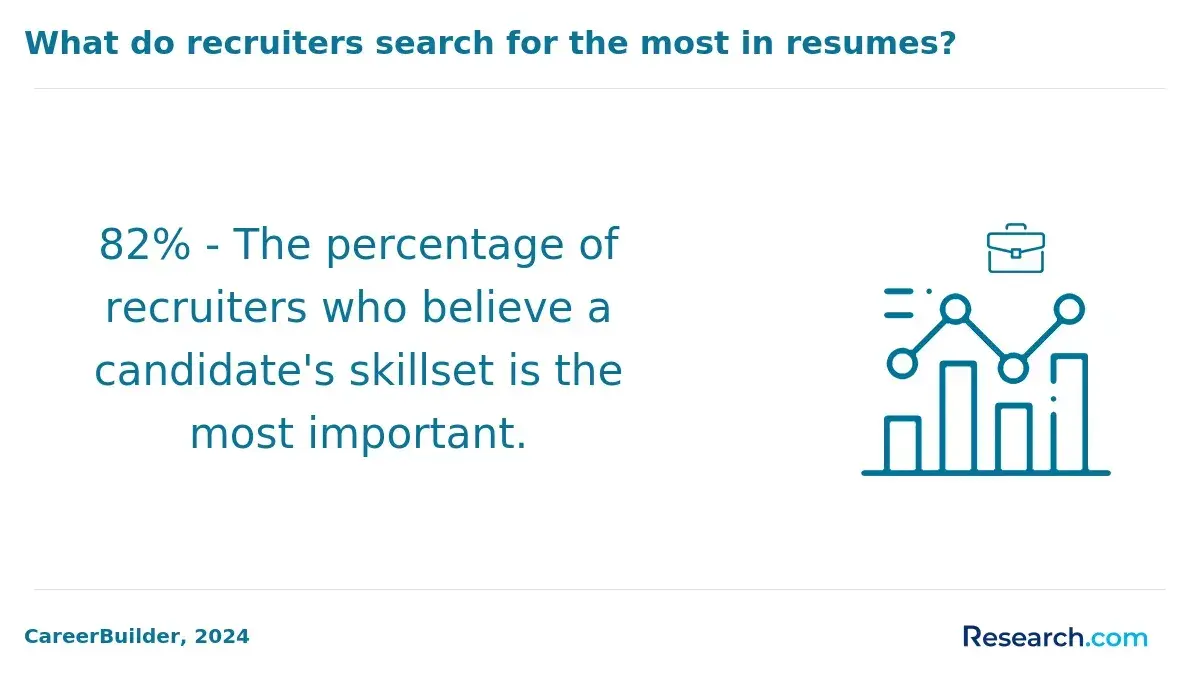
A practical way to build these skills is to volunteer for EHR super-user roles, quality improvement committees, documentation redesign projects, workflow testing, or unit-based technology training before applying for a full informatics position.
What is the typical career progression for an informatics nurse specialist?
The career path usually starts with clinical nursing experience, then moves into informatics support, project work, management, and eventually strategic leadership. Progression depends on your education, certification, technical exposure, project results, and ability to work across nursing, IT, compliance, finance, and operations.
- Entry-level roles: Common starting titles include Clinical Analyst, Nurse Informaticist, EHR Super User, Clinical Systems Specialist, or Informatics Nurse. These roles focus on workflow improvement, EHR implementation, staff training, system testing, data validation, and user support. A BSN and clinical experience may be enough for some roles, although many employers prefer a master's degree in nursing informatics. Experience in these roles usually spans two to five years and builds skills in data analysis, project management, health information systems, and clinical workflow design.
- Mid-level positions: With demonstrated informatics experience, nurses may advance to Senior Informatics Nurse Specialist, Clinical Informatics Manager, or similar roles. Responsibilities often include project leadership, system design, governance committee participation, policy development, analytics coordination, and vendor collaboration. Professionals at this stage often hold graduate degrees or certifications such as NI-BC. Progression generally occurs after at least five years in the field and requires proof that you can manage complex informatics initiatives.
- Senior leadership roles: Advanced titles include Director of Nursing Informatics, Chief Nursing Informatics Officer (CNIO), or Chief Information Officer (CIO). These leaders guide digital strategy, oversee informatics teams, influence health IT policy, manage budgets, and connect technology investments to clinical and operational goals. Achieving these roles often requires over ten years of experience along with advanced academic qualifications.
- Specializations and lateral moves: Some informatics nurses build focused careers in healthcare data analytics, clinical research informatics, education and training, health IT consulting, population health, quality improvement, compliance, or vendor implementation. Lateral moves can be useful when you want broader experience before pursuing executive leadership.
To move up faster, document measurable results. Examples include reduced documentation burden, improved reporting accuracy, successful go-live support, higher training completion, fewer workflow errors, or better adoption of a clinical decision support tool.
The average annual salary for an informatics nurse specialist is approximately $91,282, according to PayScale. The highest paying states for informatics nurse specialists offer up to $114,000 annually. Early career informatics nurse specialists typically earn around $81,349, while experienced professionals with advanced degrees, specialized certifications, and healthcare IT leadership experience may earn more.
Compensation varies because informatics nursing is not a single uniform job. A nurse supporting EHR training at one hospital may have a different pay range than a clinical informatics manager overseeing analytics, interoperability, or enterprise-wide implementation projects.
Factors that affect salary
- Experience level: Nurses with a stronger record in system implementation, optimization, analytics, governance, or project leadership are usually more competitive.
- Education: An MSN, DNP, or informatics-focused graduate certificate can support advancement into leadership or specialized roles.
- Certification: Credentials such as NI-BC can signal verified informatics competence and professional commitment.
- Employer type: Large health systems, academic medical centers, technology vendors, consulting firms, and tech-forward healthcare organizations may pay differently based on project scope and business needs.
- Location: Geographic market demand, cost of living, and competition for informatics talent influence compensation.
- Role scope: Positions involving enterprise strategy, data governance, cybersecurity, regulatory reporting, or team leadership often carry more responsibility than training-only roles.
Advanced education can improve long-term earning potential, but it should be chosen carefully. Before enrolling, compare accreditation, curriculum relevance, clinical informatics coursework, practicum options, employer tuition support, and return on investment. Nurses considering doctoral pathways can also review resources such as what is the easiest phd to get while evaluating whether a doctorate is necessary for their goals.
Internships, practicums, fellowships, and project-based placements can help you move from general nursing experience into informatics. The best opportunities give you direct exposure to EHR workflows, data analysis, usability testing, reporting, clinical decision support, implementation planning, or health IT governance.
- NIH Clinical Center's Summer Internship Program: This program invites undergraduate, graduate, and PhD students to work in clinical informatics and scientific computing. Participants may gain experience evaluating usability of visual displays for clinicians and assessing computerized physician order entry systems within a multidisciplinary research environment.
- Healthcare providers: Hospitals and health systems may offer nursing informatics internships in the United States through informatics departments, quality improvement offices, EHR teams, clinical education departments, or digital transformation groups. These roles can involve workflow mapping, staff training, EHR testing, documentation improvement, reporting support, and data-driven care improvement projects.
- Healthcare technology corporations: Companies that build EHR platforms, clinical software, analytics tools, or interoperability products may offer internships in data analysis, product support, workflow analysis, systems integration, implementation, or user training. These roles are useful for nurses interested in vendor-side careers.
- Government agencies and industry organizations: Public agencies and professional organizations may offer projects focused on health information management, public health reporting, policy development, data standards, and technology integration.
How to choose the right opportunity
- Prioritize placements where you will work on a defined informatics project, not only observe meetings.
- Ask whether you will gain experience with EHRs, analytics tools, user training, testing, reporting, or workflow redesign.
- Look for a preceptor or supervisor with informatics experience.
- Keep a portfolio of project summaries, screenshots without patient data, training materials, workflow maps, and measurable outcomes.
- Confirm privacy rules before including any work sample in a professional portfolio.
Students planning advanced academic preparation may also explore options such as a phd with no dissertation, especially if they want doctoral-level training without a traditional dissertation structure.
Career advancement in nursing informatics depends on more than time in the role. Employers look for nurses who can lead projects, improve workflows, protect data integrity, support clinicians, and connect technology decisions to patient care outcomes.
- Continue your education: A master's or doctorate in nursing informatics, health informatics, healthcare administration, data analytics, or a related field may be required or preferred for higher-level roles. Choose programs that include informatics theory, data management, systems analysis, privacy and security, project management, leadership, and applied practicum work.
- Earn relevant certification: The Nursing Informatics-Board Certified (NI-BC) credential validates specialized competence and can strengthen your profile for promotion. Maintaining certification also requires ongoing education, which helps you stay current with new systems, standards, and regulatory expectations.
- Build project leadership experience: Volunteer for system upgrades, EHR optimization, documentation redesign, dashboard development, training rollouts, or quality improvement projects. Advancement is easier when you can point to completed work and measurable results.
- Develop analytics and data governance skills: Leaders in informatics must understand data definitions, reporting accuracy, privacy, security, access controls, and how data quality affects clinical and business decisions.
- Network professionally: Organizations such as the Healthcare Information and Management Systems Society (HIMSS) can help you learn current trends, meet peers, find mentors, and identify job opportunities.
- Use mentorship strategically: A mentor can help you choose the right credential, prepare for leadership roles, navigate vendor relationships, and avoid common project mistakes. Serving as a mentor can also build your reputation and leadership credibility.
A strong advancement plan should include a target role, the credentials it typically requires, the technical skills you need to close, and at least one major project that proves you can lead informatics work beyond daily support tasks.
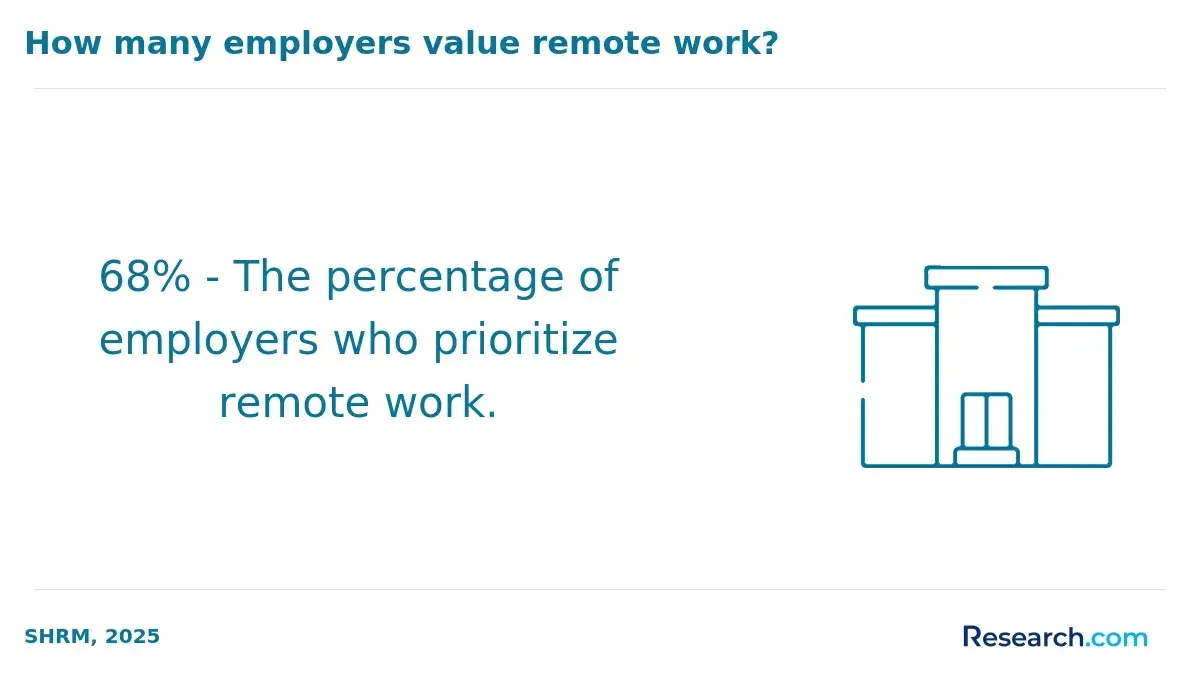
Informatics nurse specialists work wherever clinical knowledge and digital health systems intersect. Jobs may be onsite, hybrid, or remote depending on the employer, system access needs, implementation stage, and team structure.
- Healthcare systems: Organizations such as Kaiser Permanente, Mayo Clinic, and Cleveland Clinic employ informatics nurse specialists to manage and optimize electronic health records, lead technology implementation, support staff training, improve workflows, and strengthen clinical reporting.
- Health information technology companies: Vendors such as Epic Systems, Cerner (Oracle Health), and MEDITECH may hire nurses for workflow analysis, product development support, implementation, client training, user education, documentation design, and clinical software support.
- Government agencies: The Centers for Disease Control and Prevention (CDC), Department of Veterans Affairs (VA), and state health departments use nurse informaticists to support public health data infrastructure, surveillance systems, reporting standards, policy development, and large-scale clinical technology programs.
- Academic and research institutions: Institutions such as Johns Hopkins University and the University of California system may offer roles in clinical research informatics, curriculum development, nursing education, simulation, data management, and grant-supported health technology projects.
- Nonprofit organizations: Groups such as the American Nurses Association (ANA) and HIMSS may employ informatics professionals to promote standards, develop resources, support policy work, and improve best practices in health informatics.
Remote work opportunities are increasingly common, with nearly 80% of informatics nurse specialists working remotely at least once weekly by 2025. Fully remote roles are more likely in consulting, vendor support, analytics, training design, project management, and large health system informatics teams. Roles that involve go-live support, rounding, device integration, or onsite workflow observation may still require regular in-person work.
If you are still building the educational foundation for this career, flexible programs can help you continue working while studying. You can compare options such as top-ranked accredited online schools no fee to apply when evaluating accessible pathways.
Nursing informatics can be rewarding, but it also places you between clinical teams, IT departments, vendors, administrators, compliance officers, and patients’ data needs. Many challenges come from that middle position: you must make technology usable while protecting safety, privacy, accuracy, and operational efficiency.
- Insufficient foundational training: A significant portion of nursing informatics professionals report gaps in their initial education related to information technology. Nurses entering the field may need to build skills in data systems, analytics, cybersecurity, interoperability, and project management while already working.
- Time limitations: Many nurses struggle to find enough time during work hours to learn new digital tools, participate in testing, or complete informatics training while meeting clinical responsibilities.
- Constant knowledge updates: Rapid advances in artificial intelligence, digital health, cybersecurity, EHR functionality, and regulatory requirements mean skills can become outdated quickly. Continuous learning is part of the job.
- Professional role perception: Over half of nurses feel informatics falls outside their traditional duties. This can create resistance when informatics specialists ask clinical teams to change documentation habits, attend training, or adopt new workflows.
- Leadership support deficit: Without management backing, informatics projects may lack staffing, funding, protected training time, governance authority, or clear accountability.
- Cybersecurity vigilance: Growing cyber threats such as phishing scams require careful security awareness. Informatics nurses must help balance secure access with clinical usability so patient data is protected without slowing care unnecessarily.
- Change fatigue: Clinicians may be tired of system updates, new documentation requirements, or repeated workflow changes. Informatics specialists need to communicate the reason for change and reduce unnecessary burden whenever possible.
- Competing priorities: IT teams may focus on system stability, executives may focus on cost and compliance, and clinicians may focus on speed and usability. Informatics nurses often have to reconcile these priorities.
The best way to manage these challenges is to build credibility with clinical teams, use data to support recommendations, involve end users early, test workflows before launch, and communicate clearly about what will change and why.
To excel as an informatics nurse specialist, you need to become the person who can understand the bedside problem, translate it into a technical or workflow requirement, and help the organization implement a safe, usable solution. Clinical insight matters, but so do patience, precision, and disciplined follow-through.
- Build a strong clinical base first: Earn a Bachelor of Science in Nursing (BSN), obtain RN licensure, and gain practical experience with patient care workflows, documentation, medication processes, handoffs, and interdisciplinary communication.
- Become involved in health IT early: Join EHR implementation teams, software testing groups, documentation committees, quality improvement projects, or unit-based super-user programs. These experiences make your resume more credible.
- Study informatics deliberately: Take short courses, workshops, or certificate programs in health informatics, data management, analytics, clinical decision support, privacy, and workflow redesign.
- Consider graduate education: A master's degree in health informatics, nursing informatics, or a related discipline can improve eligibility for leadership roles and certifications such as the ANCC Informatics Nursing Certification (RN-BC).
- Learn to speak both clinical and technical language: Your value comes from helping nurses, physicians, IT analysts, administrators, and vendors understand one another.
- Strengthen project management skills: Learn how to define scope, set milestones, identify risks, manage stakeholders, document decisions, and evaluate outcomes after implementation.
- Stay current on standards and security: Keep up with HIPAA regulations, data security protocols, privacy expectations, and organizational policies that govern patient information.
- Create a professional network: Participate in associations, conferences, webinars, online forums, and internal committees. Seek mentors in both nursing informatics and healthcare IT.
- Document your impact: Track examples of workflow improvements, training outcomes, reduced errors, better reporting, improved adoption, or user satisfaction. Advancement is easier when you can show results.
- Keep learning: Healthcare informatics changes continuously. A lifelong learning mindset will help you adapt to new platforms, analytics methods, regulatory requirements, and digital care models.
Nursing informatics may be the right career if you enjoy improving systems more than repeating the same clinical tasks, like using data to solve practical problems, and can work patiently with people who have different levels of comfort with technology.
Consider this path if the following statements describe you:
- You like analyzing problems: You are interested in why a workflow fails, why documentation is inconsistent, or why a clinical alert is ignored.
- You are comfortable with technology: You do not need to be a programmer, but you should be willing to learn EHRs, data tools, clinical decision support systems, and reporting platforms.
- You communicate well: Informatics nurses must bridge clinical and technical teams. That requires clear writing, careful listening, and the ability to explain decisions without jargon.
- You are detail-oriented: Small issues in data fields, order sets, access settings, or documentation templates can create larger clinical, compliance, or reporting problems.
- You enjoy interdisciplinary work: The job often involves nurses, physicians, pharmacists, IT analysts, executives, compliance teams, educators, and vendors.
- You can handle change: Systems evolve, requirements shift, and go-lives can be stressful. Adaptability is essential.
- You want impact beyond one patient at a time: Informatics work can improve care processes across a unit, hospital, health system, or population.
- You are willing to keep studying: The career rewards professionals who stay current in technology, privacy, analytics, and healthcare operations.
You may want to reconsider or gain more exposure first if you strongly prefer hands-on bedside care, dislike project work, avoid data, or become frustrated when teaching people who are resistant to new systems. If you are still planning your academic route, exploring schools that offer double majors in nursing and informatics-related fields may help you build a stronger foundation.
What Professionals Who Work as an informatics nurse specialist Say About Their Careers
- : "Working as an informatics nurse specialist has provided me incredible job stability, especially given the high demand in healthcare IT sectors. The salary potential is strong, reflecting the value placed on combining clinical expertise with technology skills. I feel confident about my long-term career prospects in this evolving field. Kamden"
- : "The unique challenge of bridging patient care and data management constantly pushes me to grow professionally. Every day brings new opportunities to innovate within electronic health records systems and improve clinical workflows. It's a rewarding specialization that truly shapes healthcare delivery. Emery"
- : "My journey as an informatics nurse specialist has opened numerous doors for continuous learning and advancement. From specialized training programs to leadership roles, the professional development is exceptional. This career path has expanded my impact beyond bedside care into system-wide improvements. Onyx"
Other Things You Should Know About Becoming an Informatics Nurse Specialist
To become an informatics nurse specialist in 2027, you typically need a Bachelor of Science in Nursing (BSN) followed by a Master’s degree in Health Informatics or a related field. Some programs may also require coursework in computer science and information technology integration.
Informatics nurse specialists in 2027 should be skilled in data management systems, electronic health records (EHR) software, and health IT analytics. Proficiency in SQL databases and familiarity with cybersecurity protocols are also crucial for effective patient data handling and system integration.
Certifications like the American Nurses Credentialing Center's Informatics Nursing Certification (RN-BC) are vital for enhancing an informatics nurse specialist’s credentials in 2027, as they demonstrate expertise and commitment to the field, improving job prospects and professional growth within healthcare technology roles.
In 2027, informatics nurse specialists are in high demand due to the increasing integration of technology in healthcare. Hospitals and healthcare organizations are seeking these professionals to improve patient care through efficient data management, boosting job opportunities and salaries in the field.
- Georgia Southwestern State University. (n.d.). MSN - Informatics.
- Maryville University. (n.d.). Nursing informatics | Ultimate guide to career paths & salaries.
- NurseJournal. (n.d.). Nursing informatics career guide.
- Nurseslabs. (n.d.). Nursing informatics & nurse informaticists career guide: How to become one.
- Nurse.org. (2025). Nursing informatics salary by state.
- PubMed Central. (n.d.). The evolving role of nursing informatics in the era of artificial intelligence.
- Walden University. (n.d.). 8 reasons to choose a career in nursing informatics.
- Western Governors University. (n.d.). Exploring nursing informatics jobs.