2027 Highest-Paying Jobs You Can Get With an Administration Degree

Co-Founder and Chief Data Scientist
Deciding whether to pursue an administration degree often hinges on understanding its financial payoff-especially when advanced credentials and certifications promise a noticeable wage premium. Graduates with a master's in administration earn approximately 25% more on average than those with only a bachelor's, highlighting the monetary value of continuing education in this field. Further, professional licensure and specialized certifications can boost salaries significantly, varying by industry and location. For career changers and veterans, this raises a critical question: How does the return on investment of an administration degree compare to alternative career paths? This article explores these factors thoroughly to help readers make informed decisions about pursuing high-paying administration roles.
Key Things to Know About the Highest-Paying Jobs You Can Get With a Administration Degree
- Graduate credentials in administration increase median wages by approximately 20%-highlighting the premium employers place on advanced education for managerial roles.
- Professional licensure and certification-such as PMP or SHRM-can boost salaries by up to 15%, reflecting enhanced job qualifications and industry recognition.
- The return on investment for an administration degree often surpasses alternative pathways, especially when factoring in long-term earnings growth and leadership opportunities across industries.
What Exactly Does a Administration Degree Qualify You to Do in Today's Job Market?
An administration degree prepares graduates for diverse management and organizational roles valued by employers and licensing bodies. Recognized by the U.S. Bureau of Labor Statistics, this credential signals foundational knowledge in business operations, organizational behavior, and strategic decision-making required for overseeing resources, coordinating teams, and streamlining workflows. This background supports a wide range of career opportunities in administration degree career opportunities in the United States.
Graduates stand out due to key competencies that exceed those of candidates relying solely on experience or alternative credentials. These include:
- Technical Expertise: Proficiency with business software, data analysis, budgeting, and project management tools to support efficient organizational oversight.
- Analytical Skills: The capability to interpret complex data, assess challenges, and develop strategic solutions that enhance productivity and profitability.
- Interpersonal Abilities: Strong communication, leadership, and teamwork skills that promote collaboration across departments and stakeholders.
It is vital to understand the limits of an administration degree. While it facilitates entry into management and supervisory roles, it generally does not confer licensure in specialized areas such as accounting or human resources, which require separate certifications. Many administration roles have open-entry pathways valuing experience, but holding the degree often delivers a competitive salary advantage and enhanced career mobility.
This discussion anticipates examining the highest-paying administration jobs and salary potential across degree levels-bachelor's, master's, and doctoral-to clarify how advanced credentials impact earnings. Additionally, prospective students can explore related online courses to supplement their qualifications for stronger financial outcomes.
Which Administration Jobs Command the Highest Salaries Right Now?
Healthcare Administration: Healthcare administration ranks among the highest paying administration jobs in the United States. Median salaries typically reach $104,000 annually, with the 75th percentile exceeding $130,000 and top decile salaries surpassing $180,000. While a bachelor's degree suffices for entry, holding a master's in health administration or related fields greatly enhances earning potential. Employers span hospitals, large healthcare systems, private clinics, and government agencies-urban centers usually offer the highest compensation.
- Degree Levels: Bachelor's for entry, Master's preferred for leadership positions
- Specializations: Hospital administration, medical practice management, health services management
- Industries: Healthcare providers, insurance companies, government health agencies
- Geographic Markets: Metropolitan areas and regions with extensive healthcare infrastructure
- Employer Types: Public hospitals, private healthcare systems, federal and state health departments
Business Operations Management: Business operations managers and general managers earn median salaries near $100,000-with the 75th percentile close to $125,000 and top earners above $170,000. Candidates with MBAs or other advanced degrees outperform those with bachelor's levels, especially in competitive metropolitan and financial markets. Industries like manufacturing, retail, technology, and finance reward specialized skills and industry experience.
- Degree Levels: Bachelor's required, MBA or advanced degrees preferred
- Specializations: Supply chain, project management, strategic planning
- Industries: Finance, manufacturing, retail, technology
- Geographic Markets: Major metropolitan and financial hubs
- Employer Types: Corporations, consulting firms, start-ups
Financial Administration Roles: Financial managers and controllers generally have salaries ranging from a median of $95,000 to 75th percentile figures above $120,000, with top incomes exceeding $160,000. Although many credential holders have accounting or finance degrees, administration graduates with CPA or CFA certifications can secure a salary edge. Regional and industry factors heavily affect compensation levels.
- Degree Levels: Bachelor's in administration plus financial certifications common
- Specializations: Budgeting, auditing, financial planning
- Industries: Banking, insurance, corporate finance
- Geographic Markets: Financial centers and urban metropolitan areas
- Employer Types: Banks, financial services firms, large corporations
Human Resources Management: Human resources managers holding administration degrees earn median salaries around $89,000, with senior directors exceeding $130,000. Adding SHRM or HRCI certifications enhances earning prospects, especially in high-paying sectors like technology and finance. Wage variations depend on industry and location.
- Degree Levels: Bachelor's degree standard, certifications enhance prospects
- Specializations: Talent acquisition, employee relations, compensation and benefits
- Industries: Technology, finance, manufacturing
- Geographic Markets: Urban and suburban corporate hubs
- Employer Types: Corporations, government agencies, non-profits
Sales Management Positions: Sales managers with administration degrees report median salaries near $95,000, 75th percentile around $120,000, and top earners exceeding $180,000 when including bonuses. Experience and sales proficiency drive pay, but an administration degree supplies key management and strategic expertise sought by employers.
- Degree Levels: Bachelor's degree common; advanced degrees occasionally required for top roles
- Specializations: Retail sales management, wholesale sales, business-to-business sales
- Industries: Technology, pharmaceuticals, manufacturing
- Geographic Markets: Regional sales hubs and global business centers
- Employer Types: Corporations, sales agencies, distribution companies
Salary potential across these administration-related roles hinges on degree level, specialization, geographic market, and employer sector. Graduate credentials-especially MBAs or specialized master's-offer a measurable wage premium. Professional certifications in finance or human resources also bolster earning power. Because administration degree holders often compete with candidates holding more specialized credentials, combining credentials and industry experience is crucial to command top salaries in these top administration careers with salary growth potential.
For students considering credential options, comparing the return on investment of an administration degree against alternative educational pathways becomes essential. Prospective enrollees seeking cost-effective programs might explore options such as the cheapest online electrical engineering degree as an example of a different yet high-demand field to balance salary and education investment.
How Does Degree Level-Bachelor's vs. Master's vs. Doctoral-Affect Administration Earning Potential?
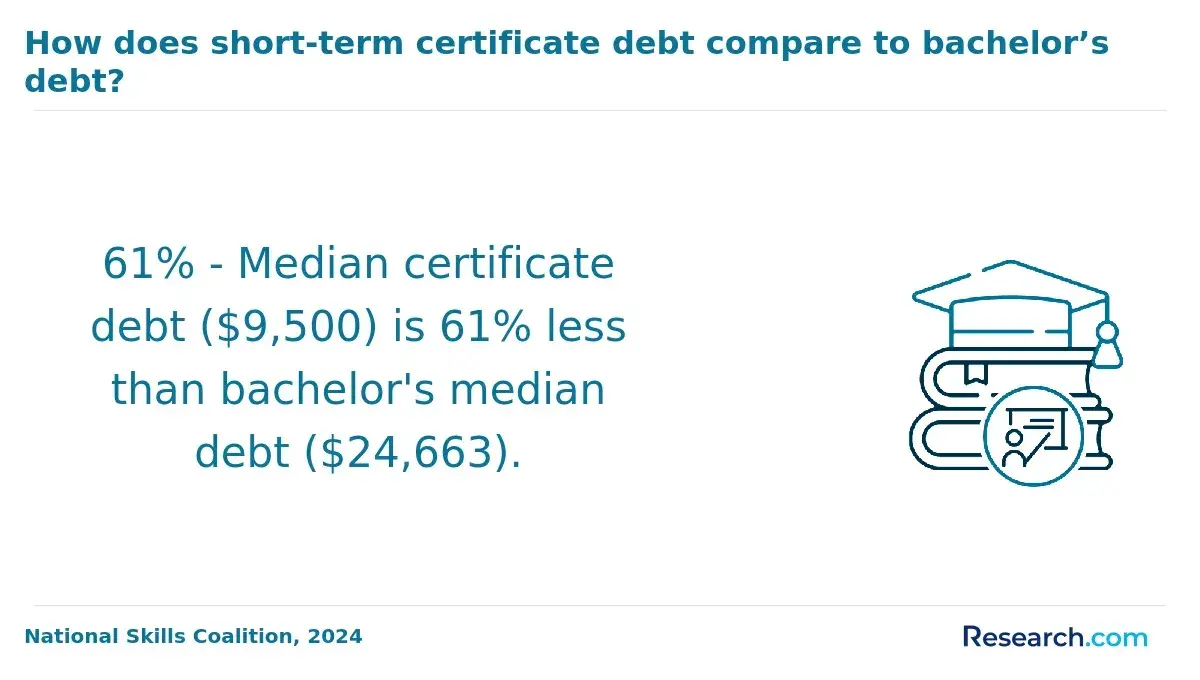
Salary Premiums: Earnings for administration professionals rise with advanced degrees. Bachelor's holders typically earn around $60,000 annually, while master's degree recipients see a 15% to 30% boost, raising median salaries to between $70,000 and $80,000. Doctoral degrees-whether professional or research-focused-often unlock leadership roles exceeding $100,000, especially in specialized sectors.
- Advanced Roles: High-paying positions frequently require graduate credentials. Healthcare administration leaders usually need a master's in health or business administration to navigate regulatory complexities. University administrators, such as deans and provosts, often hold doctorates due to the research depth and policy responsibilities inherent in these roles. Public sector and nonprofit administration jobs sometimes demand certifications or doctorates aligned with public administration or policy studies.
- Credential Standards: Licensing bodies and employers mandate advanced degrees to ensure comprehensive management skills. Graduate programs cover strategic planning, legal frameworks, and leadership concepts more deeply than bachelor's curricula. Professional licensing-particularly in healthcare and higher education administration-necessitates these credentials to meet regulatory criteria.
- Return on Investment: Students should consider the costs of tuition and lost wages against expected salary increases. Master's degrees typically require two years, while doctoral programs extend beyond four, amplifying opportunity costs. Calculating the number of years to break even on this investment is crucial for making sound financial decisions.
- Career Pathways: Those with a related bachelor's degree often benefit from pursuing a master's to ascend quickly into higher-paying roles. Career changers might explore accelerated master's or professional doctorate options that combine practical skills with credential recognition to transition effectively into administration leadership.
A professional who successfully graduated with an administration degree shared reflections on his journey. He described balancing work and studies as "intense yet rewarding," emphasizing that managing time efficiently was crucial. He noted, "The decision to pursue a master's came after realizing the salary bump I needed to support my family." Despite occasional doubts about the investment, he appreciated how the advanced skills gained-like strategic decision-making and legal comprehension-opened doors previously inaccessible. "It wasn't just about the degree," he said, "but how it reshaped my approach to challenges in the workplace." His experience highlights the impact of degree level on earning potential as well as professional growth beyond the paycheck.
Which Industries and Employers Pay Administration Graduates the Most?
Administration graduates find the highest-paying industries influenced by organizational revenue, regulatory complexity, and the scarcity of specialized talent. Finance and insurance lead this list-large firms in these sectors demand skilled administrators who can expertly handle compliance, risk management, and complex operations, driving premium salaries.
- Professional, Scientific, and Technical Services: Consulting, legal, and engineering firms offer substantial compensation due to the strategic and specialized administrative roles integral to project coordination and human resource management.
- Government Agencies: Federal and state employers pay competitively, especially in departments focused on public policy, defense, and health services, where regulatory oversight and budget control require experienced administration professionals.
- Healthcare and Social Assistance: Large hospital systems and health networks seek administrators capable of managing healthcare regulations and privacy laws, rewarding these skills with attractive pay.
- Private Sector Corporations: Multinational companies often provide top salaries for administration graduates, particularly those holding advanced degrees or certifications in areas like project management and finance.
- Nonprofit Organizations: Though typically lower-paying than corporate or government roles, nonprofits in healthcare, education, or international development value leaders with niche expertise and offer competitive wages.
- Self-Employment and Consulting: Experienced graduates developing niche industry knowledge can command high consulting fees, leveraging specialized certifications to address critical operational challenges.
The interplay of industry, job title, and credential level results in wide salary variation for administration degree holders. An entry-level office manager in a small nonprofit may earn under $50,000 annually, while a senior project manager with a master's degree in a financial corporation can exceed $120,000. Certifications such as PMP or SHRM notably enhance earning potential across sectors.
To tap into the highest compensation packages, administration graduates should build skills aligned with target industries, earn recognized certifications, and nurture professional networks that connect them with top-paying employers. Choosing industries with strong revenues and complex regulatory environments maximizes financial outcomes. For those evaluating educational pathways, comparing return on investment with alternative credentials is critical. Prospective students can explore affordable online accounting programs as complementary options supporting career advancement in related fields.
What Geographic Markets Offer the Best-Paying Administration Jobs?
Data from the Bureau of Labor Statistics highlights metropolitan areas where administration jobs offer the highest adjusted wages after accounting for living costs. San Jose, CA leads due to Silicon Valley's tech demand, providing competitive real wages despite steep expenses. The Washington, D.C. Metro Area benefits from numerous government and consulting administration roles, supported by a dense federal ecosystem.
- New York City, NY: Home to many multinational corporations, it offers high nominal salaries that are tempered when cost of living is factored.
- Seattle, WA: Known for its growing technology and healthcare sectors, it delivers strong pay with more moderate living costs than other tech hubs.
- Houston, TX: Offers favorable salaries in energy administration paired with a lower cost of living, boosting purchasing power.
States such as Massachusetts, California, and Maryland stand out nationally for median administration wages, largely reflecting their urban centers and specialized industries. While Northeast and West Coast regions dominate salary statistics, Southern and Mountain West states offer a cost advantage that improves real income.
Remote and hybrid work models increasingly influence these geographic trends-many administration jobs, including project coordination and human resources management, are well-suited for remote work, allowing professionals to reside in lower-cost areas without sacrificing pay. However, some positions remain geographically anchored due to licensing rules, close client engagement, or facility-based tasks, particularly in healthcare administration and government contracting.
Weighing relocation to high-salary markets against remote work opportunities requires balancing higher living expenses with income gains. Candidates can maximize earnings by working remotely from affordable regions but may face limits on advancement tied to physical proximity. A thoughtful analysis of wages, costs, and career objectives is essential to making an informed decision.
When asked about her experience navigating these geographic factors, a professional who built her career after earning an administration degree reflected on the practical side of the widely varying salary markets. She noted the excitement of initially targeting high-paying areas but also the surprise at how quickly living expenses eroded take-home pay. "It took several months to understand that a higher salary didn't always mean more disposable income," she explained. Shifting to a hybrid role allowed her to live in a more affordable suburb while maintaining connections with a major urban employer-"that balance felt like the real key." Her story underscores how geographic choices shape not just earnings but quality of life and long-term career satisfaction.
How Do Professional Certifications and Licenses Boost Administration Salaries?
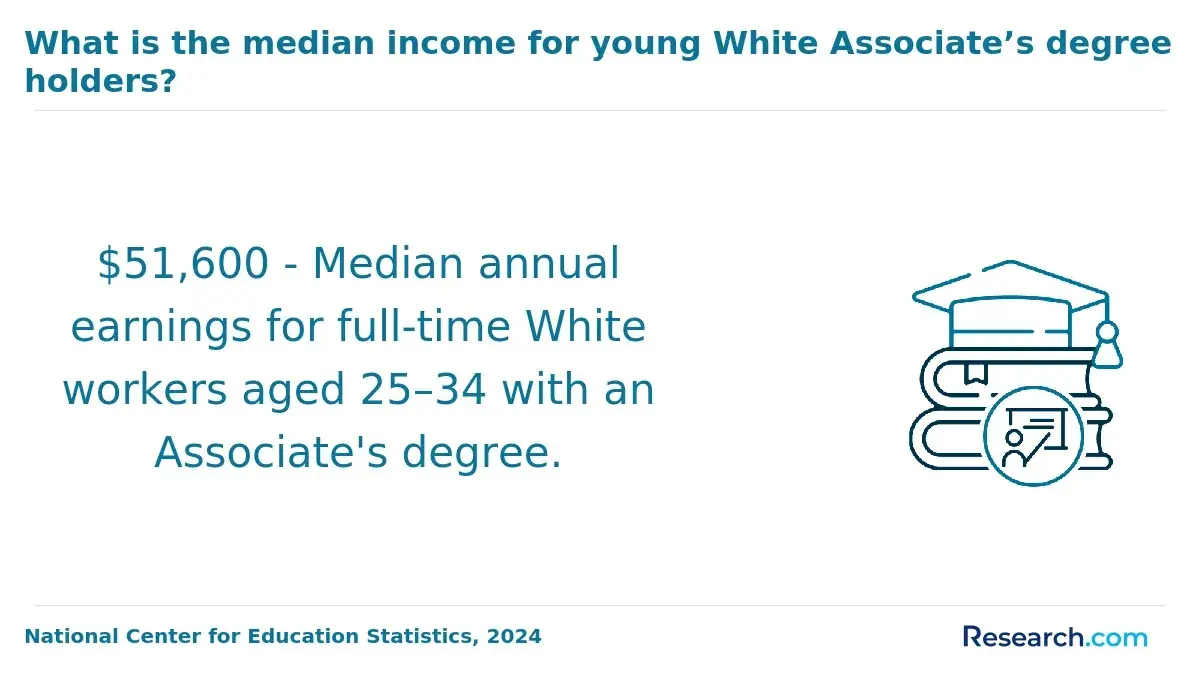
Certifications and licenses notably raise earnings for those holding an administration degree by confirming specialized skills and boosting employer confidence. Surveys from the Project Management Institute (PMI) and the International Association of Administrative Professionals (IAAP) show certified individuals typically command 10% to 25% higher pay compared to uncertified counterparts.
- Certified Administrative Professional (CAP): This IAAP certification is designed for experienced administrative experts. Candidates must combine work experience with education to qualify. The exam tests organizational communication, business writing, and office technology knowledge. Renewal requires continuing education every five years, with costs generally between $400 and $550. CAP credential holders often report salary increases near 15%.
- Project Management Professional (PMP): Suitable for administration degree holders seeking leadership roles, PMP requires 36 months of project management experience plus 35 hours of formal education. The exam includes 180 questions spread over approximately four hours. Recertification mandates 60 professional development units every three years and the exam cost is about $555. PMP holders see median salary gains exceeding 20%.
- Certified Professional Secretary (CPS): Offered through the IAAP, this certification focuses on essential office skills. Candidates must pass an exam and maintain annual membership and renewal fees. Documented salary premiums average around 10%.
Research: Investigate which certifications employers in your field prefer or require to maximize return-on-investment.
Accreditation: Seek certifications accredited by recognized bodies like ANSI or NCCA to ensure market value and avoid low-credibility credentials.
Investment: While costs vary, long-term salary improvements often justify fees-account for renewal and exam expenses when budgeting.
What Is the Salary Trajectory for Administration Professionals Over a Full Career?
The salary progression for administration professionals typically follows a pattern highlighted by clear milestones and qualifications. Entry-level positions offer modest salaries reflecting foundational skills, with data from the Bureau of Labor Statistics (BLS) showing that after five years of experience, earnings often increase notably as professionals gain competence and added responsibilities. By about ten years in, mid-career administration professionals usually experience more significant growth, often triggered by promotions to supervisory or management roles.
Advancement frequently hinges on earning advanced credentials such as master's degrees or industry certifications, which accelerate salary trajectories beyond general experience gains. Specialization in fields like healthcare administration, human resources, or financial administration further enhances compensation, creating wage premiums tied to niche expertise. High-earning categories often require a combination of these factors along with business development acumen and a strong professional reputation.
At the senior and peak career levels, roles such as directors or executives command salaries multiple times those at entry-level, bolstered by large team management and strategic responsibilities. Strategic decisions-including diversification of skills, continuing education, and active networking-commonly separate top earners from peers with comparable educational backgrounds. These approaches align with findings from Georgetown Center on Education and the Workforce and relevant industry pay surveys.
- Entry-Level: Salaries start modestly, typically reflecting regional and industry standards, with steady growth in the first five years.
- Mid-Career: Noticeable salary increases coincide with promotions to management and acquisition of professional certifications; specialization enhances pay.
- Advanced Credentials: Graduate degrees and licensure open doors to high-paying roles and accelerate earnings growth.
- Leadership Roles: Senior administrators and executives gain peak salaries by leveraging leadership, business development, and reputation-building.
- Strategic Decisions: Diversifying skills, pursuing further education, and networking consistently boost lifetime earnings.
Which Administration Specializations and Concentrations Lead to the Highest-Paying Roles?
Among the highest-paying administration degree specializations, healthcare administration, financial management, human resources, and project management stand out for strong salary growth. Healthcare administration specialists command premium pay due to talent scarcity and the need to manage complex regulatory frameworks and sizable budgets in hospitals or clinics. These professionals' ability to ensure compliance and operational efficiency meets critical demands that drive compensation upward.
Financial management concentrations prepare graduates for roles such as financial controller or budget analyst-positions requiring expertise in accounting standards and market forecasting. This technical depth is highly sought after across corporate and government sectors, contributing to superior wages. For prospective students interested in financial-focused administration roles, exploring a degree in finance often complements career opportunities.
Human resources administration, particularly with certifications like SHRM-CP or PHR, rewards specialization in talent acquisition and labor relations. HR's strategic impact on organizational success justifies higher salaries for professionals who excel at attracting and retaining top talent. Project management specialization reflects intense employer demand for certified PMP holders who can oversee complex projects within budget and schedule, blending leadership and technical skills to earn a salary premium.
Students early in planning their academic paths should assess labor market demand, growth projections, and employer preferences rather than choosing general interest alone. Those already pursuing a general administration degree can enhance prospects by seeking targeted internships, earning relevant certifications, and continuing education, positioning themselves for high-paying roles without additional degrees.
- Return on Investment: Top online administration programs often offer accelerated paths with lower tuition and strong alumni networks, improving long-term salary growth.
- Licensure Impact: Professional certifications enhance credibility and salary, especially in specialized tracks like healthcare and project management.
- Graduate Premium: Advanced degrees typically yield a 10-20% wage increase over bachelor's holders in administration-related fields.
How Does the Administration Job Market's Growth Outlook Affect Long-Term Earning Stability?
The long-term earning stability in the administration job market is closely linked to the Bureau of Labor Statistics' (BLS) ten-year employment growth projections for key administration roles. High-paying positions-such as management analysts, human resources managers, and administrative services managers-are forecasted to grow steadily, generally between 6% and 11%. This growth aligns with or exceeds the average for all occupations, driven by expanding organizational needs, an aging workforce increasing demographic demand, and a sustained requirement for skilled professionals who navigate complex regulatory and technological environments. Such trends emphasize the value of an administration degree job market growth trends perspective.
Automation poses relatively low risk for many administration occupations that depend on complex decision-making, interpersonal skills, and strategic planning. Positions centered on human capital and organizational leadership tend to have greater employment stability as they are less susceptible to automation. Conversely, some administrative support roles-like clerical or data entry jobs-face higher risks of automation and outsourcing, which could threaten long-term salary stability for administration careers in those areas.
- Growth Outlook: Management and HR-related administration roles show sustained expansion due to evolving business needs and workforce demographics.
- Automation Risk: Low for strategic and leadership positions but higher for routine clerical tasks vulnerable to AI and software automation.
- Demand Drivers:
- Regulatory complexity requiring specialized compliance knowledge.
- Technological adoption increasing the need for tech-savvy administrators.
- Structural Headwinds: Outsourcing and credential inflation affect lower-tier administrative roles, pressing candidates to upskill.
- Wage Variation: High wages sometimes reflect risk or scarcity rather than security-distinguishing stable growth from cyclical or niche fields is crucial.
To maintain competitiveness in a changing labor market, administration degree holders should develop transferable leadership and analytical capabilities, pursue relevant certifications, and stay current with technological advances that enhance their workplace value. For those exploring diverse career options, understanding what can you get with an environmental science degree offers a useful comparison to administration's job and salary outlooks.
What Leadership and Management Roles Are Available to High-Earning Administration Graduates?
Leadership Roles: High-level administration professionals often hold titles such as operations manager, project manager, and department head in mid-tier organizations. At senior levels, positions like director, vice president, and chief operating officer involve strategic oversight and extensive organizational responsibility.
Salary Premiums: Data from the Bureau of Labor Statistics reveals that administration management roles typically command a salary premium ranging from 30% to more than double compared to non-supervisory roles. This wage increase reflects the added duties of overseeing team performance, managing budgets, and coordinating across departments to drive company success.
Credentials and Experience: A bachelor's degree in administration or a related discipline is the baseline for most leadership positions, though many employers favor candidates with master's degrees-often an MBA-signaling advanced leadership skills. Relevant work experience of five to ten years combined with demonstrated leadership and certifications like PMP are commonly expected.
Career Pathways: Advancement generally begins with entry-level roles, progressing through supervisory and middle management ranks before reaching executive positions. This journey can take seven to fifteen years and often requires ongoing professional development, leadership training, and network building to accelerate promotion.
Strategic Career Decisions: Aspiring leaders benefit from pursuing graduate education mid-career to enhance qualifications. Selecting organizations that provide mentorship and diverse project experience is crucial. Strengthening expertise in financial management, strategic planning, and team leadership increases chances of securing high-paying executive roles.
Which Emerging Administration Career Paths Are Positioned to Become Tomorrow's Highest-Paying Jobs?
Rapid technological shifts, evolving regulations, and changes in workforce demographics are reshaping administration roles-highlighting career paths likely to see significant growth and higher salaries. Analysts and organizations such as the World Economic Forum and O*NET identify several emerging administration specialties expected to gain prominence within the next decade.
- Data-Driven Administration: Increasing reliance on analytics and business intelligence is driving demand for administrators skilled in data visualization and management information systems.
- Compliance and Regulatory Specialists: Professionals managing complex regulations in privacy, cybersecurity, and environmental policies are increasingly vital and command higher compensation due to the risks they mitigate.
- Remote Workforce Coordination: Growth in hybrid and remote work models requires administrators adept at digital communication, employee engagement, and virtual leadership strategies.
- Technology Integration Managers: These roles connect IT solutions with business objectives-expertise in automation, cloud platforms, and project management is essential for success.
Administration degree programs are adjusting curricula by incorporating courses in data analytics, cybersecurity basics, and digital collaboration tools. Enhancing these with boot camps, PMP certification, or micro-credentials focused on digital compliance can improve employability in these new roles.
Choosing an emerging administration career involves balancing early adoption advantages against potential market delays or shifts. Focus on roles backed by sustained regulatory demands or consistent technology investments to improve job security and income stability.
To monitor career trends and compensation shifts, follow key institutions such as the American Society of Administrative Professionals and utilize labor market insights from platforms like Lightcast, Burning Glass, and LinkedIn Economic Graph. Staying informed is crucial for aligning education decisions with evolving, high-paying administration opportunities.
What Graduates Say About the Highest-Paying Jobs You Can Get With a Administration Degree
- Robert: "Graduating with an administration degree clearly gave me a wage premium that I hadn't anticipated-my earnings grew substantially simply by having that credential on my resume. Plus, I found that obtaining professional certifications alongside my degree amplified my salary even more, making the investment doubly worthwhile. Looking back, this pathway offered a much stronger return on investment compared to jumping straight into the workforce after high school. "
- Case: "My experience has shown that where you work-both in terms of industry and geographic location-can play a massive role in salary outcomes for administration graduates. In some sectors like healthcare or finance, the pay scale can be significantly higher, and I noticed that working in metropolitan areas often meant better compensation packages. This made me realize that choosing my industry and location wisely after graduation was just as important as the degree itself."
- Sebastian: "Reflecting on my journey, the impact of professional licensure on administration graduates cannot be overstated-it really opened doors to higher-paying positions that otherwise wouldn't have been accessible. I also appreciated understanding the relative value of my degree when compared to alternative education routes; the administration degree afforded me both specialized skills and credibility in the job market. It's a more strategic investment than some might think at first glance."
Other Things You Should Know About Administration Degrees
Certifications like Certified Manager (CM) or Project Management Professional (PMP) can significantly enhance salary potential. They demonstrate specialized skills and knowledge valued by employers and can lead to roles with greater responsibility and higher compensation in 2027.
Employer type strongly influences salaries for administration professionals. Generally, private sector organizations tend to offer higher base pay and bonuses compared to public and nonprofit employers. However, public and nonprofit employers often provide other benefits such as job stability, pensions, and work-life balance, which can factor into overall compensation.
In 2027, industries like healthcare administration, financial services, and technology offer the highest salaries for administration degree holders. Healthcare administration managers can earn upwards of $100,000 annually, reflecting the growing demand for professionals adept at managing complex systems in these fields.
References
- 5 High-Paying Public Administration Jobs | TUW https://www.tuw.edu/school-news/5-top-paying-public-administration-jobs/
- Business & Leadership Career Planner https://www.snu.edu/business-management-leadership-career-planner
- How Do Certifications Influence Salary Increases? https://certiprof.com/blogs/news/how-do-certifications-influence-salary-increases
- 8 Jobs You Can Get With a Specialized Business Leadership Degree | CCU Online https://www.ccu.edu/blogs/cags/category/business/8-business-leadership-degree-jobs/
- Credentials and Certifications that add $$ to Your Salary - Peterson's https://www.petersons.com/blog/credentials-and-certifications-that-add-to-your-salary/
- How Professional Certifications Boost Job Opportunities and Salary Packages https://www.cloudthat.com/resources/blog/how-professional-certifications-boost-job-opportunities-and-salary-packages/
- Best Cities for Business Administrators https://www.nobledesktop.com/careers/business-administrator/best-cities
- best administrative jobs for 2026 https://www.randstad.ca/job-seeker/best-jobs/best-administrative-jobs-2026/
- 17+ Most Lucrative Public Administration Careers https://mpadegree.org/17-most-lucrative-career-paths-in-public-administration/
- 10 Highest Paying Jobs with a Business Administration Degree | Nexford University https://www.nexford.edu/insights/highest-paying-jobs-with-business-administration-degree