2027 Online Community Health Degrees With Community Program Management Alignment

Co-Founder and Chief Data Scientist
Many experienced professionals face a high-stakes dilemma: advancing into community program management without interrupting full-time employment or sacrificing family commitments. The increasing shift to online education offers a solution, yet 2024 data from the National Center for Education Statistics reveals nearly 60% of adult learners enroll part-time due to work-life balance constraints, emphasizing demand for flexible, accessible formats.
This reflects a broader shift toward just-in-time learning models that accommodate staggered career trajectories and evolving workforce needs. This article evaluates online community health degrees aligned with management roles, guiding prospective students through strategic program selection to optimize career mobility and practical impact within these constraints.
Key Things You Should Know
- National Center for Education Statistics data from 2024 indicates 42% of online community health degree graduates face underemployment due to mismatch between theoretical curricula and practical community program management needs, impacting ROI timelines.
- Employer surveys by the Public Health Workforce Interests and Needs Survey in 2024 reveal that 57% of agencies prioritize candidates with demonstrable skills in grant writing and stakeholder coordination, often absent in generic online degrees.
- Cost analyses show programs with embedded community program management components average 18% higher tuition but reduce job placement time by 30%, posing a tradeoff between upfront expense and accelerated workforce entry.
What is an online community health degree with a community program management focus?
Online community health degree programs with program management specialization train students to lead health initiatives tailored to specific populations by combining public health fundamentals with administrative acumen.
This dual focus prepares graduates to navigate resource constraints and complex social dynamics, skills increasingly prioritized by employers. For example, managing rural vaccination drives or mental health outreach for underserved groups demands both epidemiological insight and efficient program oversight.
Community health and program management online degrees in the United States attract working professionals balancing education with employment, but the requirement for practicum placements can present scheduling challenges, particularly in fully remote settings. The rigorous blend of content knowledge and hands-on leadership experience requires significant time investment.
The labor market outlook supports this specialization's relevance, with approximately 313,700 openings annually from 2024 to 2034 in community and social service roles, reflecting sustained growth and replacement demand.
Employers seek graduates who excel at translating community data into actionable strategies and managing multidisciplinary teams amidst shifting trends. Additionally, prospective students should evaluate programs on curriculum depth, flexibility for experiential learning, and certification pathways to optimize employability.
These programs often intersect with insights from other health administration careers; understanding health information management salary trends can inform strategic career choices and long-term positioning across community health leadership roles.
How do online community health degrees compare with campus programs for quality and outcomes?
Choosing between online and campus formats for a community health online degree outcomes compared to campus programs hinges on practical exposure and networking access, which shape employability. Campus programs integrate structured internships and continuous supervision, offering direct mastery of community program management and stronger local agency ties.
In contrast, online programs rely heavily on students' initiative to secure relevant fieldwork, leading to variability in practical learning influenced by geography and self-direction.
Employers often prioritize candidates with proven field competencies and professional networks, which campus graduates typically acquire through immersive, supervised experience. Online learners must strategically build virtual connections and seek early hands-on opportunities to bridge this gap.
Understanding these distinctions enables informed decisions based on individual circumstances, particularly for working adults balancing flexibility with the need for rigorous practicum engagement.
The median wage reported by the U.S. Bureau of Labor Statistics for community and social service roles was $57,530 as of May 2024, confirming steady demand in this sector. This market favors applicants demonstrating effective project management and community engagement skills, attributes more consistently developed within campus environments.
Key tradeoffs include:
- Online degrees provide scheduling flexibility and access for non-traditional students but require proactive internship sourcing.
- Campus programs foster richer collaboration, direct mentorship, and expedited employer recognition through local networks.
Prospective students should assess local internship availability and personal capacity for self-directed learning if considering online pathways. Those seeking more guided experiences might prefer campus options. For detailed options on a related educational path, see the masters degree in healthcare management.
What accreditation should online community health and community program management degrees have?
Accreditation by the Council on Education for Public Health (CEPH) or recognized regional bodies is non-negotiable for online community health program accreditation requirements, as it directly impacts federal financial aid access, credential eligibility, and employer trust. Without CEPH or equivalent accreditation, professionals may struggle to qualify for certifications such as the Certified Health Education Specialist (CHES), which are pivotal for roles involving epidemiology, grant management, and policy analysis.
Employers consistently prioritize graduates from programs aligned with community program management degree accreditation standards because these ensure mastery of competencies essential for securing and managing funding, especially in grant-dependent public health positions.
For example, someone overseeing community outreach initiatives must navigate both data evaluation and stakeholder engagement-skills grounded in accredited curricula. Median salaries, such as the $62,860 annual median for health education specialists, reflect the market's valuation of well-prepared candidates, underscoring that accreditation correlates with tangible workforce outcomes.
Decisions about programs should factor in credit transferability, experiential learning availability, and licensure exam eligibility, as some technically accredited degrees omit critical practical training like grant writing or community engagement, which limits readiness for leadership roles. Students aiming for effective pivots should also consider programs with transparent alignment to local agency competency needs.
For those evaluating advanced options, programs linked to fields such as healthcare administration masters may offer complementary pathways to broaden managerial skill sets within community health settings.
What courses and specializations are common in community health programs with management tracks?
Community health degree courses with program management focus prioritize blending public health fundamentals and administrative skills, addressing the demand for professionals who can both interpret health data and lead efficient programs.
Core classes like epidemiology, biostatistics, and health behavior form the basis for assessing community needs, while management-centered coursework emphasizes grant writing, budgeting, and leadership essential to sustaining initiatives. The practical expectation for students includes internships or capstone projects that engage real populations, as theoretical knowledge alone does not meet employer demands for measurable impact and resource stewardship.
Specializations within online community health programs, including management training, commonly delve into health policy analysis, informatics, and strategic communication. These areas prepare students for regulatory navigation, system optimization, and crafting targeted outreach-skills distinctly different from clinical or hospital management roles that demand operational expertise in clinical settings.
Employers prioritize candidates who demonstrate proficiency in program evaluation and resource allocation as funding constraints grow tighter. The U.S. Bureau of Labor Statistics projects 11% job growth for community health workers through 2034, with management skills significantly boosting employability in this expanding field.
Students face clear tradeoffs: focusing heavily on advanced data analysis can lead to analytics-driven roles but entails steeper learning curves, whereas emphasizing leadership and communication suits coordination or outreach functions. Prospective students should carefully evaluate how programs integrate practicum elements and how coursework aligns with their career sector to optimize their pivot.
For those exploring educational options, understanding distinctions in accreditation and program quality is also vital. Resources such as Capella university nursing accreditation can offer insight into institutional standards relevant when considering broader educational pathways intersecting with community health management fields.
What are the admission requirements for online community health degrees for working adults?
Entry into online community health programs for working adults balances flexible access with meaningful academic and professional benchmarks.
Most undergraduate tracks require a high school diploma and a minimum GPA between 2.5 and 3.0, while bachelor's and graduate-level programs demand accredited college transcripts to confirm relevant foundational coursework, often in sciences or social sciences. Applicants with backgrounds in healthcare or social services must document their work history, highlighting experience that supports practical community program management skills.
Standardized tests such as the SAT or ACT are frequently waived for adult learners, though master's programs emphasizing public health leadership may still require GRE scores. Letters of recommendation are pivotal, focusing on ethics, leadership, or academic potential, while personal statements clarify candidates' alignment with the field's goals.
Timing and logistics are significant: application cycles, document deadlines, and prerequisite courses can influence enrollment feasibility. Many programs recognize prior certifications or professional knowledge for credit, shortening time and reducing cost.
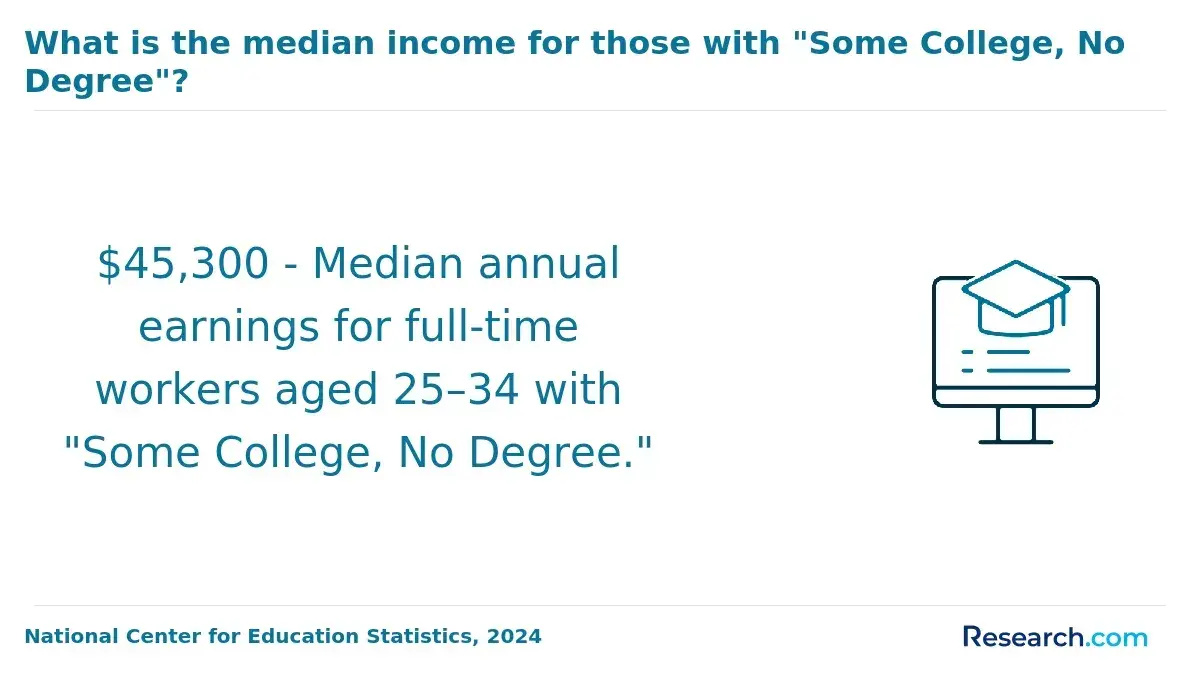
However, students pursuing these degrees should weigh the financial payoff against effort; median early-career salaries for online public health bachelor's holders stand near $37,500, increasing to about $60,500 mid-career. This reflects a moderate salary trajectory that requires strategic consideration of opportunity costs and long-term industry positioning.
How long do online community health degrees take and what do they typically cost?
Online degrees in community health present a clear tradeoff between time commitment and financial cost, especially for working adults balancing professional demands. Completing a bachelor's degree, such as a BAS in public health, generally requires around four years of full-time study but can be shortened to three with continuous enrollment or transfer credits. Associate degrees typically span two years. Part-time enrollment extends timelines but reduces immediate expense and work disruption.
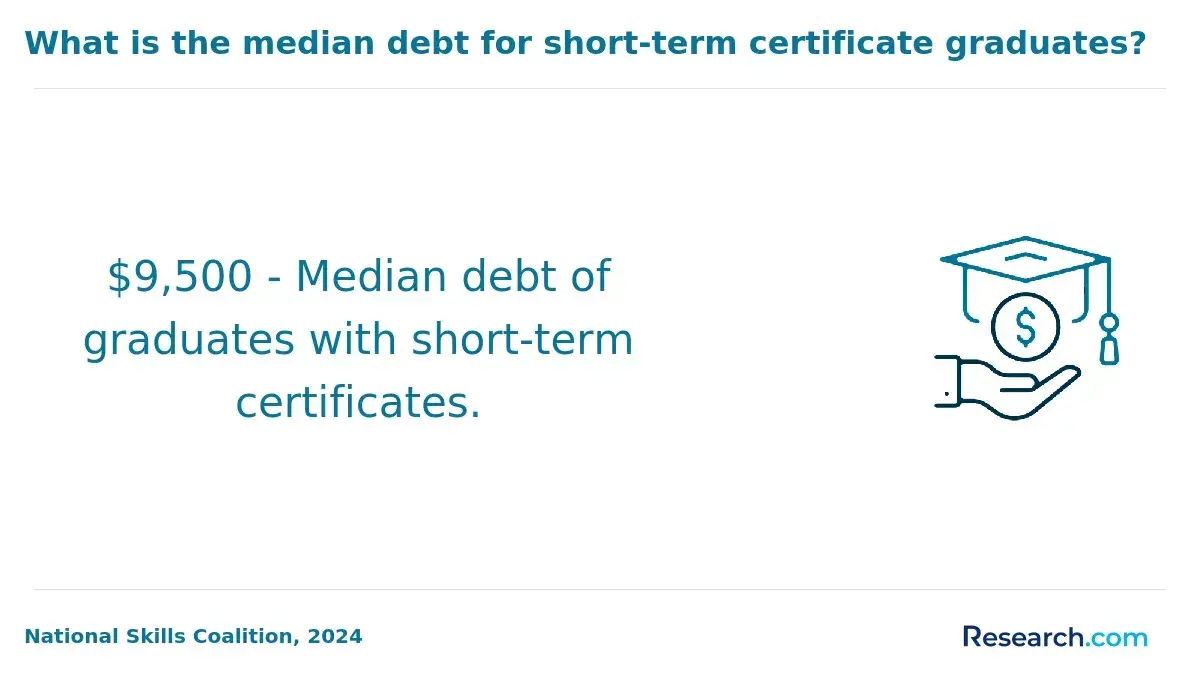
Financially, the median annual cost for an online BAS in public health at Georgia Military College is $8,415, placing total bachelor's program costs between approximately $16,000 and $35,000. These figures provide a realistic benchmark, considering varying residency statuses and credit loads. Certificates and associate programs offer lower cost options but limit comprehensive community health expertise necessary for management roles.
Employers in community health increasingly emphasize practical competencies gained through hands-on experience over accelerated program completion. This trend influences hiring decisions more than duration alone. Students should weigh the immediate financial impact of accelerated study against the slower but more affordable part-time pathway, alongside their capacity for self-directed online learning.
Professionals pivoting careers must factor in opportunity costs such as wage loss or reduced hours. Online program flexibility eases scheduling challenges, yet demands sustained self-motivation. Affordability benchmarks like the Georgia Military College cost provide a foundation for informed budgeting and calculating return on investment when pursuing strategic community health credentials.
What careers can you pursue with a community health degree focused on program management?
Program management expertise is often the decisive factor separating effective leadership from superficial oversight in community health roles. Positions like program coordinators or health education specialist supervisors require more than foundational knowledge; success depends on managing logistics, resources, staff, and compliance concurrently.
For example, coordinating a rural vaccination campaign involves detailed planning and navigating limited funding while ensuring timely execution-a complexity that demands targeted program management skills.
Employers explicitly look for candidates capable of multitasking in environments marked by shifting policies and constrained budgets. Those without formal training frequently encounter challenges in optimizing resources or maintaining accurate compliance documentation, which are critical for sustaining project viability and funding.
The U.S. Bureau of Labor Statistics projects a 7% growth rate in health education specialist jobs over the next decade, driven by expanding needs for managing chronic disease outreach, pandemic response, and health equity initiatives. This outlook favors graduates who incorporate leadership, grant writing, and program evaluation into their training to meet escalating employer expectations.
Practical career progression entails balancing diverse administrative responsibilities with on-the-ground realities, adapting plans swiftly as public health data and policies evolve. Employers prioritize professionals who demonstrate robust communication with stakeholders and data-driven program adjustments to maintain effectiveness.
What is the salary outlook for community health professionals in program management roles?
Salary trajectories for program managers in community health programs depend heavily on employer type, organizational scale, and proven management capabilities. Government agencies or large nonprofits typically offer salaries ranging from $60,000 to $80,000, with seasoned professionals overseeing multi-site or federally funded projects earning beyond $100,000. In contrast, smaller community-based organizations often provide $45,000 to $60,000, reflecting tighter budgets despite similar responsibilities.
A critical employer expectation is expertise in data-driven program evaluation, compliance with federal health regulations, and grant writing. For instance, managing a community mental health outreach program demands navigating complex stakeholder relationships and rigorous reporting, skills that command higher salary prospects than standard entry-level roles.
The growth in community and social service roles, projected to add over 300,000 annual openings through 2034 per PublicHealthOnline.org citing U.S. Bureau of Labor Statistics data, intensifies demand for candidates who combine health expertise with effective program oversight.
Potential students should factor in the tradeoff between flexible online degrees and employer preferences for experience or certifications in project management. Programs offering applied learning or capstone projects tied directly to community health scenarios increase practical readiness and salary potential more than theoretical coursework alone. This practical alignment can differentiate candidates in a highly competitive labor market.
How do online community health programs handle practicums, fieldwork, and community-based learning?
Fieldwork placements in community health programs serve as a practical bridge between theory and local impact, but securing quality site assignments presents clear challenges. Programs require students to complete 100 to 300 hours of supervised on-site work, usually near their residence, involving public health clinics, social service offices, or outreach efforts.
The hybrid nature of these programs demands coordination to align student career goals with available placements, which may limit options for those in rural or remote areas.
Programs increasingly offer telehealth or virtual roles to address geographic and scheduling constraints, yet these alternatives must meet stringent accreditation standards to be acceptable. The stakes are tangible: students who do not finish these practicums face delayed graduation and reduced employability, as employers prioritize candidates with measurable community intervention and education experience.
Key skill development during practicum includes needs assessment, intervention planning, and effective communication with diverse populations. For instance, a student concentrating on program management may lead supervised community workshops, gaining experience that employers value for immediate job performance.
Graduates entering community and social service fields earned a median annual salary of $57,530 in May 2024, according to U.S. Bureau of Labor Statistics data cited by PublicHealthOnline.org. This emphasizes the necessity of hands-on practicums as a strategic investment for sustainable, career-focused outcomes.
How can you choose a reputable online community health program aligned with local needs?
Selecting a community health program aligned with local workforce demands requires evaluating more than just course content. Candidates must consider whether the curriculum explicitly addresses prevalent regional challenges-such as rural healthcare deficits or urban epidemic response-since irrelevant theory dilutes employability in niche settings.
For example, students aiming to serve Native American reservations should prioritize programs with specialized modules on indigenous health and tribal governance.
Regional or national accreditation signifies compliance with established academic and professional standards, influencing employer trust and graduate marketability. Programs lacking credible accreditation often hinder job placement despite curriculum claims.
Practical experience through local internships or practicum opportunities directly connected to health departments or community organizations substantially improves employment prospects. Given the U.S. Bureau of Labor Statistics projects approximately 313,700 openings annually in community and social service fields through 2034, programs with proven placement records and strong local partnerships provide tangible workforce advantages.
Prospective students should also examine transparency in employment outcomes and alumni career trajectories, favoring programs that emphasize applied community program management over abstract public health theory.
Moreover, technical support and flexible delivery formats-combining asynchronous learning with synchronous regional cohorts-enhance accessibility for working professionals, enabling skill application within their communities without sacrificing job responsibilities.
Other Things You Should Know About Community Health
Online community health degrees with a focus on program management often demand substantial self-discipline since many courses require simultaneous engagement with complex project work and community-based assignments. Students should expect to dedicate significant time to asynchronous learning and virtual collaboration, which can conflict with full-time employment or family responsibilities. Choosing a program with flexible deadlines and clear expectations is critical to managing workload effectively and avoiding burnout.
Specializing in community program management narrows career opportunities but allows deeper expertise in managing health interventions, which aligns with supervisory and administrative roles. Those targeting leadership or program design positions should prioritize specialized tracks to meet job market demands effectively. Conversely, a broader community health degree may better suit candidates seeking versatile roles across outreach, education, or policy advocacy without an exclusive management emphasis.
Programs that tailor curriculum to address specific regional health issues and engage local stakeholders provide the most relevant skills and networking opportunities. Prospective students should prioritize schools offering partnerships with community organizations within their intended work geography. This alignment ensures practical experience complements academic learning and improves employability by demonstrating contextual understanding to local employers.
References
- Job Outlook and Salaries for Population Health Management | CUNE https://www.cune.edu/news/population-health-jobs
- Online Public Health Degrees: Find Your Program https://www.degreesforgood.org/online-degrees/public-health-programs/
- Careers https://www.publichealthdegrees.org/careers/
- Health and Human Services: Campus & Online Degrees and Careers https://www.publichealthonline.org/human-services/online-degree-programs/
- Online Bachelor’s Degree in Community Health and Wellness https://www.monroeu.edu/academics/undergraduate-programs/school-allied-health-professions/online-bachelors-degree-community
- Online Degree vs. Traditional: Choosing the Right Path https://beal.edu/online-degree-vs-traditional/
- Public Health Practicum https://www.pacificu.edu/public-health/practicum
- Online Health & Human Services Degree https://www.marian.edu/academics/programs/bachelors/online/health-human-services.php
- Our Work – THEnet https://thenetcommunity.org/our-work/
- Community Health and Public Health | University of Phoenix https://www.phoenix.edu/articles/healthcare/community-health-and-public-health-differences.html