2027 Best Online Community Health Degrees for Community Health Worker Careers

Co-Founder and Chief Data Scientist
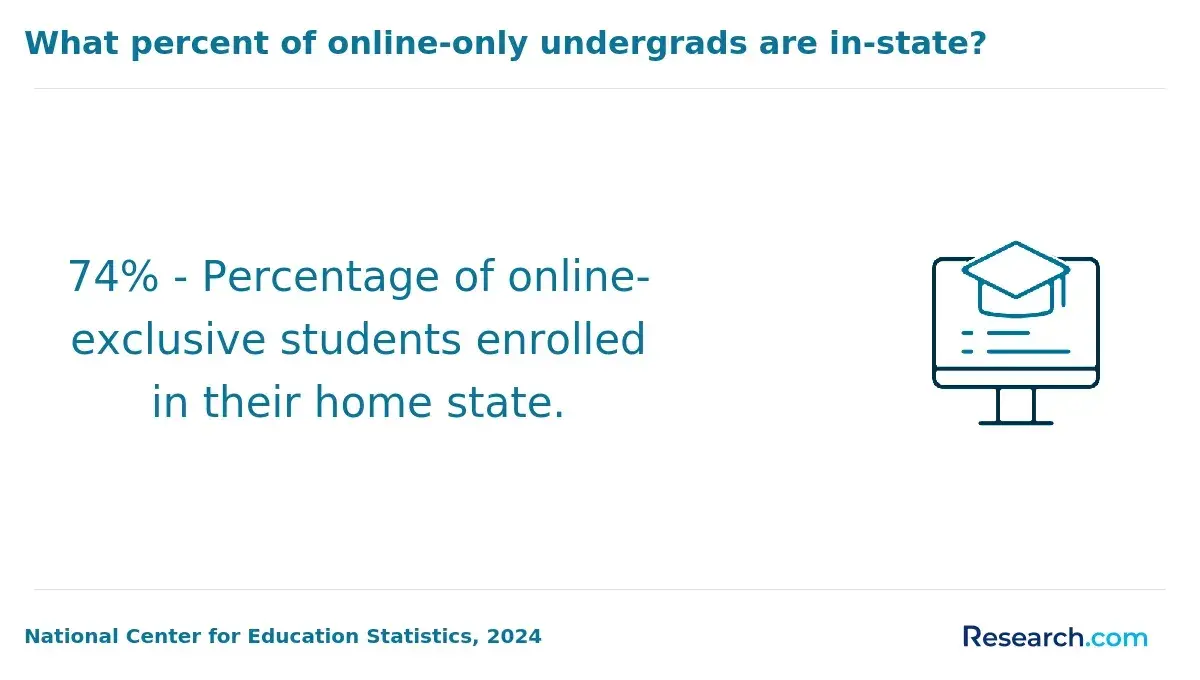
Balancing full-time work and family obligations poses a critical barrier for many aspiring community health workers seeking accredited degrees. The National Center for Education Statistics reports a 15% rise in adult enrollment in online undergraduate programs since 2022, illustrating a growing preference for flexible learning models. This trend reflects a workforce that demands career mobility without pausing income, a constraint especially acute in community health fields tied to local health systems. Prospective students must weigh program accreditation, synchronous versus asynchronous options, and employer recognition when choosing an online path. This article identifies top online community health degrees designed to address these specific challenges and support informed career advancement decisions.
Key Things You Should Know
- Online community health degrees align variably with certification standards across states, creating a tradeoff where low-cost, fast programs often lack key state-mandated competencies, limiting immediate licensure eligibility.
- Employers increasingly prioritize candidates with integrated practicum credits alongside online coursework-over 65% of surveyed agencies in 2024 explicitly require hands-on field hours for hire, impacting graduate job placement.
- Program length and tuition vary drastically, with median total costs ranging from $8,000 to $25,000 and completion times between 12 to 36 months, forcing students to balance financial strain against timely workforce entry.
What is an online community health degree and how does it prepare community health workers?
An online community health degree programs equip students with applied skills targeted at real-world health challenges, preparing community health workers (CHWs) to act effectively in diverse, often underserved populations. Rather than purely theoretical knowledge, the curriculum emphasizes designing interventions, data collection, and local health policy navigation, reflecting employer demand for professionals able to convert research into tangible community outcomes.
Students balancing work or caregiving responsibilities benefit from asynchronous coursework that simulates practical scenarios such as community outreach or needs assessments with constrained resources. This approach accelerates readiness for field roles where communication and problem-solving skills are critical.
Cost is a pivotal factor: data from BestColleges' 2026 analysis of NCES figures show that online MPH candidates averaged $9,293 in net costs for 2019-2020, nearly 50% less than on-campus peers. This reduction supports credentialing without significant debt, but prospective students must assess tradeoffs including limited hands-on fieldwork and networking opportunities inherent in many online formats.
Prospective students should note the relevance of an online community health degree in the broader landscape of health careers. For example, understanding the health information management degree salary spectrum provides insight into adjacent occupational opportunities and wage expectations, clarifying potential career pivots post-graduation.
What types of online community health degrees best support community health worker careers?
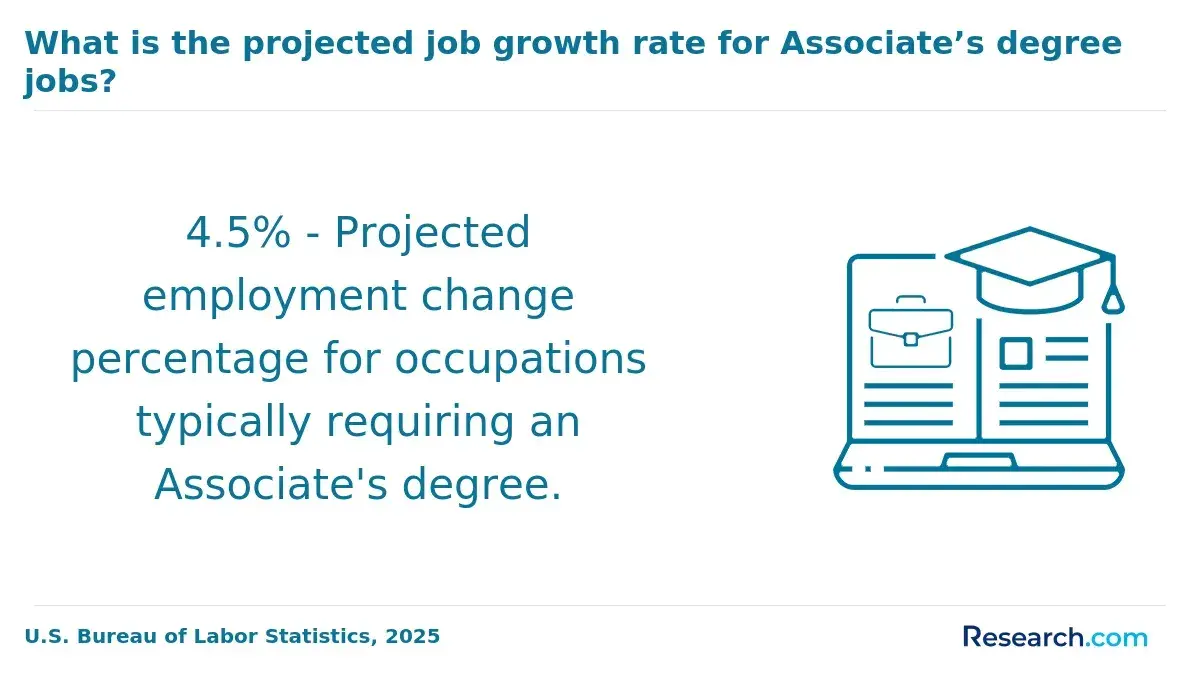
Online community health degrees for community health worker careers must be evaluated with a clear focus on how they align with hiring criteria and real job functions. Associate degrees fit workers aiming for entry-level roles with certification, emphasizing applied skills like community outreach and behavior change. These programs are often more accessible due to shorter duration and lower cost, enabling faster workforce entry.
Bachelor's degrees, prevalent among best online community health programs for community health workers, deliver a significant step up by incorporating epidemiology, program planning, and administrative competencies. For instance, a community health worker pursuing a shift into social and community service management will find employer preferences skewed toward candidates with these expanded skills. U.S. Bureau of Labor Statistics data shows the wage gap between these positions, highlighting how degree level can influence economic opportunity.
Master's degrees in public or community health suit professionals targeting leadership or policy roles but require substantial research capability and time, limiting accessibility without a solid undergraduate foundation. To make an informed decision, students should prioritize programs offering internships or practicums that provide meaningful, hands-on experience-especially critical in competitive urban or specialized markets.
For those exploring advanced options, linking practical credentials with doctoral-level study could enhance career trajectories, as seen in a PhD in healthcare management that merges leadership with advanced research. Balancing these pathways with workload and market demand remains essential to professional growth.
How do you choose an accredited online community health program employers will respect?
Employers in community health increasingly demand graduates from accredited online community health degrees recognized by employers, privileging programs with transparent, CEPH- or regionally accredited credentials that verify competency. For example, a rural health agency hires candidates with fieldwork experience rooted in client engagement, while urban departments prioritize program evaluation skills. Choosing a program lacking practical, employer-validated training can limit employability despite credential possession.
Arizona State University's 2026 outlook projects an 11.3% employment growth for community health workers and a median salary of $51,030, revealing a labor market hungry for credible, well-prepared talent. Programs closely connected to local health organizations and boasting high alumni employment rates visibly enhance workforce entry paths. Conversely, accredited degrees without these real-world linkages may underdeliver on readiness.
Students weighing accelerated nursing programs or community health degrees must consider tradeoffs: accelerated paths offer speed but may sacrifice in-depth interdisciplinary learning valued for long-term adaptability. Flexible scheduling and credit transferability prove essential for working adults balancing commitments. Providers embedded in workforce initiatives tend to update curricula with current data and legislation, aligning education with on-the-ground needs.
Prospective students should assess program outcomes beyond accreditation alone, emphasizing workforce integration strategies that reflect employer expectations and labor trends. This comprehensive approach is vital for those seeking genuine entry or advancement in community health careers.
What are the admission requirements and prerequisites for online community health degrees?
Entry into online community health degree programs typically requires a high school diploma or GED, but many applicants benefit from some college credits or an associate degree already completed. Prerequisites such as biology, psychology, or social sciences prepare students for core topics in health promotion and social service delivery. Given evolving admissions landscapes, some bachelor's programs still consider SAT/ACT scores or placement tests, though test-optional policies have broadened access. Submission of official transcripts demonstrating relevant academic work is standard, while documented professional or volunteer experience in relevant fields strengthens applications. This reflects a practical balance between academic readiness and real-world exposure.
For graduate-level admission, a bachelor's degree in a health-related or social sciences area is generally mandatory. Key prerequisite courses often include statistics, human anatomy, or foundational public health subject matter, helping students avoid remedial sequences that prolong degree timelines. Letters of recommendation and a statement of purpose articulating career aims and community health commitment are frequently required, signaling to employers and programs candidates' communication capability and critical thinking aptitude.
Working professionals seeking career pivots face challenges in balancing prerequisite coursework alongside employment. While online asynchronous formats ease scheduling conflicts, the need to complete prerequisites quickly is emphasized, since financial aid eligibility often depends on full admission status and credited enrollment. Accelerated completion also unlocks earlier access to internships with practical relevance. Considering labor market data-such as a median wage of $57,530 in community and social services roles and $78,240 for management positions-these educational steps directly impact upward mobility. Prospective students aiming for streamlined progression might explore options like the RN to BSN in 6 months to optimize timing and market readiness.
Admission requirements for online community health degree programs demand a pragmatic approach to prerequisites needed to enroll in community health worker online degrees, balancing academic qualifications with workforce realities.
How do online and on-campus community health programs differ in format and flexibility?
Online and on-campus community health programs differ fundamentally in structure, influencing accessibility and skill acquisition. Online formats rely heavily on asynchronous coursework, enabling students juggling irregular schedules or distant time zones to progress without fixed class times. However, this flexibility often comes at the cost of reduced direct interaction with peers and faculty, which can hinder hands-on skill development crucial for clinical or fieldwork experiences sought by employers.
Cost remains a critical factor in evaluating these pathways. For example, Southern New Hampshire University's online BS in Community Health Education charges $354 per credit, totaling $42,480 for 120 credits. Students entering with 60 prior credits can halve this tuition to $21,240, offering significant financial relief for working professionals leveraging previous learning. In contrast, on-campus programs typically impose higher expenses including campus fees and less accommodating credit transfer policies, increasing the overall cost burden.
Employers increasingly expect tangible, practical skills verified through internships or practicums. Online students must independently secure local placements, introducing logistical challenges and potential delays in program completion absent the cohort-based support common in on-campus formats. Selecting between formats requires assessing personal self-motivation, access to community health practicum sites, and financial planning grounded in realistic tuition and transfer credit policies.
What core courses and specializations are included in online community health programs?
Programs in community health emphasize foundational public health principles alongside applied skills such as epidemiology, health promotion, and behavioral science, shaping graduates able to design evidence-based interventions. Essential coursework covers biostatistics, ethics, policy, and research methods that underpin effective needs assessments and program development within various populations.
Specializations tailor skill sets to sector demands-chronic disease prevention, maternal and child health, substance abuse counseling, and health education technology are common paths. These align closely with employer expectations across nonprofits, government agencies, and healthcare providers, often affecting hiring potential more than degree level alone.
Practical experience through fieldwork or capstone projects is highly valued by employers, demonstrating the ability to navigate real-world community challenges. For example, expertise in chronic disease prevention equips graduates for roles managing prevalent conditions in aging or underserved populations, increasing employability in public hospitals or local health departments.
Wage data indicate a median annual salary around $57,530 for community and social service professionals holding associate to master's degrees, suggesting specialization and advanced credentials shape earning potential and career trajectory.
Prospective students must weigh program flexibility, accreditation, and certification alignment, such as with Certified Community Health Worker standards, to balance educational investment against market readiness and long-term career objectives.
How long do online community health degrees take and what do they typically cost?
Choosing between associate, bachelor's, or master's degrees in community health requires weighing time, cost, and career trajectory against employer expectations. Associate degrees can take about two years and cost $6,000 to $20,000 but generally prepare graduates for entry-level positions with slower advancement potential. Bachelor's programs typically span three to four years, bridging foundational knowledge and workforce readiness. Meanwhile, online master's degrees, such as MPH programs lasting around two years full-time, tend to yield stronger employment prospects due to their focus on applied competencies and employer-valued credentials.
Online MPH students often incur roughly half the total cost compared to on-campus peers-for example, an average $18,586 over two years versus $36,400-allowing significant savings for working adults balancing budgets without sacrificing degree quality. Part-time and accelerated options offer flexibility but require careful consideration of pacing against workload and internship demands.
Employers frequently prefer applicants from programs emphasizing practical internships or capstone projects that demonstrate real-world skills, even if this adds to overall time and expense. Prospective students should assess whether shorter degrees' upfront savings justify potential limitations in career progression relative to master's graduates, who often hold an advantage in competitive hiring and promotion contexts.
Key factors to evaluate include:
- Program duration aligned with professional and personal commitments
- Total cost against long-term return on investment
- Inclusion of experiential learning components preferred by employers
What jobs can you get with an online community health degree as a community health worker?
An online community health degree primarily equips graduates for frontline roles like patient navigators, health educators, outreach coordinators, and case managers, positions typically found in public health departments, nonprofits, healthcare systems, and educational settings. Employers expect these candidates to demonstrate skills beyond basic theory, including cultural mediation, complex social needs assessment, and resource linkage, with practical experience often necessary to stand out.
Community health positions vary regionally: for instance, a community health worker in a rural clinic might reduce hospitalizations by connecting isolated patients with telehealth and social resources. Conversely, urban roles frequently focus on chronic disease prevention or behavioral health outreach, requiring navigation of complex bureaucratic systems to improve care access.
Salary ranges for these roles generally fall between $35,000 and $50,000 annually, influenced by geographic and organizational factors as well as certifications. Degree programs incorporating practicum opportunities tend to improve employability by aligning with employer demands for applied skills.
Students must weigh immediate workforce entry against long-term advancement requiring additional credentials, such as public health specialization or management. Verification of program offerings in specialized tracks like health promotion or epidemiology can enhance job market relevance and support distinct career objectives.
How much do community health workers earn and what is the job outlook?
Choosing a career path in community health involves navigating significant variation in wage potential and role responsibilities depending on employer type and geographic location. While median earnings of $57,530 for community and social service professionals surpass the overall U.S. median wage, entry-level outreach positions often start lower. Employers such as government agencies and large healthcare systems generally offer higher salaries and more comprehensive benefits than small nonprofits or local programs.
Practical advancement depends largely on supplementing foundational credentials with specialized training in areas like epidemiology, environmental health, or data analysis. Candidates who focus on these niches tend to access the upper salary ranges and more strategic roles within public health domains.
The U.S. Bureau of Labor Statistics projects a 13% job growth rate from 2022 to 2032 for community health workers, reflecting growing demand driven by aging populations and increased emphasis on preventative care in underserved communities. However, this growth also means rising competition and a need for continued credential enhancement.
Prospective students and working professionals should weigh the tradeoffs between the typically lower starting wages for outreach positions and the long-term benefits of sector-specific expertise. Targeting roles through online degrees or certifications connected to epidemiology research or environmental health programs can materially improve job prospects and earning potential within this expanding field.
Do community health workers need certification or licensing, and how do degrees help?
Certification alone often limits access to entry-level community health positions, while combining it with a degree expands both role complexity and earning potential. Employers in federally funded and governmental programs typically prefer candidates holding at least a bachelor's degree when assigning management, coordination, or analytical tasks. These roles demand skills beyond what standard certifications provide, including data interpretation, grant writing, and health program development.
Degree programs integrate policy, research methods, and leadership training, addressing practical gaps that certifications often overlook. For example, a graduate with a bachelor's or master's degree paired with the Certified Community Health Worker (CCHW) credential is more competitive for specialized positions in epidemiology support or health policy advising within health departments and non-profits.
Online graduate degrees such as the MPH offer a pragmatic alternative, reducing barriers of cost and relocation; data from BestColleges' 2026 report shows online MPH students spend about $17,800 less than on-campus counterparts over two years. This financial difference can be decisive for working professionals balancing income and study commitments.
Prospective students should weigh their intended job functions carefully:
- Frontline outreach roles often require certification only.
- Advanced roles demand degrees plus certification for meaningful career mobility.
Aligning educational choices with employer expectations, workforce needs, and financial constraints creates a more strategic pathway into community health sectors.
Other Things You Should Know About Community Health
Most accredited online community health degrees require a practicum or fieldwork component to ensure practical experience. The quality and location flexibility of these experiences vary widely; students should prioritize programs that offer partnerships with reputable local agencies or health departments. Without meaningful fieldwork, graduates often face gaps in employer expectations regarding community engagement and intervention skills.
Shorter programs, such as certificate or associate degrees, enable faster entry into entry-level roles but limit advancement and salary potential without further education. Bachelor's and master's programs take longer but provide stronger credentials sought by employers for leadership or specialized roles. Candidates must weigh urgency to enter the workforce against the longer-term benefits of advanced degrees.
Specialized concentrations in community health degrees allow students to focus on niche areas like mental health, nutrition, or epidemiology, enhancing expertise and employability in specific roles. In 2027, these programs can provide tailored skills for rapidly evolving healthcare needs, often leading to more targeted job placements and career growth.
Synchronous classes provide structured interaction and networking opportunities that can enhance learning and build professional connections, which many employers value. Fully asynchronous formats offer maximum flexibility but may reduce engagement, potentially affecting skill acquisition and mentorship access. Prospective students should choose based on their capacity for self-discipline and need for real-time collaboration.
References
- Becoming a Community Health Worker: Degree, Duties & Salary https://www.naturalhealers.com/community-health-worker/
- Careers in Community Health - MPH Online https://www.mphonline.org/community-health-jobs/
- Online Bachelor’s Degree in Community Health and Wellness https://www.monroeu.edu/academics/undergraduate-programs/school-allied-health-professions/online-bachelors-degree-community
- Community Health Workers: Salary, Skills and Career Outlook | CareerMatch https://careermatch.tech/careers/community-health-workers/
- Community Health Worker Job Guide | MSU Denver https://www.msudenver.edu/innovative-lifelong-learning/blog/community-health-worker-jobs/
- What Can You Do With a Community Health Degree | CUNE https://www.cune.edu/news/what-can-you-do-with-community-health-degree
- Community Health Worker Certification and Lived Experience https://www.pearsuite.com/post/community-health-worker-certification/
- What does a nursing assistant do? https://apexlearning.org.uk/online-health-and-social-care-courses-are-they-recognised-by-employers/
- Master of Health Administration - Online https://www.unthealth.edu/tcom/public-health/online-master-of-health-administration.html
- Community health workers: Salary, career path, job outlook, education and more - RaiseMe https://www.raise.me/careers/community-and-social-service/health-educators/community-health-workers/