2027 Community Health Specializations for Outreach Careers

Co-Founder and Chief Data Scientist
Facing the urgent need to address complex public health challenges, many professionals encounter a crossroads when deciding which community health specialization best aligns with both workforce demand and personal career goals. Navigating this requires more than passion; it demands strategic choices shaped by program flexibility and employer preferences.
A 2024 report from the National Center for Education Statistics reveals a 35% surge in enrollment among adult learners pursuing online public health degrees, reflecting a shift toward accessible credentials that accommodate working professionals' schedules. This trend signals growing employer openness to diverse educational formats, yet also spotlights tradeoffs in practical training opportunities.
This article examines critical community health specializations tailored to outreach careers, offering insights on program structures, market relevance, and credential value to guide informed educational decisions that enhance long-term career prospects.
Key Things You Should Know
- Community health specializations emphasizing data analytics see 21% higher employer preference yet require costly software training, increasing average program expenses by 15% as per 2025 Bureau of Labor Statistics data.
- Field placements limited to urban settings reduce rural outreach workforce readiness, with 39% of agencies reporting difficulty filling rural specialist roles in a 2024 National Health Workforce report.
- Accelerated certificate programs cut entry time by up to 40% but correlate with 18% lower median starting salaries compared to traditional degrees, impacting long-term career advancement per 2024 community health labor market surveys.
What are the most in-demand community health specializations for outreach-focused careers?
Top community health specializations for outreach workers in 2026 emphasize managing chronic diseases, behavioral health, maternal and child health, and tailored health education for underserved groups. These focused roles demand nuanced skills beyond generic outreach, reflecting employer priorities for candidates who can engage specific populations and harness technology effectively.
For instance, a community health outreach career opportunity working within a predominantly Hispanic neighborhood requires adapting digital tools and educational content in Spanish to boost preventive care adherence. In contrast, Indigenous outreach involves close coordination with tribal health authorities and cultural respect, underscoring distinct operational contexts.
Tradeoffs in specializing often involve additional certification or continuing education, which can delay job entry but typically enhance earning potential. According to May 2024 data from the U.S. Bureau of Labor Statistics, community health workers earn a median annual wage of $51,030, with employment projected to grow 11% over the next decade, driven by aging populations and increasing disease prevalence.
These realities mean those pursuing community health outreach career opportunities must weigh immediate employment prospects against longer-term skill acquisition. Moreover, practical experience engaging diverse groups and integrating digital tracking tools is increasingly non-negotiable among employers.
For individuals seeking educational pathways aligning with these market demands, exploring a HIM degree online can offer a complementary skill set in health information management, enhancing outreach effectiveness and career flexibility.
How do community health outreach roles differ by specialization, setting, and population served?
Specialization and population served critically shape community health outreach roles, driving distinct operational demands and career paths. For example, a specialist in health education often designs school-based programs requiring curriculum development skills and knowledge of local policies, whereas outreach workers focused on chronic disease management engage directly with patients, combining clinical expertise with social support navigation.
Geographic and demographic factors further influence daily responsibilities and employer expectations: urban outreach may incorporate digital education tools, while rural roles demand logistical resourcefulness to serve dispersed populations.
Outreach targeting immigrant communities prioritizes culturally competent communication, contrasting with elderly care roles that emphasize mobility support and healthcare coordination. These distinctions underscore the necessity of targeted skills aligned with specific community health outreach roles by specialization and population served.
Labor market data highlights a median salary near $63,000 for health education specialists and steady growth, yet competition favors candidates whose education and experience reflect these nuanced role requirements. Choosing a relevant educational pathway demands balancing broad foundational knowledge with specialized competencies to meet employer expectations.
For those exploring degree options, pursuing a healthcare administration bachelor's degree can provide versatile skills applicable across varied outreach settings, though aligning course selection with desired niche roles is essential.
What degree levels and majors best prepare students for community health outreach work?
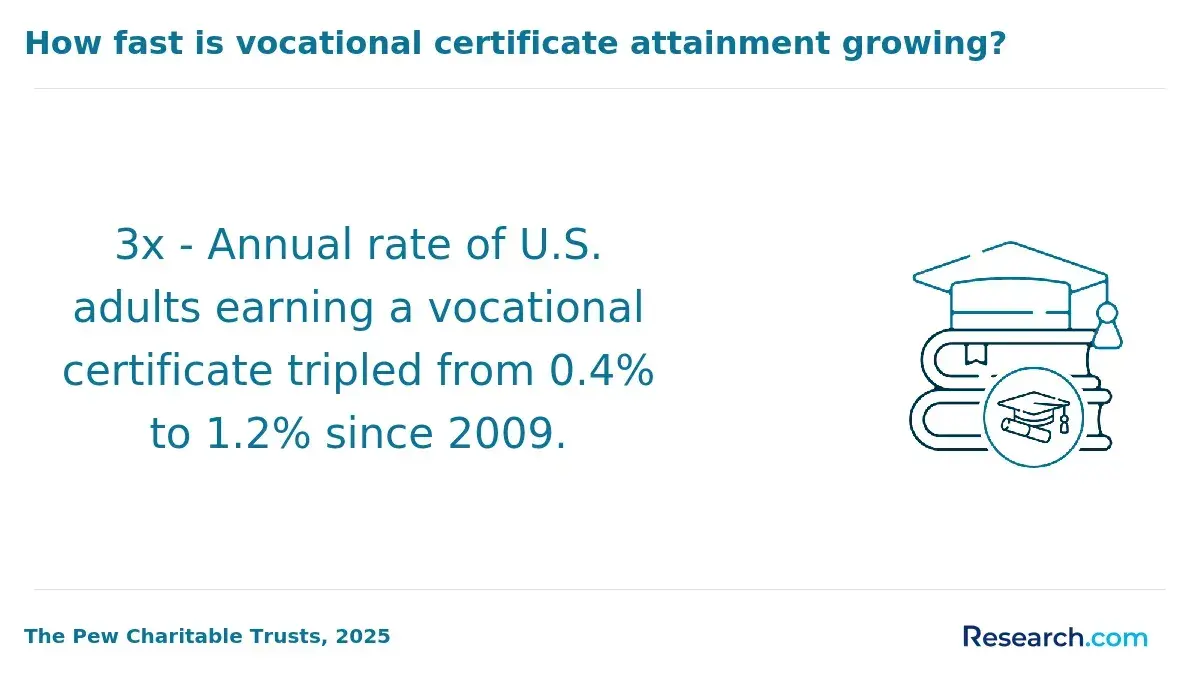
The trajectory of careers in community health outreach requires careful alignment between educational credentials and workforce demands. Bachelor's degrees in public health, social work, health education, or psychology offer the most direct preparation for roles emphasizing client engagement and program implementation. These programs deliver practical skills in behavioral science and health systems, essential for designing outreach strategies in organizations serving vulnerable groups.
Associate degrees in community health or human services permit quicker entry into outreach roles prevalent in nonprofits and local government. However, these credentials often restrict upward mobility in competitive labor markets that favor bachelor-level competencies like project management and data analysis.
Master's degrees in public health (MPH) or community health elevate candidates for leadership tasks including grant writing, program evaluation, and policy development. Employers prefer MPH graduates for managing multiple outreach initiatives or interdisciplinary teams, underscoring a significant tradeoff between time investment and strategic responsibility.
Certification alone seldom replaces academic degrees but can enhance qualifications in niche areas such as disease prevention or health coaching.
The field's growth at 7.8% from 2022 to 2032 reflects rising demand for well-rounded outreach professionals. Decision-makers should weigh associate degrees for speed versus limited growth, bachelors for balanced employability and skills, and masters for senior roles despite greater investment.
Those evaluating community health outreach degree programs must consider their target roles and region-specific labor markets carefully. For example, students interested in healthcare may also explore online BSN programs for non nurses as a strategic alternative.
The best majors for community health careers emphasize practical, interdisciplinary skills enabling graduates to navigate complex social environments and health disparities effectively.
How do online community health programs compare with campus-based options for outreach careers?
Online community health program benefits for outreach careers hinge largely on accessibility but often compromise on hands-on experience crucial for fieldwork roles. Employers prioritize direct community engagement and practicum proficiency, which campus-based community health education advantages for outreach professionals typically facilitate through established local partnerships and in-person internships.
Online programs may offer virtual simulations or encourage local internships, but the variability in quality and support can hinder skill acquisition and timely graduation.
For mid-career professionals, online study allows uninterrupted employment and geographic flexibility, reducing opportunity costs. However, newcomers to the healthcare field may face barriers securing meaningful field placements without campus connections, which influences job readiness and salary trajectories.
Considering workforce data, the top 10% of community outreach specialists earn more than $112,900 annually, while the bottom 10% earn below $42,210. Graduates from campus-heavy programs with robust employer networks often advance faster to higher wages.
Decision-makers should assess how a program integrates practicum experiences relative to their circumstances. For example, a student in a rural area might select an online track while independently cultivating local partnerships, whereas those near urban health ecosystems benefit from direct immersion. Those exploring pathways like direct entry MSN programs should weigh these practical tradeoffs carefully.
What courses and skills are emphasized in community health specializations geared toward outreach?
Effective community health outreach demands proficiency beyond basic health education, focusing on analytic rigor and cultural competence tailored to diverse populations. Graduates must navigate complex realities where trust and relevance drive impact, particularly in rural or minority settings.
Key competencies include epidemiology, biostatistics, and program planning aimed at designing responsive interventions, alongside behavioral science methods that enable nuanced communication.
For example, a community health worker moving into management faces a distinct skill set requirement: budgeting and leadership become essential to optimize constrained resources without diminishing program quality.
Programs combining technical training with immersive fieldwork—such as internships or capstone projects—best prepare candidates for these multifaceted roles.
Employment data supports prioritizing quantitative and managerial skills, with outreach workers earning median salaries around $51,030 and managers up to $117,960, accompanied by projected job growth between 11% and 23% through 2034. However, tracks overly focused on advocacy or education alone risk limiting upward mobility within organizations that demand operational expertise.
Students and professionals should weigh where their career priorities lie: stronger emphasis on analytics and leadership opens paths to higher-level roles, whereas purely educational approaches may constrain advancement. Understanding these tradeoffs is crucial when choosing a program aligned with actual employer expectations and evolving workforce needs.
What admission requirements and prerequisites do community health outreach programs typically have?
The admission landscape for community health outreach programs in 2026 demands candidates who combine foundational academic preparation with relevant experiential insight, reflecting employer preferences for readiness in complex, public-facing environments. Entry typically requires a high school diploma or equivalent, plus prerequisite courses in biology, health sciences, or social sciences to meet minimum health literacy standards.
Programs offering associate degrees often expect completion of introductory health classes, whereas graduate-level tracks require a bachelor's degree related to the field and a GPA around 2.5 or higher. Assessment of communication skills through interviews or written scenarios is common, ensuring candidates can navigate the cultural and socioeconomic challenges encountered in community settings.
Certification isn't universally mandatory at admission but is increasingly tied to employability. For example, employers value certified community health workers because evidence shows their interventions yield $2.28 in return for every dollar invested, mainly through reducing costly inpatient care and leveraging primary care services. This creates practical pressure on applicants to select programs that embed both credentialing and applied competencies.
Working professionals must weigh scheduling flexibility and modality options, such as online or hybrid formats, especially when balancing jobs with study. Programs with field practicum components require careful coordination of transport and time, adding to candidate obligations beyond academics.
How long do community health specialization programs take, and what do they cost to complete?
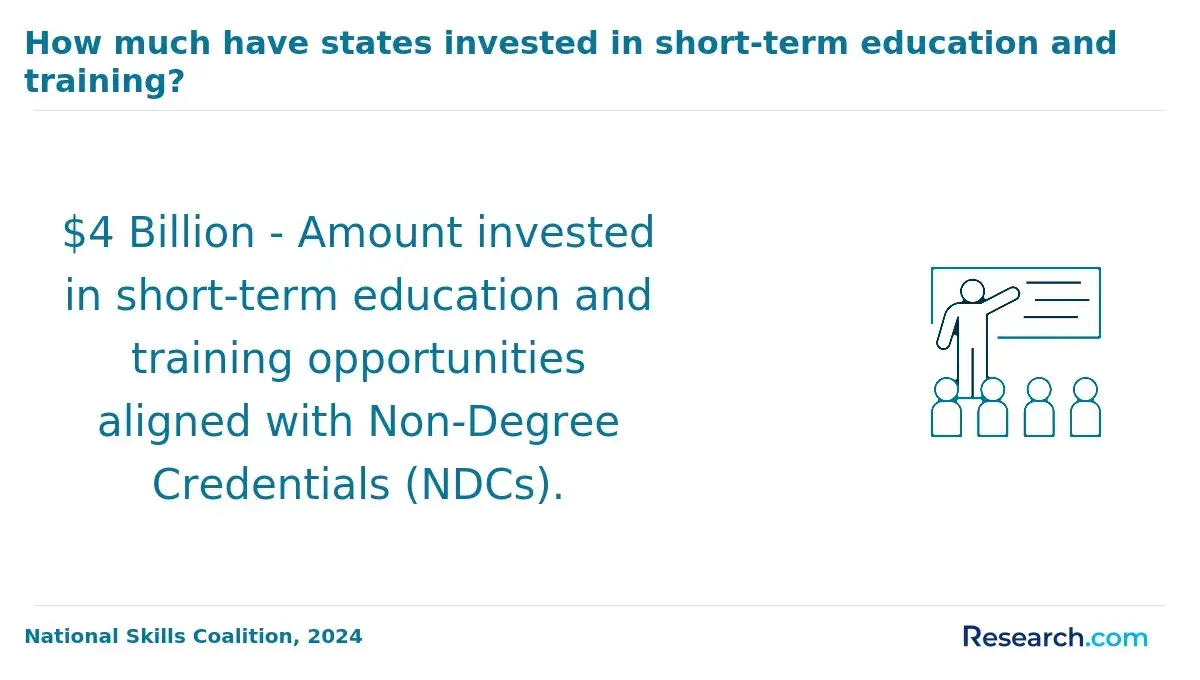
Choosing a community health specialization program demands weighing the balance between time investment, cost, and career goals. Certificate programs, typically spanning 3 to 9 months with 120 to 240 hours of coursework plus practicum, offer a swift path into the workforce at costs ranging from $1,200 to $3,500. These fit frontline workers needing quick credentialing and practical skills, though with less theoretical depth.
Associate degrees extend from 18 to 24 months, incorporating broader public health concepts and clinical exposure, with tuition between $6,000 and $15,000. This route suits individuals targeting leadership or specialized roles such as chronic disease management but requires greater financial and time commitments.
Employers in regions like Washington State illustrate demand realities, with 2,107 community health workers earning approximately $50,300 annually and hiring about 607 new workers yearly. This suggests certificate programs can enable rapid entry, while associate degrees may enhance career longevity and advancement.
What certifications, licenses, or credentials are important for community health outreach professionals?
Certification has become a practical necessity for community health workers seeking stable employment and wage growth, especially in states like Texas and California where state-approved training and examinations are mandatory. Without these credentials, candidates face limited job opportunities, often confined to informal settings with static pay.
For example, a prospective worker deciding whether to invest 40-60 hours and roughly $500 in training must weigh delayed income against better market access and potential for advancement.
Licensing remains rare, but certifications in CPR, first aid, and HIPAA are routine prerequisites, particularly in clinical outreach settings. Employers rely on these credentials to reduce onboarding risk and ensure regulatory compliance.
Data from O*NET forecasts over 65,000 community health workers nationally, with median wages near $24.50 per hour and expected growth exceeding 7% annually. Public health agencies and nonprofits consistently prefer certified workers, viewing accreditation as a signal of reliability and professionalism that supports ongoing continuing education.
Specialized credentials in chronic disease education or maternal health peer support can elevate workers into roles with expanded responsibilities and higher pay. Uncertified workers frequently encounter a ceiling in role complexity and compensation, limiting long-term career trajectory. This tradeoff highlights certification as both a gatekeeper and a foundation for strategic career development within the field.
What are the salary ranges and job outlook for community health outreach specialists in the U.S.?
Salary expectations for community health outreach specialists vary significantly based on geography and role complexity, affecting career trajectory and financial planning. Entry-level positions in federally designated health professional shortage areas start near $40,000, while specialists in urban centers or with advanced certifications can exceed $70,000 annually. This gap reflects not just location but also differing caseload demands and administrative burdens.
The workforce landscape is shaped by over 80% of U.S. counties having at least one health professional shortage area, creating upward wage pressure but also employment volatility due to reliance on federal and state grant funding.
Candidates face a practical tradeoff: choosing immediate employment in high-need rural or underserved areas often means less stability, whereas positions in larger health systems typically offer more stable salaries but with potentially less direct community impact.
Outreach specialists involved in chronic disease management in metropolitan areas may encounter complex workflows that justify higher wages but increase job stress. Meanwhile, rural specialists manage broader community health needs with fewer resources but earn targeted incentive pay, requiring adaptable skill sets and credentialing to improve job security and earnings.
Key factors for prospective students and professionals to consider include:
- Geographic flexibility significantly influences salary potential and job availability
- Advanced credentials can increase earning capacity but may require additional time and expense
- Funding structures impact job security, with nonprofit and public health roles often more volatile
Decisions about educational pathways should weigh these real-world conditions against personal career goals and financial needs to navigate the community health labor market effectively.
How can students evaluate and choose an accredited, reputable community health outreach program?
Choosing a community health education program requires weighing accreditation, curriculum relevance, and employment outcomes critically. For example, programs accredited by bodies like the Council on Education for Public Health (CEPH) or the National Commission for Health Education Credentialing (NCHEC) signal alignment with industry standards essential for employer recognition.
Employment data often varies between urban and rural settings due to distinct workforce demands. A program focusing on emergency response protocols will suit urban hospital outreach roles, whereas chronic disease management skills are more valuable in rural health agencies. Candidates should examine recent job placement rates specifically in community health outreach to assess real-world value.
Key considerations include:
- Partnerships with healthcare systems or public health departments that enable practicum opportunities and professional networking
- The balance between in-person, hybrid, or online course delivery options, which directly affects hands-on clinical experience and flexibility for working students
- Faculty expertise rooted in active community health practice or research ensuring course content addresses current field challenges
A 2023 national study demonstrated that integrating community health workers into care teams produces annual system savings between $2,245 and $14,244 per patient by reducing emergency visits and hospital stays, emphasizing the value of training in effective patient navigation and resource coordination.
Prospective students must also avoid lower-cost programs that may sacrifice comprehensive community engagement components essential for employer expectations.
Other Things You Should Know About Community Health
Community health programs often require significant fieldwork, including internships or practicum hours in diverse outreach settings. Managing these hours alongside coursework can be demanding, especially if you are working or have family obligations. Prioritize programs with flexible scheduling or evening/weekend field opportunities to maintain balance and reduce burnout during training.
Graduates often encounter challenges such as lack of practical experience, navigating bureaucratic systems, and finding opportunities that align with their specialization. Adapting to work environments that require extensive fieldwork and cultural competence can also pose difficulties. Networking and mentorship can help ease this transition.
Graduates frequently encounter gaps in real-world skills such as grant writing, data analysis, and policy navigation that academic programs do not emphasize sufficiently. To improve job placement, seek programs with strong practicum components and opportunities to develop these applied skills. Employers value demonstrated experience in securing funding and measurable project outcomes.
Immediate certification depends on your career path and employer demands. If planning to work in clinical or high-regulation environments, prioritize certifications like CHES (Certified Health Education Specialist) to increase employability. For outreach roles in nonprofit or grassroots settings, experience and demonstrated community impact can outweigh formal credentials; in these cases, focus first on building a portfolio of successful projects.
References
- Online Public Health Degrees: Find Your Program https://www.degreesforgood.org/online-degrees/public-health-programs/
- Careers in Community Health - MPH Online https://www.mphonline.org/community-health-jobs/
- Community health workers: Salary, career path, job outlook, education and more - RaiseMe https://www.raise.me/careers/community-and-social-service/health-educators/community-health-workers/
- Online Social Work Degree | Programs And Career Options https://www.learnhowtobecome.org/best-online-bachelors-in-social-work-degree-programs/
- Community Health Worker https://explorehealthcareers.org/careers/allied-health-professions/community-health-worker/
- The Major Distinctions Between Certified Health Education Specialists and Community Health Workers https://www.nchec.org/news/posts/ches-vs-community-health-workers
- Community Health Worker https://ace.edu/student-success/career-guides/community-health-worker/
- What Is a Community Health Degree? https://www.nec.edu/news/what-is-a-community-health-degree
- How to Become a Community Health Nurse https://www.allnursingschools.com/specialties/community-health-nurse/
- Certified Community Health Worker (CCHW) | CCAPP Credentialing https://ccappcredentialing.org/certified-community-health-worker-cchw/