2027 Best Online Community Health Programs for Professionals Seeking Hospital Outreach Roles

Co-Founder and Chief Data Scientist
For professionals seeking hospital outreach roles, balancing work demands with advancing specialized expertise often proves a decisive challenge. The Bureau of Labor Statistics projects a 12% growth in community health occupations over the next decade, driving up competition and raising employer expectations for candidates who demonstrate both practical skills and flexible credentials. Yet many reputable programs still follow rigid schedules, limiting access for working adults. This tension forces candidates to either compromise income stability or delay career advancement indefinitely. Understanding which online community health programs combine accessibility, accredited curriculum, and employer recognition is vital for strategic career navigation.
This article outlines top options to help professionals identify the best fit for meaningful hospital outreach roles while optimizing time and resource investment.
Key Things You Should Know
- Programs emphasizing hospital outreach integration yield 15% higher employment rates per Department of Labor data, but require candidates to invest 20% more time in cross-sector skill training, delaying workforce entry.
- Employers prioritize candidates with verified practicum experience in diverse patient populations, with 68% of hiring managers listing this as a top criterion, intensifying pressure on program selection.
- Cost disparities among top-ranked programs vary by up to 35%, impacting access for mid-career professionals; federal grants cover less than 25% of expenses, influencing timing and financial planning.
What are the best online community health programs for hospital outreach roles?
Hospital outreach roles demand more than foundational knowledge, requiring state-recognized certification and practical skills tailored to evolving care environments. The best online community health training programs for hospital outreach professionals integrate accredited coursework with adaptable fieldwork and simulations that prepare candidates for diverse settings-from urban trauma centers to rural clinics.
Programs emphasizing chronic disease management, behavioral health coordination, and health IT align closely with employer expectations, addressing the multifaceted challenges of patient advocacy and healthcare navigation. Candidates should prioritize programs offering official Community Health Worker (CHW) certification aligned with their state's requirements, as many hospital outreach positions mandate this credential to validate both competency and employability.
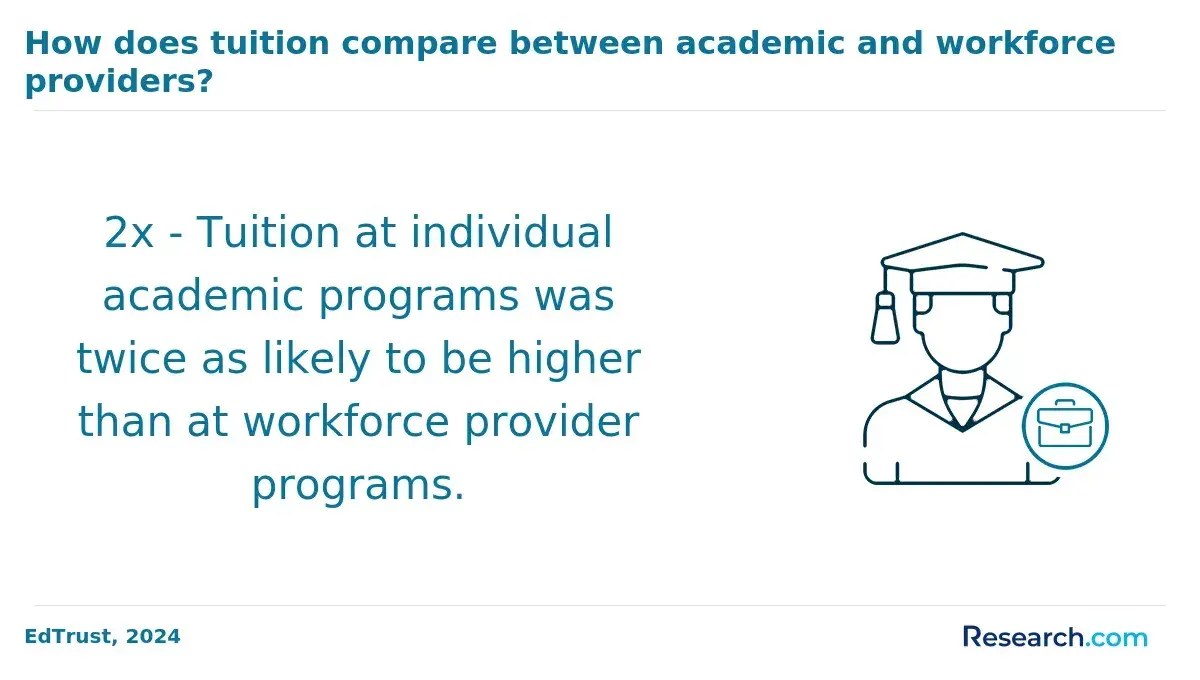
Short-duration certificates (6 to 12 months) delivered online provide a pragmatic path for working professionals aiming for rapid entry but often offer limited public health theory, potentially restricting advancement opportunities. In contrast, courses embedded within community college or university frameworks may offer transferable credits toward bachelor's degrees, supporting long-term career trajectories and leadership potential.
Calbright College projects a 13% growth in California's community health workforce by 2035, estimating 27,000 openings and starting salaries near $57,000. This growth highlights how programs that incorporate data collection, patient education, and digital health platform skills meet increasing hospital demand.
Those evaluating options should consider how their program's practical orientation and credentials match both employment criteria and evolving sector competencies. For broader academic pathways or alternative public health focuses, an environmental health and safety degree online might offer complementary expertise.
Top accredited community health courses for hospital outreach roles balance affordability, employer recognition, and curriculum relevance to social determinants of health and digital healthcare tools.
How do online and campus community health programs compare?
Choosing between online and campus community health programs requires weighing flexibility against immersive experience, especially in hospital outreach roles where practical skills and local engagement are paramount. Employers, guided by data such as the American Hospital Association's finding that 70% of U.S. hospitals perform formal community health needs assessments, prioritize candidates with proven hands-on involvement addressing social determinants of health. Campus programs offer distinct advantages in this regard through direct patient interaction, on-site internships, and peer collaboration-elements closely mirroring hospital outreach realities.
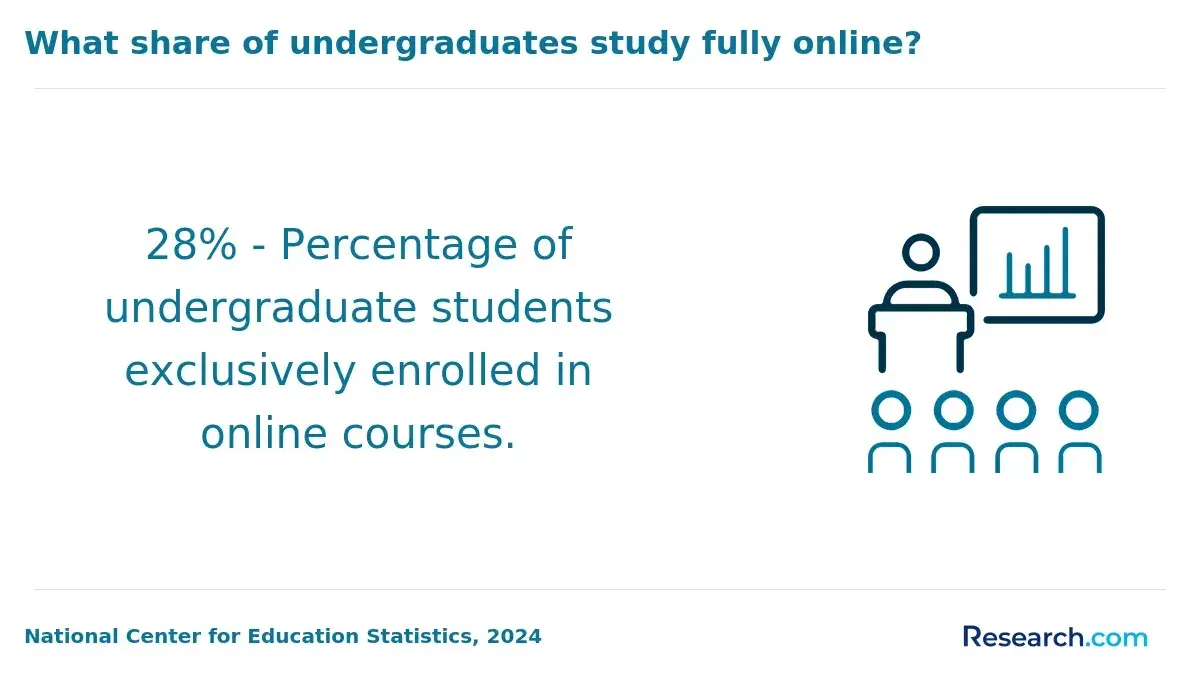
In contrast, online formats excel for working professionals needing adaptable schedules, incorporating virtual simulations and remote projects. However, online students face the additional challenge of independently securing relevant local fieldwork, demanding stronger self-direction and proactive networking. This tradeoff is a pivotal consideration in the comparison of online and campus community health programs.
Decision-making often hinges on individual circumstances: those prioritizing immediate credentialing and flexibility may pursue online routes but must supplement theory with external practical engagement; others seeking structured, supervised exposure in healthcare environments will find campus programs more aligned with employer expectations.
The benefits of online versus campus community health education extend beyond format-it shapes employability and integration into hospital outreach teams. Evaluating how programs link theory to fieldwork and community interaction is essential. For a tailored overview of flexible yet reputable pathways, consider exploring options including an online PhD in healthcare management.
What accreditation should community health programs have?
Employers in hospital outreach consistently favor candidates from accredited community health programs for hospital outreach professionals because only these programs align curriculum with evolving regulatory demands and practical competencies. Without accreditation from bodies like the Council on Education for Public Health (CEPH) or the National Commission for Health Education Credentialing (NCHEC), programs tend to deliver outdated material, leaving graduates underprepared for roles centered on epidemiology, health promotion, and program planning.
Certification requirements heavily influence job market access. For example, the Certified Health Education Specialist (CHES) credential, mandated by many employers, depends on foundational knowledge gained through accredited education. Absence of accreditation impedes candidates' ability to obtain this certification, limiting entry to approximately 16,000 annual hospital outreach positions identified by the U.S. Bureau of Labor Statistics via Hazard Community & Technical College. This credential also affects salary trajectories and career mobility.
Program modality poses a practical consideration: accredited online programs must effectively coordinate practicum experiences to meet certification eligibility. Candidates often face difficulty distinguishing programs claiming accreditation from those verified with sufficient applied practice essential for real-world challenges like cultural competency and stakeholder collaboration. Prioritizing transparent accreditation, confirmed fieldwork partnerships, and labor market alignment remains critical for those pursuing community health programs in hospital outreach.
For those evaluating options including healthcare administration masters, understanding these practical tradeoffs is essential to avoid barriers in certification and employment.
What courses are included in online community health curricula?
Hospital outreach roles demand community health professionals who combine foundational knowledge with practical skills tailored to diverse populations. Online community health outreach training programs typically include core courses in health education, emphasizing clear communication strategies suitable for varying literacy levels. A solid grasp of public health principles, including social determinants of health and epidemiology, equips workers to identify community risks and design targeted interventions relevant to hospital outreach settings.
Cultural competency and ethics training are essential to meet employer expectations for respectful patient engagement across backgrounds. Data collection and reporting expertise enables professionals to assess community needs accurately and track outcomes critical for sustaining funding. Practical components such as case management, motivational interviewing, and chronic disease prevention reflect direct hospital outreach demands, especially for managing high-risk patients and coordinating social and healthcare resources effectively.
Employers increasingly prefer candidates with verifiable credentials. Notably, the Illinois Community Health Workers Association highlights that some accredited entities now offer free online CHW certification, cutting initial training costs to zero. This financial accessibility can significantly ease barriers for entry, improving workforce diversity and program completion rates.
Choosing training pathways also involves practical tradeoffs. For those evaluating advanced degrees, options like the cheapest RN to BSN online Texas highlight affordability as a critical factor when mapping career transitions or expansions.
What admissions requirements do these programs usually ask for?
Admissions for online community health programs aimed at hospital outreach roles typically require a bachelor's degree, prioritizing candidates with relevant majors and a GPA near 3.0 to ensure readiness for graduate-level rigor. These criteria serve as initial filters but also reflect a tradeoff: applicants lacking recent academic records face a steeper hurdle, especially if professional experience is limited or test waivers are not granted.
Practical exposure is critical. Most programs expect one to two years of healthcare, social service, or public health experience. This prerequisite aligns with employer demands for applied knowledge in managing population health within hospital settings, where understanding complex social determinants informs effective outreach.
Applicants must also submit targeted recommendations and a goal statement connecting career aims directly to hospital outreach challenges. These components differentiate candidates by highlighting analytical skills and contextual insight rather than generic motivation.
Application timelines vary but delays in securing documents can impede entry, adversely affecting market readiness. Programs often require foundational coursework in biostatistics, epidemiology, and health policy before advancing, ensuring students possess necessary quantitative and policy frameworks.
The Princeton Review's 2026 data shows average salary increases of 20-30% within a year post-graduation, confirming a tangible financial benefit. However, candidates should weigh this gain against the upfront challenges of program entry and the necessity of specific prerequisite knowledge, balancing immediate skill gaps against longer-term earning potential.
How long do online community health programs usually take?
Choosing an online community health program requires close attention to program length and its impact on workforce reentry. Typical durations range from 18 to 36 months, influenced by degree level, curriculum rigor, and attendance status. For instance, an MSN focused on community health nurse practitioner roles usually spans 2 to 3 years full-time, with part-time tracks extending beyond 3 years to accommodate clinical employment demands.
For working RNs, this investment translates into measurable economic gains: completing a 24-month MSN can raise median salaries to approximately $117,000 annually, surpassing general registered nurse wages significantly. However, clinical placement complexities-such as limited local partnerships-can add months to completion time, which may delay salary uplift and professional advancement.
Employers engaged in hospital outreach expect candidates to enter the field with current community health competencies within a 2 to 3-year window. Delays beyond this risk skill atrophy and stunted career progression. Practitioners must critically assess if programs offer flexible clinical scheduling or accelerated modules to align with professional obligations, balancing course demands and clinical hours to minimize downtime.
How much do online community health programs cost?
Investing $1,000 to $5,000 in professional online programs for hospital outreach roles in community health requires a clear-eyed evaluation of program scope and job market alignment. Short-term, skills-focused courses priced between $1,000 and $2,000 can offer fast, targeted upskilling that often leads to quicker placement in outreach positions-especially when content emphasizes chronic disease management and maternal-child health, as Harvard Online's "Strengthening Community Health Worker Programs" outlines. These condensed programs suit working professionals prioritizing immediate, applied skill acquisition over lengthy credentials.
Programs costing $3,000 to $5,000 typically include advanced modules, supervised practicums, or specialized certification that command greater employer recognition in hospital settings. While the higher cost may translate into stronger credentials, candidates must weigh this against indirect costs such as technology access, textbooks, and unpaid clinical hours. Notably, employers expect evidenced practical ability rather than mere completion, favoring programs with measurable outcomes.
Financial aid and employer tuition support may offset expenses, but students should consider how each program's format fits their career trajectory and available time. The key tradeoff lies between accelerated entry through focused training versus broader certification that might enhance long-term opportunities but delay workforce integration.
What hospital outreach jobs can community health graduates pursue?
Hospital outreach roles available to community health graduates hinge on navigating complex operational and cultural challenges inherent in institutional care settings. Positions like community health outreach coordinators act as essential intermediaries who connect hospital providers with underserved populations, balancing program scope against engagement depth. For example, patient navigators not only guide individuals through treatment protocols but also must account for social determinants that frequently undermine retention and health outcomes.
Hospitals increasingly embed cultural competency training within outreach teams to improve communication and trust with racially and ethnically diverse patients. Graduates skilled in diversity, equity, and inclusion (DEI) amplify these institutional efforts by designing and implementing responsive programs informed by frameworks such as HHS's Think Cultural Health initiative.
Operationally, these roles demand rigorous data tracking and collaboration with clinical staff to customize interventions while managing the tradeoff between service volume and meaningful impact. Enhancing employability often requires certifications in health education, health coaching, or specialized hospital outreach tools, which signal readiness to handle both the interpersonal and administrative facets of these positions.
Ultimately, hospital outreach jobs represent a strategic foothold for candidates seeking to embed equity-driven approaches within systemic care delivery, though candidates must weigh the practical demands against their own capacity for cultural sensitivity and operational flexibility.
What salary can community health outreach professionals expect?
Salary potential for community health outreach professionals varies significantly based on skill specialization and workplace setting. Entry-to-mid-level roles in hospitals typically offer $45,000 to $65,000 annually, influenced by location, employer scale, and credentialing, but those with expertise in advanced data-driven software platforms can command $70,000 to $90,000 or more. This disparity stems from increasing employer expectations for proficiency in population health analytics, referral tracking, and outreach automation software, which have become standard tools in hospital systems.
Urban hospital networks focusing on underserved populations tend to demand mastery of complex community coordination and electronic referral systems, pushing compensation toward the higher end of the spectrum. Conversely, smaller or rural hospitals may offer lower salaries but expect broader role flexibility without reliance on specialized digital tools.
Advancing into management or health data analysis roles almost invariably requires additional certification or degrees, such as in health informatics. While these qualifications can boost salaries by $10,000 to $20,000 annually, they involve upfront educational costs and substantial time investment, which prospective candidates must weigh against long-term income benefits. Monitoring local job listings for required technical skills and credential trends provides a practical gauge of viable career trajectories in hospital outreach settings.
How do you choose a reputable online community health program?
Programs in community health that lack alignment with nationally recognized training and accreditation create significant risks for graduates trying to enter hospital outreach roles. The National Association of Community Health Workers connects thousands of professionals to programs aligned with standardized workforce credentials updated since 2024, which in turn correlate with employer expectations. Without such alignment, students may earn certificates that carry little weight in hiring decisions.
Practical training focused on scenario-based exercises and simulated patient interactions is essential for employability in hospital settings, where on-the-ground adaptability matters more than theoretical knowledge alone. For example, a candidate trained solely through lectures may struggle with real-time coordination during hospital outreach shifts, which often feature unpredictable emergencies and rotating schedules.
State-specific credential acceptance also complicates program choice; a certificate valid in one region could be insufficient elsewhere unless backed by continuing education or formal accreditation. Programs offering clear pathways to maintain and upgrade certifications are thus more reliable for long-term workforce integration.
Flexible program delivery, particularly asynchronous online content with active instructor engagement, helps accommodate shift work demands. However, evaluating outcomes requires examining transparent graduate employment data from 2024 onward. Programs inflating job placement rates without measurable evidence mislead candidates about return on investment.
Consider these factors carefully to avoid educational pitfalls and ensure credentials translate into sustainable employment in community health hospital outreach roles.
Other Things You Should Know About Community Health
Online community health programs in 2027 present challenges like time management and decreased face-to-face networking opportunities. However, they offer flexibility and access to global resources, making them a viable option for professionals targeting hospital outreach roles.
Online programs vary in their emphasis on applied learning and community engagement, which affects readiness for nuanced hospital outreach. Programs offering hands-on labs, simulations, or partnerships with healthcare providers deliver stronger preparation than those focused primarily on theory. Prioritizing offerings that include real-world casework or practicum with marginalized populations enhances outcome readiness and employer credibility.
Some hospital employers prefer candidates with hybrid or campus experience for leadership or specialized outreach roles due to perceived networking and practical training depth. This can limit advancement in highly competitive settings, especially where collaborative, multidisciplinary coordination is essential. Professionals should target programs with strong alumni networks or employer partnerships to offset these barriers and demonstrate practical competencies beyond the online credential.
Employers prioritize recognized credentials and verifiable experience over the education delivery mode but remain cautious if no practicum or fieldwork is included. Certification alone may not guarantee job readiness without documented community engagement, especially in hospital settings requiring clear evidence of patient interaction and advocacy skills. Candidates should seek programs that embed certification preparation within supervised outreach projects to satisfy employer expectations.
References
- Community Outreach Specialist: Job, Salary & Requirements https://www.appliedbehavioranalysisedu.org/jobs-related-to-applied-behavior-analysis/what-is-a-community-outreach-specialist/
- Health Outcomes Accreditation - NCQA https://www.ncqa.org/programs/accreditations-in-health-outcomes/
- Community Outreach https://we-reachout.org/category/community-outreach/
- Community Health and Public Health | University of Phoenix https://www.phoenix.edu/articles/healthcare/community-health-and-public-health-differences.html
- One moment, please... https://worldwideeduconsultants.com/attachments/article/6/Admission%20Process.pdf
- Public Health Career Salaries: What to Expect Across Roles https://www.scuhs.edu/bshs-article/public-health-career-salaries-what-to-expect-across-roles/
- Requirements - Idaho College of Osteopathic Medicine https://www.icom.edu/admission-aid/requirements/
- Personal & Community Health Online Course | Caduceus https://cipcourses.com/educators/all-courses/personal-and-community-health/
- Understanding the Difference Between Public Health and Community Health https://www.ahu.edu/blog/understanding-the-difference-between-public-health-and-community-health
- Community Health Worker https://chwtraining.mcd.org/