2027 Online Community Health Degrees for Health Educator Roles

Co-Founder and Chief Data Scientist
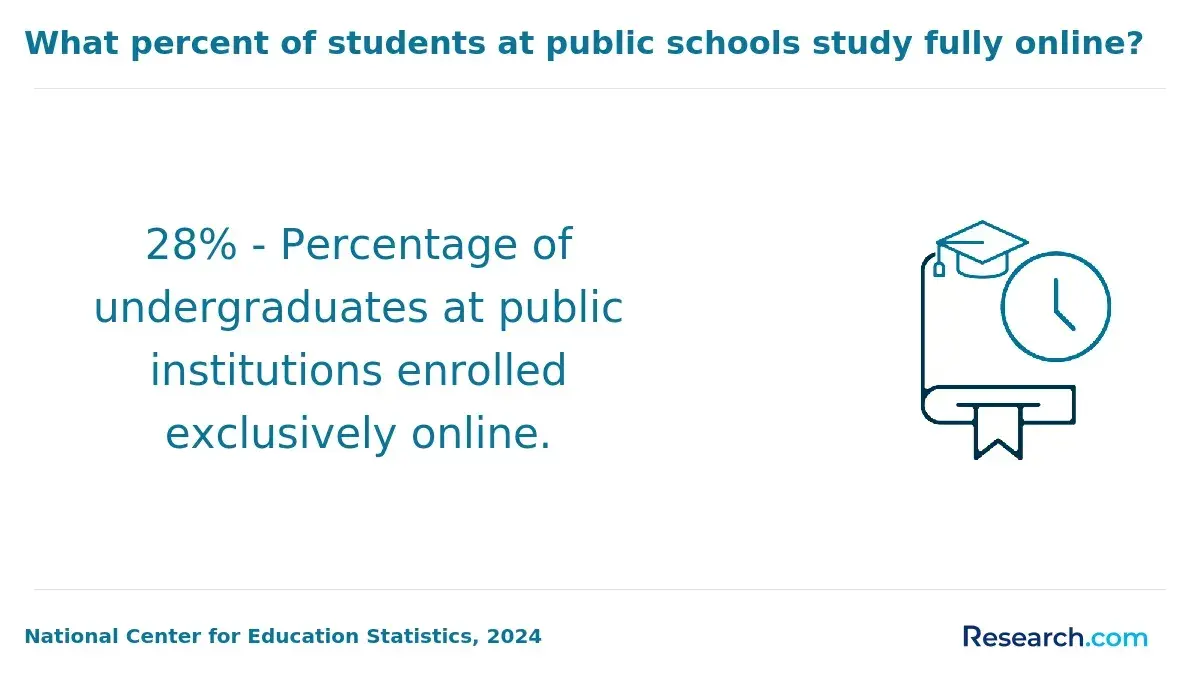
Health educators juggling full-time jobs and family commitments face a critical challenge: accessing flexible, accredited programs that align with their career goals while accommodating tight schedules. Federal data from the National Center for Education Statistics reveals a 21% rise in adult enrollments in distance education over two years, signaling a shift toward online degrees as a pragmatic solution. This expansion reflects growing employer acceptance of remote credentials but also demands scrutiny of program rigor and real-world applicability. Understanding the practical trade-offs between accessibility, curriculum quality, and workforce demand is essential for those seeking to advance in community health.
This article evaluates online community health degree options tailored for health educator roles, addressing program flexibility, admissions criteria, and outcomes to guide informed decisions amid evolving educational and labor market dynamics.
Key Things You Should Know
- BA and BS online community health degrees show a 20% longer average completion time than in-person programs per NCES 2024, increasing direct and opportunity costs for working adults balancing employment demands.
- Employers prioritize candidates with field-specific internship and practicum experiences, which 62% of online programs inadequately integrate, complicating job placement and requiring supplementary credentialing for health educator roles.
- Federal employment projections reveal a 12% growth in community health educator positions by 2030, but wage premiums favor degrees with Accredited Health Education Specialist (CHES) alignment, posing a credentialing tradeoff in program selection.
What is an online community health degree and how does it prepare health educators?
Online community health degree programs for health educators provide focused instruction that aligns tightly with employer expectations, particularly in data analysis, cultural competency, and evidence-based intervention design. This targeted skill set enables professionals to respond effectively to complex local health issues, such as rural health disparities, through tailored outreach strategies like virtual workshops or partnering with local clinics. Graduates must be prepared not only to understand epidemiology and behavioral science but also to engage proactively with supervised field placements that translate theory into measurable impact.
Health education professionals encounter a labor market with consistent demand; the Bureau of Labor Statistics projects an average of 313,700 annual openings from 2024 to 2034 in related community and social service roles. This demand, driven by aging populations and chronic disease trends, underscores the value of program accreditation and faculty expertise when evaluating online community health degree programs for health educators. A deliberate selection process helps ensure alignment with certification standards and employer recognition.
Unlike broader public health degrees, these online community health degrees prepare health education professionals to navigate social determinants of health through a blend of quantitative and qualitative methods, targeting gaps in literacy and resource access. Students seeking broader environmental health knowledge might consider exploring accredited online environmental health and safety programs as complementary pathways.
What community health degree levels best qualify you for health educator roles?
A bachelor's degree remains the practical minimum credential for health educator roles, enforcing essential skills in epidemiology, health communication, and behavior change theories required by employers. While associate degrees can open doors to entry-level positions-often in nonprofit or supervised settings-they significantly constrain autonomy and upward mobility. For instance, someone with only an associate degree may conduct outreach activities but find program design and securing funding challenging without further education. This dynamic reflects the specific demands of community health degree programs for health educator certification.
Master's degrees deepen specialization in program evaluation or policy advocacy, qualifying professionals for leadership within clinical, governmental, or corporate wellness sectors. These advanced qualifications address the increased complexity organizations face and align with the steady 11% projected employment growth for community health workers from 2024 to 2034, indicating intensifying competition and a premium on higher degrees.
Certification from the National Commission for Health Education Credentialing (NCHEC) typically requires at least a bachelor's degree and enhances employment prospects, especially in public health departments and managed care organizations where credentialing influences salary and role eligibility. Candidates must weigh cost, duration, and potential outcomes, often considering degree programs alongside practical workforce realities.
For those aiming to extend their credentials further, options like an online PhD in healthcare management provide increased strategic influence but demand substantial investment.
Positioning within best community health degree levels for health educator careers requires balancing immediate employability with long-term advancement possibilities, particularly given the sector's evolving demands and credentialing expectations.
How do online community health programs compare to on-campus options for flexibility and quality?
Flexibility is the main advantage of online community health degree programs, enabling working professionals to juggle employment or caregiving with education through mostly asynchronous coursework. This flexibility addresses a core friction point for those pivoting careers without sacrificing income, noting that health education specialists earned a national median wage of $62,860 as of May 2023. Yet, the quality differences between online and on-campus community health programs often depend on accreditation, clinical practicum offerings, and faculty expertise. Programs accredited by CEPH or equivalent bodies maintain curriculum rigor recognized by employers regardless of delivery mode.
Practicum integration is a critical tradeoff: online students typically organize in-person field placements independently, which can delay or complicate certification workflows. Conversely, on-campus students may gain easier access to local health departments or healthcare systems through institutional partnerships. Employers consistently prioritize validated skills and supervised experience over whether the degree was earned online or on-site.
For those needing rapid workforce reentry, the online format reduces scheduling conflicts but demands proactive practicum management to remain competitive. Job market outcomes hinge on demonstrated competencies and applicable experience rather than modality alone.
Evaluating this path also demands attention to practical details beyond flexibility, including partnerships, skill verification, and reliable practicum arrangements-key factors influencing real-world employability.
As part of informed research, reviewing the best online BSN programs for non nurses can provide insight into comparable flexibility and quality concerns.
What accreditation should online community health degrees have for health educator careers?
Accreditation standards for online community health degrees directly shape a graduate's eligibility for key certifications and employment opportunities. Regional accreditation alone is insufficient for students targeting health educator roles-programmatic accreditation from the Council on Education for Public Health (CEPH) is essential. Without CEPH accreditation, graduates often cannot sit for the Certified Health Education Specialist (CHES) exam, a common prerequisite for many public health positions.
Consider an applicant pursuing employment at a state public health office: CEPH-accredited education is frequently a baseline requirement to be considered for advanced roles or even initial hire. Nonprofit organizations and hospitals also routinely prioritize CEPH-accredited credentials to satisfy funder mandates and maintain compliance with workforce standards. Thus, regional accreditation for health educator certification holds practical weight beyond a mere checkbox.
Cost considerations further complicate decisions. Online degrees can offer lower tuition by extending in-state rates beyond geographic restrictions, presenting savings compared to on-campus programs with typical tuition of $9,349 (in-state) to $35,807 (private) annually. Still, prospective students must verify that programs integrate real-world practicum or internship pathways relevant to their local workforce, as lack of structured field placement options can delay certification and career entry.
Students exploring the broader health education landscape might also investigate accredited online RN programs which may provide complementary pathways or licensure options.
What courses and specializations are included in an online community health curriculum?
Online community health degree programs increasingly prioritize applied skills alongside core concepts such as epidemiology, health promotion, and health behavior theories. Employers expect graduates to demonstrate capabilities in program evaluation, data analysis, and biostatistics-skills that translate to measurable health outcomes in diverse settings.
Programs often emphasize specializations like global health, maternal and child health, or substance abuse prevention, which shape graduates' suitability for distinct roles-from public agency health educators to nonprofit coordinators. This specialization can restrict early career flexibility, especially where foundational competencies are sacrificed for niche expertise.
Practical experience gained through internships or capstone projects is a critical employment differentiator, reflecting workforce demand for candidates whose skills extend beyond theory. For example, urban health outreach professionals must navigate community-level data and stakeholder engagement, while rural health roles may focus more heavily on telehealth and resource connectivity.
Students should scrutinize curriculum content for inclusion of emergent public health challenges like digital health interventions or pandemic response, as these increasingly influence hiring decisions. The Bureau of Labor Statistics projects approximately 313,700 annual openings in community and social service occupations from 2024-2034, driving a competitive market where hands-on preparedness can determine employability.
What are the typical admission requirements for online community health bachelor's and master's programs?
Admission standards for online community health programs reveal a clear divide between entry-level and advanced study, fundamentally shaping career trajectories. Bachelor's programs typically require a high school diploma, minimum GPAs around 2.5-3.0, and occasionally prerequisite courses in biology, statistics, or social sciences. These academic requirements coexist with employer-driven expectations for practical exposure, making documented volunteer or work experience in health settings a significant differentiator for applicants.
At the master's level, candidates must hold a bachelor's degree-often in health sciences or related fields-and meet higher GPA thresholds, usually above 3.0. Admission committees weigh professional experience heavily, favoring applicants with leadership roles in public health or nonprofit organizations, supported by personal statements and letters emphasizing tangible community health contributions. GRE scores may be required unless waived due to relevant experience.
Prospective students should consider that early-career salaries for public health bachelor's holders average $37,500, rising to about $60,500 mid-career, with a 4.1% unemployment rate, according to OnlineColleges.net. Such figures highlight the importance of selecting programs aligned with both academic preparedness and workforce relevance. For career changers lacking foundational coursework, additional bridge classes may delay completion but are essential for competency. Employers prioritize candidates with verifiable community engagement and internships integrated effectively into online curricula to ensure graduate employability.
How long do online community health degrees take and what do they cost?
Completing an online community health degree typically requires four years of full-time study, generally totaling around 120 credit hours, which aligns with accreditation requirements crucial for certification and employer acceptance. For example, Southern New Hampshire University charges $354 per credit, amounting to roughly $42,480 for the full program-an expense representative of accredited options nationwide.
Key tradeoffs arise between full- and part-time enrollment: working students often stretch their studies over more years to manage financial pressures, which delays qualification but eases short-term burdens. Accelerated pathways speed time to degree yet increase weekly demands, risking burnout.
Employers consistently prioritize graduates from accredited programs that integrate internships or practical projects, signaling job readiness. Lower-cost or compressed curricula often sacrifice these components, which can weaken employment outcomes.
Additional costs-such as textbooks, technology fees, and certification exams-should be factored into total investment, as they add significant expense beyond tuition. Students targeting public health agencies or nonprofits should plan for at least four years of structured, accredited education to meet hiring standards and avoid credential deficiencies.
What jobs can you get with an online community health degree in health education?
Career opportunities for graduates with an online community health degree focused on health education concentrate heavily within government agencies, hospitals, and family service organizations-each sector presenting distinct operational realities and expectations. For instance, government roles emphasize policy work and community outreach but require navigating complex bureaucratic systems and shifting funding landscapes. Hospital-based positions demand swift collaboration with clinical teams and a focus on patient education amid regulatory pressures. Nonprofits offer broader responsibilities across program implementation and resource management but often operate with limited budgets.
Job titles typically include public health educators, wellness coordinators, health promotion specialists, and program managers. Employers prioritize candidates who demonstrate proficiency in culturally competent communication, evidence-based interventions, and foundational epidemiological methods, reflecting a shift toward practical, data-driven program management in online curricula.
Common challenges involve balancing direct community interaction with administrative tasks and proving measurable program impacts against diverse stakeholder demands. Strategic career pivots should incorporate internships or practicum experiences aligned to targeted sectors to build relevant skills and credibility.
How much do community health educators earn and what is the job outlook?
Progressing from a bachelor's to a master's degree in community health can yield a salary increase of 10% to 50%, but it demands notable time and effort, typically two or more years of graduate study. Early-career salaries rise from roughly $48,000 to $52,900 with a master's in public health, while mid-career pay can climb to about $75,600, evidencing employer preference for advanced skills in epidemiology, program design, and policy analysis. These credentials often serve as a gatekeeper for leadership roles, especially in public-sector and nonprofit organizations where complex community interventions and grant management are routine.
Growth in employment for health educators is forecasted at roughly 11% through 2031, driven largely by demand in large urban centers with persistent health disparities. Yet, candidates without graduate credentials face stiffer competition and limited wage growth, particularly in government and academic settings where a master's degree is often the baseline for promotion.
Practitioners advancing into master's-level positions must convincingly demonstrate expanded capabilities in data-driven community health assessments and policy implementation to negotiate improved compensation. Specialists focusing on behavioral health or chronic disease management typically command even stronger salaries within this field.
Key considerations when weighing this educational pivot include:
- Tradeoffs between extended education and salary gains vary by employer type and region.
- Master's-level roles frequently involve managing multi-sector collaborations and writing competitive grant proposals.
- Market demand peaks in diverse metropolitan areas facing public health disparities.
How can you evaluate and choose the best online community health program for you?
Choosing a community health program requires evaluating how well it aligns with both professional standards and real-world employer needs. Accreditation, whether regional or national, is a critical baseline ensuring that curricula meet industry expectations and facilitate credential recognition. Students shifting careers-such as working professionals moving into community health-benefit from programs offering asynchronous formats and flexible pacing to balance employment and study.
Programs that integrate internships, capstone projects, or collaborations with local health departments directly improve applied skills and networking, which are highly valued by employers. Ignoring these can limit job readiness. Additionally, localized workforce demands influence which competencies are prioritized; for instance, some regions emphasize chronic disease management or health equity initiatives, so tailored curriculum choices enhance hireability.
Graduate employment rates offer a tangible metric of program effectiveness. Community and social service roles, according to PublicHealthOnline.org citing 2024 BLS data, deliver a median annual wage of $57,530, underscoring that well-chosen programs can support sustainable wages. However, longer or costlier programs may delay workforce entry and affect financial outcomes, particularly if employer reimbursement or financial aid eligibility is uncertain. Technical platform requirements and available student support also influence the feasibility of completing a program while managing other responsibilities.
Other Things You Should Know About Community Health
While not always mandatory, certifications can enhance employability and demonstrate expertise. Many employers value the Certified Health Education Specialist (CHES) credential. It signifies a candidate’s commitment and competence, possibly leading to better job prospects and career advancement.
Specialized tracks such as epidemiology or health policy deepen expertise but can limit job options to niche roles. A generalist community health education degree offers broader roles in health promotion and education, which may be preferable if you want flexibility across public health sectors. Prioritize your immediate career goals-choose specialization only if aligned with specific employer demands or sector growth.
Working students often struggle with balancing asynchronous coursework and required fieldwork, which may demand fixed schedules. Programs that offer evening or weekend practicum options are more suitable for employed learners. You must realistically assess workload expectations and employer support for schedule flexibility to avoid burnout or compromised academic performance.
References
- Community Health and Health Promotion https://www.publichealthdegrees.org/specializations/community-health/
- Online Bachelor’s Degree in Community Health and Wellness https://www.monroeu.edu/academics/undergraduate-programs/school-allied-health-professions/online-bachelors-degree-community
- Community health workers: Salary, career path, job outlook, education and more - RaiseMe https://www.raise.me/careers/community-and-social-service/health-educators/community-health-workers/
- Top 25 Online MPH Community Health Degree Programs - MPH Online https://www.mphonline.org/best-online-mph-community-health/
- Share On Social https://www.northampton.edu/news/online-vs-on-campus-degree-whats-the-best-option-for-me.html
- Guide to Health Education Careers | NCHEC https://www.nchec.org/guide-to-health-education-careers
- Six ways to improve your community health assessment (CHA) with better data practices https://www.surveycto.com/data-collection-quality/community-health-assessment-best-practices/
- How Online Learning Provides More Flexibility | DailiesPods https://dailiespods.com/how-online-learning-provides-more-flexibility
- Online Bachelor's Degrees in Public Health: Find the Right School https://www.edumed.org/online-schools/public-health-degrees/
- Online vs. On-Campus: Which Mode of Learning Is Best for You? https://www.onlinemastersdegrees.org/student-resources/which-mode-of-learning-is-best/