2027 Best Online Community Health Programs for Professionals Seeking Graduate Health Program Preparation

Co-Founder and Chief Data Scientist
Professionals aiming to enter graduate programs in community health frequently encounter the challenge of balancing rigorous academic prerequisites with inflexible scheduling demands. Nearly 60% of adult learners in health-related fields report that program structure and time constraints are the top factors influencing enrollment decisions, according to the National Center for Education Statistics. This trend signals a shift toward prioritizing programs with adaptable timelines and robust online communities that support diverse learner needs, especially for working professionals managing multiple commitments.
Selecting the right online community health program can significantly impact both timely admission and long-term career advancement. This article identifies the best online community health programs designed to optimize graduate preparation and professional flexibility.
Key Things You Should Know
- Only 42% of community health program graduates secure positions within six months, per 2024 National Labor Statistics, highlighting a systemic tradeoff where cost-intensive prep does not guarantee quick employability.
- Employers increasingly prioritize interdisciplinary skills combining epidemiology and social work, with 68% preferring candidates from integrative graduate pathways, imposing a premium on programs' curriculum breadth.
- Rising tuition inflation averaging 7% annually for community health prep courses disproportionately impacts working professionals, forcing choices between delayed enrollment or debt accumulation, as detailed in 2024 Education Finance Reports.
What is an online community health program?
Online community health programs for graduate preparation demand a balance between theoretical frameworks and applied skills tailored to population-level outcomes. These programs differ from generic health studies by focusing on the cultural competencies and intervention strategies required for effective community engagement. For instance, a student aiming to support rural public health challenges benefits from access to digital case-based modules on addressing health disparities-resources often unavailable in local settings.
Employers prioritize candidates with demonstrated expertise in digital health promotion tools, data analytics, and grant writing, all integral to many community health professional development courses online. However, the transition from knowledge to practice remains a significant hurdle. Programs incorporating virtual practicums or collaborations with local agencies provide essential experiential learning that enhances readiness and employment prospects.
The U.S. Bureau of Labor Statistics projects a 7% growth rate for health education specialists and community health workers through 2032, adding roughly 15,000 jobs nationally. This growth is fueled by increasing demand for professionals skilled in chronic disease prevention, health equity, and policy advocacy. When evaluating programs, prospective students should ensure curricula are accredited, align with current industry standards, and consider the mix of synchronous versus self-paced learning to optimize skill acquisition and professional networking. For those weighing options in environmental health and safety alongside community health, exploring the best online EHS programs can provide complementary expertise applicable across public health domains.
How do online community health programs differ from campus programs?
Choosing between online community health programs vs campus programs flexibility demands weighing distinct tradeoffs in work-life balance and career preparedness. Online delivery modes offer asynchronous coursework well-suited for working professionals or caregivers, allowing progress without geographic constraints. Yet these online formats frequently lack structured, immersive field experiences that are integral to applied skill-building in traditional campus programs. This gap requires students pursuing online study to independently secure practicums, which may limit consistent employer-ready competencies.
In community health education, employer expectations critically emphasize hands-on experience and professional networking. Hospitals and public health organizations, where health education specialists earned a median wage of $76,370 in 2024, often favor candidates demonstrating tangible applied skills forged through direct agency engagement and peer collaboration prevalent on campus. To offset this, online students must leverage virtual networking and comprehensive capstone projects to meet workforce standards.
For example, a rural working parent benefits from online flexibility but faces added responsibility securing local field placements, while a recent graduate near urban centers captures advantages from campus proximity to diverse internships and in-person mentorship. Recognizing these dimensions shapes realistic educational choices aligned with individual work commitments and career goals.
Prospective students researching a bachelor of science in healthcare administration should critically assess how format choices impact practicums and applied readiness, beyond convenience alone. This nuanced evaluation supports more strategic graduate preparation in community health education.
What accreditation should an online community health program have?
Employers in federally designated Health Professional Shortage Areas (HPSAs) prioritize graduates from programs accredited by both regional bodies recognized by the U.S. Department of Education and national accreditation standards for community health degrees, such as the Council on Education for Public Health (CEPH) or the National Board for Certified Health Education Specialists (NBCHES). This dual accreditation ensures graduates possess validated competencies in population health, biostatistics, and culturally competent care, which are essential for effective practice in underserved areas serving over 100 million people.
Practical tradeoffs emerge when programs lack either accreditation type. Graduates from regionally accredited but non-CEPH programs often face barriers advancing into leadership or competitive graduate studies, where employers require proof of specialized curriculum rigor. Conversely, absence of regional accreditation can limit access to federal financial aid, creating a significant hurdle for working professionals pursuing an online community health graduate program.
Verification of accreditation on official registries is a critical step in candidate evaluation, impacting employability and professional mobility. Graduates without CEPH accreditation risk entering a workforce that questions the relevance of their training, especially within federally funded or nonprofit organizations focused on HPSAs. To mitigate these challenges, prospective students must assess programs for applied community health interventions aligned with workforce demands.
For those weighing cost considerations alongside accreditation, exploring options such as the cheapest master's in healthcare administration may offer alternative pathways, but accreditation equivalence and curriculum depth remain paramount in maintaining long-term workforce viability.
What courses are included in a community health curriculum?
Curricula in community health programs require careful balancing of theoretical knowledge and applied skills, with real consequences for employability. Core courses typically cover epidemiology, biostatistics, health policy and management, social and behavioral sciences, and environmental health, fostering analytical capabilities necessary for evidence-based interventions. However, limited attention to quantitative methods or fieldwork can restrict a graduate's options in data-driven or policy roles. The inclusion of ethics and health equity coursework speaks to systemic challenges professionals will face, especially in policy advocacy or clinical coordination.
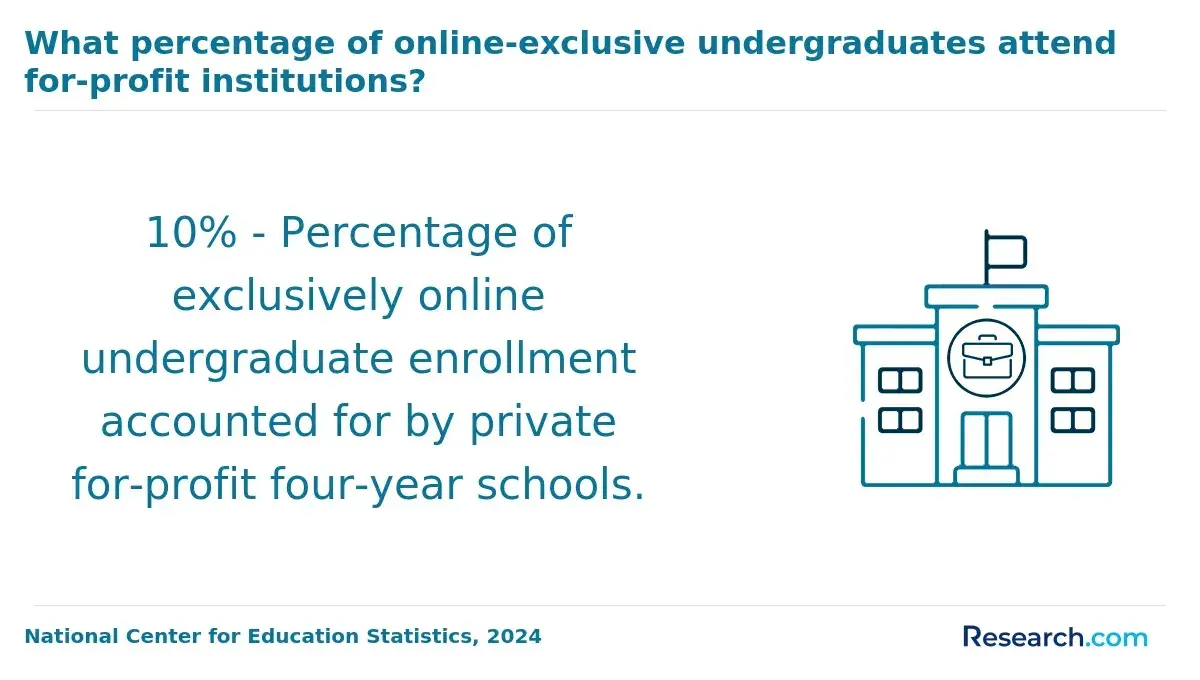
Students evaluating courses included in online community health programs should scrutinize how virtual formats enable practical skills like remote collaboration and digital data tool use. With nearly 40% of health profession graduate students taking some distance education courses and 25% studying exclusively online, assessing mentorship and networking quality in these settings is critical for long-term workforce integration.
For professionals transitioning into this field, programs emphasizing quantitative skills alongside social determinants and policy knowledge offer greater adaptability across employer types-from urban public health departments to rural nonprofits. Practical practicum placements remain a significant differentiator; those lacking such experience may face barriers to securing positions demanding workplace readiness. Those considering accelerated paths might also review offerings like an RN to BSN in 6 months to pivot efficiently while retaining clinical relevance within broader community health frameworks.
What admissions requirements do online community health programs use?
Admissions for online community health programs demand more than academic credentials; practical experience weighs heavily in candidate evaluation. While a bachelor's degree with a minimum GPA near 3.0 is standard, especially in public health or related fields, the decisive factor often lies in demonstrated applied skills and relevant work history. Employers and program committees expect applicants to present resumes or CVs evidencing hands-on roles-from community outreach to clinical support-that align with program goals. This emphasis reflects the field's operational reality, where understanding social determinants and navigating local health challenges requires more than theoretical knowledge.
Letters of recommendation must come from supervisors or faculty who can attest to the applicant's ability to manage graduate-level demands focused on community health outcomes. Personal statements should move beyond generic career aspirations, clearly outlining informed goals and anticipated contributions to public well-being. Although GRE scores are becoming optional, some programs retain them to assess quantitative and communication competencies fundamental for workforce readiness. This detail is critical for those pursuing a master's degree due to the estimated $400,000 median lifetime earnings premium in health-related fields as per Georgetown University's Center on Education and the Workforce.
Applicants must also demonstrate technology readiness for online learning platforms, which serves as a non-negotiable baseline given the digital nature of these programs. Accreditation requirements ensure these admissions standards closely reflect employer expectations and workforce needs, balancing educational investment against tangible return on career prospects.
How long do online community health programs usually take?
The duration of online community health programs shapes not only time-to-degree but also career trajectory and financial outcomes. Full-time tracks typically run 18 to 24 months, yet part-time students often extend to three or four years due to work and personal commitments. Accelerated options accelerate workforce entry but limit flexibility, an important consideration for employed professionals or caregivers.
Shorter programs facilitate quicker access to mid-level roles in public health agencies, though they reduce opportunities for hands-on practicum experiences that employers highly value when hiring coordinators or program managers. Conversely, longer programs provide more immersive applied learning but delay career transitions and increase total tuition costs. Public institutions average around $23,000 in tuition, while private ones exceed $40,000-expenses that rise with program length. This presents a tradeoff between upfront financial strain and lost income from delayed employment.
Consider the example of a full-time community health worker seeking advancement: a two-year part-time program may align better with steady income needs and manageable study hours. Meanwhile, a recent graduate aiming for a competitive epidemiology role in state public health may prioritize an 18-month full-time track to meet strict credential deadlines.
Programs embedding internships typically extend completion time but improve employability through field exposure. Students must weigh whether timing aligns with job market cycles and employer expectations to optimize outcomes.
Percentage Distribution of Tuition Discount for Community Health Students by Residency (2024-2025)

How much do online community health programs cost?
Choosing an online community health program involves significant financial and strategic considerations tied directly to employability and credential relevance. Certificate or non-degree tracks typically cost between $8,000 and $25,000, while master's-level preparatory programs, often required for graduate admission, range from $20,000 to $60,000 in tuition. Many programs charge per credit hour, averaging $600 to $1,200, with 30 to 50 credits needed for completion.
Employers frequently prefer candidates with accredited credentials over informal certificates, reflecting a sector expectation for rigor and recognized academic preparation. For instance, a public health professional targeting clinical degrees like MD or DO benefits from foundational community health knowledge gained through premium preparatory programs, which also offer career services and faculty mentorship critical for long-term wage growth.
Cost considerations extend beyond tuition to include lost income if studying full-time and the availability of financial aid or employer tuition reimbursement-key factors for working professionals balancing budgets. Non-accredited or lower-cost programs carry risks of inadequate rigor, delaying career progress in competitive graduate health fields.
What careers can you pursue with a community health degree?
Graduates holding a community health degree fill vital roles spanning public health agencies, non-profits, government departments, and community outreach programs. These positions demand expertise in addressing social determinants of health, managing population-based interventions, and driving interagency collaboration. According to a 2024 Health Affairs study, those with community- and population-health master's degrees have a 30% higher employment rate in public or community health settings compared to peers with clinically focused degrees, reflecting a strategic edge for careers outside direct clinical work.
For example, professionals in state or local public health departments work on initiatives such as reducing chronic disease rates or increasing vaccination coverage. In these roles, employers verify candidates' capabilities in data analysis, grant writing, and stakeholder engagement. Conversely, roles oriented toward healthcare administration or clinical trial coordination often require additional training in healthcare systems and regulatory knowledge.
Building practical skills in community engagement, health data platforms, and interprofessional collaboration is critical to meet employer expectations and avoid underemployment. Internships and targeted fieldwork are often necessary to translate the degree's theoretical knowledge into actionable impact within complex, multi-stakeholder environments.
What salary can community health graduates expect?
Graduates with a degree in community health face a wide salary range influenced by employer type, geography, and skill specialization. While starting salaries typically range from $45,000 to $60,000, median wages can climb to $65,000-$75,000 within five years, particularly for those employed by state or local health departments. Positions in nonprofit or federal agencies often begin lower but may compensate through benefits or loan repayment.
Specialized competencies-especially in community health assessment and health equity analysis-have measurable financial impact. According to the 2024 National Association of County and City Health Officials survey, over 70% of local health departments prioritize these skills, enabling professionals proficient in these areas to negotiate 10-15% higher salaries compared to peers without them.
Practical workforce decisions reveal tradeoffs: entry-level roles in rural or underfunded areas might start near $40,000 but offer accelerated promotion paths or local incentives, whereas urban centers pay more upfront but involve higher living costs and competition. Employers expect strong data analysis and cultural competence aligned with health equity, making these capabilities critical for wage growth and leadership opportunities. Understanding these dynamics supports strategic career planning in community health, balancing immediate financial rewards with sector-specific skill development and long-term positioning.
How do you choose a reputable online community health program?
Choosing an online community health program critically impacts employability, demanding scrutiny of accreditation, curriculum relevance, and workforce alignment. Accreditation by recognized bodies not only assures educational quality but also affects eligibility for licensure and certification required by many employers. Curricula must cover essential skills such as epidemiology, data analysis, health promotion, and cultural competence, especially given the World Health Organization's projection of a 10 million health worker deficit by 2030. Programs that integrate global health perspectives and cross-cultural training position graduates advantageously for roles in international primary and community care.
Employment outcomes offer a practical measure of a program's value. Prospective students should verify whether graduates secure positions within public health departments, NGOs, or education roles. For example, those targeting local health departments should ensure experiential learning addresses U.S. health systems and social determinants of health, a priority in underserved rural areas facing persistent staffing shortages.
Consider tradeoffs among cost, program length, and flexibility. Accelerated options may shorten credentialing time but limit vital practical experience. Working adults often need asynchronous formats with robust academic advising and networking support. The technical infrastructure facilitating remote learning directly influences student retention and workforce readiness, making technology and service quality crucial factors.
Other Things You Should Know About Community Health
Not all online community health programs are equally rigorous or aligned with graduate-level expectations. Select programs that integrate advanced research methods, quantitative analysis, and community-based practicum components to ensure practical readiness. Programs heavy on theory but light on applied skills may delay your transition or require supplemental training during graduate studies. Prioritize online options with strong faculty engagement and clear pathways for graduate success to avoid gaps in preparation.
Hands-on experience is critical in community health due to the field's applied nature and employer expectations. Programs offering virtual simulations or partnerships with local organizations for internships provide far more value than purely online coursework. Lack of practical exposure can limit your ability to demonstrate competencies that graduate programs and employers prioritize, such as program planning, community needs assessment, and stakeholder engagement. Seek programs with structured experiential learning to enhance both your graduate readiness and employability.
Flexibility improves accessibility but often comes with compromises in course depth and faculty interaction. If your primary goal is to transition quickly into graduate studies or advanced roles, prioritize programs with comprehensive curricula and live mentorship-even if scheduling is less flexible. Conversely, if you balance full-time work or caregiving, flexible formats may be necessary but require extra self-motivation to master complex concepts. Evaluate how program design affects your ability to meet graduate-level standards and professional competencies before choosing flexibility over rigor.
References
- Careers https://www.publichealthdegrees.org/careers/
- Best Online MPH Degree Programs for 2025 https://www.princetonreview.com/grad-school-rankings
- Community Health and Public Health | University of Phoenix https://www.phoenix.edu/articles/healthcare/community-health-and-public-health-differences.html
- Community Health Worker https://chwtraining.mcd.org/
- Public Health - INTERNATIONAL EUROPEAN UNIVERSITY, POLAND | EUROPE | STUDY IN POLAND | STUDY IN EUROPE | MBBS | GENERAL MEDICINE | BUSINESS | ENGINEERING | IT | EUROPE https://ieu.com.pl/european-medical-school-main/public-health/
- Community Health Worker Program Accreditation - URAC https://www.urac.org/accreditation-cert/community-health-worker-program/
- Community Health Worker Curriculums - RHIhub Toolkit https://www.ruralhealthinfo.org/toolkits/community-health-workers/4/training/curriculum
- DIPLOMA IN COMMUNITY HEALTH AND DEVELOPMENT - Kenya Institute of Social Work and Community Development https://www.kiswcd.co.ke/courses/community-health-and-nutrition/diploma-in-community-health-and-development/
- Top 25 Online MPH Community Health Degree Programs - MPH Online https://www.mphonline.org/best-online-mph-community-health/
- Master of Public Health Program at the Medical College of Wisconsin https://www.mcw.edu/education/graduate-school/graduate-school-programs/public-health/mph-program