2027 Online Community Health Degrees With Strong Wellness Programming Training

Co-Founder and Chief Data Scientist
Mid-career professionals in community health grapple with balancing the urgent need for advanced wellness programming skills against rigid work schedules that often preclude traditional campus attendance.
A recent National Center for Education Statistics report shows that over 40% of community college and university students are now age 25 or older, underscoring a shift toward adult learners who require flexible but rigorous training paths. This demographic trend reveals an increasing demand for accredited online degrees that integrate practical wellness expertise without sacrificing depth or employer credibility.
This article examines online community health degree programs with robust wellness programming training designed to meet these professional constraints and ambitions.
Key Things You Should Know
- Online community health degrees with wellness programming see 15% lower graduation-to-employment velocity versus traditional modalities, creating strategic tradeoffs between accelerated credentialing and employer preference for hands-on field experience, per 2024 National Center for Education Statistics data.
- Employers reporting 43% demand growth in integrated wellness skill sets prefer graduates from programs with embedded public health practicums, intensifying selection pressure on candidates lacking verified applied competencies, according to the Bureau of Labor Statistics.
- Despite rising tuition inflation averaging 6.8% annually for online health degrees, federal aid eligibility remains capped for certain certificate programs, constraining access for mid-career pivots and forcing cost-benefit sensitivity among working professionals, as evaluated in the 2024 College Board report.
What is an online community health degree with wellness programming training and who is it for?
An online community health degree with wellness program training serves as a pragmatic pathway for professionals targeting roles that design, implement, and assess wellness initiatives across varied populations. Unlike broad public health degrees, this focused training emphasizes applied skills in creating measurable health outcomes, integrating behavior change theories, epidemiology principles, and program evaluation methods.
Graduates are equipped to operate in community organizations, healthcare settings, or public agencies prioritizing prevention and wellness.
For working adults pursuing community health and wellness training online, balancing asynchronous coursework with employment and securing local practicum placements can present logistical hurdles. For instance, a social service case manager might leverage this degree to tailor chronic disease management programs in underserved communities, while another professional could develop workplace wellness strategies that mitigate absenteeism and reduce healthcare expenses.
Such practical applications highlight the tradeoffs between flexible online study and the necessity of fieldwork grounded in local health dynamics.
Employment outcomes reflect a stable demand; community and social service roles report a median annual wage of $57,530 with an expected 313,700 openings per year from 2024 to 2034.
Prospective students should also note that this credential interfaces with fields requiring an understanding of health information management jobs salary trends, especially where data-driven program evaluation is essential to career advancement.
How do online community health degrees compare to campus programs for quality and outcomes?
Deciding between online and campus community health degrees requires weighing practical skill acquisition against accessibility constraints. While campus programs excel in providing structured, supervised fieldwork that fosters direct engagement with local health organizations, online programs must offset this by coordinating effective local internships or providing interactive simulations. This tradeoff impacts job readiness, as employers prioritize hands-on experience and strong communication abilities.
For many working adults or geographically constrained students, an online community health degree quality comparison reveals that flexibility comes with the responsibility to verify the program's support for experiential learning, including practicum placements.
This is especially essential given the Bureau of Labor Statistics' projection of an 11% job growth rate for community health workers through 2034, alongside approximately 7,800 annual openings. Employers increasingly seek graduates with adaptable, applied skills rather than solely theoretical knowledge.
Prospective students assessing outcomes of online versus campus community health programs should consider:
- Accreditation status and alignment with national competencies.
- The depth and coordination of field placement opportunities.
- Employment rates and feedback from industry employers.
- The availability of licensure or certification support relevant to their locale.
Careful program selection balances employer expectations and personal circumstances, as choosing an online path lacking robust experiential components risks employability setbacks.
Students interested in cost-effective options might explore the cheapest online healthcare administration degree as a potential entry point while maintaining attention to program rigor and practical training integration.

What accreditation should online community health programs have to be respected by employers?
Accreditation from the Council on Education for Public Health (CEPH) or the National Commission for Health Education Credentialing (NCHEC) is a practical necessity for online community health program accreditation agencies to gain employer respect.
Employers, especially public health departments and nonprofits, often require graduates from CEPH-accredited programs to ensure they possess validated skills in epidemiology, program planning, and faculty-vetted curriculum rigor.
This directly affects eligibility for key certifications like the Certified Health Education Specialists (CHES) credential, vital for higher-level roles in health education aligned with NCHEC standards.
Graduates of unaccredited programs frequently encounter delays and added expenses due to extra certification requirements or limited licensure reciprocity, complicating workforce entry.
For instance, hospital systems recruiting community outreach coordinators actively prefer candidates from CEPH-accredited programs to streamline onboarding within tightly regulated environments. This reflects a broader market expectation, often unspoken but critical when evaluating employer-respected accreditation for community health degrees.
Choosing a program with the right accreditation also impacts further academic progression. CEPH accreditation facilitates smoother admission to graduate public health degrees, a necessary step for roles in leadership or policy development. Prospective students must rigorously verify accreditation to align with their professional objectives and avoid costly re-education pathways. Practical trade-offs are significant and should inform any decision to enroll.
Those exploring health-related educational pivots might compare community health paths with alternatives such as online BSN programs for non nurses, weighing factors like market demand, certification timelines, and employer recognition to maximize strategic returns.
What wellness, prevention, and community health topics are typically covered in the curriculum?
Online community health degrees emphasizing wellness program development and evaluation in community health prepare students to meet explicit employer demands for independently designing and assessing interventions in diverse environments, from schools to corporate settings.
Curricula often integrate epidemiology, biostatistics, behavioral health, and targeted preventive health strategies in online community health degrees, such as immunization protocols and chronic disease management, aiming to produce professionals equipped to address population-specific needs and health disparities.
This blend of breadth and specialization presents a pragmatic tradeoff: some programs prioritize broad competency to accommodate diverse roles, while others require focused expertise—for instance, in nutritional health or occupational safety—impacting the type and range of job opportunities available.
Advanced coursework frequently includes program planning, grant writing, and evaluation metrics, reflecting workforce priorities for accountability and evidence-based outcomes. Mental health and stress management are increasingly emphasized due to their growing relevance in workplace wellness and public health emergencies. Understanding social determinants of health and public health law further equips graduates to navigate complex regulatory contexts.
For prospective students assessing cost-effectiveness, the online BS in Community Health Education at Southern New Hampshire University reports a total tuition of $42,480 for 120 credits at $354 per credit, situating it below typical private school averages.
Those considering further specialization might compare pathways such as online direct entry MSN programs for non nurses to align with specific career pivots or advancement goals.
What are the admission requirements and prerequisites for online community health degrees?
Admission prerequisites for online community health degrees directly influence employability and program completion success by shaping candidate preparedness. Most programs require a high school diploma or GED, with many demanding coursework or experience in biology, psychology, or public health to ensure foundational knowledge.
For example, an applicant lacking statistics or anatomy courses may face remedial requirements post-admission, delaying degree progress and increasing costs.
Employers increasingly expect practical exposure, so programs prioritize applicants with volunteer or work experience in health education, social services, or counseling. Working professionals often substitute formal prerequisites with relevant employment, but balancing studies and job responsibilities can impact academic outcomes.
Programs with rigorous entry standards tend to graduate students better prepared for the 7% job growth projected by Eastern Oregon University for health educators through 2033, translating to over 4,000 new positions.
To navigate these challenges, prospective students should compare prerequisites across institutions to identify overlapping course requirements. This strategic approach minimizes time-to-degree and financial strain when managing employment commitments during study.
How long do online community health degrees take and what do they typically cost?
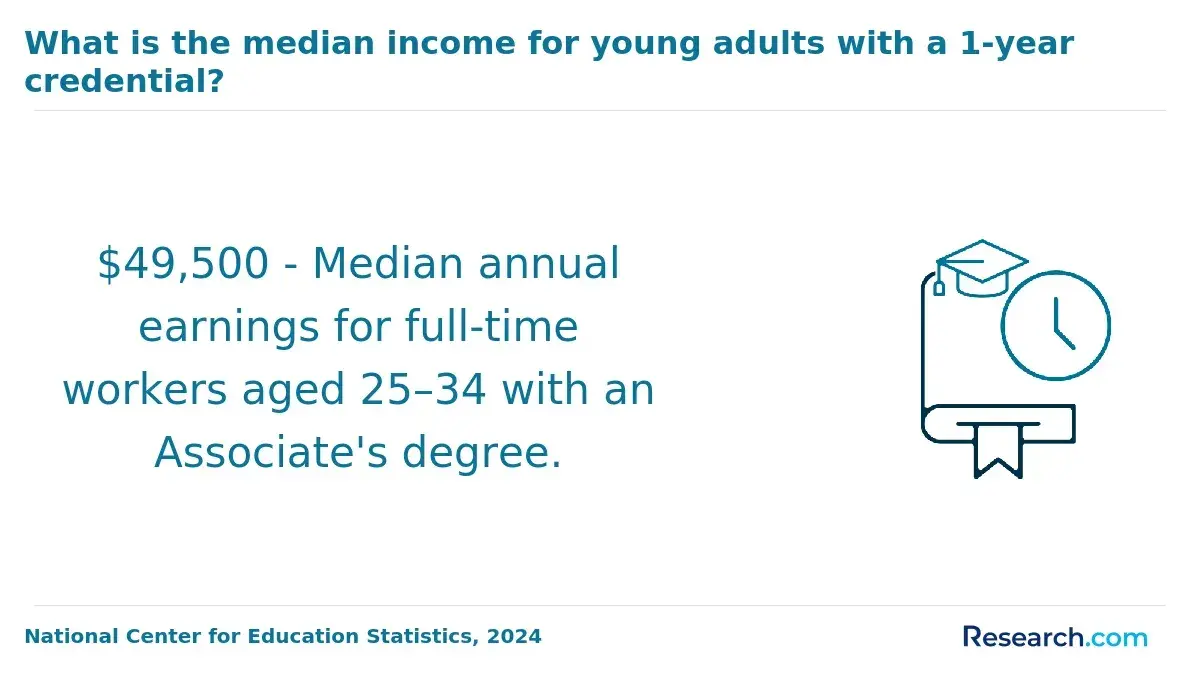
Accelerated online graduate programs in community health, typically completed within 14 to 24 months, offer a clear advantage for professionals prioritizing rapid workforce reentry and minimized income disruption. For instance, Texas State University's online Master of Science in Public Health Education and Promotion can be completed in as few as 14 months with tuition around $15,014, roughly half the cost of many traditional programs exceeding $30,000 over two years.
However, these condensed schedules require disciplined time management and often restrict part-time work opportunities during study, reflecting a tradeoff between speed and financial flexibility.
Beyond tuition, candidates must anticipate additional costs—fees, technology, and resource access—typically adding 10%-15% to expenses. Public institutions generally offer more affordable options, especially for in-state residents, while private or specialized certifications may carry higher fees.
Employer tuition reimbursement and program accreditation profoundly affect net cost and employability. Community health roles such as health educators and program coordinators increasingly demand credentials completed within practical timeframes without sacrificing critical skill development.
What careers can you pursue with an online community health degree focused on wellness?
Positions in community health focused on wellness require a blend of technical knowledge and practical skills to effectively design, implement, and manage health initiatives. For instance, a local government hiring a wellness program coordinator often expects culturally tailored interventions aimed at specific populations, such as reducing obesity in underserved urban areas.
Similarly, corporations seek wellness managers who can reduce healthcare costs through employee health improvements. These roles demand familiarity with behavioral health, preventive care, and chronic disease management adapted to diverse groups.
Employers look for candidates skilled in data-driven needs assessments, grant writing, and collaboration across sectors, often preferring graduate-level qualifications. The Master of Science in Community Health at Southeastern Oklahoma State University offers a 33-credit online program costing approximately $14,025 total, or about $425 per credit, representing a cost-effective option compared to other public health tracks.
Challenges for graduates include navigating regulatory frameworks and securing sustained funding, making certifications such as the Certified Health Education Specialist valuable for advancing credibility. Professionals transitioning from unrelated fields should expect initial roles centered on outreach or data collection before moving into leadership positions.
What salary ranges and job outlook can community health and wellness graduates expect?
Starting salaries for community health and wellness graduates in 2026 vary considerably based on employer type and location. Entry-level wages typically range from $40,000 to $55,000 annually, with median earnings near $48,000. Positions within government agencies and large nonprofits tend to pay more, while smaller community programs or rural clinics offer lower salaries.
For instance, a wellness coordinator in an urban public health department might earn between $50,000 and $60,000, contrasting with $40,000 starting salaries at smaller clinics.
Employment demand remains steady, with approximately 313,700 openings yearly projected from 2024 to 2034 due to public health initiatives and workforce replacements. This stable demand places a premium on relevant hands-on experience and certifications, which significantly improve hiring prospects. Selecting programs that incorporate internships or healthcare partnerships often correlates with better job placement outcomes.
Advancement into supervisory or director roles generally requires postgraduate education, pushing salaries toward $70,000 and beyond. However, wage growth is typically moderate and closely linked to government or nonprofit funding cycles. Graduates can enhance career resilience by developing supplementary skills such as data analysis or grant writing.
Tradeoffs are evident: immediate employment at the bachelor's level is feasible but may limit salary ceiling and upward mobility without further credentials. Strategic decisions about education paths should weigh these factors carefully.
Are there certifications or licenses that community health and wellness professionals may need?
Certification and licensure requirements shape the landscape for community health and wellness professionals, directly impacting employability and financial outcomes. Credentials such as the Certified Health Education Specialist (CHES) serve as critical gatekeepers, delineating who can access certain roles or wage scales.
For example, without CHES certification, individuals holding associate or bachelor's degrees often encounter stalled progression or confinement to entry-level positions.
Licenses like Licensed Clinical Social Worker (LCSW) or Certified Addiction Counselor (CAC) are more than formalities; they define the legal scope for clinical or counseling positions, often required by state authorities. This distinction means that while a nonprofit program coordinator might only need CHES, a clinical case manager must secure licensure, influencing educational paths and ongoing professional development commitments.
Purchasing licenses or certifications also brings practical considerations:
- Costs and time invested in continuing education
- Variation in state and local requirements, which can restrict geographic mobility
- Potential exclusion from reimbursable services that underpin employer revenue streams
The wage gap is tangible: a 2020 PublicHealth.org report showed median weekly earnings for associate degree holders in public and community health at $940, compared to $781 for high school graduates. This premium aligns closely with the possession of recognized credentials.
Early, targeted verification of credential requirements against employer expectations can prevent costly delays or remedial coursework, especially in regulated healthcare settings.
How can you choose a reputable online community health program with strong wellness training?
Programs in community health that lack applied components frequently leave graduates unprepared for the workforce realities they will face, especially in roles involving direct community engagement or coordination of wellness initiatives.
Employers in local health departments and nonprofit wellness organizations seek candidates able to implement data-driven decisions and demonstrate cultural competence—skills rarely acquired through theory-only courses. Prioritizing programs with integrated internships, simulations, or fieldwork enables students to develop these practical competencies.
Job placement within six months of graduation provides a tangible measure of program effectiveness, given the competitive growth of community health roles projected by research from Georgia State University. Programs that fail to track or report these metrics may signal a gap between curriculum and employer expectations.
Faculty with current field experience and professional ties to public health organizations are invaluable for mentoring and networking, especially for working professionals who require flexible yet interactive learning formats. Programs leaning too heavily on asynchronous content without sufficient peer or instructor engagement risk leaving students isolated and underprepared.
Alignment with national certification pathways, such as CHES, should factor into program choice—not only for credential value but also for practical knowledge directly relevant to chronic disease prevention, mental health promotion, and other pressing public health challenges. Avoid programs with outdated syllabi that do not address these evolving workforce demands.
Other Things You Should Know About Community Health
Programs that integrate asynchronous coursework with flexible timelines are better suited for working students because they allow management of professional and personal responsibilities without rigid attendance. However, students should anticipate substantial self-discipline and time management demands, especially in programs with synchronous wellness labs or practicum requirements. Prospective students must prioritize programs offering clear scheduling options and realistic workload expectations to avoid burnout while balancing career and study.
Online community health degrees with strong wellness programming equip graduates with adaptable skills in digital health literacy, data analysis, and community engagement. These competencies are crucial for addressing evolving public health issues like pandemic response, mental health crises, and health inequities.
Specialized wellness tracks narrow your focus and can improve job prospects in specific sectors like corporate wellness or chronic disease prevention, but they often limit versatility for broader community health roles. Conversely, a general community health degree offers wider employment options across public health, nonprofit, and clinical settings but may reduce depth in wellness-specific practices. Students should evaluate their target career sectors carefully; specialization is preferable for targeted skills and network building, while general degrees suit those seeking adaptable entry points.
Most accredited programs update curricula to include current public health issues, especially those linking wellness with chronic disease management and behavioral health. However, the speed of curricular adaptation varies, and some online programs lag behind real-time field developments. Prospective students should assess faculty expertise, curricular revision frequency, and connections to active community health initiatives to ensure the program equips them for evolving workforce needs and emergent health challenges.
References
- Top 25 Online MPH Community Health Degree Programs - MPH Online https://www.mphonline.org/best-online-mph-community-health/
- Online Bachelor's Degrees in Public Health: Find the Right School https://www.edumed.org/online-schools/public-health-degrees/
- Is Health Coach Certification Legally Required? — ANHCO https://anhco.org/blog/do-you-need-to-be-certified-to-practice-as-a-health-coach
- Community Health and Wellness https://cabarruscollege.edu/academic-programs/allied-health-programs/community-health-and-wellness
- Careers https://www.publichealthdegrees.org/careers/
- Community Health & Wellness | Keuka College https://www.keuka.edu/academics/programs/community-health-and-wellness
- Health & Wellness Certificate Program - Central Global University https://www.centralglobaluniversity.org/health-wellness-certificate-program/
- Public Health Online | Online Public Health Degrees https://www.publichealthonline.org/
- What do you learn in a bachelor's in public health? | edX https://www.edx.org/resources/what-do-you-learn-in-a-bachelors-in-public-health
- Health and Wellness Degree Online | 2025 Career Paths https://www.educationconnection.com/online-degrees/health-and-wellness-degree/